
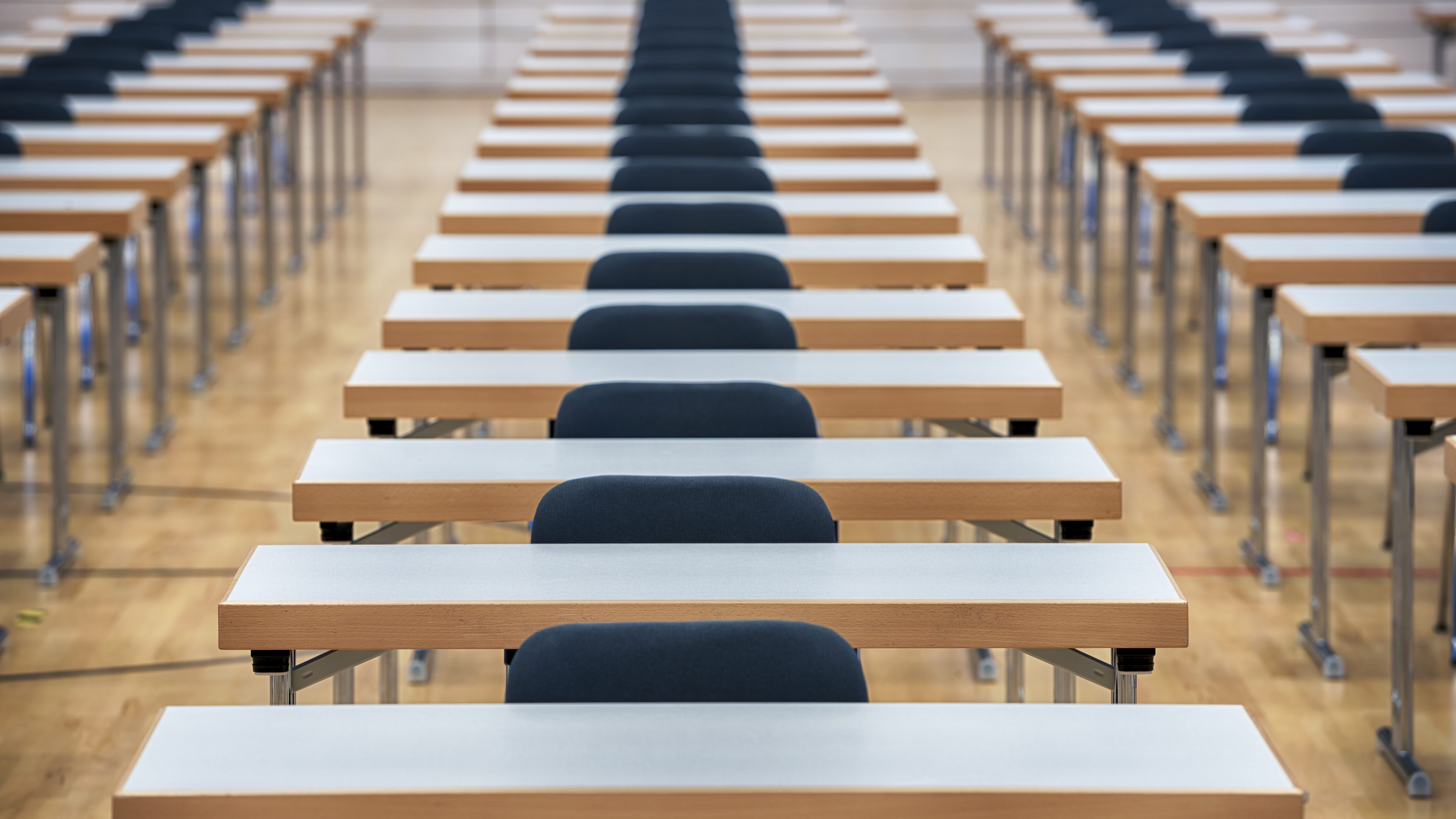
“A sector expert has called on curriculum and assessment bodies to update how students are tested to ensure they are properly learning about artificial intelligence and other emerging technologies. One of the most eminent voices on AI in education, the University of Sydney’s Professor Danny Liu, said assessments in schools and universities still test outdated assumptions about what students need to know and are able to do. In a session at the EduTech conference in Sydney on Thursday, Professor Liu said the past three years of AI disruption should be used as an opportunity to update assessments as a whole, not just in relation to testing AI competency. He said testing has long been dominated by ‘stuff’ – the content – and later by ‘skills’ such as communication and collaboration. Students should instead be tested on the process of learning, or ‘self’, he said, which includes “knowing about who you are as a person, learning how to self-regulate, how to persevere, have grit, and also, most importantly, learning how to keep on learning.” “We say we want balanced people who are really good at knowing themselves, but then in assessments, we sit students through exams, where they have to cram knowledge, then spew that out to us in a multiple choice format,” he said. “We are measuring stuff, maybe a little bit of skills, but we are not doing what we say we want to be doing. Professor Liu said long exams only test retained knowledge. Picture: iStock/kontrast-fotodesign. “What are we doing through things like the HSC and the VCE? We're sitting students through three-hour exams, which are potentially not aligned with what we actually want to do.” Part of the problem is the amount of time it takes for curriculum bodies to update content and assessments, Professor Liu said. The Australian Curriculum, Assessment and Reporting Authority (ACARA) updates the K-12 curriculum and its assessments every 10 years, and university assessments are reviewed every seven years. More on this story: AI use up, digital literacy down | No urgent action on generative AI in schools | My daughter proves AI won’t replace teachers The professor was part of the group that wrote the Castlereagh Statement , a green paper on how to create a coordinated national plan on AI. It recommended the way students are assessed be updated more frequently. It also recommended assessments be redesigned to measure and reward the process of learning, instead of just output, and that AI detection tools, which it said measures cheating not learning, be phased out. The statement also proposed how AI could be better taught from early childhood to post-secondary education, among other changes to education. After consultation with teachers, academics and industry, the group will produce a white paper to present to government. “We see a desire to build and nurture students who are caring, kind, compassionate, adaptable individuals, but our curriculum is preparing them to be rote memorizers, to be people who are good at communicating, but maybe not so courageous,” he said. ACARA was contacted for comment but did not respond in time. Comments in this article do not reflect the position of the individual's employer.
Original story
Continue reading at Education Review AU
www.educationreview.com.au
Summary generated from the RSS feed of Education Review AU. All article rights belong to the original publisher. Click through to read the full piece on www.educationreview.com.au.
