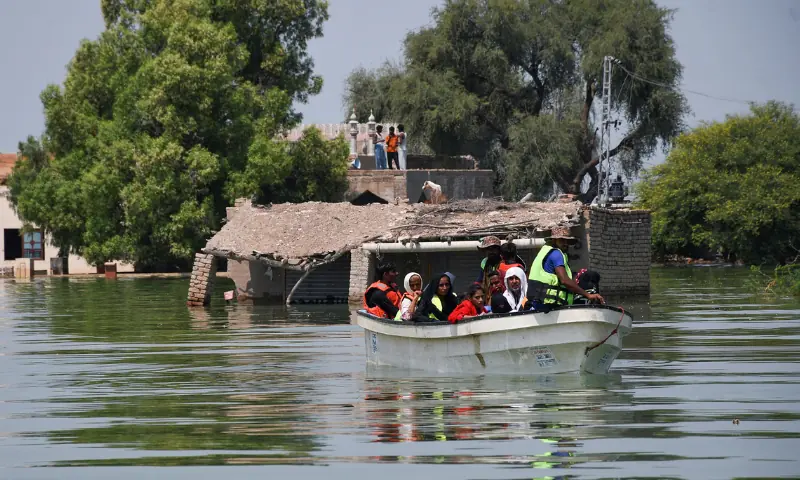
“Climate colonialism argues that the climate crisis is not an accident — it is the outcome of centuries of extraction. The world’s richest countries, a small percentage of the global population, are responsible for the majority of historical greenhouse gas emissions while regions like South Asia contribute little but face the harshest impact today. It is estimated that the G20 countries produce about 80 per cent year on year of global greenhouse gases. This disproportionate extraction and consumption of resources by a handful of countries contributes to crises that the rest of the world pays for. The climate colonialism framework connects past exploitation with present suffering by examining the drivers of the climate crisis — colonialism, capitalism and consumerism. Ahmed Rafay Alam, an environmental lawyer and former member of the Pakistan Climate Change Council, discusses all this and much more as he dives into drivers behind the climate crisis with DawnNews . As Pakistan confronts the accelerating realities of climate change, the urgency to move from awareness to action has never been greater. Despite contributing minimally to global emissions, Pakistan remains among the most climate-vulnerable nations, underscoring the critical need for coordinated, locally grounded, and globally informed responses. The Breathe Pakistan International Climate Change Conference 2026 on May 6 and 7 brings together policymakers, experts, and stakeholders from across sectors to examine these intersecting challenges and chart a path forward. See the agenda here .
Original story
Continue reading at Dawn Pakistan
www.dawn.com
Summary generated from the RSS feed of Dawn Pakistan. All article rights belong to the original publisher. Click through to read the full piece on www.dawn.com.