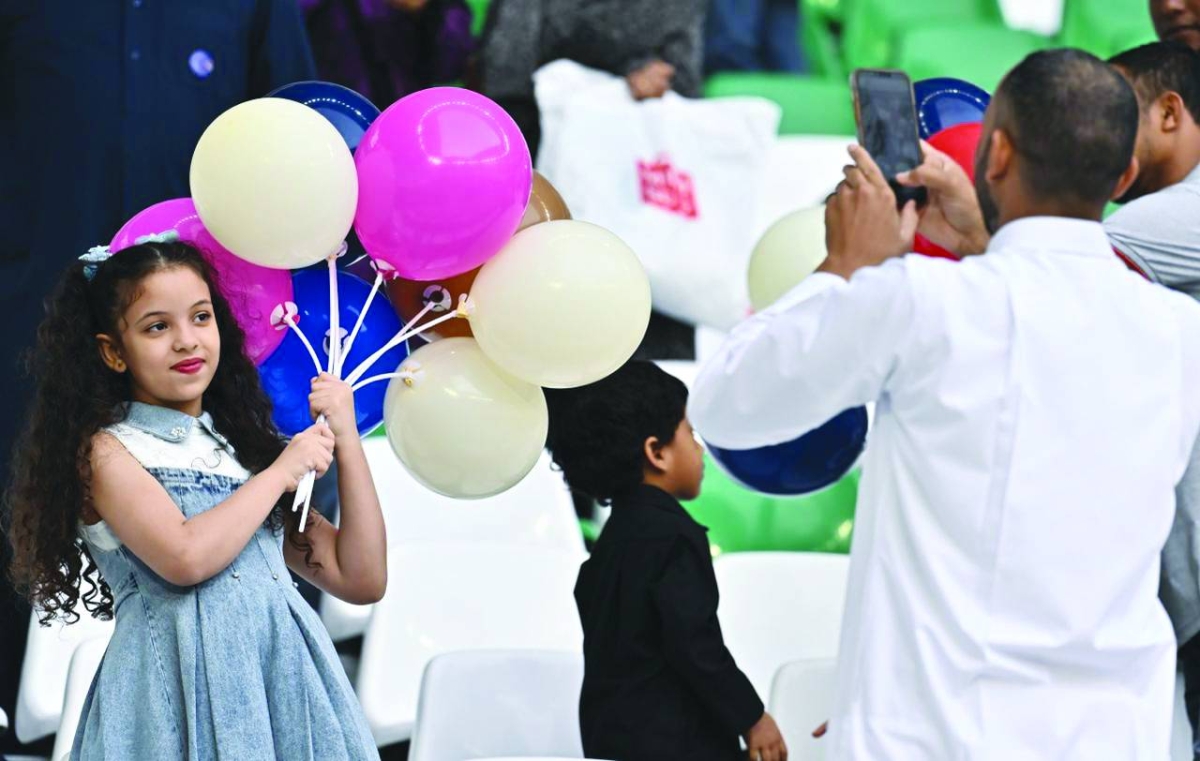
“Representatives of Arab and Muslim communities residing in Qatar said Eid al-Adha represents an important annual occasion for promoting the values of generosity, solidarity and compassion that remain deeply rooted in Arab and Islamic societies. In statements to QNA, they stressed that the holiday goes beyond its religious significance, carrying humanitarian and social meanings that strengthen family ties, co-operation and community cohesion. They also described Doha as a unique model of coexistence among different cultures and communities. Heritage and Rare Books Adviser in Qatar Foundation (QF), Professor Mohamed Hammam Fikri said Arab and Muslim communities in Qatar, including the Egyptian community, are keen to preserve Eid traditions that combine customs from their home countries with Qatari traditions. He noted that preparations begin during the first 10 days of Dhul Hijjah, with prayers and Takbeer creating a spiritual atmosphere ahead of Eid morning prayers. Fikri added that traditional Egyptian dishes such as Fattah and liver meals remain closely linked to Eid celebrations and the sacrifice ritual, while charity initiatives and sacrifice donation projects have become increasingly popular in preserving the spirit of giving and social solidarity. He also highlighted the importance of family visits, children’s gifts and social gatherings during the holiday. Meanwhile, actor and director Mohamed el-Sunni Dafallah, Arts Co-ordinator at the Sudanese Cultural Center in Qatar, described Eid al-Adha as a season of love, family reunions and kindness. He said Sudanese families celebrate through traditional clothing, festive foods, incense and visits to relatives, neighbours and friends, adding that the Sudanese Cultural Center in Qatar organises cultural and artistic activities reflecting Sudanese heritage during the holiday. Secretary General of the Mauritanian Community Office in Qatar Ahmed Taleb Sidi Elemine said Eid al-Adha reflects Mauritania’s rich cultural identity, combining Arab traditions with African heritage. He noted that Mauritanian celebrations focus on hospitality, charity and strengthening social ties, alongside traditional meals such as grilled meat and couscous. He also pointed to similarities between Mauritanian and Qatari Eid traditions, including traditional dress, hospitality customs and children receiving holiday gifts, stressing that shared values of generosity and togetherness continue to unite both cultures. Meanwhile, Director of the Yunus Emre Turkish Cultural Center in Doha Anwar Gedik, said members of the Turkish community welcome Eid al-Adha with great joy and deep enthusiasm, noting that solidarity, generosity and social cooperation are among the most important values associated with Eid celebrations in Turkiye. He said the holiday is a special occasion during which disputes are set aside, friendships are strengthened and social bonds become closer. Gedik added that the Yunus Emre Turkish Cultural Center, in coordination with the Turkish embassy in Doha, is keen to bring together Turkish citizens, friends and cultural partners in gatherings filled with unity and brotherhood. He stressed that these celebrations help strengthen cultural interaction between peoples and reinforce the Turkish community’s sense of belonging to its cultural identity He also praised Qatar’s atmosphere of security and stability, saying it allows communities to celebrate their traditions peacefully. He noted that Turkiye and Qatar share common cultural values centered on family ties, hospitality and spiritual traditions, adding that Eid remains one of the strongest symbols of friendship and shared values between the two countries. Senior Researcher at Doha International Center for Interfaith Dialogue Sekou Marafa Toure said Eid al-Adha is a unifying occasion celebrated across the Islamic world, including West African countries such as Burkina Faso and Mali. He noted that celebrations in these countries closely resemble those in Qatar through family gatherings, traditional foods, exchanging visits and greetings, and dedicating Eid days to compassion, social connection and family unity. Toure explained that the Burkinabe community in Qatar celebrates Eid with a mix of joy and nostalgia for home, making the occasion both a religious celebration and an opportunity for reunion among community members. He said the community organizes family and social gatherings in coordination with embassies and relevant institutions to recreate the atmosphere of Eid back home. These gatherings feature traditional African clothing, popular dishes and greetings exchanged in multiple African languages and dialects, helping expatriates feel closer to their homeland despite the geographical distance. He added that families also use the occasion to teach children born abroad about their original cultures, traditions and languages, ensuring they remain connected to their roots while integrating into Qatari society. Toure stressed that these celebrations reflect Qatar’s distinctive model of cultural and human coexistence, where different communities can preserve their identities and traditions in an atmosphere of respect, diversity and social harmony.
Original story
Continue reading at Gulf Times Qatar
www.gulf-times.com/qatar
Summary generated from the RSS feed of Gulf Times Qatar. All article rights belong to the original publisher. Click through to read the full piece on www.gulf-times.com/qatar.