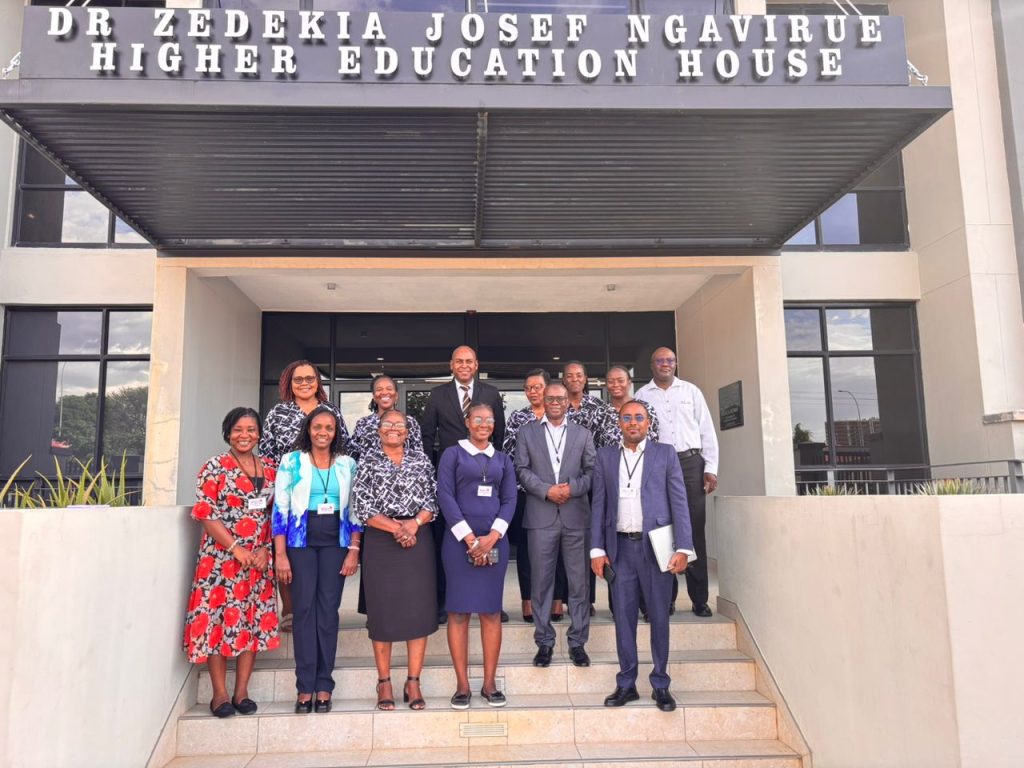
“As African higher education systems continue to expand and diversify, strengthening transparent and internationally comparable quality assurance frameworks has become a strategic priority for continental integration, student mobility, and international academic cooperation. The development of stronger and more transparent quality assurance systems across Africa is closely linked to the progressive implementation of the African Standards and Guidelines for Quality Assurance (ASG-QA) . The ASG-QA cover the internal and external quality assurance of higher education institutions and quality assurance agencies across the continent. They were developed based on existing African national frameworks and criteria. The ASG-QA were endorsed by the African Union in 2018, and are scheduled for an update in 2028. Since its adoption, the framework has supported the ongoing development and alignment of quality assurance systems in many African countries. Current cooperation under the third phase of the Harmonisation of African Higher Education Quality Assurance and Accreditation (HAQAA) initiative between ENQA and the Association of African Universities (AAU) focuses on strengthening a system of external reviews for African quality assurance agencies to evaluate their compliance with the ASG-QA. The work builds on the experience gained during pilot reviews and consultancy visits carried out under previous phases of the HAQAA initiative (2015-2022). A key role in this process is played by the interim technical unit of the Pan-African Quality Assurance and Accreditation Alliance, hosted by the AAU in Accra, Ghana. In hosting the interim technical unit and coordinating key technical activities under the initiative, the AAU is playing a strategic leadership role in advancing continental cooperation and strengthening the institutional foundations of quality assurance in African higher education. Through a structured knowledge-transfer programme, ENQA is sharing the experience developed in coordinating agency reviews across the European Higher Education Area during the last decades. This cooperation is helping the technical unit develop and refine its internal procedures review methodologies and coordination mechanisms, and progressively build operational capacity within the team. This collaboration illustrates how structured Africa–Europe partnerships can support mutual learning and policy convergence, contributing to stronger and more internationally comparable higher education quality assurance systems across the continent. The implementation of the agency reviews is already underway. In February and March 2026, site visits took place for the reviews of the Council on Higher Education Lesotho and the National Council for Higher Education Namibia . Staff members of the technical unit participated in the onsite visits, gaining first-hand experience of the review methodology. About fifteen agency reviews and consultancy visits are expected to be coordinated in the coming year. Participation in this work will continue to expand. The registration form for agency reviews, consultancy visits, and follow-up visits in 2027-2028 has just been reopened. The call, aimed at quality assurance agencies and ministries responsible for quality assurance of higher education, will remain open until August 2026. The work of the interim technical unit is closely connected to broader continental efforts to strengthen cooperation in quality assurance and support the development of sustainable structures for the future of African higher education quality assurance. One of these developments is the establishment of the Pan-African Quality Assurance and Accreditation Alliance (PAQAA). Its interim council met online for the first time in February 2026, and is expected to hold its first in-person meeting this year at the headquarters of the African Union in Addis Ababa (Ethiopia). In the long term, the PAQAA is expected to host a continental register of agencies that are compliant with the ASG-QA. The current work on agency reviews, consultancy visits, and follow-up activities, therefore, represents an important preparatory phase. By developing and consolidating a credible and transparent review system, the interim technical unit is helping lay the foundations for a future pan-African quality assurance architecture.
Original story
Continue reading at AAU
www.aau.org
Summary generated from the RSS feed of AAU. All article rights belong to the original publisher. Click through to read the full piece on www.aau.org.

