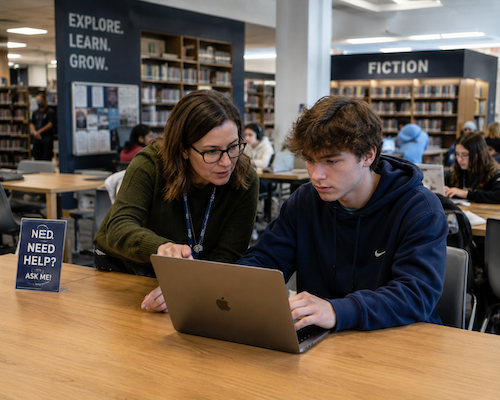
“Key points: Creating inclusive spaces to welcome returning readers requires librarians to diversify funding streams Modern students need modern librarians 3 ways school libraries have evolved to meet students’ needs For more news on school libraries, visit eSN’s Innovative Teaching hub Libraries are more than a quiet corner of school where students can pick up a book now and then–they are vibrant learning environments that support classroom curriculum, spark curiosity and creativity, and enhance vital literary skills. Studies show a positive correlation between strong school library programs and higher standardized test scores, improved graduation rates, and stronger academic performance even when controlling for factors like socioeconomic status. Ensuring that school libraries not only remain funded, but actually expand collections and resources to meet changing needs, requires librarians and staff to get loud and proud about the difference they make each day for students. And one of the most powerful ways to amplify their voices is through hard data–circulation trends, program participation, and student engagement metrics–that demonstrate the indispensable role they play in student success. Telling the full story of a library’s impact Stagnant library funding is impacting school districts nationwide. In 2024, the average amount spent on library media center (LMC) programming was only $12 per student , and restrictions on what dollars can be allocated to has made purchasing anything outside of books almost impossible. As a result, librarians are increasingly forced to seek support outside of their district–today, 48 percent of library funding comes from external partners. Justifying the request for additional financial support, whether from PTA donations, grants, or additional state funding, requires librarians to clearly demonstrate how their actions translate into meaningful outcomes for their students. Three key types of data can help them make a strong, evidence-based case for investing in student learning and success: Circulation numbers : Circulation data encompasses more than how many books are checked out each year–it demonstrates true student engagement with the collection and allows librarians to set goals for the school year. Our team began using the Follett Software Library Suite to manage our cataloging and inventory capabilities while helping foster a love of reading in our students. By pulling historical reports on library usage based on checkouts, holds, and returns, we created goal posters for students to see each time they walked through our doors. The library team was able to create a reading competition across grade levels–sparking a friendly rivalry and motivating students to engage more actively with library resources. Between 2023 to 2023, circulation increased 60 percent, and the next year, increased another 28 percent. By sharing our data openly with the entire school community, students were excited to return again and again to grab new books to read and funders were provided a full picture of the library’s growing impact. Collection analysis: By analyzing data reports from current library catalogues, librarians can complete a full inventory of the collection, build a development plan, determine where deselection should occur, and identify areas that require need additional funding to improve the overall quality of the materials provided. One of the most recent genre requests for our school library has been novels in verse, books that tell a story through poetry rather than traditional prose. Because of their skyrocketing popularity among our students, we wanted to keep the momentum going. Our library stocked 25 novels in verse, but when we ran the circulation data for the call numbers, we discovered we would need twice as many books to meet the growing demand. By presenting the quantitative data to budget stakeholders, we had the indisputable evidence needed to secure funding for a novel in verse display, which is now one of the most-visited areas of the library. Diversity data: Ensuring every student is reflected among the bookshelves is an essential requirement for librarians. When readers engage with books that align with their own cultural experiences, their ability to read, comprehend, and analyze increases. In addition, diversity in books helps all students build empathy by learning from experiences different from their own. With our current library asset management system, all titles we input include diversity-related metadata that identifies a variety of categories, such as customs and culture, varying worldviews, socioeconomic status, ethnicity, gender, sexual orientation, and mental and physical abilities. When setting curation goals, I can run a report based on selected metadata and compare it to our school’s demographics. If a student population is underrepresented, I have the evidence in hand to better advocate for diversity-related funds. After years of spending all their time on smartphone screens, today’s students are heading back to the school library for a range of reasons, from in-school phone bans to the rise of BookTok and new YA genres. Creating inclusive spaces to welcome these returning readers requires librarians to diversify funding streams as school budgets continue to tighten. By tracking current trends and using data-informed reporting to showcase students’ engagement and progress, they can secure the resources needed to support their students’ reading growth and overall academic success.
Original story
Continue reading at eSchool News
www.eschoolnews.com
Summary generated from the RSS feed of eSchool News. All article rights belong to the original publisher. Click through to read the full piece on www.eschoolnews.com.
