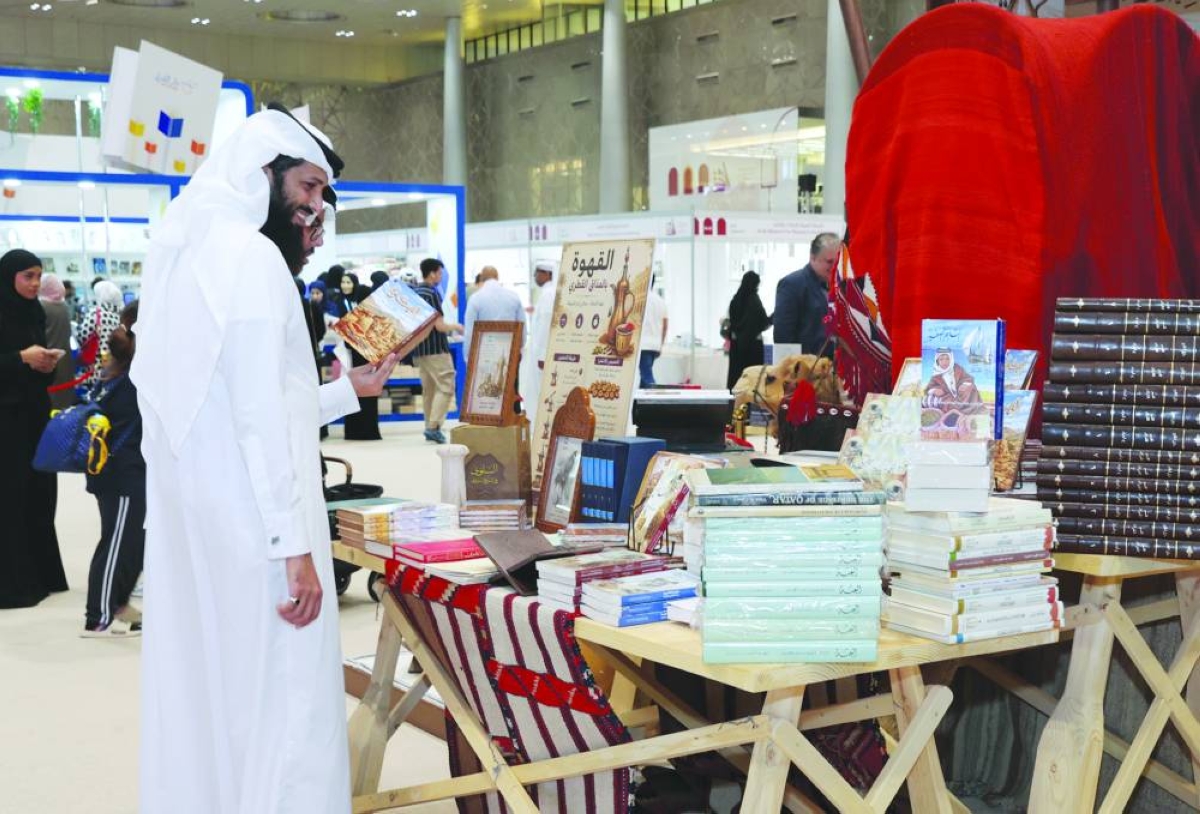
“The accompanying activities of the 35th Doha International Book Fair (DIBF) continued to attract a wider audience with a wide range of cultural, artistic, and social initiatives, highlighting the fair’s expanding role as a literary and community engagement platform. Among the most prominent features were the “Liwan Art” workshops, which saw sustained and growing attendance, particularly on weekends. These workshops drew large numbers of visitors in an interactive environment that combined artistic practice with cultural expression, blending traditional heritage with modern creative approaches. The high turnout, especially in the evenings, reflected increased public interest in hands-on cultural experiences that allow direct participation rather than passive observation. The “Liwan Art” workshops became one of the key attractions of the fair due to their diversity and accessibility, appealing to families, children, and young adults. Activities included traditional crafts, visual arts, and contemporary experimental forms, all of which encouraged creativity and engagement. A notable highlight was the mosaic workshop, which attracted significant attention due to its technical nature and the longer completion time, typically ranging from one and a half to two hours per piece. This extended duration enabled participants to immerse themselves in the artistic process, fostering patience, focus, and deeper creative involvement. The workshops, as a whole, operated in a continuously active environment, with sustained visitor flow creating a vibrant, dynamic atmosphere throughout the day. The fair also hosted an important seminar titled “The Family as a Protective Shield for Children,” held on the main stage of DIBF. The session brought together specialists in family counselling, legal protection, and community security to discuss the family's role in safeguarding children and strengthening social stability. Participants emphasised that the family represents the first line of defence in protecting children from social and digital risks, and stressed the importance of co-ordination between security institutions and civil society organisations to address evolving societal challenges. The discussion featured contributions from representatives of key institutions, including Wifaq Family Consulting Centre, the Social Protection and Rehabilitation Centre (Aman), and the community policing officials. The representative from Wifaq highlighted the centre’s continued participation in the book fair through awareness initiatives and research activities, with a focus on the role of family counselling in preventing marital disputes and family breakdown. The approach outlined included preventive measures to be implemented before conflicts arise, therapeutic interventions during disputes, and developmental support for ongoing family education and awareness. The importance of preparatory programmes for newly married couples was also emphasised as a key preventive strategy to reduce future family problems. Accordingly, Aman presented its operational framework for handling cases of abuse, neglect, and family-related risks, stressing strict confidentiality procedures and secure reporting channels, including digital platforms. The centre explained that a multidisciplinary team of legal, psychological, and social specialists assesses each case to determine the appropriate level of intervention, which may include legal action, psychological support, or social services depending on the severity of the situation. The Community policing representatives further highlighted the importance of shared responsibility in maintaining security and social stability, stressing that effective protection of families requires co-operation between government bodies, civil society institutions, and individuals. They outlined ongoing efforts to raise awareness, prevent social problems, and protect children from digital threats, cybercrime, and behavioural risks through targeted programmes and partnerships. The discussion also pointed to the need for continuous development of legal frameworks and social policies to keep pace with rapid technological and societal changes.
Original story
Continue reading at Gulf Times Education
www.gulf-times.com/community/education
Summary generated from the RSS feed of Gulf Times Education. All article rights belong to the original publisher. Click through to read the full piece on www.gulf-times.com/community/education.
