
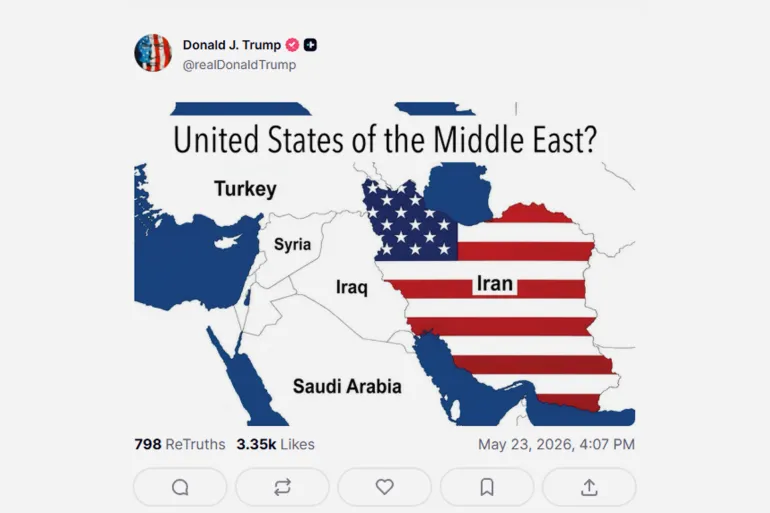
“Egypt has stepped up diplomatic efforts to contain escalating tensions between the United States and Iran, engaging in a series of high-level regional consultations as negotiations between Washington and Tehran enter a critical stage marked by deep mistrust and competing demands over Iran’s nuclear programme and Gulf security. Egyptian Foreign Minister Badr Abdelatty held separate phone calls with Saudi Foreign Minister Prince Faisal bin Farhan, Iranian Foreign Minister Abbas Araqchi, and Qatari Prime Minister and Foreign Minister Sheikh Mohammed bin Abdulrahman Al Thani, as Cairo sought to coordinate regional positions and reinforce calls for de-escalation. According to Egypt’s foreign ministry, discussions centred on the latest developments in US-Iran negotiations and the rapidly shifting regional landscape, with all parties stressing the need to avoid “uncalculated escalation” that could undermine regional stability and security. Egyptian officials reiterated that diplomacy and dialogue remain “the only viable path” to resolving outstanding disputes and preventing a broader regional confrontation. During his call with Araqchi, Abdelatty was briefed on the latest phase of indirect negotiations between Tehran and Washington, facilitated by regional mediators. The Egyptian minister underscored the importance of securing a diplomatic breakthrough capable of easing tensions and reducing the risk of wider conflict. In parallel diplomatic efforts, Qatar’s Emir, Tamim bin Hamad Al Thani, discussed regional de-escalation initiatives with US President Donald Trump during a phone call on Saturday, including mediation efforts led by Pakistan aimed at easing friction between Washington and Tehran. The surge in diplomatic activity comes as both Iran and the United States continue to maintain firm public positions. US Secretary of State Marco Rubio said Iran “can never possess a nuclear weapon,” adding that highly enriched uranium “must be surrendered” and insisting that the Strait of Hormuz remain open “without any fees”. Iranian President Masoud Pezeshkian, meanwhile, told Pakistan’s army chief Asim Munir during talks in Tehran that Iran was seeking to safeguard the “legitimate rights” of its people. He warned, however, that previous dealings with Washington required Tehran to proceed “carefully and cautiously”, citing what he described as repeated US breaches of commitments. Iranian Parliament Speaker Mohammad Bagher Ghalibaf also said Tehran would not “retreat from the rights of the nation”, adding that Iran continued to defend its interests “both on the battlefield and at the negotiating table”. Pakistan has emerged as an increasingly active intermediary in the crisis. Munir held separate meetings in Tehran with Pezeshkian, Ghalibaf and Araqchi as part of broader mediation efforts aimed at preserving diplomatic channels and preventing further escalation. Meanwhile, the United States Central Command said the US maritime blockade imposed on Iran had reached a “significant stage”, with 100 vessels reportedly redirected since the measures took effect in April following renewed military tensions earlier this year. Iran’s Islamic Revolutionary Guard Corps Navy responded by announcing that 25 ships, including oil tankers and commercial vessels, had crossed the Strait of Hormuz under its coordination over the previous 24 hours, a signal that Tehran continues to project influence over one of the world’s most strategically important oil shipping routes. In Tehran, Iran’s civil aviation authority denied reports of new airspace restrictions over western parts of the country and the capital, stating that flights were operating normally and that airports in Ahvaz and Mahshahr had resumed activity. Adding to signs of diplomatic friction surrounding the negotiations, the The New York Times cited two Israeli security officials as saying Israel had been largely excluded from ongoing ceasefire and diplomatic discussions between Washington and Tehran, leaving Israeli leaders increasingly reliant on regional contacts and independent intelligence assessments to monitor developments. Trump further fuelled speculation after posting an image of Iran overlaid with the American flag on his Truth Social platform, without additional comment from the White House. The post Egypt intensifies diplomacy to ease US-Iran tensions amid mounting regional uncertainty first appeared on Dailynewsegypt .
Original story
Continue reading at Daily News Egypt
www.dailynewsegypt.com
Summary generated from the RSS feed of Daily News Egypt. All article rights belong to the original publisher. Click through to read the full piece on www.dailynewsegypt.com.
