
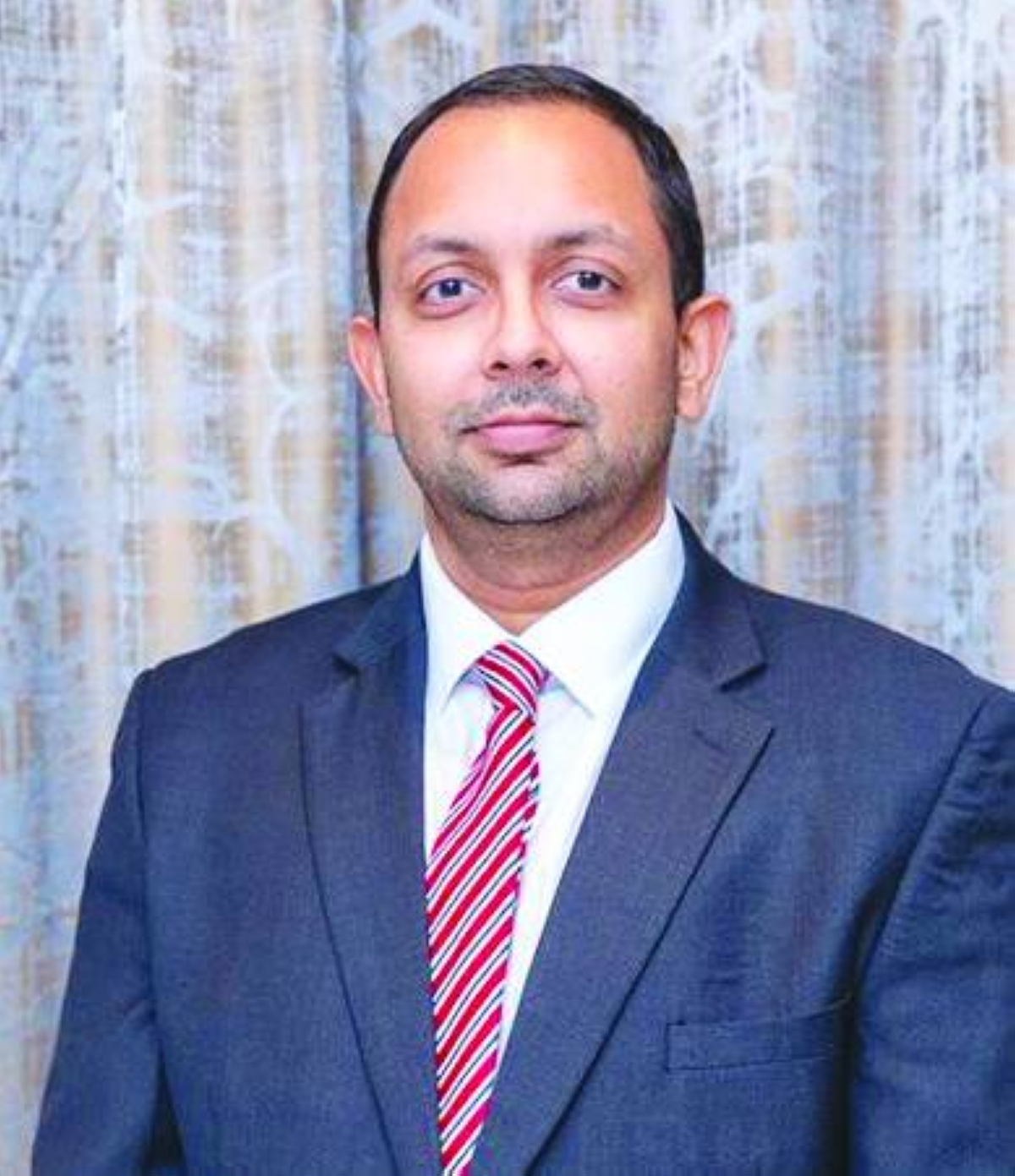
“The ambassador of the United Kingdom to the State of Qatar Neerav Patel described the signing of the joint statement concluding negotiations on the free trade agreement between the Gulf Co-operation Council (GCC) and the United Kingdom as an important milestone that has been under negotiation for years, and a significant step forward in developing relations between the two sides toward a long-term partnership with a modern commercial framework. In a statement to the Qatar News Agency (QNA), he said the agreement is of great strategic importance as it represents the first comprehensive free trade agreement between the GCC and a G7 country, setting a new benchmark for openness in the region. He explained that the agreement will strengthen relations between the GCC countries and the United Kingdom on one hand, and between Britain and the State of Qatar on the other, noting that the two countries already work closely across trade, investment, defense, education, health, technology, and culture. The free trade agreement, he said, will contribute to accelerating co-operation at lower cost. He highlighted the strong co-operation between the United Kingdom and the State of Qatar, particularly in the economic sector, with bilateral trade reaching around GBP 5.8bn. The new agreement, he added, is expected to provide a platform to expand this exchange into sectors that will shape the future of both countries. He noted that at a time when global trade is becoming more fragmented, the agreement sends a clear message that the United Kingdom and its Gulf partners support open markets and clear, predictable rules. It is also, he said, a message of confidence from the United Kingdom to Qatar and the region that Britain seeks to further strengthen cooperation and expand its long-term presence in the region. Speaking about the economic benefits, he said the agreement is practical and business-focused, making trade between the United Kingdom and the GCC cheaper, faster, and easier, which will directly benefit companies and individuals in Qatar. He added that the agreement reduces costs, as Qatari and GCC exports will enter the United Kingdom duty-free, while British exporters are expected to save around GBP 580 million annually in tariffs upon full implementation, with a significant portion of tariffs removed from day one. This, he stressed, will result in lower prices, stronger competition, and better margins for both sides. He further explained that the agreement will accelerate trade through simplified customs procedures and reduced paperwork, noting that goods can be cleared in less than 48 hours when requirements are met, while perishable goods can be cleared within hours. This, he explained, is practically important in reducing delays and losses and ensuring more reliable supply chains. He added that the free trade agreement will also open up the services sector, which already forms a large part of the relationship between the United Kingdom and Qatar, ensuring access to sectors such as finance, legal services, consultancy, and engineering, with clearer rules on licensing and recognition of qualifications. For Qatari projects, he continued, this means easier access to British expertise on the ground, while for British companies it provides a more stable and predictable environment for investment and expansion. He noted that the agreement will make it easier for people to move and do business across borders, as simplified visa procedures and longer business stays will allow professionals such as engineers, lawyers, and consultants to move more quickly to implement projects in both directions. It also reduces the cost of working in the digital economy and supports free data flows, which is particularly important for Qatar’s priorities in fintech, artificial intelligence, and digital services. He also pointed out that the agreement strengthens investment flows, as clearer rules and protections give investors confidence to deploy long-term capital, whether through Qatari investments in infrastructure and technology in the United Kingdom or British expansion into energy, industry, and services sectors in Qatar. It also brings tangible benefits for consumers in Qatar, as high-quality British products, from food and beverages to specialized goods, become more affordable and accessible, resulting in greater choice and better value. He stressed that the GCC-UK free trade agreement offers unlimited opportunities for the State of Qatar and strengthens the deep historical relationship between the two sides. It creates conditions for deeper partnerships in priority sectors such as advanced manufacturing, clean energy, professional services, and the digital economy. On trade, he said companies will benefit from simpler procedures and lower costs, making it easier for British firms to export and for Qatari companies to access the UK market. In services, clearer rules on mobility and recognition of qualifications will allow professionals to move more easily and deliver projects on the ground. In the digital field, he added, the agreement supports cross-border data flows and reduces the need for costly localisation, which is important for fintech, banking services, and broader technological cooperation. In innovation, there is real scope to combine British expertise with Qatari capital and ambition, whether in artificial intelligence, clean energy, or infrastructure, stressing that the opportunity now lies in turning the legal framework into practical deals. He said: 'it goes so much wider, there is not a single sector or area of public life where we are not connected, and we are surging ahead in future-facing sectors. Trade, investment and security cooperation are the backbone but the relationship is expanding, into technology, energy transition, and long-term economic development. This breadth matters. It means we are not reliant on a single sector, we are building a genuinely diversified partnership'. 'This agreement strengthens that foundation and gives us the tools to take it further. The FTA reflects that shift. It gives businesses a more predictable environment to operate, which is essential in a more uncertain global economy,' he added. Neerav Patel underlined that the agreement between the United Kingdom and the GCC formalises an important step in this direction, noting that there is real potential for further strategic integration and economic resilience. He said it is not only about tariffs, but about how two economies work together through investment, services, digital trade, and innovation. He added that the agreement establishes clearer rules for investors, supports cross-border services, and enables free data flows, representing the building blocks of modern economic integration. It also reflects how business is conducted today, digitally, across borders, and at scale.
Original story
Continue reading at Gulf Times Education
www.gulf-times.com/community/education
Summary generated from the RSS feed of Gulf Times Education. All article rights belong to the original publisher. Click through to read the full piece on www.gulf-times.com/community/education.