
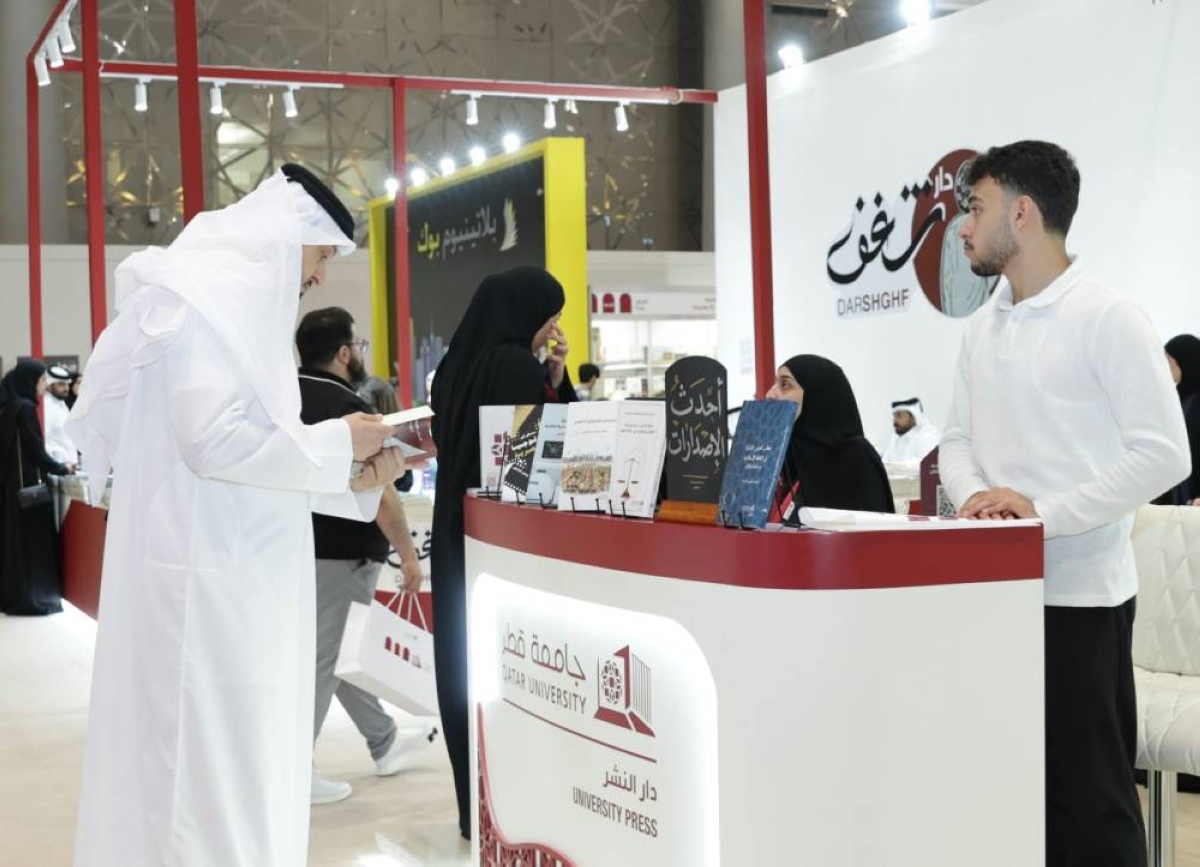
“Book fairs across the Gulf are increasingly evolving from cultural showcases into major commercial engines for the Arab publishing industry, with publishers relying on the region’s rapidly expanding literary events for direct sales, translation deals and international market access. Industry organisations and cultural institutions say that Gulf states are investing heavily in publishing infrastructure as part of broader efforts to diversify their economies and strengthen cultural influence. The Arab Publishers Association reported that first-edition book production in the Arab world rose to approximately 93,000 titles during 2022 and 2023, describing it as an “unprecedented rise” linked to growing youth interest in reading and publishing activity across the region. Publishing analysts say Gulf nations have become particularly important because they combine strong government funding, high consumer spending and large-scale international fairs capable of attracting global publishers. The International Publishers Association has highlighted growing international participation by Gulf publishing institutions in rights, translation and licensing initiatives. The commercial role of Gulf book fairs has expanded significantly beyond retail book sales. Organisers now dedicate substantial space to professional networking, rights negotiations and distribution partnerships between Arab and international publishers. A 2025 industry briefing by publishing consultancy The New Publishing Standard noted that recent Doha fairs have expanded professional networking and publisher exchange programmes. The report also identified Gulf fairs as growing entry points for international publishers seeking access to Arabic-speaking markets, particularly as demand for translated fiction, children’s literature, and educational content rises. Cultural institutions in the UAE and Qatar have simultaneously increased investment in translation initiatives and digital publishing platforms. The recently announced partnerships are aimed at expanding Arabic digital libraries and audiobook platforms while strengthening international translation co-operation with publishers in Europe and Asia. International fairs in Frankfurt, Beijing, New Delhi and Rabat have also been used to promote Arabic publishing rights and expand the international visibility of Arab authors. Analysts say these investments reflect a broader shift in the economics of Arab publishing, where Gulf governments increasingly view books and translation industries as strategic cultural assets rather than purely commercial sectors. Unesco recently described the Doha International Book Fair (DIBF) as one of the region’s leading literary platforms, highlighting record international participation and the growing role of books in regional cultural diplomacy. At the same time, publishers continue to face structural challenges, including limited regional distribution networks, piracy concerns and uneven readership levels across Arab markets. Still, Gulf fairs are increasingly functioning as stabilising commercial hubs for publishers navigating those difficulties. For many smaller Arab publishers, participation in Gulf fairs now represents one of the few opportunities to generate substantial direct consumer sales while simultaneously securing regional partnerships. The result is a publishing economy increasingly centred not only on books themselves, but on fairs, rights exchanges, translation funding and cultural branding – a model reshaping how the Arab publishing industry operates across the region.
Original story
Continue reading at Gulf Times Education
www.gulf-times.com/community/education
Summary generated from the RSS feed of Gulf Times Education. All article rights belong to the original publisher. Click through to read the full piece on www.gulf-times.com/community/education.

