
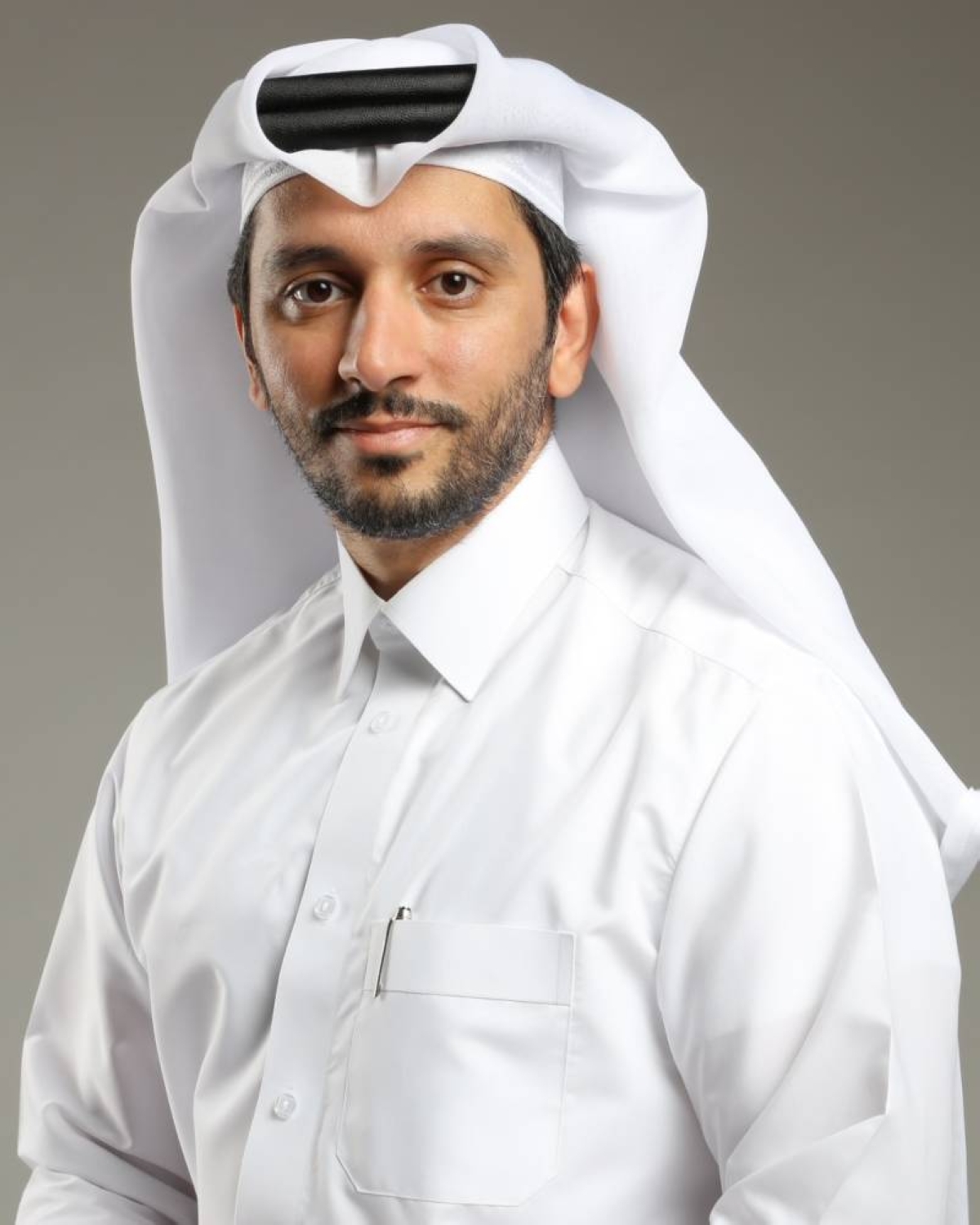
“Just six years after the Covid-19 pandemic brought much travel and tourism to a halt, a comparable crisis is hitting the hospitality sector in the Gulf. The conflict that erupted on February 28 between the US and Israel against Iran resulted in a closure of airspace lasting a few weeks, bomb damage to infrastructure, fears over security and a consequent plunge in visitor numbers. The response should be practical and immediate. Gulf governments can temporarily reduce tourism-related fees, licensing costs and event charges, while hotels shift marketing towards domestic and regional visitors. Airports can support airlines through temporary reductions in selected charges to protect connectivity, and governments can create real demand by directing training programmes, conferences and official events to local hotels. A targeted refinancing fund, delivered through banks as interest-free soft loans, can also help viable hotels manage cash flow, provided the support is linked to job retention, cost control and clear operating plans. Tourism vouchers, faster event approvals, visa facilitation and temporary relief on utilities such as electricity, water and cooling would further reduce pressure on the sector. More than half of scheduled flights in the region were cancelled in the first two weeks of the conflict. Airport hub traffic was down between 55% and 85%. The cost to tourism was running at an estimated $600mn per day by mid-March, at the peak of the conflict. Airspace has been reopened since early May, but the effects linger. Flights have been re-routed from Middle East hub airports, and many tourists have preferred to take a vacation in the western Mediterranean. Prior to the conflict, airports in the Middle East handled 10-15% of global transit traffic. Across the region, the estimated drop in arrivals is between 23mn and 38mn, with reduced visitor spending of $34bn-$56bn. A hidden benefit from the Covid-19 crisis, however, is that there is relatively recent experience in how to cope with a sudden, huge and unexpected drop in the number of tourists. There are measures that the sector can take, and there are smart policies that governments can adopt. For the sector it has to be recognised that it may be some time before visitor numbers return to the levels of 2025, when numbers just for Qatar reached 5mn, up from 2mn five years before. Hotels and tour operators will need to reduce the cost base. Marketing is best aimed at potential visitors in neighbouring countries, those in similar proximity to Iran. While visitors from India or Europe may be deterred from coming to the region owing to security concerns, those from other Gulf nations face the same or a similar situation at home. A strategic pivot towards local marketing, dynamic pricing and offering extended stays should help hotels and tour operators. The near-closure of the Strait of Hormuz has resulted in elevated costs for aviation, and higher prices for flights, especially long-haul flights. The oil price is estimated to remain at 10-15% higher until the end of 2027, impacting aviation fuel costs and completely changing the cost base for airlines. Governments in the Gulf can play a major role. They recognise that tourism as a sector is of strategic importance in diversifying the economic base away from oil and gas, so there is a long-term economic case for supporting the sector. Direct subsidies are not the smartest option, as they represent payment for no service in return, and can inhibit necessary restructuring and cost control. Better options are soft loans and putting government business the way of hotel operators. A government could provide business directly, for example by block booking conference facilities for internal staff training or similar events, and booking rooms where government staff can enjoy a staycation. Gulf nations benefit from healthy fiscal balances, so affordability should not be a problem. Jointly, the government and hospitality businesses can cooperate to create cultural or sporting events with the aim of attracting visitors. While marketing to neighbouring Gulf nations may be the priority in the near to medium-term, it is also necessary both for the industry and for governments to emphasise in marketing messages internationally that the region remains relatively safe and attractive as a destination. For Qatar, the stakes are high: Tourism has been effectively encouraged in line with Government policy to diversify away from oil and gas as export earners. Hosting the FIFA World Cup in 2022 gave a huge boost to the country’s profile, and was associated with modernisation of infrastructure and investment in hotel facilities. Maintaining occupancy levels has been a challenge since the tournament ended, even before the start of the war. Some of the projects were debt-financed and, given the nature of preparing for such an important event with immovable deadlines, construction costs were high. So the conflict came at a time when parts of the hospitality sector were not in the healthiest state. To assert that the current crisis is temporary may be true, but it is likely to last longer than some businesses can survive. The Covid-19 pandemic and the disruption to supply chains caused by the Russia-Ukraine conflict have resulted in international businesses prioritising resilience over leanness and efficiency. Much of this learning can be applied to the current situation. Tourism can recover in as little as two months from severe disruption, according to the World Travel and Tourism Council, but there is no certainty that the US-Iranian tension will be swiftly resolved, and hope is not a strategy. Switching to local marketing and extended stays, with government support, may be a necessary approach for some time to come. The author is a Qatari banker, with many years of experience in the banking sector in senior positions.
Original story
Continue reading at Gulf Times Qatar
www.gulf-times.com/qatar
Summary generated from the RSS feed of Gulf Times Qatar. All article rights belong to the original publisher. Click through to read the full piece on www.gulf-times.com/qatar.
