
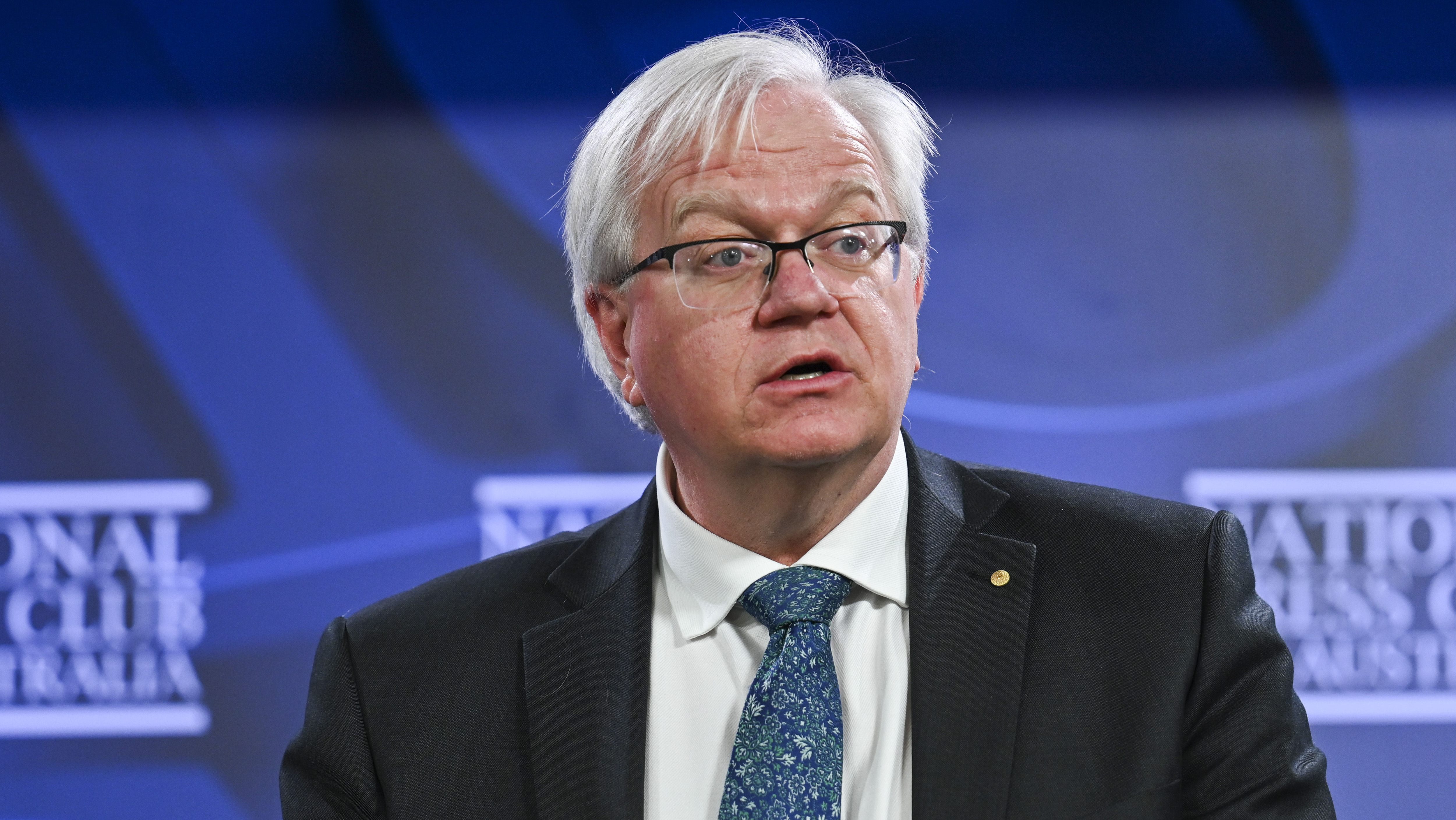
“The $250 million Renew ANU restructure was approved without clear evidence it was needed, achievable, urgently required, or likely to have the intended impact, an audit has found. The Australian National Audit Office (ANAO) investigated the restructure plan at the Australian National University (ANU) after speculation the institution was not in the dire financial straits it claimed to be. A report released by ANAO on Thursday confirmed that ANU council members, who approved Renew ANU in August, 2024, did not have a “sufficient understanding of the problem, the options available, or implementation risks.” The Renew ANU program started in October, 2024, and planned to save $100 million in salary costs through forced and voluntary redundancies, and $150 million by reducing non-salary expenses. Although the university’s finances were not at crisis level, it was not in a positive financial position, and operating changes were required to stabilise the institution, the report found. “While some savings have been made from the implementation of Renew ANU, as of February, 2026, the program has cost $35.9 million against reported annual salary savings of $74.8 million, and major risks remain – particularly around staff impacts and reliance on future growth in international student numbers, which has historically taken longer than planned,” the report said. The ANAO recommended the university “formally capture and apply lessons learned from Renew ANU,” including developing robust business cases for future change proposals that properly identify the problem, offer multiple evidence-based options and outline the expected impact on the university’s purpose and people. It also said the ANU should improve the quality of its financial advice and establish a consistent methodology for reporting and explaining its financial position. The events that led to Renew ANU In 2018, former vice-chancellor Brian Schmidt said he wanted to keep the ANU a smaller, ‘human-scale’ university, by Group of Eight standards, with a focus on postgraduate study, small class sizes and a ‘personable’ education. Former vice-chancellor Brian Schmidt wanted to keep ANU a personable university. Picture: Martin Ollman. Part of that plan was to cap domestic enrolments following a few years of significant growth in student numbers, and to decrease pathways programs for international students to reduce overseas student enrolments. Although the ANU ended 2019 with a $317 million surplus, revenue declined by 13.6 per cent in 2020 as a result of the pandemic leading to a $17.7 million loss that year. The campus also sustained damage from the Black Summer bushfires and a separate hailstorm that year. More on this story: UA chief Luke Sheehy on ATEC & TEQSA | More resignations from ANU council | Genevieve Bell suspended over alleged misconduct Planned low international student numbers were what ultimately caused ANU’s revenue to fall below its costs in 2020. In 2023, the university started focusing on reducing spending when former vice-chancellor Genevieve Bell and former chancellor Julie Bishop developed Renew ANU. Where to from here? ANAO’s findings come at a time when ANU has no permanent leadership. Chancellor Julie Bishop resigned in May , seven months before her term was due to end. Ms Bishop left her position after an embattled tenure leading the university’s council, which included allegations of bullying and harassment, that she denies. Ms Bishop cited regulatory overreach by the Tertiary Education Quality and Standards Agency (TEQSA) as the reason for her resignation. TEQSA had accepted a voluntary undertaking from ANU allowing it control over choosing the next ANU chancellor, a decision made by council members. Independent ACT senator David Pocock agreed with TEQSA’s decision and said Ms Bishop’s resignation was in the university’s best interest. “When things go so terribly wrong at the helm of such an important institution, especially one governed by Commonwealth law, there must be accountability,” he said. “The voluntary undertaking to conduct an independent process to appoint the next chancellor is very welcome and will hopefully help rebuild trust, confidence and better governance at our national university.” An investigation into the council culture, and the allegations against Ms Bishop made by academic Liz Allen, has been completed but the report is yet to be made public. Former vice-chancellor Genevieve Bell also resigned in October after significant pushback around the Renew ANU plan, and was replaced by interim vice-chancellor Rebekah Brown.
Original story
Continue reading at Campus Review AU
campusreview.com.au
Summary generated from the RSS feed of Campus Review AU. All article rights belong to the original publisher. Click through to read the full piece on campusreview.com.au.

