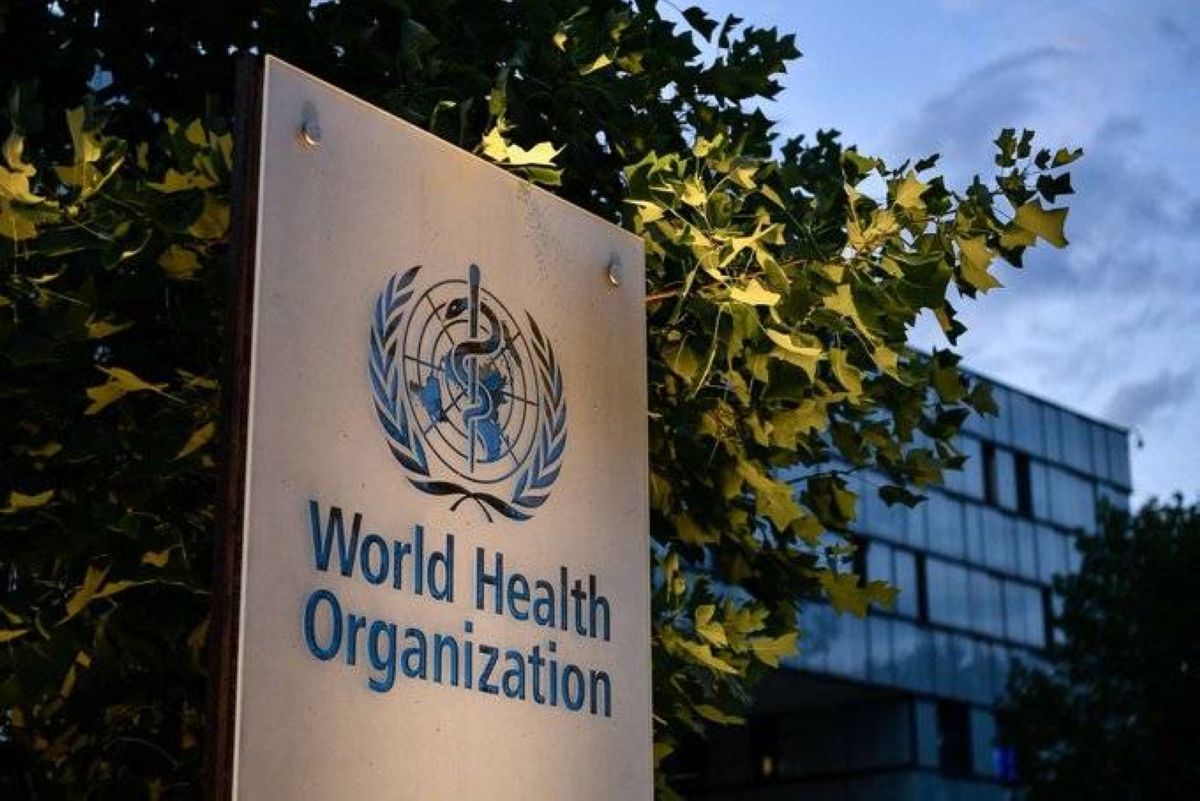
“The world marks No Tobacco Day annually on May 31, an international observance launched by the World Health Organization (WHO) to enhance awareness of the health, social, and economic menaces of tobacco and to encourage stronger policies aimed at curbing its spread among all members of society. For the 2026 campaign, WHO adopted the theme 'Unmasking the Appeal - Countering Nicotine and Tobacco Addiction,' reflecting growing global concern over modern marketing techniques that target younger age groups. The campaign intends to expose the blandishments employed by the tobacco industry to attract new users, particularly adolescents and young adults. The theme also challenges the notion that newer products, such as e-cigarettes and heated tobacco products, are harmless alternatives. Critics argue that many of these marketing claims amount to mere window-dressing, obscuring the real risks associated with nicotine addiction. According to sophisticated public health personnel, marketing strategies that emphasize appealing flavors, colorful packaging, sleek designs, and social media promotion are often aimed at ensnaring teenagers and young adults, leading many to begin using nicotine products at an early age. WHO estimates that tobacco kills more than seven million people annually through preventable diseases, including cardiovascular disease, lung cancer, and chronic respiratory illnesses. The impact extends beyond smokers themselves, as exposure to secondhand smoke also poses serious health risks to non-smokers. While tobacco remains one of the world's most pressing public health challenges, it also imposes a substantial economic burden through healthcare expenditures and productivity losses resulting from illness and premature death. Efforts to reduce tobacco use frequently encounter regulatory and social encumberments that hinder the implementation of effective public health measures. Experts emphasize that successful smoking cessation strategies include counseling services, quit lines, nicotine replacement therapies, and digital applications that help individuals monitor their progress and remain committed to quitting. Supportive family members and friends can also create a more congenial environment for those attempting to break their addiction. Drawing on successful experiences from around the world, public health advocates argue that governments must not abdicate their responsibility to protect public health. Alongside individual efforts, effective regulation, public education campaigns, and community engagement remain essential countermeasures against the tobacco epidemic. Public awareness initiatives also play a critical role in correcting misconceptions and exposing deceptive marketing practices, preventing tobacco companies from attempting to write off the harmful consequences of their products. Specialist in the Wellness Department at the Primary Health Care Corporation (PHCC), Dr. Anas Adel Qalfa, spoke to Qatar News Agency (QNA) about the State of Qatar-led efforts to combat tobacco in its various forms, emphasizing that these efforts came through an integrated system that factors in legislation, prevention, awareness, and the provision of smoking-cessation services. The State of Qatar has also established clear regulations governing the sale and distribution of tobacco products, Qalfa noted, adding that these measures include prohibiting the advertising, promotion, and sponsorship of tobacco products and banning their sale to individuals under the age of 18. These regulations, Qalfa added, also include preventing their sale in the vicinity of schools and educational and training institutions. In addition, smoking has been prohibited in enclosed public places, with violators subject to legal sanctions.Qalfa further elucidated that, compared with the experiences of other countries in the region, Qatar's anti-tobacco efforts can be viewed as an advanced and comprehensive model. He indicated that the nation's strategy does not rely solely on public awareness campaigns; rather, it adopts a more universalistic approach, combining regulatory policies, effective oversight, the protection of younger age groups, and direct treatment services for those seeking to quit smoking. Through healing services and smoking-cessation clinics, Qalfa stressed that PHCC projects itself as a leading national platform that is closer to the community, translating these efforts into preventive and practical therapy. These services, he underlined, include medical consultation, pharmacological treatment, and persistent follow-up under the supervision of trained and accredited physicians, thereby supporting individuals throughout their smoking-cessation journey and contributing to the building of a healthier society. Dr. Qalfa highlighted that modern smoking-cessation protocols are based on the principle that nicotine dependence is a treatable medical condition rather than merely a bad habit. He noted that treatment extends beyond medication or general advice, beginning with a comprehensive assessment and incorporating behavioral counseling, pharmacological treatment when necessary, and regular follow-up. Dr. Qalfa affirmed that WHO has consistently maintained that behavioral counseling and pharmacological treatment can significantly increase the chances of successfully quitting smoking. He noted that healthcare professionals play a pivotal role in transforming a smoker's desire to quit into a practical and achievable plan. Qalfa further highlighted that tobacco remains a major global health burden, with WHO estimates indicating that there are approximately 1.3 billion tobacco users worldwide. Tobacco use, he notes, causes more than seven million deaths annually, including around 1.6 million deaths among non-smokers as a result of exposure to secondhand smoke.Dr. Qalfa stressed that these figures, together with WHO's recommendations, underscore the fact that smoking cessation should be viewed as a continuous therapeutic journey rather than a single attempt. Individuals may not succeed on their first try, particularly if they use multiple tobacco products or live in environments where exposure to tobacco and nicotine is prevalent, Qalfa suggested, stressing that such circumstances often constitute significant encumberments to successful cessation. He emphasized the importance of following a practical treatment plan based on the proper use of cessation therapies, including drinking plenty of water, maintaining daily physical activity, regulating sleep, reducing exposure to triggers, avoiding hunger and fatigue, and adopting simple coping techniques such as deep breathing or delaying the decision to use tobacco for ten minutes until the craving subsides.Regarding the role of technology and smart applications in supporting cessation programs, Dr. Qalfa said that technology should be treated as a supportive tool rather than a standalone treatment. He outlined that an effective application is one that is linked to reliable health content, respects user privacy, and reinforces the treatment plan established by the physician. Wrapping up his remarks, Dr. Qalfa reemphasized that the journey toward smoking cessation begins with a clinic visit. During that process, he said, healthcare professionals assess patterns of tobacco use, identify triggers and expected symptoms, and develop a practical plan tailored to the individual. Some patients require longer-term support to consolidate behavioral change and prevent relapses. Intriguingly, amid evolving challenges, marking this day serves as an annual opportunity to recommit the world to combating tobacco and protecting future generations from its harms. Through effective policies and comprehensive support programs, health authorities seek to counter the tobacco industry's blandishments and ensnaring tactics. The ultimate objective is to foster a healthier and more congenial society through a universalistic approach to public health, one that promotes well-being, reduces smoking rates, and advances sustainable development across communities. QNA 1101 GMT 2026/05/30
Original story
Continue reading at Gulf Times Qatar
www.gulf-times.com/qatar
Summary generated from the RSS feed of Gulf Times Qatar. All article rights belong to the original publisher. Click through to read the full piece on www.gulf-times.com/qatar.
