
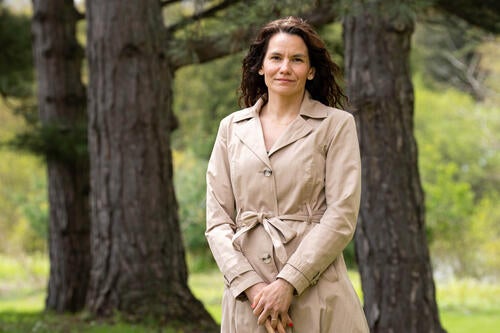
“Share Waterloo climate adaptation expert explains why wildfire risk is expanding and how investing in preparedness can reduce long-term costs and protect communities As Canada heads into another wildfire season, communities across the country are confronting a new reality: fires are starting earlier, spreading farther and affecting regions historically considered low risk. After several record-breaking years, including 2023, experts say wildfire is no longer a regional concern but a national one. Anabela Bonada, Managing Director of Climate Science at the University of Waterloo’s Intact Centre on Climate Adaptation , explains what this shift means and how Canadians can prepare. Are Canadian communities prepared for this year’s wildfire season? Preparedness varies widely. Historically, wildfire risk was concentrated in parts of British Columbia, Alberta, northern Ontario and Quebec, as well as grassland regions. But in recent years, we’ve seen fires across the country, even in places like Newfoundland that haven’t typically faced this threat. As wildfire risk expands, some communities, especially in western Canada, are better equipped because they’ve managed it for decades. Others are only beginning to recognize their vulnerability and are still learning how to prepare. Governments are increasing funding and awareness, but overall readiness remains uneven. What are the costs associated with wildfires in Canada? The costs are significant and heavily focused on emergency response. Canada has spent about $1 billion annually in recent years on wildfire suppression, including firefighting efforts and equipment. For every $9 spent on suppression, only about $1 goes toward preparedness. That’s a major imbalance. Research shows that every dollar invested in preparedness can yield between $2 and $10 in returns over 10 years. Shifting more resources toward prevention and resilience would improve both safety and long-term economic outcomes. What strategies are communities using to reduce wildfire risk? Communities are taking a range of approaches. Some are developing formal wildfire management plans, such as the City of Edmonton, which recently released its strategy following public consultation. In higher-risk regions like British Columbia and Alberta, many communities are implementing FireSmart measures. These include public education campaigns and practical steps such as clearing vegetation near critical infrastructure, creating buffer zones between wildland and urban areas and ensuring adequate water supply for firefighting. Progress varies as some communities have advanced programs in place, while others are just getting started. What can homeowners do to protect their properties? Homeowners play a critical role in reducing wildfire risk, and small actions can have a meaningful impact, especially when neighbours act together. One of the most effective steps is removing combustible materials within about 1.5 metres of the home. This can include replacing wood mulch with gravel or mineral soil, choosing fire-resistant plants and keeping roofs, eavestroughs and decks clear of debris. For those able to invest more, upgrades such as installing a class A-rated fire-resistant roof can provide additional protection. Many of these improvements are straightforward and can be completed over a short period. How can Canada build stronger wildfire resilience overall? Wildfire resilience requires a whole-of-society approach. Homeowners, businesses and governments all have a role to play. Residents can reduce fuel around their homes. Businesses, including insurers and realtors, can help share information and raise awareness. Governments can support resilience through funding, public education, land-use planning and building regulations that encourage fire-resistant design. Collective action is key because broad participation strengthens community resilience. Why is it important to keep talking about wildfire risk now? Each wildfire season is different, but climate models consistently show that severe seasons like those in recent years are likely to continue. Canada has not reduced greenhouse gas emissions enough to avoid these impacts, meaning wildfires will remain a growing challenge. That makes preparedness essential. Strengthening resilience now can help communities better withstand future wildfire seasons and reduce disruption for Canadians. Natural disasters are increasingly putting the value of properties at risk New technologies may hold the key to climate resiliency Making solutions to reduce climate risk easier to implement Campus Environment Community Global Futures Societal Futures Sustainable Futures Share
Original story
Continue reading at University of Waterloo News
uwaterloo.ca/news
Summary generated from the RSS feed of University of Waterloo News. All article rights belong to the original publisher. Click through to read the full piece on uwaterloo.ca/news.


