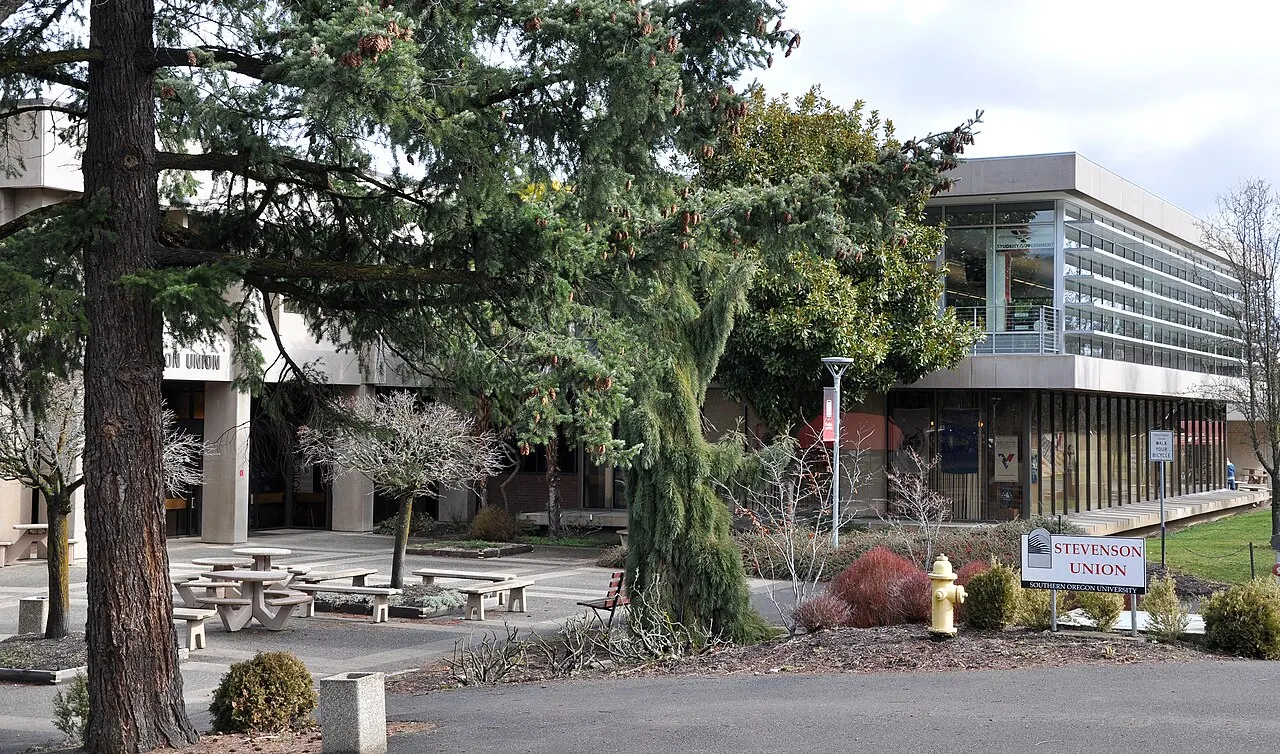
“Dive Brief: Southern Oregon University leaders and Deloitte consultants unveiled a preliminary plan this week to shrink the institution’s programming and costs amid an ongoing financial crisis. The plan calls for sunsetting four academic units and consolidating another nine , along with regularly reviewing course offerings across the university to maintain minimum enrollment levels. It would also outsource many administrative functions to save on salary costs. Numerous community members and university employees spoke out against the plans in letters and during a listening session Tuesday, voicing concerns that the cuts would undermine SOU’s mission as a regional university. The university’s board is set to discuss and act on a final plan on Friday. Dive Insight: Earlier this year, Oregon lawmakers approved $15 million in emergency funding for SOU, requiring at the same time that the university balance its future budgets and develop a long-term plan for delivering education without such infusions of extra cash. The university is set to submit a final plan to the state by May 11. Late last month, Deloitte consultants suggested that SOU make deep cuts to both programs and operations and be prepared to wind down gracefully if it can’t successfully execute a turnaround plan. The plan presented to the campus community on Monday largely grew out of Deloitte’s analysis and filled in some details, including which academic units the university might cut and consolidate. Specifically, the plan recommended sunsetting SOU’s music, international studies, creative writing, and gender, sexuality and women’s studies units. The programs collectively enrolled 125 student majors last academic year, whom the university said it would support with teach-out and transfer options. The music, international studies and creative writing units generated negative margins in Deloitte’s analysis. Deloitte excluded international studies from its count as most coursework is taught outside the unit. Several other programs and units would be eliminated through consolidation. For example, the economics and outdoor adventure leadership units would be cut, but the university would preserve enough coursework to offer minors or certificates in those areas through its business program. At the same time, SOU would try to raise the number of students per course across its offerings to boost margins, aiming for an average of 22 students per course and setting a minimum of 18. The current average is 16 students per course . Behind the university's recommendations was Deloitte's finding that SOU’s three largest academic units — business, education and psychology — represented 45% of the university’s headcount, while the top 10 most popular programs made up 78% of SOU’s enrollment. Moreover, Deloitte found that 10 academic units operated at a loss . In addition to program cuts, Monday's proposal calls for saving millions of dollars in staff salaries by outsourcing numerous services and administrative functions to either flagship Oregon universities, shared services partners or third-party providers. Those functions range from payroll to contract review to campus mail operations. The university also would seek to boost enrollment by marketing to and better accommodating adult, stopped-out and transfer students as well as generally reorienting around workforce needs. “The medium-term goal is not just to reduce pressure, but to redesign the University around clearer pathways, flexible learning, and stronger regional demand,” the plan states. The vision from Deloitte and SOU leaders, however, has received plenty of pushback. While the university contemplates deep cuts, many inside and outside the university have pointed out in forums and letters that Oregon lags behind most of the country in state higher education funding. In the latest State Higher Education Finance report , Oregon’s fiscal 2025 spending per full-time equivalent student of $8,580 ranked 14th from the bottom, and it dipped well below the national average of $12,082. Others argued against making workforce alignment the university's driving goal. As one community member wrote to the board, such an overweening focus “risks narrowing the institution's role" and “subordinating its contributions to civic development, cultural life, critical inquiry and regional resilience to the shifting demands of the labor market.” In Tuesday’s listening session, faculty also called for more details, transparency and voice in the strategic planning process. A letter signed by 56 faculty members moreover called into question Deloitte’s analysis of academic unit income, saying the consultants failed to account for the impact of cuts made last year and miscounted income by not considering differential tuition among programs, according to a KOBI 5 report . “Under no circumstances should any decisions about retaining or cutting academic programs or personnel be based upon this data,” the letter stated.
Original story
Continue reading at Higher Ed Dive Finance
www.highereddive.com
Summary generated from the RSS feed of Higher Ed Dive Finance. All article rights belong to the original publisher. Click through to read the full piece on www.highereddive.com.


