
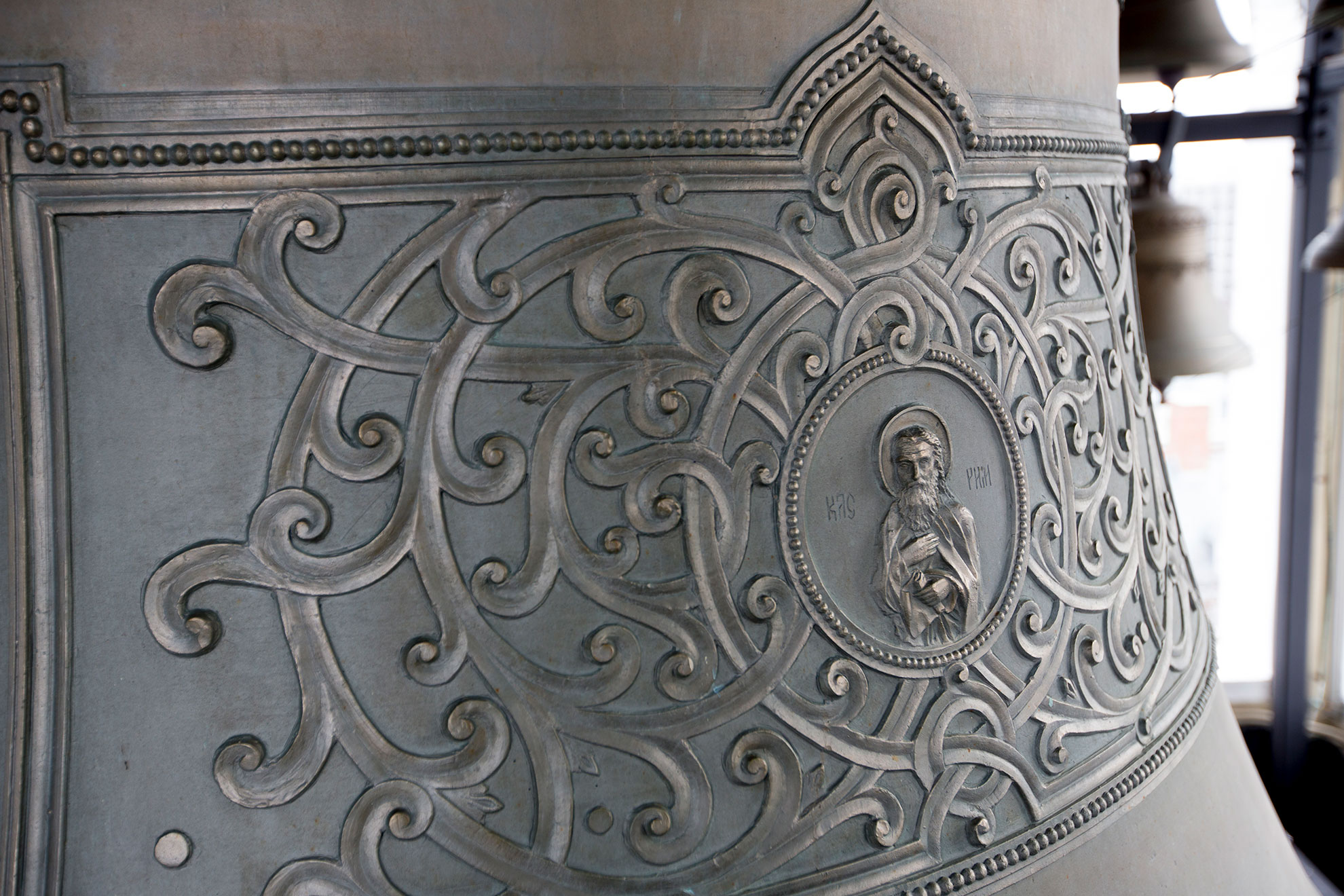
“Campus & Community This time, the bells toll for her After four decades, the writer behind the Commencement Day tradition won’t hear them Cynthia W. Rossano Harvard Correspondent May 27, 2026 4 min read The Mother Earth bell at Lowell House. Harvard file photo Part of the Commencement 2026 series A collection of features and graduate profiles covering Harvard’s 375th Commencement. Cynthia W. Rossano passed away on March 21, 2026. In 1987, Rossano was instrumental in establishing the tradition of the bells to mark Commencement Day. In celebration of the city of Cambridge and of the country’s oldest university, neighboring churches and institutions will ring their bells in recognition of Harvard’s 375th Commencement. Cynthia Rossano. Harvard file photo For the 39th year the bells will begin to ring at 12:15 p.m. on Thursday, just after the sheriff of Middlesex County declares the Commencement Exercises adjourned. They will ring for approximately 15 minutes. Bells of varying tones hold a place in history, as they summoned students from sleep to prayer, work, or study. The deep-toned bell in the Memorial Church tower, for years the only bell to acknowledge the festival rites of Commencement, will be joined by the set of bells cast to replace the original 17-bell Russian zvon of Lowell House that was returned in 2008 to the Danilov Monastery near Moscow. The Harvard Business School bell will be heard across the river. The historic 13-bell “Harvard Chime” of Christ Church Cambridge, the Harvard Divinity School bell in Swartz Hall, and the bells of the Church of the New Jerusalem, First Church Congregational, First Parish Unitarian Universalist, First Baptist Church, St. Paul Roman Catholic Church, St. Peter’s Roman Catholic Church, University Lutheran Church, Holy Trinity Armenian Apostolic Church, and St. Anthony’s Church will ring for the graduates. Bells were already in use at Harvard in 1643 when “New England’s First Fruits,” published in London that year, set forth some College rules: “Every Schollar shall be present in his tutor’s chambers at the 7th houre in the morning, immediately after the sound of the bell … opening the Scripture and prayer.” Three of the 15 bells known to have been in use in Massachusetts before 1680 were hung within the precincts of the present Harvard Yard, including the original College bell and the bell of the First Parish Church. Of the churches participating in the joyful ringing on Commencement Day one, the First Parish, has links with Harvard that date from its founding. The College had use of the church’s bell, Harvard’s first Commencement was held in its meetinghouse, and one of the chief reasons for selecting Cambridge as the site of the College was the proximity of this church and its minister, the Rev. Thomas Shepard, a clergyman of “marked ability and piety,” according to the late Harvard historian Samuel Eliot Morison. Another church ringing its bells in celebration is Christ Church Cambridge. The oldest church in the area, it houses the “Harvard Chime,” the name given to the bells cast for the church in anticipation of its 1861 centennial. Two fellow alumni and Richard Henry Dana Jr., author of “Two Years Before the Mast,” arranged for the chime’s creation. The 13 bells were first rung on Easter Sunday, 1860: Each bell of the Harvard Chime bears in Latin a portion of the “Gloria in Excelsis.” Referring in 1893 to the Harvard Chime, Samuel Batchelder wrote, “From the outset the bells were considered as a common object of interest and enjoyment for the whole city, and their intimate connection with the University made it an expressed part of their purpose that they should be rung, not alone on church days but also on all festivals and special occasions of the College, a custom which has continued to the present time.” The old Russian bells of Lowell House, in place for 76 years, rang on an Eastern scale; the more newly cast bells give out a charming sound, as do the bells of the Cambridge churches joining in concert. A thoughtful student of bells wrote in 1939, “… church bells, whether they sound in a tinkling fashion the end of the first watch in the dead of night, announce the matins a few hours later, or intone the vespers or angelus, have a peculiar fascination. Chimes affect the heartstrings …”
Original story
Continue reading at Harvard Gazette
news.harvard.edu
Summary generated from the RSS feed of Harvard Gazette. All article rights belong to the original publisher. Click through to read the full piece on news.harvard.edu.
