
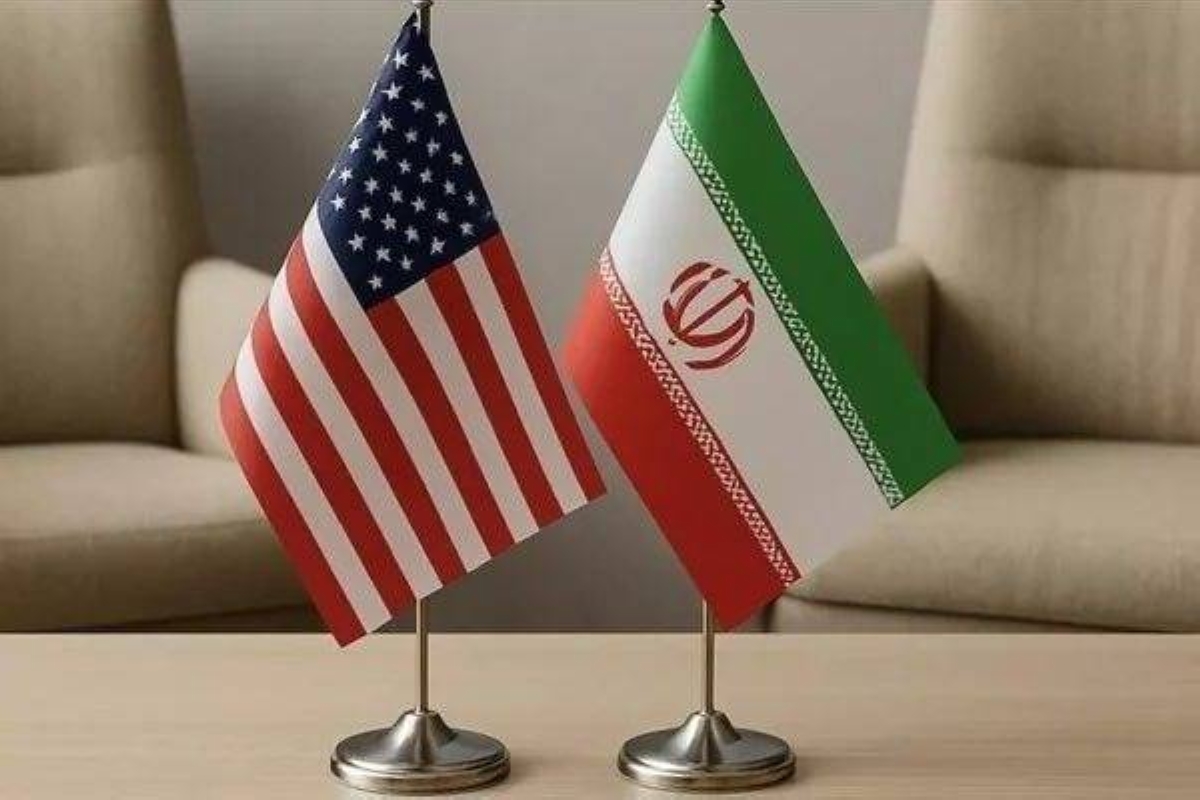
“The United States and Iran are edging toward a temporary agreement to halt their war, sources and officials said yesterday, with Tehran reviewing a proposal that would stop the fighting but leave the most contentious issues unresolved. Iran's foreign ministry spokesperson said Tehran had not yet reached a conclusion on the emerging plan, which according to the sources centres on a short-term memorandum rather than a comprehensive peace deal, underscoring deep divisions between the two sides. Hopes that even a partial deal could lead to the reopening of the Strait of Hormuz have already moved markets, with oil prices sliding again on bets that supply disruptions could ease and global stocks largely holding onto record highs. Tehran and Washington have scaled back ambitions for a sweeping settlement as differences persist, particularly over Iran's nuclear programme — including the fate of its highly enriched uranium stockpiles and how long Tehran would halt nuclear work. Instead, they are working toward a temporary arrangement set out in a one-page memo aimed at preventing a return to conflict and stabilising shipping through the strait, the sources and officials said. 'Our priority is that they announce a permanent end to war and the rest of the issues could be thrashed out once they get back to direct talks,' a senior Pakistani official involved in mediation between the two sides told Reuters. The proposed framework would unfold in three stages: formally ending the war, resolving the crisis in the Strait of Hormuz and launching a 30-day window for negotiations on a broader agreement, according to the sources and officials. Tehran said Foreign Minister Abbas Araqchi held a phone call yesterday with Ishaq Dar, his counterpart in Pakistan, which has taken a leading role in mediation efforts. 'We remain optimistic,' Pakistan's foreign ministry spokesperson Tahir Andrabi told a briefing in Islamabad when asked how quickly a deal could come. 'A simple answer would be that we expect an agreement sooner rather than later.' US President Donald Trump — who has repeatedly played up the prospect of a breakthrough since the war began on February 28 with US-Israeli strikes on Iran — has also struck an optimistic tone. 'They want to make a deal... it's very possible,' he told reporters at the White House on Wednesday, adding later that 'it'll be over quickly'. The proposal would formally end the conflict in which full-scale warfare was paused by a ceasefire announced on April 7. But it leaves unresolved key US demands that Iran suspend its nuclear work and reopen the Strait of Hormuz, the sources said. In a sign of the US keeping up pressure, it imposed sanctions yesterday on Iraq's deputy oil minister and three militia leaders over what it said was their support for Iran. Israel said yesterday it had killed a Hezbollah commander in an airstrike on Beirut a day earlier, the first Israeli attack on the Lebanese capital since a ceasefire there was agreed last month. Iranian officials signalled scepticism over the US proposal to end the wider war. A foreign ministry spokesperson said Tehran would respond in due course, while lawmaker Ebrahim Rezaei described the proposal as 'more of an American wish list than a reality'. Iran's parliament speaker Mohammad Baqer Qalibaf appeared to mock reports that indicated the two sides were close, writing on social media that 'Operation Trust Me Bro failed' and portraying the talks as US spin after its failure to reopen the strait.
Original story
Continue reading at Gulf Times Education
www.gulf-times.com/community/education
Summary generated from the RSS feed of Gulf Times Education. All article rights belong to the original publisher. Click through to read the full piece on www.gulf-times.com/community/education.
