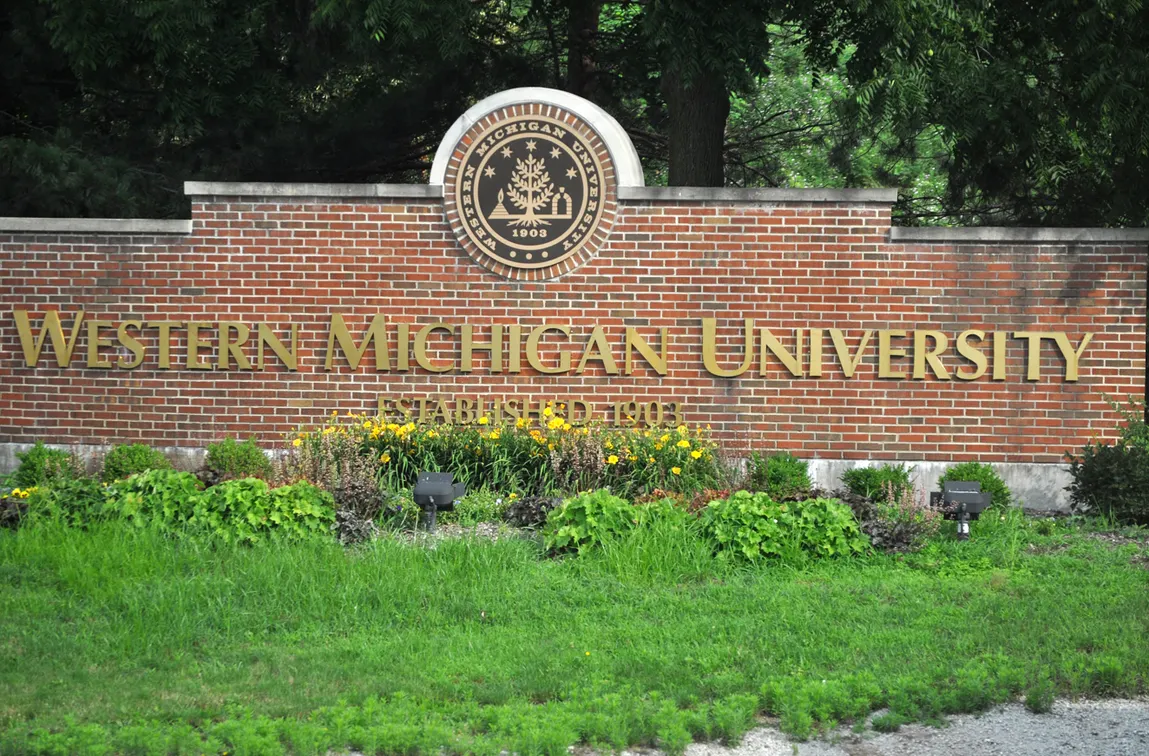
“Dive Brief: Western Michigan University is offering early retirement packages to certain tenured faculty as it looks to relieve pressure on its budget, according to a university announcement Wednesday. In September, tenured faculty members aged 60 or over will be able to apply for the buyout program if they have worked full time at WMU for at least a decade. The terms of the program are contingent on enough professors signing up to save the university at least $5 million. The buyout program will allow WMU’s academic units “ to be proactive in addressing budgetary and/or ongoing workforce challenges ,” the public university said in a pamphlet for faculty. Dive Insight: If a faculty member's application is accepted, the buyout would pay out 50% to 100% of their salary for fiscal 2027, depending on how long they had worked at the university. They would depart at the end of 2026. In announcing the buyouts, Interim Provost Christopher Cheatham and Vice President for Finance Jan Van Der Kley told faculty, “ This program reflects both our appreciation for that service and our responsibility to steward the University’s future with care, transparency and strategic focus .” The university has faced enrollment and financial pressures in recent years. Between 2019 and 2024, fall enrollment plummeted by 22% to 16,744 students, according to federal data. In fiscal 2025, WMU’s operating loss — a figure that doesn’t include state funding and some other revenue — widened by over 26% to $127.7 million from the previous year, according to its latest financials. Over the same time period, state appropriations fell substantially, by about a quarter, while revenue from tuition and fees fell by 5.3%. All of that led to a 25.8% decline in WMU’s total surplus, which came to $113.7 million in fiscal 2025 , even as revenue from gifts and auxiliary lines increased during the year. Institutional data for the current fiscal year show that, as of May 6, total tuition revenue fell $5.6 million short of university projections. Still, those numbers put the university in a fiscally better position than many regional public institutions, some of which have been wrestling with multi-year deficits. “ I am extraordinarily optimistic about our joint future at WMU,” university President Russ Kavalhuna said in a December message . “ Despite the well-documented challenges all universities face, I am convinced that we will grow and develop as we overcome them together .“ At the time, Kavalhuna announced a move away from a budget model that he said “encouraged siloed behavior, created inefficiencies” and relied on a participation assessment that “dampened incentives for revenue growth.” The new model centralizes tuition revenue rather than distributing it to colleges . This, according to Kavalhuna , would “ enable more strategic, nimble resource allocation, rather than first flowing to the colleges and supporting central efforts through a tax .” The president also announced that his cabinet would review long-vacant job positions with salaries of at least $60,000, as well as requests for the creation of many new job postings .
Original story
Continue reading at Higher Ed Dive Finance
www.highereddive.com
Summary generated from the RSS feed of Higher Ed Dive Finance. All article rights belong to the original publisher. Click through to read the full piece on www.highereddive.com.

