
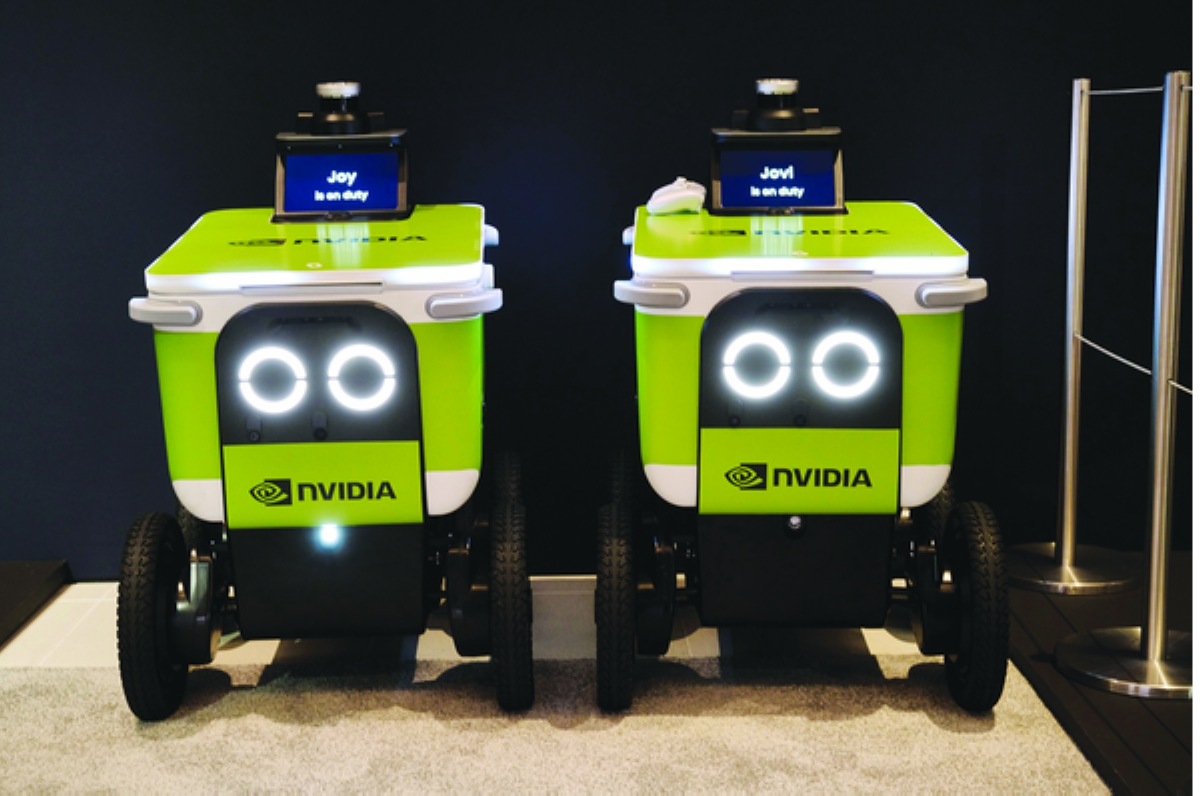
“Humanoid robots, or bipedal machines powered by software, are emerging as one of the more tangible outputs of the artificial intelligence revolution. The growing obsession with them is easy to explain: They look like us, move like us and—increasingly—can learn like us. That makes them the ultimate general-purpose machine for factories, warehouses and eventually your home. But unlike traditional industrial robots, which are fixed and specialized, humanoids promise flexibility: one machine, many tasks. And of course, after more than a century of science fiction about their imminent arrival, they capture the imagination. The promise of humanoids is driving a new technology race increasingly framed as China versus the US. China has early momentum, backed by strong government support, industrial policy and a deep manufacturing base. Morgan Stanley says that backing is already helping the Asian nation lead development. The US, meanwhile, is defined by its current AI leadership and companies like Nvidia and Tesla pushing aggressive timelines. For now, the reality is modest. Barclays estimates the humanoid market currently at just $2bn to $3bn. But forecasts diverge sharply upward. The bank sees $40bn by 2035 and as much as $200bn in more optimistic scenarios, with gains spread beyond Big Tech to actuator makers, automation firms and precision engineering companies. Morgan Stanley goes further, projecting a market that could surpass $5tn by 2050 when including supply chains, maintenance and services. The near-term use-case is clear: manufacturing. Labor shortages in factories, combined with advances in AI models that allow robots to understand physics and adapt in real time, are pushing them out of the lab and onto the factory floor. Companies from Tesla to Agility Robotics are already testing that transition, albeit at small scale.
Original story
Continue reading at Gulf Times Education
www.gulf-times.com/community/education
Summary generated from the RSS feed of Gulf Times Education. All article rights belong to the original publisher. Click through to read the full piece on www.gulf-times.com/community/education.
