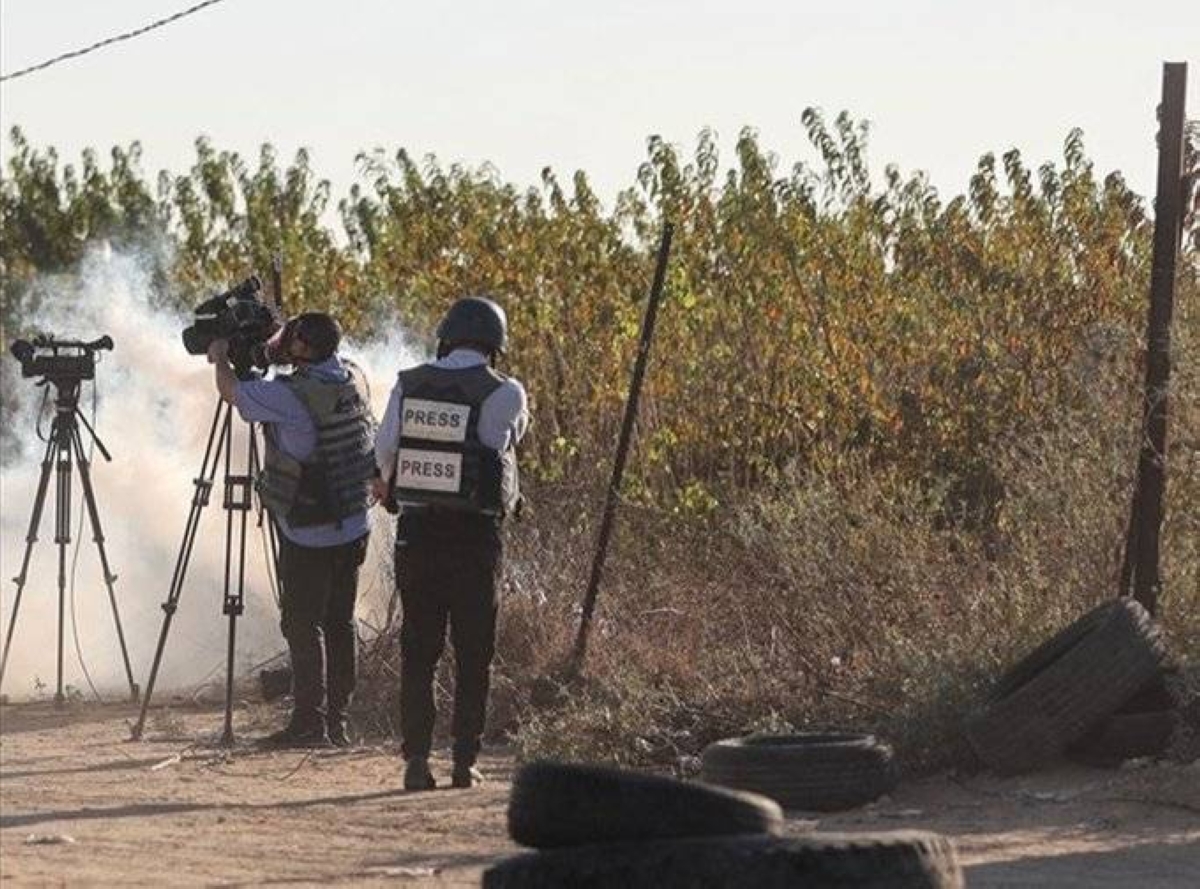
“The world observes World Press Freedom Day on 3 May each year, an international initiative established by the United Nations in 1993 to underscore the essential role of press freedom as a pillar of democratic governance, sustainable development, and social stability. The occasion reaffirms access to information as a fundamental human right and provides an opportunity to assess global trends in media freedom, as well as the challenges facing journalists and media institutions. This year's observance takes place amid rapid transformations in the global media landscape, driven by technological advances and evolving professional and ethical challenges. These developments are prompting broader reflection on the future of journalism and the need to strengthen its independence, professionalism, and resilience. World Press Freedom Day also provides a platform to examine responses to the challenges confronting journalism, including achieving an appropriate balance between freedom of expression and professional responsibility, strengthening legal and regulatory frameworks that safeguard media independence, and enhancing the economic sustainability of media institutions. It further highlights the importance of addressing misinformation and rebuilding public trust in media content in the context of ongoing digital transformation. Reports by international press organizations indicate a deterioration in press freedom indicators, amid tightening restrictions, increased censorship, and growing threats to journalists -- particularly in conflict settings, where many face arrest, harassment, or death each year. Professional ethics remain fundamental to journalism, anchored in accuracy, objectivity, integrity, and respect for privacy. However, these principles are under increasing strain due to heightened competition for breaking news and the pressures of accelerated publishing cycles. Experts in media and communication note that declining adherence to ethical standards across some platforms has contributed to the proliferation of unverified and unprofessional content, undermining media credibility and eroding public trust. In an environment characterized by rapidly evolving events and expanding information flows, free and responsible journalism remains a critical pillar in fostering informed societies capable of addressing complex challenges. In this context, Director-General of Qatar Press Center (QPC) Sadiq Mohammed Al Amari said the decline in global press freedom rankings is driven by multiple factors, including shrinking freedoms and mounting financial pressures on media outlets -- particularly print institutions and private television channels -- struggling to secure sustainable funding and keep pace with rapid sectoral changes. In remarks to Qatar News Agency (QNA), Al Amari identified the proliferation of misinformation as one of the most pressing challenges facing journalism today. In an era of abundant and easily accessible information, he stressed the critical importance of verification and cautioned against publishing inaccurate or unreliable content. He noted that the profession is increasingly caught between the pressure to publish rapidly -- with potential consequences -- and the risk of being perceived as out of step if reporting is delayed. He added that access to information remains constrained in some contexts, with insufficient facilitation in obtaining accurate data from primary sources, while legal liabilities associated with publication have become more stringent in several jurisdictions. Al Amari further noted that Arab journalism, like many media sectors globally, is facing mounting economic pressures, leading to layoffs, wage reductions, and challenges for institutions in adapting to rapid transformations. He underscored the need for media organizations to invest more in developing journalists' skills to keep pace with evolving demands. He also praised Qatar's media landscape, noting that it now features advanced and effective digital platforms, reflecting significant progress in the sector. Al Amari concluded by highlighting the role of the Qatar Press Center in advancing journalistic practice, noting that it delivers continuous training programs aimed at enhancing journalists' capabilities and strengthening professional skills, alongside efforts to raise public awareness. Dr. Abdul-Muttalib Sadiq Makki, a journalist and academic, said that World Press Freedom Day prompts journalists, media institutions, and relevant organizations to revisit fundamental questions surrounding press freedom, including its scope, legal frameworks, and the protection of journalists, particularly in conflict zones. In remarks to QNA, Makki noted that journalism has undergone profound transformations in its understanding of freedom. What was once largely confined to freedom of expression, private ownership of media outlets, and legal safeguards for journalists has expanded to encompass the challenges of the digital age and artificial intelligence. He explained that these developments now affect the core of media work, as technological advancements increasingly compete with human input in content production. This shift, he said, places the media industry at the forefront of unprecedented transformation, requiring a high degree of institutional adaptation and continuous development. Makki highlighted that Qatari media offers a notable example of adaptation to these changes by strengthening its digital presence and advancing professional tools. He pointed to successful integration into the digital environment, as well as expanded access to information in multiple languages, which has reinforced credibility amid the growing volume of unregulated content across digital platforms. He added that this adaptability is evident across several Qatari media institutions, including Qatar News Agency, which has made significant progress in expanding access to information sources and developing multilingual digital translation services. Local newspapers, he noted, continue to benefit from strong public trust despite the rapid flow of information across digital platforms. On balancing freedom of expression with professional responsibility, Makki said this principle lies at the core of socially responsible journalism, which seeks to uphold freedom while adhering to truth, safeguarding the public interest, and avoiding defamation. However, he noted that this model faces increasing difficulty in competing with fast-moving digital platforms. On the financial front, Makki stressed that funding remains the most pressing challenge for the global media industry. Declining advertising revenues, he said, threaten the sustainability of media institutions, despite technological advances that have helped reduce certain operational costs. This, he added, underscores the need for institutional support to ensure that public media can continue to fulfill its societal role. Amid these overlapping challenges, media experts emphasize that the future of journalism depends on closer integration between traditional and digital platforms, alongside sustained investment in professional training, enhanced fact-checking tools, and stronger commitments to transparency and accountability. Experts add that the evolving media landscape is reshaping the relationship between media and society in ways that preserve press freedom while reinforcing professional responsibility, making World Press Freedom Day a vital occasion to renew commitment to a free, credible, and safe media environment.
Original story
Continue reading at Gulf Times Education
www.gulf-times.com/community/education
Summary generated from the RSS feed of Gulf Times Education. All article rights belong to the original publisher. Click through to read the full piece on www.gulf-times.com/community/education.