
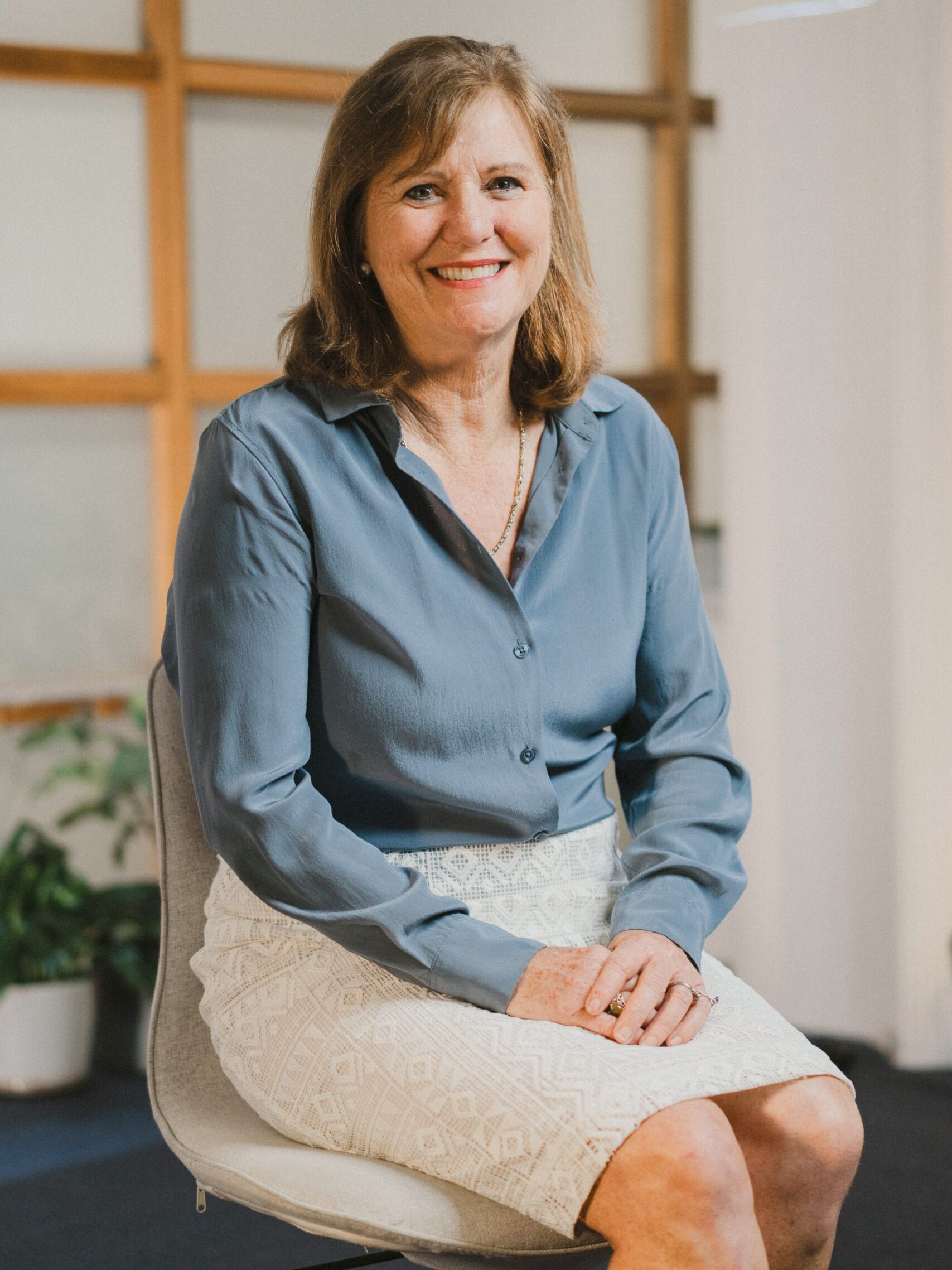
“Schools are increasingly being asked to respond to student anxiety, school refusal, friendship issues, emotional dysregulation, behaviour concerns and low resilience. Teachers and school leaders are carrying a growing wellbeing load, often finding themselves at the centre of concerns that extend far beyond the classroom. While there is no question that many young people are struggling, there is another question worth asking: what if part of what educators are managing is not only student distress, but the anxiety of the adults around the child? This is not about blaming parents, teachers or schools. Most adults are deeply invested in children's wellbeing and want to help. However, from a family systems perspective, anxiety has a way of spreading through relationships. When anxiety rises in a family, a school community or a friendship group, our natural tendency is to focus intensely on the child and search for ways to reduce discomfort as quickly as possible. Paradoxically, this can sometimes make it harder for children to develop the very capacities they need. The worry cycle In my book The Parenting Paradox , I describe a worry cycle that many families unknowingly enter. The cycle starts when a child becomes distressed, worried, frustrated or reluctant and, understandably, the adults around them become concerned. The parents then seek reassurance, teachers increase support, accommodations are made, expectations are adjusted, and adults work harder to reduce the child's discomfort. Initially, everyone feels some relief. However, when a child repeatedly experiences adults stepping in to manage situations that they could gradually learn to handle themselves, they may become less confident in their own capacity to cope. The next challenge feels bigger, anxiety rises again, and the cycle repeats. What began as loving support can unintentionally become a pattern of dependency. This cycle can easily extend from home into school. Teachers may find themselves under pressure to provide increasing reassurance, intervene in every friendship difficulty, negotiate around every anxiety-provoking task, or solve problems that are developmentally appropriate for students to begin managing themselves. The result is often exhaustion for adults and reduced confidence for children. The good news is that anxiety is not the only thing that spreads through relationships. Calm is contagious, too. I describe this as the ‘contagion of calm’ – the idea that emotional steadiness spreads through relationships just as anxiety does. Children borrow their emotional cues from the important adults around them. When parents and educators can stay thoughtful and grounded under pressure, they create conditions that help children develop confidence in their own ability to cope. Children are constantly observing how the important adults in their lives respond to uncertainty, disappointment, conflict and challenge. They learn as much from what adults do as from what adults say. When adults communicate, ‘I believe you can handle this,’ children begin to borrow that confidence. When adults remain steady in the face of a child’s distress, children learn that uncomfortable emotions are manageable rather than dangerous. This does not mean being dismissive or unsympathetic. Rather, it means offering support without taking over. One of the most powerful questions adults can ask themselves is not, ‘How do I make this problem go away?’ but ‘How do I stay calm and thoughtful while my child learns to navigate this challenge?’ Discomfort should not be avoided Many of today’s wellbeing challenges occur within a culture that places enormous emphasis on protecting children from discomfort. Yet frustration, disappointment, social conflict, uncertainty and effort are not signs that something has gone wrong. They are part of normal development. Children develop resilience through encountering manageable challenges and discovering they can cope. When adults step in too quickly to explain, soothe, diagnose, accommodate or fix every struggle, children may have fewer opportunities to practise problem-solving, responsibility, frustration tolerance and perseverance. Schools increasingly report that students are arriving with less confidence in managing setbacks independently. At the same time, teachers are experiencing growing pressure to remove obstacles rather than support students through them. The challenge for educators is to remain supportive without becoming the default fixer. One of the most overlooked influences on student wellbeing is parent confidence. In my research with parents navigating child mental health services, many described becoming increasingly reliant on experts for reassurance and direction. While professional support can be invaluable, parents often reported losing confidence in their own judgement and capacity to lead their families through challenges. Through the Parent Hope Project, we work alongside schools to strengthen parent confidence and reduce anxiety-driven responses to children’s struggles. Rather than focusing solely on changing children’s behaviour, the approach helps adults become more thoughtful leaders in family life. Schools often report that when parents become calmer and clearer, conversations become more collaborative and students benefit. When parents become more confident and less driven by anxiety, children benefit too. Dr Jenny Brown is a family therapist, author and founder of the Parent Hope Project . Her new book, The Parenting Paradox, challenges the anxious, child-focused culture shaping today’s families.
Original story
Continue reading at Education Review AU
www.educationreview.com.au
Summary generated from the RSS feed of Education Review AU. All article rights belong to the original publisher. Click through to read the full piece on www.educationreview.com.au.