
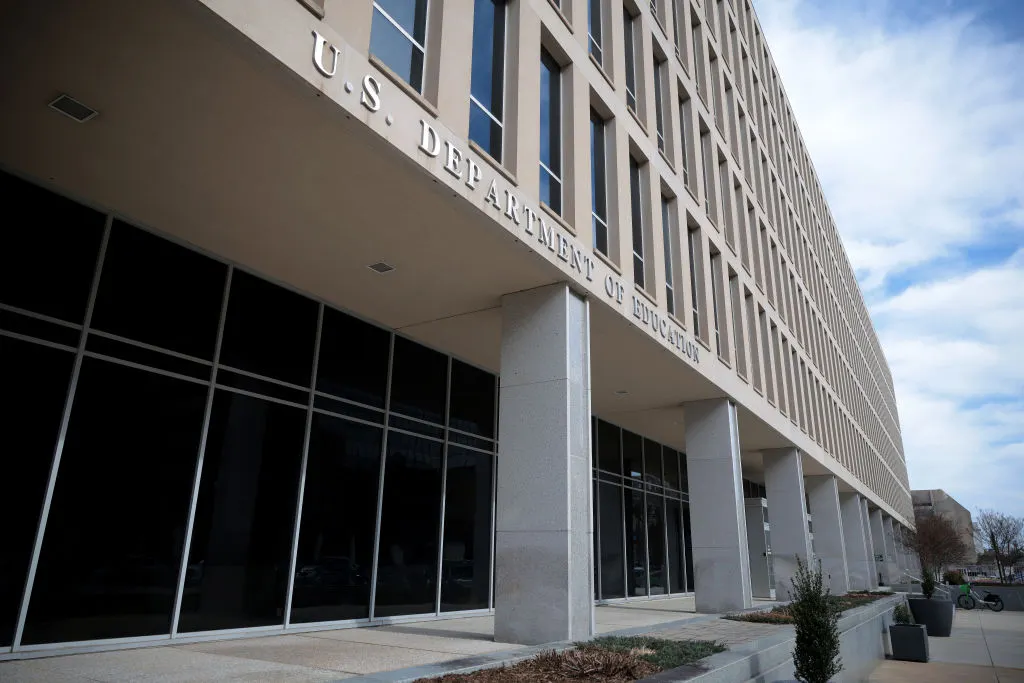
“Most-clicked story of the week: In the three decades since the first charter school opened in the U.S., enrollment in these public schools — which now number around 8,150 — has grown to about 3.8 million students, according to the National Alliance for Public Charter Schools. In our latest installment of Study Hall , we compiled what you need to know about the popular but sometimes controversial school model. Number of the week: 12 The number of underused schools the Pittsburgh Public Schools Board of Public Education plans to close in the coming years. The school district will also open two new schools and make multiple grade-level and programmatic changes in its effort to address declining enrollment and aging infrastructure. Policy spotlight Special education organizations, disability rights advocacy groups and a coalition of state attorneys general are opposing the U.S. Department of Education’s proposal to remove certain data collections for racial disparities in special education . In a March 23 Federal Register notice, the agency sought public comment on the proposed changes to the State Performance Plans and Annual Performance Reports for special education, which are required of each state under the Individuals with Disabilities Education Act. The performance collections document states’ efforts to implement IDEA requirements and detail how they will make improvements. The Education Department’s rule defining which graduate degrees are considered “professional” — and therefore exempt from the new $100,000 cap on federal student loans for these programs — excluded graduate education programs . K-12 advocates have raised concerns about the catalyzing effect the change, which takes effect July 1, could have on the challenges schools already face in recruiting and retaining administrators, teachers and counselors. Some 14 states have adopted universal policies requiring high school students to complete the Free Application for Federal Student Aid , with nine such policies currently in effect. The policies either require or strongly encourage students to complete the form — and financial aid experts say policymakers and educators can still do more to make sure students don’t leave “billions of dollars” in financial aid for higher education on the table. Pushback on classroom tech and AI In a May 27 speech, American Federation of Teachers President Randi Weingarten called for a ban on screens in preschool through 2nd grad e and on student-facing artificial intelligence tools in elementary schools. A broader 10-point proposal from the nation’s second-largest teachers union dubbed “Devices down, eyes up, hands-on” aims to improve student achievement and comes as momentum grows for curbing classroom tech. Major cybersecurity incidents like the one perpetrated against Instructure’s Canvas learning management system injure the trust families have in schools to take care of their children and their data, said Michael Klein, senior director for preparedness and response at the Institute for Security and Technology. Klein, a former cybersecurity senior advisor at the Education Department, said strategic communication is key to reestablish trust among vendors, schools and communities, but that communication has to be a two-way street. Despite 6 in 10 teachers saying they use AI tools for work , much of the guidance they receive on using the tech is informal, according to a survey released May 27 by Gallup and the Walton Family Foundation. Some 82% reported receiving no formal guidance on how to apply AI tools to their work across multiple types of work tasks, and over a third said they receive no guidance at all.
Original story
Continue reading at K-12 Dive Technology
www.k12dive.com
Summary generated from the RSS feed of K-12 Dive Technology. All article rights belong to the original publisher. Click through to read the full piece on www.k12dive.com.