
Qatar
9,768 stories
US transfers immigrants out of Florida Alligator Alcatraz detention centre
The facility, located near the Everglade wetlands, has drawn human rights concerns and lawsuits over its conditions.
18 Jun 2026
Iran war live: Trump, Pezeshkian sign MoU to end fighting, reopen Hormuz
Both sides say the deal is in effect and includes an end to war in Lebanon and the reopening of the Strait of Hormuz.
18 Jun 2026
Trump to Netanyahu: Use a ‘softer’ touch on Lebanon
US President Donald Trump has encouraged Israeli Prime Minister Benjamin Netanyahu to use a ‘softer touch’ in Lebanon.
17 Jun 2026
Trump says it’s ‘unfair’ for Iran to lack ballistic missiles
President Donald Trump says it’s ‘unfair’ for Iran to lack ballistic missiles if other regional countries have them.
17 Jun 2026
Diplomat confirms that US and Iran have signed MoU electronically
Foreign Ministry spokesperson Esmaeil Baghaei says the agreement has been finalised and signed with the US.
17 Jun 2026
Kane double fires England past Croatia in World Cup thriller
Harry Kane scores twice, while Jude Bellingham and Marcus Rashford also net, as England beat Croatia 4-2 in 2026 opener.
17 Jun 2026
Al Jazeera journalist reunited with family in Khartoum after years of war
Al Jazeera journalist Al-Tahir al-Mardi has been reunited with his family in Khartoum after three years of separation.
17 Jun 2026
Huawei CFO’s admissions can be used at criminal trial, US judge rules
CFO Meng Wanzhou said in 2021 that Huawei illegally conducted business in Iran.
17 Jun 2026
Thieves with bulldozer carry out ATM heist in 4 minutes
CCTV footage released by police shows thieves using a bulldozer to tear an ATM from the front of a bank.
17 Jun 2026
Meet Yoane Wissa, who scored DR Congo’s first-ever goal at a World Cup
Wissa, who nearly lost his sight in 2021, scored a header marking DR Congo’s historic return to the World Cup.
17 Jun 2026
Gilgo Beach killer sentenced to life without parole
New York’s Gilgo Beach serial killer Rex Heuermann was sentenced to life without parole for the murders of eight women.
17 Jun 2026
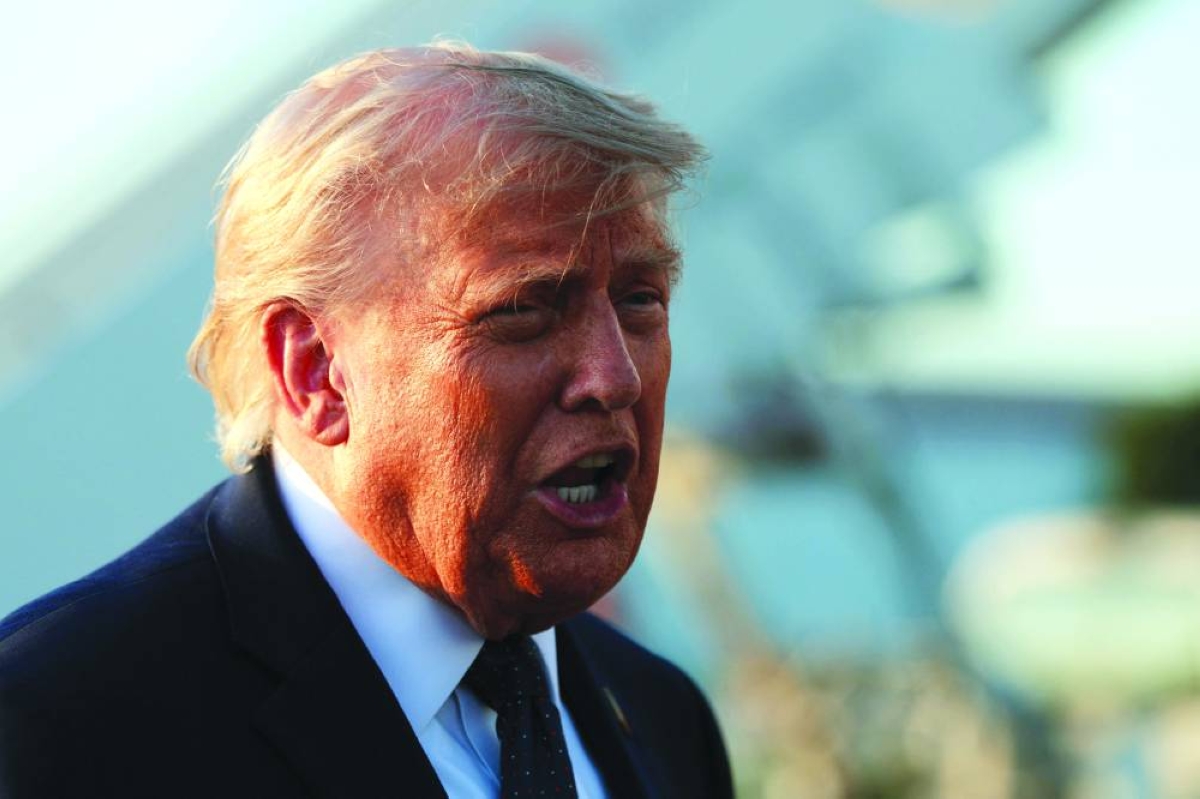
US military to stay in Gulf region for a while: Trump
US President Donald Trump said Wednesday the United States will leave its military in the Gulf 'for a while' after Washington struck a deal with Tehran to end its nearly four-month conflict in the region. While speaking to reporters in Paris, Trump added it would be unfair for Iran not to have ballistic missiles if other countries have them. 'I'm saying that if other countries have them, it's a little bit unfair for them not to have some,' Trump told reporters in Paris. 'If Saudi Arabia and Qatar, and they all have some, I would say in relative proportion, I think it's okay.' Earlier Wednesday, he also said his new ceasefire agreement with Iran was not final and he could resume the war if he is unsatisfied, even as Israel launched fresh airstrikes in Lebanon where fighting threatens the wider truce. 'It's a memorandum of understanding. And if I don't like it, we'll go back to shooting at them, dropping bombs on their head,' Trump said at a G7 summit in France of the agreement, reached three days ago. 'If I don't like it, if they don't behave, we'll go right back to dropping bombs right smack in the middle of their head, OK?' Leaders hailed the agreement at the summit, held in the French town of Evian-les-Bains, an hour's drive along the shore of Lake Geneva from where the Iran ceasefire memorandum is due to be signed at a ceremony across the Swiss border tomorrow. Tehran's foreign ministry Wednesday said it was considering a plan for the presidents of the US and Iran to sign the deal ending the Middle East war, ahead of an expected ceremony in Switzerland. 'So far, our plans for the Geneva meeting have not changed,' ministry spokesman Esmaeil Baqaei said. 'Regarding the signing of the memorandum of understanding, one idea is that it be done by the presidents of the two countries, which is currently under review.' If the presidents were to sign the document, he added, 'in principle it would be done remotely.' Tehran has previously said the United States and Iran would be represented at the meeting in Switzerland by Vice President JD Vance and parliament speaker and top negotiator Mohammad Bagher Ghalibaf, respectively. US President Donald Trump said at a G7 summit in France on Wednesday that he expected the accord with Iran to 'be signed shortly, tomorrow, maybe the next day'. Trump added that he 'might' stay in Europe for the signing but added that as a memorandum of understanding 'it might not be the kind of a document I should be signing'.
17 Jun 2026
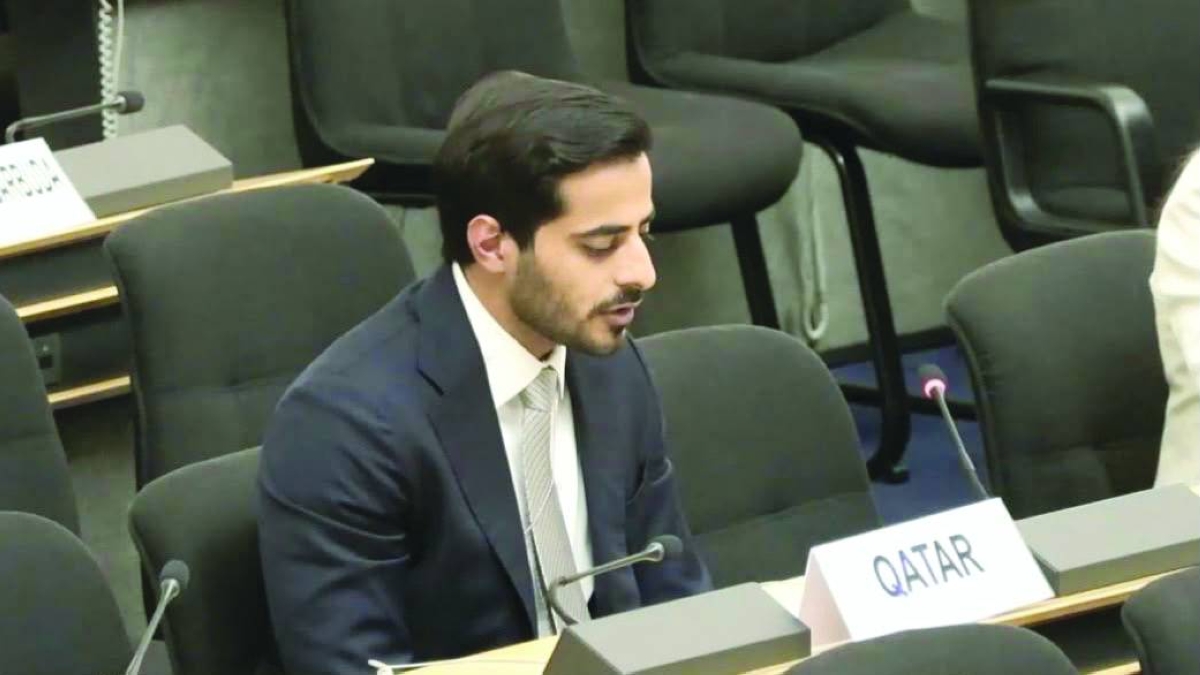
Qatar reaffirms human dignity as core health policy
The State of Qatar affirmed that safeguarding human dignity constitutes a fundamental principle of its health policies, based on its firm belief that the enjoyment of the highest attainable standard of physical and mental health is a right guaranteed to everyone without discrimination. This came in the statement of the State of Qatar delivered Wednesday by Second Secretary at the Permanent Mission of the State of Qatar to the UN Office in Geneva, Hamad Mohammed al-Suwaidi, during the interactive dialogue with the Special Rapporteur on the right to health, as part of the 62nd session of the Human Rights Council being held in Geneva. In its statement, the State of Qatar stressed its continued efforts to develop a comprehensive, people-centred healthcare system that ensures access to high-quality health services while respecting privacy, autonomy, informed consent, and equality in access to healthcare. Al-Suwaidi noted that the State of Qatar attaches special importance to the underlying determinants of health, including social, economic, and environmental factors, and works to strengthen social protection and improve quality of life in a manner that positively reflects on the health of all members of society. He explained that the Patients’ Rights and Responsibilities Charter, adopted by Qatar’s Ministry of Public Health, sets out a comprehensive framework for healthcare that guarantees patients access to safe, high-quality care without discrimination, while preserving their dignity and privacy. He also noted that the charter obliges patients to co-operate with medical staff and respect the regulations of healthcare facilities. He reaffirmed the State of Qatar’s commitment to co-operating with the international community to promote the right to health and safeguard human dignity, ensuring that no one is left behind.
17 Jun 2026
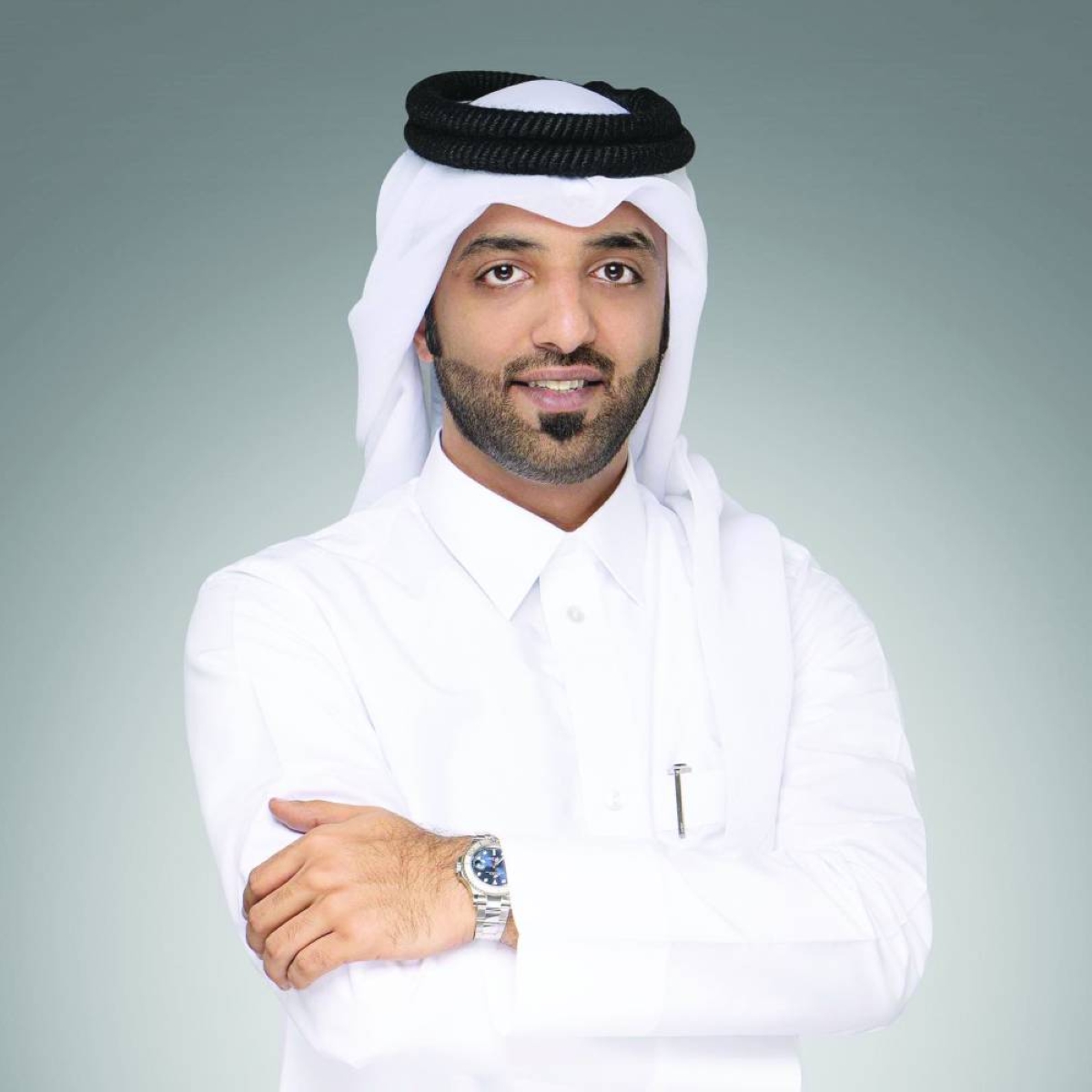
Abdulaziz Saleh represents Music Affairs Centre on the judging panel of ‘Rising Stars 2026’
Oud player Abdulaziz Saleh, a member of the Oud Trio ensemble affiliated with the Music Affairs Centre at the Ministry of Culture, will serve on the judging panel of the “Rising Stars 2026” competition, organised by Sherborne Qatar School in collaboration with a number of schools across Qatar. The event will take place on June 20 at Mall of Qatar and will feature a distinguished panel of musicians, academics, and specialists in music and arts education. The competition provides a professional platform for children and teenagers aged 6 to 16 to showcase their talents in two categories: Solo Singing and Solo Instrumental Performance. Contestants compete across three age groups following a series of auditions and qualifying rounds leading up to the grand final, which will be held at the Oasis Stage in Mall of Qatar. Representing the Music Affairs Centre on the judging panel, Abdulaziz Saleh will join a number of adjudicators from the Qatar Philharmonic Orchestra. The winners will be honoured by Khalid al-Salem, director of the Music Affairs Centre, alongside a representative of the Orchestra. The competition will feature 19 finalists competing in the singing and instrumental categories, with six winners to be selected — three from each category. In a press statement, Saleh said that serving on the judging panel provides an important opportunity to observe and encourage emerging musical talents, emphasising the value of initiatives that offer young people professional platforms to showcase their artistic abilities and develop their creative skills. He added that such competitions play a significant role in discovering promising talent and giving them space to express their artistic potential, while also helping build self-confidence and refine performance skills among participants. Saleh said: “The level of enthusiasm for music among children and young people reflects the presence of promising talents that deserve support and nurturing. These initiatives represent a genuine investment in a new generation of creative artists.” He highlighted that the diversity of artistic backgrounds and professional expertise among the judging panel members contributes to a fair and balanced evaluation process, helping identify distinguished talents and encouraging them to continue their artistic journeys.
17 Jun 2026
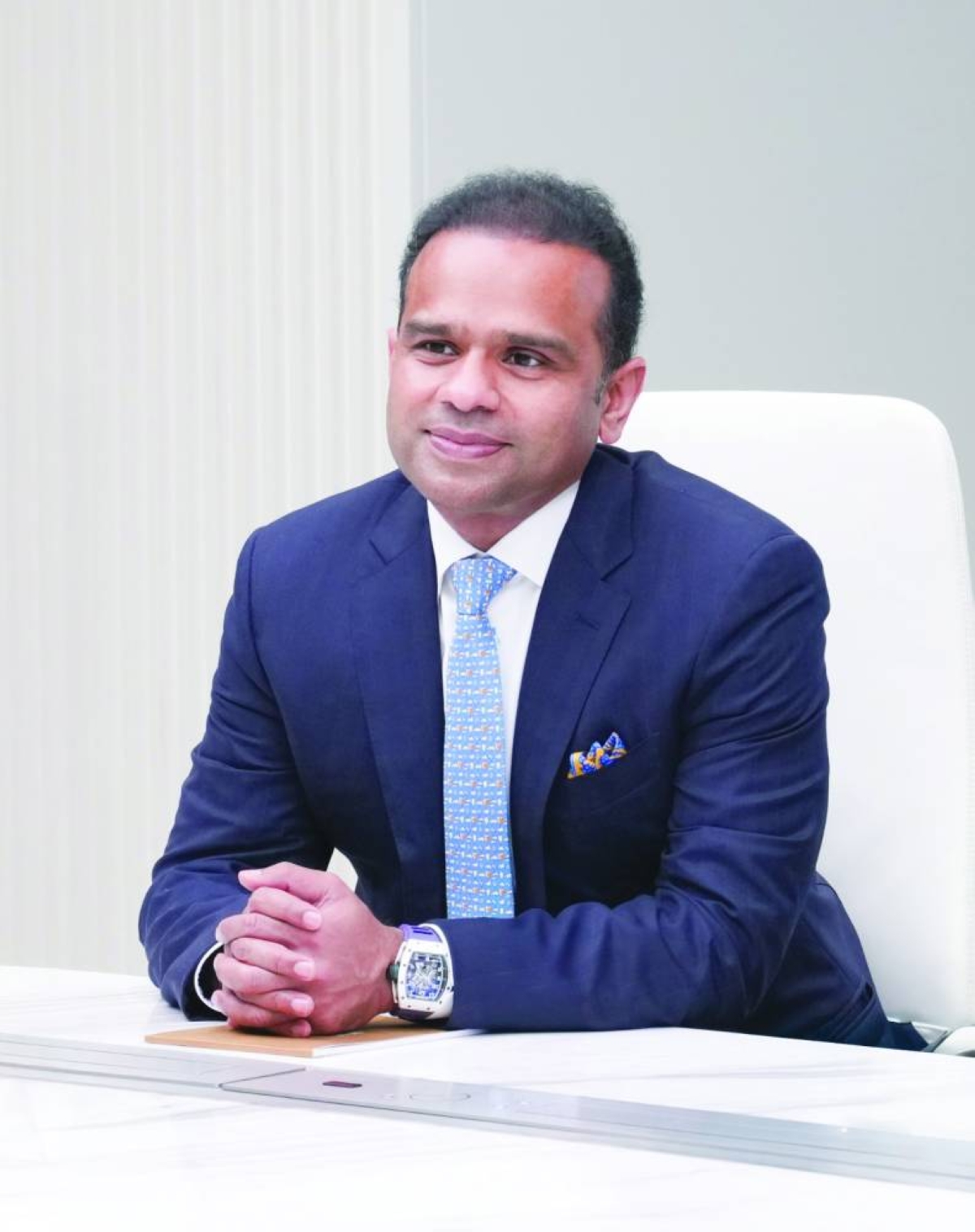
Adeeb Ahamed named to Washington Post Intelligence Council on AI, Technology
Washington Post Intelligence, the intelligence and advisory platform of The Washington Post, has named Adeeb Ahamed, managing director of LuLu Financial Holdings, to its Council on AI & Technology. The council is a global leadership forum focused on advancing policy and industry innovation across artificial intelligence, emerging technologies and digital transformation. Ahamed is among the first Middle East-based business leaders to join the council, bringing the perspective of a region that is rapidly emerging as a global centre for AI-driven innovation, digital infrastructure and next-generation financial ecosystems. His appointment also reflects the growing importance of financial services and cross-border payment infrastructure in global AI conversations, particularly as emerging technologies increasingly shape the future of commerce, compliance, financial accessibility and real-time global connectivity. Under Ahamed’s leadership, LuLu Financial Holdings has grown into one of the region’s leading financial services groups, operating across the GCC, Indian subcontinent and Asia Pacific, with a strong focus on cross-border payments, fintech innovation and digital financial inclusion. Commenting on the appointment, Ahamed said: “The future of artificial intelligence will be shaped by regions that are able to combine innovation, infrastructure and global connectivity at scale. The GCC and the broader Middle East are increasingly emerging as one of those centres, driven by ambitious technology agendas, forward-looking leadership and rapidly evolving financial ecosystems. I look forward to contributing a perspective from a region that sits at the intersection of global commerce, finance and human mobility, where digital infrastructure and financial innovation are evolving at remarkable speed.”
17 Jun 2026
US military to stay in Gulf region for a while: Trump
US President Donald Trump said Wednesday the United States will leave its military in the Gulf 'for a while' after Washington struck a deal with Tehran to end its nearly four-month conflict in the region. While speaking to reporters in Paris, Trump added it would be unfair for Iran not to have ballistic missiles if other countries have them. 'I'm saying that if other countries have them, it's a little bit unfair for them not to have some,' Trump told reporters in Paris. 'If Saudi Arabia and Qatar, and they all have some, I would say in relative proportion, I think it's okay.' Earlier Wednesday, he also said his new ceasefire agreement with Iran was not final and he could resume the war if he is unsatisfied, even as Israel launched fresh airstrikes in Lebanon where fighting threatens the wider truce. 'It's a memorandum of understanding. And if I don't like it, we'll go back to shooting at them, dropping bombs on their head,' Trump said at a G7 summit in France of the agreement, reached three days ago. 'If I don't like it, if they don't behave, we'll go right back to dropping bombs right smack in the middle of their head, OK?' Leaders hailed the agreement at the summit, held in the French town of Evian-les-Bains, an hour's drive along the shore of Lake Geneva from where the Iran ceasefire memorandum is due to be signed at a ceremony across the Swiss border tomorrow. Tehran's foreign ministry Wednesday said it was considering a plan for the presidents of the US and Iran to sign the deal ending the Middle East war, ahead of an expected ceremony in Switzerland. 'So far, our plans for the Geneva meeting have not changed,' ministry spokesman Esmaeil Baqaei said. 'Regarding the signing of the memorandum of understanding, one idea is that it be done by the presidents of the two countries, which is currently under review.' If the presidents were to sign the document, he added, 'in principle it would be done remotely.' Tehran has previously said the United States and Iran would be represented at the meeting in Switzerland by Vice President JD Vance and parliament speaker and top negotiator Mohammad Bagher Ghalibaf, respectively. US President Donald Trump said at a G7 summit in France on Wednesday that he expected the accord with Iran to 'be signed shortly, tomorrow, maybe the next day'. Trump added that he 'might' stay in Europe for the signing but added that as a memorandum of understanding 'it might not be the kind of a document I should be signing'.
17 Jun 2026
Qatar reaffirms human dignity as core health policy
The State of Qatar affirmed that safeguarding human dignity constitutes a fundamental principle of its health policies, based on its firm belief that the enjoyment of the highest attainable standard of physical and mental health is a right guaranteed to everyone without discrimination. This came in the statement of the State of Qatar delivered Wednesday by Second Secretary at the Permanent Mission of the State of Qatar to the UN Office in Geneva, Hamad Mohammed al-Suwaidi, during the interactive dialogue with the Special Rapporteur on the right to health, as part of the 62nd session of the Human Rights Council being held in Geneva. In its statement, the State of Qatar stressed its continued efforts to develop a comprehensive, people-centred healthcare system that ensures access to high-quality health services while respecting privacy, autonomy, informed consent, and equality in access to healthcare. Al-Suwaidi noted that the State of Qatar attaches special importance to the underlying determinants of health, including social, economic, and environmental factors, and works to strengthen social protection and improve quality of life in a manner that positively reflects on the health of all members of society. He explained that the Patients’ Rights and Responsibilities Charter, adopted by Qatar’s Ministry of Public Health, sets out a comprehensive framework for healthcare that guarantees patients access to safe, high-quality care without discrimination, while preserving their dignity and privacy. He also noted that the charter obliges patients to co-operate with medical staff and respect the regulations of healthcare facilities. He reaffirmed the State of Qatar’s commitment to co-operating with the international community to promote the right to health and safeguard human dignity, ensuring that no one is left behind.
17 Jun 2026
Abdulaziz Saleh represents Music Affairs Centre on the judging panel of ‘Rising Stars 2026’
Oud player Abdulaziz Saleh, a member of the Oud Trio ensemble affiliated with the Music Affairs Centre at the Ministry of Culture, will serve on the judging panel of the “Rising Stars 2026” competition, organised by Sherborne Qatar School in collaboration with a number of schools across Qatar. The event will take place on June 20 at Mall of Qatar and will feature a distinguished panel of musicians, academics, and specialists in music and arts education. The competition provides a professional platform for children and teenagers aged 6 to 16 to showcase their talents in two categories: Solo Singing and Solo Instrumental Performance. Contestants compete across three age groups following a series of auditions and qualifying rounds leading up to the grand final, which will be held at the Oasis Stage in Mall of Qatar. Representing the Music Affairs Centre on the judging panel, Abdulaziz Saleh will join a number of adjudicators from the Qatar Philharmonic Orchestra. The winners will be honoured by Khalid al-Salem, director of the Music Affairs Centre, alongside a representative of the Orchestra. The competition will feature 19 finalists competing in the singing and instrumental categories, with six winners to be selected — three from each category. In a press statement, Saleh said that serving on the judging panel provides an important opportunity to observe and encourage emerging musical talents, emphasising the value of initiatives that offer young people professional platforms to showcase their artistic abilities and develop their creative skills. He added that such competitions play a significant role in discovering promising talent and giving them space to express their artistic potential, while also helping build self-confidence and refine performance skills among participants. Saleh said: “The level of enthusiasm for music among children and young people reflects the presence of promising talents that deserve support and nurturing. These initiatives represent a genuine investment in a new generation of creative artists.” He highlighted that the diversity of artistic backgrounds and professional expertise among the judging panel members contributes to a fair and balanced evaluation process, helping identify distinguished talents and encouraging them to continue their artistic journeys.
17 Jun 2026
Adeeb Ahamed named to Washington Post Intelligence Council on AI, Technology
Washington Post Intelligence, the intelligence and advisory platform of The Washington Post, has named Adeeb Ahamed, managing director of LuLu Financial Holdings, to its Council on AI & Technology. The council is a global leadership forum focused on advancing policy and industry innovation across artificial intelligence, emerging technologies and digital transformation. Ahamed is among the first Middle East-based business leaders to join the council, bringing the perspective of a region that is rapidly emerging as a global centre for AI-driven innovation, digital infrastructure and next-generation financial ecosystems. His appointment also reflects the growing importance of financial services and cross-border payment infrastructure in global AI conversations, particularly as emerging technologies increasingly shape the future of commerce, compliance, financial accessibility and real-time global connectivity. Under Ahamed’s leadership, LuLu Financial Holdings has grown into one of the region’s leading financial services groups, operating across the GCC, Indian subcontinent and Asia Pacific, with a strong focus on cross-border payments, fintech innovation and digital financial inclusion. Commenting on the appointment, Ahamed said: “The future of artificial intelligence will be shaped by regions that are able to combine innovation, infrastructure and global connectivity at scale. The GCC and the broader Middle East are increasingly emerging as one of those centres, driven by ambitious technology agendas, forward-looking leadership and rapidly evolving financial ecosystems. I look forward to contributing a perspective from a region that sits at the intersection of global commerce, finance and human mobility, where digital infrastructure and financial innovation are evolving at remarkable speed.”
17 Jun 2026
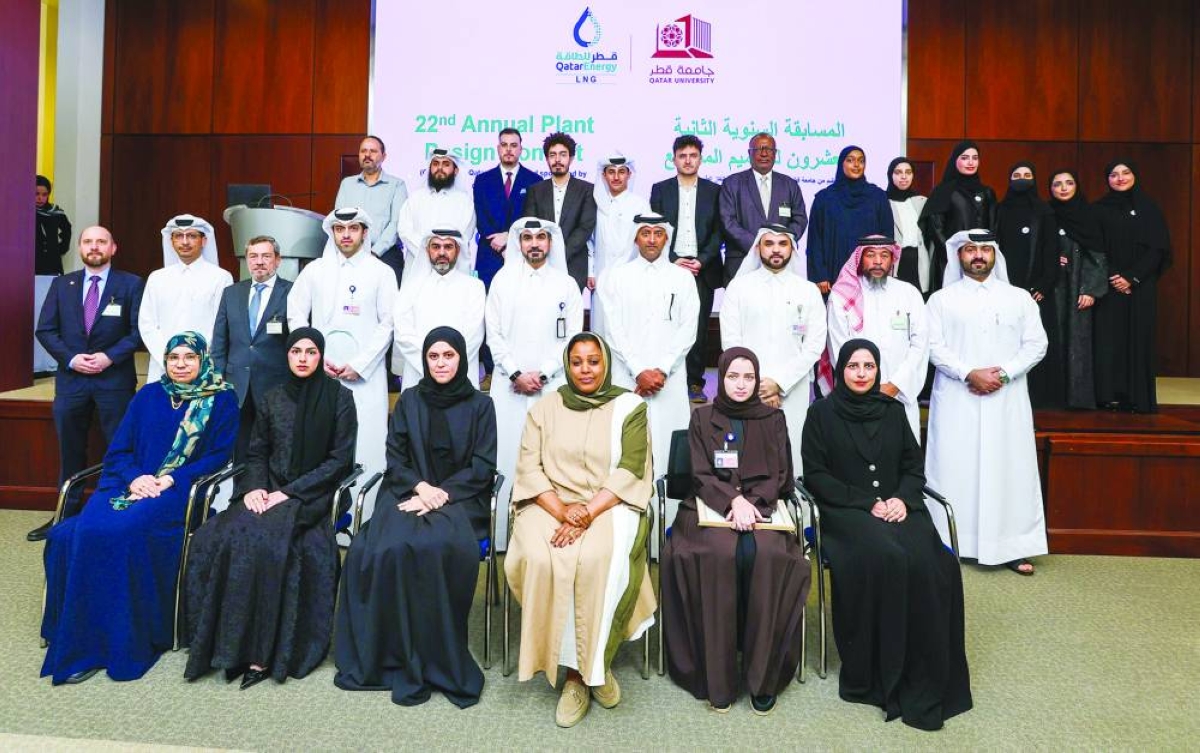
QatarEnergy LNG honours winners of 22nd annual Chemical Engineering Plant Design Contest
QatarEnergy LNG sponsored and recently presented the Best Overall Prizes to the winning teams at the 22nd Annual Chemical Engineering Plant Design Competition, organised by the Department of Chemical Engineering at Qatar University (QU). Since its inception in 2004, this annual contest aims to provide QU students with world-class engineering experience, nurturing the next generation of engineering talent. In his address at a special ceremony held at QatarEnergy LNG’s Doha headquarters on May 24, Rashid al-Kuwari, Chief Engineering and Projects Officer at QatarEnergy LNG, noted that supporting and encouraging education is a cornerstone of QatarEnergy LNG’s Corporate Social Responsibility programme and an important part of the company’s commitment to premier performance. By investing in the next generation of engineers, he said QatarEnergy LNG is contributing to the future of the industry and to the greater prosperity and advancement of the nation, which aligns with the human, social, and economic development pillars of the Qatar National Vision 2030. This competition demonstrates the exceptional capabilities of students in transforming theoretical knowledge into practical, real industrial challenges. Every year, QatarEnergy LNG is impressed by the technical depth, creativity, and professionalism demonstrated in the projects. QatarEnergy LNG was joined at the event by Professor Dr Mohammed al-Marri, head of the Department of Chemical Engineering at QU, to present prizes to the winning teams. Each group gave a brief presentation on their plant design project and the innovative solutions they developed. The event also recognised judges, advisors, Prof al-Marri, Associate Professor Dr Zeinab Jawad, Professor Dr Fadwa Eljack, representatives from the Department of Chemical Engineering at QU, and QatarEnergy LNG representative, Eman Elhmoud, head of Process & Flow Assurance Engineering, and Rand Aga, CSR specialist. Prof al-Marri highlighted in his opening remarks that the annual Plant Design Competition represents the department’s flagship event, celebrating graduating senior students. He thanked QatarEnergy LNG for its continued support over the past 22 years and extended special thanks to the judges for their valuable contributions to the competition’s success. This year, 10 teams presented their projects to a panel of industry judges. Working over two semesters, the students developed simulation-based grassroots plant designs and completed several engineering tasks, including process simulation, environmental impact assessment, heat integration, mechanical equipment design, safety analysis, and economic evaluation. The students developed designs related to Liquefied Natural Gas, Ethylene, and Dimethyl Ether production processes. The competition was held on May 7 at QU’s Engineering Building, featuring five female teams and five male teams. The competition was of an exceptionally high standard, and the best three teams were selected by the judging panel, comprised of engineering experts from multiple industrial partners in Qatar, including Mathew Swatton, technology team lead at Qatar Shell GTL Limited; Abdulla al-Emadi, lead of Process Engineering at QatarEnergy LNG; Awad al-Yafei, head of Plant Productivity at Qafco; Ahmed M Homssi, environmental manager at QChem; and Sarah al-Raeesi, senior APC Engineer (POT) – Technical at OryxGTL. The evaluation criteria for the competition included Organisation and Structure, Technical Content, Visual Aids, and Teamwork. First place was awarded to the team of Shahd Murtada, Mona Foroohar, Shimaa Asem, and Rawan Tayseer Abunada for their outstanding design of an ethylene plant (ETHYQ). By utilising Technip’s advanced SMK technology, the plant is designed to produce polymer-grade ethylene with a purity exceeding 99.9%. The project combines high-performance production with innovative sustainability solutions, including waste-heat recovery that supplies nearly one-third of the plant’s steam demand and a CO2 capture system achieving 90% carbon removal efficiency. They were supervised by Professor Dr Ibnelwaleed Ali Hussein. Second place was awarded to the team of Mohammad Jaber Alathba, Mohamed Ashraf, Mohamed Dahri, and Khalid Hamad al-Jabri for their innovative design of Dimethyl Ether (DME) Plant. Two production routes, Direct and Indirect DME synthesis, were evaluated technically, environmentally, and economically, with the Direct route selected as the preferred option due to its lower COx emissions and superior financial performance. The project included the mechanical design of major equipment validated using Aspen HYSYS and HTRI Xchanger Suite. The team was supervised by Assistant Professor Dr Seckin Karagoz. Third place went to the team of Amira al-Kebsi, Fatima Abdulla al-Samra, Noora Khalili, and Elham Dabwan for their Qatar Ethygreen Company (QEGCO) Ethylene Production. The process technologies were based on Score by KBR, and, with integration and adjustments, a plant simulation that utilised waste heat recovery, minimised NOX emissions, and reduced the overall carbon footprint was developed. The most notable adjustment was the integration of a carbon capture unit, which would operate towards methanation, providing an alternative fuel source for the plant. The team was supervised by Professor Dr Fadwa Eljack.
17 Jun 2026
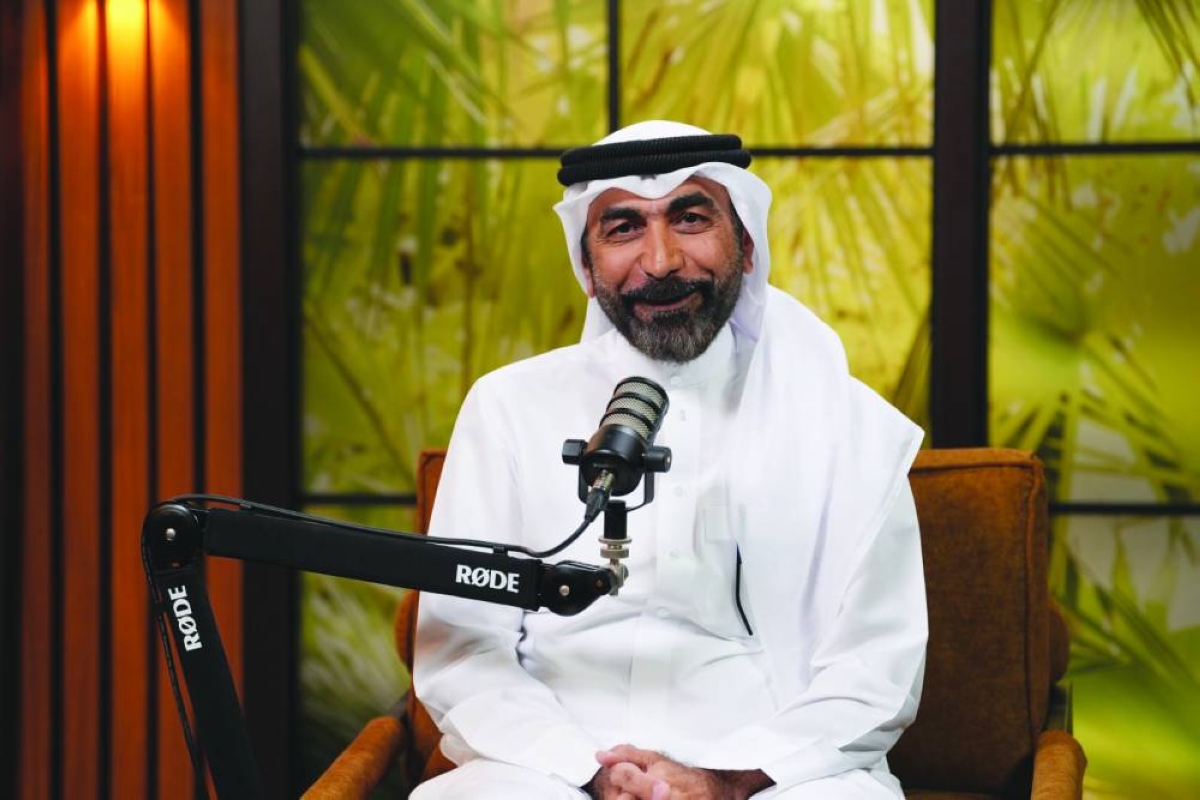
Mohammed Anwar reflects on his acting journey
The latest episode of Keef Al Hal? (Arabic for how are you?), hosted by Milad Haddchiti on Alaraby 2, welcomed acclaimed Qatari actor Mohammed Anwar for a candid conversation — offering viewers a closer look at the person behind the performances. Throughout the episode, Anwar revisited key moments from his career, tracing his path from theater to television and from comedy to drama. He also reflected on some of his most memorable works, including Khazzaz, and shared insights from working alongside some of the Gulf’s most respected artists, including the renowned Ghanem al-Sulaiti and the late Abdulaziz Jassim. The discussion explored a range of themes connected to both his professional and personal life, including art, fame, fatherhood, and privacy. It also examined the role of humour as a mirror of society and a way of engaging with social realities. The episode raised broader questions about the relationship between identity and fame, the balance between public and private life, and the ways in which art can reflect society’s transformations and concerns. Host Milad Haddchiti described the episode as “a new journey into discovering the person behind the spotlight and the camera. Through a thoughtful conversation that balances the personal and professional dimensions of our guest, viewers are brought closer to the stories and creative processes behind works that have become part of our collective memory.” Keef Al Hal? Airs every Tuesday at 8.30pm Doha time on Alaraby 2 and is also available on Alaraby Plus app on demand.
17 Jun 2026
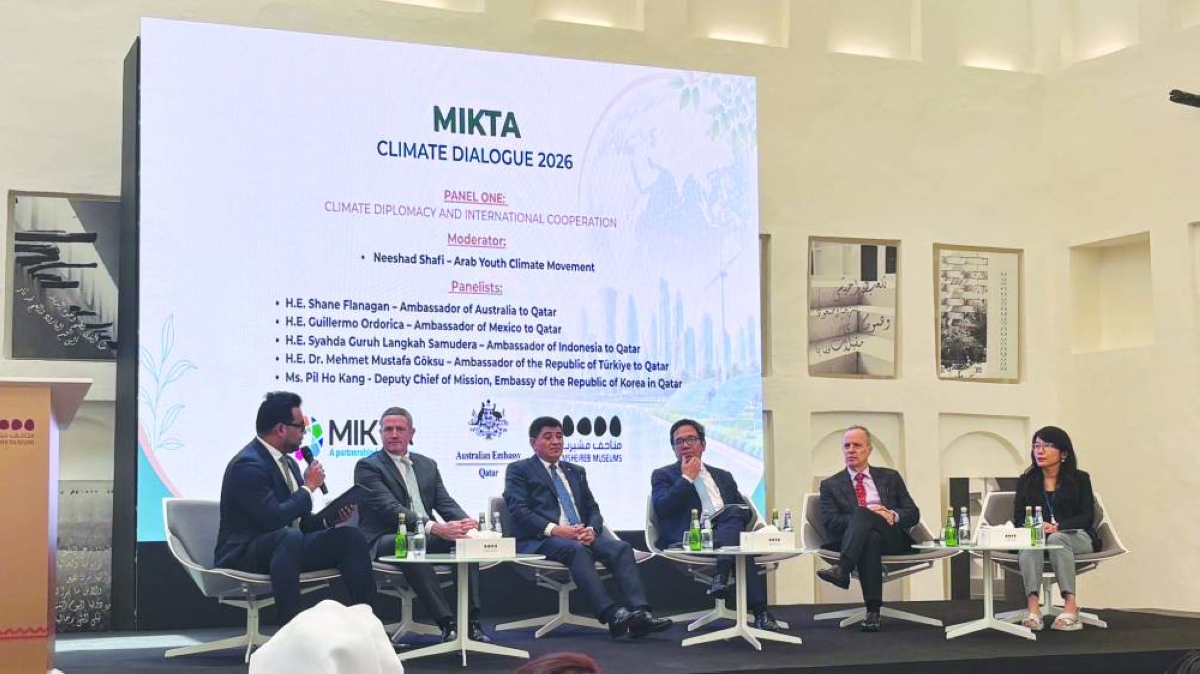
Msheireb Museums, MIKTA rally Global Climate Action
Qatar’s role as a hub for global climate diplomacy received a significant boost recently as Msheireb Museums hosted the MIKTA Climate Dialogue 2026 to accelerate international environmental action. The high-level event, held at Bin Jelmood House in partnership with the Australian embassy in Qatar, brought together the MIKTA member nations—Mexico, Indonesia, the Republic of Korea, Türkiye, and Australia—to catalyse multilateral co-operation ahead of the COP31 summit later this year. Msheireb Museums general manager Abdulla al-Naama highlighted the shifting responsibility of heritage spaces, stating that cultural institutions must actively engage with contemporary crises. “We are a space for dialogue and for shedding the light on current issues,” al-Naama said. “Cultural institutions and museums should be places not only to discuss history, but also it should be places that discuss and open the platform and the dialogue for current issues.” Al-Naama underscored Msheireb Downtown Doha’s (MDD) legacy as a blueprint for future urban planning, noting that the Hamad Bin Jassim Museum specifically focuses on the project’s core of sustainability. He emphasised the museum’s role in “educating the world about sustainable cities” and ensuring these local insights “support all of Qatar’s efforts in climate change and sustainability.” The dialogue featured two panel discussions exploring practical frameworks to reduce global emissions while maintaining energy reliability. Australian ambassador to Qatar Shane Flanagan, whose country currently chairs the informal five-nation bloc, emphasised that the alliance provides a powerful, inclusive mechanism to support a rules-based international system. “When you bring sort of five countries together like Mexico, Indonesia, Korea, Turkey and Australia, what we’re doing is we have a collective voice that’s quite a powerful one,” Flanagan said. With Türkiye serving as the president-designate for COP31 and Australia co-chairing negotiations, Flanagan noted the event was deliberately timed to “generate some momentum” ahead of the global summit. He added that the discussions successfully delivered “practical ways that parties can really help to accelerate these efforts to reduce emissions while also making sure that energy remains reliable.” Flanagan also stressed that empowering the next generation remains central to the bloc’s environmental mandate. “Youth are right at the heart of what we’re trying to achieve, which is to keep one and a half degrees within reach,” Flanagan said.
17 Jun 2026
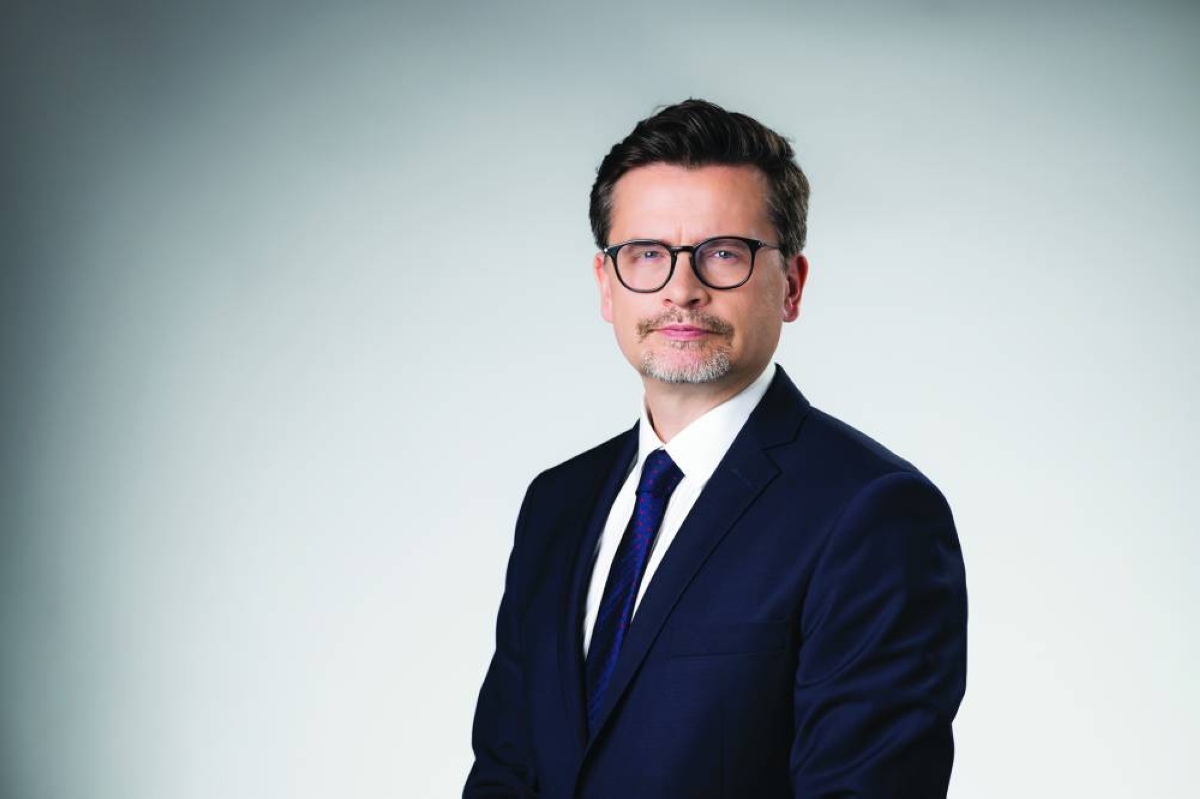
Qatar’s bridge-building role key to regional stability: Polish envoy
Qatar’s efforts to keep channels of communication open between Washington and Tehran were instrumental in securing the recent US-Iran agreement, Polish ambassador Tomasz Sadziski said, describing the accord as an important step towards regional stability and international security. The envoy lauded Qatar’s role in facilitating dialogue between the two sides, saying Doha’s engagement was crucial in creating conditions for meaningful progress in negotiations aimed at easing tensions in one of the world’s most volatile regions. “The agreement is a crucial development which has the potential to create conditions for comprehensive regional stability and international security,” he told the Gulf Times. Sadziski noted that developments in the Middle East have far-reaching consequences, affecting countries worldwide through their impact on energy markets, maritime security and global supply chains. “The Middle East remains one of the most important regions in the world, and ongoing tensions and violence here have implications that extend far beyond the region itself, affecting countries such as Poland through volatility on global energy markets, risks to maritime security and international supply chains,” he said. He stressed that any effort to reduce the risk of confrontation should be welcomed, adding that the agreement demonstrates the effectiveness of diplomacy even in highly complex circumstances. “While many challenges remain, the agreement demonstrates that dialogue can produce tangible results even in the most complex circumstances. It offers an opportunity to rebuild confidence, prevent escalation and focus on long-term solutions through diplomacy rather than confrontation,” he said. Sadziski credited regional actors with helping bridge differences between Washington and Tehran, highlighting Qatar’s unique contribution to the process. “Regional actors, and Qatar in particular, have played a fundamental, constructive role,” he said. Their understanding of local dynamics, historical sensitivities, and the concerns of all parties enables them to facilitate communication when direct engagement becomes difficult, helping to clarify positions, reduce misunderstandings, and identify areas of potential compromise. “I believe that without the engagement of Qatar, such meaningful progress in the negotiations would have been impossible,” he said. The ambassador said Qatar has established itself as a trusted diplomatic actor committed to dialogue and peaceful conflict resolution. In the case of the US-Iran negotiations, Doha provided an important platform for engagement at a time when maintaining communication between the parties was particularly critical. Sadziski also pointed to Qatar’s commitment to regional peace despite facing its own security and economic challenges during periods of heightened tension. “Qatar’s commitment to peace in the region is unwavering,” he said, noting that the country had recently come under missile and drone attacks and had faced economic repercussions from disruptions to navigation through the Strait of Hormuz. Trust, he added, remains the cornerstone of successful mediation. “Building trust requires consistency, discretion, respect and a demonstrated commitment to dialogue over time,” Sadziski said. He noted that Qatar has invested heavily in cultivating relationships with regional and international partners while maintaining an impartial approach. “It has not been forcing its positions on any of the parties and has been able to put forward creative solutions. “What distinguishes Qatar’s approach is its ability to engage constructively with different actors simultaneously while maintaining credibility. It combines regional knowledge with a pragmatic diplomatic style and a willingness to facilitate dialogue without seeking to dominate the process,” he said. According to Sadziski, Qatar’s role in the US-Iran talks further reinforces its reputation as a centre for diplomacy and conflict resolution. “Over the past two decades, Qatar has become increasingly active in supporting peace initiatives across a range of regional and international issues. Its role in facilitating dialogue, hosting negotiations and encouraging peaceful solutions has contributed to the development of a strong diplomatic profile,” he said. Sadziski believes the success of the mediation could help encourage broader de-escalation efforts across the Middle East. While acknowledging that significant challenges remain, he said there is potential for positive spillover effects if diplomatic momentum can be sustained. “The Middle East faces a number of interconnected challenges, and lasting stability requires sustained dialogue among regional actors. “Each successful mediation strengthens the culture of dialogue and demonstrates that diplomacy remains the most effective path toward lasting peace and stability,” he said.
17 Jun 2026
QatarEnergy LNG honours winners of 22nd annual Chemical Engineering Plant Design Contest
QatarEnergy LNG sponsored and recently presented the Best Overall Prizes to the winning teams at the 22nd Annual Chemical Engineering Plant Design Competition, organised by the Department of Chemical Engineering at Qatar University (QU). Since its inception in 2004, this annual contest aims to provide QU students with world-class engineering experience, nurturing the next generation of engineering talent. In his address at a special ceremony held at QatarEnergy LNG’s Doha headquarters on May 24, Rashid al-Kuwari, Chief Engineering and Projects Officer at QatarEnergy LNG, noted that supporting and encouraging education is a cornerstone of QatarEnergy LNG’s Corporate Social Responsibility programme and an important part of the company’s commitment to premier performance. By investing in the next generation of engineers, he said QatarEnergy LNG is contributing to the future of the industry and to the greater prosperity and advancement of the nation, which aligns with the human, social, and economic development pillars of the Qatar National Vision 2030. This competition demonstrates the exceptional capabilities of students in transforming theoretical knowledge into practical, real industrial challenges. Every year, QatarEnergy LNG is impressed by the technical depth, creativity, and professionalism demonstrated in the projects. QatarEnergy LNG was joined at the event by Professor Dr Mohammed al-Marri, head of the Department of Chemical Engineering at QU, to present prizes to the winning teams. Each group gave a brief presentation on their plant design project and the innovative solutions they developed. The event also recognised judges, advisors, Prof al-Marri, Associate Professor Dr Zeinab Jawad, Professor Dr Fadwa Eljack, representatives from the Department of Chemical Engineering at QU, and QatarEnergy LNG representative, Eman Elhmoud, head of Process & Flow Assurance Engineering, and Rand Aga, CSR specialist. Prof al-Marri highlighted in his opening remarks that the annual Plant Design Competition represents the department’s flagship event, celebrating graduating senior students. He thanked QatarEnergy LNG for its continued support over the past 22 years and extended special thanks to the judges for their valuable contributions to the competition’s success. This year, 10 teams presented their projects to a panel of industry judges. Working over two semesters, the students developed simulation-based grassroots plant designs and completed several engineering tasks, including process simulation, environmental impact assessment, heat integration, mechanical equipment design, safety analysis, and economic evaluation. The students developed designs related to Liquefied Natural Gas, Ethylene, and Dimethyl Ether production processes. The competition was held on May 7 at QU’s Engineering Building, featuring five female teams and five male teams. The competition was of an exceptionally high standard, and the best three teams were selected by the judging panel, comprised of engineering experts from multiple industrial partners in Qatar, including Mathew Swatton, technology team lead at Qatar Shell GTL Limited; Abdulla al-Emadi, lead of Process Engineering at QatarEnergy LNG; Awad al-Yafei, head of Plant Productivity at Qafco; Ahmed M Homssi, environmental manager at QChem; and Sarah al-Raeesi, senior APC Engineer (POT) – Technical at OryxGTL. The evaluation criteria for the competition included Organisation and Structure, Technical Content, Visual Aids, and Teamwork. First place was awarded to the team of Shahd Murtada, Mona Foroohar, Shimaa Asem, and Rawan Tayseer Abunada for their outstanding design of an ethylene plant (ETHYQ). By utilising Technip’s advanced SMK technology, the plant is designed to produce polymer-grade ethylene with a purity exceeding 99.9%. The project combines high-performance production with innovative sustainability solutions, including waste-heat recovery that supplies nearly one-third of the plant’s steam demand and a CO2 capture system achieving 90% carbon removal efficiency. They were supervised by Professor Dr Ibnelwaleed Ali Hussein. Second place was awarded to the team of Mohammad Jaber Alathba, Mohamed Ashraf, Mohamed Dahri, and Khalid Hamad al-Jabri for their innovative design of Dimethyl Ether (DME) Plant. Two production routes, Direct and Indirect DME synthesis, were evaluated technically, environmentally, and economically, with the Direct route selected as the preferred option due to its lower COx emissions and superior financial performance. The project included the mechanical design of major equipment validated using Aspen HYSYS and HTRI Xchanger Suite. The team was supervised by Assistant Professor Dr Seckin Karagoz. Third place went to the team of Amira al-Kebsi, Fatima Abdulla al-Samra, Noora Khalili, and Elham Dabwan for their Qatar Ethygreen Company (QEGCO) Ethylene Production. The process technologies were based on Score by KBR, and, with integration and adjustments, a plant simulation that utilised waste heat recovery, minimised NOX emissions, and reduced the overall carbon footprint was developed. The most notable adjustment was the integration of a carbon capture unit, which would operate towards methanation, providing an alternative fuel source for the plant. The team was supervised by Professor Dr Fadwa Eljack.
17 Jun 2026
Mohammed Anwar reflects on his acting journey
The latest episode of Keef Al Hal? (Arabic for how are you?), hosted by Milad Haddchiti on Alaraby 2, welcomed acclaimed Qatari actor Mohammed Anwar for a candid conversation — offering viewers a closer look at the person behind the performances. Throughout the episode, Anwar revisited key moments from his career, tracing his path from theater to television and from comedy to drama. He also reflected on some of his most memorable works, including Khazzaz, and shared insights from working alongside some of the Gulf’s most respected artists, including the renowned Ghanem al-Sulaiti and the late Abdulaziz Jassim. The discussion explored a range of themes connected to both his professional and personal life, including art, fame, fatherhood, and privacy. It also examined the role of humour as a mirror of society and a way of engaging with social realities. The episode raised broader questions about the relationship between identity and fame, the balance between public and private life, and the ways in which art can reflect society’s transformations and concerns. Host Milad Haddchiti described the episode as “a new journey into discovering the person behind the spotlight and the camera. Through a thoughtful conversation that balances the personal and professional dimensions of our guest, viewers are brought closer to the stories and creative processes behind works that have become part of our collective memory.” Keef Al Hal? Airs every Tuesday at 8.30pm Doha time on Alaraby 2 and is also available on Alaraby Plus app on demand.
17 Jun 2026
Msheireb Museums, MIKTA rally Global Climate Action
Qatar’s role as a hub for global climate diplomacy received a significant boost recently as Msheireb Museums hosted the MIKTA Climate Dialogue 2026 to accelerate international environmental action. The high-level event, held at Bin Jelmood House in partnership with the Australian embassy in Qatar, brought together the MIKTA member nations—Mexico, Indonesia, the Republic of Korea, Türkiye, and Australia—to catalyse multilateral co-operation ahead of the COP31 summit later this year. Msheireb Museums general manager Abdulla al-Naama highlighted the shifting responsibility of heritage spaces, stating that cultural institutions must actively engage with contemporary crises. “We are a space for dialogue and for shedding the light on current issues,” al-Naama said. “Cultural institutions and museums should be places not only to discuss history, but also it should be places that discuss and open the platform and the dialogue for current issues.” Al-Naama underscored Msheireb Downtown Doha’s (MDD) legacy as a blueprint for future urban planning, noting that the Hamad Bin Jassim Museum specifically focuses on the project’s core of sustainability. He emphasised the museum’s role in “educating the world about sustainable cities” and ensuring these local insights “support all of Qatar’s efforts in climate change and sustainability.” The dialogue featured two panel discussions exploring practical frameworks to reduce global emissions while maintaining energy reliability. Australian ambassador to Qatar Shane Flanagan, whose country currently chairs the informal five-nation bloc, emphasised that the alliance provides a powerful, inclusive mechanism to support a rules-based international system. “When you bring sort of five countries together like Mexico, Indonesia, Korea, Turkey and Australia, what we’re doing is we have a collective voice that’s quite a powerful one,” Flanagan said. With Türkiye serving as the president-designate for COP31 and Australia co-chairing negotiations, Flanagan noted the event was deliberately timed to “generate some momentum” ahead of the global summit. He added that the discussions successfully delivered “practical ways that parties can really help to accelerate these efforts to reduce emissions while also making sure that energy remains reliable.” Flanagan also stressed that empowering the next generation remains central to the bloc’s environmental mandate. “Youth are right at the heart of what we’re trying to achieve, which is to keep one and a half degrees within reach,” Flanagan said.
17 Jun 2026
Qatar’s bridge-building role key to regional stability: Polish envoy
Qatar’s efforts to keep channels of communication open between Washington and Tehran were instrumental in securing the recent US-Iran agreement, Polish ambassador Tomasz Sadziski said, describing the accord as an important step towards regional stability and international security. The envoy lauded Qatar’s role in facilitating dialogue between the two sides, saying Doha’s engagement was crucial in creating conditions for meaningful progress in negotiations aimed at easing tensions in one of the world’s most volatile regions. “The agreement is a crucial development which has the potential to create conditions for comprehensive regional stability and international security,” he told the Gulf Times. Sadziski noted that developments in the Middle East have far-reaching consequences, affecting countries worldwide through their impact on energy markets, maritime security and global supply chains. “The Middle East remains one of the most important regions in the world, and ongoing tensions and violence here have implications that extend far beyond the region itself, affecting countries such as Poland through volatility on global energy markets, risks to maritime security and international supply chains,” he said. He stressed that any effort to reduce the risk of confrontation should be welcomed, adding that the agreement demonstrates the effectiveness of diplomacy even in highly complex circumstances. “While many challenges remain, the agreement demonstrates that dialogue can produce tangible results even in the most complex circumstances. It offers an opportunity to rebuild confidence, prevent escalation and focus on long-term solutions through diplomacy rather than confrontation,” he said. Sadziski credited regional actors with helping bridge differences between Washington and Tehran, highlighting Qatar’s unique contribution to the process. “Regional actors, and Qatar in particular, have played a fundamental, constructive role,” he said. Their understanding of local dynamics, historical sensitivities, and the concerns of all parties enables them to facilitate communication when direct engagement becomes difficult, helping to clarify positions, reduce misunderstandings, and identify areas of potential compromise. “I believe that without the engagement of Qatar, such meaningful progress in the negotiations would have been impossible,” he said. The ambassador said Qatar has established itself as a trusted diplomatic actor committed to dialogue and peaceful conflict resolution. In the case of the US-Iran negotiations, Doha provided an important platform for engagement at a time when maintaining communication between the parties was particularly critical. Sadziski also pointed to Qatar’s commitment to regional peace despite facing its own security and economic challenges during periods of heightened tension. “Qatar’s commitment to peace in the region is unwavering,” he said, noting that the country had recently come under missile and drone attacks and had faced economic repercussions from disruptions to navigation through the Strait of Hormuz. Trust, he added, remains the cornerstone of successful mediation. “Building trust requires consistency, discretion, respect and a demonstrated commitment to dialogue over time,” Sadziski said. He noted that Qatar has invested heavily in cultivating relationships with regional and international partners while maintaining an impartial approach. “It has not been forcing its positions on any of the parties and has been able to put forward creative solutions. “What distinguishes Qatar’s approach is its ability to engage constructively with different actors simultaneously while maintaining credibility. It combines regional knowledge with a pragmatic diplomatic style and a willingness to facilitate dialogue without seeking to dominate the process,” he said. According to Sadziski, Qatar’s role in the US-Iran talks further reinforces its reputation as a centre for diplomacy and conflict resolution. “Over the past two decades, Qatar has become increasingly active in supporting peace initiatives across a range of regional and international issues. Its role in facilitating dialogue, hosting negotiations and encouraging peaceful solutions has contributed to the development of a strong diplomatic profile,” he said. Sadziski believes the success of the mediation could help encourage broader de-escalation efforts across the Middle East. While acknowledging that significant challenges remain, he said there is potential for positive spillover effects if diplomatic momentum can be sustained. “The Middle East faces a number of interconnected challenges, and lasting stability requires sustained dialogue among regional actors. “Each successful mediation strengthens the culture of dialogue and demonstrates that diplomacy remains the most effective path toward lasting peace and stability,” he said.
17 Jun 2026
Croatia fans rock cowboy style in Dallas parade ahead of match with England
Thousands of Croatia supporters turned downtown Dallas into a sea of red and white ahead of face-off with England.
17 Jun 2026
‘Don’t meddle’: Lula calls on Trump to stay out of Brazil’s elections
Lula is currently in a tight race for re-election against right-wing candidate Flavio Bolsonaro, an ally of Trump.
17 Jun 2026
Why was India’s Cockroach Janta Party founder attacked?
Why was India’s Cockroach Janta Party founder attacked?
17 Jun 2026
Read the US account of unreleased 14-point Iran ceasefire memorandum
US official gives clearest account yet of deal set to be signed by US and Iran Friday; Iran has not confirmed text.
17 Jun 2026
Palestinian residents shocked by devastation in West Bank refugee camp
Palestinian families briefly returned to Tulkarem refugee camp after more than a year of forced displacement.
17 Jun 2026
‘Send them back’ chants in EU Parliament after anti-migrant bill passes
‘Send them back’ chants in EU Parliament after anti-migrant bill passes.
17 Jun 2026
Cape Verde goalkeeper Vozinha’s mother gets visa to attend World Cup
Ana Candida Evora and Vozinha 'will be reunited in Miami' for Cape Verde's match against Uruguay on Sunday.
17 Jun 2026
Portugal held to 1-1 draw by DR Congo in their World Cup 2026 opener
Joao Neves opens the scoring for Portugal with early goal but Yoane Wissa equalises in first-half injury time.
17 Jun 2026
Freed Palestinian prisoner meets son conceived with smuggled sperm
After spending 25 years in Israeli prisons, Abdul Karim al-Rimawi embraced his son Majd for the first time.
17 Jun 2026
Trump eyes US-Iran ‘peace deal’ signing
An US-Iran agreement aimed at ending hostilities and reopening the Strait of Hormuz is set to be signed Friday.
17 Jun 2026
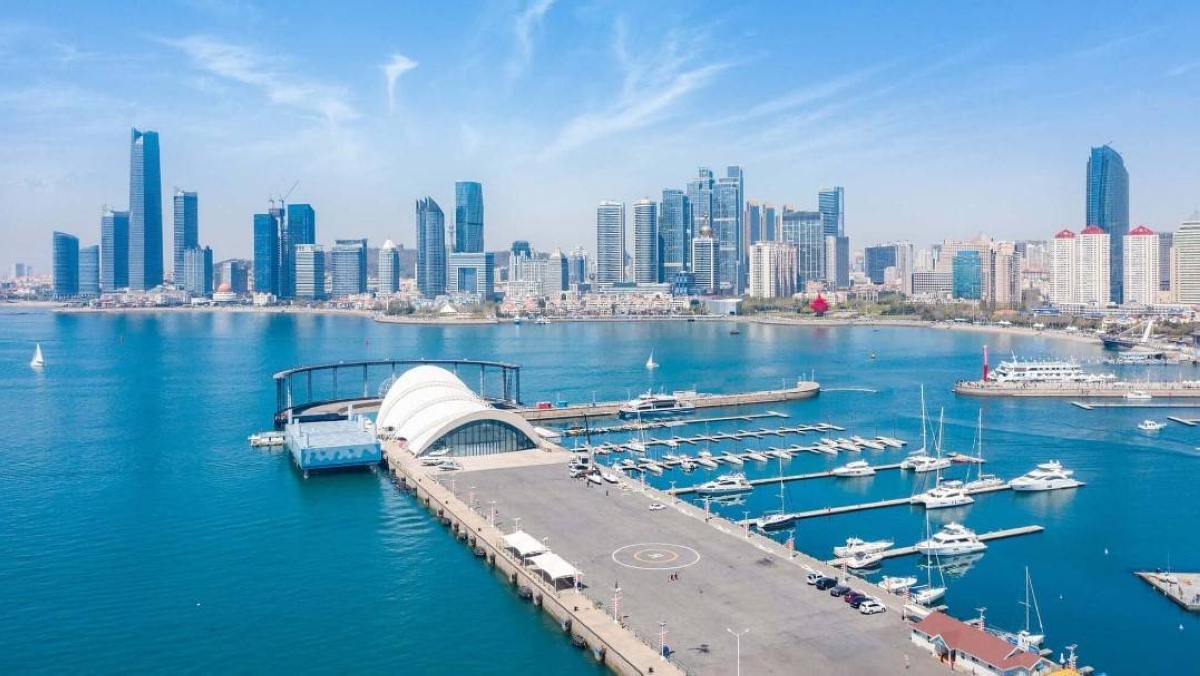
More than 400 delegates to help reshape sailing in Qingdao
More than 400 international sailing delegates will gather in Qingdao, China from November 16 to 21 to shape the future of the sport, World Sailing announced on Wednesday, naming the city host of its Annual Conference and Awards. Qingdao, in Shandong Province, hosted the Olympic sailing competition at the 2008 Beijing Games and is known as China's sailing capital. World Sailing's president, Li Quanhai, is the first Chinese national to hold the role. The conference brings together delegates to discuss proposals, address challenges facing the sport and share suggestions for improvement at all levels. The World Sailing Awards, also part of the event, recognises athletes and those working to develop and innovate in sailing worldwide. Li Quanhai defeated incumbent Kim Andersen of Denmark by eight votes to become the first Chinese president of World Sailing. He is currently serving a second four-year term. 'The Annual Conference is always a special occasion, one where the global sailing community is able to come together, discuss proposals, celebrate our successes and share suggestions to improve the experience for sailors at all levels while speaking openly about challenges facing the sport worldwide and create new opportunities for the growth,' said World Sailing Chief Executive David Graham.
17 Jun 2026
More than 400 delegates to help reshape sailing in Qingdao
More than 400 international sailing delegates will gather in Qingdao, China from November 16 to 21 to shape the future of the sport, World Sailing announced on Wednesday, naming the city host of its Annual Conference and Awards. Qingdao, in Shandong Province, hosted the Olympic sailing competition at the 2008 Beijing Games and is known as China's sailing capital. World Sailing's president, Li Quanhai, is the first Chinese national to hold the role. The conference brings together delegates to discuss proposals, address challenges facing the sport and share suggestions for improvement at all levels. The World Sailing Awards, also part of the event, recognises athletes and those working to develop and innovate in sailing worldwide. Li Quanhai defeated incumbent Kim Andersen of Denmark by eight votes to become the first Chinese president of World Sailing. He is currently serving a second four-year term. 'The Annual Conference is always a special occasion, one where the global sailing community is able to come together, discuss proposals, celebrate our successes and share suggestions to improve the experience for sailors at all levels while speaking openly about challenges facing the sport worldwide and create new opportunities for the growth,' said World Sailing Chief Executive David Graham.
17 Jun 2026
Ukrainian rescuers killed in Russian secondary strike laid to rest
Mourners gathered at a cemetery in Kharkiv as three Ukrainian rescuers were laid to rest.
17 Jun 2026
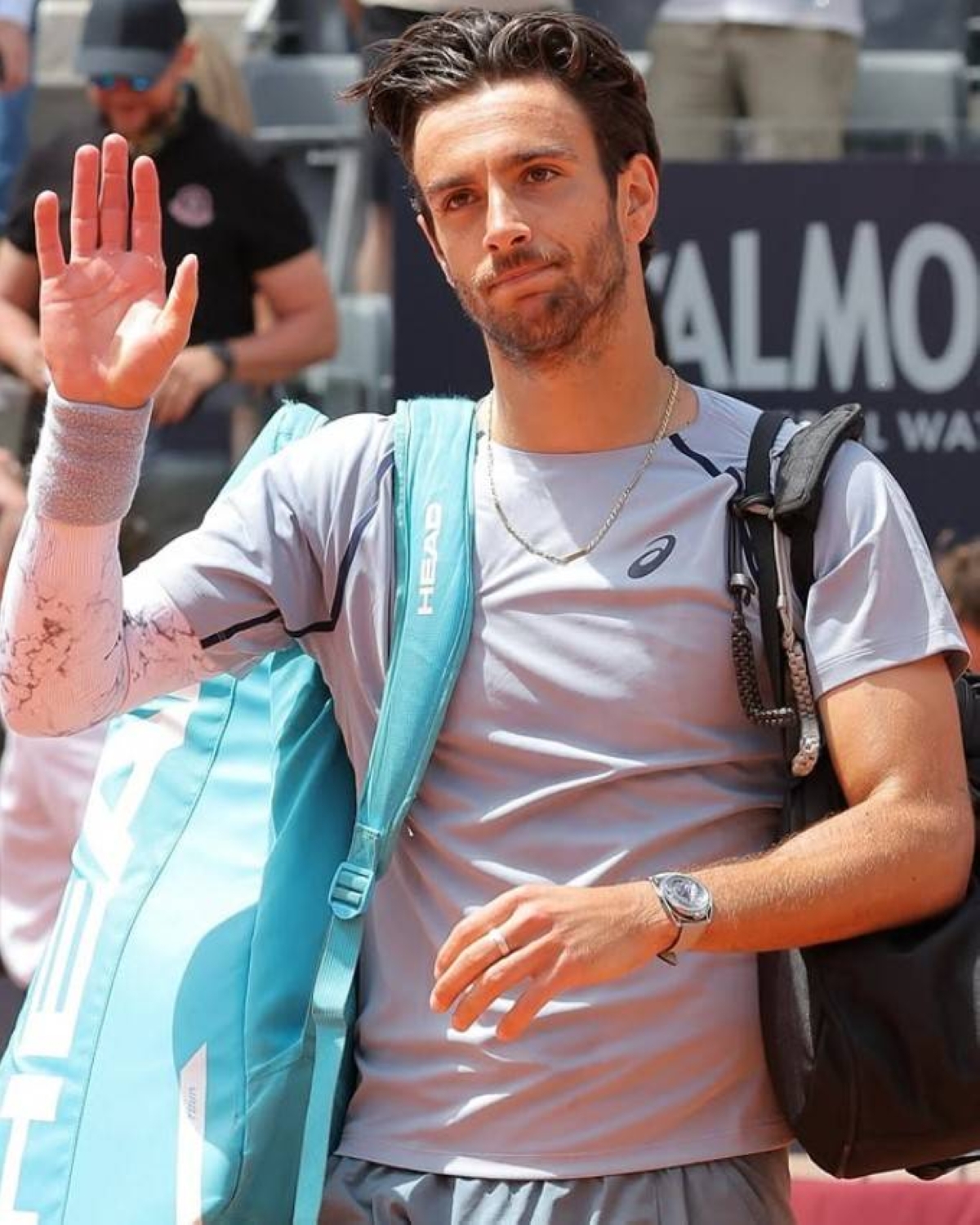
Injured Musetti withdraws from Wimbledon
Italian Lorenzo Musetti pulled out of Wimbledon on Wednesday as he continued to recover from the thigh injury that meant the former world number five also missed the French Open. Musetti, who reached the Wimbledon semi-finals in 2024, has not played since he fell to Casper Ruud in the fourth round of the Italian Open in Rome in mid-May. 'I want to update you on my recovery from the injury I sustained in Rome: rehabilitation is going very well and the medical results are encouraging,' the 24-year-old Musetti wrote on Instagram. 'Unfortunately, as I have not yet been able to begin a full athletic training program, and after careful evaluation, we have come to the difficult conclusion that I will not be able to participate in Wimbledon this year.' 'It is not an easy decision, but it is the right one.'
17 Jun 2026
Injured Musetti withdraws from Wimbledon
Italian Lorenzo Musetti pulled out of Wimbledon on Wednesday as he continued to recover from the thigh injury that meant the former world number five also missed the French Open. Musetti, who reached the Wimbledon semi-finals in 2024, has not played since he fell to Casper Ruud in the fourth round of the Italian Open in Rome in mid-May. 'I want to update you on my recovery from the injury I sustained in Rome: rehabilitation is going very well and the medical results are encouraging,' the 24-year-old Musetti wrote on Instagram. 'Unfortunately, as I have not yet been able to begin a full athletic training program, and after careful evaluation, we have come to the difficult conclusion that I will not be able to participate in Wimbledon this year.' 'It is not an easy decision, but it is the right one.'
17 Jun 2026
Tehran says considering plan for Iran, US presidents to sign deal
Trump says he expects the agreement with Iran to be signed 'shortly' without specifying the exact date.
17 Jun 2026
Will Ukraine become an EU member?
Ukraine has opened the first phase of membership talks with the European Union.
17 Jun 2026
Police clash with Malawian protesters demanding deportation in South Africa
Police clash with Malawian protesters demanding deportation in South Africa
17 Jun 2026
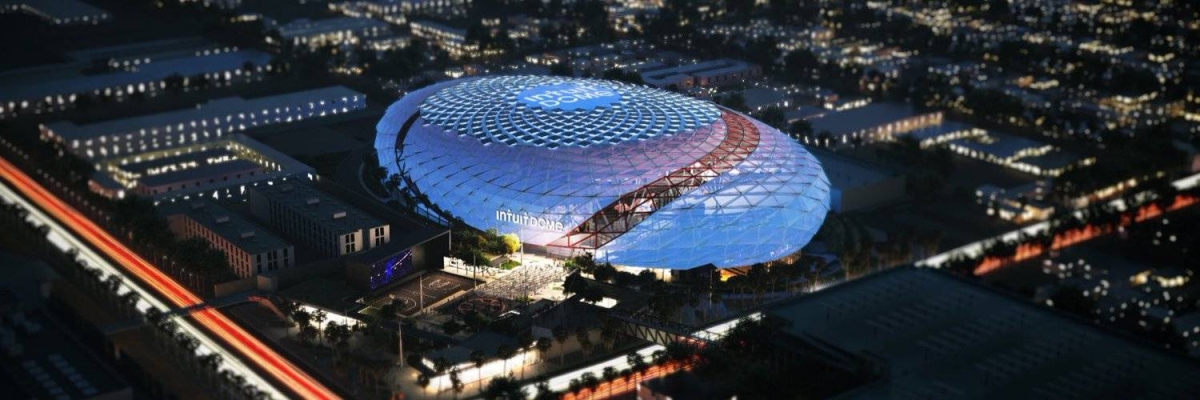
Laver Cup to be played in Los Angeles in 2027
The Laver Cup, an annual showdown of men's tennis stars pitting Team Europe against Team World, will be played next year in Los Angeles, organizers announced on Wednesday. The Intuit Dome in suburban Inglewood, home to the NBA's Los Angeles Clippers, will host the competition on September 24-26, 2027. Team Europe owns a 5-3 lead in the all-time rivalry but Team World has won three of the past four meetings entering this year's event in London in September, part of the ATP Tour calendar. Intuit Dome hosted February's NBA All-Star Game and will be the venue for basketball at the 2028 Los Angeles Olympics. 'Los Angeles is one of the world's leading destinations for major sporting events,' Laver Cup chief executive officer Steve Zacks said. 'We can think of no better city and venue to host the 10th edition of the Laver Cup.' Opened in August 2024 in Inglewood, California, Intuit Dome is the state-of-the-art home arena that was built with a privately funded $2 billion investment by owner Steve Ballmer. The 18,000-seat venue is engineered for an intense, 'fan-first' basketball experience, experts say. The arena's design brings spectators exceptionally close to the action. Its defining structural feature is the Halo Board, a massive, double-sided 4K LED scoreboard stretching almost a full acre. For a passionate home-court advantage, the venue features 'The Wall,' an uninterrupted 51-row cheering section reserved exclusively for Clippers fans. Focused on convenience, the facility utilizes biometric and facial recognition technology for a completely cashless, ticketless, and frictionless experience. It also boasts three times the NBA average for restrooms to eliminate wait times. Operating with high sustainability standards, the all-electric, LEED Platinum-certified venue features an iconic gridshell exterior.
17 Jun 2026
Laver Cup to be played in Los Angeles in 2027
The Laver Cup, an annual showdown of men's tennis stars pitting Team Europe against Team World, will be played next year in Los Angeles, organizers announced on Wednesday. The Intuit Dome in suburban Inglewood, home to the NBA's Los Angeles Clippers, will host the competition on September 24-26, 2027. Team Europe owns a 5-3 lead in the all-time rivalry but Team World has won three of the past four meetings entering this year's event in London in September, part of the ATP Tour calendar. Intuit Dome hosted February's NBA All-Star Game and will be the venue for basketball at the 2028 Los Angeles Olympics. 'Los Angeles is one of the world's leading destinations for major sporting events,' Laver Cup chief executive officer Steve Zacks said. 'We can think of no better city and venue to host the 10th edition of the Laver Cup.' Opened in August 2024 in Inglewood, California, Intuit Dome is the state-of-the-art home arena that was built with a privately funded $2 billion investment by owner Steve Ballmer. The 18,000-seat venue is engineered for an intense, 'fan-first' basketball experience, experts say. The arena's design brings spectators exceptionally close to the action. Its defining structural feature is the Halo Board, a massive, double-sided 4K LED scoreboard stretching almost a full acre. For a passionate home-court advantage, the venue features 'The Wall,' an uninterrupted 51-row cheering section reserved exclusively for Clippers fans. Focused on convenience, the facility utilizes biometric and facial recognition technology for a completely cashless, ticketless, and frictionless experience. It also boasts three times the NBA average for restrooms to eliminate wait times. Operating with high sustainability standards, the all-electric, LEED Platinum-certified venue features an iconic gridshell exterior.
17 Jun 2026
Trump: World will ‘find out pretty soon’ if Iran MOU signing will happen
Trump suggests deal signing on Friday could still fall through, vows to bomb Iran if they don't 'behave'.
17 Jun 2026
US Federal Reserve holds rates steady under new chair Warsh
Heightened energy prices because of the US-Israel war with Iran has pushed US inflation to a three-year high.
17 Jun 2026
Thick black smoke towers over Paris skyline after warehouse blaze
Footage shows towers of black smoke visible across Paris, billowing from a 7,000 square-metre warehouse in Bobigny.
17 Jun 2026
Luigi Mangione to use psychiatric defence in healthcare CEO murder case
Mangione would face lighter sentencing if jury accepts he was in a state of 'extreme emotional disturbance' during act.
17 Jun 2026
Death toll in Gaza since ‘ceasefire’ with Israel goes past 1,000
More than 1,000 people in Gaza have been killed since a US-brokered 'ceasefire' between Hamas and Israel was agreed.
17 Jun 2026
Young Palestinian women learn AI to tell stories of war on Gaza
Young Palestinian women learn AI to tell stories of war on Gaza.
17 Jun 2026

USADA rips WADA over plan for test changes at big events
US Anti-Doping Agency chief executive officer Travis T. Tygart criticized World Anti-Doping Agency officials on Tuesday over plans to change testing at major events, allowing sport federations a greater role. WADA unveiled ideas for change among 19 recommendations in a report by its Working Group on National Anti-Doping Organizations Operational Independence (WGOI). 'It has been reported that some stakeholders, including athletes, perceive that there's a potential conflict of interest where a NADO (national anti-doping organization) is solely responsible for doping control for its country's international-level athletes,' the report said. 'It's therefore important to consider whether this perception may be overcome by putting in place mechanisms that mitigate the perceived risk, with a view to strengthening the overall anti-doping system and stakeholder trust, particularly amongst athletes.' Among the ideas would be having international sport federations play a larger role in anti-doping measures, which drew Tygart's ire. 'WADA leaders' intent to push aside truly independent national anti-doping organizations and hand control back to sport and sport service providers at major events is a dangerous step backwards and risks compromising the fairness of major events and athletes' right to fair competition,' Tygart said in a statement. 'Dressing this up as progress is an attempt to pull the wool over the eyes of clean athletes, fans, and the public who deserve real independence, real accountability, and a system that protects them -- not one that protects sport from scrutiny and the global anti-doping watchdog from accountability.' Tygart also noted a Monday letter by Sara Carter, director of the US Office of National Drug Control Policy, that worried WADA would diminish NADOs and undercut confidence in doping tests before the 2028 Los Angeles Olympics. Carter urged WADA to reject any use of the WGOI Report as a springboard to major changes in the global anti-doping program. Tygart called the plans 'another slap in the face by WADA leadership to all athletes who commit to competing clean and nations that enforce the rules consistently and fairly.'The report's 19th recommendation was to deal with anti-doping groups from a host nation deal with their own nation's athletes. It would define roles for sport federations and event organizers in the doping control program, with the national anti-doping program not involved or contract to develop or monitor testing plans or selection of athletes for testing, test administration and results. 'Rather, these functions will be carried out by an independent, non-partisan body, removing the possibility of an actual or perceived conflict of interest or bias,' the report said.js/dmc
17 Jun 2026
USADA rips WADA over plan for test changes at big events
US Anti-Doping Agency chief executive officer Travis T. Tygart criticized World Anti-Doping Agency officials on Tuesday over plans to change testing at major events, allowing sport federations a greater role. WADA unveiled ideas for change among 19 recommendations in a report by its Working Group on National Anti-Doping Organizations Operational Independence (WGOI). 'It has been reported that some stakeholders, including athletes, perceive that there's a potential conflict of interest where a NADO (national anti-doping organization) is solely responsible for doping control for its country's international-level athletes,' the report said. 'It's therefore important to consider whether this perception may be overcome by putting in place mechanisms that mitigate the perceived risk, with a view to strengthening the overall anti-doping system and stakeholder trust, particularly amongst athletes.' Among the ideas would be having international sport federations play a larger role in anti-doping measures, which drew Tygart's ire. 'WADA leaders' intent to push aside truly independent national anti-doping organizations and hand control back to sport and sport service providers at major events is a dangerous step backwards and risks compromising the fairness of major events and athletes' right to fair competition,' Tygart said in a statement. 'Dressing this up as progress is an attempt to pull the wool over the eyes of clean athletes, fans, and the public who deserve real independence, real accountability, and a system that protects them -- not one that protects sport from scrutiny and the global anti-doping watchdog from accountability.' Tygart also noted a Monday letter by Sara Carter, director of the US Office of National Drug Control Policy, that worried WADA would diminish NADOs and undercut confidence in doping tests before the 2028 Los Angeles Olympics. Carter urged WADA to reject any use of the WGOI Report as a springboard to major changes in the global anti-doping program. Tygart called the plans 'another slap in the face by WADA leadership to all athletes who commit to competing clean and nations that enforce the rules consistently and fairly.'The report's 19th recommendation was to deal with anti-doping groups from a host nation deal with their own nation's athletes. It would define roles for sport federations and event organizers in the doping control program, with the national anti-doping program not involved or contract to develop or monitor testing plans or selection of athletes for testing, test administration and results. 'Rather, these functions will be carried out by an independent, non-partisan body, removing the possibility of an actual or perceived conflict of interest or bias,' the report said.js/dmc
17 Jun 2026
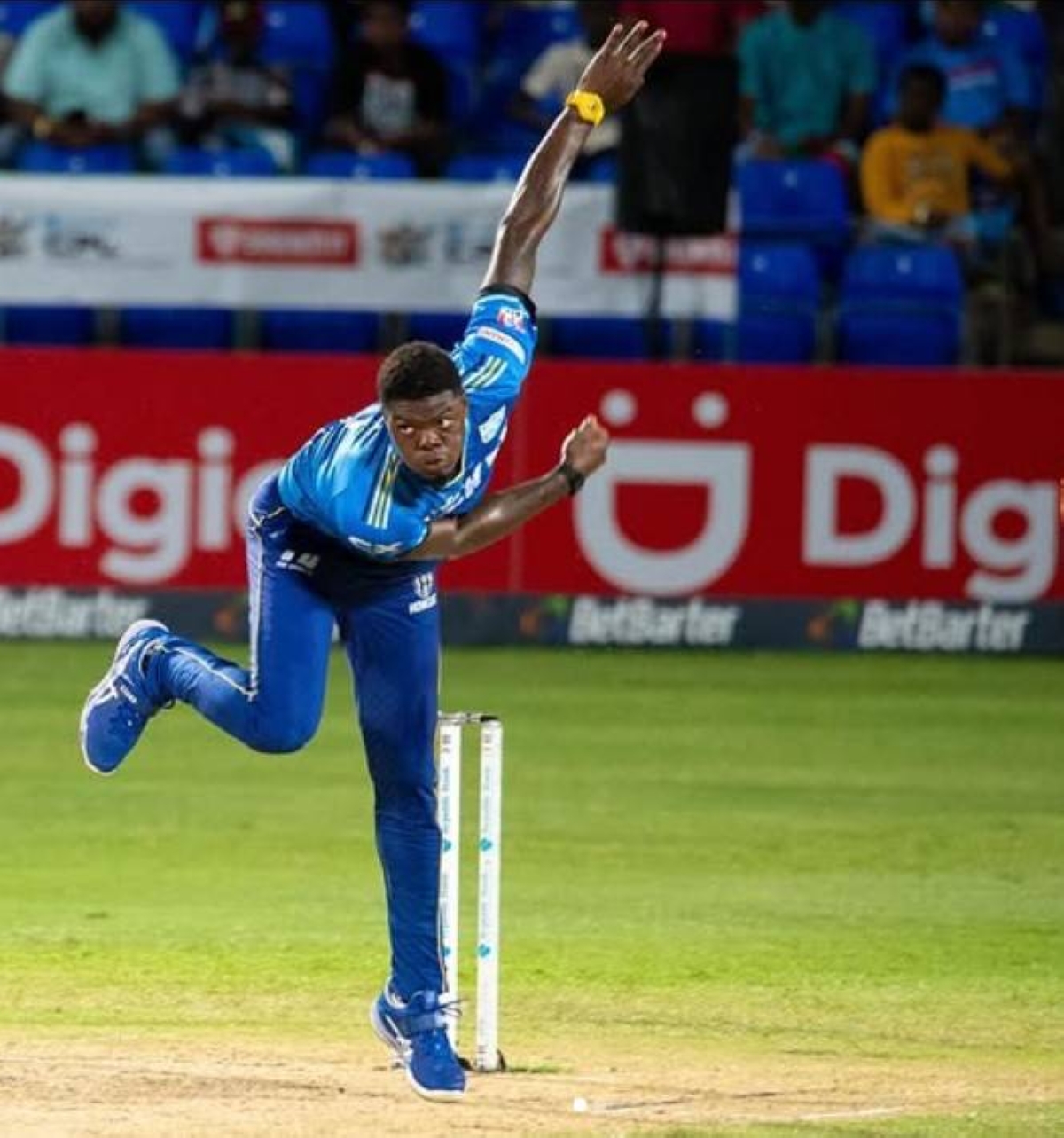
West Indies recall fit-again Joseph and Da Silva for Sri Lanka series
Fit-again fast bowlers Alzarri Joseph and Shamar Joseph have returned to the West Indies Test squad for the upcoming two-match home series against Sri Lanka, while Joshua Da Silva has been drafted in to replace wicketkeeper Tevin Imlach. Both Alzarri (back) and Shamar (shoulder) missed the previous tours of India and New Zealand but made their competitive return during the limited-overs series against Sri Lanka earlier this month. Following Imlach's recent struggles with the bat against New Zealand and India, selectors have recalled Da Silva as reward for the 27-year-old's rich vein of form in domestic cricket. 'Sri Lanka are a quality side, so we know we'll have to be at our best, but we're excited about the challenge ahead,' head coach Daren Sammy said in a statement. 'For us, it's about playing with discipline, showing character when the game gets tough, and representing the West Indies with pride. The players have been putting in the work, and we're looking forward to putting on a strong display for our fans across the Caribbean.' Top-order batter Amir Jangoo, who was dropped after making his test debut in Pakistan in 2025, has also earned a recall to the side. The two-test series is scheduled to get underway in North Sound on June 25. West Indies squad: Roston Chase (captain), Jomel Warrican, John Campbell, Tagenarine Chanderpaul, Joshua Da Silva, Justin Greaves, Kavem Hodge, Shai Hope, Amir Jangoo, Alzarri Joseph, Shamar Joseph, Brandon King, Anderson Phillip, Kemar Roach, Jayden Seales.
17 Jun 2026
West Indies recall fit-again Joseph and Da Silva for Sri Lanka series
Fit-again fast bowlers Alzarri Joseph and Shamar Joseph have returned to the West Indies Test squad for the upcoming two-match home series against Sri Lanka, while Joshua Da Silva has been drafted in to replace wicketkeeper Tevin Imlach. Both Alzarri (back) and Shamar (shoulder) missed the previous tours of India and New Zealand but made their competitive return during the limited-overs series against Sri Lanka earlier this month. Following Imlach's recent struggles with the bat against New Zealand and India, selectors have recalled Da Silva as reward for the 27-year-old's rich vein of form in domestic cricket. 'Sri Lanka are a quality side, so we know we'll have to be at our best, but we're excited about the challenge ahead,' head coach Daren Sammy said in a statement. 'For us, it's about playing with discipline, showing character when the game gets tough, and representing the West Indies with pride. The players have been putting in the work, and we're looking forward to putting on a strong display for our fans across the Caribbean.' Top-order batter Amir Jangoo, who was dropped after making his test debut in Pakistan in 2025, has also earned a recall to the side. The two-test series is scheduled to get underway in North Sound on June 25. West Indies squad: Roston Chase (captain), Jomel Warrican, John Campbell, Tagenarine Chanderpaul, Joshua Da Silva, Justin Greaves, Kavem Hodge, Shai Hope, Amir Jangoo, Alzarri Joseph, Shamar Joseph, Brandon King, Anderson Phillip, Kemar Roach, Jayden Seales.
17 Jun 2026
Trump pushes to delay appointment of new spy chief in legislative standoff
Trump says plan to keep controversial acting DNI head, Bill Pulte, in role as he pushes for surveillance, voter ID law.
17 Jun 2026
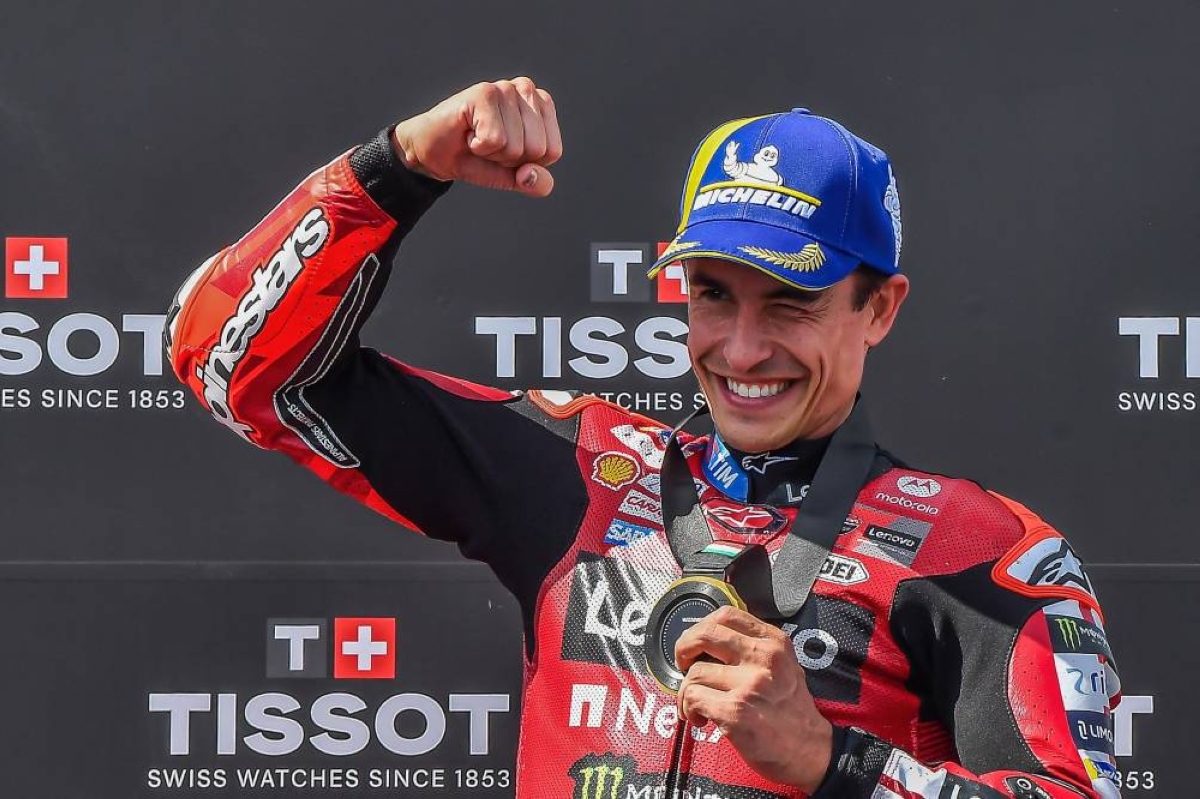
‘Believer’ Marquez out to chase MotoGP leader Bezzecchi at Brno
Seven-time MotoGP champion Marc Marquez will seek to narrow the gap on championship leader Marco Bezzecchi at Brno this weekend with a boost from a mighty comeback to racing. The 33-year-old Spaniard on a Ducati sat out two Grand Prix in May with a broken foot, but he returned in style with a race-spint double at the Balaton Park circuit in Hungary in early June. He capitalised on an early crash as championship runner-up Jorge Martin on an Aprilia had taken out his teammate Bezzecchi and three other riders in the first corner. Both Martin and Bezzecchi withdrew and Martin will serve a double long-lap penalty at Brno as a result - a penalty Aprilia Racing head Massimo Rivola said could have been even 'stronger and harsher'. Ahead of the Czech MotoGP, Bezzecchi sits atop the overall rankings with 180 points from eight of the season's 22 races of which he has won four, while Martin in second has managed 160. Third-placed Fabio Di Giannantonio with 138 points was also involved in the crash, but he rejoined the race and finished 12th. Marquez in fifth overall has collected 108 points after his 100th MotoGP win in Hungary, which was also the 100th top-class win for Ducati. 'I'm a believer, I try to do my 100 percent and I need to try. I feel I'm still far from my performance, the way I want to ride, but I'm still fast,' Marquez told MotoGP after his first win of the season.But he admitted the latest injury - on the heels of recurrent problems with a broken arm that plagued him for years - did not allow him to race the way he wants. 'The comeback is still not finished,' Marquez said.'It depends a lot (on) Brno and Assen and then on the summer break. I still need to reach my new 100 percent... but of course, you know me: if I'm here, it's to fight -- every race, every practice.' 'Close the chapter' Bezzecchi made it clear his motivation had grown following the Balaton Park crash from which he emerged with bruises. 'What a shame,' the 27-year-old Italian wrote in his blog 'Simply the Bez'. 'I watched the race about ten times - I didn't remember much of it because of the adrenaline, so I had to go back and watch everything from the start. Nice to do, but then you close the chapter and move on.' 'Fortunately nobody was seriously hurt, just a few bruises. We'll make up for it at Brno,' Bezzecchi added. Last year, Marquez took a double at Brno, the Czech Republic's second largest city after Prague, beating Bezzecchi in the race for his fourth MotoGP victory there. Marquez's younger brother Alex, ninth overall, is planning a return at Brno after missing two Grand Prix with a broken collarbone and a 'marginal' vertebra fracture following a crash in the Catalan GP in May. Brno returned to the MotoGP calendar last year after a five-year break due to financial woes and following a revamp of the track that made it much faster. The MotoGP circus has three races to go before the summer break.
17 Jun 2026
‘Believer’ Marquez out to chase MotoGP leader Bezzecchi at Brno
Seven-time MotoGP champion Marc Marquez will seek to narrow the gap on championship leader Marco Bezzecchi at Brno this weekend with a boost from a mighty comeback to racing. The 33-year-old Spaniard on a Ducati sat out two Grand Prix in May with a broken foot, but he returned in style with a race-spint double at the Balaton Park circuit in Hungary in early June. He capitalised on an early crash as championship runner-up Jorge Martin on an Aprilia had taken out his teammate Bezzecchi and three other riders in the first corner. Both Martin and Bezzecchi withdrew and Martin will serve a double long-lap penalty at Brno as a result - a penalty Aprilia Racing head Massimo Rivola said could have been even 'stronger and harsher'. Ahead of the Czech MotoGP, Bezzecchi sits atop the overall rankings with 180 points from eight of the season's 22 races of which he has won four, while Martin in second has managed 160. Third-placed Fabio Di Giannantonio with 138 points was also involved in the crash, but he rejoined the race and finished 12th. Marquez in fifth overall has collected 108 points after his 100th MotoGP win in Hungary, which was also the 100th top-class win for Ducati. 'I'm a believer, I try to do my 100 percent and I need to try. I feel I'm still far from my performance, the way I want to ride, but I'm still fast,' Marquez told MotoGP after his first win of the season.But he admitted the latest injury - on the heels of recurrent problems with a broken arm that plagued him for years - did not allow him to race the way he wants. 'The comeback is still not finished,' Marquez said.'It depends a lot (on) Brno and Assen and then on the summer break. I still need to reach my new 100 percent... but of course, you know me: if I'm here, it's to fight -- every race, every practice.' 'Close the chapter' Bezzecchi made it clear his motivation had grown following the Balaton Park crash from which he emerged with bruises. 'What a shame,' the 27-year-old Italian wrote in his blog 'Simply the Bez'. 'I watched the race about ten times - I didn't remember much of it because of the adrenaline, so I had to go back and watch everything from the start. Nice to do, but then you close the chapter and move on.' 'Fortunately nobody was seriously hurt, just a few bruises. We'll make up for it at Brno,' Bezzecchi added. Last year, Marquez took a double at Brno, the Czech Republic's second largest city after Prague, beating Bezzecchi in the race for his fourth MotoGP victory there. Marquez's younger brother Alex, ninth overall, is planning a return at Brno after missing two Grand Prix with a broken collarbone and a 'marginal' vertebra fracture following a crash in the Catalan GP in May. Brno returned to the MotoGP calendar last year after a five-year break due to financial woes and following a revamp of the track that made it much faster. The MotoGP circus has three races to go before the summer break.
17 Jun 2026