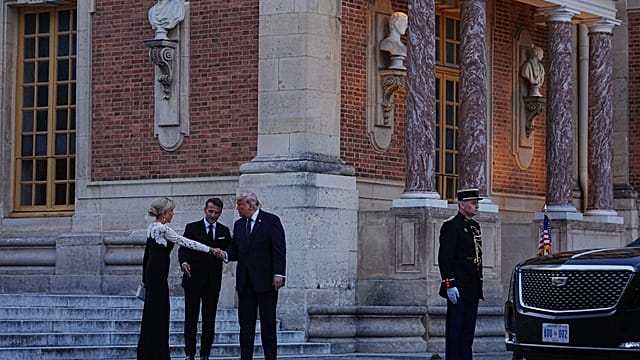
Trump welcomed to Versailles for dinner with Macron
Donald Trump was welcomed to the Palace of Versailles on Wednesday evening for a private reception and dinner hosted by French President Emmanuel Macron following the conclusion of the G7 summit in Evian.
17 Jun 2026
Boost marine protection
Rising ocean temperatures, sea-level rise, and coastal storms continuously threaten shorelines,...
17 Jun 2026
Probe MP’s bias claim in port jobs recruitment
Using public jobs for political patronage is unlawful.
17 Jun 2026

Ex-OPEC president Diezani Alison-Madueke cleared of bribery in UK trial
The first woman president of OPEC and Nigeria's former oil minister, Diezani Alison-Madueke, was cleared of bribery charges in a UK trial Wednesday, her defence lawyers said in a statement
17 Jun 2026

EU lawmakers approve deportation hubs for migrants
European lawmakers gave final approval Wednesday to tougher migration rules that will grant authorities much broader detention powers and allow for the creation of deportation centres outside the bloc
17 Jun 2026

South Africa secures $1bn from BRICS bank for urban infrastructure
The funds will support investment in the provision of essential urban services, including water supply and sanitation, electricity and solid waste management in eight South African municipalities
17 Jun 2026

President Ruto invites Arsenal after Kenyan fans celebrate title win
The North London side ended their 22-year wait for the Premier League crown at the end of May.
17 Jun 2026
Angola: ISPTEC Students Win Cmc Scientific Competition's 5th Edition
[ANGOP] Ramiros -- Students from the Higher Polytechnic Institute of Technology and Sciences (ISPTEC) won, on Monday (15) in Luanda, the 5th Edition of the national scientific competition called "CMC and Universities (CMC &U - 2025)".
17 Jun 2026
Uganda: Equity Bank Steps in to Help Schools Survive
[Independent (Kampala)] Kampala, Uganda -- As schools across Uganda reopened last month for a new term, excitement returned to classrooms, playgrounds and staffrooms. Yet behind the scenes, school administrators and parents are confronting a familiar challenge: financing education at the start of the academic term.
17 Jun 2026

Kuppet warns politicians as 61 teachers seek transfers over political tension
Ol Kalou campaigns stir fear among non-local teachers.
17 Jun 2026
Ghana: GES Interdicts Bole Shs Teacher Over Alleged Sexual Misconduct With Student
[Ghanaian Times] The Ghana Education Service (GES) has interdicted a teacher of Bole Senior High School in the Savannah Region over an alleged sexual relationship with a student.
17 Jun 2026
Ghana: CSA Urges Universities to Strengthen Cybersecurity Following University of Nottingham Cyber-Attack
[Ghanaian Times] The Cyber Security Authority (CSA) has cautioned universities and other operators of Critical Information Infrastructure (CII) in Ghana to comply with cybersecurity regulations following a recent cyber-attack on the University of Nottingham in the United Kingdom.
17 Jun 2026

Diana Wanza's dream for Commonwealth Games glory after Africa title gold
Kenya has not won the women’s 10,000 metres gold medal since Joyce Chepkirui’s success in 2014.
17 Jun 2026

At G7, Kenya reaches seafarers certification deal with Korea
The deal allows seafarers to require no additional certification to operate on ships reaching...
17 Jun 2026

North Rift: The guns are silent, but where is justice?
Ex-bandits are reintegrating into communities under the amnesty initiative, but a new dilemma...
17 Jun 2026
Nigeria: JAMB Releases 2026 Utme Original Result Slips for Printing
[Leadership] The Joint Admissions and Matriculation Board (JAMB) has announced that candidates who sat for the 2026 Unified Tertiary Matriculation Examination (UTME) can now print their original result slips, with the documents becoming available within two hours of the announcement on Wednesday morning.
17 Jun 2026

Chloe Bailey stars in psychological thriller 'Strung'
Chloe Bailey leads Malcolm D. Lee’s new psychological thriller, “Strung.” Bailey plays Laila, a musical prodigy who takes a job as a tutor for a young girl. As Bailey’s character learns more about the family she works for, she recognizes dark secrets and gets tangled up in several twists and turns.
17 Jun 2026
Angola: Catete Cultural Center Wants Children Engaged in Reading
[ANGOP] Catete -- The Dr. António Agostinho Neto Cultural Center, in the municipality of Catete, Icolo e Bengo Province, is committed to encouraging children to develop the habit of reading children's stories manuals, announced the director of this institution, Isaías Cristóvão, on Tuesday.
17 Jun 2026
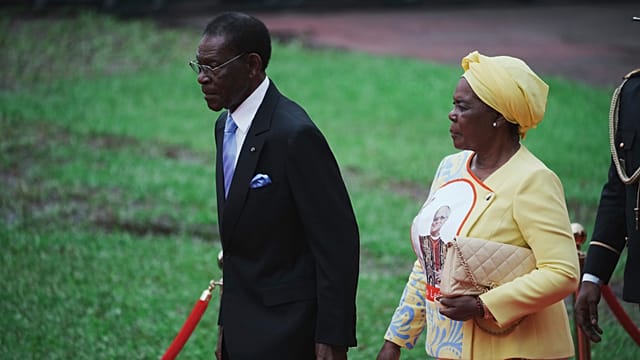
Government of Equatorial Guinea submits collective resignation
The government of Equatorial Guinea has resigned after failing to meet its targets.
17 Jun 2026
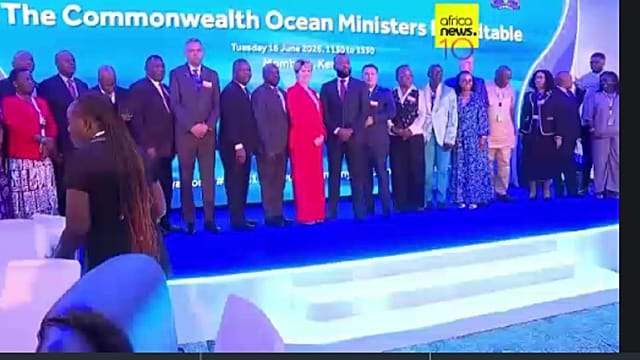
African and Commonwealth nations in Kenya urge quick execution of key treaty protecting oceans
African and Commonwealth nations in Kenya urge quick execution of key treaty protecting oceans
17 Jun 2026

How NPS plans to dismantle political gangs
The new approach seeks to stop gang activities before they occur.
17 Jun 2026

Ocean Conference: 14 countries sign 'Mombasa Declaration' to fight illegal fishing
It advances transparency measures from the Global Charter to improve access and strengthen...
17 Jun 2026
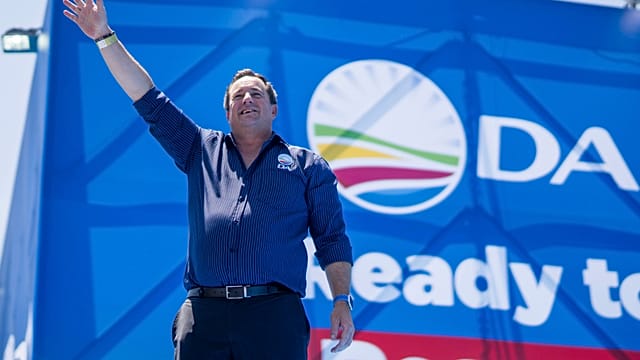
South Africa's DA drops ex-leader Steenhuisen from cabinet
South Africa's Democratic Alliance, the second-largest party in the fragile coalition government, on Wednesday demoted former leader John Steenhuisen from the cabinet months before local elections
17 Jun 2026
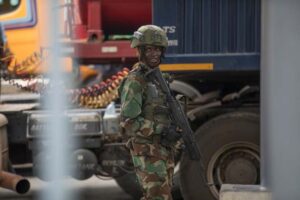
Trump Declared Peace in Congo. This Is the Reality
A major gap in the peace accords is the lack of measures to ensure justice or accountability for past atrocities. Unless those responsible – including commanders like Makenga – face consequences for their horrific crimes in eastern Congo, impunity will continue to fuel abuse. Credit: Sam Ngenda / Shutterstock.com By Philippe Bolopion and Clémentine de Montjoye NEW YORK, Jun 17 2026 (IPS) “General” Sultani Makenga stood before thousands of newly trained armed group recruits in eastern Democratic Republic of Congo in February and offered them a promise. “You are now part of an army that has risen up to liberate the country and to really liberate the people,” declared Makenga, the military leader of the Rwanda-backed M23 armed group. Behind him, at the Tshanzu training camp, recruits can be seen marching in lockstep, smashing bricks with their bare hands and foreheads, leaping through flaming hoops and chanting in unison as they prepare to fight against Congolese government forces. Not seen in this video are the M23’s executions, brutal punishment, and inhumane treatment to enforce loyalty and submission. The Tshanzu and nearby Rumangabo training camps should serve as a stark warning about the armed group – and by extension neighboring Rwanda’s role in eastern Congo. We interviewed more than 100 former detainees who either escaped or were deployed and then surrendered to the Congolese army. Their accounts reveal the horrendous reality for those forcibly recruited. New civilian arrivals undergo an initiation ritual meant to mark their transition into military life Backed by Rwanda’s logistical, equipment, and troop support, the M23 has captured large swathes of eastern Congo. Its effective control over the M23 makes Rwanda an occupying power, as well as criminally liable for the group’s rampant abuse. After it seized the provincial capitals of North and South Kivu in early 2025, US President Donald Trump stepped in to revive faltering mediation efforts between Congo and Rwanda, proposing a “peace for minerals” deal to secure US interests in the region’s resource-rich east. Two peace accords were signed — in June and December — including a ceasefire and economic-integration pact between Congo and Rwanda, which calls for the departure of Rwandan troops from Congo. Yet Rwanda has continued to play a central role, helping the armed group to fill its ranks. While Rwandan leaders travelled to Washington discussing various peace, security and mineral agreements, M23 forces were forcibly rounding up thousands of captured Congolese soldiers and civilians, including police, civil servants, teachers and students — some as young as 12 — and sending them for training and indoctrination at military camps. The M23 picked up many from their homes, churches, schools and hospitals, summoned them to meetings under false promises of payment, or stopped them on the streets and sent them to the camps. We interviewed more than 100 former detainees who either escaped or were deployed and then surrendered to the Congolese army. Their accounts reveal the horrendous reality for those forcibly recruited. New civilian arrivals undergo an initiation ritual meant to mark their transition into military life. “It’s a test of how much suffering you can endure,” said a 25-year-old construction worker grabbed in the eastern city of Goma while buying phone credit in March 2025. “There were 200 of us; 10 died. Two were shot, the others whipped to death. We buried them in a mass grave with around 50 others.” Life in the camps was marked by routine beatings and killings for minor infractions. Detainees described starvation, drinking from puddles, and licking rainwater from leaves. Some died from exhaustion, dehydration, or hunger. Former detainees recalled limbs protruding from the ground, as bodies were often buried in shallow graves. At night dogs came to feed on the remains. It’s likely that hundreds of detainees, maybe more, died in the camps throughout 2025. Those confined to detention cells endured even harsher treatment. Bodies were regularly pulled out of the cells for burial. When detainees were finally released to begin a new training cycle in November, scores collapsed. Children were not spared. Boys were forced to follow military training, dig roads, cut wood, transport heavy supplies, and fetch water over long distances. Makenga selected some to serve as guards, beating other detainees. The strategy appears to be designed to cement the control of the M23 and the Alliance Fleuve Congo – the politico-military alliance that includes the M23 – over much of eastern Congo. Rwandan forces were positioned around the camps, ready to shoot anyone who tried to flee. Recruits said they were subjected to ideology sessions, singing songs and criticizing Congo’s leadership. Chanting in unison, the recruits in Makenga’s video display discipline and power—an army ready for war. Despite the M23’s withdrawal from some areas, and Rwanda’s signing of a peace agreement committing to removing Rwandan troops from the country, there is no indication that the conflict in Congo is over. The M23’s mass forced recruitment campaign is evidence of a failure to confront the structures that enable such abuses. The US has sanctioned the Rwandan army and four senior commanders. Other countries, including the European Union and the United Kingdom, should urgently follow suit and review cooperation with Rwanda that risks fueling abusive forces. In the meantime, the US should make clear to Rwandan President Paul Kagame that causing more suffering of civilians will result in further sanctions. A major gap in the peace accords is the lack of measures to ensure justice or accountability for past atrocities. Unless those responsible – including commanders like Makenga – face consequences for their horrific crimes in eastern Congo, impunity will continue to fuel abuse. Philippe Bolopion is the executive director and Clémentine de Montjoye is a senior researcher, both at Human Rights Watch .
17 Jun 2026

G7 leaders pledge fresh funding to contain Ebola outbreak, says World Cup not at risk
They said the outbreak required urgent international attention.
17 Jun 2026

Court backs IEBC in diaspora voting rights battle
Court rejects a challenge by diaspora voters demanding expanded inclusion in the electoral...
17 Jun 2026
KOMBE LA DUNIA: Senegal kazi ngumu, naye Messi asisimua dunia
WAHAMIAJI na mashabiki wa kimataifa walisimama na Senegal kwenye kichapo cha 3-1 mikononi mwa Ufaransa kwenye mechi yao ya ufunguzi wa Kombe la Dunia 2026 mnamo Jumanne usiku. Hii ni baada ya mashabiki wa Senegal kunyimwa viza za kuingia Amerika. Kocha Pape Thiaw alikuwa amesema kuwa alitarajia mashabiki wa Senegal wanaoishi jijini New York wangejitokeza kuwashabikia na kwa kweli walifanya hivyo. “Napiga kelele na natumai kuwa wachezaji wanaweza kunisikiza uwanjani. Kama nchi mwenyeji, inasikitisha sana kuona jinsi serikali yetu inawadhalilisha raia wa mataifa mengine,” akasema Shabiki Jessica Ambres, raia wa Amerika ambaye alivalia jezi ya Senegal. Amerika imezima mashabiki wa mataifa 39 yanayoshiriki kombe la dunia kuingia humo ikiwemo Iran, Haiti, Cote d’Ivoire na Senegal. Kuna idadi ya juu ya raia wa Haiti na Iran Amerika ile wale wa Senegal na Cote dIvoire ni wachache. Baada ya kipindi cha kwanza bila magoli, Ufaransa ilirejea kipindi cha pili kwa mori na kuyapata mabao yake kupitia Kylian Mbappe alifunga mabao mawili huku nguvu mpya Bradly Barcola ambaye aliingia nafasi ya Ousmane Dembele akifunga bao jingine. Senegal walipata bao lao kupitia fataki ya nguvu mpya Ibrahim Mbaye, 18. Matokeo hayo yana maana kuwa Senegal lazima ishinde mechi zake mbili zilizosalia ili kuwa na nafasi ya kutinga raundi ya 32. Lionel Messi naye alifunga mabao matatu mabingwa watetezi Argentina walipowakalifisha Algeria 3-0 katika Kundi J mnamo Jumatano asubuhi. Messi, 38, sasa ni mchezaji mkongwe zaidi kufunga kwenye Kombe la Dunia na bao hilo limekuja miaka 20 baada ya kuchezea Argentina kwa mara ya kwanza katika mashindano ya 2006. “Hii haielezeki na hakuna maneno ya kuyaeleza. Najua kuwa iwapo kuna mtu alifikiria kuwa timu hii ni bora kuliko Leo basi alinoa kwa sababu umuhimu wake ni dhahiri kwetu,” akasema Mac Allister. Argentina itacheza dhidi ya Austria mnamo Jumatatu kule Arlington, Texas nao Algeria wavaane na Jordan siku hiyo Santa Clara, California. Katika mechi nyingine, Austria ilipiga Jordan 3-1 kupitia mabao ya Marko Arnautovic, Romano Schimid na bao la kujifunga la Yazan Al Arab. Jordan walipata bao lao kupitia Ali Olwan.
17 Jun 2026

Africa’s anti-corruption research centre launched in Nairobi
The centre is both a vote of confidence in the country as 43 states back new graft war front.
17 Jun 2026
Aliyekuwa mhudumu wa benki anavyoigeuza nazi za Pwani kuwa ajira na utajiri
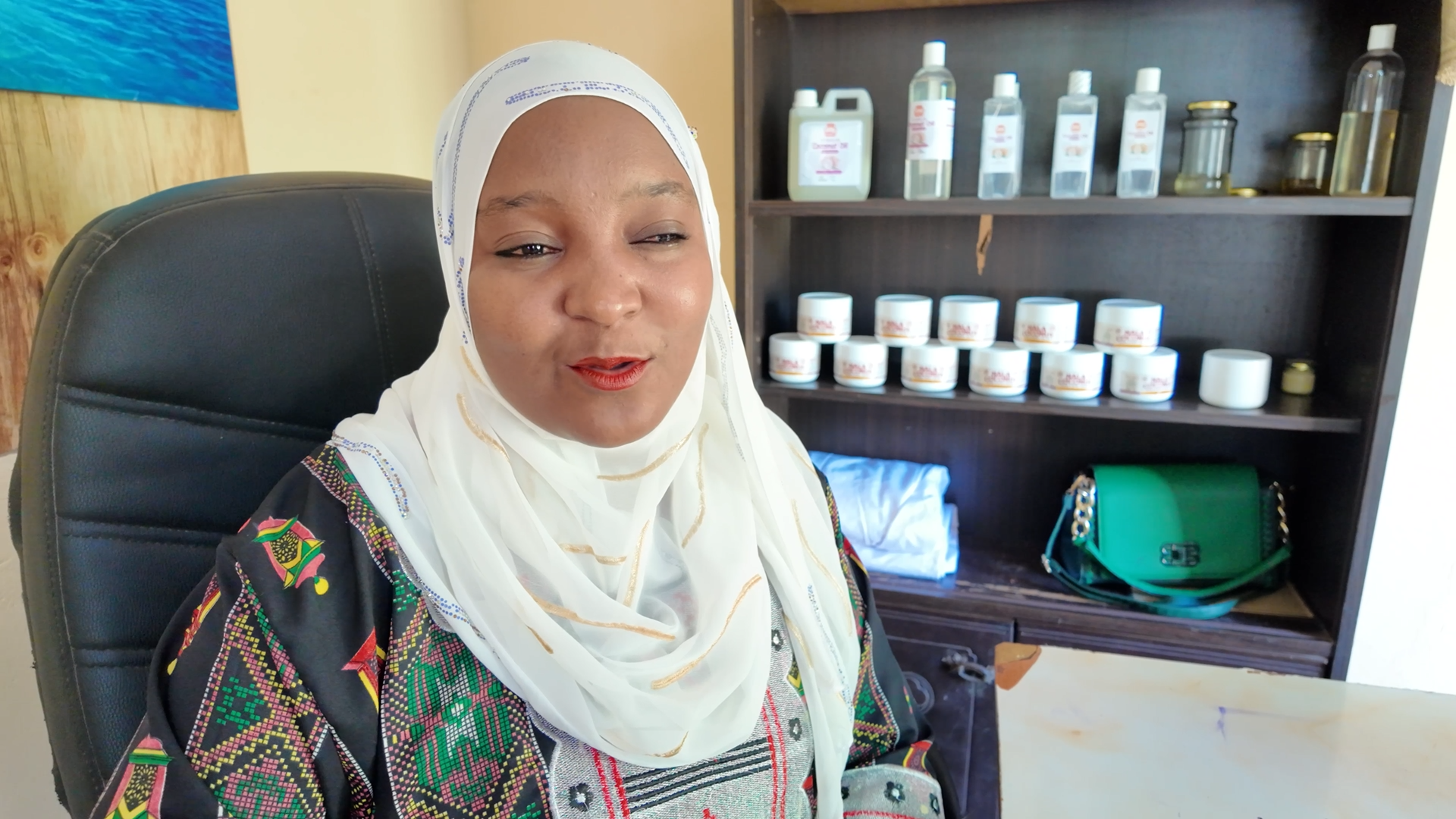
KATIKA ukanda wa Pwani unaojumuisha Kaunti za Kilifi, Kwale, Mombasa, Lamu, Tana River na Taita-Taveta, nazi zimeendelea kuwa zaidi ya zao la kitamaduni. Ni chakula, chanzo cha mapato na sehemu ya utambulisho wa jamii za pwani. Hata hivyo, biashara moja inayoongozwa na mwanamke imeanza kubadili mtazamo huo, ikithibitisha kuwa nazi zinaweza kuwa injini ya ajira na fursa mpya za kiuchumi, hasa kwa wanawake katika Uchumi Samawati unaokua nchini Kenya. Kupitia kampuni ya Nala Foods Africa Limited, mwanzilishi wake Subira Zingizi anachakata nazi kuwa bidhaa zenye thamani zaidi kama mafuta ya kupikia na ya vipodozi, pamoja na biskuti za nazi, hatua inayosaidia kuongeza mapato na kuimarisha ushiriki wa wanawake kwenye mtandao wa uongezaji thamani katika kilimo. Akiwa na umri wa miaka 37, Subira anasema safari yake ya ujasiriamali ilianza baada ya kufanya kazi katika sekta ya benki kwa zaidi ya miaka 10. Akiwa Shahada ya Biashara kutoka Chuo Kikuu cha Kenyatta (KU), aliamua kuacha kazi ya ofisi na kuingilia biashara ya kuchakata mazao ya kilimo. Kwa sasa, akiwa na mwanzilishi mwenza na mkurugenzi mwenza Ali Salim Mbongi, wanaendesha kampuni inayojituma kuboresha kilimo cha nazi Pwani. “Tuliona pengo kubwa sokoni. Ingawa nazi hulimwa kwa wingi Pwani, bidhaa nyingi zinazouzwa madukani hazitoki Mombasa au Kwale,” Subira anasema. [caption id="attachment_189275" align="aligncenter" width="300"] Nazi zilizokunwa kwenye katika kampuni ya Nala Foods Africa. Picha|Sammy Waweru [/caption] Alianza biashara hiyo mwaka 2019 kwa mtindo usio rasmi, akinunua mafuta ya nazi kutoka kwa wanawake wa vijijini, kuyapakia upya na kuyauza kwa wateja. Wanawake hao, anasema, walikuwa na ujuzi wa jadi kuchakata nazi lakini walikosa masoko yenye ushindani mkuu na teknolojia ya kisasa ya uzalishaji. Mwaka 2022, biashara hiyo ilisajiliwa rasmi baada ya kupata ufadhili wa Sh50,000 kupitia mpango wa Youth Empowerment Product Initiative, fedha zilizotumika kusajili kampuni na kuingiza bidhaa sokoni. Katika hatua za mwanzo, uzalishaji ulikuwa wa mikono kabisa. “Wafanyakazi walikuwa wakikuna nazi kwa mikono, kuzikausha kwa kutegemea jua na kukamua mafuta bila mashine,” anasema, akieleza jinsi uzalishaji ulivyokuwa mgumu, wa gharama ya juu na wa polepole. Mabadiliko makubwa yalijiri baada ya kampuni hiyo kunufaika na mpango wa Investing in Women in the Blue Economy – Kenya, unaotekelezwa na Africa Enterprise Challenge Fund (AECF) kwa ushirikiano na Global Affairs Canada. Kupitia mpango huo, Nala Foods ilinunua mashine za kukama mafuta, kikaushio cha nishati ya jua na vifaa vingine vya kisasa vya uzalishaji. Subira anasema msaada huo uliibadilisha kampuni kutoka uzalishaji wa mikono hadi mfumo wa nusu-otomatiki. “Awali tulizalisha kati ya lita 20 na 50 kwa mwezi, lakini sasa tunazalisha angalau lita 200 kila mwezi,” anasema. Aidha, kampuni hiyo kwa sasa inaajiri wanawake kati ya 12 na 15 katika nyakati za uzalishaji, wakihusika na kukuna nazi, kukausha, kuchakata na kupakia bidhaa. Hali kadhalika, hununua nazi kutoka kwa wakulima na wasambazaji kutoka Kwale na maeneo jirani, hivyo kuimarisha uchumi wa ndani kwa ndani. [caption id="attachment_189276" align="aligncenter" width="300"] Vipodozi vilivyoundwa na Subira Zingizi kupitia Nala Foods Africa Limited. Picha|Sammy Waweru [/caption] Mbali na mafuta ya nazi, Nala Foods Africa Limited pia hutengeneza bidhaa za kujipodoa na biskuti za nazi, huku ikipanga kupanua zaidi uzalishaji wa vyakula na vitafunwa vinavyotokana na nazi. Kampuni hiyo pia imeanza kupenya masoko ya nje, Tanzania ikiwa mojawapo ya wanunuzi wake wakuu. Kwa sasa, takriban asilimia 20 ya uzalishaji wake huuzwa nje ya nchi. Subira anadokeza kwamba ongezeko la mahitaji linachochewa na mwenendo wa watu kukumbatia bidhaa asilia na lishe bora. Kulingana na mjasiriamali huyo, kuongeza thamani ya mazao ya shambani ndiyo njia muhimu kuhakikisha kilimo kinakuwa chanzo endelevu cha ajira na utajiri katika jamii za Pwani.
17 Jun 2026

PROF IRIBE: Ilifurahisha kumwona Rais Samia akitumia Kiswahili kuhutubu safu ya kimataifa
JUMA lililopita niliona kanda ya video ambapo Rais wa Tanzania Suluhu Samia Hassan alikuwa akizungumza Kiswahili katika safu ya kimataifa. Rais Samia alikuwa mshiriki katika mazungumzo ya jopo chini ya mwavuli wa Jukwaa la Kimataifa kuhusu maswala ya Kiuchumi la St Petersburg mnamo tarehe 5, Juni. Jopo hilo lilijumuisha Rais wa Urusi Vladimir Putin, Rais wa Uzbekistan Shavkat Mirziyoyev, Makamu wa Rais wa Uchina Han Zheng na Rais Samia. Mdhibiti wa jopo alikuwa mwanahabari anayetajika Geeta Mohan kutoka India. Mohan alimuuliza Rais Samia namna ambavyo angekwepa vikwazo ilivyowekewa Tanzania kaika azma yake ya kuongeza viwango vya biashara baina ya Tanzania na Urusi. Rais Samia alimjibu kwamba taifa la Tanzania halikuwa limewekewa vikwazo vya aina yoyote na yeyote. Bila shaka jibu hili lilimtia aibu huyo mdhibiti na kuashiria hali ya kutokuwa tayari au uchukulizi tu wa mambo bila kuyachunguza kwa kina. Lakini hilo silo lililonivutia katika mjadala huo. Lililonivutia ni yale maneno aliyoyasema Rais Suluhu kabla ya kutoa jibu hilo. Mdhibiti aliuliza swali lake kwa Kiingereza lakini kabla ya kulijibu, Rais Samia alimtaarifu kwa lugha iyo hiyo kwamba alivutiwa sana kuwasikia wanajopo wenzake wakichangia kwa kutumia lugha za taifa za nchi zao na kwa sababu hiyo, yeye pia angetumia nafasi yake kuzungumza kwa lugha yake ya taifa. Baada ya kutoa tahadhari hiyo, Rais Samia alianza kutoa jibu lake kwa lugha ya Kiswahili. Jambo hili lilinichangamsha si haba! Nimependekeza jambo hili mara nyingi. Nimekuwa nikisisitiza kwamba viongozi wetu watumie Kiswahili katika makongamano na mikutano ya kimataifa na katika kufanya hivi watawapa nafasi wakalimani kufanya kazi yao. Takriban mwaka mmoja uliopita niliandika hivi: “Ningetamani sana kuona hali kama hii Afrika: Rais Ruto akizungumza Kiswahili huku Rais wa Misri Abdel Fattah el-Sis akitumia Kiarabu naye Nuhu Bakari akiwa mkalimani wao.” Niliendelea kuandika kwamba, inasikitisha sana kuwaona viongozi wetu wakitumia Kiingereza huku Mfaransa akitumia Kifaransa chake hivi kwamba mkalimani anayetumiwa ni wa Kiingereza-Kifaransa-Kiingereza. Mbona asiwe wa Kiswahili-Kifaransa-Kiswahili ilhali Kiswahili ni lugha rasmi nchini? Hii ndiyo sababu inayofanya nione raha kwamba pale palipotumiwa Kichina, Kirusi, Kiuzbeki na Kiingereza, Kiswahili pia kilipata nafasi yake kutokana na ukakamavu wa Rais Samia. Mwelekeo kama huu ukichukuliwa na viongozi wengine wa Afrika Mashariki, mbali na kuongeza ajira, uzalendo wa lugha pia utaimarika. Uzalendo wa lugha huenda sako kwa bako na uzalendo wa kiutamaduni na kijamii. Mwisho mwisho wa mwaka jana nilipendekeza pia kwamba wanaotuwakilisha katika ulingo wa kimataifa katika jambo lolote lile watumie Kiswahili katika majibu yao pasi kujali kama swali limeulizwa kwa lugha gani. Hivi, nilieleza, ndivyo tutakavyoheshimiwa na kudhihirishia ulimwengu kuwa tunaweza kuwasiliana kwa ufasaha bila kutapatapa au kuboronga sarufi na kanuni zingine za lugha. Hivi ndivyo alivyofanya Rais Samia. Kama wawakilishi wetu wakifanya mazoea ya kutumia Kiswahili, nilisema, basi vyombo vya habari ama vitatumia wakalimani au watafsiri kupata taarifa kwa lugha vinavyoipendelea. Katika kufanya hivi, wawakilishi hao watakuwa wamechangia pakubwa katika kueneza Kiswahili na kuunda nafasi za ajira kwa wanajumuiya wenzao.
17 Jun 2026

DRC: Ebola recoveries bring hope to fight against outbreak
Seven people said to have recovered from Ebola were released from a treatment centre in DR Congo on Tuesday, according to local health officials from the humanitarian organization Alliance for International Medical Action (ALIMA)
17 Jun 2026
Malawi’s education choices in the wake of aid cuts
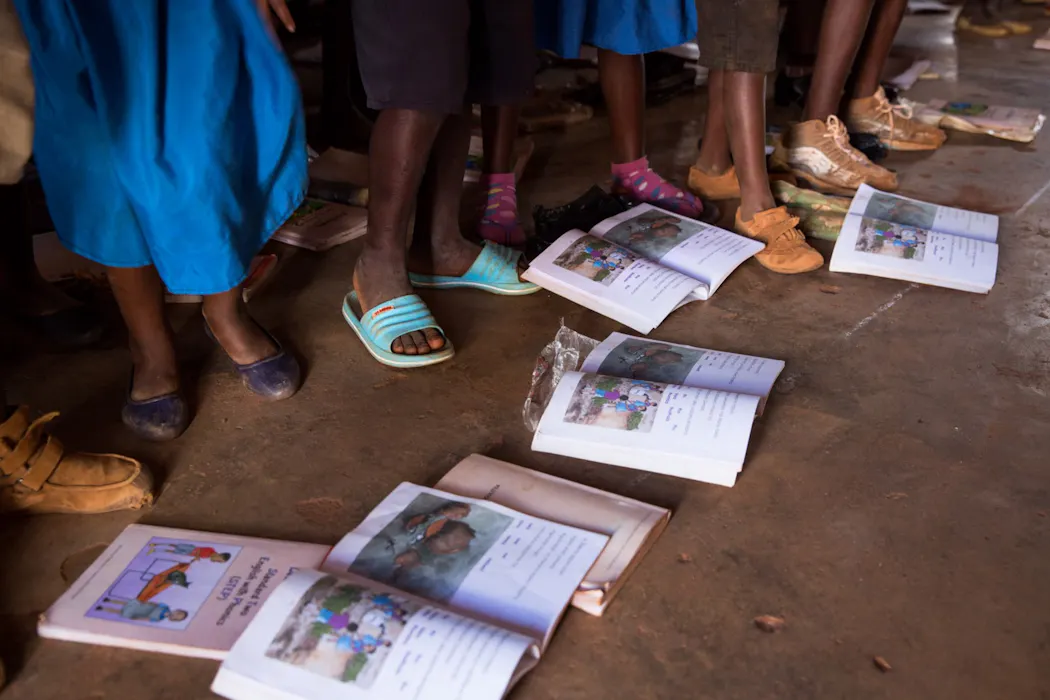
Students’ textbooks, provided by USAID, at a school in Malawi, 2016. By Lawrence Jackson, Wikimedia Commons Over a year has passed since the Donald Trump administration dismantled USAID , cutting more than 5,000 programmes and slashing US$40 billion in funding worldwide. The cuts have reduced access to HIV treatment , driven up severe malnutrition among children , and resulted in an estimated 700,000 lives lost . Medication and infrastructure to treat diseases like malaria, tuberculosis and pneumonia were withdrawn. In education, USAID’s closure has created an “ unprecedented crisis ”, according to a report by the European Training Foundation, an EU agency. Aid austerity is not limited to the US. In 2025, overall official development assistance dropped by 23%, marking what the OECD described as a “ historic decline in foreign aid ”. Cuts came from the US, Germany, the UK, France, Canada and Japan. As a transnational team of education scholars, we take a critical approach to development aid. While we recognise that aid can improve and even save lives, it is not an inherent good. It can reproduce inequities. We have spent decades studying educational interventions in Malawi and have documented how, even while aid has delivered benefits to individuals, its structures sideline local organisations , serve the interests of donor countries, and mimic colonial relations. For these reasons, we’ve been thinking about whether USAID’s closure, while painful and damaging, might give rise to a new arrangement beyond aid . Malawi is an ideal setting to explore this moment of change. The US alone contributed 13% of the country’s overall budget and provided one-quarter of education development spending. Interested in how Malawians make sense of aid austerity and imagine alternatives, we are launching a three-year (2026-2029) qualitative study of post-USAID possibilities in Malawi’s education sector. We are asking civil servants, NGO workers and aid workers how they see the future of education amid aid austerity. To prepare for the project, we conducted a pilot study of the immediate aftermath of USAID’s closure, from January to June 2025, with first-round follow-up interviews in May 2026. The 20 education experts we spoke to held very mixed opinions on the post-USAID landscape. Some saw potential to redress power imbalances; others emphasised the obstacles to self-resourcing. We pause now to reflect on these themes. Malawi’s relationship with aid Prior to the cuts, Malawi was saturated with international development – one informant called it “ a development playground ”. From 2019 to 2023, foreign governments contributed 80% of funding to Malawi’s education capital projects (school and classroom construction projects), according to Unicef . In 2024, USAID allocated US$34 million to education projects that promoted early-grade literacy and higher education. In turn, USAID’s portfolio buttressed US soft power while garnering opportunities for US businesses and contractors. In our research, we’ve purposefully included individuals with diverse perspectives on development and aid. Some participants have been employed directly by USAID, while others hold experience with local NGOs, government, and universities. For some, the closure of USAID was a welcome change. One former development worker called the previous status quo “more immoral than the cruel reality” of aid cuts themselves, as it was appearing as if the right things were happening, when in actual sense, the wrong things were happening. Comparing aid relations to “ coating a bitter thing with sweet on top ”, she was relieved by what felt like a break from the conditionalities and hidden agendas of US aid. She explained that, despite the rhetoric of improving Malawian education, USAID tended to funnel money to US consultants and international (rather than Malawian) NGOs. The projects ended up misaligning with Malawi’s needs. Recently, political scientist Dan Banik urged Malawi to “ say ‘no thank you’ to donors ” when funding doesn’t support national priorities. Given the fickle nature of donor funding, some study participants shared stories of how their organisations had already moved towards self-resourcing models prior to USAID cuts. While one Malawian NGO had incorporated a business division with facility and vehicle rentals, another introduced a farming scheme whose profits supported the NGO’s operational expenses. Both NGOs focused on community-driven, holistic and multi-generational education. Innovations like these, together with diversified funding sources, were imagined to help local organisations survive in a rapidly changing financial landscape that includes shocks of austerity. Read more: Africa relies too heavily on foreign aid for health – 4 ways to fix this Still, others worried that Malawi’s economic realities make alternative funding arrangements and aid refusal impossible. One faculty member at the University of Malawi explained that the country’s economic growth has stagnated for years. Speaking in early 2025, this scholar warned that idealistic visions of post-aid Malawi were naive at best. Malawi’s economy is in crisis , facing mounting debt borrowed from the World Bank, IMF and African Development Bank . After the 2025 aid cuts, the Malawian government increased its debt to compensate for lost funding flows. Debt payments have reached 90% of Malawi’s GDP. At the same time, respondents pointed to recent global developments that have only worsened the country’s financial situation. Wars in Iran and Russia/Ukraine have led to bottlenecks in key supply chains. Fuel costs in Malawi are among the highest in the world and fertiliser shortages foreshadow food insecurity for Malawi’s subsistence farming population. Opportunities for steady salaried employment in the development sector have vanished, as have the financial ripples these salaries create for the broader economy. International staff and projects, now reduced in numbers, are infusing less foreign exchange into the economy. In the absence of cash flows, self-resourcing efforts become increasingly untenable. Instead, new forms of more nakedly transactional aid have begun to appear, for example in US-led MOUs that are “ turning health aid into leverage .” No matter what comes next for education in Malawi, it is clear that we are in a transitional space where the terms of development are being rewritten. Emerging funding mechanisms — such as self-resourcing, debt-financed investments, and transactional aid — could amplify power imbalances instead of ameliorating them. This landscape demands continued intellectual and ethical scrutiny. Dr Steve Sharra, director of academic affairs at Malawi School of Government , contributed to this research and article. Alyssa Morley has received funding from the Spencer Foundation, MSU African Studies Center, and MSU Center for Gender in Global Context (GenCen). Alyssa has previous experience contributing to a USAID project led by Michigan State University (2021-2023). Rachel Silver receives funding from the Social Science and Humanities Research Council of Canada (SSHRC), the Spencer Foundation, and York University's Dadaleh Institute. Nelson Masanche Nkhoma does not work for, consult, own shares in or receive funding from any company or organisation that would benefit from this article, and has disclosed no relevant affiliations beyond their academic appointment.
17 Jun 2026

Could the roofs of low cost houses be South Africa’s secret weapon against hunger?
South Africa’s hunger crisis is no longer a distant warning. Millions of poor households are forced to choose between food, electricity, transport and water every month. The country also faces worsening climate shocks, such as floods , heatwaves, drought and growing water scarcity . Yet one of South Africa’s most overlooked food security solutions may already exist above the heads of millions of poor households. These are the rooftops of what’s known locally as RDP houses (small, 40m² , government subsidised dwellings built under the government’s Reconstruction and Development Programme after the end of apartheid). There are over 3.5 million across South Africa. Read more: South Africans are leaving the electricity network – but are solar mini-grids a fair solution? For my PhD in development studies, I conducted research in low-income communities of RDP houses and shacks of a smaller or similar size made of sheets of corrugated metal attached to wooden poles. I looked into the connection between water, energy and food to find out if rooftop solar panels and rainwater harvesting tanks in RDP houses could reduce water and electricity costs for each family. I also wanted to find out how these savings could improve food security for low-income households. Older RDP houses don’t have these systems installed . But policy has recently been shifting to include these features in government housing. My findings suggest that providing RDP residents with solar power and rainwater harvesting tanks would reduce their monthly costs by over 30% – a considerable saving. Read more: Solar power is taking off in Malawi: but poor households need financial help to make it work for them Rooftop rainwater harvesting should be recognised as part of a national anti-poverty and food security strategy. Government, development finance institutions and the private sector should work together to scale up affordable rooftop rainwater and solar harvesting programmes. This must be part of an integrated national strategy to reduce household costs, strengthen food security and build climate resilience. Food, water and energy are deeply connected The combined water, energy and food approach understands that food insecurity is not only about food itself. Food security is deeply connected to access to water, energy and livelihoods. A household that spends less on electricity and water has greater capacity to buy or grow food. In many countries, home solar irrigation and rooftop energy systems have significantly reduced energy costs for poor farming households. In India , they’re supporting small farmers to make better profits. Read more: Drought and farming: how women in South Africa are using Indigenous knowledge to cope In east Africa , rooftop solar systems and mini-grids have made food supplies more secure for families by improving irrigation, refrigeration and agro-processing capacity for vulnerable farming communities. Rainwater harvesting has also produced measurable livelihood improvements in parts of sub-Saharan Africa. It’s led to better harvests, more variety in the crops grown, and stronger livelihoods for low income communities. In Nairobi , harvested roof water substantially increased household food production. Just one rainwater tank meant that crops grown could increase from 40kg to 96kg per year. Rooftops could ease pressure on poor households In South Africa, I studied the Philippi Horticultural Area on the south-eastern edge of Cape Town. This is a fertile area of about 38 farms , made up of a mix of large commercial growers, family-run farms, small-scale farmers and emerging farmers. The area sits above the Cape Flats Aquifer and is one of Cape Town’s most important farming regions. It produces a large share of the city’s fresh vegetables and contributes hundreds of millions of rand to the economy. Farmers depend on electricity for irrigation, storage and production, while most irrigation water comes from the aquifer. Read more: Urban food gardens produce more than vegetables, they create bonds for young Capetonians – study However, rapid urban growth is putting pressure on groundwater quality, with leaking sewers and inadequate sanitation increasing the risk of pollution into the aquifer . The area is also surrounded by low-income communities. The average household incomes in Cape Town informal settlements are approximately R3,500 per month (about US$211). This is a level which, when adjusted for household size, places many residents close to the poverty line of R1,140 per person per month (about US$69). The residents in the horticultural area are therefore dependent on affordable food systems. Read more: Farms in cities: new study offers planners and growers food for thought Using a standard 50m² RDP roof and Cape Town rainfall averages as a modelling scenario, my research estimated that poor households could harvest approximately 25,000 litres of rainwater annually. This is enough to supply about 64% of average monthly household water needs. Depending on municipal tariffs, my study found that rainwater harvesting could save poor households between R84 and R861 per month. When combined with rooftop solar energy harvesting, total monthly savings could reach about R395 for households surviving on around R1,268 per month. In other words, families living in RDP houses could save about 25% of their income if they had home solar systems and rainwater tanks. As household incomes rise, people generally spend more on food, often buying more meat and fish. Spending on fruit and vegetables also tends to increase. My research found that these savings were likely to mean that families could afford an increase in food consumption of about 22%. Money previously spent on water and electricity could instead be redirected towards food purchases. It could also be used to set up household food gardens, and for school nutrition and small-scale livelihood activities. What needs to happen next? South Africa already has more than three million RDP houses. A phased rollout of rooftop rainwater tanks and solar systems is financially achievable over time. It would need to be funded by blended public-private investment. Collaboration is needed between national government, municipalities, development finance institutions, NGOs, universities and private renewable-energy companies. Read more: Healthy food is hard to come by in Cape Town’s poorer areas: how community gardens can fix that A major project like this would not only reduce household expenses for low income families. It would create jobs in manufacturing, plumbing, solar installation, maintenance, water infrastructure and urban agriculture. To make this happen, government departments need to work together. Water, energy and food are usually planned and managed by different government departments that don’t always work closely together. A water-energy-food approach brings these areas together. In this way, policymakers can see how they are connected. This will help them design solutions that tackle several household challenges at the same time. Mark Volmink is a member of the Union Against Hunger (Social Movement) and also serves as a volunteer on the Board of Trustees of Thembalitsha Foundation (NPO).
17 Jun 2026

Money, food and survival: what drives paid sex among young mums in 3 African countries
Transactional sex, defined as the exchange of sex for money, food, or favours, is common among young people in Africa. Studies have reported that about 10% of those aged 15-24 have engaged in this exchange in South Africa, 23% in Nigeria and 25% in Uganda . The behaviour has been linked to negative consequences such as unintended pregnancy , sexual violence and HIV infections . Transactional sex refers to sexual relationships outside marriage that are not classified as commercial sex work, but where there is an expectation that material, financial or other benefits will be exchanged for intimacy or companionship. We are sexual and reproductive health researchers focused on the intersection of evidence, policy, and lived realities of adolescents in Africa. We recently examined the extent and drivers of transactional sex among pregnant and parenting adolescents in three African countries: Burkina Faso, Kenya and Malawi. In our earlier qualitative research work with pregnant and parenting girls in Nairobi’s informal settlements, we found that pregnancy intensified economic insecurity. The focus of government and most NGOs, however is mainly on preventing adolescent pregnancy. Little attention is paid to the plight and realities of pregnant and parenting girls. Our research set out to bring attention to these girls. We did this by examining the prevalence and correlates of transactional sex among adolescents in Burkina Faso, Kenya and Malawi. We surveyed 2,243 girls: 980 in Ouagadogou, Burkina Faso; 594 in Korogocho, Nairobi, Kenya; and 669 in Blantyre, Malawi. They were all either pregnant or already parenting. The youngest participants were 12 years old in Burkina Faso and 13 years old in Kenya and Malawi. The oldest girls in all three countries were 19. Our findings indicated that transactional sex prevalence varied by context. Living in urban informal settlement environments was a risk. The results were a reminder of the need for stronger support systems for adolescents engaged in transactional sex across the three countries, including those who are pregnant or parenting. Read more: ‛My father insisted that I have the baby, but not in his house’ – Kenya’s teen mums lack support Our findings Our study found that 44.3% of the girls we surveyed in Kenya, 25.4% in Burkina Faso, and 13.0% in Malawi had engaged in transactional sex at some time. The particularly high prevalence in Kenya reflects the study setting in one of Nairobi’s densely populated informal settlements. There, adolescent girls face poverty, unstable support systems, unsafe living conditions, and limited opportunities for self-development. Other studies have also shown that prevalence is lower in other settings outside informal settlements. The most common reason girls gave for engaging in transactional sex was money. Money was a reason reported by 31.3% of participants in Kenya, 20.5% in Burkina Faso, and 7.8% in Malawi. But girls also reported exchanging sex for food, rent, shelter, clothing, school fees and sanitary pads. In Kenya, 13.5% specifically cited sanitary pads, compared to 1.0% in Burkina Faso and 1.8% in Malawi. Smaller percentages engaged in transactional sex for school fees, phones or airtime, or other needs such as baby supplies (milk, diapers, clothes). Read more: Pregnant students in Tanzania may stay in school according to a new ruling by African child rights experts Individual-level factors At the individual level, being single increased the likelihood of transactional sex across all three countries. In Burkina Faso, 20% of married and 46% of single girls had transactional sex. In Kenya it was 28% of married girls and 50% of single girls. In Malawi it was 10% of married girls and 16% of single girls. This suggests that having a partner may provide some degree of financial, material and childcare support. Without support, single adolescent mothers may face pregnancy and early motherhood with very limited resources, increasing their vulnerability to transactional relationships. One of the surprising findings emerged from Ouagadougou, Burkina Faso. There, 31% of adolescents with a secondary education had engaged in transactional sex, against 21% of those with only a primary education. This challenges the common assumption that education is an immediate shield against exploitation. It suggests that remaining in school may itself become financially difficult for adolescent girls living under poverty and weak support systems. For girls who are in school from a poor background, the need for money, food and school fees may make them engage in transactional sex. Substance use also more than doubled the risk in Burkina Faso, among girls who reported using alcohol or drugs compared to those who did not. This association was not significant in Kenya or Malawi. Interpersonal-level factors At the interpersonal level, orphanhood mattered, though differently across countries. In Malawi, girls who had lost both parents faced nearly double the risk of engaging in transactional sex, compared with non-orphans. In Kenya, girls who had lost one parent were 43% more likely to engage in transactional sex. Even more significant at the interpersonal level was the impact of low parental support in Malawi, where girls who felt unsupported by their parents were three times more likely to engage in transactional sex. Community-level factors We asked participants questions to assess how safe they felt in their neighbourhoods. In Kenya and Burkina Faso, a higher score for perceived neighbourhood safety was associated with a lower likelihood of transactional sex. Girls said they engaged in sex in exchange for security and protection. In Malawi, feeling safe didn’t make a difference. Read more: Teen mothers and depression: lack of support from partners and violence are big drivers in Malawi and Burkina Faso What needs to change The study demonstrates that transactional sex among pregnant and parenting adolescents is less a choice than a strategy to cope with severe socioeconomic hardship. It is shaped by distinct individual risks, fracturing family support and community insecurity. What drives transactional sex changes from country to country. Because of this, programmes to address it need to be customised for each specific place. Interventions should address structural vulnerabilities and strengthen family and community support systems. They must also improve neighbourhood safety to reduce adolescent mothers’ reliance on transactional sex and the harms associated with it. Anthony Idowu Ajayi receives funding from the African Regional Office of the Swedish International Development Cooperation Agency (Sida) under grant contribution number 16302, awarded to the African Population and Health Research Center for the Challenging the Politics of Social Exclusion project. Caroline Kabiru receives funding from the Swedish International Development Cooperation Agency (Sida) through a grant to the African Population and Health Research Center for the Challenging the Politics of Social Exclusion project (Sida Contribution No. 16302). The views expressed herein do not necessarily represent those of Sida. Beryl Nyatuga Machoka does not work for, consult, own shares in or receive funding from any company or organisation that would benefit from this article, and has disclosed no relevant affiliations beyond their academic appointment.
17 Jun 2026

Africa's ocean moment cannot end in empty promises
Protecting the ocean is essential to feeding people, sustaining livelihoods, and securing a...
17 Jun 2026

The 20-year curse: Will a birthday goal end the World Cup drought this year?
There are 150 players at the 2026 Fifa World Cup whose birthdays fall during the tournament.
17 Jun 2026

Netherlands hosts Japan’s emperor Naruhito to boost 400-year ties
The Netherlands welcomed Japanese Emperor Naruhito and Empress Masako to Amsterdam on 17 June during an official visit aimed at celebrating the long-standing relationship between the two countries.
17 Jun 2026

Africa urgently needs more fish farms, UN tells ocean conference
Africa needs to urgently expand its fish-farming sector to meet its food needs, the head of the UN's fisheries division said Tuesday, even as its latest report found record production levels globally.
17 Jun 2026

Mswada wa kumpa Tshisekedi ‘Three Tam’ wapitishwa
KINSHASA, DR Congo: SENETI ya Jamhuri ya Kidemokrasia ya Congo jana ilipitisha mswada wa kubadili katiba ambao una uwezo wa kumruhusu Rais Félix Tshisekedi kuhudumu kwa muhula wa tatu madarakani. Hatua hiyo inajiri siku chache baada ya maandamano ya kupinga mswada huo kugeuka vurugu katika jiji kuu la Kinshasa.Mswada huo unafungua njia ya kufanyika kwa kura ya maoni kuhusu katiba mpya. Tshisekedi anahudumu muhula wake wa pili na wa mwisho kwa mujibu wa katiba ya sasa kugombea na kuhudumu muhula wa tatu. Maseneta 89 walishiriki katika kura hiyo iliyofanyika Jumatatu na wote walipiga kura kuunga mkono kupitishwa kwa mswada huo. Maseneta 20 hawakushiriki katika upigaji kura. Hata hivyo, mswada huo bado unahitaji kutiwa saini kuwa sheria na Rais Tshisekedi. Seneta wa upinzani, Salomon Kalonda Della Idi, alisema katika taarifa kwamba mswada huo unaweza kusambaratisha nchi. Wiki iliyopita, maandamano dhidi ya mswada huo yaligeuka vurugu wakati vikosi vya usalama vilipotumia vitoza machozi na kufyatua risasi hewani kuwatawanya waandamanaji. Waliokuwa wakishiriki maandamano walirusha mawe, Wandani wa mwanasiasa wa upinzani Delly Sesanga walidai kupitia mtandao wa X kwamba alipigwa risasi mguuni wakati wa vurugu hizo. Bunge la Kitaifa la DR Congo, ambalo ni bunge la chini, tayari lilikuwa limeidhinisha mswada huo kabla ya kupitishwa na Seneti. Uchaguzi mkuu ujao wa urais DR Congo umepangwa kufanyika mnamo 2028.
17 Jun 2026
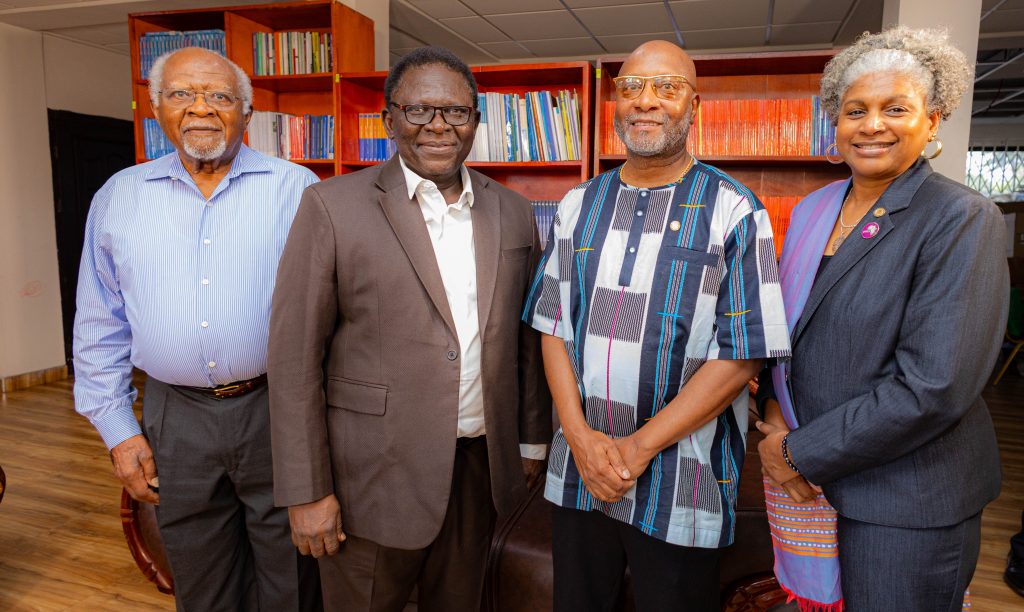
AAU Engages Dr. Julius Garvey and Center for Global Africa on Higher Education, AfCFTA, and Pan-African Transformation
Accra, Ghana – 16 June 2026 The Association of African Universities (AAU) hosted a high-level delegation from the Center for Global Africa (CGA) at its Secretariat in Accra, Ghana, on 16 June 2026. The delegation included Dr. Julius Garvey – thoracic and vascular surgeon, Pan-African advocate, and son of the legendary Marcus Garvey – accompanied by Professor Ezrah Aharone, Founder and Chairman of CGA, and Alicia Clark, Director of Global Partnerships and AWLN Diaspora Consortium-Co-Chair. The visit provided a strategic platform for dialogue on the role of higher education in advancing continental integration, fostering Africa-Diaspora collaboration, and building the human capital necessary for Africa’s transformation agenda. The AAU delegation was led by the Secretary-General, Professor Olusola Oyewole, and included Professor Adewale Olusegun Obadina, Project Officer for Quality Assurance and Accreditation; Dr. Felicia Nkrumah Kuagbedzi, Ag. Coordinator for ICT, Communications and Knowledge Management; Managers from the AAU TV Unit; and team members from the Partnerships and various units of the Secretariat. Their collective expertise ensured a comprehensive and forward-looking engagement that addressed key priorities across the Association’s mandate. Strengthening Africa-Diaspora Partnerships through Higher Education Conversations between AAU and the delegation centred on a shared vision: forging stronger linkages between African universities and the Caribbean and African heritage diaspora to advance research, innovation, leadership, and sustainable development. The discussions explored collaborative opportunities in Artificial Intelligence, youth empowerment, curriculum transformation, and the development of strategic engagement platforms designed to connect scholars, innovators, and communities across borders. These deliberations align with the AAU’s strategic objective of promoting international cooperation and knowledge exchange as essential drivers of higher education excellence in Africa. By leveraging the expertise and resources of the global African community, the Association aims to create a higher education ecosystem that is more innovative, inclusive, and responsive to the continent’s developmental aspirations. Higher Education as a Catalyst for AfCFTA Implementation A central pillar of the engagement was the role of higher education institutions in supporting the implementation of the African Continental Free Trade Area (AfCFTA). As Africa pursues economic integration under Agenda 2063, universities and research institutions are critical to developing the skilled workforce, policy research, and innovation ecosystems required to realise the full potential of the continental market. The AAU continues to champion the integration of AfCFTA-related curricula, research agendas, and partnerships across African higher education institutions, ensuring that universities remain central to the continent’s economic transformation. AAU Talks: A Conversation on Pan-Africanism and Continental Unity As part of the visit, Dr. Garvey and Professor Aharone were featured on AAU Talks, the Association’s flagship television programme. The conversation explored African unity, governance, trade, reparatory justice, and the future of Pan-Africanism – themes that resonate deeply with the AAU’s commitment to fostering a continental identity and shared purpose among African higher education institutions. The discussion also reflected on the historic posthumous presidential pardon granted to Marcus Garvey on 19 January 2025 by former U.S. President Joe Biden. This milestone holds profound symbolic significance for the Garvey family, African Americans, and people of African descent worldwide, and serves as a reminder of the enduring relevance of Marcus Garvey’s vision in shaping contemporary Africa-Diaspora relations. The visit of Dr. Julius Garvey and the Center for Global Africa delegation comes at a pivotal moment in Africa’s history, marked by major continental initiatives including the AfCFTA, and growing efforts to strengthen Africa-Diaspora partnerships. As Africa navigates a rapidly changing global landscape, strategic collaborations such as these are essential for harnessing the collective strengths of Africans on the continent and in the diaspora. The AAU reaffirms its commitment to advancing these partnerships and to positioning higher education as a cornerstone of African development. The future of Africa will be shaped not only by actions within its borders, but also by the effectiveness of its engagement with the global African family in driving transformation, innovation, and unity. About the Association of African Universities (AAU) Established in 1967 with 34 founding member universities out of 46 universities on the African continent at the time, the AAU is the apex organization and forum for consultation, exchange of information and cooperation among institutions of higher education in Africa. With close to 500 members across the African continent, the AAU is the largest and most comprehensive organisation representing universities and higher education bodies in Africa. The Mission of the AAU is to raise the quality of higher education in Africa and strengthen its contribution to African development. The Association is committed to promoting international cooperation, knowledge diplomacy, and strategic partnerships that advance the continent’s higher education and research agenda. For media inquiries, please contact: Association of African Universities (AAU) Secretariat Accra, Ghana Website: www.aau.org Email: info@aau.org
17 Jun 2026

Why High Court wants to examine Shakahola crime scene
Court will visit the alleged terror cells in Malindi where victims were allegedly accommodated...
17 Jun 2026
Nigeria: Nigerian Student Kamdi Okeke, Graduates Summa Cum Laude, Wins $442,044 Upenn Scholarship
[Vanguard] Kamdi Okeke, a 21-year-old Nigerian student, graduated summa cum laude from Drexel University on June 11, 2026, earning a Bachelor's degree in Biomedical Engineering with a 3.95 GPA.
17 Jun 2026
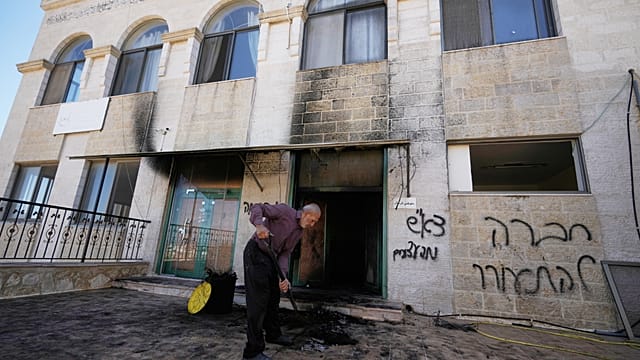
Israeli settlers torch mosque in West Bank village of Jiljilya
Residents of Jiljilya, north of Ramallah, awoke on 17 June to find their mosque set alight overnight, with burnt tyres, Hebrew graffiti reading "revenge" and extensive damage left behind in an area of the occupied West Bank where Israelis are prohibited from entering.
17 Jun 2026

Kenya’s junior golfers go hunting in Japan World Cup
The team will represent Africa alongside the South African junior golf champions at this global...
17 Jun 2026

Ol kalou Chessboard: Political battle neither Gachagua, Kindiki wants to own
Kindiki wants to emerge as Ruto’s top ally in Mt Kenya, while Gachagua seeks to reaffirm his...
17 Jun 2026

Why Opposition named Natembeya their Western Kenya point man
The announcement was made by DCP leader Gachagua during a rally in Kitale on Sunday.
17 Jun 2026

Battle for Laikipia: Kiunjuri, Ndiritu, Waruguru in tight 2027 governor contest
Nine aspirants have declared interest in succeeding incumbent Governor Joshua Irungu.
17 Jun 2026
Nigeria: 2026 Utme Original Result Slips Ready for Printing, Says JAMB
[Vanguard] The Joint Admissions and Matriculation Board (JAMB) says the 2026 Unified Tertiary Matriculation Examination (UTME) Original Result Slip will be available for printing on Wednesday.
17 Jun 2026
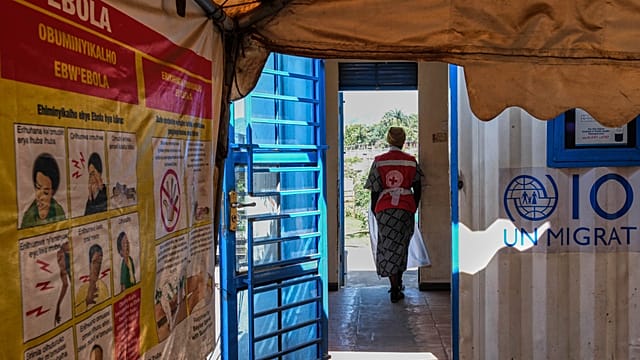
Fear of Ebola keeps pregnant women away from hospitals in DR Congo
Health professionals warn that avoiding medical care could have serious consequences for mothers and their babies.
17 Jun 2026

Rwanda stepping up precautions against Ebola, health minister says
“The spread of this current outbreak came as a surprise,” says Rwandan health minister Sabin Nsanzimana about the current Ebola epidemic in the DRC. Since the outbreak was declared on May 15, 808 cases have been confirmed in the DRC, including 192 deaths, according to the World Health Organization.
17 Jun 2026

Coupe du monde 2026 : l'histoire vraie de ces migrants africains résilients qui redessinent le football mondial
La FIFA, l'instance dirigeante du football mondial, présente la Coupe du monde 2026 – et le football mondial en général – comme une célébration de l'inclusion et de la diversité . Elle est présentée comme un symbole de paix et d'espoir , voire comme une forme de salut pour les migrants africains qui périssent en tentant de traverser la Méditerranée. Cette posture humanitaire ne doit pas nous faire oublier l’existence d’une classe mondiale de migrants en situation précaire. Beaucoup viennent d'Afrique de l'Ouest et rejoignent l'Europe (et d'autres régions du monde) par divers moyens, avec le rêve de gagner leur vie en jouant au football. Comme l’ont montré de nombreuses études , beaucoup se retrouvent bloqués en tant que migrants en situation irrégulière, manipulés par des agents malhonnêtes ou exploités par des clubs de football. Malgré des recherches nuancées menées sur ce sujet depuis longtemps, les migrants ouest-africains du football font encore régulièrement la une des journaux pour des raisons plus sensationnelles. Ils sont présentés soit comme des victimes de la traite des êtres humains , soit comme des joueurs exceptionnels dans le football de haut niveau. Le trafic des êtres humains lié au football existe bel et bien . Ce phénomène a été expliqué en détail par des chercheurs et par des journalistes d'investigation. Mais réduire les migrants à des victimes ou à des stars ne reflète pas leur réalité, leurs ambitions et les défis auxquels ils sont confrontés. Ils contribuent à transformer l'Europe et son football. Read more: Les migrations peuvent faire gagner des matchs en Coupe du monde J'ai passé plus d'une décennie à mener des recherches anthropologiques sur les migrations liées au football de l'Afrique de l'Ouest vers l'Europe. Plus récemment, j'ai interviewé des migrants en Belgique et en Europe de l'Est, en m'appuyant sur mes travaux antérieurs auprès de joueurs en herbe dans l'Ouest du Cameroun. J'ai constaté qu'entre les gros titres alarmistes et les récits héroïques se cache une autre réalité : celle de migrants ambitieux et résilients qui évoluent dans la précarité et dans une industrie guidée par le profit, dans un contexte de politiques violentes de fermeture des frontières. Rêves de football Une récente enquête menée par des chercheurs en migration en Afrique de l’Ouest a demandé à des jeunes (18-39 ans) quel était leur rêve le plus important dans la vie. Au Ghana, 13 % des jeunes hommes ont répondu que c’était de devenir footballeur professionnel. En Gambie, ce chiffre était de 10 %. Ces pourcentages sont très élevés, et seraient probablement bien plus élevés si l'enquête avait été menée auprès d'une population plus jeune (par exemple les 15-30 ans). Ils sont particulièrement frappants quand on considère que très peu d'aspirants ont une chance réaliste de « percer » en tant que professionnels. Les opportunités dans les ligues nationales d’Afrique de l’Ouest sont limitées, incertaines et souvent peu rémunérées. Rêver d'une carrière dans le football, c'est presque rêver de partir à l'étranger. Jouer et s’entraîner au football est devenu l’un des moyens les plus prisés par les jeunes hommes pour tenter d’émigrer, de gagner leur vie et de subvenir aux besoins de leur famille. L'Europe reste la destination privilégiée des aspirants footballeurs, même s'ils tentent parfois leur chance ailleurs . Migrer par tous les moyens Des jeunes hommes originaires de pays comme le Ghana, la Gambie, la Côte d’Ivoire et le Nigeria se rendent en Europe par tous les moyens possibles. Bon nombre de ces itinéraires n’ont pas grand-chose à voir avec les transferts officiels de joueurs entre clubs. Un jeune footballeur ghanéen en herbe que j’ai rencontré en 2024 en Belgique, par exemple, est arrivé en Europe par bateau. Il s'agissait d'un itinéraire clandestin, via la Libye et l'Italie, que certains de ses amis gambiens appelaient « la voie détournée ». Ce n’est qu’après son arrivée en Europe qu’il a commencé à chercher des opportunités dans des clubs de divisions inférieures. Il vivait avec son père et son frère en Belgique tout en faisant une demande de permis de séjour au titre du regroupement familial. Read more: Coupe du monde 2026 : une nouvelle ère pour le football africain Tous ne prennent pas une route dangereuse. Mais une grande partie de la migration liée au football se déroule de manière informelle, par l’intermédiaire de personnes informelles et de membres de la famille vivant déjà à l’étranger. Les transferts officiellement reconnus sont réservés aux plus talentueux – et aux plus chanceux. Les footballeurs avec lesquels j’ai travaillé appellent parfois cela un “système D”. Ce terme est également utilisé de manière plus générale en Afrique de l’Ouest pour désigner l'art de se débrouiller pour gagner sa vie dans une économie informelle souple mais aléatoire. Pour les migrants en devenir, cela signifie trouver des moyens de se déplacer et de naviguer dans un contexte transnational où les demandes de visa sont systématiquement rejetées et où les voies de migration régulières sont difficiles à trouver. Une prison dorée Ce système D peut être excitant et gratifiant, mais aussi incroyablement dur et épuisant. L’un des participants à mes recherches était un Ivoirien qui s’est retrouvé bloqué en Belgique en tant que migrant en situation irrégulière après avoir été mal géré par un agent cupide. Il décrivait sa situation comme une « prison dorée ». Dorée en raison de la perspective d’une brillante carrière en Europe, et prison en raison de son statut irrégulier qui le laissait dans la peur et confiné dans une petite chambre. Quand je demandais à des jeunes hommes comme lui pourquoi ils restaient en Europe après avoir échoué à signer un contrat professionnel, ils répondaient qu’ils devaient continuer à se battre. Qu’ils étaient conscients qu’ils n’auraient peut-être plus jamais une autre occasion de quitter l'Afrique, que ce soit pour le football ou pour autre chose. En d’autres termes, des politiques migratoires restrictives limitaient leur liberté de mouvement. Elles les poussaient vers des itinéraires irréguliers et les marges de la société. Read more: Coupe du monde: les performances africaines marquent un tournant dans le football Les autorités ciblent souvent les agents véreux et les trafiquants pour lutter contre ce problème. Mais ces individus ne sont qu’une partie d’un ensemble de problèmes plus vastes. J’ai également suivi et interviewé des intermédiaires du football : agents, entraîneurs et propriétaires de clubs qui cherchent à organiser et à contrôler la mobilité des footballeurs. J’ai découvert qu’ils étaient motivés à la fois par le profit et par un désir sincère d’aider ces jeunes hommes à réaliser leurs rêves. Lorsque je leur ai demandé pourquoi ils se lançaient dans des transactions incertaines (et parfois louches) et changeaient fréquemment leurs plans, ils m’ont expliqué qu’ils devaient répondre aux exigences en constante évolution du marché mondial. Les courtiers étaient des entrepreneurs pris dans leur propre système D : le business mondial spéculatif et imprévisible des transferts dans le football mondial. Enfin, lorsque j'ai interrogé les footballeurs sur les raisons de leur voyage initial, ils répondaient que les opportunités économiques pour les jeunes en Afrique de l’Ouest ne pouvaient se comparer à celles que l'on trouve à l'étranger, dans le football comme dans d’autres domaines. L’une des principales raisons qui poussent ces jeunes hommes vers des horizons plus prometteurs réside dans les inégalités entre le Nord et le Sud. Inégalités systémiques Des problèmes tels que le capitalisme spéculatif, les politiques migratoires violentes, les inégalités mondiales et un racisme à la fois manifeste et dissimulé – sont structurels et profondément enracinés. Ils ne se limitent pas aux migrations liées au football. Ces problèmes ne seront pas résolus simplement en traquant les agents malhonnêtes. Les étiquettes utilisées sans nuance de «trafic d'êtres humains» et de «commerce d’esclaves» peuvent en effet masquer les problèmes courants rencontrés par la majorité des migrants. Elles occultent les inégalités sous-jacentes qui rendent leur parcours précaire. Read more: Une équipe africaine peut-elle gagner la Coupe du monde? Une étude sur le football décortique les chiffres Les récits des migrants du football présentés dans mon étude ne reflètent pas tant les cas de traite moderne qui font la une des journaux, ni les récits triomphants sur la diversité et l’inclusion. Ils révèlent une réalité bien plus courante : celle de l’ambition et de la résilience dans un monde inégalitaire et injuste. Uroš Kovač bénéficie d'un financement de l'Agence exécutive européenne pour la recherche dans le cadre de la convention de subvention n° 101106831 pour un projet intitulé « Two-Faced Hopes : Football, Migration, and Religion Between West Africa and Europe (JANUSHOPE) ».
17 Jun 2026
Nigeria: Rite Foods Expands Sustainability Advocacy, Takes Climate Change Awareness to Lagos Students
[This Day] As part of activities commemorating this year's World Environment Day, Rite Foods Limited has intensified its commitment to environmental sustainability by extending its climate change advocacy and recycling awareness campaign to students in Lagos, highlighting the critical role of young people in promoting environmental stewardship and sustainable living.
17 Jun 2026
Nigeria: Ex-Registrar - Why Unilorin Remains Most Patronised University in Nigeria
[This Day] Ilorin -- Ex-registrar of the University of Ilorin (UNILORIN) Emmanuel Obafemi for the umpteenth time yesterday revealed the secret behind the institution's status as one of the most patronized universities in Nigeria.
17 Jun 2026
Nigeria: Over 2.3m Children in 25 States Enroll in Nigeria Learning Passport Programme, Says Unicef
[This Day] Owerri -- The United Nations Children's Fund (UNICEF) has reiterated its commitment in supporting Imo State to build an inclusive and sustainable Digital learning Eco system, stating the platform has enrolled more than 2.3 million children in 25 states of the federation since it's national rollout in 2022.
17 Jun 2026
Nigeria: Nass, Nelfund Move to Expand Student Loan Scheme to 7 Million Beneficiaries
[This Day] · Fund records over N282bn disbursement to 1.6 million students
17 Jun 2026
Tanzania: The Missing Hours in Tanzania's Education Story
[Daily News] Dar es Salaam -- Few national investments shape a country's future more profoundly than education. Tanzania has recognised this reality for decades, expanding access to schooling, investing in classrooms and teachers, and ensuring that millions more children have the opportunity to learn.
17 Jun 2026

Lionel Messi's inexplicable feats no longer a surprise, says coach Scaloni
Messi's hat-trick at Kansas City Stadium saw him equal the all-time men's World Cup scoring...
17 Jun 2026
Liberia: Police Charge Eight Over Wassce Exam Bribery Scandal
[Liberian Observer] The Liberia National Police (LNP) has formally charged nine individuals in two separate criminal cases involving alleged examination fraud and reckless conduct that authorities say threatened both public integrity and national security operations.
17 Jun 2026

Retired England great Shearer tips African teams to do well in World Cup
The former striker is one of 18 football pundits that the BBC has hired for its World Cup...
17 Jun 2026

Covid-19 victim finally buried after six-year wait
The body was released to the family following a court order issued in Nakuru prohibiting the...
17 Jun 2026