Digital Hall Passes Automate Hallway Oversight
Paper hall passes have been around forever. But they aren’t always the best tool for the job. “A conventional hall pass basically just says that this student has permission to leave the classroom. That’s where the information stops,” says Tyler Shaddix, co-founder and chief innovation officer at GoGuardian. Modernized tools can do a lot more. With digital hall passes, schools can support student safety, track trends around how spaces are used and automate permissions for who can be in the hall, when and where. Click the banner below to learn how CDW and GoGuardian support safer, more…
17 Jun 2026
Why Title III Is Lacking in Today's Multilingual, Technology-Enhanced Classrooms
When Congress strengthened Title III in the early 2000s, the focus was helping students acquire English and access academic content. That goal remains important, but the classrooms of 2026 look very different from those of 2001.
17 Jun 2026
Momentum Builds to Expand Coding Education to Learning About AI 'Under the Hood'
CodeAI CEO talks about artificial intelligence and the future of computer science education.
17 Jun 2026
Data Governance Is Just the Beginning: Why University IT Leaders Must Also Master These Data Disciplines
In addition to CIOs establishing themselves as leaders when it comes to a unified data strategy and university leadership understanding that data governance is the foundation of AI readiness, there is a growing understanding that data governance is a required discipline, essential to data-centric transformation on campuses. However, there are other data considerations to be mindful of, as well. Click the banner below to explore how to build a foundation for scalable AI at your higher ed institution.
17 Jun 2026

Why Employees Hate Mandatory Training (And How To Fix It)
Mandatory training is essential in many organizations, but employees often see it as repetitive, time-consuming, and disengaging. This article explores why mandatory training creates frustration and shares practical strategies to improve engagement, participation, and learning outcomes. This post was first published on eLearning Industry .
17 Jun 2026

Why L&D Teams Are Building Their Own Training Workflows—Without A Single Developer
Most L&D improvement efforts focus on content and design. But the real drag on L&D performance is operational: the manual workflows, spreadsheet trackers, and email chains that consume professional time and create execution gaps. Here's how to fix the layer most teams ignore. This post was first published on eLearning Industry .
17 Jun 2026
Mapping the Public Goods Behind Education AI: Why Metadata Standards Matter
The post Mapping the Public Goods Behind Education AI: Why Metadata Standards Matter appeared first on Digital Promise .
17 Jun 2026

Data-Driven Growth: How To Leverage Analytics, SEO, And GEO To Spot Market Opportunities
Explore how data-driven growth transforms decision-making in business, leveraging analytics for better market insights. This post was first published on eLearning Industry .
17 Jun 2026
Nigeria: Over 2.3m Children in 25 States Enroll in Nigeria Learning Passport Programme, Says Unicef
[This Day] Owerri -- The United Nations Children's Fund (UNICEF) has reiterated its commitment in supporting Imo State to build an inclusive and sustainable Digital learning Eco system, stating the platform has enrolled more than 2.3 million children in 25 states of the federation since it's national rollout in 2022.
17 Jun 2026
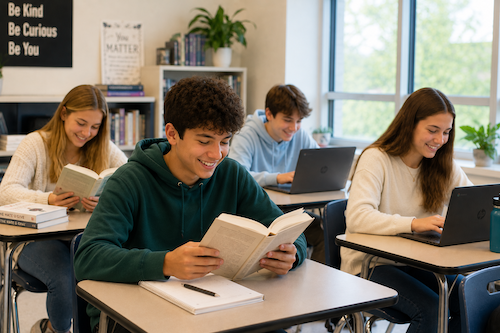
6 keys to building a high-impact summer reading program
Key points: A successful summer program can’t focus solely on assessment scores 5 ways to make reading click for teens Why schools and public libraries must unite–in summer and all year long For more news on summer literacy, visit eSN’s Innovative Teaching hub In 2023, Bob Bolduc, the founder of Hope for Youth and Families, identified a gap in our student’s reading success here in Springfield, Massachusetts. He sought to identify a solution that would specifically support middle school students reading below grade level, and in 2024 partnered with Storyshares and HILL for Literacy to create an intensive, four-week summer literacy program. That summer, students who completed the program showed twice as much growth in their MAP scores as their peers had shown during the entire school year. The next summer, students showed the same impressive growth. Here are the essential lessons that school districts can learn from our experience of creating a summer literacy program that makes an enormous difference in the lives of students and families. Connecting with families Our program typically includes between 120 and 150 students recruited from schools throughout our community. Most of our families speak two languages, so we have a Spanish speaker on staff to help us cross the language barrier. We first connect with families by holding open houses and online meet-and-greets multiple times throughout the year. We let families know that our program supports academics and gives students a safe place to be–and they can enroll at no cost. This makes a big difference in Springfield, which is one of the poorest cities in the state. Small groups working at a ‘perky pace’ Our program is modeled on high-intensity tutoring delivered in a small-group class setting. In each classroom, we have about 15 students with two to three adults who are trained in all of the materials, pedagogy, and skills. We aim for a 5:1 student to teacher ratio, and we achieve this by combining licensed educators with interns who are interested in youth development and literacy education. The Literacy Intervention for Teens (LIFT) curriculum we use is built specifically to provide high intensity and scaffolded instruction, while also keeping what Dr. Anita Archer calls “perky pace.” This means teachers may spend 20 minutes on direct instruction, then incorporate practice and choice after that. Choice is key: Students in this program tend to have low confidence because they’ve repeatedly been told that they’re not good at reading, and teachers build their confidence both by offering them materials that they can read and want to read. Age-appropriate printed materials Our program serves students in grades 4 to 8, and over the years we have built a library of ebooks and printed books that are content-appropriate for that wide range of ages. We don’t ask our older struggling readers to read books about butterflies and The Cat in the Hat . Instead, we offer them stories about kids like them who are going through the dilemmas of being a pre-teen or a teen, and that helps them establish a connection with the reading materials. We print all our materials for our students who prefer physical books over ebooks, and this year for the first time, we are using paper workbooks to show students’ progress. Using workbooks also allows students to stay organized and to look back and see the results of the work they’ve done. Strategic assessments In addition to the workbooks, we also track students’ growth with traditional assessments. In the past, we have used CORE and DIBELS to assess students’ reading speed, fluency, and comprehension. Because our program is short, we try to do the initial assessment on the first day of programming and the final assessment as close to the end of the last week as possible. Pairing reading with creative writing A successful summer program can’t focus solely on assessment scores. It has to be fun, too. Our students relish the opportunity to be creative, so our program pairs reading with creative writing. Many of our students look forward to creative writing because they can write whatever they want in response to a teacher’s prompt. Writing is engaging because it’s not graded and it allows them to put into practice what they’re learning about reading. Students’ creative writing may not be finished by the end of class, or it may be a little wandering, but they’re proud of it, and they’re so excited for that opportunity. I’ve often had students run up to me and say, “Look what I wrote!” This shows them that reading can lead to powerful personal connections. Providing local role models Many of our interns are from the area. Our students see themselves in these near peers, and they believe that “if you can do this, I can do it too.” It’s often easier to relate to somebody who’s close to your age, so our interns become role models for our students making those near-peer connections and fostering a positive culture in the classroom. For schools and districts considering launching a summer literacy program, I can say from experience that it takes hard work and organization, but it’s worth every second you put in. When middle schoolers can read proficiently, they have so many more options for the next chapter of their lives. I remember one student who was in the program the first summer. He was going into 9th grade and was reading very close to grade level, but he wasn’t quite there. We worked extensively on his reading comprehension and stamina. When I visited his school in the fall, he said to me, “I want you to know I’m out of remedial English. And because of that, I got to choose an elective, and I’m in Junior ROTC. I love it! I never thought I’d be able to do something like that.”
17 Jun 2026
Attribution, Provenance, Reference, Citation, and AI for Research Applications – Understanding the Differences
Building robust citation and attribution into generative AI systems are foundational to usage, credit and trust. We need to expect more from AI. The post Attribution, Provenance, Reference, Citation, and AI for Research Applications – Understanding the Differences appeared first on The Scholarly Kitchen .
17 Jun 2026
Hotline: Cybersecurity and Privacy | June 2026
"Hotline: Cybersecurity and Privacy" tackles the philosophical, moral, strategic, and organizational quandaries related to higher education cybersecurity, privacy, and data. This month, Mike answers your questions about unnecessary complexity, the myth of perfection, and the danger of documentation without controls.
17 Jun 2026

IIT Roorkee, TeamLease EdTech introduce online AI program for digital commerce
IIT Roorkee and TeamLease EdTech have launched a 6-month Executive AI Program for E-Commerce to help professionals build applied capabilities in India.
17 Jun 2026

EdSurge Podcast: Your Kids Know More About AI Than You Do
Schools are racing to write AI policies, but what if the policy is not the first step? This week, we hear from Aleta Margolis , founder and president of the Center for Inspired Teaching, who argues that real progress starts with a conversation, not a rule. Then EdSurge editor-in-chief Sarah McKibben brings it home with what AI actually looks like at her kitchen table, with two middle schoolers navigating it in real time. What You'll Learn: A new RAND American Youth Panel survey found that only about one in three students say their school has a school-wide AI policy, and Aleta Margolis of the Center for Inspired Teaching explains why co-creating guidelines with students leads to better outcomes than top-down rule-making. A recent NPR and Ipsos poll found that 54 percent of teachers say AI is making it harder for students to learn critical thinking skills, and nearly three in four believe its impact on education will exceed that of the internet or computers. Sarah McKibben describes the mix of productive and concerning AI use she sees with her own children, including a student using an AI humanizer app to avoid plagiarism detection when submitting AI-written essays. Both guests converge on the idea of productive struggle: the concern is not AI itself but whether students are learning to think with it rather than bypassing the thinking entirely. Listen here .
17 Jun 2026
At U.S. Senate Hearing, a Call for AI That Protects 'Human Judgment' in Schools
State and company officials want meaningful guardrails around AI use in schools.
16 Jun 2026

What Is A Learning Organization? Characteristics, Benefits, And Real-World Examples
Discover what a learning organization is, its core characteristics, benefits, examples, and strategies for building a culture of continuous learning that improves adaptability, upskilling, innovation, and business performance. This post was first published on eLearning Industry .
16 Jun 2026
Why Data Readiness Is the Foundation for AI Readiness in Higher Education
Every board wants to know the AI plan, but AI readiness starts with a question most institutions haven't answered: is your data ready? Simply put, AI readiness starts with data readiness. You don’t build a house without a solid foundation. The stronger your data as your foundation is, the greater opportunity that you have to build, and we are all building right. Our goal is not to be static. Our goal is to help our organizations grow, be more effective for our students and achieve the outcomes that higher ed is there to provide. Click the below banner to explore building data governance…
16 Jun 2026
The Great L&D Reckoning: Why The Future Of Learning And Development Belongs To Capability Architects
Artificial Intelligence is forcing Learning and Development to confront a difficult reality: creating learning content is no longer enough. As AI automates many traditional L&D activities, organizations are shifting their focus from learning delivery to workforce capability and business performance. This post was first published on eLearning Industry .
16 Jun 2026

Subject Matter Expert Does Not Mean Trainer
Being an expert in a job does not automatically mean being able to teach it effectively. This article explores why organizations need to better support SMEs with facilitation and Instructional Design skills to create training that builds real capability, not just transfers information. This post was first published on eLearning Industry .
16 Jun 2026
Hearing from Students: Three Years of Interviewing Learners About AI in Education
The post Hearing from Students: Three Years of Interviewing Learners About AI in Education appeared first on Digital Promise .
16 Jun 2026
The AI Literacy Gap No One Expected
While Gen Z may be advanced at generating quick outputs or using free LLMs for surface-level tasks, they need to develop critical thinking, communication, and analysis skills.
16 Jun 2026
EdTech Innovation in an Era of Tight Budgets and Tough Questions
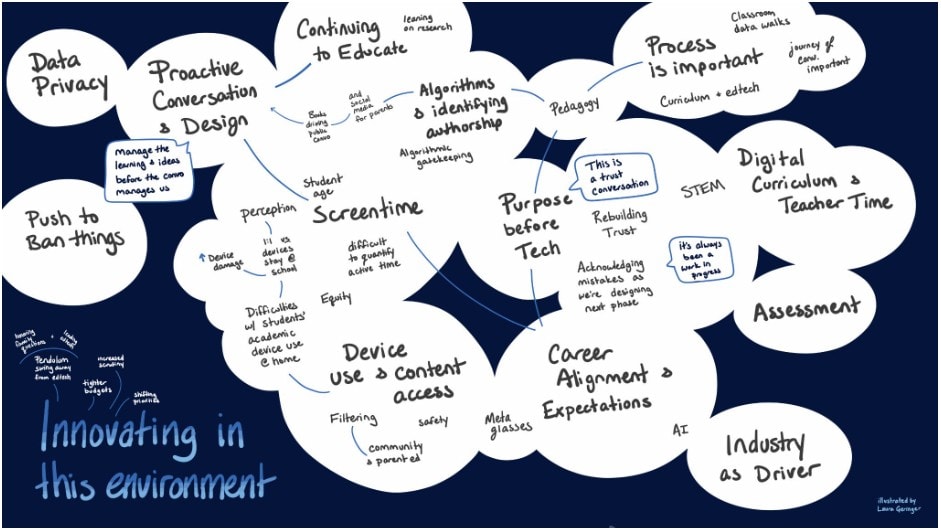
Across the country, districts are navigating tighter budgets, increased scrutiny around technology spending, and growing concerns about screen time and student device usage. After years of enthusiasm surrounding large-scale edtech adoption, many schools are now operating in a very different environment. One where priorities are shifting and the definition of innovation itself is evolving. But if the pendulum is swinging away from edtech hype, CoSN’s EdTech Innovation Committee members discussed in a recent virtual meeting that there’s a shift that needs to happen with innovation: Centering the “why” of our work, prioritizing communication, and becoming even more intentional with when innovating. Throughout the conversation, members explored a central challenge facing school systems today: how do education leaders continue driving meaningful innovation when budgets are shrinking, priorities are shifting, and communities are asking harder questions about technology’s role in schools? Prioritizing Purpose One theme to emerge from the discussion was the value of communication and storytelling in purposeful edtech innovation. CoSN Board Chair and committee member Stacy Hawthorne, CETL ( EdTech Leaders Alliance, Ohio) shared that districts must begin with curriculum, pedagogy, and instructional purpose before deciding where technology belongs. Rather than focusing on devices themselves, she explained that schools should focus on whether technology meaningfully supports teaching and learning outcomes. “This isn’t a tech conversation that we’re in at this point in time, this is a trust conversation that we’re in,” said Hawthorne. “And in the absence of us sharing what is working well with technology in schools, people have filled the narrative and filled the void on our behalf.” Earning Trust, Acknowledging Mistakes, and Moving Forward Committee members agreed with Hawthorne, noting that many current tensions around technology are not simply about screens or devices — they are about trust. Committee member Holly Doe (MSAD #11, Maine) shared that part of her district’s recent technology planning work involved acknowledging where technology implementation may not have always been effective. As part of revising the district’s technology plan, her team examined screen time usage in middle schools and considered how instructional practices could evolve moving forward. “Sometimes building trust is just acknowledging with our administrators and with other people in our districts that we have made some mistakes, but [also explaining] how we move forward with purpose and do better,” said Doe. Responding to Growing Community Concerns Committee Co-Chair Ryan Cox ( Osseo Area School District ISD 279 , Minnesota) said that a number of Minnesota districts have seen a growing parent interest in screen time and device use in schools , with books such as The Anxious Generation and Digital Delusion sparking conversations in many communities in Minnesota and beyond. Rather than dismissing those concerns, committee members discussed the importance of engaging families directly and proactively communicating the “why” behind instructional technology decisions. Committee member Micah Miner, CETL (Beach Park School District #3, Illinois), suggested that districts have an opportunity to address issues through board-level conversations, educational outreach, and stronger communication around instructional goals. “Part of the ways in which we can manage it is to make sure that we’re proactive with our boards … to make sure we manage the conversation before it manages us,” said Miner. Remember: Tech Use Today Prepares the Workforce for Tomorrow Committee member Rajesh Adusumilli (Arlington Public Schools, Virginia) raised concerns about reducing conversations to simple screen time metrics while overlooking the growing need to prepare students for an AI-driven workforce. He spoke about how infrastructure, digital literacy, and access remain essential components of future-ready learning environments. “It’s very clear that the colleges are expecting that students come prepared with an understanding of what AI means, how to manage it, how to ethically use it, and how to kind of operate in that realm,” said Adusumilli. Committee Co-chair David Jarboe, CETL (D2 Harrison Schools, Colorado), expanded on the connection between innovation and workforce expectations, noting that career and technical education is becoming a major driver in K-12 decision-making. “Many of the conversations around innovation and technology are being shaped by evolving workforce demands and economic priorities,” Jarboe noted. “Understanding those trends can help schools better prepare students for future opportunities.” Jarboe also noted that innovation in education is often shaped by factors beyond the classroom, including decisions made by legislators, governors, and policymakers. “Educators are frequently adapting to new initiatives and requirements as they emerge,” he shared. “Recognizing industry as a driver could provide valuable perspective and support.” Rethinking Devices, Access, and Safety The group also discussed operational shifts that districts are already making in response to financial pressures and changing community expectations. Theresa McSweeney, CETL (Boise School District, Idaho), suggested that classroom-based device models, rather than take-home programs, may help reduce some family concerns around excessive screen usage. “I would wonder if families might feel more in control over their own screen time without worrying as much about what’s happening in the classroom if the devices were staying behind at school all day, instead of also going home,” McSweeney said. Districts should carefully consider how at-school-only device policies align with their digital equity objectives and the needs of their students and families, with local leadership best positioned to make those determinations. CoSN believes this is a local control issue. Miner and Andy Fekete, CETL (Community Consolidated School District 93, Illinois), shared that both of their districts are having conversations about moving toward classroom-based devices due to challenges related to device damage, liability, and non-academic device use at home. While the committee members talked about access, safety concerns also remained central to the discussion. CoSN CEO Keith Krueger highlighted the growing pressure districts face around filtering inappropriate content and ensuring student safety on school-issued devices. “I don’t think it’s just about access, but it’s about access to inappropriate materials [on school devices], at least in the news coverage that is gaining traction,” said Krueger. He added: “The one thing we can firmly say is that if you have the choice between a child on a school device and a school network versus a personal device, they’re much less likely to be safe in a personal device.” Innovation Is Evolving, Not Disappearing Despite the challenges discussed throughout the EdTech Innovation Committee meeting, members returned to the idea that innovation in education is not going away, it is simply entering a new phase: One less defined by devices alone and more focused on intentionality, instructional value, transparency, and trust. CoSN’s EdTech Innovation Committee meets virtually every month to develop resources on CoSN’s Driving K-12 Innovation Top Topics and other timely trends that have the potential to significantly impact K-12 education. 2026 Advisory Board Transition Year CoSN’s Driving K-12 Innovation initiative is entering an exciting new phase designed to create deeper collaboration, stronger implementation-focused insights, and expanded engagement opportunities for Advisory Board members and the broader community. As part of a transition to a new annual project timeline launching in 2027, the 2026 Part 2 Advisory Board will focus on the development of the new Driving K-12 Innovation in Action Report , focused on showcasing how districts are operationalizing innovation trends in practice. Rather than revisiting trends already identified in the 2026 report, this cycle’s Advisory Board members will collaborate to showcase how districts are operationalizing innovation in practice around the Top Topics in 2026. This work will include strategic discussion, synchronous engagement opportunities, and case study development designed to provide districts with concrete examples and actionable insights. The publication will be released during a webinar in November 2026 highlighting innovation stories, implementation strategies, and lessons learned from international edtech changemakers. Join us! AUTHOR: Stephanie King, Writer and Communications Manager, CoSN’s EdTech Innovations Committee and Driving K-12 Innovation Published on June 16, 2026 CoSN is vendor neutral and does not endorse products or services. Any mention of a specific solution is for contextual purposes.
16 Jun 2026

Skills-Based Learning: Our 5-Step Blueprint To Make The Shift And Unlock Your Talent
Unlock the real advantages of skills-based organizations, empowering talented people to think beyond their role. This is our 5-step skills-based learning blueprint. This post was first published on eLearning Industry .
16 Jun 2026
With students tuning out, it’s time to rethink the classroom
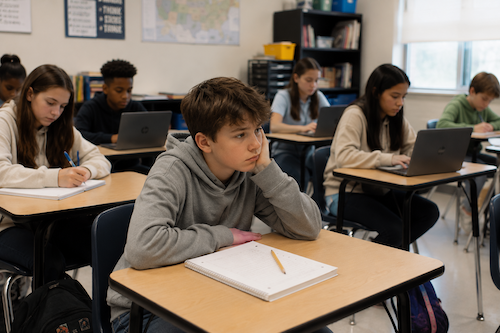
Key points: Students are constantly evaluating what deserves their attention Room to grow: Creating a classroom built for success Research highlights the importance, challenges of K-12 student engagement For more news on student disengagement, visit eSN’s Innovative Teaching hub Across classrooms right now, many educators are noticing the same shift: Students are even harder to reach than they were just a short time ago. In a recent survey , teachers pointed to rising disengagement as a growing concern, with more students opting out of learning in both loud and quiet ways. Sometimes disengagement looks like misbehavior, with jokes or side conversations. Just as often, it’s quieter, with students doing only what’s required to get through the day, exhibiting minimal effort, or acting withdrawn. All forms signal the same underlying challenge. It’s easy to attribute this trend to phones or shortened attention spans. But in many ways, students are demonstrating something more complex: They are constantly evaluating what deserves their attention. For some students, there may also be challenging experiences or trauma impacting their attention, but educators are increasingly observing this pattern of disengagement across a wide range of students. Outside of school, they’re used to environments at home or online that are interactive, flexible, and tailored to their interests with instant gratification. The contrast with more traditional classroom structures can feel stark. For middle and high school students in particular, questions of relevance come up quickly. Beyond completing tasks, they want to understand the purpose behind them. When that sense of purpose isn’t clear, it can be difficult to sustain engagement. What may be interpreted as a lack of motivation is often a reflection of that disconnect. In response, schools may opt for tighter controls, more rules, fewer distractions, and increased emphasis on compliance. While structure has a place, these approaches don’t always address the root issue. Disengagement is often less about student behavior and more about how the learning experience is designed. Revisiting that design can open up new possibilities. Classrooms that rely heavily on listening and passive participation are competing with experiences that feel far more dynamic. Students respond differently when they are actively working through problems, collaborating with peers, and applying ideas in meaningful contexts. Approaches such as project-based learning, inquiry-driven instruction, and career-connected pathways can help bridge the gap between content and real-world relevance. Student voice and choice also play an important role. When students have opportunities to make decisions about their learning–whether through topics, formats, or how they demonstrate understanding–they tend to show greater investment. Even small moments of autonomy can make a difference in how connected they feel to the work. The physical classroom environment is another significant factor that can further support engagement but is too often overlooked. As opportunities for in-person connection outside of school have decreased for many students, the classroom is taking on a larger role as a social space. Environments that allow for conversation, movement, and collaboration can help students feel more connected to their peers and to the learning itself. Traditional layouts, with desks in rows facing a single point of instruction, were historically designed during the industrial age for efficiency and order to prepare students for the workforce. But they can also reinforce the idea that learning is something students are required to complete rather than actively participate in. Adjustments don’t need to be large-scale to be meaningful. Flexible seating, spaces for small-group work, and movable furniture can encourage interaction and make it easier for students to engage with one another. These kinds of changes also support the broader sense of belonging that students often lack outside of school. There’s also a growing push to “defront” the classroom, moving away from a single focal point of instruction and toward a more active format for learning. In subjects like math, approaches where students work collaboratively on write & wipe surfaces show that even students who typically withdraw are more likely to engage when they’re given a role and choice in how to complete the work. It’s also worth noting how closely engagement and behavior are linked. When students feel disconnected, that can show up as disruption or withdrawal. Addressing only the surface behavior without examining the underlying experience produces limited results. If the structure of the learning experience stays the same, disengagement often reappears in a different form. A helpful starting point may be a simple question: What would make this worth a student’s attention? Schools that explore that question through more collaborative environments, relevant learning experiences, and opportunities for student agency are beginning to see shifts in how students show up. Student disengagement isn’t a new issue, but it is becoming more visible. As classrooms continue to evolve, aligning learning environments more closely with how students experience the world may be one of the most important steps toward reengaging them.
16 Jun 2026
The Current State of Play: AI in Higher Education and the Road Ahead
Artificial intelligence is reshaping higher education, exposing weaknesses in assessment, curriculum, and institutional strategy. Ten critical challenges reveal why incremental change will not suffice and why colleges and universities must rethink their strategy, culture, and purpose.
16 Jun 2026
How the University of the Western Cape Layers a Chatbot Into Its Mental Health Support Ecosystem
Artificial intelligence–based counseling apps can address unmet mental health needs and also help those who need in-person support feel more comfortable seeking it.
16 Jun 2026

‘Eyes up, screens down’: New device rules in Vic
All Victorian students must have planned ‘device-free time’ each day in strict new rules announced by the education minister on Monday. The device restrictions aim to intentionally remove students from devices in classrooms from Term 1, 2027. Teachers could instead use whiteboards or paper, or organise group debates, practical experiments or performances, a statement from Education Minister Ben Carroll said. The minister estimated high school students would spend no longer than two hours a day on devices, although details will be released after consultation with schools. Previously announced policies also limit Year 3 to 6 students to 90 minutes of screen time per day from 2027. Students in Prep to Year 2 will have minimal exposure to devices. “There shouldn’t be any more than two hours. We want eyes up, screens down. A full reset in the classroom is so important – for behaviour, for calmness, for the students’ own mental health – the focus needs to be on the most important adult in the classroom, and that’s the teacher, and that’s why we are moving down this with a relentless focus on excellence inside every classroom,” Mr Carroll said. Melbourne school principal Lorna Beegan said learning must be at the core of the policy. Picture: Supplied. “The big tech giants, their algorithms, they do not have these young people’s best interests at heart. They’re focused on eyeballs, and we’re focused on their minds and their hearts for the future.” Principal of Strathcona Girls' Grammar in Melbourne Lorna Beegan, said reducing screen time is not at odds with innovation. More on this story: A revolution is happening in ed-tech | Parents asked to delay smartphone use in kids | Vic appoints first minister for boys “I see it as a deliberate prioritisation of human capabilities that will define the future,” she said. “I applaud the move if learning is at the core. With information overload instantly accessible, giving our students time to stop, to think, to judge, to wrestle with ideas, to adapt, to explore, to imagine becomes essential to shaping skilled, confident, creative and critical thinkers who can navigate life’s complexities with resilience and purpose. Our students need to know how to use technology and when to turn it off. “The quality of a student’s thinking will soon carry greater weight than the quantity they can recall, convincing schools to respond by deliberately limiting screen time in favour of sustained attention, curiosity and active engagement for the new types of assessment and life skills that are emerging.” Neurodiverse students who need technology to learn would be exempt from the rule, as would students studying science and technology. Victoria has also banned mobile phones, smart watches and wireless earbuds in all schools.
16 Jun 2026
Are Ed Tech's Academic Benefits at Odds With Its Social and Emotional Downsides?
An EdWeek Research Center survey asked educators how tech is shaping students' school experiences.
15 Jun 2026

Four Stages Of Competence: A Guide For Instructional Designers
Learn how the four stages of competence help Instructional Designers improve workplace learning, capability development, and training outcomes. Explore practical applications, examples, and L&D strategies. This post was first published on eLearning Industry .
15 Jun 2026

Asociación Conciencia: “Solo uno de cada diez chicos vulnerables termina la secundaria sabiendo matemática”
En una entrevista en Infobae al Mediodía , el director ejecutivo de Asociación Conciencia , Juan Manuel Fernández, alertó sobre las brechas educativas en Argentina y detalló el impacto de las becas y tutorías que ofrecen a jóvenes vulnerables para evitar el abandono escolar . En la conversación con el equipo, Juan Manuel Fernández describió: “Hoy en la Argentina, cuando miramos el egreso de la escuela secundaria, el 75% de las personas a los 25 años en adelante terminan la escuela secundaria. Ahora, cuando lo vemos en el segmento de menores ingresos, ese número baja al 60. Es decir, cuatro de cada diez jóvenes que pertenecen a niveles de menores ingresos a los 25 años termina la escuela secundaria”. Advirtió que las brechas no solo se amplían en el acceso, sino también en la calidad: “Cuando preguntamos por nivel de conocimiento de matemática, el 83% de los egresados del nivel secundario no tiene los niveles adecuados . En contextos de vulnerabilidad, ese número crece al 93%”. Al analizar lengua, el número general es 41% y baja incluso más en sectores vulnerables. “Esto no es casualidad, es por un contexto que viene dando en la infancia y la juventud, y que hace más complicado el tránsito educativo”, subrayó. El rol de la familia y la desigualdad de oportunidades Fernández explicó que el acompañamiento familiar resulta clave para que los jóvenes puedan avanzar: “Hay muchas familias que ese acompañamiento no lo pueden brindar . A la mañana, en un contexto de vulnerabilidad, la mamá quizá no puede quedarse a cuidar a un hijo enfermo. ¿Quién se queda? El hermano mayor. Y ese día ese chico no fue a la escuela. O vive en un barrio donde llegar a la parada del colectivo es imposible después de varios días de lluvia. Todo eso genera ausentismo, pérdida de clases, menor performance y abandono”. Maru Duffard le preguntó si la educación sigue siendo un puente de igualdad en la Argentina actual. Fernández sostuvo: “La escuela secundaria dejó de ser un puente hacia la empleabilidad. Hoy hay más de un 16% de jóvenes desempleados y un sesenta y pico por ciento que trabaja en la informalidad. A los chicos les cuesta mucho conseguir su primer trabajo cuando no tienen experiencia. Eso era distinto antes, ahora la secundaria no garantiza empleo”. Además, la desmotivación estudiantil es uno de los principales problemas que identifican los docentes: “El 82% lo considera un problema importante y el 56% lo ubica entre los problemas más graves del sistema. Casi el 60% entiende que es el desinterés de los chicos . Muchos preguntan: ‘¿Para qué me sirve la escuela? Lo que aprendo ahí lo veo en un tutorial de YouTube o se lo pregunto a ChatGPT’. Hay un desafío enorme de cómo presentar una propuesta educativa que realmente despierte su motivación”. El impacto del ausentismo y las políticas públicas posibles Fernández detalló que el ausentismo es estructural: “El 74% de los docentes considera grave el ausentismo estudiantil y el 79% en las escuelas estatales. Además, casi el 44% menciona el ausentismo docente” . En muchos casos, la causa es multicausal: “Hay problemas de salud, padres que no pueden llevar a sus hijos, problemas de motivación. Muchos chicos deben quedarse cuidando a hermanos porque los padres no pueden faltar al trabajo”. Consultado por Mayol sobre las herramientas del Estado para revertir esta realidad, Fernández destacó: “Lo primero es contar con sistemas de nominalización. Que un Estado pueda saber en el día a día la situación de cada estudiante es fundamental. Las 24 jurisdicciones deberían tener sistemas nominalizados sobre sus alumnos”. Mencionó políticas específicas: “Hoy hay provincias como Mendoza o Neuquén que avanzan en acompañamiento extendido a las trayectorias educativas. En Neuquén, los alumnos de familias con menos de cuatro salarios mínimos tienen una beca y un tutor individual asignado que los acompaña”. Resaltó la importancia de repensar el rol del preceptor para que pueda acompañar de cerca a los estudiantes y no solo cumplir tareas administrativas: “Liberarlo de tareas administrativas le permitiría poner una mirada de acompañamiento y un vínculo uno a uno”. Becas, tutoría y el caso de Leonel Aramayo La experiencia de Leonel Aramayo, becado de Rosario de Lerma, Salta, puso en evidencia el valor de las becas y la tutoría personalizada: “Gracias a Conciencia pude terminar el secundario y un terciario. Hoy soy técnico superior en Gestión de Recursos Humanos. El acompañamiento económico y humano fue fundamental, sobre todo en pandemia, cuando no tenía conectividad y perdí materias. Perdí a mi papá y estuve a punto de dejar todo. Pero mis tutoras nunca me dejaron solo: siempre estaban con mensajes, llamadas, consiguiéndome libros, levantándome cuando flaqueaba”. Aramayo relató que de 55 estudiantes que comenzaron la carrera, solo 20 terminaron: “En más de una oportunidad pensé en dejar para ayudar a mi familia, porque el aporte de mis padres no alcanzaba. Pero mi familia siempre me dijo: ‘Tenés que estudiar y recibirte’”. Fernández reforzó: “En la casa de Leo no sobra nada. Hoy vive la mamá con dos hermanos y una sobrina en un departamento muy humilde. Estoy seguro que esa madre se le debe haber hecho un nudo en la garganta cuando le dijo no a Leo para traer un sueldo más a la casa. Pero se puede. El acompañamiento es lo que hace vibrar el sentido de Conciencia. Las becas educativas no son solo una transferencia económica, hacen la diferencia entre poder pagar el colectivo y no hacerlo”. Finalmente, Fernández insistió: “Hay que pensar las becas como una inversión, no como un gasto. Argentina va a necesitar ese talento. Todas las industrias estratégicas necesitan de ese capital humano que hoy se está quedando en el camino” . -- Infobae te acompaña cada día en YouTube con entrevistas, análisis y la información más destacada, en un formato cercano y dinámico. • De 7 a 9: Infobae al Amanecer : Nacho Giron, Luciana Rubinska y Belén Escobar. • De 9 a 12: Infobae a las Nueve : Gonzalo Sánchez, Tatiana Schapiro, Ramón Indart y Cecilia Boufflet. • De 12 a 15: Infobae al Mediodia : Maru Duffard, Andrei Serbin Pont, Jimena Grandinetti, Fede Mayol y Facundo Kablan. • De 15 a 18: Infobae a la Tarde : Manu Jove, Maia Jastreblansky y Paula Guardia Bourdin; rotan en la semana Marcos Shaw, Lara López Calvo y Tomás Trapé • De 18 a 21: Infobae al Regreso : Gonzalo Aziz, Diego Iglesias, Malena de los Ríos y Matías Barbería; rotan en la semana Gustavo Lazzari, Martín Tetaz y Mica Mendelevich Seguinos en nuestro canal de YouTube @infobae.
15 Jun 2026
3 Lessons from the Next Generation of Changemakers
The post 3 Lessons from the Next Generation of Changemakers appeared first on Digital Promise .
15 Jun 2026
NAAIC Expands AI Workforce Development Efforts to High Schools
The National Applied AI Consortium, a National Science Foundation-funded initiative led by Miami Dade College, Houston City College, and Maricopa Community Colleges focused on artificial intelligence education and workforce development, is expanding its mission into high schools.
15 Jun 2026

Your New LMS Won't Save You. Your Learning Strategy Will.
Why do organizations keep buying technology before defining what learning is supposed to do and what to do instead? This post was first published on eLearning Industry .
15 Jun 2026
Apple Unveils Redesigned Siri AI
At its recent Worldwide Developers Conference, Apple announced Siri AI, a redesigned version of its voice assistant that Apple describes in its own announcement as "a profoundly more capable and personal assistant." The update is intended to make Siri more conversational, more context-aware, and more useful across iPhone, iPad, Mac, Apple Watch, and Vision Pro.
15 Jun 2026
Apple Introduces Redesigned Siri AI
At its recent Worldwide Developers Conference, Apple introduced Siri AI, a redesigned version of its voice assistant that Apple describes in its own announcement as "a profoundly more capable and personal assistant." The update is intended to make Siri more conversational, more context-aware, and more useful across iPhone, iPad, Mac, Apple Watch, and Vision Pro.
15 Jun 2026

Passive Content Is Hard To Learn. Simulations Make Learning Easy.
AI tools now make passive eLearning dangerously easy to create. But "Text-and-Next" and "Mute-and-Multitask" habits mean learners disengage fast and retain almost nothing. Your people need to be active participants, not spectators. Discover why simulation-based training is the future. This post was first published on eLearning Industry .
15 Jun 2026
Yale researchers propose ‘copyleft’ rules for generative AI
A new study by Yale’s Digital Ethics Center proposes a novel “copyleft” licensing framework that would require AI models trained on open-source software to remain fully transparent.
15 Jun 2026
Yale researchers propose ‘copyleft’ rules for generative AI
A new study by Yale’s Digital Ethics Center proposes a novel “copyleft” licensing framework that would require AI models trained on open-source software to remain fully transparent.
15 Jun 2026
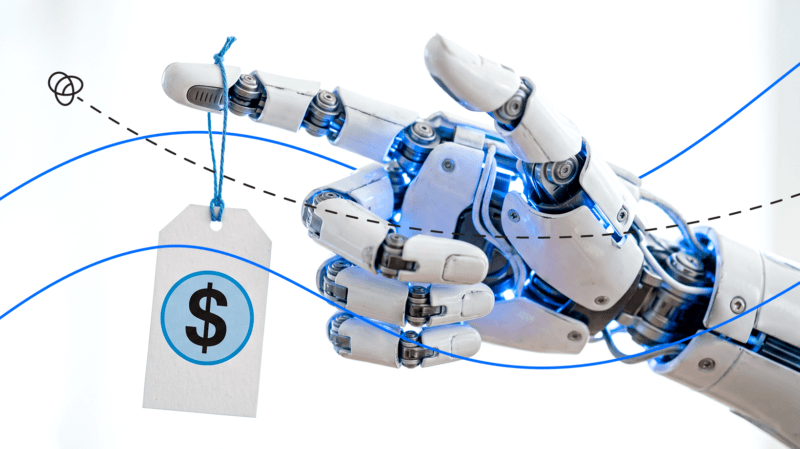
AI Pricing Strategies: How Smart SaaS Companies Price AI Features
AI has gone from being a premium product feature to a normal add-on. Everything is AI-powered nowadays, and customers are asking for such possibilities. But how do companies charge for these capabilities? And how can you charge for your own AI features? Let's discover everything together. This post was first published on eLearning Industry .
15 Jun 2026

AI schools like Alpha promise efficiency, but can’t replicate the messy process that helps kids learn
Students often learn best when they take risks and struggle to get it right, including on the playground. Jeff Gritchen/MediaNews Group/Orange County Register via Getty Images A child at a playground tries to climb, jump or negotiate with a peer, and their attempt does not work. They fall, get left out of a game or reach another impasse. Then they try again. Failure, conflict and frustration might look like a struggle, but this is often how children learn. I have spent 20 years studying digital literacy and how technology reshapes learning. My work turns on a simple question: What do people gain, and what do they lose, as society largely moves from traditional print to online learning? With this in mind, I believe that this question is growing more urgent as artificial intelligence-driven schooling gains ground. AI-powered educational programs like Alpha School , a growing private network of schools, replace much of the school day with adaptive software that adjusts lessons to each student’s pace and abilities . The pitch is personalized learning : Give each student the right material at the right moment, and they will succeed academically. The deeper you look at how children learn, the clearer it becomes that this growing brand of alternative schools might remove the discomfort that often comes with learning – taking away what matters most as kids develop. MacKenzie Price, left, the co-founder of Alpha School, meets with U.S. Secretary of Education Linda McMahon and Alpha students at the Alpha School’s campus in Austin, Texas, in September 2025. Rick Kern/Getty Images for Alpha School Welcome to Alpha Alpha School was launched in 2014 by the tech entrepreneur MacKenzie Price and the private equity billionaire Joseph Liemandt . It is perhaps the most well known of the growing list of AI K-12 schools operating in the United States. Alpha represents a particular vision of education reform – one that has caught the attention of the Trump administration. Education Secretary Linda McMahon toured its Austin, Texas, campus in 2025, and first lady Melania Trump invited an Alpha student as her guest to the State of the Union address in 2026. Alpha operates more than a dozen campuses across major cities like New York and Miami. Annual tuition ranges from about US$40,000 to $75,000 per year , depending on the school’s location. Students learn core subjects like math, reading, science and social studies from adaptive AI software for one to two hours a day. Students spend the rest of their time in workshops on topics like public speaking, coding, outdoor education and other projects. Their sessions are led by adults – typically not accredited teachers – whom the school calls guides. There are other similar schools, including Unbound Academy , a tuition-free Arizona charter; and Novatio , a virtual private school. These are separate from Alpha in name, but they share overlapping leadership and online programs. The Alpha model promises parents that they can get the right material to the right student at the right moment, confirm mastery and move on to other things that might have more relevance in the real world. But delivering content efficiently is not the same as understanding how learning happens. Decades of research suggests that effective learning is not always efficient. Alpha says its students received higher standardized test scores than their peers attending non-AI schools. Those numbers come from Alpha’s own internal data and have not been independently verified. A 2026 investigation by the independent 404 Media news organization found that the school’s AI-generated lesson plans were poorly constructed and often illogical, raising questions about student growth. But the deeper problem may not be whether the numbers are accurate; it is what the numbers cannot reflect. What struggle is for Cognitive psychologist Robert Bjork studies how when a student struggles to recall an answer before being instantly given the answer, this learning helps cement their knowledge. Developmental psychologist Jean Piaget described something similar. Children learn when the world does not behave as they might expect . So when a child, certain that a tall, thin glass holds more water than a short, wide one, pours the liquid back and forth and discovers their misjudgment, this helps them gain a clear understanding of what is happening before their eyes. School is also where children learn who they are and what they are passionate about and believe in, often with the help of other people. Psychologist Lev Vygotsky argued that a child’s development is fundamentally social . A student’s understanding of particular subjects forms in collaboration with teachers, peers and the daily friction of being one mind among many. Alpha’s students spend time with adult guides and other students on collaborative projects, but the bulk of the academic learning itself happens largely alone at a screen. Child psychoanalyst Erik Erikson mapped childhood as a sequence of stages in which children work out not just what they know, but who they are as people. These are not lessons you complete in an app. They are learned among friends and classmates. AI-powered schools offer parents and students the promise that they can condense their learning into short windows of time, with a tailored approach that meets their needs. Krongkaew/iStock Photos/Getty Images What an app cannot teach The limits of AI learning have shown up in one of the most ambitious recent attempts to have kids learn from an AI tutor. In 2023, Khan Academy, a nonprofit online site that offers free learning, launched Khanmigo . This AI chatbot is designed not to hand students answers, but to coach them toward understanding. Its founder, Sal Khan, initially described the goal as giving every student access to something like a personal tutor . But Khan Academy describes Khanmigo in more modest terms than it once did . Khan Academy now says Khanmigo is meant to be used with adult supervision. An AI bot can prompt, explain and guide, but it cannot replace human teachers who notice confusion on a student’s face. Chatbots see when a student answers a question incorrectly. But curiosity, resilience, belonging and the slow work of figuring out who you are cannot show up on a dashboard. The risk is not that these schools are bad at producing high test scores and other metrics. It is that they optimize for the part of childhood that fits on a chart and let the rest become an afterthought. When critics raise these concerns , AI schools counter that a human adult is present as students complete lessons with an AI bot. But presence is not participation. What this model may lack is the thing those humans are supposed to provide. Conversation, challenge and being known by others are what makes school more than a place to absorb content. A tool is not a school None of this means AI can’t help children learn. But a child on a playground learns because she falls and tries again and again, in front of people who notice. That may not be something an AI model can deliver in two hours a day. A question worth sitting with is not whether these schools work, but what people are willing to trade for the parts of AI learning that might work well. W. Ian O'Byrne receives funding from the U.S. National Science Foundation as part of the AI Cyberpathways grant. He is Director of the Initiative for Literacy in a Digital Age.
15 Jun 2026
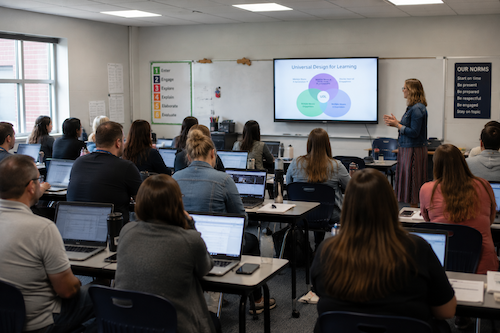
Maybe we have too much teacher training
This piece originally ran on LinkedIn and is republished here with permission. Key points: It’s critical for districts to examine what kind of teacher training they’re buying Tips, tools, and truths: Making PD meaningful in today’s classrooms A new PLC model that builds collective efficacy and fights teacher burnout For more on teacher development, visit eSN’s Educational Leadership hub “Maybe we have too much teacher training.” That headline is a sentence I never thought I’d write, given that I run a company built around supporting teachers’ professional growth. But it has been sitting with me since I read the latest Education Scorecard report. The Education Scorecard is a research project led by economists at Dartmouth, Harvard, and Stanford. Their latest release cuts against the conventional story about American student achievement. The decline in student achievement did not start with the pandemic. It started around 2013. NAEP reading and math scores in grades 4 and 8 gained roughly two grade levels from 1990 to 2015, then began to unwind. By the time COVID hit, the slide was already underway. The report points at two possible causes: the rollback of federal accountability after No Child Left Behind and the rise of social media use among school-aged children. The researchers are careful. They do not claim either is a proven cause. The Scorecard is mostly a diagnostic, not a prescription. But here is what struck me: During the period the data shows decline, U.S. school districts did not pull back on professional development spending. Estimates from TNTP and others have put district PD investment at roughly $18,000 per teacher per year. The training calendar did not shrink. The funding for federal PD programs like Title II-A held, at least in nominal terms. We spent more on developing teachers over the past decade, and student outcomes fell anyway. To be certain, I am not suggesting that PD caused the decline. But the facts do raise an uncomfortable question: If more training money did not move the needle, what kind of training were we buying? Here is what I think the answer is: The K-12 field defaulted, over a long time, to a training-event model of professional development. Workshop days. Summer institutes. Conference attendance. Online modules that teachers complete in a tab they do not return to. None of those are bad in themselves. But none of them are the thing that actually changes what happens in a classroom. Research on PD effectiveness has been remarkably consistent on this point for decades. Joyce and Showers showed in the 1980s that workshop training, by itself, transfers to classroom practice somewhere around 5 percent of the time. Add structured follow-up conversations about the teaching practice in classrooms (a.k.a. a “coaching conversation”), and that number climbs to roughly 90 percent. The variable that matters is not whether the training happened. It is whether anything happened after the training. I want to be careful here. I am not pointing a finger at any specific district. Most district and instructional leaders are working inside real constraints like shrinking budgets, federal funding uncertainty, and state-level cuts. And within those constraints, leaders are making the best decisions they can. The pattern I am describing is a field-wide default, not a leadership failure. We collectively built a training-event system because it was scalable and measurable in the metrics we had. It just was not the same thing as teacher learning. This is part of why the current fight over Title II-A matters. Title II-A is the federal program that represents the only direct federal investment in educator professional learning, at roughly $2.19 billion annually. The current administration’s budget proposes to consolidate and cut it. Learning Forward and more than 100 education organizations are pushing Congress instead to increase Title II-A by 10 percent. I support that push. The argument should not be whether to fund teacher development. We absolutely should. The argument should focus on what kind of development we are funding. The most actionable part of the Scorecard is not the diagnosis. It is the recovery section. Roughly 108 districts have posted real gains in both math and reading since 2022. The Scorecard authors wrote a case study on District of Columbia Public Schools (DCPS) , which is one of them. DCPS reading achievement for grades 3 through 8 now exceeds 2018 levels by about half a grade level. Two specific levers stood out in that case study: (1) DCPS adopted a proprietary K-5 English curriculum, and (2) DCPS paid teachers stipends to complete specialized literacy training. I want to be honest about what the DCPS case can and cannot teach us. DCPS has a budget that allows for meaningful teacher stipends. Most districts I know do not. That is a real constraint, and I do not want to skip over it. The replicable lesson is not DCPS’s budget. It is the principle underneath it. Investing in what happens after the initial training is the variable that matters. DCPS bought it the way it could afford to. Most districts will have to find a different way. Here is the part I think is genuinely new. For the first time, that different way of investing in regular, ongoing support is available to any district. We are at a point with AI-enabled PD tools where ongoing, between-session support for every teacher is becoming possible at a sustainable cost. I’m not talking about another workshop, webinar, or asynchronous course that gets opened once. I’m talking about actual coaching infrastructure that is reflective, structured, continuous, and available without requiring every school to add more coaches to a budget that does not have room for one. That shift to using AI systems within PD is going to take some adjustment for our field. We have spent decades optimizing for in-person training events because that is what scaled. Now something else does. The question for district and instructional leaders is which side of that shift to be on, and what to start protecting in your existing PD budget so the next dollar funds learning rather than another event. So back to where I started. Maybe we do not have too much teacher training. Maybe we have too much of the wrong type of teacher training. Either way, the field’s default has been events. The recovering districts are showing what happens when that default changes. The encouraging news is that the change is now affordable in ways it was not five years ago. What is the lever you have in your district to flip the ratio?
15 Jun 2026
Some Student Data Should Never Become Digital
By: Charles Fadel, Center for Curriculum Redesign Adapted from “ Cognitive Security Architecture for Student Learning Data ” Schools have been capturing student data for decades, and eventually will also use new applications such as Intelligent Tutoring Systems (ITS) that can adapt to each student’s pace, performance, and learning needs. But the key question becomes what kinds of student data they create, how long that data persists, and whether some information about a child should ever be digitized at all. Student data is no longer limited to grades, attendance, test scores, or assignment completion. Modern learning systems can observe response times, hesitation patterns, engagement signals, repeated errors, abandoned tasks, and changes in behavior over time. From those signals, systems may infer far more sensitive conclusions: cognitive difficulty, emotional state, personality traits, anxiety risk, motivation, confidence, persistence, and other psychological characteristics. That is where the line must be drawn. The danger is not only a data breach, but a malevolent state that wishes to influence student development at scale, or freelance hackers. Breaches matter greatly, but they are not the only problem. A student profile can be collected lawfully, stored securely, and accessed only by authorized parties—and still be harmful. The harm also lies in the existence of a persistent, queryable psychological record of a child. Children are not fixed objects to be classified. They are developing people. A label assigned at age nine can follow a student long after it has stopped being accurate. “Low engagement,” “anxiety-prone,” “poor executive function,” or “high cognitive difficulty” may begin as internal system inferences, but they can shape teacher expectations, intervention pathways, parent perceptions, and eventually the student’s own self-concept. That is why the most important design question is not simply “How do we secure the database?” It is: “Should this information be in a database at all?” The distinction between digital and analog records is therefore critical. Some information can reasonably be stored digitally, with strict limits: learning progress, pacing, and short-term engagement data needed for instruction. Other information should be session-only, meaning it may support immediate scaffolding but should not persist across time. And the highest-risk categories—emotional state, personality traits, anxiety or risk profiles—should not be digitally derived or stored. If such observations are needed, they belong with the teacher, in human judgment, and in analog form. This is not nostalgia for paper or Luddite behavior. It is risk management. A paper note in a teacher’s notebook is limited by design. It is not easily aggregated, queried, sold, copied into another system, merged with external data, or decrypted years later. It ages with context. It remains tied to professional judgment rather than automated classification. A digital record, by contrast, is durable, searchable, portable, and vulnerable to future uses no one can fully predict today. The following table, extracted from Cognitive Security Architecture for Student Learning Data offers a practical boundary between acceptable digital learning data and sensitive student information that should remain analog. Proposed Inference Taxonomy for Student Learning Data Source and ©: Center for Curriculum Redesign Inference Category Educational Purpose Psychological Risk Permissibility Retention / Modality Learning progress Grade-level tracking, pacing Minimal Permitted Digital, encrypted; enrollment + 5 yr Session engagement Adaptive content delivery Low Permitted Digital, federated; 12-24 months rolling Learning-style classification Personalized pedagogy Moderate (label crystallization risk) Conditional Digital, federated; 36 months, annual review Cognitive-difficulty profiling Scaffolding, intervention triggers Moderate-High (diagnostic labeling) Restricted Session-only digital, analog-only beyond session unless clinical consent Emotional-state inference Engagement optimization High (prohibited under EU AI Act Art. 5(1)(f)) Prohibited Must not be derived; analog only by teacher if needed Personality-trait classification Executive Functions & Engagement Optimization Very High (identity fixation) Prohibited Must not be derived; analog only Anxiety / risk-profile inference Executive Functions Very High (psychological labeling) Prohibited Analog only by teacher; separate clinical framework if escalated The practical implication is straightforward: education systems should separate learning data from psychological profiling. A tutoring system may need to know that a student has not mastered fractions. It does not need to infer that the student is anxious, impulsive, disengaged, or low in persistence. The first supports instruction. The second risks turning a temporary developmental moment into a durable identity label. Digital systems should therefore be built around data necessity, short retention, and strict inference boundaries. They should collect only what is needed for learning, retain it only as long as necessary, and block categories of inference that are too personal to justify. For the most sensitive observations, the safest architecture is not stronger encryption. It is non-digitization. The point is not to reject intelligent tutoring or personalized learning. The point is to keep personalization educational rather than psychological. Students deserve support without becoming permanently profiled. They deserve learning systems that adapt to what they need today without building dossiers about who they supposedly are forever. All student data should be protected. Some should expire. And some should never become digital in the first place. The post Some Student Data Should Never Become Digital appeared first on Getting Smart .
15 Jun 2026
Higher Education Is Asking the Wrong Question About AI
Higher education institutions should stop asking which artificial intelligence (AI) tool to buy and instead develop an integrated "AI for operations" architecture to execute end‑to‑end institutional processes effectively.
15 Jun 2026

I Built an AI Grading Tool. Then a Student Thanked Me for Words I Didn’t Write.
Two school days. That’s all it took. In 2024, I chaperoned field trips two days in a row, for two different grade levels, and came back to roughly 450 ungraded assignments. I knew what to do, I’ve done it before, mark them credit or no credit and move on. Students get something out of that. They did the practice. But if any of them were practicing it wrong, nobody catches it, nobody tells them, and the misunderstanding rides along into the next unit. That pile of work led me to build an AI grading assistant. And this past April, I removed its most automated feature: the one that could return an AI-generated grade and comment to a student before I had reviewed it. Building that feature was easy to justify. Removing it taught me which part of grading a teacher can’t hand off. Most of what students turn in to me isn’t a clean essay. I teach engineering, and my students submit designs, schematics, code, and photos of physical work. That’s part of why many teachers I know still don’t grade with AI. They’ll use it to scaffold a unit or soften an email to a parent, but grading with it usually means pasting work into a chatbot one assignment at a time, which is so slow I can grade it faster myself. So, I built my own tool. I teach mechatronics, and if mechatronics teaches you anything, it’s that efficiency matters. You optimize the system and eliminate friction. I brought that mindset to the product I built, and the logical endpoint was auto-return. The AI could evaluate the work, draft the grade and comment, and send it back to the student without another click from me, late submissions included. I had spent hours tuning it to grade against my assignment, handouts, instructions, and rubric. Then a student came up to me one day, happy about the encouraging comment on an assignment. The comment had motivated him to redo the work and resubmit it. When AI Takes Control The problem was that I didn’t write the comment. I hadn’t even seen it. If it had passed by my eyes and I’d confirmed it, edited it, or decided it belonged there, this would be a different story. But in that moment, the student thought the encouragement came from me, and I wasn’t actually in the exchange. Nothing about the feedback was inaccurate. That almost made it harder to explain. After more than two decades in a classroom, I couldn’t put words to what felt wrong. I just knew it did. The issue wasn’t whether AI could draft useful feedback. It could. The issue was whether a student should receive a teacher’s judgment when the teacher hadn’t made one. So, I removed auto-return, and the automatic grading of late work went with it. What replaced it is a review dashboard: the AI drafts every grade and comment against my rubric and lays it out in front of me. I can edit, override, reject, or return the feedback in one pass. It’s still fast. But now my eyes and my judgment touch every grade before a student sees it. That changed how I think about human review. It can’t mean glancing at a score and clicking approve. It must mean checking the student’s work against the rubric and owning the result. The software can propose a judgment. It cannot own one. Policy is starting to move the same way. New York City’s public school guidance now says AI must not replace educator decision-making, and other states are weighing rules on human review and student data. The rules will keep changing. The principle shouldn’t; a student’s grade needs a person who is accountable for it. When I walked one of my administrators through the tool, what he liked most wasn’t the time savings. It was that it requires a rubric. Teachers write rubrics for big projects, but the daily, low stakes work rarely gets one, and that’s exactly the work that gets marked credit or no credit and never comes back with feedback. The trade runs both ways: students get clearer expectations up front and comments on work that used to get a checkmark. He had two concerns, both fair. Parents and students should know when an AI-assisted tool is grading, so it belongs in the syllabus. And if a student contests a grade, the teacher should re-grade it by hand. We agreed the second should happen anyway, with or without AI. Humans make grading mistakes too. My students know I built the AI tool. What they care about isn’t the technology. It’s whether the feedback is fast, the rubric is clear, and the grade is fair. A few times the tool has docked points for work it missed, almost always because a screenshot cut off the edge of the page or the writing was too faint to read. Those students came up to me, I looked at the work, and I gave the points back. I want that. A grade should be something a student can question. What surprised me is that a student will challenge the AI long before he’ll challenge me. A kid will walk right up and say, “The AI got this wrong, I should have full credit.” That same kid won’t tell me, to my face, that I made the mistake and owe him ten points. Both of us can be wrong, but the machine is easier to push back on than the teacher, and that’s good for the student. The grade still passes through me. The draft between us just makes it easier to speak up. If a grading system makes students afraid to challenge the result, the system is wrong. AI Grading Advice If your school is wrestling with AI grading, start with the disclosure. Don’t say “AI may be used.” Say what that means: comments and grades are drafted by AI and reviewed by the teacher. Then answer the harder questions. Where does student work go? Is it stored, or used to train models? How secure is the platform, and has anyone independent reviewed it? We are teachers, not graders. We grade, yes, but we also sit in IEP meetings, call parents, design lessons, and try to notice the student who is quieter than usual. If a grading assistant hands me back the hours I spent marking daily work, and I spend them on better lessons and better feedback, everyone wins. But when a student asks, “Why did I get this grade?” the answer cannot be, “Because the system said so.” It has to come from me.
15 Jun 2026

Hardware Upgrade
Across the United States, K-12 schools have spent the past decade building one-to-one device programs. These initiatives have established an essential baseline for digital access, making it easier for students to complete daily schoolwork across grade levels and subjects. By putting a device in the hands of every learner, districts have created a standard foundation for digital literacy, research and everyday classroom engagement. As STEM programs continue to grow and mature, however, school leaders are beginning to encounter new questions about how well those standardized devices support more advanced coursework. Pathways in fields like robotics, engineering, cybersecurity and data science increasingly rely on specialized professional applications that reach well beyond general-purpose classroom software. In many cases, students can successfully complete introductory work on school-issued devices. But as instruction progresses, the tools required for STEM programs place different demands on student computing resources. As a result, educators and technology directors are taking a closer look at how hardware capacity can keep pace with shifting curricular needs. STEM Tools and Computing Demands While web-based applications work well for introductory coursework and daily assignments, many expanding STEM pathways introduce entirely different technical requirements. Courses in engineering, 3D modeling, cybersecurity and data science rely on industry-standard applications that demand substantial local computing capacity, robust memory and dedicated graphics processing. A prime example is SolidWorks, a professional computer-aided design (CAD) platform used extensively in both higher education and engineering industries. When students build detailed, multipart models or run stress-test simulations, the performance of the device directly affects how efficiently they can work. Insufficient hardware can lead to severe rendering delays, software lag or sudden crashes that disrupt the entire classroom flow. This reality highlights a practical procurement consideration for districts: As STEM curricula mature beyond basic web-browsing activities, classroom devices must have sufficient local processing power to keep up. A Robotics Program in Practice To see how these hardware dynamics play out in a real classroom, consider the experience of the Firebots robotics team at Fremont High School in Sunnyvale, California. The team competes in the FIRST Robotics Competition, a global program where students design, build and program large robots to complete complex engineering challenges under tight, real-world constraints. The work inside a competitive robotics program closely mirrors a commercial engineering environment, spanning mechanical design, fabrication, electrical systems and software development. Students use CAD tools to design components from scratch, test digital iterations and refine mechanisms on a tight competition timeline. In robotics programs like this, student devices are not just tools for looking up information; they are central workbenches used across multiple stages of the design process . Students rely on them for modeling, code compilation, data logging, documentation and coordination among subteams. Reliable on-device performance eliminates a common source of classroom friction. When software runs consistently and responsively, students can spend their limited class time troubleshooting their designs and iterating on ideas rather than troubleshooting their devices. Ultimately, the Firebots’ systematic approach and focus on execution earned them the FIRST Excellence in Engineering Award, which recognizes strong engineering design and system integration. What This Means for STEM Instruction The experience of programs like the Firebots raises a broader question for school leaders and instructional technology directors: How should district-wide device strategies evolve as STEM instruction becomes more technically demanding? One-to-one computing programs continue to serve as the foundation for most day-to-day classroom learning, providing the baseline connectivity needed for a modern education. At the same time, STEM courses can reveal distinct moments where standardized, general-purpose devices reach the limits of demanding software and workflow requirements. In many districts, this variation is already being managed through a mix of approaches. Some schools rely on shared physical lab spaces equipped with higher-performance workstations dedicated to specialized software. Others use cloud-based streaming solutions where possible, while reserving more resource-intensive local applications for specific instructional settings. The goal is not to dismantle existing one-to-one initiatives, but to recognize where a single hardware standard may limit technical pathways. As STEM education continues to expand and diversify, school leaders find themselves balancing the competing priorities of deployment consistency, procurement cost and instructional fit. In this changing landscape, device planning is no longer treated as a separate IT purchasing decision. Instead, it is increasingly part of a larger conversation about how schools design learning environments that accurately reflect the kinds of hands-on work students are being asked to do.
15 Jun 2026

Casi el 50% de los estudiantes de inglés usa IA para resolver tareas
La inteligencia artificial ya cambió cómo estudiantes estudian inglés y se preparan para certificaciones internacionales, y el nuevo informe “Assessment Evolved: Formative Assessment in a Generative AI Era”, elaborado por Pearson , advierte que el desafío ya no es solo incorporar estas herramientas al aula, sino evaluar si realmente fortalecen la comprensión, la comunicación y el pensamiento crítico. El estudio , basado en encuestas a más de 1.000 docentes y especialistas en educación de Estados Unidos y Reino Unido, sostiene que las instituciones educativas avanzan detrás del fenómeno. Según el informe, apenas el 54% de las escuelas y el 60% de las universidades cuentan con políticas formales sobre el uso de IA. De acuerdo con el documento de Pearson, el 64% de los estudiantes ya usa herramientas de inteligencia artificial para actividades vinculadas al estudio . Entre quienes recurren a estas plataformas, el 80% afirma hacerlo al menos una vez por semana. En el aprendizaje de inglés, según el informe, la IA se volvió una herramienta habitual para practicar escritura, mejorar gramática, ampliar vocabulario, traducir textos, preparar conversaciones y resolver ejercicios. El mismo reporte señala que esa expansión convive con un riesgo: que los estudiantes dependan de respuestas automáticas sin desarrollar habilidades reales de comprensión y comunicación. Casi la mitad de los estudiantes usa IA para resolver tareas académicas Uno de los datos que el informe identifica como más sensibles es que el 48% de los estudiantes afirma usar inteligencia artificial directamente para resolver tareas académicas . A eso se suma que el 60% la utiliza para responder dudas o aclarar conceptos y el 51% para corregir o editar textos escritos, según Pearson. Ese es el punto central que el reporte pone bajo discusión: la IA ya interviene en el proceso de aprendizaje y también en la producción de respuestas que después deben ser evaluadas. Según Pearson, esa situación obliga a revisar qué métodos siguen siendo útiles para medir competencias reales. Desde Pearson sostienen: “En el aprendizaje de inglés, la inteligencia artificial abre enormes oportunidades para practicar, personalizar contenidos y recibir feedback inmediato. Pero también obliga a repensar cómo evaluar habilidades reales de comunicación, comprensión y pensamiento crítico ”. El informe indica que las evaluaciones tradicionales, como trabajos escritos, ejercicios gramaticales o actividades para completar, son las más vulnerables al uso indebido de IA generativa. En cambio, las actividades orales, las conversaciones en vivo, las exposiciones, los debates y las situaciones reales de comunicación aparecen en el estudio como formatos más eficaces para validar competencias lingüísticas auténticas . El informe propone enseñar a usar la IA en lugar de intentar prohibirla La respuesta, según Pearson, no pasa por bloquear estas tecnologías. “La solución no pasa por prohibir la IA, sino por enseñar a usarla correctamente. Bien integrada, puede convertirse en una herramienta muy valiosa para fortalecer el aprendizaje de idiomas, la práctica autónoma y el desarrollo de habilidades para el futuro”, plantean. El documento advierte que intentar impedir por completo el uso de estas herramientas puede producir el efecto contrario: estudiantes que las siguen utilizando, pero de forma invisible y sin acompañamiento docente . Por eso, el reporte propone evolucionar hacia modelos de aprendizaje y evaluación en los que el foco no quede solo en el resultado final, sino también en cómo el estudiante piensa, analiza y se comunica. Esa redefinición de la evaluación es, para Pearson, una de las consecuencias más inmediatas de la expansión de la IA en la educación. “El verdadero desafío no es evitar que los estudiantes usen IA, sino lograr que puedan usarla de manera transparente, crítica y responsable para potenciar su aprendizaje”, concluye el informe. El estudio enfatiza que la alfabetización en inteligencia artificial será una de las habilidades más relevantes para el futuro laboral y educativo , en especial en áreas vinculadas a idiomas, comunicación y trabajo global.
14 Jun 2026
The SOP Paradox In American Manufacturing
The gap between documented procedures and actual floor behavior isn't a knowledge problem. It's a habit problem. And habits form through practice in the workflow, not instruction in a classroom. Manufacturers who solve this win the next decade of operational excellence. This post was first published on eLearning Industry .
14 Jun 2026

How Learning Designers Build Technical Training That Works Across Languages And Cultures
This article outlines how a learning designer builds and executes a localization strategy specifically for technician-level training in advanced manufacturing environments. This post was first published on eLearning Industry .
14 Jun 2026

“La escuela es un espacio natural de resistencia frente a las dinámicas de las plataformas”
¿Qué significa “ saber ” en una época en que la IA puede responder casi cualquier pregunta en segundos? ¿Qué rol le queda a la escuela cuando las plataformas digitales moldean cada vez más aquello que consumimos y pensamos? Esas son algunas de las preguntas que abordan Silvia Bacher y Tomás Balmaceda en su nuevo libro, titulado Saber o no saber. El sentido de la educación en tiempos de inteligencia artificial (Paidós). Bacher es comunicadora y experta en alfabetización mediática, representante de América Latina en la Alianza Global de la Unesco para la Alfabetización Mediática e Informacional , y autora de varios libros sobre el tema. Balmaceda es filósofo, profesor de la Universidad de San Andrés e investigador del Conicet especializado en Filosofía de la Inteligencia Artificial. En esta entrevista, ambos reflexionan sobre los desafíos éticos que plantea la irrupción de la IA en educación, la necesidad de preservar la soberanía cognitiva y el papel de la escuela como un espacio de pensamiento crítico y valoración de la diversidad frente a las lógicas que imponen las plataformas digitales. –¿Qué significa “saber” cuando cualquier estudiante puede obtener una respuesta en segundos de una IA? ¿Qué saberes son valiosos hoy? Silvia Bacher: La respuesta está, de algún modo, en la bajada del título del libro: encontrar el sentido de la educación en tiempos de inteligencia artificial. Durante mucho tiempo, saber fue tener información , tener datos y, a partir de ellos, poder pensar, trabajar y mirar el mundo. Con la llegada de los buscadores, las plataformas y, más recientemente, el avance vertiginoso de la inteligencia artificial generativa, todo ese conocimiento se volvió, como suele decir Tomás, una especie de commodity . Entonces la pregunta es: ¿cuál es hoy el sentido de saber? ¿Alcanza con leer lo que aparece en una pantalla o con replicar una respuesta? No voy a dar una definición, sino una idea: saber es aprender a mirar el mundo para poder participar en él y transformarlo ; tiene que ver con ejercer la ciudadanía . La información sigue siendo necesaria, pero debe estar mediada por el pensamiento, por una mirada crítica capaz de ponderar la veracidad, la autoría y la creatividad de aquello que recibe. El desafío está en la capacidad de buscar información, analizarla y utilizarla para intervenir en la realidad. Tomás Balmaceda: Tradicionalmente, cuando nos preguntamos si sabemos algo, pensamos en ciertos criterios: que sea verdadero , que podamos justificarlo y que creamos en ello. Son las características clásicas con las que definimos el conocimiento, de Platón en adelante. Sin embargo, las tres parecen tambalear cuando hablamos de la información que produce la inteligencia artificial. Lo que termina ocurriendo es que, si el conocimiento se vuelve un commodity , también empezamos a “alquilar” el acceso a capacidades cognitivas : resumir, comparar, redactar, traducir o planificar. Accedemos a ellas de manera instantánea, pero solo mientras estamos usando ChatGPT, Gemini o Copilot. Cuando dejamos de utilizarlas, ese acceso desaparece . Tener la respuesta a un problema no significa haber comprendido el problema. Es como usar un GPS: puedo llegar a una ciudad, pero eso no implica que la conozca realmente. –¿Creen que el desafío educativo que plantea la IA es asimilable a la irrupción de tecnologías anteriores, como internet o la televisión? ¿O es más profundo, más estructural? Balmaceda: Creo que para saber si estamos ante una revolución vamos a necesitar perspectiva histórica . En el libro evitamos afirmar que esto sea algo completamente inédito o sin precedentes. Estamos acostumbrados a escuchar que cada nueva tecnología es exponencial o revolucionaria, pero todavía no tenemos suficiente distancia para saber si la inteligencia artificial generativa ocupará un lugar comparable al de internet o si será un episodio más dentro de una transformación tecnológica más amplia. Sí veo, al menos, dos diferencias importantes. La primera es la velocidad de adopción . Llevamos menos de cuatro años conviviendo con la inteligencia artificial generativa y ya ocupa un lugar central en prácticamente todas las conversaciones . Yo viví la llegada de internet, el auge de las criptomonedas o el entusiasmo por el metaverso, y ninguno de esos procesos avanzó tan rápido. La segunda diferencia es la profundidad de su impacto . La inteligencia artificial funciona como una especie de navaja suiza : sirve para resumir, comparar, redactar, traducir, planificar o programar. Por eso la discusión no se limita a la escuela. También aparece en el trabajo, en las finanzas, en el arte, en la medicina o incluso en el deporte. Todo eso me hace pensar que existen razones para sospechar que estamos frente a un cambio de una magnitud diferente. Pero solo el tiempo dirá si lo sobreestimamos o si nos quedamos cortos. Bacher: Hay algo que se repite cada vez que llega una nueva tecnología: la escuela recibe herramientas que no fueron diseñadas con fines pedagógicos y debe incorporarlas sin haber participado de su creación y, muchas veces, sin la formación adecuada. Eso ya ocurrió con otras tecnologías y vuelve a ocurrir ahora . Recuerdo que, cuando las videocaseteras y las computadoras aparecieron en las escuelas, muchos docentes les tenían miedo. A veces los equipos quedaban guardados bajo llave porque nadie sabía muy bien cómo utilizarlos o porque les daba miedo romperlos. Sin embargo, creo que el principal desafío que plantea la inteligencia artificial no es técnico, sino ético . Los problemas vinculados con la búsqueda de información, la verificación o la formulación de preguntas ya existían con internet y los buscadores, aunque ahora se vuelven más complejos. Lo verdaderamente novedoso tiene que ver con la transparencia , la responsabilidad y las decisiones colectivas sobre cómo queremos utilizar estas herramientas. Es clave comprender las transformaciones culturales en marcha para poder intervenir sobre ellas. Si no lo hacemos, corremos el riesgo de quedar paralizados mientras las grandes empresas tecnológicas toman decisiones sobre nuestros datos, nuestros perfiles y nuestros modos de vida. –Hay una brecha grande entre la cultura escolar y la cultura digital, signada por la atención dispersa, el entretenimiento y la inmediatez. ¿La escuela debe adaptarse a la lógica digital para estar “a tono” con la época? ¿O es un espacio de resistencia a las dinámicas que imponen las plataformas? Balmaceda: La lógica de las plataformas y de la inteligencia artificial generativa está asociada a la eficiencia , la optimización y la permanencia . Son sistemas diseñados para mantenernos conectados , para anticipar nuestras necesidades y para que pasemos cada vez más tiempo dentro de ellos. Pero esas no son lógicas propias del aula . Nadie pensaría una escuela en términos de eficiencia máxima o de retención permanente de usuarios. Por el contrario, la educación requiere tiempo, reflexión y elaboración . Durante siglos asociamos la inteligencia con la capacidad de pensar, de detenerse, de considerar alternativas. Hoy, en cambio, la inmediatez parece haberse convertido en un valor en sí mismo. Creo que la escuela tiene un papel natural como espacio de resistencia frente a estas dinámicas . No en el sentido de rechazar la tecnología, sino de ofrecer un ámbito donde sea posible pensar más despacio , cuestionar las respuestas automáticas y construir criterios propios en lugar de aceptar de manera acrítica lo que una plataforma nos devuelve. Bacher: Y también como un espacio de resistencia a la homogeneización . Las plataformas en general, y la inteligencia artificial generativa en particular, tienden a empujarnos hacia ciertos comportamientos, consumos y formas de pensar. La escuela, en cambio, debería ser el lugar de la diversidad . La gran riqueza de la humanidad es la diversidad de culturas, de lenguas, de generaciones, de experiencias y de miradas. Por eso la tarea de la escuela pasa por fortalecer la subjetividad, la capacidad de actuar, la escucha y el reconocimiento del otro . En un contexto de creciente polarización, donde muchas veces todo parece reducirse a posiciones binarias, la escuela tiene que seguir siendo un espacio para el encuentro con la diferencia . Estamos atravesando un momento de transición. La inteligencia artificial aparece cada vez más integrada en buscadores, aplicaciones de mensajería, correos electrónicos y muchas otras herramientas que usamos todos los días. Pero todavía estamos a tiempo de reflexionar críticamente sobre ese proceso y de evitar una fascinación acrítica frente a respuestas que muchas veces ni siquiera solicitamos . –En el libro marcan la importancia de la soberanía cognitiva. ¿Qué implica hoy ese concepto, en un entorno digital que suele decidir por nosotros a qué le prestamos atención? ¿Cómo puede contribuir la escuela a fortalecer la capacidad de elegir? Balmaceda: Podemos definir la soberanía cognitiva como la capacidad de decidir cuándo delegar y cuándo no delegar nuestros procesos mentales. Implica utilizar herramientas tecnológicas sin volvernos dependientes de ellas . No se trata de rechazar la tecnología, sino de conservar la capacidad de formular preguntas propias, evaluar respuestas, detectar errores y construir criterios. Una persona con soberanía cognitiva puede usar inteligencia artificial todos los días y, aun así, seguir siendo autora y responsable de su propio pensamiento . Y esa soberanía no es únicamente individual. Para desarrollarla necesitamos instituciones que la sostengan: escuelas que fomenten el pensamiento crítico, universidades capaces de revisar sus programas y prácticas, empresas que diseñen herramientas no orientadas a generar dependencia y Estados que garanticen condiciones de transparencia y regulación. La autonomía nunca es una tarea puramente privada; es, en gran medida, una construcción social. –Las respuestas a muchos de estos desafíos pasan por fortalecer las capacidades críticas. Pero ¿alcanza con la alfabetización mediática? ¿Cómo evitar que toda la responsabilidad recaiga sobre los usuarios cuando los problemas también están vinculados con el diseño de las plataformas? Bacher: Estamos convencidos de que estos desafíos solo pueden abordarse desde construcciones colectivas . Es una de las ideas que atraviesan el libro. Con frecuencia se responsabiliza a la escuela de problemas que en realidad involucran a toda la sociedad . Se les reprocha a los docentes que no usan determinadas tecnologías, que no saben cómo evaluar con inteligencia artificial. Pero muchas veces esas críticas ignoran que no existieron políticas públicas sostenidas , procesos de formación adecuados ni regulaciones que permitieran a las escuelas asumir esos desafíos en mejores condiciones. Por eso me parece importante reconocer el enorme trabajo de tantos docentes y escuelas que, aun en contextos adversos, se forman, experimentan y construyen redes . La escuela tiene responsabilidades, por supuesto, pero no puede ser la única responsable. Lo que ocurre dentro de las aulas refleja transformaciones más amplias : cambios en la familia, en el trabajo, en las identidades, en los modos de vincularnos y de acceder a la información. Al mismo tiempo, la escuela tiene una oportunidad extraordinaria porque sigue siendo uno de los pocos espacios dedicados al encuentro con otros . Frente a dinámicas digitales que muchas veces promueven el aislamiento o la segmentación, la escuela ofrece experiencias de diálogo, convivencia y construcción colectiva . En ese sentido, la alfabetización mediática e informacional (AMI) resulta especialmente valiosa porque parte de una premisa fundamental: nadie puede desentenderse de estos problemas . La responsabilidad alcanza a las empresas tecnológicas , que deben ser más transparentes respecto de sus algoritmos y del uso de los datos; a los Estados , que tienen que desarrollar políticas y regulaciones adecuadas; a los sistemas educativos ; a los medios de comunicación ; y también a quienes hoy producen contenidos e información en las redes . –En este contexto atravesado por la inteligencia artificial y por profundas transformaciones culturales, ¿qué capacidades les parecen fundamentales para ejercer la docencia? ¿Qué caracteriza a un buen docente hoy? Bacher: Lo primero que diría es que ya no podemos pensar al docente como una figura aislada . Los cambios que requiere la escuela son mucho más viables cuando existe un trabajo institucional , con equipos docentes y directivos que comparten experiencias y construyen respuestas colectivas. En segundo lugar, aunque parezca una obviedad, un buen docente tiene que conocer profundamente su disciplina . A eso le sumaría la disposición a experimentar y a escuchar . Experimentar con nuevas herramientas, estrategias y formatos. Y escuchar a los estudiantes para comprender cómo viven este tiempo, qué hacen con la IA, qué preguntas tienen. También me parece fundamental trabajar desde la ética y la transparencia . Poder construir acuerdos claros sobre cuándo, cómo y para qué se utiliza la inteligencia artificial. La pregunta de fondo sigue siendo qué queremos que aprendan los estudiantes : si simplemente queremos que obtengan respuestas o si queremos que desarrollen la capacidad de pensar y actuar sobre la realidad. La escuela es uno de los pocos espacios donde los chicos pueden experimentar que son capaces de comprender el mundo y transformarlo . Y eso es especialmente importante en una época en la que muchos sienten que no tienen futuro o que sus acciones no pueden cambiar nada. Balmaceda: Yo lo resumiría en dos palabras: curiosidad y criterio . Curiosidad para explorar estas herramientas sin prejuicios. Creer que la inteligencia artificial resolverá todos los problemas me parece tan problemático como pensar que debería prohibirse por completo. Un buen docente necesita mantener abiertas las preguntas y seguir investigando qué posibilidades ofrecen estas tecnologías y cuáles son sus límites. Y criterio para decidir cuándo usarlas, cuándo no y con qué propósito . Quien conoce profundamente su disciplina y entiende el sentido de su tarea pedagógica está en mejores condiciones de evaluar qué lugar puede ocupar la inteligencia artificial en el aula . La lógica de la educación no es la misma que la de una empresa tecnológica: entender esa diferencia es una parte central del trabajo docente hoy.
14 Jun 2026

Explore The Future Of eLearning: Smart Ways Digital Education Is Transforming Learning
eLearning is transforming modern education through flexible, personalized, and interactive digital experiences that support learners anytime, anywhere. This post was first published on eLearning Industry .
13 Jun 2026

Why Enterprise Software Rollouts Underperform—And What L&D Can Do About It
More than half of digital initiatives miss their targets—not because the software fails, but because adoption does. Here's the framework L&D teams need to close the gap between go-live and genuine behavior change. This post was first published on eLearning Industry .
13 Jun 2026

The unconstitutionality of abolishing Kashmiri refugee seats
In the charged political landscape of Azad Jammu and Kashmir (AJK), the Joint Awami Action Committee (JAAC)’s core demand to abolish the 12 reserved seats for Kashmiri refugees in the legislative assembly strikes at the heart of constitutional governance, historical justice, and the enduring Kashmir cause. These seats, constitutionally entrenched under Article 22 of the AJK Interim Constitution 1974, are not mere administrative privileges or tools for “electoral engineering,” as JAAC alleges. They represent a solemn recognition of the displaced Kashmiri population’s integral role in the state’s polity. Any attempt to abolish them — whether through executive fiat, street pressure, or even hasty legislative action — stands on shaky constitutional ground and risks violating fundamental rights and principles of state policy as guaranteed by the AJK Constitution. While the AJK Supreme Court, recognising the situation, issued in haste its 32-page advisory opinion in response to a presidential reference under Article 46-A, it correctly affirmed that these seats enjoy constitutional protection and cannot be altered, abridged or abolished through executive action. However, in an exceptional concession, the Court stated that such abolition is possible through a formal amendment under Article 33. Most humbly, the opinion arguably errs in its framing by implying that this remains a viable path open to the Assembly, for a variety of tangible reasons. To understand the argument, one has to accept that the constitution grants refugees equal status with local Kashmiris, defining both as “state subjects”. The 12 refugee seats — typically allocated as six for Jammu and six for the Kashmir Valley refugees settled in AJK and Pakistan post-1947 — trace their roots to electoral arrangements dating back to 1960, reinforced in 1964 and 1970, and explicitly incorporated into the 1974 Interim Constitution. Article 22 delineates the composition of the Assembly, embedding these seats as a structural feature alongside directly elected constituencies. This was no afterthought; it reflects the indivisibility of the Kashmiri nation across the Line of Control. Refugees and their descendants are not outsiders but state subjects who fled persecution and continue to embody the unresolved dispute. Equality before the law The Court’s observation that refugees are state subjects is accurate but incomplete. As state subjects under the Constitution, all Kashmiris (refugees or otherwise) enjoy equality before the law and non-discrimination as fundamental rights. Article 4 of the Constitution further dictates that any law, custom or usage inconsistent with these rights shall be void. Abolishing dedicated representation would disenfranchise a distinct class of citizens on the basis of their migratory history and origin — precisely the kind of differentiation the ocnstitution guards against. Such action would contravene the principles of policy laid down in Article 3 of the constitution, which mandate that the state promote social justice, protect vulnerable groups, and ensure equitable participation by discouraging parochial and similar prejudices. Refugees, having endured displacement, do not forfeit their political voice; rather, the constitution affirmatively protects it as a fundamental right. Accordingly, any legislative move to abolish the refugee seats, even if procedurally compliant with Article 33, would invite judicial scrutiny under the doctrine of basic structure or implied limitations on the amending power and would be constitutionally void. Abolishment of these seats would disrupt the delicate balance the AJK constitution strikes between local representation (predominantly 33+ seats from AJK territories) and the broader Kashmiri diaspora’s voice. The Supreme Court rightly noted the historical lineage, but its opinion could have gone further in underscoring that these seats are not discretionary quotas subject to majoritarian whims. They form part of the basic structure of representation in a disputed territory whose final status remains pending. The constitution of AJK is distinct in its form: while it exercises territorial jurisdiction over Azad Jammu & Kashmir (pending final solution to the Kashmir issue as per UN dictates), its personal jurisdiction extends over all Kashmiris (as per the 1927 borders of the erstwhile State of Jammu & Kashmir). Accordingly, treating the refugee seats as mere perks and privileges and abolishing them via amendment ignores the constitutional framework which prioritises the liberation and unity of the entire former State of Jammu and Kashmir. Such an amendment would amount to a constitutional fraud on the foundational compact that AJK embodies as a liberated zone. Courts worldwide, including in Pakistan’s jurisprudence, have struck down amendments that erode fundamental features like representation, equality before the law and minority protections. Abolishment would set a dangerous precedent The AJK Supreme Court’s advisory stance, while providing an immediate solution, underplays this substantive barrier: fundamental rights and policy principles bind the Assembly itself. It cannot, in the name of “local grievances,” marginalise a community integral to the state’s identity. Notwithstanding the moral and political issues involved, such an action borders on unconstitutionality. While advisory opinions are not binding, they carry their own interpretive legal weight; hence, a review may be in order on the stated grounds. The JAAC’s portrayal of these seats as mere privileges doled out to Kashmiri refugees outside territorial AJK overlooks constitutional, demographic and historical realities. Refugee voters, though dispersed, maintain legitimate stakes. Their elimination would not enhance democracy but contract it, potentially violating the right to effective political participation by marginalising refugees, who are considered a protected class in international law. Beyond domestic law, the protected status of refugees is firmly anchored in international instruments. The 1951 Refugee Convention and 1967 Protocol, along with customary international law, prohibit measures that exacerbate vulnerability or deny political and socio-economic rights to displaced persons. Kashmiri refugees specifically embody a collective claim tied to self-determination under UN resolutions on Kashmir. Marginalising their legislative voice through abolition constitutes a form of constructive denial of rights — an offence against international humanitarian norms and Pakistan’s consistent diplomatic stance. Seen in this light, JAAC’s agitation not only crosses into unconstitutionality when it demands erasure of this protected representation, but also mirrors a rising far-right agitational group bent upon marginalising a protected community. Beyond the AJK Supreme Court’s opinion, which rightly rejects executive capitulation to protests and agitation, affirming that constitutional amendments are not concessions to be wrested, thus confirming the universal principle of what falls within the ambit of peaceful assembly or not. Abolishment would set a dangerous precedent: politicising displacement, eroding minority-like protections, and inviting legal challenges while narrowing the Kashmir issue. It would betray the sacrifices of 1947 and undermine AJK’s legitimacy as a beacon for the oppressed Kashmiris across the divide. Policymakers, jurists, and citizens must reject this demand not as a political concession, but as a matter of constitutional imperative, fundamental rights, and international obligations. In upholding the refugee seats, the AJK government is reaffirming that Kashmir’s struggle is holistic — one people, one destiny. Deeper introspection of the core demand reveals that it is not about perks and privileges but about fundamental rights and protection thereof. While one may rewrite parts of the constitution, they cannot erode guaranteed rights. The Assembly, if it ever contemplates change, must do so with utmost caution, lest it commit a constitutional and moral offence against its own displaced brethren as well as the cause. Header image created with Generative AI
13 Jun 2026

Una mujer denunció a OpenAI porque ChatGPT indujo al suicidio a su hija
La IA puede ser un arma de doble filo.
12 Jun 2026
Mother sues OpenAI in US after daughter’s death linked to ChatGPT use
The lawsuit accuses OpenAI of failing to intervene despite warning signs in daughter's ChatGPT conversations
12 Jun 2026
How Ventura College Scaled Faculty AI-Readiness Through Communities of Practice
Artificial intelligence promises big gains for faculty in higher education, including greater efficiencies and elevated learning outcomes. To realize the wins, professors need to get up to speed on the tools. While many are experimenting on their own, some institutions are taking steps to accelerate that learning. At Ventura College, a California community college, leaders recently stood up communities of practice around AI use. A CoP brings together individuals with a shared interest in a topic or technology; in this case, AI. The group then works together to learn more about the topic or…
12 Jun 2026
Deepfakes in Education: Cyberbullying in the Age of AI
In a K–12 setting, deepfakes hold a lot of power. These falsified images or videos, virtually impossible to identify with an untrained eye, can be wielded to harm educators’ reputations, cyberbully vulnerable students, and blackmail individuals and schools. With artificial intelligence image generation, the problem is growing rapidly. Super-realistic images can be created quickly and deployed easily, creating a concerning scalability. Faced with the malicious use of AI-generated images — both of students and school officials — leaders must redouble their efforts around deepfake detection,…
12 Jun 2026
CTEM Offers a Better Way to Manage Cyber Risk in K–12
Lately, school-related data breaches seem to keep coming. PowerSchool and Canvas made major headlines this year. Countless smaller incidents may not hit the news, but they disrupt instruction and expose sensitive student data just the same. For K–12 IT leaders, threats to their district are inevitable. The question is whether their teams will be ready when those threats materialize. After years of conducting maturity assessments, working alongside district security teams and witnessing the aftermath of incidents, we can say with confidence that most districts aren’t there yet — not because…
12 Jun 2026
Thought Leader Q&A: Exploring Decision Discipline, Accountability, And High-Pressure Leadership With Ray Resendez IV
This Thought Leader Q&A features ELB Learning's Ray Resendez IV, who offers insights on how organizations can cultivate sustainable leadership transformation with measurable outcomes. This post was first published on eLearning Industry .
12 Jun 2026

Colleges hit in cyberattack by group behind Canvas breach, Google says
Dive Brief: Dozens of higher education institutions may have been hit by another attack from the cybercrime group behind the May hack against Canvas, according to the Google Threat Intelligence Group and cybersecurity firm Mandiant. From May 27 and June 9, the group ShinyHunters potentially gained access to the systems of over 100 organizations by targeting the Oracle PeopleSoft software suite . A majority of them are based in the U.S., and 68% are within the higher education sector, GTIG and Mandiant said in a post Thursday. ShinyHunters twice gained unauthorized access to Instructure’s Canvas learning management system last month , disrupting final exam season at colleges nationwide . Dive Insight: Oracle's PeopleSoft is a wide-ranging software suite that organizations often use for human resources management and financial operations. GTIG and Mandiant, both of which are Google units, said several institutions targeted by ShinyHunters successfully blocked the hack or fixed the vulnerabilities in Oracle's software. But others had their data stolen and published on the group's website. The University of Nottingham, in England, confirmed the following day it had suffered a cybersecurity breach during which a threat actor accessed "a significant amount of data in our student record system." In an email to students, the university said it was still working to assess which data had been accessed. But it was "operating on the precautionary assumption" that the breach included names, email addresses, university IDs and students' course information, as well as some financial and insurance information, according to a copy of the email published by Politics UK. ShinyHunters has claimed credit for the hack. Some of the breached organizations have since received extortion demands , according to tech website Bleeping Computer. On June 10, Oracle released a security alert about the vulnerability ShinyHunters exploited, but the company did not confirm if any of its software users had already been breached. Oracle did not immediately respond to questions Friday. Colleges are a prime target for cybercriminals, both because they hold vast troves of student and employee data and because their systems typically have a massive number of users that turn over regularly. In the Oracle and Instructure hacks, ShinyHunters gained access to data through system vulnerabilities at companies with whom colleges contracted — another big risk facing higher education. The Canvas breaches affected hundreds of institutions and exposed personal information such as users’ names, email addresses, student ID numbers and messages, ShinyHunters alleged . The hack came at the tail end of the spring semester and forced many colleges to take Canvas offline amid finals and grading. ShinyHunters set a May 12 deadline for Instructure to reach an agreement with the group or risk the data being leaked. The day before the deadline , Instructure announced it struck a deal to have the stolen data returned . According to cybersecurity experts, the company’s deal appears to involve a ransomware payment, against the guidance of the FBI . Instructure CEO Steve Daly later acknowledged th e "enormous" effects the abrupt loss of Canvas access had on colleges and K-12 schools . The goal moving forward is "to develop a clear playbook for how we collectively secure our environments and, should something happen that affects system availability, have a redundant ecosystem that our community can rely on," he said in a May 26 statement.
12 Jun 2026
Microsoft Discovery Platform Brings Agentic AI to Scientific Research
Microsoft has moved its Discovery platform into general availability, calling the service a production-ready environment for scientists and researchers that want to apply AI agents.
12 Jun 2026