Woodside sees LNG, oil sales rising 50% as investments from US to Australia pay off
18 Jun 2026
India’s university rise broadens beyond IITs, but internationalisation lags
More than half of India’s ranked universities improved their position in the QS World University Rankings 2027 , with 18 institutions achieving their highest-ever positions as gains increasingly spread beyond the country’s elite Indian Institutes of Technology (IITs). The rankings feature 52 Indian universities, up from just 14 a decade ago, making India the world’s fifth most represented higher education system behind the US, UK, mainland China and Germany. Over the past decade, India’s presence in the rankings has grown by 271% – the fastest proportional increase of any G20 nation. Some 26 Indian universities improved their position this year, nine remained stable, 15 declined and two entered the rankings for the first time. At the top of the table, IIT Delhi climbed to 118th globally, matching the highest position ever achieved by an Indian institution, a record previously set by IIT Bombay in 2025. IIT Bombay ranked 134th, followed by IIT Madras at 170th, IIT Kharagpur at 205th, and IIT Kanpur and IISc Bangalore, which were jointly ranked 221st. University of Delhi remained India’s highest-ranked non-STEM institution at 322nd globally. However, the most significant trend this year was the widening distribution of rankings success beyond the IIT sector. Among the strongest performers were Vellore Institute of Technology, which rose 94 places to 597th globally, Birla Institute of Technology and Science Pilani, which climbed 93 places to 575th, and Shoolini University, which entered India’s top 10 after rising 51 places to 452nd. Chandigarh University climbed 49 places to 526th, while Jamia Millia Islamia advanced more than 75 places to 686th. According to QS, 13 of the 18 institutions reaching all-time high positions this year were non-IIT universities. The number of ranked non-IIT institutions has increased from seven in 2017 to 43 today, while ranked institutions now span 19 states and union territories compared with just nine a decade ago. Education minister Dharmendra Pradhan said the results reflected the impact of reforms introduced under National Education Policy 2020. “India’s strong performance in the latest global university rankings reflects the transformative impact of NEP 2020, with 52 universities across 19 states and union territories now represented and more than half improving their positions,” said Pradhan. “As institutions such as Indian Institute of Technology Delhi achieve record-high rankings, India is emerging as a leading global knowledge hub, driven by research, innovation and the talent of its youth.” The rankings also highlighted areas where Indian universities are increasingly competitive internationally. India now has 11 universities among the world’s top 100 for citations per faculty, a measure of research impact, while six institutions rank among the global top 100 for employer reputation. Bharathiar University, one of two Indian debutants this year, entered directly into the global top 100 for citations per faculty, ranking 75th worldwide on the indicator. Graduate employability emerged as another area of strength. The University of Mumbai climbed 70 places to 25th globally for employment outcomes, one of the most significant single-year improvements recorded in this edition of the rankings, while the University of Delhi ranked 35th globally on the indicator. More than a third of Indian universities improved their employer reputation score, giving India the second-highest net improvement in Asia on the indicator, behind only Taiwan. India’s performance also stood out against a challenging year for several established higher education systems. While 52% of Indian universities improved their ranking, only 35% of UK institutions and 16% of German universities recorded gains. In the United States, just 13% of ranked institutions improved while 66% declined. Mainland China remained the strongest-performing major system, with 72% of ranked institutions improving and 13 universities entering the rankings. Globally, the Massachusetts Institute of Technology retained the top position for a 15th consecutive year, while Stanford University and Imperial College London shared second place. Oxford and Harvard completed the top five. Elsewhere, Australia saw 58% of institutions improve, with UNSW Sydney becoming the country’s highest-ranked university for the first time, while Canada endured a difficult year with 66% of universities declining despite McGill University retaining its position as the country’s top institution. We are seeing improvement across a much broader cross-section of the sector, suggesting that long-term investments and reforms are beginning to translate into measurable outcomes Ashwin Fernandes, QS India Despite the positive results, the rankings also underscored persistent challenges facing Indian higher education. QS identified internationalisation as one of the sector’s weakest areas, with 90% of institutions recording no improvement in international student numbers and only one Indian university ranking among the world’s top 500 for international faculty representation. Academic reputation also remained a challenge. Just 8% of Indian universities improved on the indicator, compared with 28% that declined, suggesting that gains in research output and graduate outcomes are not yet translating into equivalent levels of international recognition. The rankings noted that India continues to host relatively small numbers of international students compared with major destinations such as Australia, Canada and the UK, despite government efforts to expand inbound mobility through initiatives such as Study in India. The challenge was also highlighted in a NITI Aayog report published earlier this year, which estimated India could host 1.1 million international students by 2047 if barriers including limited scholarships, infrastructure constraints and concerns around global perceptions of Indian higher education are addressed. Commenting on the results, Ashwin Fernandes, chair of QS India and vice president for strategic and international engagement at QS, said the breadth of progress was particularly significant. “What makes this edition of the rankings compelling is its breadth. Progress is no longer concentrated among a handful of elite institutions. We are seeing improvement across a much broader cross-section of the sector, suggesting that long-term investments and reforms are beginning to translate into measurable outcomes,” he said. “For years, the story of Indian higher education was one of potential. Increasingly, it is becoming a story of delivery.” The post India’s university rise broadens beyond IITs, but internationalisation lags appeared first on The PIE News .
18 Jun 2026
India’s university rise broadens beyond IITs, but internationalisation lags
More than half of India’s ranked universities improved their position in the QS World University Rankings 2027 , with 18 institutions achieving their highest-ever positions as gains increasingly spread beyond the country’s elite Indian Institutes of Technology (IITs). The rankings feature 52 Indian universities, up from just 14 a decade ago, making India the world’s fifth most represented higher education system behind the US, UK, mainland China and Germany. Over the past decade, India’s presence in the rankings has grown by 271% – the fastest proportional increase of any G20 nation. Some 26 Indian universities improved their position this year, nine remained stable, 15 declined and two entered the rankings for the first time. At the top of the table, IIT Delhi climbed to 118th globally, matching the highest position ever achieved by an Indian institution, a record previously set by IIT Bombay in 2025. IIT Bombay ranked 134th, followed by IIT Madras at 170th, IIT Kharagpur at 205th, and IIT Kanpur and IISc Bangalore, which were jointly ranked 221st. University of Delhi remained India’s highest-ranked non-STEM institution at 322nd globally. However, the most significant trend this year was the widening distribution of rankings success beyond the IIT sector. Among the strongest performers were Vellore Institute of Technology, which rose 94 places to 597th globally, Birla Institute of Technology and Science Pilani, which climbed 93 places to 575th, and Shoolini University, which entered India’s top 10 after rising 51 places to 452nd. Chandigarh University climbed 49 places to 526th, while Jamia Millia Islamia advanced more than 75 places to 686th. According to QS, 13 of the 18 institutions reaching all-time high positions this year were non-IIT universities. The number of ranked non-IIT institutions has increased from seven in 2017 to 43 today, while ranked institutions now span 19 states and union territories compared with just nine a decade ago. Education minister Dharmendra Pradhan said the results reflected the impact of reforms introduced under National Education Policy 2020. “India’s strong performance in the latest global university rankings reflects the transformative impact of NEP 2020, with 52 universities across 19 states and union territories now represented and more than half improving their positions,” said Pradhan. “As institutions such as Indian Institute of Technology Delhi achieve record-high rankings, India is emerging as a leading global knowledge hub, driven by research, innovation and the talent of its youth.” The rankings also highlighted areas where Indian universities are increasingly competitive internationally. India now has 11 universities among the world’s top 100 for citations per faculty, a measure of research impact, while six institutions rank among the global top 100 for employer reputation. Bharathiar University, one of two Indian debutants this year, entered directly into the global top 100 for citations per faculty, ranking 75th worldwide on the indicator. Graduate employability emerged as another area of strength. The University of Mumbai climbed 70 places to 25th globally for employment outcomes, one of the most significant single-year improvements recorded in this edition of the rankings, while the University of Delhi ranked 35th globally on the indicator. More than a third of Indian universities improved their employer reputation score, giving India the second-highest net improvement in Asia on the indicator, behind only Taiwan. India’s performance also stood out against a challenging year for several established higher education systems. While 52% of Indian universities improved their ranking, only 35% of UK institutions and 16% of German universities recorded gains. In the United States, just 13% of ranked institutions improved while 66% declined. Mainland China remained the strongest-performing major system, with 72% of ranked institutions improving and 13 universities entering the rankings. Globally, the Massachusetts Institute of Technology retained the top position for a 15th consecutive year, while Stanford University and Imperial College London shared second place. Oxford and Harvard completed the top five. Elsewhere, Australia saw 58% of institutions improve, with UNSW Sydney becoming the country’s highest-ranked university for the first time, while Canada endured a difficult year with 66% of universities declining despite McGill University retaining its position as the country’s top institution. We are seeing improvement across a much broader cross-section of the sector, suggesting that long-term investments and reforms are beginning to translate into measurable outcomes Ashwin Fernandes, QS India Despite the positive results, the rankings also underscored persistent challenges facing Indian higher education. QS identified internationalisation as one of the sector’s weakest areas, with 90% of institutions recording no improvement in international student numbers and only one Indian university ranking among the world’s top 500 for international faculty representation. Academic reputation also remained a challenge. Just 8% of Indian universities improved on the indicator, compared with 28% that declined, suggesting that gains in research output and graduate outcomes are not yet translating into equivalent levels of international recognition. The rankings noted that India continues to host relatively small numbers of international students compared with major destinations such as Australia, Canada and the UK, despite government efforts to expand inbound mobility through initiatives such as Study in India. The challenge was also highlighted in a NITI Aayog report published earlier this year, which estimated India could host 1.1 million international students by 2047 if barriers including limited scholarships, infrastructure constraints and concerns around global perceptions of Indian higher education are addressed. Commenting on the results, Ashwin Fernandes, chair of QS India and vice president for strategic and international engagement at QS, said the breadth of progress was particularly significant. “What makes this edition of the rankings compelling is its breadth. Progress is no longer concentrated among a handful of elite institutions. We are seeing improvement across a much broader cross-section of the sector, suggesting that long-term investments and reforms are beginning to translate into measurable outcomes,” he said. “For years, the story of Indian higher education was one of potential. Increasingly, it is becoming a story of delivery.” The post India’s university rise broadens beyond IITs, but internationalisation lags appeared first on The PIE News .
18 Jun 2026

Opportunity is shaped by where you live, who you are, and how much money your family had
David Kernohan reads in to a new report from the Sutton Trust on how ethnicity, gender, place, and poverty combine to determine opportunity
17 Jun 2026
Opportunity is shaped by where you live, who you are, and how much money your family had
David Kernohan reads in to a new report from the Sutton Trust on how ethnicity, gender, place, and poverty combine to determine opportunity
17 Jun 2026
Harvard and Bard face fresh questions from lawmakers over ties to Epstein
Democrat Jamie Raskin seeks ‘comprehensive accounting’ and requests interview with outgoing Bard president Harvard University and Bard College are facing new questions about the institutions’ relationship with Jeffrey Epstein amid allegations that the convicted child sex trafficker leveraged his ties to the universities and their faculty to traffic women, while also burnishing his reputation to avoid detection. Jamie Raskin, the top Democrat on the House judiciary committee, said in a statement that Harvard and Bard had both previously attempted to investigate the role their universities and leadership played in facilitating Epstein’s abuse, but that those attempts either failed or fell short of a full accounting of what occurred. Continue reading...
17 Jun 2026

Korean universities rise in QS rankings as internationalization, graduates' reputation improve
Korea's universities have climbed in world rankings, backed by improvement in internationalization and graduates' reputation with employers. But they still lag behind Asia's top performers due to weak academic reputation and research impact, a global ranking agency said. Korea saw 43 universities place in the QS World University Rankings 2027, with four in the global top 100 and seven in the top 200. Their improvement was reflected in rising numbers, with 53 percent of the universities reaching higher rankings than the previous assessment and only 18 percent falling. This marks the third-best net improvement in Asia behind Hong Kong and mainland China, where 78 percent and 72 percent of schools showed rises in the rankings. Among Korean schools, Seoul National University (SNU) topped the national rankings, placing 38th globally, followed by Yonsei University at 42nd and Korea University at 52nd. The dominance of the three universities, known in Korea as “SKY,” remained intact but the gap is narrowing. While SNU held steady in the global top 50, Yonsei University and Korea University h
17 Jun 2026
Strengthened position for Lund University in world’s top 100
Lund University has improved its standing among the world’s top 100 universities in the QS World University Rankings 2027. The university is ranked 71st overall and number one in…
17 Jun 2026
Stärkt position för Lunds universitet bland världens 100 bästa
Lunds universitet stärker sin ställning bland världens 100 främsta universitet i QS World University Rankings 2027. Universitetet placerar sig på plats 71 och rankas som nummer...
17 Jun 2026

Ranking QS: la UBA sigue entre las 100 mejores del mundo, pero caen la mayoría de las universidades argentinas
La Universidad de Buenos Aires (UBA) se mantiene como la única latinoamericana entre las 100 mejores universidades del mundo , según la nueva edición del ranking QS . La UBA se ubicó en el puesto 84 en el QS World University Rankings 2027 , la misma posición que tuvo el año pasado. Desde QS resaltaron la “ resiliencia ” de la UBA al sostener su liderazgo nacional y regional pese a los recortes en el financiamiento. Los datos del nuevo ranking traen malas noticias para el resto del sistema universitario: 9 de las 16 instituciones argentinas rankeadas cayeron en la clasificación. Una vez más, la UBA ratificó su liderazgo regional en esta medición elaborada por la consultora británica Quacquarelli Symonds (QS): ocupó el primer puesto de América Latina en 11 de los últimos 12 años –la única excepción fue 2024, cuando fue superada por la Universidad de São Paulo (USP), de Brasil–. Este año fueron clasificadas 1.500 universidades , seleccionadas entre 8.808 instituciones de 106 países . La segunda universidad mejor ubicada de la región es la Pontificia Universidad Católica de Chile , que figura en el puesto 119, seguida por la Universidad de São Paulo (133) y la Universidad Nacional Autónoma de México (145). El ranking se conoció en medio de una nueva semana de paro docente , convocada por Asociación Gremial Docente de la UBA ( AGD-UBA ) y la Conadu Histórica , entre otros sindicatos de todo el país. Los gremios reclaman el cumplimiento de la Ley de Financiamiento Universitario y rechazan el acuerdo firmado por el Consejo Interuniversitario Nacional (CIN) y el Ministerio de Capital Humano. Tras más de dos años de conflicto por el presupuesto para las universidades públicas , ese acuerdo prevé una recomposición del 24,33% de los salarios universitarios, la reapertura de paritarias, el incremento del 20% para los gastos de funcionamiento y del 50% en las becas Manuel Belgrano, y una partida adicional de 50.000 millones de pesos para los hospitales universitarios. El vicerrector de la UBA, Emiliano Yacobitti , señaló: “Estos resultados muestran la importancia de cuidar y fortalecer lo que funciona. Esperamos que el avance alcanzado en materia salarial y presupuestaria abra una nueva etapa de diálogo en la que, sin dejar de reclamar lo que falta, podamos poner en el centro la discusión sobre qué universidad necesita la Argentina para los próximos años : qué profesionales formar, qué áreas de conocimiento impulsar y qué capacidades científicas y tecnológicas desarrollar. Para que eso suceda, es fundamental la inmediata implementación de la Ley de Financiamiento Universitario ”. “Los resultados se dan en un contexto de creciente presión sobre el sistema universitario público del país , después de que las protestas universitarias a nivel nacional por los recortes presupuestarios del gobierno siguieron poniendo de relieve las preocupaciones en torno a la financiación, los salarios y la capacidad de investigación ”, señaló Ben Sowter , vicepresidente senior de QS. Sowter, agregó: “En este contexto, el hecho de que la UBA mantenga el puesto 84 –la única universidad de América Latina entre las 100 mejores por segundo año consecutivo– es una prueba de su resiliencia en medio de las crecientes presiones de financiación internas y la intensificación de la competencia regional y global”. La mayoría, en caída De las 16 instituciones argentinas incluidas en el ranking, 8 son públicas y 8 privadas. Solo una mejoró su posición, mientras que cinco se mantuvieron estables, nueve descendieron y una ingresó por primera vez. El año pasado hubo 18 casas de estudio clasificadas: dos más que ahora. Desde la UBA atribuyeron los retrocesos al desfinanciamiento del sistema universitario. “El resultado de este ranking muestra que la UBA continúa estando entre las mejores universidades de la región y del mundo, y que el esfuerzo de docentes, nodocentes e investigadores no es en vano. Aunque también da cuenta de cómo el desfinanciamiento de los últimos años tiene consecuencias directas en el sistema universitario argentino”, dijo el rector de la UBA, Ricardo Gelpi . La Universidad Nacional de La Plata (UNLP) es la segunda institución argentina mejor ubicada, en el puesto 474 (cayó 16 puestos). Junto con la UBA , son las dos únicas argentinas entre las 500 mejores del mundo , según QS. El top 5 nacional se completa con tres universidades privadas: la Universidad Católica Argentina (UCA) y la Universidad Austral comparten el puesto 530, seguidas por la Universidad de Palermo (en el rango 781-790). Todas estas instituciones perdieron posiciones con respecto al año pasado, al igual que la Universidad Torcuato Di Tella (UTDT), la Universidad de Belgrano (UB), la Universidad Nacional del Litoral (UNL), la Universidad Nacional del Centro de la Provincia de Buenos Aires (UNICEN) y la Universidad Tecnológica Nacional (UTN). La única universidad argentina que logró avanzar fue la Universidad Nacional de Córdoba (UNC), que pasó del rango 851-900 al rango 801-850, y quedó sexta a nivel nacional. Y la que ingresó por primera vez a la medición es el Instituto Tecnológico de Buenos Aires (ITBA), que se clasificó en el rango 1201-1400, por encima de la UNL, la UNICEN y la UTN. Las universidades nacionales de San Luis ( UNSL ), San Martín ( UNSAM ) y el Sur ( UNS , de Bahía Blanca) ya no figuran en la lista. Desde la UCA destacaron haberse posicionado como la mejor universidad privada del país junto con la Universidad Austral . “En un mundo invadido por la tecnología y la virtualidad, la UCA sigue fortaleciendo los vínculos humanos y la relación presencial entre alumno y docente, fiel a nuestra misión de formar expertos en humanidad. En un proceso de mejora continua de la calidad y transformación pedagógica, incorporamos nuevas propuestas educativas, agilizamos procesos, expandimos nuestra capacidad edilicia, modernizamos nuestras aulas y cuidamos el medio ambiente”, dijo el rector de la UCA, Miguel Ángel Schiavone . Desde la Universidad Austral resaltaron las mejoras en los indicadores de proporción de profesores por estudiante y empleabilidad. “Los rankings constituyen una mirada externa que nos permite evaluar nuestro desempeño , reconociendo fortalezas e identificando oportunidades de mejora”, dijo Julián Rodríguez , rector de la Austral. “Nuestro objetivo no es solamente ocupar una posición en el ranking, sino ofrecer una educación distintiva y personalizada que forme profesionales capaces de poner sus conocimientos al servicio de los demás”, agregó. El punto crítico: la investigación El ranking QS combina nueve indicadores : reputación académica (30%), reputación entre empleadores (15%), citas por profesor (20%), proporción de docentes por estudiante (10%), profesores internacionales (5%), estudiantes internacionales (5%), red internacional de investigación (5%), resultados de empleo (5%) y sostenibilidad (5%). La UBA queda entre las 50 mejores universidades del mundo en los indicadores de reputación académica (puesto 34 global) y empleabilidad de sus graduados (puesto 24), mientras que la UCA resalta en la proporción de docentes por alumno (puesto 24). Según el comunicado oficial, la nueva edición de la lista se elaboró a partir del análisis de 21 millones de artículos científicos, 222 millones de citas académicas y encuestas respondidas por más de 121.000 académicos y 69.000 empleadores de todo el mundo. Los críticos de esta medición suelen señalar el peso de la reputación –que suma un 45% del puntaje – como un límite a la “objetividad” del ranking (otros rankings universitarios suelen considerar la reputación, pero le asignan una menor ponderación). Desde QS han defendido esa decisión metodológica comparándola con los procesos de “ revisión de pares ” en el ámbito académico. El comunicado de QS señala que las universidades argentinas tienen buenos desempeños en los indicadores vinculados con la enseñanza (el ratio docentes-alumnos), la internacionalización y la inserción laboral de sus graduados. En cambio, su punto más débil son los indicadores relacionados con la producción científica y el impacto de la investigación . La UBA lidera a nivel regional en proporción de profesores internacionales , mientras que la Universidad de Palermo se destaca en cantidad de estudiantes internacionales . El sistema universitario argentino sobresale a nivel regional por la proporción de estudiantes extranjeros : la UBA , la UNLP y la UP se destacan en este indicador. Además, Argentina cuenta con cuatro universidades –todas privadas– entre las 100 mejores del mundo en el indicador que mide la proporción entre docentes y estudiantes . La empleabilidad también aparece como una fortaleza. La UBA se ubica entre las mejores universidades del mundo en resultados laborales de sus graduados ; Argentina es uno de los países latinoamericanos con mayor cantidad de instituciones bien posicionadas en ese indicador. La situación es muy distinta cuando se observan las métricas de investigación . Ninguna universidad argentina logra ubicarse entre las 800 mejores del mundo en citas por profesor , uno de los indicadores más utilizados para medir el impacto de la producción científica. También son limitados los resultados en redes internacionales de investigación , un aspecto que tiene cada vez más relevancia en los rankings globales. Sowter destacó “las fortalezas comparativas del país en capacidad docente y atractivo para los estudiantes internacionales ”, pero subrayó que “los indicadores relacionados con la investigación , como las citas y las redes de investigación internacionales, se mantienen por debajo de los estándares mundiales ”. Un retroceso regional Argentina sigue siendo el cuarto sistema de educación superior más representado de América Latina en el ranking QS, con 16 universidades clasificadas, detrás de Brasil (22), México (18) y Chile (17). La región experimentó un retroceso generalizado en esta edición del ranking. De las 116 universidades latinoamericanas que ya formaban parte de la clasificación, 60 descendieron posiciones, 47 se mantuvieron estables y apenas 9 lograron mejorar. Como en Argentina, el punto más débil es la investigación : en el indicador de “citas por profesor”, ninguna universidad latinoamericana logra ubicarse entre las 500 mejores del mundo. Brasil concentra las universidades con mejor desempeño en investigación y sigue figurando como la principal potencia académica regional, aunque la mayoría de sus instituciones perdieron posiciones. En México , la UNAM se destaca como la institución con mayor reputación académica a nivel latinoamericano. Chile también mostró retrocesos, si bien la Pontificia Universidad Católica de Chile desplazó a la Universidad de São Paulo como segunda mejor universidad de América Latina. En Colombia , diez de las doce universidades clasificadas descendieron en la lista. El comunicado de QS señaló una “brecha” entre la reputación alcanzada por las universidades latinoamericanas y su capacidad para sostener una investigación competitiva a escala global: “Si bien América Latina sigue produciendo universidades con sólidas reputaciones globales y claras áreas de excelencia, los últimos rankings ponen de relieve una brecha cada vez mayor entre la ambición institucional y los recursos disponibles para sostener ecosistemas de investigación competitivos a nivel internacional”, advirtió Sowter. Los primeros puestos El Instituto Tecnológico de Massachusetts (MIT) conservó por 15° año consecutivo el primer puesto en el ranking QS. Stanford ascendió hasta compartir el segundo puesto con Imperial College London , mientras que Oxford y Harvard completan los cinco primeros lugares. Estados Unidos sigue siendo el país con mayor cantidad de universidades clasificadas (184), seguido por el Reino Unido (con 93) y China (85). Tal como sucede en otras mediciones, China es el país que muestra el mayor ritmo de crecimiento, con 13 nuevas instituciones incorporadas al ranking y varias universidades que están mejorando sus posiciones. Al analizar el panorama global, Sowter señaló: “La educación superior sigue siendo un motor fundamental de la innovación, la colaboración internacional y el desarrollo social y económico . A medida que algunos destinos de estudios consolidados reconsideran las políticas relacionadas con la movilidad y la financiación de los estudiantes internacionales , los centros de educación superior emergentes pueden encontrar nuevas oportunidades para atraer talento global y fortalecer sus posiciones en investigación, creación de conocimiento y liderazgo académico”.
17 Jun 2026
NUS falls to 10th place while NTU retains 12th spot in latest global university rankings
Both SMU and SUTD climbed into the top 500.
17 Jun 2026
Sydney’s UNSW overtakes University of Melbourne in global rankings for first time
University of New South Wales ranks 19th in QS World University Rankings, with nine Australian universities achieving record-high positions Get our breaking news email , free app or daily news podcast The University of New South Wales has overtaken the University of Melbourne for the first time in a prestigious world university rankings list. UNSW ranked 19th in the QS World University Rankings, an improvement of one place for the Sydney university on last year’s result and 30 places since 2017. Continue reading...
17 Jun 2026
New HEPI Report ‘Interconnected Innovation: Physical connectivity as the missing ingredient in UK research and innovation policy’
The UK’s research strengths are world-class, but too often they operate in isolation rather than as part of a connected national system. A new HEPI report argues that better transport and infrastructure links could unlock significant gains in collaboration, innovation and economic growth. Interconnected Innovation: Physical connectivity as the missing ingredient in UK research and innovation policy (Report 202) challenges policymakers to rethink how research investment is assessed and delivered. The report highlights evidence that improving physical connections between places can have a dramatic impact on collaboration, with one study finding that linking cities through cost-effective flights can increase scientific partnerships by as much as 30 to 50 per cent. Yet despite these potential gains, transport connectivity remains largely absent from discussions about research funding and innovation policy. The authors argue that the UK’s relatively compact geography should be a major competitive advantage, but that current approaches often focus too heavily on individual institutions or regions rather than the networks that connect them. The report calls for greater investment not only in research assets but also in the “connective tissue” of the research ecosystem, including transport links, shared infrastructure, mobility schemes and collaborative networks. In doing so, it offers a fresh perspective on how the UK can maximise the value of its existing research strengths. At a time when policymakers are searching for ways to boost productivity, innovation and economic growth, this report makes the case for a more joined-up approach that aligns research policy with infrastructure planning. To read the press release and find a download link to the full report, click here. The post New HEPI Report ‘Interconnected Innovation: Physical connectivity as the missing ingredient in UK research and innovation policy’ appeared first on HEPI .
17 Jun 2026
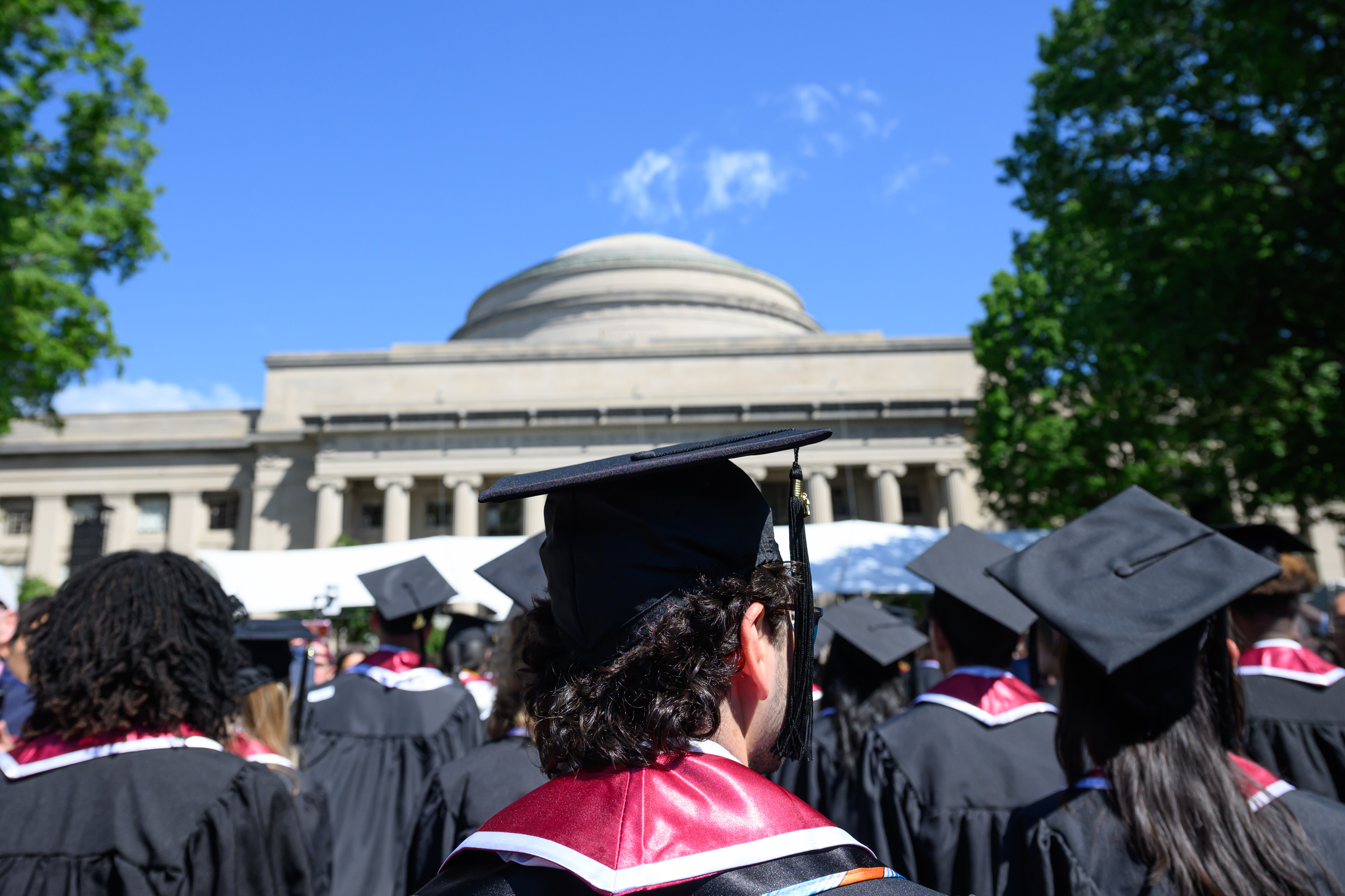
QS ranks MIT the world’s No. 1 university for 2026-27
MIT has again been named the world’s top university by the QS World University Rankings, which were announced today. This is the 15th year in a row MIT has received this distinction. The full 2027 edition of the rankings — published by Quacquarelli Symonds, an organization specializing in education and study abroad — can be found at TopUniversities.com . The QS rankings are based on factors including academic reputation, employer reputation, citations per faculty, student-to-faculty ratio, proportion of international faculty, and proportion of international students. MIT was also ranked the world’s top university in 12 of the subject areas ranked by QS , as announced in March of this year. The Institute received a No. 1 ranking in the following QS subject areas: Chemical Engineering; Civil and Structural Engineering; Computer Science and Information Systems; Data Science and Artificial Intelligence; Electrical and Electronic Engineering; Engineering and Technology; Linguistics; Materials Science; Mechanical, Aeronautical, and Manufacturing Engineering; Mathematics; Physics and Astronomy; and Statistics and Operational Research. MIT also placed second in seven subject areas: Architecture/Built Environment; History of Art; Biological Sciences; Economics and Econometrics; Marketing; Natural Sciences; and Statistics and Operational Research.
17 Jun 2026
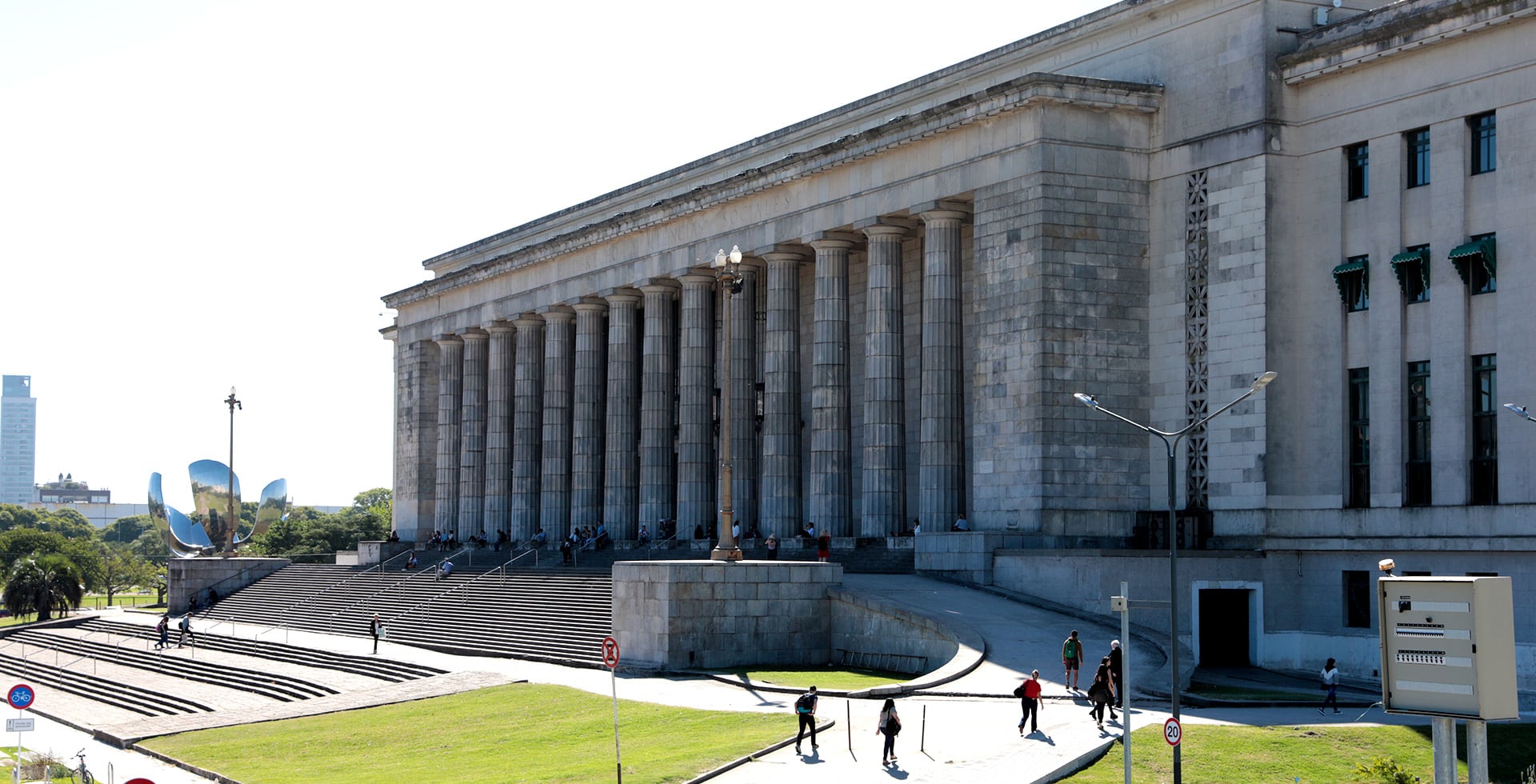
Ranking QS: la UBA se mantiene como la única universidad de América Latina entre las 100 mejores del mundo
La Universidad de Buenos Aires (UBA) conservó su posición en el puesto 84 a nivel global y por segundo año consecutivo es la única de América Latina que integra el grupo de las 100 mejores universidades del mundo , según la clasificación anual elaborada por la consultora internacional QS Quacquarelli Symonds, publicada hoy. La UBA ocupó el primer lugar de la región en once de los últimos doce años. A nivel global, el Instituto Tecnológico de Massachusetts (MIT) conserva el primer puesto desde hace 15 años. El Imperial College de Londres se mantiene en segundo lugar por tercer año seguido, posición que ahora comparte con la Universidad de Stanford , que ascendió desde el tercer puesto. El top cinco mundial se completa con la Universidad de Oxford y la Universidad de Harvard . No hubo nuevas incorporaciones entre las diez primeras posiciones. La estabilidad de la UBA en la clasificación es considerada un resultado destacado en un contexto de retroceso general en América Latina: solo nueve universidades de la región mejoraron su posición, 47 se mantuvieron estables y 60 descendieron. La Argentina refleja una de las caídas más pronunciadas, con nueve universidades que bajan y solo una, la Universidad Nacional de Córdoba (UNC) , que logró mejorar su ubicación. La UBA integra, además, un reducido grupo de las mejores instituciones en dos dimensiones específicas evaluadas por QS: se ubica en el puesto 34 global en reputación académica y en el puesto 24 en resultados de empleabilidad , consolidándose entre las 50 mejores instituciones del mundo en ambos indicadores. Por otro lado, registró un descenso en el indicador “redes internacionales”, que mide las publicaciones científicas realizadas en colaboración con instituciones de otros países, evaluando la capacidad de una universidad para generar y sostener redes internacionales de investigación. Ricardo Gelpi , el rector de la UBA, dijo: “El resultado de este ranking muestra que continuamos estando entre las mejores universidades de la región y del mundo, y que el esfuerzo de docentes, no docentes e investigadores no es en vano. Aunque también da cuenta de cómo el desfinanciamiento de los últimos años tiene consecuencias directas en el sistema universitario argentino”. “Este reconocimiento nos llena de orgullo y redobla nuestro compromiso con la sociedad argentina, que entiende el valor de la educación, de las universidades públicas y de nuestros profesionales. Por quienes confían en nosotros, por nuestra gente, seguiremos trabajando con la misma responsabilidad de siempre”, cerró. Ben Sowter, vicepresidente senior de QS, también se refirió a los recortes presupuestarios y los reclamos por financiamiento, salarios y capacidad para la investigación que se intensificaron los últimos años. “El hecho de que la UBA mantenga el puesto 84 es una prueba de su resiliencia en medio de las crecientes presiones de financiación internas y la intensificación de la competencia regional y global”, coincidió. El sistema universitario argentino La Argentina sigue teniendo el cuarto sistema de educación superior con mayor representación regional, con 16 universidades clasificadas en la edición 2027 , en la que el Instituto Tecnológico de Buenos Aires (ITBA) hizo su debut y se situó en el rango 1201-1400 . A la UBA le sigue la Universidad Nacional de La Plata (UNLP) , la única otra universidad argentina que se sitúa entre las 500 mejores. Descendió del puesto 458 al 474. La Universidad Austral y la Universidad Católica Argentina (UCA) compartieron la tercera posición nacional en el puesto 530, tras haber retrocedido respecto de la edición anterior, cuando ocuparon los lugares 519 y 517, respectivamente. “Recibimos este resultado con mucha alegría y al mismo tiempo, con responsabilidad, entendiendo que los rankings constituyen una mirada externa que nos permite evaluar nuestro desempeño, reconociendo fortalezas e identificando oportunidades de mejora. En este caso, los avances reflejan dos dimensiones centrales de nuestro proyecto educativo: la cercanía y acompañamiento personal de cada alumno, y la formación que preparar a nuestros profesionales para generar un impacto positivo en las organizaciones y en la sociedad”, dijo Julián Rodríguez , rector de la Universidad Austral. La Universidad de Palermo (UP) también bajó desde el rango 771-780 al rango 781-790. La UNC, la única que mejoró su ubicación este año, pasó del rango 851-900 al escalafón 801-850. En tanto, la Universidad de San Andrés (Udesa), la Universidad Argentina de la Empresa (UADE) y la Universidad Nacional de Rosario (UNR) se mantuvieron en el rango 1001-1200. A ese mismo tramo descendieron la Universidad Torcuato Di Tella y la Universidad de Belgrano (UB) , que en la edición anterior se ubicaban entre el 951 y el 1000. Por su parte, la Universidad Nacional de Cuyo (Uncuyo) se mantuvo en el 1201-1400 y otras tres –la del Litoral (UNL) , la del Centro de la provincia de Buenos Aires (Unicen) y la Tecnológica Nacional (UTN) – cayeron desde el anteúltimo rango (1201-1400) al último nivel de la calisficación, por debajo de 1400. El QS World University Rankings se elabora a partir de las puntuaciones de una institución en nueve indicadores. La Argentina es líder regional en la clasificación sobre el tamaño de las clases y los recursos docentes, es decir, la proporción de profesores por estudiante. Si bien la institución mejor posicionada en este aspecto es El Colegio de México, cuatro de las otras siete universidades latinoamericanas que figuran entre las 100 mejores en la proporción de profesores por estudiante son argentinas: la UCA, la UADE, la UP y la Universidad Austral. La proporción de profesores por estudiante y los resultados de empleo (capacidad de las universidades para formar graduados bien preparados para insertarse en el mundo laboral) siguen siendo puntos fuertes en las universidades argentinas clasificadas. Además, el país presenta uno de los sistemas de educación superior más internacionales de América Latina. La UBA es la universidad latinoamericana con mejor desempeño en proporción de profesores internacionales (puesto 343), mientras que la Universidad de Palermo lidera en cantidad de estudiantes extranjeros (puesto 184). Los principales desafíos del país se encuentran en los indicadores relacionados con la investigación , incluyendo las citas por profesor y la red internacional de investigación. Estos desafíos coinciden con los de América Latina en general, siendo las citas por profesor un desafío particular para la región: ninguna universidad logra ubicarse entre las 500 mejores en este punto. “La Argentina sigue destacándose por sus fortalezas en capacidad docente y atractivo para estudiantes internacionales. Sin embargo, los indicadores vinculados con la investigación continúan por debajo de los estándares globales”, señaló Sowter, quien también advirtió el contexto de presión sobre el sistema universitario público en el que se conteztualizan estos resultados. Como se dijo, de las 116 universidades previamente clasificadas en América Latina 60 descendieron, 47 se mantuvieron estables y solo nueve subieron. Brasil continúa como el sistema con mayor representación con 22 universidades, seguido por México con 18 y Chile con 17. Las cinco universidades con mejor desempeño en América Latina además de la UBA (84), son la Pontificia Universidad Católica de Chile (119), la Universidade de São Paulo (133), la Universidad Nacional Autónoma de México (145) y la Universidad de Chile (185). Por primera vez desde 2015, la Católica de Chile superó a la institución brasileña para convertirse en la segunda mejor de la región. Solo Ecuador y Costa Rica lograron avances netos en sus sistemas este año. La Universidad de Costa Rica registró la mayor mejora individual de la región al subir 36 posiciones hasta el puesto 463. En contraste, Colombia sufrió uno de los retrocesos más marcados, con 10 de sus 12 universidades en caída. Panorama global El ranking de 2027 evaluó a 1500 universidades de 106 sistemas de educación superior. Estados Unidos es el sistema más representado con 184 universidades, seguido por el Reino Unido (93) y China continental (85), el que más instituciones nuevas sumó en la lista, con 13 incorporaciones. Fuera de los líderes tradicionales, solo Suiza y Singapur lograron ubicar universidades en el top 10 mundial con la ETH de Zúrich (puesto 8) y la Universidad Nacional de Singapur (puesto 10). “Estados Unidos sigue siendo el líder mundial en educación superior global, con instituciones como el MIT, Harvard y Caltech que marcan la referencia en influencia investigadora y reputación. Al mismo tiempo, el mapa global de la educación superior se está diversificando , ya que las instituciones de Asia y Oriente Medio convierten una inversión sostenida en investigación e internacionalización en avances medibles”, describió Sowter.
17 Jun 2026
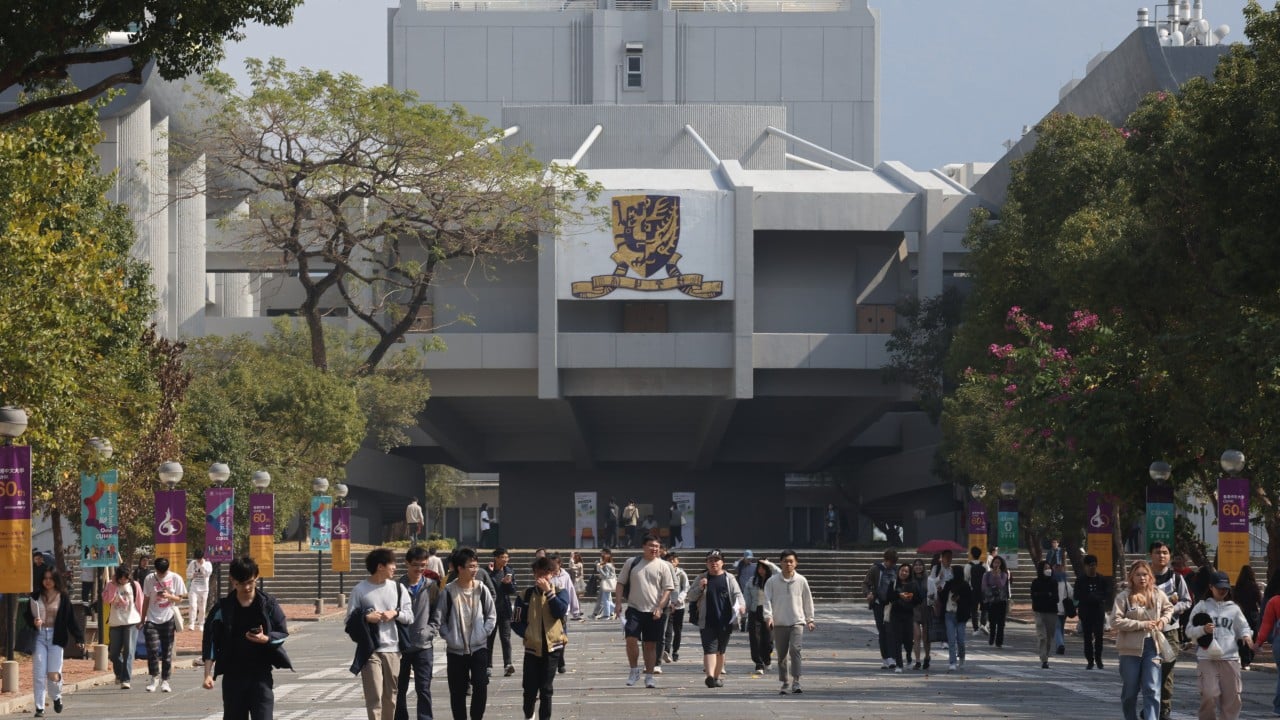
2 universities, HKU and CUHK, rank among world’s top 20 – a first for Hong Kong
The University of Hong Kong (HKU) and the Chinese University of Hong Kong (CUHK) have been ranked among the top 20 in a global league table – the first time two of the city’s universities have achieved this simultaneously – with CUHK making significant gains in its reputation among employers. The UK-based education information firm Quacquarelli Symonds (QS) also pointed out on Thursday that Hong Kong had Asia’s most improved higher education system for the second consecutive year, with seven of...
17 Jun 2026

:
mehr...
17 Jun 2026

: Mit rassistischer Entgleisung ins Landratsamt?
Der AfD-Mann Uwe Arendt will Landrat in Sachsen-Anhalt werden. Jetzt enthüllt die taz: Er fiel im Polizeidienst mit einer rassistischen Äußerung auf mehr...
17 Jun 2026
Korea, Yonsei universities hit record highs as gap narrows in QS global rankings
The gap between South Korea’s top three universities narrowed in the latest QS World University Rankings, with Yonsei University and Korea University reaching their highest-ever positions, according to the 2027 report released by Quacquarelli Symonds. Seoul National University, the country’s highest-ranked institution, retained its global position at No. 38, remaining within the top 50, according to the global higher education analytics firm. Yonsei University climbed from No. 50 last year to No
17 Jun 2026
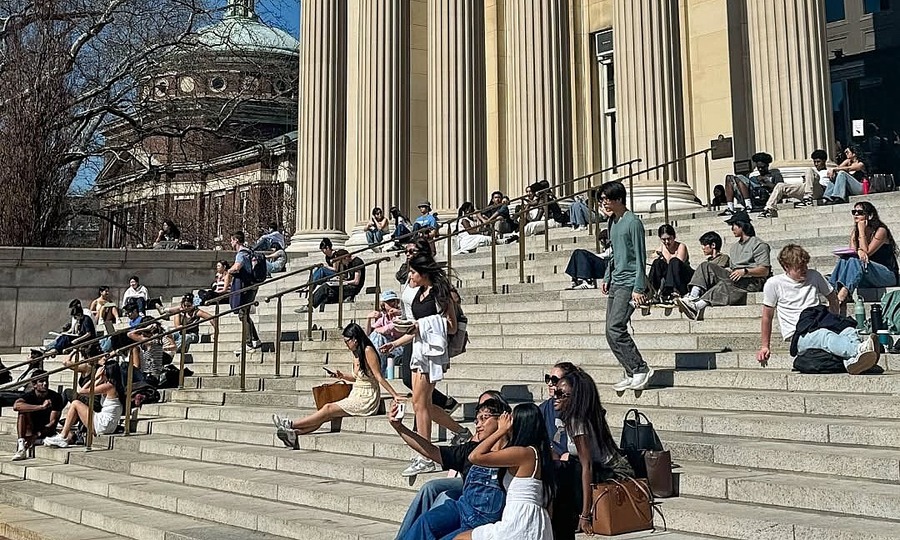
Columbia University brings back mandatory test scores for 2027 admissions
Columbia University will once again require standardized test scores from applicants, starting with the Fall 2027 admissions cycle, reversing a move made over three years ago when it became the first Ivy League institution to adopt a test-optional policy.
17 Jun 2026
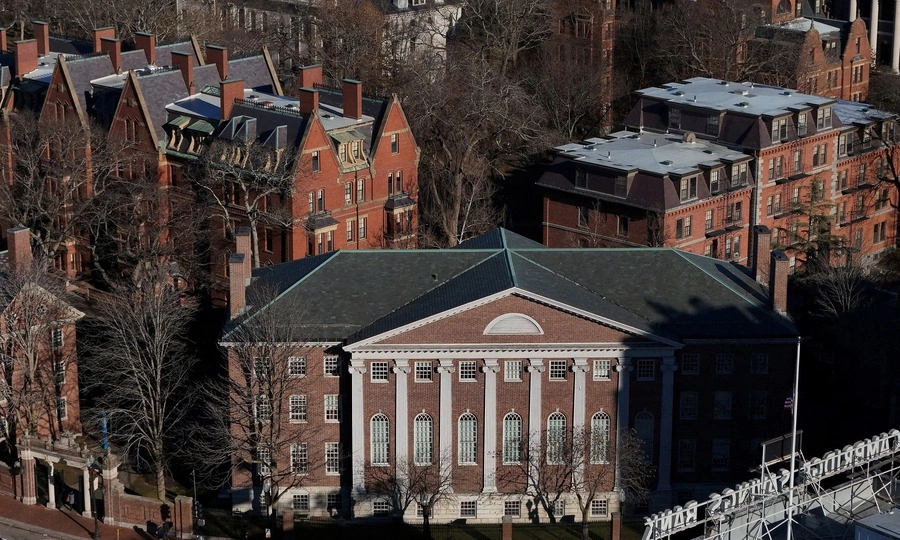
Which university has produced the most Nobel Prize winners?
Counting alumni, researchers, and faculty who taught there for both long and short stints, the number of Nobel-winning scholars affiliated with this university reaches 165.
17 Jun 2026

USP é a melhor universidade brasileira segundo ranking mundial da QS
Em quatro indicadores avaliados, a USP figura entre as 100 melhores do mundo: impacto de egressos, reputação acadêmica, sustentabilidade e rede internacional de pesquisa
17 Jun 2026
Museu da Computação é reinaugurado e amplia preservação da memória da informática brasileira
A Universidade Federal do Rio de Janeiro (UFRJ) reinaugurou nesta terça-feira (17/6) o Museu da Computação, espaço dedicado à preservação da história da informática brasileira e da contribuição da universidade para o desenvolvimento tecnológico do país. Instalado no Instituto Tércio Pacitti de Aplicações e Pesquisas Computacionais (NCE), o museu apresenta uma nova configuração expositiva, resultado de um amplo processo de revitalização realizado nos últimos anos. A história do museu começou há quase uma década. Seu marco inicial ocorreu em 2017, quando foi inaugurada a primeira versão do espaço, fruto do trabalho de pesquisadores, servidores e colaboradores empenhados em preservar equipamentos, documentos e sistemas desenvolvidos na UFRJ ao longo de décadas. A reinauguração foi viabilizada por recursos obtidos em edital do Conselho Nacional de Desenvolvimento Científico e Tecnológico (CNPq) voltado à revitalização de espaços científico-culturais. O investimento permitiu a realização de obras de adequação, a criação de uma nova expografia, a ampliação do acervo exposto e a modernização da experiência de visitação. O Museu da Computação reúne artefatos tecnológicos produzidos entre as décadas de 1970 e o início dos anos 2000, período em que a UFRJ se destacou como um dos principais centros brasileiros de desenvolvimento em informática. O acervo preserva equipamentos, protótipos, documentos e sistemas criados nos laboratórios da universidade em uma época marcada pelos esforços nacionais para construir autonomia tecnológica e fortalecer a indústria brasileira de computação. Durante a cerimônia, o reitor da UFRJ, Roberto Medronho, ressaltou que a preservação dessa memória é estratégica para o país em um contexto de rápidas transformações tecnológicas. “Conhecer a nossa história nos permite compreender que o Brasil não está condenado a ser apenas consumidor de tecnologias desenvolvidas no exterior. Temos capacidade para produzir conhecimento, inovar e criar caminhos próprios”, afirmou. Para o reitor, o museu também representa uma reflexão sobre soberania nacional. “Preservar essa memória é especialmente importante em um momento em que as tecnologias digitais, a inteligência artificial, o processamento de grandes volumes de dados e a cibersegurança se tornam dimensões estratégicas da soberania nacional”, destacou. A coordenadora do museu, Ana Lúcia Rodrigues, destacou que o espaço busca mostrar que a história da computação vai muito além da rápida sucessão de tecnologias. “A computação é sempre orientada para o futuro. O Museu da Computação da UFRJ abre suas portas para provar que a computação tem, sim, muita história para contar”, argumentou. O acervo apresenta os resultados de um período em que pesquisadores brasileiros desenvolveram soluções tecnológicas próprias e contribuíram para a formação de profissionais altamente qualificados. “Orgulhosamente reforçamos que o museu apresenta os resultados da construção de uma identidade nacional na área de computação e expõe os frutos do conhecimento produzido na UFRJ entre as décadas de 1970 e o início dos anos 2000”, disse. A diretora do Instituto Tércio Pacitti, Angélica Fonseca da Silva Dias, ressaltou que o museu preserva não apenas equipamentos históricos, mas também a trajetória de pessoas que ajudaram a construir a ciência e a tecnologia no Brasil. “O Museu da Computação nasce da convicção de que conhecer nossa trajetória é essencial para construir o futuro. Cada equipamento, documento, fotografia e relato preservados representa um capítulo da história da ciência, da tecnologia e da inovação em nosso país”, observou. Já o decano do Centro de Ciências Matemáticas e da Natureza (CCMN), Cabral Lima, destacou a importância da preservação da memória para a produção de novos conhecimentos. “A computação tem história. Tudo aquilo que queremos transmitir às próximas gerações precisa ser preservado. Conhecer o passado é essencial para construir o futuro”, disse. Além de preservar a memória da computação brasileira, o museu foi concebido como espaço de ensino, pesquisa, extensão e divulgação científica. A proposta inclui atividades educativas, ações de acessibilidade, exposições temáticas e o uso de recursos digitais capazes de aproximar diferentes públicos da história da tecnologia produzida no país. Após os pronunciamentos, foi realizado o descerramento da placa inaugural e a visitação ao espaço, que passa a integrar a rede de museus e centros de memória da UFRJ.
17 Jun 2026
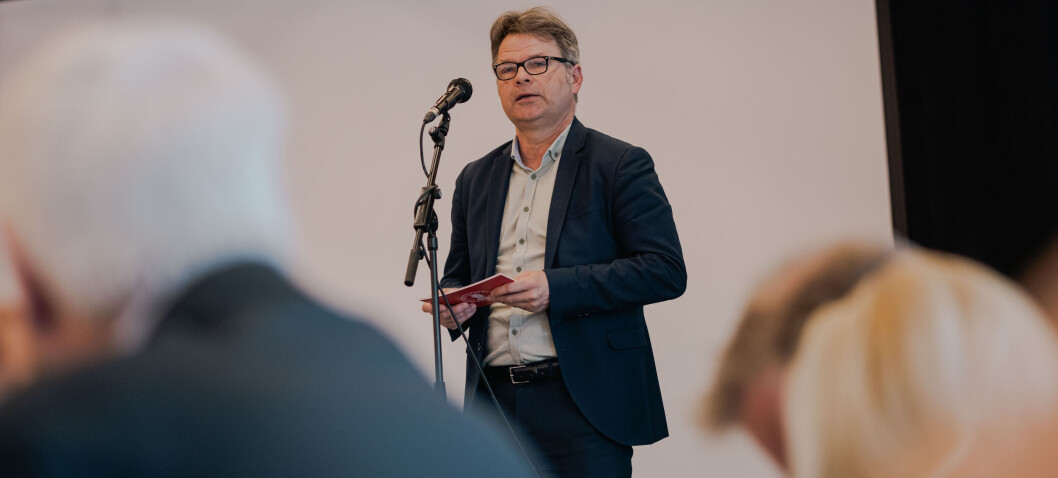
Droppar læringsplattform etter dramatisk datainnbrot
Universitetet i Bergen stansar innføringa av skytenesta til læringsplattforma Canvas etter datainnbrot og truslar om publisering av persondata.
17 Jun 2026
Wacoal taps bra-making tech for car armrests in BASF tie-up
17 Jun 2026
Sharp defense satellite receivers offer both low and geostationary links
17 Jun 2026
Nippon Steel 'not yet satisfied' with U.S. Steel reforms, VP says
17 Jun 2026

A sweet thank you for UW employees
Photo gallery A sweet thank you for UW employees Campus leaders served up dessert — and their thanks — during the annual employee appreciation Ice Cream Social. June 17, 2026 Share this article A rainy forecast didn’t keep University of Wisconsin–Madison employees away from their fill of Babcock Dairy ice cream. Hundreds filtered into Birge Hall to claim their sweet treat, served by interim chancellor Eric Wilcots, provost John Zumbrunnen and other campus leaders. The annual event, which is typically hosted on Bascom Hill but moved inside due to rain, serves as a gesture of thanks for employees’ hard work and dedication during the most recent academic year. Members of the UW Marching Band, along with Bucky Badger, perform for the crowd in Birge Hall. The event moved indoors after a day of almost-summer rain. Photo: Bryce Richter / UW–Madison What’s the scoop? A chalkboard shows the assortment of flavors available to employees. Photo: Bryce Richter / UW–Madison Interim chancellor Eric Wilcots hands out individual cups of ice cream and chats with employees. Photo: Bryce Richter / UW–Madison Members of the UW Marching Band provide a side of music as employees gathered in the Birge Hall lobby. Photo: Bryce Richter / UW–Madison Provost John Zumbrunnen serves up the flavor ‘Babcock Birthday.’ Photo: Bryce Richter / UW–Madison Jason Whitney, assistant chief of UW police, joined the group of campus leaders dishing out dessert. Photo: Bryce Richter / UW–Madison Jordan Goff (left), customer service rep, and Logan Strander (right), parking enforcement officer, both with Transportation Services, sing Varsity with Bucky Badger. Photo: Bryce Richter / UW–Madison
17 Jun 2026
Northpoint Bible College ends degree programs after losing accreditation
The Massachusetts institution is going forward with a new name and three-year programs that its president said will transfer for credit to partner institutions.
17 Jun 2026
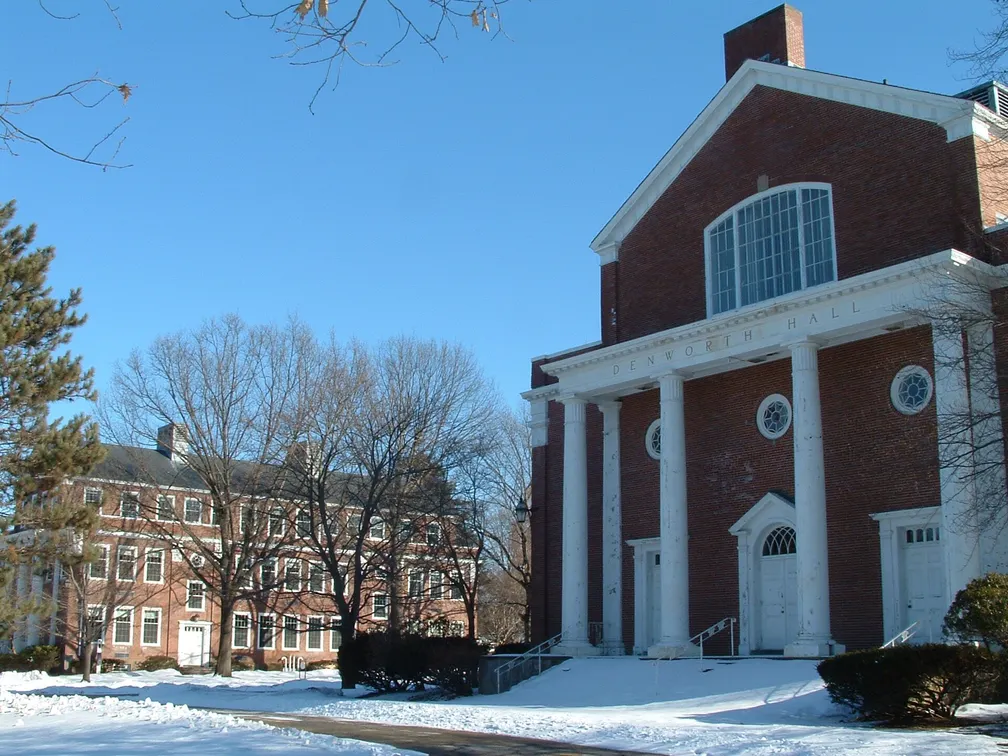
Northpoint Bible College ends degree programs after losing accreditation
Dive snapshot: Northpoint Bible College is moving away from degree programs after losing its accreditation earlier this year. Beginning in September, the Massachusetts Pentecostal institution will operate under the name Northpoint School of the Bible and offer three-year nondegree programs focused on ministerial preparation, President Tiff Shuttlesworth said late last week in a video message. According to Shuttlesworth, students will have a “seamless path forward” into several accredited, degree-granting religious colleges that will accept all of Northpoint’s credits if students choose to continue their education. Background: In April, Northpoint lost its appeal with the Association for Biblical Higher Education to maintain the college’s accreditation. ABHE cited numerous compliance violations related to institutional instability, insufficient financial resources and operational issues. The college’s accreditation ended in May, though ABHE extended it for a handful of students completing coursework until August. Higher ed context: Northpoint is one of several Christian and religious colleges to close in recent years as enrollment and financial pressures mount. Those include Anna Maria College, Lourdes University and Providence Christian College — all of which announced this year that they would shutter . By the numbers 122 Northpoint’s headcount in fall 2024, down nearly 65% from 347 students five years prior, according to federal data. $7,700 That will be Northpoint’s new yearly tuition once it transitions to its new model, according to Shuttlesworth. That figure is down from roughly $28,000 and is meant to help make the program affordable and accessible. $2.6 million Northpoint’s fiscal 2025 revenue, which declined by 17.1% from the previous year, ABHE noted. Meanwhile, the college’s cash holdings dropped by 68.5%, and it reported a net operating loss of $2.5 million. Quote: “We do have significant investment in making this happen. We need to slay a Goliath of somewhere between $2 million to $3 million to get us to a place of being sustainable.” - Tiff Shuttlesworth, president of Northpoint. What we’re watching: It remains to be seen whether students will buy into the institution's new model and whether it can lower costs sufficiently to support the lower tuition. And maintaining articulation agreements with degree-granting institutions over the long-term could be critical to maintaining student interest
17 Jun 2026
As artes sob pressão
Por Alecsandra Matias de Oliveira , professora do Centro de Estudos Latino-Americanos sobre Cultura e Comunicação (Celacc) da Escola de Comunicações e Artes da USP
17 Jun 2026

Estudo de células CAR-T será ampliado para tratamento de lúpus e miastenia gravis
USP, Hemocentro de Ribeirão Preto, Instituto Butantan e Fapesp assinaram acordo para o desenvolvimento de terapias avançadas contra doenças autoimunes
17 Jun 2026
Thailand suffers 25% drop in tourists from Middle East
17 Jun 2026
Japan's big banks weigh financing arms makers in break with past
17 Jun 2026
Estudio impulsado por investigadoras PUCP revela que la violencia de género persiste en universidades peruanas
La violencia de género continúa siendo una problemática persistente en el país. De acuerdo con la Encuesta Nacional sobre Relaciones Sociales (Enares) 2024, el 56.5% de los hombres de 18 años a más justifica la violación sexual contra las mujeres, mientras que el 69.7% justifica la violencia sexual. Asimismo, el 80.8% tolera algún tipo de violencia hacia ellas. Las instituciones educativas, en ese contexto, no están exentas de reproducir tales dinámicas, y, con el fin de contrarrestar la situación, se han convertido en espacios clave para comprender el fenómeno y generar estrategias de prevención basadas en evidencia. Precisamente con ese objetivo nació “Violencia de género contra las mujeres: fortalecer la prevención desde la academia (PUCP)”, una iniciativa ejecutada entre diciembre de 2021 y agosto de 2025 que reunió a 16 universidades peruanas para contribuir a la prevención de la violencia contra las mujeres mediante la investigación, la formación, la difusión y la incidencia. De la preocupación a la investigación La Dra. Patricia Ruiz Bravo, investigadora principal del proyecto y profesora del Departamento de Ciencias Sociales PUCP, explica que el proyecto surgió de la necesidad de comprender una realidad que, aunque ampliamente percibida, aún carecía de suficiente evidencia en muchas universidades del país. La académica señala que la PUCP ya había desarrollado con anterioridad investigaciones sobre hostigamiento sexual y violencia de género, lo que permitió documentar la existencia de estas problemáticas dentro de la comunidad universitaria. Sin embargo, consideraba necesario ampliar la mirada hacia otras instituciones de educación superior. «Lo que nosotros queríamos, como grupo de investigación de género, era que otras universidades también pudieran trabajar el tema de violencia y realizar estudios que dieran resultados. Eso a partir del trabajo que hemos hecho en la PUCP por años. Queríamos que vieran lo que existe y, a partir de ello, evaluar tomar como modelo acciones que hemos ejecutado aquí, como instaurar oficinas para la igualdad, de denuncia, activar protocolos, entre otras”, puntualizó. Lo que nosotros queríamos, como grupo de investigación de género, era que otras universidades también pudieran trabajar el tema de violencia y realizar estudios que dieran resultados. Eso a partir del trabajo que hemos hecho en la PUCP por años. Queríamos que vieran lo que existe y, a partir de ello, evaluar tomar como modelo acciones que hemos ejecutado aquí, como instaurar oficinas para la igualdad, de denuncia, activar protocolos, entre otras”. Dra. Patricia Ruiz Bravo Profesora del Departamento de Ciencias Sociales PUCP La oportunidad de ampliar el alcance del trabajo llegó gracias a un financiamiento de la Unión Europea y la Agencia Española de Cooperación Internacional para el Desarrollo (AECID), que permitió desarrollar una investigación de largo aliento y con presencia nacional. Igualmente, como resultado de este esfuerzo, se publicó el libro Violencia de género en la universidad y las redes sociales: acciones y agendas , que recoge los principales hallazgos, reflexiones y propuestas surgidas durante el proyecto. Una mirada nacional El proyecto convocó a académicas del Grupo de Investigación de Género de la PUCP, y articuló esfuerzos con universidades de distintas regiones del país, como Cusco, Arequipa, Ayacucho, Iquitos, Cajamarca y Lima. “Tenemos que tomar conciencia de que las universidades no son espacios libres de violencia. Hay mucha violencia en Lima, pero más en provincias. En el interior, la violencia está más normalizada y, por lo tanto, se hace menos prevención”, advierte la investigadora. Según explica, la violencia impacta directamente en la experiencia educativa de estudiantes y docentes, afectando no solo el rendimiento académico, sino también el bienestar emocional y la salud mental. “Nuestra investigación quiere conocer para transformar; no para guardar en un cajón. Nuestra meta es tratar de conocer lo que pasa para transformar la realidad de las universidades en este tema, dentro de los muchos temas que se tienen que trabajar”, asevera. Nuestra investigación quiere conocer para transformar; no para guardar en un cajón. Nuestra meta es tratar de conocer lo que pasa para transformar la realidad de las universidades en este tema, dentro de los muchos temas que se tienen que trabajar”. Dra. Patricia Ruiz Bravo Profesora del Departamento de Ciencias Sociales PUCP La Mag. Aranxa Pizarro Quiñones, investigadora y profesora del Departamento Académico de Ciencias Sociales, sostiene, por su parte, que, tras una primera etapa de un año y medio de investigación, el equipo desarrolló otro periodo similar enfocado en la incidencia y la sensibilización dentro de las entidades educativas. “Lo que hemos hecho ha sido levantar información en distintas universidades regionales, pero no nos hemos quedado solo en ello”, señala. A partir de los hallazgos, las investigadoras sostuvieron reuniones con rectores, vicerrectores y consejos universitarios, además de trabajar con docentes, estudiantes y oficinas de responsabilidad social para promover cambios institucionales orientados a la prevención de la violencia de género. El desafío de hablar sobre la violencia de género contra las mujeres Como parte de esta segunda fase se realizaron talleres con estudiantes y cursos de formación continua para docentes, con el objetivo de fortalecer capacidades y fomentar una cultura de prevención dentro de las comunidades universitarias. Para Pizarro, uno de los principales aportes de la iniciativa fue evidenciar que la violencia de género está presente en todas las regiones estudiadas, aunque adopte manifestaciones distintas según el contexto. Los hallazgos recogidos en Lima, Cajamarca, Ayacucho, Iquitos, Cusco y Arequipa muestran que se trata de una problemática transversal que requiere respuestas articuladas desde las propias universidades. La investigadora advierte, además, que muchas instituciones enfrentan una “cultura del silencio” que dificulta reconocer y abordar el problema. La falta de discusión abierta sobre la violencia de género contribuye a su normalización y perpetúa situaciones de vulneración dentro de los campus. “Tenemos que hablar de la violencia de género, tenemos que conocer cuál es su incidencia y tenemos que romper con esa cultura del silencio para poder empezar a trabajar la prevención, porque no podemos trabajar algo que no se conoce”, enfatiza. Tenemos que hablar de la violencia de género, tenemos que conocer cuál es su incidencia y tenemos que romper con esa cultura del silencio para poder empezar a trabajar la prevención, porque no podemos trabajar algo que no se conoce”. Mag. Aranxa Pizarro Quiñones Profesora del Departamento Académico de Ciencias Sociales PUCP Tejiendo redes para sostener el cambio Aunque el proyecto culminó formalmente en el 2025, sus impulsoras coinciden en que el trabajo recién comienza. En ese sentido, Patricia Ruiz Bravo indica que una de las metas a futuro es consolidar una red de docentes que trabaje los temas de género dentro de las universidades que integran la Red Peruana de Universidades (RPU). La iniciativa busca fortalecer la articulación entre especialistas, generar respaldo institucional e impulsar acciones conjuntas que permitan incidir en las autoridades universitarias. Además, el equipo viene promoviendo la creación de una red de comunicadoras integrada por estudiantes y egresadas de distintas regiones del país. La propuesta busca facilitar el intercambio de campañas, materiales y experiencias de comunicación vinculadas a la igualdad de género y la prevención de la violencia, aprovechando el trabajo ya desarrollado por diversas universidades. “Si alguien ya hizo una campaña en el norte, se podría evaluar en qué medida pueden tomarla las del sur o viceversa. Eso es hacia donde estamos caminando ahora”, explica Ruiz Bravo. Para Aranxa Pizarro, la colaboración interinstitucional es una condición indispensable para sostener los avances logrados durante los últimos años. “Apuntamos a ello, así como fomentar y realizar acciones conjuntas con la intención de prevenir la violencia de género”, afirma. Ese esfuerzo de articulación ha encontrado continuidad en una nueva iniciativa denominada Semillas de Innovación en Género, que recoge la experiencia acumulada durante el proyecto y busca seguir fortaleciendo capacidades, políticas e iniciativas de prevención en universidades de distintas regiones del país. Según Pizarro, este nuevo espacio permitirá consolidar el trabajo desarrollado hasta ahora y ampliar su impacto más allá de la duración del proyecto original. Como resultado, las investigaciones han sido publicadas en el libro Violencia de género en la universidad y las redes sociales: acciones y agendas por el Fondo Editorial de la PUCP. Este nos permite conocer el resultado de las investigaciones para abrir un diálogo académico en torno a la violencia de género. Presentación del libro y conversatorio sobre violencia de género La presentación del libro Violencia de género en la universidad y las redes sociales: acciones y agendas se realizará el próximo jueves 18 de junio, a las 6 p.m. en la Librería PUCP. La jornada incluirá el conversatorio “Mujeres, poder y violencia de género”, en el que participarán Patricia Ruiz Bravo, Pepi Patrón, Farid Kahhat y Ana Lucía Mosquera Rosado. Ver esta publicación en Instagram Una publicación compartida de Fondo Editorial PUCP (@fondoeditorialpucp)
17 Jun 2026
Yen falls after Fed decision, erasing intervention gains since April
17 Jun 2026

Furman on Social Security: Attention must be paid
John Nacion/Sipa via AP Images Work & Economy Furman on Social Security: Attention must be paid ‘Interest in the problem has diminished over time, not grown.’ Meanwhile, day of reckoning is ahead of schedule. Christina Pazanese Harvard Staff Writer June 17, 2026 9 min read Consumer confidence in the U.S. economy recently hit an all-time low . New data on Social Security, inflation, and the national debt is unlikely to lift anyone’s spirits. Earlier this month, trustees of the Social Security Administration said that there will not be enough money to pay recipients their full benefits by 2032, earlier than expected, without more funding and/or cost cuts. The Consumer Price Index showed inflation hit a three-year high in May at 4.2 percent. And the U.S. now has a record-high $31 trillion in publicly held debt , equal to the country’s gross domestic product. In this edited conversation, Jason Furman , Aetna Professor of the Practice of Economic Policy jointly at Harvard Kennedy School and in the Department of Economics, discusses Social Security’s impending cash crunch, consumer pessimism, and why new data about the national debt is “definitely a problem.” Furman, who was an outspoken critic of “Bidenomics,” served in the Clinton administrations and was President Barack Obama’s chief economist. You recently wrote in The New York Times that Social Security’s solvency crisis is closer than anyone ever imagined. Why is this happening sooner than previously forecast? Social Security was last significantly retuned in 1983 and the goal was to make it last at least another 75 years. Within about a decade, it became clear that that expectation was too optimistic. Fertility rates, especially, were falling faster than expected, longevity rising a little bit more than expected, and other economic numbers, like interest rates, were lower than expected. Fertility is the biggest one — it fell further than what the actuaries were counting on. Since the 1990s, we have expected that the day of reckoning for Social Security would be coming probably in the 2030s. With the latest trustees’ report, they pulled it forward a little bit. Some of that was because of choices Congress made: A law that was passed in 2024 expanded benefits for some state employees, and a law that was passed in 2025, the One, Big, Beautiful Bill , effectively expanded benefits de facto for high-income households. So, some of it was the law, and some of it was just the annual technical revision process that goes into these estimates. How much is needed and what are some fixes that could shore up this gap before 2032? We need several trillion dollars. If you raised everyone’s payroll taxes by 2 percent, that would be enough. That’s a lot, but U.S. payroll taxes are much lower than most other rich countries. The 12.2 percent we pay is a lot less than most everyone else pays. I don’t mind raising the cap on taxable earnings , but the thing I worry about is with Social Security, it’s primarily been the people who benefit are the ones who pay. There’s a limit to how many different types of increases we can have on high-income people. So, it can be the answer to some of our fiscal questions; it can’t be the answer to every single fiscal question. “We need several trillion dollars. If you raised everyone’s payroll taxes by 2 percent, that would be enough.” Jason Furman. Harvard file photo Is this looming shortfall primarily a math problem, a political problem, or both? It’s an elementary math problem and a Ph.D.-level political problem. You could assign students the problem of how to solve this, and if it was in an economics class, it would be extremely easy to figure out what combination of benefit cuts and tax increases adds up to the magic number. But if it’s in a political class, I’m not even sure there’s an answer to the question. Given how strongly voters feel about the program, why has neither party done much to head off the funding challenges since this problem has been known about for decades? What’s interesting to me is that the interest in the problem has diminished over time, not grown. President Clinton really did put time, effort, and political capital into it, and some people think but for the Monica Lewinsky scandal this would have been addressed. George W. Bush put some effort into it. I didn’t like his plan, so I’m glad it didn’t happen, but I think it was actually a good-faith effort. Obama put a little bit of effort into it in the beginning of his term in 2010 and 2011 but probably lost interest in the issue after that, didn’t really see any pathway to dealing with it. I think in some ways, as the problem gets closer, the solutions get less attractive, and as a result, the bigger the problem, the less we talk about it. Last month, the Consumer Price Index showed inflation was up 4.2 percent over May 2025, but 2.9 percent with food and energy stripped away. Is this a good sign? What do those numbers tell you? It’s important to distinguish the price level from the inflation rate. The price level went up a lot in March. It went up a bunch again in April. It didn’t go up as much in May, but it went up. So, from the perspective of consumers, it was quite a bad report. If you’re the Federal Reserve trying to figure out whether there’s some new ongoing inflation where each and every year prices are going to keep rising by 3, 4 percent, I thought the report was somewhat reassuring on that score. The amount of inflation within May came down a lot. We’ve already seen gasoline prices starting to fall again. They’re higher than they were, but the direction is now down, not up. With the latest Iran deal, assuming it sticks, oil prices have fallen quite a lot, and that will work its way into gasoline prices over the next month or two. Is it bad news for consumers? The answer is yes. Is it a new era of ongoing sustained inflation that the Fed needs to raise interest rates to fight? Cautiously, I lean toward no — while being very nervous because it’s been many years of elevated inflation, so you don’t want to be too sure about anything. How is low confidence affecting consumer spending? So far, we’re seeing nothing in people’s actual behavior. This is the way they answer questions, but not the way they spend their money. You can do a statistical model based on all the different economic variables, how much would you predict people spend, and then add a variable in for how confident consumers are. Normally, that variable, how confident consumers are, is a small positive. Everything else being equal, if you’re more optimistic, you spend a bit more, and if you’re more pessimistic, you spend a bit less. If you do that same exact statistical analysis, but use data for the last five years, you get the wrong sign on confidence. The more negative people are, the more they spend, and the more positive they are, the less they spend. Now, I don’t believe the negative sign is true, but it suggests that in the data in the last five years that the positive sign is definitely not true. It has, to date, been detached from economic activity. But you raise a question we don’t know the answer to, which is, might it become self-fulfilling? The one place where there’s some evidence it could become self-fulfilling is not on the amount of money consumers spend, but on people increasing their expectations for inflation on a partisan basis and then that becoming self-fulfilling. If you’re a business, you raise prices more because you think there’s going to be more inflation; you’re a worker, you demand a bigger wage increase. There’s been some research which suggests that partisan irrationality on inflation — this was Republican irrationality under Biden — actually had a self-fulfilling increase in inflation. It looks like it’s still happening, although now it is partisan, irrational Democratic beliefs about inflation. There’s not enough data, it’s a year and a half of data, but they might be raising expectations of inflation and becoming self-fulfilling. Investors do not appear to reflect a similar lack of confidence in where the economy is headed. Why have the markets remained so buoyant? The market is extremely skewed right now, and its gains are very, very dependent on a small number of AI-related tech companies. They are betting that these companies are going to make huge profits in the future; most of them are losing money now and hemorrhaging money. So, the markets are not in any tension with all of these things, they’re just recording a totally different piece of the economy. Right now, both financially and also in terms of GDP growth, our economy is increasingly reliant on just one subpart of the overall economy. That’s a little bit of a cause for concern in terms of just how resilient things will be. In its annual report to Congress, the Government Accountability Office pegged the nation’s debt at $31.3 trillion, equal to the size of our economy, and predicted that will grow more than twice as fast as the U.S. economy over the next 10 years. How big of a problem is this? It is definitely a problem. The deficit, which is the amount you add to the debt in any given year, is larger relative to our economy than any other rich country, and it’s larger relative to our economy than any time in our history with the exceptions of World War II, the 2008-09 financial crisis, and COVID. So, we’re in an unprecedented place for a non-emergency situation, both for our own history and relative to the rest of the world. You can debate how bad and how risky it is, but you’d have a hard time arguing that this is the way we should try to do things. Part of why it’s up for such debate is that there is almost no historical experience to call on. Right now, there’s not really anything to confidently extrapolate or infer from, and to me, that says that we’d rather not find out the answer to this. And so, we should deal with it.
17 Jun 2026
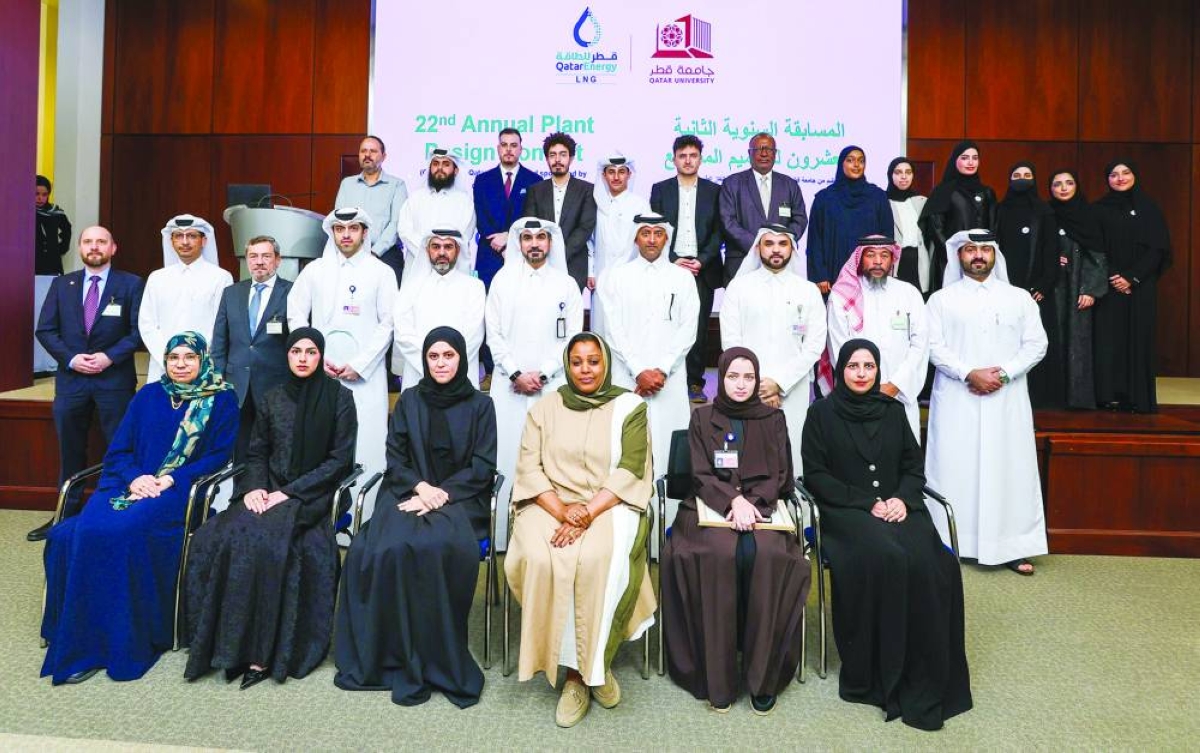
QatarEnergy LNG honours winners of 22nd annual Chemical Engineering Plant Design Contest
QatarEnergy LNG sponsored and recently presented the Best Overall Prizes to the winning teams at the 22nd Annual Chemical Engineering Plant Design Competition, organised by the Department of Chemical Engineering at Qatar University (QU). Since its inception in 2004, this annual contest aims to provide QU students with world-class engineering experience, nurturing the next generation of engineering talent. In his address at a special ceremony held at QatarEnergy LNG’s Doha headquarters on May 24, Rashid al-Kuwari, Chief Engineering and Projects Officer at QatarEnergy LNG, noted that supporting and encouraging education is a cornerstone of QatarEnergy LNG’s Corporate Social Responsibility programme and an important part of the company’s commitment to premier performance. By investing in the next generation of engineers, he said QatarEnergy LNG is contributing to the future of the industry and to the greater prosperity and advancement of the nation, which aligns with the human, social, and economic development pillars of the Qatar National Vision 2030. This competition demonstrates the exceptional capabilities of students in transforming theoretical knowledge into practical, real industrial challenges. Every year, QatarEnergy LNG is impressed by the technical depth, creativity, and professionalism demonstrated in the projects. QatarEnergy LNG was joined at the event by Professor Dr Mohammed al-Marri, head of the Department of Chemical Engineering at QU, to present prizes to the winning teams. Each group gave a brief presentation on their plant design project and the innovative solutions they developed. The event also recognised judges, advisors, Prof al-Marri, Associate Professor Dr Zeinab Jawad, Professor Dr Fadwa Eljack, representatives from the Department of Chemical Engineering at QU, and QatarEnergy LNG representative, Eman Elhmoud, head of Process & Flow Assurance Engineering, and Rand Aga, CSR specialist. Prof al-Marri highlighted in his opening remarks that the annual Plant Design Competition represents the department’s flagship event, celebrating graduating senior students. He thanked QatarEnergy LNG for its continued support over the past 22 years and extended special thanks to the judges for their valuable contributions to the competition’s success. This year, 10 teams presented their projects to a panel of industry judges. Working over two semesters, the students developed simulation-based grassroots plant designs and completed several engineering tasks, including process simulation, environmental impact assessment, heat integration, mechanical equipment design, safety analysis, and economic evaluation. The students developed designs related to Liquefied Natural Gas, Ethylene, and Dimethyl Ether production processes. The competition was held on May 7 at QU’s Engineering Building, featuring five female teams and five male teams. The competition was of an exceptionally high standard, and the best three teams were selected by the judging panel, comprised of engineering experts from multiple industrial partners in Qatar, including Mathew Swatton, technology team lead at Qatar Shell GTL Limited; Abdulla al-Emadi, lead of Process Engineering at QatarEnergy LNG; Awad al-Yafei, head of Plant Productivity at Qafco; Ahmed M Homssi, environmental manager at QChem; and Sarah al-Raeesi, senior APC Engineer (POT) – Technical at OryxGTL. The evaluation criteria for the competition included Organisation and Structure, Technical Content, Visual Aids, and Teamwork. First place was awarded to the team of Shahd Murtada, Mona Foroohar, Shimaa Asem, and Rawan Tayseer Abunada for their outstanding design of an ethylene plant (ETHYQ). By utilising Technip’s advanced SMK technology, the plant is designed to produce polymer-grade ethylene with a purity exceeding 99.9%. The project combines high-performance production with innovative sustainability solutions, including waste-heat recovery that supplies nearly one-third of the plant’s steam demand and a CO2 capture system achieving 90% carbon removal efficiency. They were supervised by Professor Dr Ibnelwaleed Ali Hussein. Second place was awarded to the team of Mohammad Jaber Alathba, Mohamed Ashraf, Mohamed Dahri, and Khalid Hamad al-Jabri for their innovative design of Dimethyl Ether (DME) Plant. Two production routes, Direct and Indirect DME synthesis, were evaluated technically, environmentally, and economically, with the Direct route selected as the preferred option due to its lower COx emissions and superior financial performance. The project included the mechanical design of major equipment validated using Aspen HYSYS and HTRI Xchanger Suite. The team was supervised by Assistant Professor Dr Seckin Karagoz. Third place went to the team of Amira al-Kebsi, Fatima Abdulla al-Samra, Noora Khalili, and Elham Dabwan for their Qatar Ethygreen Company (QEGCO) Ethylene Production. The process technologies were based on Score by KBR, and, with integration and adjustments, a plant simulation that utilised waste heat recovery, minimised NOX emissions, and reduced the overall carbon footprint was developed. The most notable adjustment was the integration of a carbon capture unit, which would operate towards methanation, providing an alternative fuel source for the plant. The team was supervised by Professor Dr Fadwa Eljack.
17 Jun 2026
QatarEnergy LNG honours winners of 22nd annual Chemical Engineering Plant Design Contest
QatarEnergy LNG sponsored and recently presented the Best Overall Prizes to the winning teams at the 22nd Annual Chemical Engineering Plant Design Competition, organised by the Department of Chemical Engineering at Qatar University (QU). Since its inception in 2004, this annual contest aims to provide QU students with world-class engineering experience, nurturing the next generation of engineering talent. In his address at a special ceremony held at QatarEnergy LNG’s Doha headquarters on May 24, Rashid al-Kuwari, Chief Engineering and Projects Officer at QatarEnergy LNG, noted that supporting and encouraging education is a cornerstone of QatarEnergy LNG’s Corporate Social Responsibility programme and an important part of the company’s commitment to premier performance. By investing in the next generation of engineers, he said QatarEnergy LNG is contributing to the future of the industry and to the greater prosperity and advancement of the nation, which aligns with the human, social, and economic development pillars of the Qatar National Vision 2030. This competition demonstrates the exceptional capabilities of students in transforming theoretical knowledge into practical, real industrial challenges. Every year, QatarEnergy LNG is impressed by the technical depth, creativity, and professionalism demonstrated in the projects. QatarEnergy LNG was joined at the event by Professor Dr Mohammed al-Marri, head of the Department of Chemical Engineering at QU, to present prizes to the winning teams. Each group gave a brief presentation on their plant design project and the innovative solutions they developed. The event also recognised judges, advisors, Prof al-Marri, Associate Professor Dr Zeinab Jawad, Professor Dr Fadwa Eljack, representatives from the Department of Chemical Engineering at QU, and QatarEnergy LNG representative, Eman Elhmoud, head of Process & Flow Assurance Engineering, and Rand Aga, CSR specialist. Prof al-Marri highlighted in his opening remarks that the annual Plant Design Competition represents the department’s flagship event, celebrating graduating senior students. He thanked QatarEnergy LNG for its continued support over the past 22 years and extended special thanks to the judges for their valuable contributions to the competition’s success. This year, 10 teams presented their projects to a panel of industry judges. Working over two semesters, the students developed simulation-based grassroots plant designs and completed several engineering tasks, including process simulation, environmental impact assessment, heat integration, mechanical equipment design, safety analysis, and economic evaluation. The students developed designs related to Liquefied Natural Gas, Ethylene, and Dimethyl Ether production processes. The competition was held on May 7 at QU’s Engineering Building, featuring five female teams and five male teams. The competition was of an exceptionally high standard, and the best three teams were selected by the judging panel, comprised of engineering experts from multiple industrial partners in Qatar, including Mathew Swatton, technology team lead at Qatar Shell GTL Limited; Abdulla al-Emadi, lead of Process Engineering at QatarEnergy LNG; Awad al-Yafei, head of Plant Productivity at Qafco; Ahmed M Homssi, environmental manager at QChem; and Sarah al-Raeesi, senior APC Engineer (POT) – Technical at OryxGTL. The evaluation criteria for the competition included Organisation and Structure, Technical Content, Visual Aids, and Teamwork. First place was awarded to the team of Shahd Murtada, Mona Foroohar, Shimaa Asem, and Rawan Tayseer Abunada for their outstanding design of an ethylene plant (ETHYQ). By utilising Technip’s advanced SMK technology, the plant is designed to produce polymer-grade ethylene with a purity exceeding 99.9%. The project combines high-performance production with innovative sustainability solutions, including waste-heat recovery that supplies nearly one-third of the plant’s steam demand and a CO2 capture system achieving 90% carbon removal efficiency. They were supervised by Professor Dr Ibnelwaleed Ali Hussein. Second place was awarded to the team of Mohammad Jaber Alathba, Mohamed Ashraf, Mohamed Dahri, and Khalid Hamad al-Jabri for their innovative design of Dimethyl Ether (DME) Plant. Two production routes, Direct and Indirect DME synthesis, were evaluated technically, environmentally, and economically, with the Direct route selected as the preferred option due to its lower COx emissions and superior financial performance. The project included the mechanical design of major equipment validated using Aspen HYSYS and HTRI Xchanger Suite. The team was supervised by Assistant Professor Dr Seckin Karagoz. Third place went to the team of Amira al-Kebsi, Fatima Abdulla al-Samra, Noora Khalili, and Elham Dabwan for their Qatar Ethygreen Company (QEGCO) Ethylene Production. The process technologies were based on Score by KBR, and, with integration and adjustments, a plant simulation that utilised waste heat recovery, minimised NOX emissions, and reduced the overall carbon footprint was developed. The most notable adjustment was the integration of a carbon capture unit, which would operate towards methanation, providing an alternative fuel source for the plant. The team was supervised by Professor Dr Fadwa Eljack.
17 Jun 2026

Samuels turns to local communities for advice on making NYC schools safe, rigorous, and integrated
Sign up for Chalkbeat New York’s free daily newsletter to get essential news about NYC’s public schools delivered to your inbox. Since taking office in January, schools Chancellor Kamar Samuels has repeated a refrain that he wants the nation’s largest school system to be safe, academically rigorous, and integrated. But he has revealed little about his tangible policy goals in each of those areas. Now, he’s signaling that some of those ideas may come from local communities rather than top-down from the Education Department or City Hall. On Wednesday, education officials announced that five of the city’s 45 superintendents will convene working groups with parents, teachers, principals, and community organizations that will “address structural and instructional inequities in their district,” according to a press release. They are expected to meet monthly. The groups represent “local solutions for systemic problems,” Samuels said Wednesday morning during a discussion with author Heather McGhee who has written about how racism has broader effects beyond people of color. Officials said all districts will have similar groups within three years. Samuels suggested that the groups, which will be led by local superintendents, could begin to tackle some of the system’s biggest policy challenges. His conversation with McGhee touched on declining enrollment and the growing number of underenrolled schools ; a state mandate to lower class sizes ; and segregation of students by race, ability, socioeconomic status, and language. Officials did not share who was selected by superintendents to serve on each working group, or commit to release each group’s recommendations publicly. Previous administrations have also set up working groups to tackle thorny policy problems. Under pressure from parents and advocates to address deep racial segregation in the city’s schools, former Mayor Bill de Blasio created a working group to recommend solutions. Some advocates were frustrated that the city did not embrace some of the group’s most sweeping suggestions. Still, some local districts have taken action to integrate local schools absent a broader citywide mandate, though others have sputtered . (Mayor Zohran Mamdani said that he would adopt some of the recommendations from de Blasio’s diversity advisory group that were not implemented, but he has yet to do so.) On the campaign trail, Mamdani committed to getting rid of mayoral control — which gives the mayor largely unfettered power to set the school system’s policy direction — in favor of a more democratic system. He reversed his position just before taking office and recently won a two-year extension for it from state lawmakers . But he has consistently vowed to give families and educators more of a say in policymaking and Samuels signaled the working groups were an effort to make good on that promise. “When people ask me … ‘You have mayoral control, and are you going to really listen to parents, and are you going to listen to communities?’” Samuels said, “this is one of our main initial first steps.” The first five districts that will participate are: Manhattan District 3 (Upper West Side, Morningside Heights, and parts of Harlem); Bronx District 7 (Mott Haven and Port Morris); Brooklyn District 13 (Brooklyn Heights, Fort Greene, Clinton Hill); Brooklyn’s District 16 (much of Bedford-Stuyvesant); and Queens District 25 (College Point, Whitestone, Hillcrest). Samuels previously led District 3 and 13. The Wednesday morning event was livestreamed but the Education Department did not invite reporters to attend. Education Department spokesperson Nicole Brownstein said members of the working groups were invited and there wasn’t additional room due to the fire code. The five working groups are expected to share their recommendations with the Education Department by the end of next school year, Brownstein said. She indicated those reports could take multiple forms and officials plan to wait to release broader policy ideas until they review the recommendations. No funding has been earmarked for the working groups, officials said. “We have to figure out what is the thing that we are going to do on behalf of our most marginalized young people, oftentimes, but on behalf of every single child in your district,” Samuels said. Alex Zimmerman is a senior reporter for Chalkbeat New York, covering NYC public schools. Contact Alex at azimmerman@chalkbeat.org .
17 Jun 2026
Samuels turns to local communities for advice on making NYC schools safe, rigorous, and integrated
Sign up for Chalkbeat New York’s free daily newsletter to get essential news about NYC’s public schools delivered to your inbox. Since taking office in January, schools Chancellor Kamar Samuels has repeated a refrain that he wants the nation’s largest school system to be safe, academically rigorous, and integrated. But he has revealed little about his tangible policy goals in each of those areas. Now, he’s signaling that some of those ideas may come from local communities rather than top-down from the Education Department or City Hall. On Wednesday, education officials announced that five of the city’s 45 superintendents will convene working groups with parents, teachers, principals, and community organizations that will “address structural and instructional inequities in their district,” according to a press release. They are expected to meet monthly. The groups represent “local solutions for systemic problems,” Samuels said Wednesday morning during a discussion with author Heather McGhee who has written about how racism has broader effects beyond people of color. Officials said all districts will have similar groups within three years. Samuels suggested that the groups, which will be led by local superintendents, could begin to tackle some of the system’s biggest policy challenges. His conversation with McGhee touched on declining enrollment and the growing number of underenrolled schools ; a state mandate to lower class sizes ; and segregation of students by race, ability, socioeconomic status, and language. Officials did not share who was selected by superintendents to serve on each working group, or commit to release each group’s recommendations publicly. Previous administrations have also set up working groups to tackle thorny policy problems. Under pressure from parents and advocates to address deep racial segregation in the city’s schools, former Mayor Bill de Blasio created a working group to recommend solutions. Some advocates were frustrated that the city did not embrace some of the group’s most sweeping suggestions. Still, some local districts have taken action to integrate local schools absent a broader citywide mandate, though others have sputtered . (Mayor Zohran Mamdani said that he would adopt some of the recommendations from de Blasio’s diversity advisory group that were not implemented, but he has yet to do so.) On the campaign trail, Mamdani committed to getting rid of mayoral control — which gives the mayor largely unfettered power to set the school system’s policy direction — in favor of a more democratic system. He reversed his position just before taking office and recently won a two-year extension for it from state lawmakers . But he has consistently vowed to give families and educators more of a say in policymaking and Samuels signaled the working groups were an effort to make good on that promise. “When people ask me … ‘You have mayoral control, and are you going to really listen to parents, and are you going to listen to communities?’” Samuels said, “this is one of our main initial first steps.” The first five districts that will participate are: Manhattan District 3 (Upper West Side, Morningside Heights, and parts of Harlem); Bronx District 7 (Mott Haven and Port Morris); Brooklyn District 13 (Brooklyn Heights, Fort Greene, Clinton Hill); Brooklyn’s District 16 (much of Bedford-Stuyvesant); and Queens District 25 (College Point, Whitestone, Hillcrest). Samuels previously led District 3 and 13. The Wednesday morning event was livestreamed but the Education Department did not invite reporters to attend. Education Department spokesperson Nicole Brownstein said members of the working groups were invited and there wasn’t additional room due to the fire code. The five working groups are expected to share their recommendations with the Education Department by the end of next school year, Brownstein said. She indicated those reports could take multiple forms and officials plan to wait to release broader policy ideas until they review the recommendations. No funding has been earmarked for the working groups, officials said. “We have to figure out what is the thing that we are going to do on behalf of our most marginalized young people, oftentimes, but on behalf of every single child in your district,” Samuels said. Alex Zimmerman is a senior reporter for Chalkbeat New York, covering NYC public schools. Contact Alex at azimmerman@chalkbeat.org .
17 Jun 2026
Samuels turns to local communities for advice on making NYC schools safe, rigorous, and integrated
Sign up for Chalkbeat New York’s free daily newsletter to get essential news about NYC’s public schools delivered to your inbox. Since taking office in January, schools Chancellor Kamar Samuels has repeated a refrain that he wants the nation’s largest school system to be safe, academically rigorous, and integrated. But he has revealed little about his tangible policy goals in each of those areas. Now, he’s signaling that some of those ideas may come from local communities rather than top-down from the Education Department or City Hall. On Wednesday, education officials announced that five of the city’s 45 superintendents will convene working groups with parents, teachers, principals, and community organizations that will “address structural and instructional inequities in their district,” according to a press release. They are expected to meet monthly. The groups represent “local solutions for systemic problems,” Samuels said Wednesday morning during a discussion with author Heather McGhee who has written about how racism has broader effects beyond people of color. Officials said all districts will have similar groups within three years. Samuels suggested that the groups, which will be led by local superintendents, could begin to tackle some of the system’s biggest policy challenges. His conversation with McGhee touched on declining enrollment and the growing number of underenrolled schools ; a state mandate to lower class sizes ; and segregation of students by race, ability, socioeconomic status, and language. Officials did not share who was selected by superintendents to serve on each working group, or commit to release each group’s recommendations publicly. Previous administrations have also set up working groups to tackle thorny policy problems. Under pressure from parents and advocates to address deep racial segregation in the city’s schools, former Mayor Bill de Blasio created a working group to recommend solutions. Some advocates were frustrated that the city did not embrace some of the group’s most sweeping suggestions. Still, some local districts have taken action to integrate local schools absent a broader citywide mandate, though others have sputtered . (Mayor Zohran Mamdani said that he would adopt some of the recommendations from de Blasio’s diversity advisory group that were not implemented, but he has yet to do so.) On the campaign trail, Mamdani committed to getting rid of mayoral control — which gives the mayor largely unfettered power to set the school system’s policy direction — in favor of a more democratic system. He reversed his position just before taking office and recently won a two-year extension for it from state lawmakers . But he has consistently vowed to give families and educators more of a say in policymaking and Samuels signaled the working groups were an effort to make good on that promise. “When people ask me … ‘You have mayoral control, and are you going to really listen to parents, and are you going to listen to communities?’” Samuels said, “this is one of our main initial first steps.” The first five districts that will participate are: Manhattan District 3 (Upper West Side, Morningside Heights, and parts of Harlem); Bronx District 7 (Mott Haven and Port Morris); Brooklyn District 13 (Brooklyn Heights, Fort Greene, Clinton Hill); Brooklyn’s District 16 (much of Bedford-Stuyvesant); and Queens District 25 (College Point, Whitestone, Hillcrest). Samuels previously led District 3 and 13. The Wednesday morning event was livestreamed but the Education Department did not invite reporters to attend. Education Department spokesperson Nicole Brownstein said members of the working groups were invited and there wasn’t additional room due to the fire code. The five working groups are expected to share their recommendations with the Education Department by the end of next school year, Brownstein said. She indicated those reports could take multiple forms and officials plan to wait to release broader policy ideas until they review the recommendations. No funding has been earmarked for the working groups, officials said. “We have to figure out what is the thing that we are going to do on behalf of our most marginalized young people, oftentimes, but on behalf of every single child in your district,” Samuels said. Alex Zimmerman is a senior reporter for Chalkbeat New York, covering NYC public schools. Contact Alex at azimmerman@chalkbeat.org .
17 Jun 2026
Samuels turns to local communities for advice on making NYC schools safe, rigorous, and integrated
Sign up for Chalkbeat New York’s free daily newsletter to get essential news about NYC’s public schools delivered to your inbox. Since taking office in January, schools Chancellor Kamar Samuels has repeated a refrain that he wants the nation’s largest school system to be safe, academically rigorous, and integrated. But he has revealed little about his tangible policy goals in each of those areas. Now, he’s signaling that some of those ideas may come from local communities rather than top-down from the Education Department or City Hall. On Wednesday, education officials announced that five of the city’s 45 superintendents will convene working groups with parents, teachers, principals, and community organizations that will “address structural and instructional inequities in their district,” according to a press release. They are expected to meet monthly. The groups represent “local solutions for systemic problems,” Samuels said Wednesday morning during a discussion with author Heather McGhee who has written about how racism has broader effects beyond people of color. Officials said all districts will have similar groups within three years. Samuels suggested that the groups, which will be led by local superintendents, could begin to tackle some of the system’s biggest policy challenges. His conversation with McGhee touched on declining enrollment and the growing number of underenrolled schools ; a state mandate to lower class sizes ; and segregation of students by race, ability, socioeconomic status, and language. Officials did not share who was selected by superintendents to serve on each working group, or commit to release each group’s recommendations publicly. Previous administrations have also set up working groups to tackle thorny policy problems. Under pressure from parents and advocates to address deep racial segregation in the city’s schools, former Mayor Bill de Blasio created a working group to recommend solutions. Some advocates were frustrated that the city did not embrace some of the group’s most sweeping suggestions. Still, some local districts have taken action to integrate local schools absent a broader citywide mandate, though others have sputtered . (Mayor Zohran Mamdani said that he would adopt some of the recommendations from de Blasio’s diversity advisory group that were not implemented, but he has yet to do so.) On the campaign trail, Mamdani committed to getting rid of mayoral control — which gives the mayor largely unfettered power to set the school system’s policy direction — in favor of a more democratic system. He reversed his position just before taking office and recently won a two-year extension for it from state lawmakers . But he has consistently vowed to give families and educators more of a say in policymaking and Samuels signaled the working groups were an effort to make good on that promise. “When people ask me … ‘You have mayoral control, and are you going to really listen to parents, and are you going to listen to communities?’” Samuels said, “this is one of our main initial first steps.” The first five districts that will participate are: Manhattan District 3 (Upper West Side, Morningside Heights, and parts of Harlem); Bronx District 7 (Mott Haven and Port Morris); Brooklyn District 13 (Brooklyn Heights, Fort Greene, Clinton Hill); Brooklyn’s District 16 (much of Bedford-Stuyvesant); and Queens District 25 (College Point, Whitestone, Hillcrest). Samuels previously led District 3 and 13. The Wednesday morning event was livestreamed but the Education Department did not invite reporters to attend. Education Department spokesperson Nicole Brownstein said members of the working groups were invited and there wasn’t additional room due to the fire code. The five working groups are expected to share their recommendations with the Education Department by the end of next school year, Brownstein said. She indicated those reports could take multiple forms and officials plan to wait to release broader policy ideas until they review the recommendations. No funding has been earmarked for the working groups, officials said. “We have to figure out what is the thing that we are going to do on behalf of our most marginalized young people, oftentimes, but on behalf of every single child in your district,” Samuels said. Alex Zimmerman is a senior reporter for Chalkbeat New York, covering NYC public schools. Contact Alex at azimmerman@chalkbeat.org .
17 Jun 2026
Samuels turns to local communities for advice on making NYC schools safe, rigorous, and integrated
Sign up for Chalkbeat New York’s free daily newsletter to get essential news about NYC’s public schools delivered to your inbox. Since taking office in January, schools Chancellor Kamar Samuels has repeated a refrain that he wants the nation’s largest school system to be safe, academically rigorous, and integrated. But he has revealed little about his tangible policy goals in each of those areas. Now, he’s signaling that some of those ideas may come from local communities rather than top-down from the Education Department or City Hall. On Wednesday, education officials announced that five of the city’s 45 superintendents will convene working groups with parents, teachers, principals, and community organizations that will “address structural and instructional inequities in their district,” according to a press release. They are expected to meet monthly. The groups represent “local solutions for systemic problems,” Samuels said Wednesday morning during a discussion with author Heather McGhee who has written about how racism has broader effects beyond people of color. Officials said all districts will have similar groups within three years. Samuels suggested that the groups, which will be led by local superintendents, could begin to tackle some of the system’s biggest policy challenges. His conversation with McGhee touched on declining enrollment and the growing number of underenrolled schools ; a state mandate to lower class sizes ; and segregation of students by race, ability, socioeconomic status, and language. Officials did not share who was selected by superintendents to serve on each working group, or commit to release each group’s recommendations publicly. Previous administrations have also set up working groups to tackle thorny policy problems. Under pressure from parents and advocates to address deep racial segregation in the city’s schools, former Mayor Bill de Blasio created a working group to recommend solutions. Some advocates were frustrated that the city did not embrace some of the group’s most sweeping suggestions. Still, some local districts have taken action to integrate local schools absent a broader citywide mandate, though others have sputtered . (Mayor Zohran Mamdani said that he would adopt some of the recommendations from de Blasio’s diversity advisory group that were not implemented, but he has yet to do so.) On the campaign trail, Mamdani committed to getting rid of mayoral control — which gives the mayor largely unfettered power to set the school system’s policy direction — in favor of a more democratic system. He reversed his position just before taking office and recently won a two-year extension for it from state lawmakers . But he has consistently vowed to give families and educators more of a say in policymaking and Samuels signaled the working groups were an effort to make good on that promise. “When people ask me … ‘You have mayoral control, and are you going to really listen to parents, and are you going to listen to communities?’” Samuels said, “this is one of our main initial first steps.” The first five districts that will participate are: Manhattan District 3 (Upper West Side, Morningside Heights, and parts of Harlem); Bronx District 7 (Mott Haven and Port Morris); Brooklyn District 13 (Brooklyn Heights, Fort Greene, Clinton Hill); Brooklyn’s District 16 (much of Bedford-Stuyvesant); and Queens District 25 (College Point, Whitestone, Hillcrest). Samuels previously led District 3 and 13. The Wednesday morning event was livestreamed but the Education Department did not invite reporters to attend. Education Department spokesperson Nicole Brownstein said members of the working groups were invited and there wasn’t additional room due to the fire code. The five working groups are expected to share their recommendations with the Education Department by the end of next school year, Brownstein said. She indicated those reports could take multiple forms and officials plan to wait to release broader policy ideas until they review the recommendations. No funding has been earmarked for the working groups, officials said. “We have to figure out what is the thing that we are going to do on behalf of our most marginalized young people, oftentimes, but on behalf of every single child in your district,” Samuels said. Alex Zimmerman is a senior reporter for Chalkbeat New York, covering NYC public schools. Contact Alex at azimmerman@chalkbeat.org .
17 Jun 2026
Samuels turns to local communities for advice on making NYC schools safe, rigorous, and integrated
Sign up for Chalkbeat New York’s free daily newsletter to get essential news about NYC’s public schools delivered to your inbox. Since taking office in January, schools Chancellor Kamar Samuels has repeated a refrain that he wants the nation’s largest school system to be safe, academically rigorous, and integrated. But he has revealed little about his tangible policy goals in each of those areas. Now, he’s signaling that some of those ideas may come from local communities rather than top-down from the Education Department or City Hall. On Wednesday, education officials announced that five of the city’s 45 superintendents will convene working groups with parents, teachers, principals, and community organizations that will “address structural and instructional inequities in their district,” according to a press release. They are expected to meet monthly. The groups represent “local solutions for systemic problems,” Samuels said Wednesday morning during a discussion with author Heather McGhee who has written about how racism has broader effects beyond people of color. Officials said all districts will have similar groups within three years. Samuels suggested that the groups, which will be led by local superintendents, could begin to tackle some of the system’s biggest policy challenges. His conversation with McGhee touched on declining enrollment and the growing number of underenrolled schools ; a state mandate to lower class sizes ; and segregation of students by race, ability, socioeconomic status, and language. Officials did not share who was selected by superintendents to serve on each working group, or commit to release each group’s recommendations publicly. Previous administrations have also set up working groups to tackle thorny policy problems. Under pressure from parents and advocates to address deep racial segregation in the city’s schools, former Mayor Bill de Blasio created a working group to recommend solutions. Some advocates were frustrated that the city did not embrace some of the group’s most sweeping suggestions. Still, some local districts have taken action to integrate local schools absent a broader citywide mandate, though others have sputtered . (Mayor Zohran Mamdani said that he would adopt some of the recommendations from de Blasio’s diversity advisory group that were not implemented, but he has yet to do so.) On the campaign trail, Mamdani committed to getting rid of mayoral control — which gives the mayor largely unfettered power to set the school system’s policy direction — in favor of a more democratic system. He reversed his position just before taking office and recently won a two-year extension for it from state lawmakers . But he has consistently vowed to give families and educators more of a say in policymaking and Samuels signaled the working groups were an effort to make good on that promise. “When people ask me … ‘You have mayoral control, and are you going to really listen to parents, and are you going to listen to communities?’” Samuels said, “this is one of our main initial first steps.” The first five districts that will participate are: Manhattan District 3 (Upper West Side, Morningside Heights, and parts of Harlem); Bronx District 7 (Mott Haven and Port Morris); Brooklyn District 13 (Brooklyn Heights, Fort Greene, Clinton Hill); Brooklyn’s District 16 (much of Bedford-Stuyvesant); and Queens District 25 (College Point, Whitestone, Hillcrest). Samuels previously led District 3 and 13. The Wednesday morning event was livestreamed but the Education Department did not invite reporters to attend. Education Department spokesperson Nicole Brownstein said members of the working groups were invited and there wasn’t additional room due to the fire code. The five working groups are expected to share their recommendations with the Education Department by the end of next school year, Brownstein said. She indicated those reports could take multiple forms and officials plan to wait to release broader policy ideas until they review the recommendations. No funding has been earmarked for the working groups, officials said. “We have to figure out what is the thing that we are going to do on behalf of our most marginalized young people, oftentimes, but on behalf of every single child in your district,” Samuels said. Alex Zimmerman is a senior reporter for Chalkbeat New York, covering NYC public schools. Contact Alex at azimmerman@chalkbeat.org .
17 Jun 2026
Samuels turns to local communities for advice on making NYC schools safe, rigorous, and integrated
Sign up for Chalkbeat New York’s free daily newsletter to get essential news about NYC’s public schools delivered to your inbox. Since taking office in January, schools Chancellor Kamar Samuels has repeated a refrain that he wants the nation’s largest school system to be safe, academically rigorous, and integrated. But he has revealed little about his tangible policy goals in each of those areas. Now, he’s signaling that some of those ideas may come from local communities rather than top-down from the Education Department or City Hall. On Wednesday, education officials announced that five of the city’s 45 superintendents will convene working groups with parents, teachers, principals, and community organizations that will “address structural and instructional inequities in their district,” according to a press release. They are expected to meet monthly. The groups represent “local solutions for systemic problems,” Samuels said Wednesday morning during a discussion with author Heather McGhee who has written about how racism has broader effects beyond people of color. Officials said all districts will have similar groups within three years. Samuels suggested that the groups, which will be led by local superintendents, could begin to tackle some of the system’s biggest policy challenges. His conversation with McGhee touched on declining enrollment and the growing number of underenrolled schools ; a state mandate to lower class sizes ; and segregation of students by race, ability, socioeconomic status, and language. Officials did not share who was selected by superintendents to serve on each working group, or commit to release each group’s recommendations publicly. Previous administrations have also set up working groups to tackle thorny policy problems. Under pressure from parents and advocates to address deep racial segregation in the city’s schools, former Mayor Bill de Blasio created a working group to recommend solutions. Some advocates were frustrated that the city did not embrace some of the group’s most sweeping suggestions. Still, some local districts have taken action to integrate local schools absent a broader citywide mandate, though others have sputtered . (Mayor Zohran Mamdani said that he would adopt some of the recommendations from de Blasio’s diversity advisory group that were not implemented, but he has yet to do so.) On the campaign trail, Mamdani committed to getting rid of mayoral control — which gives the mayor largely unfettered power to set the school system’s policy direction — in favor of a more democratic system. He reversed his position just before taking office and recently won a two-year extension for it from state lawmakers . But he has consistently vowed to give families and educators more of a say in policymaking and Samuels signaled the working groups were an effort to make good on that promise. “When people ask me … ‘You have mayoral control, and are you going to really listen to parents, and are you going to listen to communities?’” Samuels said, “this is one of our main initial first steps.” The first five districts that will participate are: Manhattan District 3 (Upper West Side, Morningside Heights, and parts of Harlem); Bronx District 7 (Mott Haven and Port Morris); Brooklyn District 13 (Brooklyn Heights, Fort Greene, Clinton Hill); Brooklyn’s District 16 (much of Bedford-Stuyvesant); and Queens District 25 (College Point, Whitestone, Hillcrest). Samuels previously led District 3 and 13. The Wednesday morning event was livestreamed but the Education Department did not invite reporters to attend. Education Department spokesperson Nicole Brownstein said members of the working groups were invited and there wasn’t additional room due to the fire code. The five working groups are expected to share their recommendations with the Education Department by the end of next school year, Brownstein said. She indicated those reports could take multiple forms and officials plan to wait to release broader policy ideas until they review the recommendations. No funding has been earmarked for the working groups, officials said. “We have to figure out what is the thing that we are going to do on behalf of our most marginalized young people, oftentimes, but on behalf of every single child in your district,” Samuels said. Alex Zimmerman is a senior reporter for Chalkbeat New York, covering NYC public schools. Contact Alex at azimmerman@chalkbeat.org .
17 Jun 2026
Samuels turns to local communities for advice on making NYC schools safe, rigorous, and integrated
Sign up for Chalkbeat New York’s free daily newsletter to get essential news about NYC’s public schools delivered to your inbox. Since taking office in January, schools Chancellor Kamar Samuels has repeated a refrain that he wants the nation’s largest school system to be safe, academically rigorous, and integrated. But he has revealed little about his tangible policy goals in each of those areas. Now, he’s signaling that some of those ideas may come from local communities rather than top-down from the Education Department or City Hall. On Wednesday, education officials announced that five of the city’s 45 superintendents will convene working groups with parents, teachers, principals, and community organizations that will “address structural and instructional inequities in their district,” according to a press release. They are expected to meet monthly. The groups represent “local solutions for systemic problems,” Samuels said Wednesday morning during a discussion with author Heather McGhee who has written about how racism has broader effects beyond people of color. Officials said all districts will have similar groups within three years. Samuels suggested that the groups, which will be led by local superintendents, could begin to tackle some of the system’s biggest policy challenges. His conversation with McGhee touched on declining enrollment and the growing number of underenrolled schools ; a state mandate to lower class sizes ; and segregation of students by race, ability, socioeconomic status, and language. Officials did not share who was selected by superintendents to serve on each working group, or commit to release each group’s recommendations publicly. Previous administrations have also set up working groups to tackle thorny policy problems. Under pressure from parents and advocates to address deep racial segregation in the city’s schools, former Mayor Bill de Blasio created a working group to recommend solutions. Some advocates were frustrated that the city did not embrace some of the group’s most sweeping suggestions. Still, some local districts have taken action to integrate local schools absent a broader citywide mandate, though others have sputtered . (Mayor Zohran Mamdani said that he would adopt some of the recommendations from de Blasio’s diversity advisory group that were not implemented, but he has yet to do so.) On the campaign trail, Mamdani committed to getting rid of mayoral control — which gives the mayor largely unfettered power to set the school system’s policy direction — in favor of a more democratic system. He reversed his position just before taking office and recently won a two-year extension for it from state lawmakers . But he has consistently vowed to give families and educators more of a say in policymaking and Samuels signaled the working groups were an effort to make good on that promise. “When people ask me … ‘You have mayoral control, and are you going to really listen to parents, and are you going to listen to communities?’” Samuels said, “this is one of our main initial first steps.” The first five districts that will participate are: Manhattan District 3 (Upper West Side, Morningside Heights, and parts of Harlem); Bronx District 7 (Mott Haven and Port Morris); Brooklyn District 13 (Brooklyn Heights, Fort Greene, Clinton Hill); Brooklyn’s District 16 (much of Bedford-Stuyvesant); and Queens District 25 (College Point, Whitestone, Hillcrest). Samuels previously led District 3 and 13. The Wednesday morning event was livestreamed but the Education Department did not invite reporters to attend. Education Department spokesperson Nicole Brownstein said members of the working groups were invited and there wasn’t additional room due to the fire code. The five working groups are expected to share their recommendations with the Education Department by the end of next school year, Brownstein said. She indicated those reports could take multiple forms and officials plan to wait to release broader policy ideas until they review the recommendations. No funding has been earmarked for the working groups, officials said. “We have to figure out what is the thing that we are going to do on behalf of our most marginalized young people, oftentimes, but on behalf of every single child in your district,” Samuels said. Alex Zimmerman is a senior reporter for Chalkbeat New York, covering NYC public schools. Contact Alex at azimmerman@chalkbeat.org .
17 Jun 2026
Samuels turns to local communities for advice on making NYC schools safe, rigorous, and integrated
Sign up for Chalkbeat New York’s free daily newsletter to get essential news about NYC’s public schools delivered to your inbox. Since taking office in January, schools Chancellor Kamar Samuels has repeated a refrain that he wants the nation’s largest school system to be safe, academically rigorous, and integrated. But he has revealed little about his tangible policy goals in each of those areas. Now, he’s signaling that some of those ideas may come from local communities rather than top-down from the Education Department or City Hall. On Wednesday, education officials announced that five of the city’s 45 superintendents will convene working groups with parents, teachers, principals, and community organizations that will “address structural and instructional inequities in their district,” according to a press release. They are expected to meet monthly. The groups represent “local solutions for systemic problems,” Samuels said Wednesday morning during a discussion with author Heather McGhee who has written about how racism has broader effects beyond people of color. Officials said all districts will have similar groups within three years. Samuels suggested that the groups, which will be led by local superintendents, could begin to tackle some of the system’s biggest policy challenges. His conversation with McGhee touched on declining enrollment and the growing number of underenrolled schools ; a state mandate to lower class sizes ; and segregation of students by race, ability, socioeconomic status, and language. Officials did not share who was selected by superintendents to serve on each working group, or commit to release each group’s recommendations publicly. Previous administrations have also set up working groups to tackle thorny policy problems. Under pressure from parents and advocates to address deep racial segregation in the city’s schools, former Mayor Bill de Blasio created a working group to recommend solutions. Some advocates were frustrated that the city did not embrace some of the group’s most sweeping suggestions. Still, some local districts have taken action to integrate local schools absent a broader citywide mandate, though others have sputtered . (Mayor Zohran Mamdani said that he would adopt some of the recommendations from de Blasio’s diversity advisory group that were not implemented, but he has yet to do so.) On the campaign trail, Mamdani committed to getting rid of mayoral control — which gives the mayor largely unfettered power to set the school system’s policy direction — in favor of a more democratic system. He reversed his position just before taking office and recently won a two-year extension for it from state lawmakers . But he has consistently vowed to give families and educators more of a say in policymaking and Samuels signaled the working groups were an effort to make good on that promise. “When people ask me … ‘You have mayoral control, and are you going to really listen to parents, and are you going to listen to communities?’” Samuels said, “this is one of our main initial first steps.” The first five districts that will participate are: Manhattan District 3 (Upper West Side, Morningside Heights, and parts of Harlem); Bronx District 7 (Mott Haven and Port Morris); Brooklyn District 13 (Brooklyn Heights, Fort Greene, Clinton Hill); Brooklyn’s District 16 (much of Bedford-Stuyvesant); and Queens District 25 (College Point, Whitestone, Hillcrest). Samuels previously led District 3 and 13. The Wednesday morning event was livestreamed but the Education Department did not invite reporters to attend. Education Department spokesperson Nicole Brownstein said members of the working groups were invited and there wasn’t additional room due to the fire code. The five working groups are expected to share their recommendations with the Education Department by the end of next school year, Brownstein said. She indicated those reports could take multiple forms and officials plan to wait to release broader policy ideas until they review the recommendations. No funding has been earmarked for the working groups, officials said. “We have to figure out what is the thing that we are going to do on behalf of our most marginalized young people, oftentimes, but on behalf of every single child in your district,” Samuels said. Alex Zimmerman is a senior reporter for Chalkbeat New York, covering NYC public schools. Contact Alex at azimmerman@chalkbeat.org .
17 Jun 2026
SoftBank, Rakuten bonds draw Japan retail investors chasing returns
17 Jun 2026
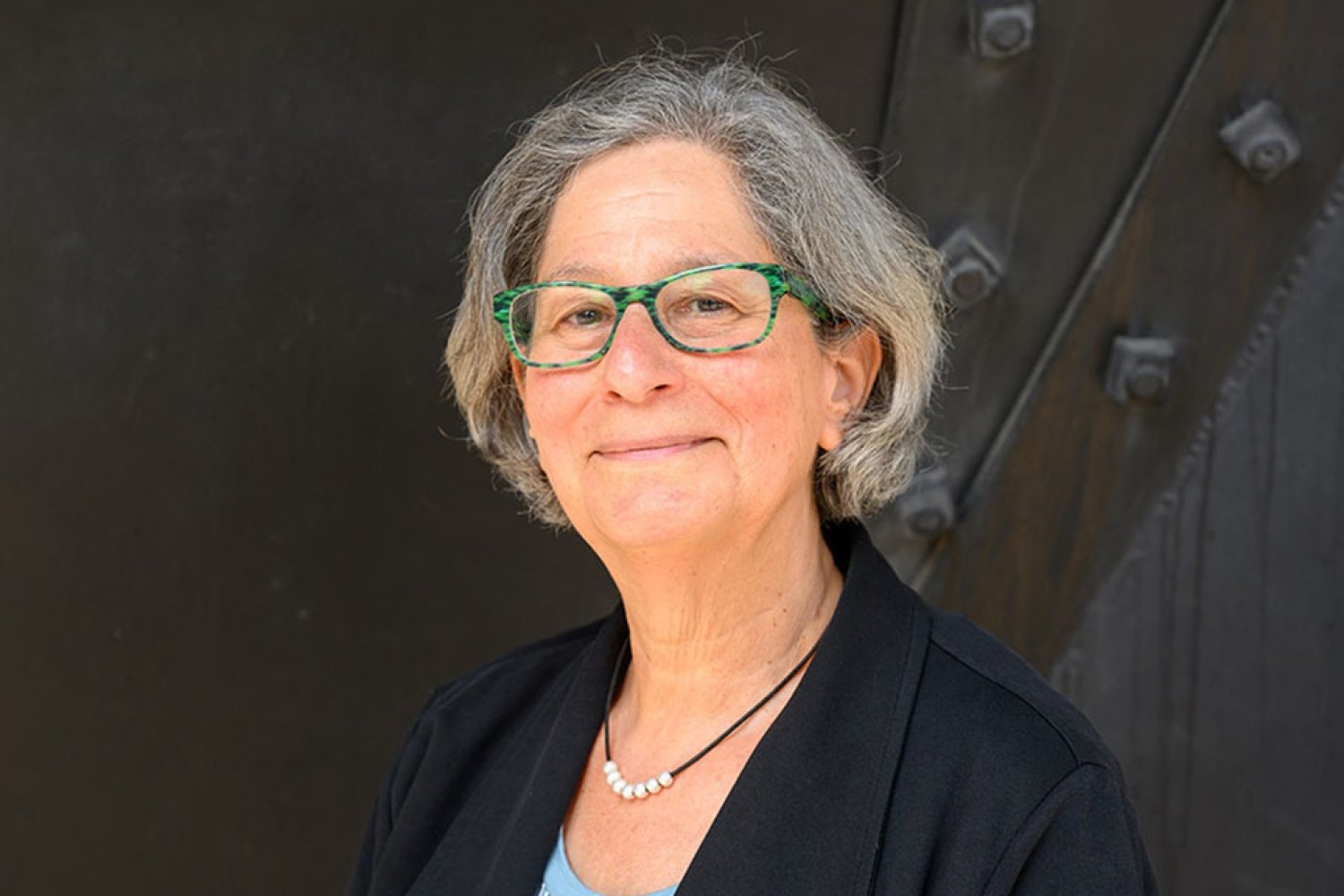
Susan Solomon named 2026 Tang Prize laureate
Susan Solomon , the Lee and Geraldine Professor of Environmental Studies at MIT, has been named the 2026 Tang Prize Laureate in Sustainable Development for “groundbreaking advances and leadership in atmospheric and climate sciences that shaped global policy for Sustainable Development,” according to the Tang Prize Foundation. The Tang Prize is a biennial international award granted by judges convened by Academia Sinica, Taiwan’s top academic research institution, and recognizes four fields of research: sustainable development, biopharmaceutical science, sinology, and rule of law. “The Tang Prize is one of the most prestigious awards in environmental science, and it’s flooring to anyone to learn that they received it,” says Solomon, who holds joint appointments in the MIT departments of Chemistry and Earth, Atmospheric and Planetary Sciences (EAPS). “It’s a tremendous, tremendous honor, and I’ll try to live up to it.” Solomon began her career at the National Oceanic and Atmospheric Administration. In 1985, scientists discovered an unexpected “hole” in the ozone layer of the atmosphere above Antarctica. Ozone, a gas made of three oxygen atoms, helps filter out ultraviolet radiation from the sun that would otherwise damage living organisms, with impacts such as increasing rates of skin cancer and cataracts. The following year Solomon, then 30, published a paper proposing a novel chemical mechanism that might explain the mysterious hole. In the same year, she led a team of 16 scientists to take direct measurements of the degradation of the ozone layer, as the only woman in the expedition. Their findings were the first measurements to show that chlorofluorocarbons (CFCs), compounds used in common items such as aerosols and cooling systems, were indeed destroying ozone in the stratosphere. “Maybe it’s just being young and naive, or maybe it’s being open to new ideas, but at that stage in my life I was open to the idea that chemistry might be completely different from what we had thought. I came up with some ideas of how to explain it that turned out to be right, remarkably,” she says. The following year, a United Nations conference signed the Montreal Protocol, with all nations agreeing to phase out the use of CFCs and resulting in one of the most successful triumphs of international climate policy to date. “The ozone story is a fantastic one, because it teaches us that we can actually develop international agreements and get all different kinds of countries, developed and developing, to agree to them and to solve problems together,” she says. From 2002 to 2008, she co-led the production of the Intergovernmental Panel on Climate Change Fourth Assessment Report, synthesizing climate science knowledge and assessing effects and mitigation approaches to human-caused climate change. It was later recognized with a Nobel Peace Prize. Solomon then went on to study the impacts of human-made carbon dioxide (CO 2 ) emissions on the Earth’s climate. Her groundbreaking research showed that human emissions of CO 2 were causing impacts on the climate that would be irreversible for 1,000 years, even after emissions stopped. In 2012 she joined the faculty of EAPS, where she has continued her work on studying the ozone layer. Recently, she has found the first quantitative proof that the ozone layer is on track to recover by around 2035. “Most of the awards I’ve gotten previously have been very focused on the science that I did, but this one embraces the fact that my work has benefit for the planet’s sustainability,” she says. “People recognize that my work did something valuable. That is an incredible, humbling, and remarkable feeling.” “Susan is a model of an engaged scientist,” says David McGee, the William R. Kenan, Jr. Professor of Earth and Planetary Sciences at MIT and EAPS department head. “From uncovering the mechanisms by which human activities affect the ozone layer to using that understanding to guide political action to, most recently, showing that our actions have produced measurable ozone recovery, her work and leadership have deeply impacted the field and the health of our society. Her mentoring and teaching have similarly impacted students and researchers across EAPS and MIT. This award is a wonderful celebration of her remarkable achievements.” “Susan is a pioneer of atmospheric chemistry,” says Class of 1942 Professor of Chemistry and Department Head Matthew D. Shoulders. “Her groundbreaking research at the intersection of chemistry and environmental science is critically important, and it is wonderful to see her dedication, creativity, and scientific leadership recognized in this way.” “I have been absolutely blessed by the students and colleagues that I’ve had over the years,” Solomon says, including collaborators Qiang Fu, Rolando Garcia, Douglas Kinnison, Ben Santer, and David Thompson, as well as MIT research scientists Kane Stone and Diane Ivy and former students, including Megan Lickley and Peidong Wang. Founded in 2012 by the late Samuel Yin, the Tang Prize Foundation is a nongovernmental, nonprofit educational foundation. Nomination and selection of laureates is conducted by the Academia Sinica. Each award cycle, the academy convenes four autonomous selection committees, each consisting of an assembly of international experts, until a consensus on the recipients is reached. Recipients are chosen on the basis of the originality of their work along with their contributions to society, irrespective of nationality, ethnicity, gender, and political affiliation. Recipients in each Tang Prize category receive a total of approximately $1.6 million and a grant of approximately $320,000. Solomon is the second MIT faculty member to receive the award after Feng Zhang , who won the award in Biopharmaceutical Science in 2016 for his role in developing the CRISPR-Cas9 gene-editing system.
17 Jun 2026
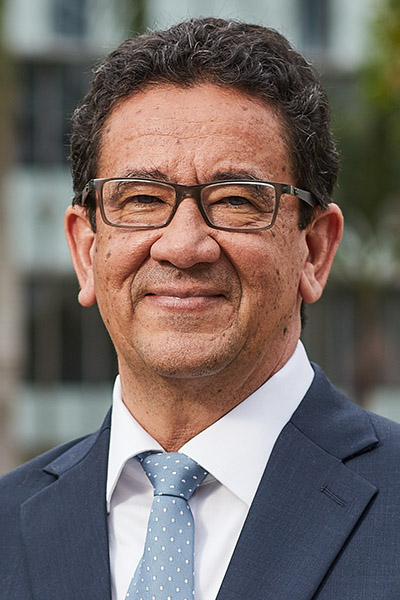
Semana Ambiental 2026: la PUCP presentó su nueva Política Institucional de Sostenibilidad Ambiental
La sostenibilidad ambiental ocupa hoy un lugar central en la agenda institucional de la PUCP. Este lunes, la Universidad inauguró la Semana Ambiental 2026 con la presentación formal de la nueva Política Institucional de Sostenibilidad Ambiental , aprobada por el Consejo Universitario el pasado 22 de abril (Día de la Tierra). El evento reunió a autoridades, docentes, estudiantes y representantes del Estado, de la sociedad civil y del sector empresarial. La jornada fue un balance colectivo de lo que la PUCP ha construido en materia ambiental, de lo que aún falta por hacer y de lo que implica traducir un documento normativo en cultura cotidiana. Ese fue el hilo que atravesó la inauguración, la presentación de la política y el panel de discusión que cerró el acto. La conciencia ambiental como eje transversal de la Universidad El rector PUCP, Dr. Julio del Valle, comenzó por lo más simple: “Estamos vivos. Respiramos”. Desde esa imagen cotidiana, encuadró el compromiso ambiental como una condición para vivir bien y honrar la creación. Sus palabras anunciaron el cumplimiento de una promesa: hace exactamente un año, en ese mismo espacio, la PUCP se había comprometido a diseñar una nueva política de sostenibilidad. Nuestro verdadero objetivo es lograr que la conciencia ambiental se convierta en un eje transversal que guíe cada una de las acciones de nuestra Universidad». Dr. Julio del Valle Rector de la PUCP Pero el rector fue igualmente claro en lo que el documento no es: una meta. «Nuestro verdadero objetivo es lograr que la conciencia ambiental se convierta en un eje transversal que guíe cada una de las acciones de nuestra Universidad», precisó. Con esa distinción como fondo —entre tener una política y vivirla—, Del Valle invitó a toda la comunidad a reconocerse protagonista del proceso. El paso siguiente, señaló, será la formulación de un plan de implementación participativo. La Dra. Nani Pease, quien lidera la Dirección Académica de Responsabilidad Social (DARS), fue la primera en situar el documento en su contexto más amplio. Para la DARS, explicó Pease, la sostenibilidad no es un tema separado de la justicia social. «La crisis ambiental y la crisis social están profundamente conectadas, tal como se resalta en la encíclica Laudato Si’ . El deterioro de los sistemas afecta de manera desproporcionada a las poblaciones más vulnerables, mientras que las desigualdades sociales limitan nuestra capacidad colectiva para enfrentar desafíos como el cambio climático», señaló. El deterioro de los sistemas afecta de manera desproporcionada a las poblaciones más vulnerables, mientras que las desigualdades sociales limitan nuestra capacidad colectiva para enfrentar desafíos como el cambio climático». Dra. Nani Pease Directora académica de Responsabilidad Social y miembro de la Comisión de Medio Ambiente En el conversatorio, estuvieron el Dr. Ramzy Kahhat, director de la carrera de Ingeniería Ambiental y Sostenible; la directora de la DARS, Dra. Nani Pease; Dana Rozas, representante estudiantil ante la Asamblea Universitaria; el padre Fernando Roca, director académico de Relaciones con la Iglesia. El panel estuvo moderado por el Mag. Andrés Solano. Política Institucional de Sostenibilidad Ambiental: cuatro ejes para una sostenibilidad ambiental transversal Detrás de la política hay un proceso que tomó tres meses y tres sesiones de trabajo. La presidenta de la Comisión de Medio Ambiente y directora del INTE-PUCP , Dra. Ana Sabogal, condujo ese proceso junto a una comisión amplia y plural con el objetivo de que el documento recogiera distintas miradas institucionales. «Hemos tratado de que sea de diferentes ramas y que pueda recoger diversas formas de ver», explicó Sabogal. Lo que tenemos es solo la política. Cómo lo vamos a hacer y qué vamos a hacer es lo que tenemos que desarrollar de manera conjunta. Queremos llamar a todos y vamos a tener varias discusiones sobre el tema». Dra. Ana Sabogal Directora del INTE-PUCP y presidenta de la Comisión de Medio Ambiente de la PUCP La política se articula en cuatro ejes: formación e investigación ambiental; gobernanza institucional para la transversalización de la sostenibilidad; gestión ambiental basada en evidencia científica, académica y administrativa; e incidencia y cultura ambiental. El primero apunta a integrar la sostenibilidad en los planes de estudio y promover la investigación. El segundo, a elaborar un plan de implementación con monitoreo permanente. El tercero, a gestionar eficientemente los recursos del campus e implementar economía circular. El cuarto, a desarrollar comunicación estratégica y alianzas multisectoriales. La Dra. Sabogal fue enfática en que lo aprobado es solo el inicio. «Lo que tenemos es solo la política», dijo. «Cómo lo vamos a hacer y qué vamos a hacer es lo que tenemos que desarrollar de manera conjunta. Queremos llamar a todos y vamos a tener varias discusiones sobre el tema». La política, en ese sentido, no es un producto terminado, sino una invitación abierta a toda la comunidad universitaria. Logros y desafíos para implementar la sostenibilidad La conversación que siguió fue, deliberadamente, menos protocolar. El panel moderado por el Mag. Andrés Solano reunió al Dr. Ramzy Kahhat, director de la carrera de Ingeniería Ambiental y Sostenible; al padre Fernando Roca, director académico de Relaciones con la Iglesia; a la directora de la DARS, Dra. Nani Pease; y a Dana Rozas, representante estudiantil ante la Asamblea Universitaria. La dinámica buscaba algo más cercano a un diagnóstico honesto que a una celebración. Kahhat ofreció ese diagnóstico sin rodeos. Reconoció las fortalezas: «Tenemos el segundo grupo de investigación más importante de la PUCP en temas de ingeniería ambiental y política industrial». Sin embargo, apuntó también a lo que no se ha hecho. La planta de tratamiento de aguas residuales, un proyecto largamente discutido, sigue pendiente. Los paneles fotovoltaicos instalados en el rectorado son, en cambio, una señal alentadora. «Queremos replicarlo y que no sea una réplica interna solamente, sino que se repita en la comunidad, en el Perú», afirmó. Tenemos el segundo grupo de investigación más importante de la PUCP en temas de ingeniería ambiental y política industrial». Dr. Ramzy Kahhat Director de la carrera de Ingeniería Ambiental y Sostenible El padre Roca amplió el marco hacia lo filosófico y lo espiritual. La política ambiental, dijo, recoge el espíritu de la ecología integral propuesta en las encíclicas Laudato Si’ y Laudato Deum : un concepto que incorpora elementos sociales, económicos y culturales a la relación entre los seres humanos y su entorno. El dato que acompañó su reflexión fue contundente: “Lima tiene solo 1m 2 de área verde por habitante, frente a lo que la OMS establece, que es un mínimo de 9m 2 . La PUCP es uno de los grandes pulmones de la ciudad”, subrayó. Lima tiene solo un metro cuadrado de área verde por habitante, frente a lo que la OMS establece, que es un mínimo de nueve. La PUCP es uno de los grandes pulmones de la ciudad”. R.P. Fernando Héctor Roca Alcázar, S.J. Director académico de Relaciones con la Iglesia Pease vio en la nueva política una oportunidad para redefinir el rol de la DARS. «El primer reto que tenemos es reenfocar el rol que tiene la DARS respecto a la sostenibilidad ambiental», explicó, y describió iniciativas en marcha: el Reciclatón Interfacultades, las ecorrutas, la Semana de la Movilidad, cursos de sostenibilidad para el personal administrativo. El primer reto que tenemos es reenfocar el rol que tiene la DARS respecto a la sostenibilidad ambiental». Dra. Nani Pease Dana Rozas cerró desde la perspectiva estudiantil, con una coalición ambiental activa desde 2015 como respaldo: Munai, RUA, AYAS, Segma, Gemra, Generación Verde y la REA. Su lectura de los desafíos fue escalonada: alianzas en el corto plazo, apropiación colectiva de la política en el mediano y cultura ambiental genuina a largo plazo. «No solo como una iniciativa o algo que se puede quedar en un momento, sino como algo que perdure a través del tiempo», afirmó. [La cultura ambiental] no solo como una iniciativa o algo que se puede quedar en un momento, sino como algo que perdure a través del tiempo». Dana Rozas REA y miembro de la Comisión de Medio Ambiente Lo que quedó claro al término de la inauguración es que la PUCP tiene ahora un instrumento construido con consenso, anclado en cuatro ejes y aprobado en el día simbólicamente más apropiado del año. Pero también es evidente que el documento es solo el primer paso. En un país que enfrenta deforestación acelerada, ríos contaminados y ciudades con poquísimas áreas verdes, la PUCP tiene, como recordó Kahhat, «un potencial grande que replicar.» La pregunta ahora es cuánto tardaremos en aprovecharlo.
17 Jun 2026

Watch: The economic pressures that are driving Californians to leave home
Evan White, the co-executive director of the California Policy Lab, details why thousands of residents have left the Golden State in recent years. The post Watch: The economic pressures that are driving Californians to leave home appeared first on Berkeley News .
17 Jun 2026

Expanding and deepening climate reporting through local messengers
Since 2021, the MIT Environmental Solutions Journalism Fellowship has supported local and regional journalists in reporting high-impact news stories that connect climate change with local priorities. Now, the MIT Climate Project has published a report on the reach and impact of these fellowships, highlighting how the Institute’s scientific resources can help spark and deepen conversations about climate solutions in every corner of the country. “Our goal is to offer trusted, grounded knowledge about climate change to everyone who wants to learn, so communities can make informed decisions for themselves about how to respond,” says Aaron Krol, who leads the Climate Change Engagement Program within the Climate Project. “Often, the best way to do that is just to lend support and scientific guidance to the people, like the reporters at local papers and radio stations, who know their audiences’ needs and perspectives best.” Since the fellowship was founded, 20 journalists have completed the program, publishing 104 stories with a collective audience of nearly 3 million readers and listeners. Among the goals of the fellowship is to ensure that ambitious, long-form or serial climate reporting is not restricted to the large national outlets that can afford to maintain a climate desk. Americans consistently say they trust their local newsrooms more than national ones, and feel local news is an important institution in their cities and towns — making these news sources especially powerful media for introducing new ideas and perspectives on climate change and its solutions. MIT journalism fellows have covered the potential for offshore wind energy in Louisiana , flood preparedness in West Virginia , and the energy transition in Utah’s coal country , among many other topics with clear stakes for readers and their communities. “Local journalists want to engage on climate issues,” says Krol. “Every year, we’re amazed by the quality of the applications we receive. There are so many reporters out there who know this is important, who have been holding onto ideas for stories, and just need that extra support to step outside their usual beats or devote the time and resources to these issues.” The 20 outlets that have participated in the fellowship showcase the full variety of local news media in the United States today. Some are long-standing institutions in their cities and states, while others are recent startups trying out new, nonprofit models for local journalism in the 21st century. Some publish in print, some are online-only, and some report on the radio. Some have readerships in the hundreds of thousands, and others serve impactful niche audiences. The most recent cohort of fellows, from 2025, exemplifies this range. At the Chicago Tribune , Karina Atkins reached hundreds of thousands of readers with her series on state and federal policies that have hampered Illinois farmers from diversifying their crops in preparation for a warming climate . Meanwhile, at Lancaster Farming , Carolyn Beans gave dairy farmers in Pennsylvania an in-depth look at the market for climate-smart milk . “We don’t ask how big your audience is,” Krol says. “We ask who you’re going to reach, and how you’re going to connect climate change to their lives and livelihoods.” MIT provides the fellows with editorial, scientific, design, and financial support. Fellows get a crash course in climate science from MIT experts, and work hands-on with interactive climate models to get new perspectives on policy and technology solutions. They also get access to a science editor who can supplement the work of the host newsroom with a specialized background in reporting and writing science-focused stories. “The stories themselves are important, but I’m proudest of the difference our program has made for the careers of the journalists who have come through it,” says Krol. “We’ve had newsrooms dedicate more resources to following up on their climate stories, fellows pivot to energy and environment beats, outlets start using digital tools and data visualizations in new ways. We even had a fellow start her own newsroom to pursue more environmental and solutions reporting for Minnesota. Once these journalists get a chance to dig in on climate, they carry the knowledge and skills with them.” Read the 2026 Impact Report to learn more about the MIT Environmental Solutions Journalism Fellows, and the impacts they made on communities across the country. All 100-plus stories published through the fellowship can be found on the MIT Climate Portal .
17 Jun 2026
Tokyo eyes more affordable housing in Shibuya with zoning rule change
17 Jun 2026
Japan's Takaichi to visit India with execs from Suzuki, Itochu and more
17 Jun 2026
AI nation: Is it boom, bubble or both for South Korea?
17 Jun 2026

Edgar Morin, o humanista que quis compreender o mundo
Por Lucilene Cury, professora da Escola de Comunicações e Artes (ECA) da USP
17 Jun 2026
Adam Schiff Wants Federal Tax Credits for Movie and TV Production
While everybody struggled through the COVID-19 pandemic, Hollywood has yet to recover : Box office receipts and ticket sales remain below pre-pandemic levels. Eager to cut costs, studios increasingly shoot films and TV shows overseas. Unsurprisingly, one lawmaker thinks the government should help. "Los Angeles has been the world's entertainment capital for 100 years and still has an unmatched concentration of talent and infrastructure," Gene Maddaus writes at Variety . "But in an age of globalization, with easy international travel and communication, the city is losing its edge." While still synonymous with the entertainment industry, fewer and fewer projects are actually filmed in Hollywood. The problem primarily comes down to cost. "Everything costs more in L.A., starting with labor, due to the high cost of living and elaborate union agreements," Maddaus writes. "Other states and countries have developed crew bases of their own, are more solicitous of producers' needs and offer more generous incentives." It's that latter problem that lawmakers seem so keen on solving. "In order to save this industry in America, we need to be competitive with tax credits," Sen. Adam Schiff (D–Calif.) told Variety . Schiff wants a federal film production tax credit; he said in March he had "largely drafted" a bill but that he needed bipartisan support. Last year, when President Donald Trump pledged to impose a 100 percent tariff on films "produced in Foreign Lands," Schiff countered that, instead, " Congress should pass a bipartisan globally-competitive federal film incentive to bring back production and jobs ." But adding a new tax credit for U.S. film production would not solve the problem. In fact, it would create new problems of its own. More than half of all U.S. states and territories currently offer film and TV incentives. Georgia's program , which began in 2005, lets any studio that spent at least $500,000 filming in Georgia could claim a tax credit worth up to 30 percent of its total in-state production expenses. Since then, states have tried to keep up, in a race to the bottom to see who can offer the most generous incentives at taxpayer expense. That includes California: "[Gov. Gavin] Newsom doubled the state program to $750 million in 2025," Maddaus notes. "Everyone seems to agree it should be more—maybe a lot more—and that it should cover above-the-line salaries for actors, writers and producers." "Even Massachusetts has better tax credits than Hollywood," said reality star Spencer Pratt, who recently lost his race for Los Angeles mayor. In 2021, Massachusetts funded as much as 60 percent of the production budget for Don't Look Up , a satirical film about climate change that premiered on Netflix after a perfunctory limited theatrical release. As mayor, Pratt pledged to fight for "uncapped" production tax credits, which would mean the state can spend an unlimited amount on production incentives. But even that can't keep cameras rolling forever. Georgia's program is uncapped, but that didn't stop Marvel Studios from moving production of its new Spider-Man and Avengers films to the United Kingdom, which has lower labor and production costs. And Marvel is not alone. "Now, millions of square feet of production facilities sit empty," The Wall Street Journal reported in January about the current state of Georgia's film industry. "It turns out that bribing studios with taxpayer dollars isn't a strategy to create a healthy industry—it's a way to be out-bribed." Besides, studies repeatedly show that production incentives aren't worth the cost. "Film Tax Incentives Are a Giant Waste of Money, New Study Finds," according to the headline of a 2016 Variety piece also by Maddaus, the author of the article this week about lawmakers' attempts to spend even more money on them. That study found little or no film industry job growth in states that implemented production incentives. "Consistent with studies of other state film tax incentives programs, the State of Georgia loses money," according to a 2023 audit by Georgia State University. "We calculate a state fiscal [return on investment] of 0.19 for FY 2024, or a loss of 81 percent." Further, few credits actually benefited their intended recipients. Studios have very few state tax liabilities, but Georgia's law allows them to sell any unused credits to other state taxpayers, meaning studios pocket the proceeds of the sale and the state still loses out on revenue. "Approximately 97% of credits generated in tax year 2016 were transferred to another taxpayer (e.g., sold), while less than 1% of credits were used by the production companies against their own income tax liability or their employee income tax withholding," according to a 2022 report from the Georgia Department of Audits and Accounts. A 2017 report found that Virginia's tax credit "has little effect on film location decisions, a negligible benefit to the Virginia economy, and provides a negligible return on the state's investment." Rather than job creators, the credits are subsidies to the wealthy. The 2023 audit found that Georgia's incentives cost the state "$160,009 for every net job" they ostensibly create. In 2015, Massachusetts determined that its credit costs taxpayers $118,000 per job. The simple fact is that Hollywood studios, like any other major company, will go wherever their dollar will stretch the farthest. Free money from the state is nice, but not enough to overcome cheaper costs overall. The best option would be a feat of mutual disarmament, in which states simply get rid of their production incentives altogether. In the absence of that, the least we could do is stop throwing good money after bad. The post Adam Schiff Wants Federal Tax Credits for Movie and TV Production appeared first on Reason.com .
17 Jun 2026

kihci-okāwīmāw askiy Knowledge Centre receives $2.6 million from Weston Family Prairie Grasslands Initiative
A new Indigenous Grasslands Stewardship and Knowledge Exchange Network has been launched at the University of Saskatchewan (USask).
17 Jun 2026
Duas noites de festa: espetaculares, inesquecíveis – parabéns aos envolvidos
Por Clotilde Perez, professora e diretora da Escola de Comunicações e Artes (ECA) da USP
17 Jun 2026