The Road to Opportunity: Making CTE Accessible for All
The most valuable CTE happens off campus. For too many students, transportation is the barrier that keeps opportunity out of reach.
23 Jun 2026

wortwechsel: Gott und Fußball: Wozu Religion auf dem Rasen?
Öffentlich seinen Glauben zu bekunden, wie Felix Nmecha es nach dem Spiel gegen Curaçao getan hat, ruft sehr unterschiedliche Reaktionen bei den Lesern hervor mehr...
17 Jun 2026

:
Wild sind die Träume für spektakuläre Bühnenneubauten wie die gescheiterte Oper in Düsseldorf. Dabei gibt es gute Pläne für die vernachlässigten Bestandsbauten mehr...
17 Jun 2026

:
Im Westjordanland eskaliert die Siedlergewalt. Die Palästinenser*innen sind verzweifelt – doch manchmal kriegen sie Hilfe von unerwarteter Seite mehr...
17 Jun 2026

: Die Stimme der Betroffenen
Das Gewalthilfegesetz soll Beratung und Schutz für Frauen sichern. Betroffene sehen jedoch Lücken und fordern strukturelle Veränderungen mehr...
17 Jun 2026

: Als niemand etwas beweisen konnte
Nach der Verkehrsschulung in einer vierten Klasse berichten Schüler*innen von Misshandlungen durch eine Polizistin. Nachweisen kann man ihr nichts mehr...
17 Jun 2026

: Schnüffeln nur noch mit angezogener Bremse
Bremens neues Verfassungsschutzgesetz stärkt die Grundrechte. Das liegt auch an den Erfahrungen aus der sogenannten V-Mann-Affäre, die viel öffentliche Kritik hervorgerufen hatten mehr...
17 Jun 2026

Samuels turns to local communities for advice on making NYC schools safe, rigorous, and integrated
Sign up for Chalkbeat New York’s free daily newsletter to get essential news about NYC’s public schools delivered to your inbox. Since taking office in January, schools Chancellor Kamar Samuels has repeated a refrain that he wants the nation’s largest school system to be safe, academically rigorous, and integrated. But he has revealed little about his tangible policy goals in each of those areas. Now, he’s signaling that some of those ideas may come from local communities rather than top-down from the Education Department or City Hall. On Wednesday, education officials announced that five of the city’s 45 superintendents will convene working groups with parents, teachers, principals, and community organizations that will “address structural and instructional inequities in their district,” according to a press release. They are expected to meet monthly. The groups represent “local solutions for systemic problems,” Samuels said Wednesday morning during a discussion with author Heather McGhee who has written about how racism has broader effects beyond people of color. Officials said all districts will have similar groups within three years. Samuels suggested that the groups, which will be led by local superintendents, could begin to tackle some of the system’s biggest policy challenges. His conversation with McGhee touched on declining enrollment and the growing number of underenrolled schools ; a state mandate to lower class sizes ; and segregation of students by race, ability, socioeconomic status, and language. Officials did not share who was selected by superintendents to serve on each working group, or commit to release each group’s recommendations publicly. Previous administrations have also set up working groups to tackle thorny policy problems. Under pressure from parents and advocates to address deep racial segregation in the city’s schools, former Mayor Bill de Blasio created a working group to recommend solutions. Some advocates were frustrated that the city did not embrace some of the group’s most sweeping suggestions. Still, some local districts have taken action to integrate local schools absent a broader citywide mandate, though others have sputtered . (Mayor Zohran Mamdani said that he would adopt some of the recommendations from de Blasio’s diversity advisory group that were not implemented, but he has yet to do so.) On the campaign trail, Mamdani committed to getting rid of mayoral control — which gives the mayor largely unfettered power to set the school system’s policy direction — in favor of a more democratic system. He reversed his position just before taking office and recently won a two-year extension for it from state lawmakers . But he has consistently vowed to give families and educators more of a say in policymaking and Samuels signaled the working groups were an effort to make good on that promise. “When people ask me … ‘You have mayoral control, and are you going to really listen to parents, and are you going to listen to communities?’” Samuels said, “this is one of our main initial first steps.” The first five districts that will participate are: Manhattan District 3 (Upper West Side, Morningside Heights, and parts of Harlem); Bronx District 7 (Mott Haven and Port Morris); Brooklyn District 13 (Brooklyn Heights, Fort Greene, Clinton Hill); Brooklyn’s District 16 (much of Bedford-Stuyvesant); and Queens District 25 (College Point, Whitestone, Hillcrest). Samuels previously led District 3 and 13. The Wednesday morning event was livestreamed but the Education Department did not invite reporters to attend. Education Department spokesperson Nicole Brownstein said members of the working groups were invited and there wasn’t additional room due to the fire code. The five working groups are expected to share their recommendations with the Education Department by the end of next school year, Brownstein said. She indicated those reports could take multiple forms and officials plan to wait to release broader policy ideas until they review the recommendations. No funding has been earmarked for the working groups, officials said. “We have to figure out what is the thing that we are going to do on behalf of our most marginalized young people, oftentimes, but on behalf of every single child in your district,” Samuels said. Alex Zimmerman is a senior reporter for Chalkbeat New York, covering NYC public schools. Contact Alex at azimmerman@chalkbeat.org .
17 Jun 2026
Samuels turns to local communities for advice on making NYC schools safe, rigorous, and integrated
Sign up for Chalkbeat New York’s free daily newsletter to get essential news about NYC’s public schools delivered to your inbox. Since taking office in January, schools Chancellor Kamar Samuels has repeated a refrain that he wants the nation’s largest school system to be safe, academically rigorous, and integrated. But he has revealed little about his tangible policy goals in each of those areas. Now, he’s signaling that some of those ideas may come from local communities rather than top-down from the Education Department or City Hall. On Wednesday, education officials announced that five of the city’s 45 superintendents will convene working groups with parents, teachers, principals, and community organizations that will “address structural and instructional inequities in their district,” according to a press release. They are expected to meet monthly. The groups represent “local solutions for systemic problems,” Samuels said Wednesday morning during a discussion with author Heather McGhee who has written about how racism has broader effects beyond people of color. Officials said all districts will have similar groups within three years. Samuels suggested that the groups, which will be led by local superintendents, could begin to tackle some of the system’s biggest policy challenges. His conversation with McGhee touched on declining enrollment and the growing number of underenrolled schools ; a state mandate to lower class sizes ; and segregation of students by race, ability, socioeconomic status, and language. Officials did not share who was selected by superintendents to serve on each working group, or commit to release each group’s recommendations publicly. Previous administrations have also set up working groups to tackle thorny policy problems. Under pressure from parents and advocates to address deep racial segregation in the city’s schools, former Mayor Bill de Blasio created a working group to recommend solutions. Some advocates were frustrated that the city did not embrace some of the group’s most sweeping suggestions. Still, some local districts have taken action to integrate local schools absent a broader citywide mandate, though others have sputtered . (Mayor Zohran Mamdani said that he would adopt some of the recommendations from de Blasio’s diversity advisory group that were not implemented, but he has yet to do so.) On the campaign trail, Mamdani committed to getting rid of mayoral control — which gives the mayor largely unfettered power to set the school system’s policy direction — in favor of a more democratic system. He reversed his position just before taking office and recently won a two-year extension for it from state lawmakers . But he has consistently vowed to give families and educators more of a say in policymaking and Samuels signaled the working groups were an effort to make good on that promise. “When people ask me … ‘You have mayoral control, and are you going to really listen to parents, and are you going to listen to communities?’” Samuels said, “this is one of our main initial first steps.” The first five districts that will participate are: Manhattan District 3 (Upper West Side, Morningside Heights, and parts of Harlem); Bronx District 7 (Mott Haven and Port Morris); Brooklyn District 13 (Brooklyn Heights, Fort Greene, Clinton Hill); Brooklyn’s District 16 (much of Bedford-Stuyvesant); and Queens District 25 (College Point, Whitestone, Hillcrest). Samuels previously led District 3 and 13. The Wednesday morning event was livestreamed but the Education Department did not invite reporters to attend. Education Department spokesperson Nicole Brownstein said members of the working groups were invited and there wasn’t additional room due to the fire code. The five working groups are expected to share their recommendations with the Education Department by the end of next school year, Brownstein said. She indicated those reports could take multiple forms and officials plan to wait to release broader policy ideas until they review the recommendations. No funding has been earmarked for the working groups, officials said. “We have to figure out what is the thing that we are going to do on behalf of our most marginalized young people, oftentimes, but on behalf of every single child in your district,” Samuels said. Alex Zimmerman is a senior reporter for Chalkbeat New York, covering NYC public schools. Contact Alex at azimmerman@chalkbeat.org .
17 Jun 2026
Samuels turns to local communities for advice on making NYC schools safe, rigorous, and integrated
Sign up for Chalkbeat New York’s free daily newsletter to get essential news about NYC’s public schools delivered to your inbox. Since taking office in January, schools Chancellor Kamar Samuels has repeated a refrain that he wants the nation’s largest school system to be safe, academically rigorous, and integrated. But he has revealed little about his tangible policy goals in each of those areas. Now, he’s signaling that some of those ideas may come from local communities rather than top-down from the Education Department or City Hall. On Wednesday, education officials announced that five of the city’s 45 superintendents will convene working groups with parents, teachers, principals, and community organizations that will “address structural and instructional inequities in their district,” according to a press release. They are expected to meet monthly. The groups represent “local solutions for systemic problems,” Samuels said Wednesday morning during a discussion with author Heather McGhee who has written about how racism has broader effects beyond people of color. Officials said all districts will have similar groups within three years. Samuels suggested that the groups, which will be led by local superintendents, could begin to tackle some of the system’s biggest policy challenges. His conversation with McGhee touched on declining enrollment and the growing number of underenrolled schools ; a state mandate to lower class sizes ; and segregation of students by race, ability, socioeconomic status, and language. Officials did not share who was selected by superintendents to serve on each working group, or commit to release each group’s recommendations publicly. Previous administrations have also set up working groups to tackle thorny policy problems. Under pressure from parents and advocates to address deep racial segregation in the city’s schools, former Mayor Bill de Blasio created a working group to recommend solutions. Some advocates were frustrated that the city did not embrace some of the group’s most sweeping suggestions. Still, some local districts have taken action to integrate local schools absent a broader citywide mandate, though others have sputtered . (Mayor Zohran Mamdani said that he would adopt some of the recommendations from de Blasio’s diversity advisory group that were not implemented, but he has yet to do so.) On the campaign trail, Mamdani committed to getting rid of mayoral control — which gives the mayor largely unfettered power to set the school system’s policy direction — in favor of a more democratic system. He reversed his position just before taking office and recently won a two-year extension for it from state lawmakers . But he has consistently vowed to give families and educators more of a say in policymaking and Samuels signaled the working groups were an effort to make good on that promise. “When people ask me … ‘You have mayoral control, and are you going to really listen to parents, and are you going to listen to communities?’” Samuels said, “this is one of our main initial first steps.” The first five districts that will participate are: Manhattan District 3 (Upper West Side, Morningside Heights, and parts of Harlem); Bronx District 7 (Mott Haven and Port Morris); Brooklyn District 13 (Brooklyn Heights, Fort Greene, Clinton Hill); Brooklyn’s District 16 (much of Bedford-Stuyvesant); and Queens District 25 (College Point, Whitestone, Hillcrest). Samuels previously led District 3 and 13. The Wednesday morning event was livestreamed but the Education Department did not invite reporters to attend. Education Department spokesperson Nicole Brownstein said members of the working groups were invited and there wasn’t additional room due to the fire code. The five working groups are expected to share their recommendations with the Education Department by the end of next school year, Brownstein said. She indicated those reports could take multiple forms and officials plan to wait to release broader policy ideas until they review the recommendations. No funding has been earmarked for the working groups, officials said. “We have to figure out what is the thing that we are going to do on behalf of our most marginalized young people, oftentimes, but on behalf of every single child in your district,” Samuels said. Alex Zimmerman is a senior reporter for Chalkbeat New York, covering NYC public schools. Contact Alex at azimmerman@chalkbeat.org .
17 Jun 2026
Samuels turns to local communities for advice on making NYC schools safe, rigorous, and integrated
Sign up for Chalkbeat New York’s free daily newsletter to get essential news about NYC’s public schools delivered to your inbox. Since taking office in January, schools Chancellor Kamar Samuels has repeated a refrain that he wants the nation’s largest school system to be safe, academically rigorous, and integrated. But he has revealed little about his tangible policy goals in each of those areas. Now, he’s signaling that some of those ideas may come from local communities rather than top-down from the Education Department or City Hall. On Wednesday, education officials announced that five of the city’s 45 superintendents will convene working groups with parents, teachers, principals, and community organizations that will “address structural and instructional inequities in their district,” according to a press release. They are expected to meet monthly. The groups represent “local solutions for systemic problems,” Samuels said Wednesday morning during a discussion with author Heather McGhee who has written about how racism has broader effects beyond people of color. Officials said all districts will have similar groups within three years. Samuels suggested that the groups, which will be led by local superintendents, could begin to tackle some of the system’s biggest policy challenges. His conversation with McGhee touched on declining enrollment and the growing number of underenrolled schools ; a state mandate to lower class sizes ; and segregation of students by race, ability, socioeconomic status, and language. Officials did not share who was selected by superintendents to serve on each working group, or commit to release each group’s recommendations publicly. Previous administrations have also set up working groups to tackle thorny policy problems. Under pressure from parents and advocates to address deep racial segregation in the city’s schools, former Mayor Bill de Blasio created a working group to recommend solutions. Some advocates were frustrated that the city did not embrace some of the group’s most sweeping suggestions. Still, some local districts have taken action to integrate local schools absent a broader citywide mandate, though others have sputtered . (Mayor Zohran Mamdani said that he would adopt some of the recommendations from de Blasio’s diversity advisory group that were not implemented, but he has yet to do so.) On the campaign trail, Mamdani committed to getting rid of mayoral control — which gives the mayor largely unfettered power to set the school system’s policy direction — in favor of a more democratic system. He reversed his position just before taking office and recently won a two-year extension for it from state lawmakers . But he has consistently vowed to give families and educators more of a say in policymaking and Samuels signaled the working groups were an effort to make good on that promise. “When people ask me … ‘You have mayoral control, and are you going to really listen to parents, and are you going to listen to communities?’” Samuels said, “this is one of our main initial first steps.” The first five districts that will participate are: Manhattan District 3 (Upper West Side, Morningside Heights, and parts of Harlem); Bronx District 7 (Mott Haven and Port Morris); Brooklyn District 13 (Brooklyn Heights, Fort Greene, Clinton Hill); Brooklyn’s District 16 (much of Bedford-Stuyvesant); and Queens District 25 (College Point, Whitestone, Hillcrest). Samuels previously led District 3 and 13. The Wednesday morning event was livestreamed but the Education Department did not invite reporters to attend. Education Department spokesperson Nicole Brownstein said members of the working groups were invited and there wasn’t additional room due to the fire code. The five working groups are expected to share their recommendations with the Education Department by the end of next school year, Brownstein said. She indicated those reports could take multiple forms and officials plan to wait to release broader policy ideas until they review the recommendations. No funding has been earmarked for the working groups, officials said. “We have to figure out what is the thing that we are going to do on behalf of our most marginalized young people, oftentimes, but on behalf of every single child in your district,” Samuels said. Alex Zimmerman is a senior reporter for Chalkbeat New York, covering NYC public schools. Contact Alex at azimmerman@chalkbeat.org .
17 Jun 2026
Samuels turns to local communities for advice on making NYC schools safe, rigorous, and integrated
Sign up for Chalkbeat New York’s free daily newsletter to get essential news about NYC’s public schools delivered to your inbox. Since taking office in January, schools Chancellor Kamar Samuels has repeated a refrain that he wants the nation’s largest school system to be safe, academically rigorous, and integrated. But he has revealed little about his tangible policy goals in each of those areas. Now, he’s signaling that some of those ideas may come from local communities rather than top-down from the Education Department or City Hall. On Wednesday, education officials announced that five of the city’s 45 superintendents will convene working groups with parents, teachers, principals, and community organizations that will “address structural and instructional inequities in their district,” according to a press release. They are expected to meet monthly. The groups represent “local solutions for systemic problems,” Samuels said Wednesday morning during a discussion with author Heather McGhee who has written about how racism has broader effects beyond people of color. Officials said all districts will have similar groups within three years. Samuels suggested that the groups, which will be led by local superintendents, could begin to tackle some of the system’s biggest policy challenges. His conversation with McGhee touched on declining enrollment and the growing number of underenrolled schools ; a state mandate to lower class sizes ; and segregation of students by race, ability, socioeconomic status, and language. Officials did not share who was selected by superintendents to serve on each working group, or commit to release each group’s recommendations publicly. Previous administrations have also set up working groups to tackle thorny policy problems. Under pressure from parents and advocates to address deep racial segregation in the city’s schools, former Mayor Bill de Blasio created a working group to recommend solutions. Some advocates were frustrated that the city did not embrace some of the group’s most sweeping suggestions. Still, some local districts have taken action to integrate local schools absent a broader citywide mandate, though others have sputtered . (Mayor Zohran Mamdani said that he would adopt some of the recommendations from de Blasio’s diversity advisory group that were not implemented, but he has yet to do so.) On the campaign trail, Mamdani committed to getting rid of mayoral control — which gives the mayor largely unfettered power to set the school system’s policy direction — in favor of a more democratic system. He reversed his position just before taking office and recently won a two-year extension for it from state lawmakers . But he has consistently vowed to give families and educators more of a say in policymaking and Samuels signaled the working groups were an effort to make good on that promise. “When people ask me … ‘You have mayoral control, and are you going to really listen to parents, and are you going to listen to communities?’” Samuels said, “this is one of our main initial first steps.” The first five districts that will participate are: Manhattan District 3 (Upper West Side, Morningside Heights, and parts of Harlem); Bronx District 7 (Mott Haven and Port Morris); Brooklyn District 13 (Brooklyn Heights, Fort Greene, Clinton Hill); Brooklyn’s District 16 (much of Bedford-Stuyvesant); and Queens District 25 (College Point, Whitestone, Hillcrest). Samuels previously led District 3 and 13. The Wednesday morning event was livestreamed but the Education Department did not invite reporters to attend. Education Department spokesperson Nicole Brownstein said members of the working groups were invited and there wasn’t additional room due to the fire code. The five working groups are expected to share their recommendations with the Education Department by the end of next school year, Brownstein said. She indicated those reports could take multiple forms and officials plan to wait to release broader policy ideas until they review the recommendations. No funding has been earmarked for the working groups, officials said. “We have to figure out what is the thing that we are going to do on behalf of our most marginalized young people, oftentimes, but on behalf of every single child in your district,” Samuels said. Alex Zimmerman is a senior reporter for Chalkbeat New York, covering NYC public schools. Contact Alex at azimmerman@chalkbeat.org .
17 Jun 2026
Samuels turns to local communities for advice on making NYC schools safe, rigorous, and integrated
Sign up for Chalkbeat New York’s free daily newsletter to get essential news about NYC’s public schools delivered to your inbox. Since taking office in January, schools Chancellor Kamar Samuels has repeated a refrain that he wants the nation’s largest school system to be safe, academically rigorous, and integrated. But he has revealed little about his tangible policy goals in each of those areas. Now, he’s signaling that some of those ideas may come from local communities rather than top-down from the Education Department or City Hall. On Wednesday, education officials announced that five of the city’s 45 superintendents will convene working groups with parents, teachers, principals, and community organizations that will “address structural and instructional inequities in their district,” according to a press release. They are expected to meet monthly. The groups represent “local solutions for systemic problems,” Samuels said Wednesday morning during a discussion with author Heather McGhee who has written about how racism has broader effects beyond people of color. Officials said all districts will have similar groups within three years. Samuels suggested that the groups, which will be led by local superintendents, could begin to tackle some of the system’s biggest policy challenges. His conversation with McGhee touched on declining enrollment and the growing number of underenrolled schools ; a state mandate to lower class sizes ; and segregation of students by race, ability, socioeconomic status, and language. Officials did not share who was selected by superintendents to serve on each working group, or commit to release each group’s recommendations publicly. Previous administrations have also set up working groups to tackle thorny policy problems. Under pressure from parents and advocates to address deep racial segregation in the city’s schools, former Mayor Bill de Blasio created a working group to recommend solutions. Some advocates were frustrated that the city did not embrace some of the group’s most sweeping suggestions. Still, some local districts have taken action to integrate local schools absent a broader citywide mandate, though others have sputtered . (Mayor Zohran Mamdani said that he would adopt some of the recommendations from de Blasio’s diversity advisory group that were not implemented, but he has yet to do so.) On the campaign trail, Mamdani committed to getting rid of mayoral control — which gives the mayor largely unfettered power to set the school system’s policy direction — in favor of a more democratic system. He reversed his position just before taking office and recently won a two-year extension for it from state lawmakers . But he has consistently vowed to give families and educators more of a say in policymaking and Samuels signaled the working groups were an effort to make good on that promise. “When people ask me … ‘You have mayoral control, and are you going to really listen to parents, and are you going to listen to communities?’” Samuels said, “this is one of our main initial first steps.” The first five districts that will participate are: Manhattan District 3 (Upper West Side, Morningside Heights, and parts of Harlem); Bronx District 7 (Mott Haven and Port Morris); Brooklyn District 13 (Brooklyn Heights, Fort Greene, Clinton Hill); Brooklyn’s District 16 (much of Bedford-Stuyvesant); and Queens District 25 (College Point, Whitestone, Hillcrest). Samuels previously led District 3 and 13. The Wednesday morning event was livestreamed but the Education Department did not invite reporters to attend. Education Department spokesperson Nicole Brownstein said members of the working groups were invited and there wasn’t additional room due to the fire code. The five working groups are expected to share their recommendations with the Education Department by the end of next school year, Brownstein said. She indicated those reports could take multiple forms and officials plan to wait to release broader policy ideas until they review the recommendations. No funding has been earmarked for the working groups, officials said. “We have to figure out what is the thing that we are going to do on behalf of our most marginalized young people, oftentimes, but on behalf of every single child in your district,” Samuels said. Alex Zimmerman is a senior reporter for Chalkbeat New York, covering NYC public schools. Contact Alex at azimmerman@chalkbeat.org .
17 Jun 2026
Samuels turns to local communities for advice on making NYC schools safe, rigorous, and integrated
Sign up for Chalkbeat New York’s free daily newsletter to get essential news about NYC’s public schools delivered to your inbox. Since taking office in January, schools Chancellor Kamar Samuels has repeated a refrain that he wants the nation’s largest school system to be safe, academically rigorous, and integrated. But he has revealed little about his tangible policy goals in each of those areas. Now, he’s signaling that some of those ideas may come from local communities rather than top-down from the Education Department or City Hall. On Wednesday, education officials announced that five of the city’s 45 superintendents will convene working groups with parents, teachers, principals, and community organizations that will “address structural and instructional inequities in their district,” according to a press release. They are expected to meet monthly. The groups represent “local solutions for systemic problems,” Samuels said Wednesday morning during a discussion with author Heather McGhee who has written about how racism has broader effects beyond people of color. Officials said all districts will have similar groups within three years. Samuels suggested that the groups, which will be led by local superintendents, could begin to tackle some of the system’s biggest policy challenges. His conversation with McGhee touched on declining enrollment and the growing number of underenrolled schools ; a state mandate to lower class sizes ; and segregation of students by race, ability, socioeconomic status, and language. Officials did not share who was selected by superintendents to serve on each working group, or commit to release each group’s recommendations publicly. Previous administrations have also set up working groups to tackle thorny policy problems. Under pressure from parents and advocates to address deep racial segregation in the city’s schools, former Mayor Bill de Blasio created a working group to recommend solutions. Some advocates were frustrated that the city did not embrace some of the group’s most sweeping suggestions. Still, some local districts have taken action to integrate local schools absent a broader citywide mandate, though others have sputtered . (Mayor Zohran Mamdani said that he would adopt some of the recommendations from de Blasio’s diversity advisory group that were not implemented, but he has yet to do so.) On the campaign trail, Mamdani committed to getting rid of mayoral control — which gives the mayor largely unfettered power to set the school system’s policy direction — in favor of a more democratic system. He reversed his position just before taking office and recently won a two-year extension for it from state lawmakers . But he has consistently vowed to give families and educators more of a say in policymaking and Samuels signaled the working groups were an effort to make good on that promise. “When people ask me … ‘You have mayoral control, and are you going to really listen to parents, and are you going to listen to communities?’” Samuels said, “this is one of our main initial first steps.” The first five districts that will participate are: Manhattan District 3 (Upper West Side, Morningside Heights, and parts of Harlem); Bronx District 7 (Mott Haven and Port Morris); Brooklyn District 13 (Brooklyn Heights, Fort Greene, Clinton Hill); Brooklyn’s District 16 (much of Bedford-Stuyvesant); and Queens District 25 (College Point, Whitestone, Hillcrest). Samuels previously led District 3 and 13. The Wednesday morning event was livestreamed but the Education Department did not invite reporters to attend. Education Department spokesperson Nicole Brownstein said members of the working groups were invited and there wasn’t additional room due to the fire code. The five working groups are expected to share their recommendations with the Education Department by the end of next school year, Brownstein said. She indicated those reports could take multiple forms and officials plan to wait to release broader policy ideas until they review the recommendations. No funding has been earmarked for the working groups, officials said. “We have to figure out what is the thing that we are going to do on behalf of our most marginalized young people, oftentimes, but on behalf of every single child in your district,” Samuels said. Alex Zimmerman is a senior reporter for Chalkbeat New York, covering NYC public schools. Contact Alex at azimmerman@chalkbeat.org .
17 Jun 2026
Samuels turns to local communities for advice on making NYC schools safe, rigorous, and integrated
Sign up for Chalkbeat New York’s free daily newsletter to get essential news about NYC’s public schools delivered to your inbox. Since taking office in January, schools Chancellor Kamar Samuels has repeated a refrain that he wants the nation’s largest school system to be safe, academically rigorous, and integrated. But he has revealed little about his tangible policy goals in each of those areas. Now, he’s signaling that some of those ideas may come from local communities rather than top-down from the Education Department or City Hall. On Wednesday, education officials announced that five of the city’s 45 superintendents will convene working groups with parents, teachers, principals, and community organizations that will “address structural and instructional inequities in their district,” according to a press release. They are expected to meet monthly. The groups represent “local solutions for systemic problems,” Samuels said Wednesday morning during a discussion with author Heather McGhee who has written about how racism has broader effects beyond people of color. Officials said all districts will have similar groups within three years. Samuels suggested that the groups, which will be led by local superintendents, could begin to tackle some of the system’s biggest policy challenges. His conversation with McGhee touched on declining enrollment and the growing number of underenrolled schools ; a state mandate to lower class sizes ; and segregation of students by race, ability, socioeconomic status, and language. Officials did not share who was selected by superintendents to serve on each working group, or commit to release each group’s recommendations publicly. Previous administrations have also set up working groups to tackle thorny policy problems. Under pressure from parents and advocates to address deep racial segregation in the city’s schools, former Mayor Bill de Blasio created a working group to recommend solutions. Some advocates were frustrated that the city did not embrace some of the group’s most sweeping suggestions. Still, some local districts have taken action to integrate local schools absent a broader citywide mandate, though others have sputtered . (Mayor Zohran Mamdani said that he would adopt some of the recommendations from de Blasio’s diversity advisory group that were not implemented, but he has yet to do so.) On the campaign trail, Mamdani committed to getting rid of mayoral control — which gives the mayor largely unfettered power to set the school system’s policy direction — in favor of a more democratic system. He reversed his position just before taking office and recently won a two-year extension for it from state lawmakers . But he has consistently vowed to give families and educators more of a say in policymaking and Samuels signaled the working groups were an effort to make good on that promise. “When people ask me … ‘You have mayoral control, and are you going to really listen to parents, and are you going to listen to communities?’” Samuels said, “this is one of our main initial first steps.” The first five districts that will participate are: Manhattan District 3 (Upper West Side, Morningside Heights, and parts of Harlem); Bronx District 7 (Mott Haven and Port Morris); Brooklyn District 13 (Brooklyn Heights, Fort Greene, Clinton Hill); Brooklyn’s District 16 (much of Bedford-Stuyvesant); and Queens District 25 (College Point, Whitestone, Hillcrest). Samuels previously led District 3 and 13. The Wednesday morning event was livestreamed but the Education Department did not invite reporters to attend. Education Department spokesperson Nicole Brownstein said members of the working groups were invited and there wasn’t additional room due to the fire code. The five working groups are expected to share their recommendations with the Education Department by the end of next school year, Brownstein said. She indicated those reports could take multiple forms and officials plan to wait to release broader policy ideas until they review the recommendations. No funding has been earmarked for the working groups, officials said. “We have to figure out what is the thing that we are going to do on behalf of our most marginalized young people, oftentimes, but on behalf of every single child in your district,” Samuels said. Alex Zimmerman is a senior reporter for Chalkbeat New York, covering NYC public schools. Contact Alex at azimmerman@chalkbeat.org .
17 Jun 2026

Research on AI tutoring ran into a problem: Most students wouldn’t use it
Sign up for Chalkbeat’s free weekly newsletter to keep up with how education is changing across the U.S. A group of Stanford University researchers started with one question: Could a human tutor providing motivation and support get students to spend more time working with an AI literacy tutor? The answer turned out be yes — but only between one and four minutes more per week. Many students never logged on at all. That left the researchers with a different set of questions. “A key finding that we weren’t even meaning to test is that having access to this AI tutor isn’t the same as using it,” said Carly Robinson, the lead author on the study released Wednesday and the director of research for the SCALE Initiative at the Stanford Accelerator for Learning. Robinson said this doesn’t necessarily mean AI tutoring doesn’t work. “We never really got close enough to the dosage needed to find out.” The study adds to a very limited research base for AI tools in education as many school districts are looking for ways to maintain or increase tutoring that costs less than hiring people to do the work. It also aligns with the experience of Khanmigo founder Sal Khan, who recently acknowledged that students didn’t engage much with the AI tutor he initially hoped would revolutionize education. Robinson and her colleagues worked with two school districts serving high-poverty populations using the same AI learning platform in different tutoring settings. Neither the districts nor the learning platform are named in the study. In one school district, elementary children were supposed to use the literacy tutor during homework time in an afterschool program. In the other, early elementary students were supposed to use the AI tutor during class time. The learning platform provider said that students would show improvement in their reading skills with at least 30 minutes of use a week. The goal was for students to complete two 30-minute sessions each week. Students were randomly assigned to either work independently with the AI tutor or with guidance from a specially trained person — afterschool program staff in one district and middle school students who were strong readers in the other — who could provide motivation and tech support. Other research has found that the relationship between tutors and students can be a key factor in tutoring effectiveness . Researchers wanted to know if having human support would increase engagement with the tool and raise test scores over the course of the school year. They also thought they might learn that students working independently made more progress because they spent more time on the platform and less time chatting. But it turned out both groups of students barely used the platform, and having a human tutor didn’t increase the likelihood that students would log on. Students who did use the platform spent about 13 minutes in a session in the afterschool setting and almost 26 minutes in a session when they used it in class, enough time to probably derive some benefit, Robinson said. But the low rate of participation meant students in the afterschool setting averaged only about two minutes a week on the platform when they worked independently and three minutes when working with a tutor. In the other district, younger students working independently in class averaged a little more than five minutes a week on the platform, which increased to almost 10 minutes a week when they worked with a tutor. There was no meaningful difference in the reading scores of the two groups. The bigger finding, Robinson said, was that many students didn’t log on most weeks. And those that did log on were more likely to already be higher performing and not identified for special education. Researchers don’t know why students didn’t use the platform. Perhaps some didn’t find it engaging, or perhaps teachers directed students to spend their time in other ways. Those other activities may have been beneficial, Robinson said. The study didn’t compare outcomes for students who used the platform and who didn’t use the platform. Robinson said she still sees enormous potential for digital tools to provide personalized instruction at scale. But before districts pay for a license, administrators need to look at more than whether there’s evidence a particular AI tool improves student learning. “The challenge isn’t just building good AI tools,” Robinson said. “It’s really getting students to use them, and that seems to take the same type of intentional design that we’ve learned matters with other ed tech interventions and tutoring.” Erica Meltzer is Chalkbeat’s national editor based in Colorado. Contact Erica at emeltzer@chalkbeat.org .
17 Jun 2026
Research on AI tutoring ran into a problem: Most students wouldn’t use it
Sign up for Chalkbeat’s free weekly newsletter to keep up with how education is changing across the U.S. A group of Stanford University researchers started with one question: Could a human tutor providing motivation and support get students to spend more time working with an AI literacy tutor? The answer turned out be yes — but only between one and four minutes more per week. Many students never logged on at all. That left the researchers with a different set of questions. “A key finding that we weren’t even meaning to test is that having access to this AI tutor isn’t the same as using it,” said Carly Robinson, the lead author on the study released Wednesday and the director of research for the SCALE Initiative at the Stanford Accelerator for Learning. Robinson said this doesn’t necessarily mean AI tutoring doesn’t work. “We never really got close enough to the dosage needed to find out.” The study adds to a very limited research base for AI tools in education as many school districts are looking for ways to maintain or increase tutoring that costs less than hiring people to do the work. It also aligns with the experience of Khanmigo founder Sal Khan, who recently acknowledged that students didn’t engage much with the AI tutor he initially hoped would revolutionize education. Robinson and her colleagues worked with two school districts serving high-poverty populations using the same AI learning platform in different tutoring settings. Neither the districts nor the learning platform are named in the study. In one school district, elementary children were supposed to use the literacy tutor during homework time in an afterschool program. In the other, early elementary students were supposed to use the AI tutor during class time. The learning platform provider said that students would show improvement in their reading skills with at least 30 minutes of use a week. The goal was for students to complete two 30-minute sessions each week. Students were randomly assigned to either work independently with the AI tutor or with guidance from a specially trained person — afterschool program staff in one district and middle school students who were strong readers in the other — who could provide motivation and tech support. Other research has found that the relationship between tutors and students can be a key factor in tutoring effectiveness . Researchers wanted to know if having human support would increase engagement with the tool and raise test scores over the course of the school year. They also thought they might learn that students working independently made more progress because they spent more time on the platform and less time chatting. But it turned out both groups of students barely used the platform, and having a human tutor didn’t increase the likelihood that students would log on. Students who did use the platform spent about 13 minutes in a session in the afterschool setting and almost 26 minutes in a session when they used it in class, enough time to probably derive some benefit, Robinson said. But the low rate of participation meant students in the afterschool setting averaged only about two minutes a week on the platform when they worked independently and three minutes when working with a tutor. In the other district, younger students working independently in class averaged a little more than five minutes a week on the platform, which increased to almost 10 minutes a week when they worked with a tutor. There was no meaningful difference in the reading scores of the two groups. The bigger finding, Robinson said, was that many students didn’t log on most weeks. And those that did log on were more likely to already be higher performing and not identified for special education. Researchers don’t know why students didn’t use the platform. Perhaps some didn’t find it engaging, or perhaps teachers directed students to spend their time in other ways. Those other activities may have been beneficial, Robinson said. The study didn’t compare outcomes for students who used the platform and who didn’t use the platform. Robinson said she still sees enormous potential for digital tools to provide personalized instruction at scale. But before districts pay for a license, administrators need to look at more than whether there’s evidence a particular AI tool improves student learning. “The challenge isn’t just building good AI tools,” Robinson said. “It’s really getting students to use them, and that seems to take the same type of intentional design that we’ve learned matters with other ed tech interventions and tutoring.” Erica Meltzer is Chalkbeat’s national editor based in Colorado. Contact Erica at emeltzer@chalkbeat.org .
17 Jun 2026
Research on AI tutoring ran into a problem: Most students wouldn’t use it
Sign up for Chalkbeat’s free weekly newsletter to keep up with how education is changing across the U.S. A group of Stanford University researchers started with one question: Could a human tutor providing motivation and support get students to spend more time working with an AI literacy tutor? The answer turned out be yes — but only between one and four minutes more per week. Many students never logged on at all. That left the researchers with a different set of questions. “A key finding that we weren’t even meaning to test is that having access to this AI tutor isn’t the same as using it,” said Carly Robinson, the lead author on the study released Wednesday and the director of research for the SCALE Initiative at the Stanford Accelerator for Learning. Robinson said this doesn’t necessarily mean AI tutoring doesn’t work. “We never really got close enough to the dosage needed to find out.” The study adds to a very limited research base for AI tools in education as many school districts are looking for ways to maintain or increase tutoring that costs less than hiring people to do the work. It also aligns with the experience of Khanmigo founder Sal Khan, who recently acknowledged that students didn’t engage much with the AI tutor he initially hoped would revolutionize education. Robinson and her colleagues worked with two school districts serving high-poverty populations using the same AI learning platform in different tutoring settings. Neither the districts nor the learning platform are named in the study. In one school district, elementary children were supposed to use the literacy tutor during homework time in an afterschool program. In the other, early elementary students were supposed to use the AI tutor during class time. The learning platform provider said that students would show improvement in their reading skills with at least 30 minutes of use a week. The goal was for students to complete two 30-minute sessions each week. Students were randomly assigned to either work independently with the AI tutor or with guidance from a specially trained person — afterschool program staff in one district and middle school students who were strong readers in the other — who could provide motivation and tech support. Other research has found that the relationship between tutors and students can be a key factor in tutoring effectiveness . Researchers wanted to know if having human support would increase engagement with the tool and raise test scores over the course of the school year. They also thought they might learn that students working independently made more progress because they spent more time on the platform and less time chatting. But it turned out both groups of students barely used the platform, and having a human tutor didn’t increase the likelihood that students would log on. Students who did use the platform spent about 13 minutes in a session in the afterschool setting and almost 26 minutes in a session when they used it in class, enough time to probably derive some benefit, Robinson said. But the low rate of participation meant students in the afterschool setting averaged only about two minutes a week on the platform when they worked independently and three minutes when working with a tutor. In the other district, younger students working independently in class averaged a little more than five minutes a week on the platform, which increased to almost 10 minutes a week when they worked with a tutor. There was no meaningful difference in the reading scores of the two groups. The bigger finding, Robinson said, was that many students didn’t log on most weeks. And those that did log on were more likely to already be higher performing and not identified for special education. Researchers don’t know why students didn’t use the platform. Perhaps some didn’t find it engaging, or perhaps teachers directed students to spend their time in other ways. Those other activities may have been beneficial, Robinson said. The study didn’t compare outcomes for students who used the platform and who didn’t use the platform. Robinson said she still sees enormous potential for digital tools to provide personalized instruction at scale. But before districts pay for a license, administrators need to look at more than whether there’s evidence a particular AI tool improves student learning. “The challenge isn’t just building good AI tools,” Robinson said. “It’s really getting students to use them, and that seems to take the same type of intentional design that we’ve learned matters with other ed tech interventions and tutoring.” Erica Meltzer is Chalkbeat’s national editor based in Colorado. Contact Erica at emeltzer@chalkbeat.org .
17 Jun 2026
Research on AI tutoring ran into a problem: Most students wouldn’t use it
Sign up for Chalkbeat’s free weekly newsletter to keep up with how education is changing across the U.S. A group of Stanford University researchers started with one question: Could a human tutor providing motivation and support get students to spend more time working with an AI literacy tutor? The answer turned out be yes — but only between one and four minutes more per week. Many students never logged on at all. That left the researchers with a different set of questions. “A key finding that we weren’t even meaning to test is that having access to this AI tutor isn’t the same as using it,” said Carly Robinson, the lead author on the study released Wednesday and the director of research for the SCALE Initiative at the Stanford Accelerator for Learning. Robinson said this doesn’t necessarily mean AI tutoring doesn’t work. “We never really got close enough to the dosage needed to find out.” The study adds to a very limited research base for AI tools in education as many school districts are looking for ways to maintain or increase tutoring that costs less than hiring people to do the work. It also aligns with the experience of Khanmigo founder Sal Khan, who recently acknowledged that students didn’t engage much with the AI tutor he initially hoped would revolutionize education. Robinson and her colleagues worked with two school districts serving high-poverty populations using the same AI learning platform in different tutoring settings. Neither the districts nor the learning platform are named in the study. In one school district, elementary children were supposed to use the literacy tutor during homework time in an afterschool program. In the other, early elementary students were supposed to use the AI tutor during class time. The learning platform provider said that students would show improvement in their reading skills with at least 30 minutes of use a week. The goal was for students to complete two 30-minute sessions each week. Students were randomly assigned to either work independently with the AI tutor or with guidance from a specially trained person — afterschool program staff in one district and middle school students who were strong readers in the other — who could provide motivation and tech support. Other research has found that the relationship between tutors and students can be a key factor in tutoring effectiveness . Researchers wanted to know if having human support would increase engagement with the tool and raise test scores over the course of the school year. They also thought they might learn that students working independently made more progress because they spent more time on the platform and less time chatting. But it turned out both groups of students barely used the platform, and having a human tutor didn’t increase the likelihood that students would log on. Students who did use the platform spent about 13 minutes in a session in the afterschool setting and almost 26 minutes in a session when they used it in class, enough time to probably derive some benefit, Robinson said. But the low rate of participation meant students in the afterschool setting averaged only about two minutes a week on the platform when they worked independently and three minutes when working with a tutor. In the other district, younger students working independently in class averaged a little more than five minutes a week on the platform, which increased to almost 10 minutes a week when they worked with a tutor. There was no meaningful difference in the reading scores of the two groups. The bigger finding, Robinson said, was that many students didn’t log on most weeks. And those that did log on were more likely to already be higher performing and not identified for special education. Researchers don’t know why students didn’t use the platform. Perhaps some didn’t find it engaging, or perhaps teachers directed students to spend their time in other ways. Those other activities may have been beneficial, Robinson said. The study didn’t compare outcomes for students who used the platform and who didn’t use the platform. Robinson said she still sees enormous potential for digital tools to provide personalized instruction at scale. But before districts pay for a license, administrators need to look at more than whether there’s evidence a particular AI tool improves student learning. “The challenge isn’t just building good AI tools,” Robinson said. “It’s really getting students to use them, and that seems to take the same type of intentional design that we’ve learned matters with other ed tech interventions and tutoring.” Erica Meltzer is Chalkbeat’s national editor based in Colorado. Contact Erica at emeltzer@chalkbeat.org .
17 Jun 2026
Research on AI tutoring ran into a problem: Most students wouldn’t use it
Sign up for Chalkbeat’s free weekly newsletter to keep up with how education is changing across the U.S. A group of Stanford University researchers started with one question: Could a human tutor providing motivation and support get students to spend more time working with an AI literacy tutor? The answer turned out be yes — but only between one and four minutes more per week. Many students never logged on at all. That left the researchers with a different set of questions. “A key finding that we weren’t even meaning to test is that having access to this AI tutor isn’t the same as using it,” said Carly Robinson, the lead author on the study released Wednesday and the director of research for the SCALE Initiative at the Stanford Accelerator for Learning. Robinson said this doesn’t necessarily mean AI tutoring doesn’t work. “We never really got close enough to the dosage needed to find out.” The study adds to a very limited research base for AI tools in education as many school districts are looking for ways to maintain or increase tutoring that costs less than hiring people to do the work. It also aligns with the experience of Khanmigo founder Sal Khan, who recently acknowledged that students didn’t engage much with the AI tutor he initially hoped would revolutionize education. Robinson and her colleagues worked with two school districts serving high-poverty populations using the same AI learning platform in different tutoring settings. Neither the districts nor the learning platform are named in the study. In one school district, elementary children were supposed to use the literacy tutor during homework time in an afterschool program. In the other, early elementary students were supposed to use the AI tutor during class time. The learning platform provider said that students would show improvement in their reading skills with at least 30 minutes of use a week. The goal was for students to complete two 30-minute sessions each week. Students were randomly assigned to either work independently with the AI tutor or with guidance from a specially trained person — afterschool program staff in one district and middle school students who were strong readers in the other — who could provide motivation and tech support. Other research has found that the relationship between tutors and students can be a key factor in tutoring effectiveness . Researchers wanted to know if having human support would increase engagement with the tool and raise test scores over the course of the school year. They also thought they might learn that students working independently made more progress because they spent more time on the platform and less time chatting. But it turned out both groups of students barely used the platform, and having a human tutor didn’t increase the likelihood that students would log on. Students who did use the platform spent about 13 minutes in a session in the afterschool setting and almost 26 minutes in a session when they used it in class, enough time to probably derive some benefit, Robinson said. But the low rate of participation meant students in the afterschool setting averaged only about two minutes a week on the platform when they worked independently and three minutes when working with a tutor. In the other district, younger students working independently in class averaged a little more than five minutes a week on the platform, which increased to almost 10 minutes a week when they worked with a tutor. There was no meaningful difference in the reading scores of the two groups. The bigger finding, Robinson said, was that many students didn’t log on most weeks. And those that did log on were more likely to already be higher performing and not identified for special education. Researchers don’t know why students didn’t use the platform. Perhaps some didn’t find it engaging, or perhaps teachers directed students to spend their time in other ways. Those other activities may have been beneficial, Robinson said. The study didn’t compare outcomes for students who used the platform and who didn’t use the platform. Robinson said she still sees enormous potential for digital tools to provide personalized instruction at scale. But before districts pay for a license, administrators need to look at more than whether there’s evidence a particular AI tool improves student learning. “The challenge isn’t just building good AI tools,” Robinson said. “It’s really getting students to use them, and that seems to take the same type of intentional design that we’ve learned matters with other ed tech interventions and tutoring.” Erica Meltzer is Chalkbeat’s national editor based in Colorado. Contact Erica at emeltzer@chalkbeat.org .
17 Jun 2026
Research on AI tutoring ran into a problem: Most students wouldn’t use it
Sign up for Chalkbeat’s free weekly newsletter to keep up with how education is changing across the U.S. A group of Stanford University researchers started with one question: Could a human tutor providing motivation and support get students to spend more time working with an AI literacy tutor? The answer turned out be yes — but only between one and four minutes more per week. Many students never logged on at all. That left the researchers with a different set of questions. “A key finding that we weren’t even meaning to test is that having access to this AI tutor isn’t the same as using it,” said Carly Robinson, the lead author on the study released Wednesday and the director of research for the SCALE Initiative at the Stanford Accelerator for Learning. Robinson said this doesn’t necessarily mean AI tutoring doesn’t work. “We never really got close enough to the dosage needed to find out.” The study adds to a very limited research base for AI tools in education as many school districts are looking for ways to maintain or increase tutoring that costs less than hiring people to do the work. It also aligns with the experience of Khanmigo founder Sal Khan, who recently acknowledged that students didn’t engage much with the AI tutor he initially hoped would revolutionize education. Robinson and her colleagues worked with two school districts serving high-poverty populations using the same AI learning platform in different tutoring settings. Neither the districts nor the learning platform are named in the study. In one school district, elementary children were supposed to use the literacy tutor during homework time in an afterschool program. In the other, early elementary students were supposed to use the AI tutor during class time. The learning platform provider said that students would show improvement in their reading skills with at least 30 minutes of use a week. The goal was for students to complete two 30-minute sessions each week. Students were randomly assigned to either work independently with the AI tutor or with guidance from a specially trained person — afterschool program staff in one district and middle school students who were strong readers in the other — who could provide motivation and tech support. Other research has found that the relationship between tutors and students can be a key factor in tutoring effectiveness . Researchers wanted to know if having human support would increase engagement with the tool and raise test scores over the course of the school year. They also thought they might learn that students working independently made more progress because they spent more time on the platform and less time chatting. But it turned out both groups of students barely used the platform, and having a human tutor didn’t increase the likelihood that students would log on. Students who did use the platform spent about 13 minutes in a session in the afterschool setting and almost 26 minutes in a session when they used it in class, enough time to probably derive some benefit, Robinson said. But the low rate of participation meant students in the afterschool setting averaged only about two minutes a week on the platform when they worked independently and three minutes when working with a tutor. In the other district, younger students working independently in class averaged a little more than five minutes a week on the platform, which increased to almost 10 minutes a week when they worked with a tutor. There was no meaningful difference in the reading scores of the two groups. The bigger finding, Robinson said, was that many students didn’t log on most weeks. And those that did log on were more likely to already be higher performing and not identified for special education. Researchers don’t know why students didn’t use the platform. Perhaps some didn’t find it engaging, or perhaps teachers directed students to spend their time in other ways. Those other activities may have been beneficial, Robinson said. The study didn’t compare outcomes for students who used the platform and who didn’t use the platform. Robinson said she still sees enormous potential for digital tools to provide personalized instruction at scale. But before districts pay for a license, administrators need to look at more than whether there’s evidence a particular AI tool improves student learning. “The challenge isn’t just building good AI tools,” Robinson said. “It’s really getting students to use them, and that seems to take the same type of intentional design that we’ve learned matters with other ed tech interventions and tutoring.” Erica Meltzer is Chalkbeat’s national editor based in Colorado. Contact Erica at emeltzer@chalkbeat.org .
17 Jun 2026
Research on AI tutoring ran into a problem: Most students wouldn’t use it
Sign up for Chalkbeat’s free weekly newsletter to keep up with how education is changing across the U.S. A group of Stanford University researchers started with one question: Could a human tutor providing motivation and support get students to spend more time working with an AI literacy tutor? The answer turned out be yes — but only between one and four minutes more per week. Many students never logged on at all. That left the researchers with a different set of questions. “A key finding that we weren’t even meaning to test is that having access to this AI tutor isn’t the same as using it,” said Carly Robinson, the lead author on the study released Wednesday and the director of research for the SCALE Initiative at the Stanford Accelerator for Learning. Robinson said this doesn’t necessarily mean AI tutoring doesn’t work. “We never really got close enough to the dosage needed to find out.” The study adds to a very limited research base for AI tools in education as many school districts are looking for ways to maintain or increase tutoring that costs less than hiring people to do the work. It also aligns with the experience of Khanmigo founder Sal Khan, who recently acknowledged that students didn’t engage much with the AI tutor he initially hoped would revolutionize education. Robinson and her colleagues worked with two school districts serving high-poverty populations using the same AI learning platform in different tutoring settings. Neither the districts nor the learning platform are named in the study. In one school district, elementary children were supposed to use the literacy tutor during homework time in an afterschool program. In the other, early elementary students were supposed to use the AI tutor during class time. The learning platform provider said that students would show improvement in their reading skills with at least 30 minutes of use a week. The goal was for students to complete two 30-minute sessions each week. Students were randomly assigned to either work independently with the AI tutor or with guidance from a specially trained person — afterschool program staff in one district and middle school students who were strong readers in the other — who could provide motivation and tech support. Other research has found that the relationship between tutors and students can be a key factor in tutoring effectiveness . Researchers wanted to know if having human support would increase engagement with the tool and raise test scores over the course of the school year. They also thought they might learn that students working independently made more progress because they spent more time on the platform and less time chatting. But it turned out both groups of students barely used the platform, and having a human tutor didn’t increase the likelihood that students would log on. Students who did use the platform spent about 13 minutes in a session in the afterschool setting and almost 26 minutes in a session when they used it in class, enough time to probably derive some benefit, Robinson said. But the low rate of participation meant students in the afterschool setting averaged only about two minutes a week on the platform when they worked independently and three minutes when working with a tutor. In the other district, younger students working independently in class averaged a little more than five minutes a week on the platform, which increased to almost 10 minutes a week when they worked with a tutor. There was no meaningful difference in the reading scores of the two groups. The bigger finding, Robinson said, was that many students didn’t log on most weeks. And those that did log on were more likely to already be higher performing and not identified for special education. Researchers don’t know why students didn’t use the platform. Perhaps some didn’t find it engaging, or perhaps teachers directed students to spend their time in other ways. Those other activities may have been beneficial, Robinson said. The study didn’t compare outcomes for students who used the platform and who didn’t use the platform. Robinson said she still sees enormous potential for digital tools to provide personalized instruction at scale. But before districts pay for a license, administrators need to look at more than whether there’s evidence a particular AI tool improves student learning. “The challenge isn’t just building good AI tools,” Robinson said. “It’s really getting students to use them, and that seems to take the same type of intentional design that we’ve learned matters with other ed tech interventions and tutoring.” Erica Meltzer is Chalkbeat’s national editor based in Colorado. Contact Erica at emeltzer@chalkbeat.org .
17 Jun 2026
Research on AI tutoring ran into a problem: Most students wouldn’t use it
Sign up for Chalkbeat’s free weekly newsletter to keep up with how education is changing across the U.S. A group of Stanford University researchers started with one question: Could a human tutor providing motivation and support get students to spend more time working with an AI literacy tutor? The answer turned out be yes — but only between one and four minutes more per week. Many students never logged on at all. That left the researchers with a different set of questions. “A key finding that we weren’t even meaning to test is that having access to this AI tutor isn’t the same as using it,” said Carly Robinson, the lead author on the study released Wednesday and the director of research for the SCALE Initiative at the Stanford Accelerator for Learning. Robinson said this doesn’t necessarily mean AI tutoring doesn’t work. “We never really got close enough to the dosage needed to find out.” The study adds to a very limited research base for AI tools in education as many school districts are looking for ways to maintain or increase tutoring that costs less than hiring people to do the work. It also aligns with the experience of Khanmigo founder Sal Khan, who recently acknowledged that students didn’t engage much with the AI tutor he initially hoped would revolutionize education. Robinson and her colleagues worked with two school districts serving high-poverty populations using the same AI learning platform in different tutoring settings. Neither the districts nor the learning platform are named in the study. In one school district, elementary children were supposed to use the literacy tutor during homework time in an afterschool program. In the other, early elementary students were supposed to use the AI tutor during class time. The learning platform provider said that students would show improvement in their reading skills with at least 30 minutes of use a week. The goal was for students to complete two 30-minute sessions each week. Students were randomly assigned to either work independently with the AI tutor or with guidance from a specially trained person — afterschool program staff in one district and middle school students who were strong readers in the other — who could provide motivation and tech support. Other research has found that the relationship between tutors and students can be a key factor in tutoring effectiveness . Researchers wanted to know if having human support would increase engagement with the tool and raise test scores over the course of the school year. They also thought they might learn that students working independently made more progress because they spent more time on the platform and less time chatting. But it turned out both groups of students barely used the platform, and having a human tutor didn’t increase the likelihood that students would log on. Students who did use the platform spent about 13 minutes in a session in the afterschool setting and almost 26 minutes in a session when they used it in class, enough time to probably derive some benefit, Robinson said. But the low rate of participation meant students in the afterschool setting averaged only about two minutes a week on the platform when they worked independently and three minutes when working with a tutor. In the other district, younger students working independently in class averaged a little more than five minutes a week on the platform, which increased to almost 10 minutes a week when they worked with a tutor. There was no meaningful difference in the reading scores of the two groups. The bigger finding, Robinson said, was that many students didn’t log on most weeks. And those that did log on were more likely to already be higher performing and not identified for special education. Researchers don’t know why students didn’t use the platform. Perhaps some didn’t find it engaging, or perhaps teachers directed students to spend their time in other ways. Those other activities may have been beneficial, Robinson said. The study didn’t compare outcomes for students who used the platform and who didn’t use the platform. Robinson said she still sees enormous potential for digital tools to provide personalized instruction at scale. But before districts pay for a license, administrators need to look at more than whether there’s evidence a particular AI tool improves student learning. “The challenge isn’t just building good AI tools,” Robinson said. “It’s really getting students to use them, and that seems to take the same type of intentional design that we’ve learned matters with other ed tech interventions and tutoring.” Erica Meltzer is Chalkbeat’s national editor based in Colorado. Contact Erica at emeltzer@chalkbeat.org .
17 Jun 2026

Gesinnungsprüfung in Hamburg: Regelanfrage ist beschlossen
Mit Stimmen von SPD, Grünen und CDU wurde die Überprüfung aller Bewerber durch den Verfassungsschutz Gesetz. Drei Abweichler blieben vor der Tür. mehr...
17 Jun 2026
How These Schools Use Teams to Cut Teacher Workloads
California teachers in the co-teaching pilot are reporting higher morale.
17 Jun 2026
Why Teachers Say They Leave the Profession—Or Say They Want to Quit
Here are some of the reasons listed in response to EdWeek questions on social media.
17 Jun 2026
”Det er så givende at bidrage til, at eleverne lykkes”
”Det er så givende at bidrage til, at eleverne lykkes” Sådan siger lærer Shkurte Emini Martinez, der arbejder på Tagensbo Skole i Københavns nordvestkvarter, når hun skal forklare, hvad der har fået hende til at møde op på arbejde dag efter dag i mere end 15 år. Tagensbo Skole ligger i et hjørne af Københavns Nordvestkvarter og er bogstavelig talt omringet af alment boligbyggeri med en del mindre ressourcestærke familier blandt beboerne. Og det kan mærkes på den opgave, lærerne står med i dagligdagen. Arbejdet ”er da benhårdt,” erkender Shkurte Emini Martinez. Forleden havde læreren en samtale med en kollega om, hvorfor hun stadig er på skolen efter så mange år, og den vigtigste forklaring, kom hun frem til, er, at hun er ”meget glad for relationsarbejdet.” ”Det er det her med, at man spiller en betydningsfuld rolle i elevernes liv. Som lærer her er man ikke bare underviser, men en særlig voksen i deres liv, der bidrager med noget, de ikke altid kan finde andre steder,” fremhæver Shkurte Emini Martinez og fortsætter: ”For eksempel i Uge Sex, når man har de her samtaler med pigerne, så finder man jo ud af, at de aldrig har talt med nogen andre om de emner, fordi det er flovt og tabubelagt.” Danske lærere bryder med international tendens At Shkurte Emini Martinez og andre lærere vælger at arbejde på udsatte skoler i årevis, er som sådan ikke usædvanligt. I Danmark i hvert fald. En ny stor undersøgelse af fastholdelsesprocenten på danske skoler viser faktisk, at skoler i udsatte områder ikke har sværere ved at fastholde lærere, end den gennemsnitlige skole. Og det kom bag på en af forskerne bag undersøgelsen ph.d. og lektor Helle Plauborg fra Danmarks Institut for Pædagogik og Uddannelse (DPU). ”Det er sindssygt interessant, at det forholder sig sådan, for der er et entydigt billede i international forskning af, at det er sværere at fastholde lærere på skoler, der ligger i socioøkonomisk udsatte områder. Og i vores undersøgelse, ser vi et modsatrettet billede,” siger forskeren. Helle Plauborg har beskæftiget sig med lærernes arbejdsliv i årevis, og hun har også et bud på, hvorfor lærerne ikke forlader udsatte skoler, mere end de gør. ”Lærerne på udsatte skoler føler sig ofte enormt knyttede til skolen, og de har tit tænkt sig rigtig godt om, når de har valgt hvilken skole de vil arbejde på. Typisk vil lærerne gerne gøre en forskel for lige præcis det elevklientel, man finder på de her skoler, og det er dét de brænder for hver dag”, siger Helle Plauborg, og understreger, at det er helt anderledes end det, man ser i internationale studier fra fx Australien og USA. I forbindelse med den seneste undersøgelse interviewede Helle Plauborg og kollegaerne flere kilder, der havde forskellige forklaringer på fænomenet. Nogle forklarede tendensen med et stærkt sammenhold blandt personalet, andre fremhævede en opbakkende ledelse, der gav lærerne stor autonomi, og i alle tilfælde gik lærernes dedikation igen, som en forklaring, fortæller forskeren. ”En lærer fra en lokal lærerkreds forklarede tendensen med, at ledelsen på en skole i et udsat område i høj grad havde lærernes ryg, og bakkede godt op, når arbejdet blev udfordrende samtidig med at lærerne havde en høj grad af autonomi i deres arbejde,” forklarer hun. I alle de tre casestudier, Helle Plauborg og kollegaerne lavede i forbindelse med deres undersøgelse, var lærernes dedikation en gennemgående forklaring på, hvorfor lærere på disse skoler ikke blot blev i professionen, men også blev på de specifikke skoler, forklarer hun. ”Det tyder altså på at lærerne på denne her type skoler ofte er ekstremt dedikerede og gør sig umage”, siger forskeren. I forbindelse med forarbejdet til undersøgelsen fortalte en skoleleder fra en udsat skole desuden fortalt, at hun gør meget ud af rekrutteringen og sjældent ansætter nyuddannede lærere. ”Det er et hårdt arbejdsliv, og jeg har brug for lærere med erfaring, som jeg ved, kan deres kram. Jeg gør mig meget umage med rekrutteringen og identificerer de bedste lærere, jeg overhovedet kan finde,” havde skolelederen sagt til Helle Plauborg. Lærer: ”Det er så dejligt at følge dem og at have præget den udvikling” På Tagensbo Skole genkender Shkurte Emini Martinez det billede, som Helle Plauborg tegner. Her kræver lærerjobbet tæt samarbejde mellem kollegerne om eleverne, og en ledelse, der bakker op, fortæller hun. Og at være en del af det tætte netværk omkring eleverne er også noget af det, Shkurte Emini Martinez fremhæver ved sit job. ”Og så arbejder vi sammen med SOF (socialforvaltningen, red.), SSP (kriminalpræventivt samarbejde, red.) og Uddannelse og Job,” fortæller hun engageret. Det er jo alle de møder med eksterne, som man oftest hører, at lærere synes, tager tid fra deres arbejde? ”Ja, det skal man vide og gide, hvis man skal arbejde her. Og det er selvfølgelig en balance. Der skal være tid til det,” siger Shkurte Martinez og lægger vægt på, at Tagensbo Skole giver hende tid til de møder, som samarbejdet om eleverne kræver. ”Det er sat på skemaet”, som hun siger. Men selvom arbejdet på Tagensbo Skole til tider er benhårdt” er det det hele værd, påpeger hun. ”Men når man så har en 9.-klasse, der slutter, eller er ude som censor og kan se dem stå der, reflekterede og meget mere modne og klar til livet, er det det hele værd. Det er så dejligt at følge dem og at have præget den udvikling.” The post ”Det er så givende at bidrage til, at eleverne lykkes” appeared first on Folkeskolen .
17 Jun 2026

Overrasket forsker: Dette har ”kæmpe betydning”, hvis man vil fastholde lærerne i skolen
”Jeg er overrasket over, hvor kæmpestor en betydning økonomi har.” Sådan siger ph.d. og lektor Helle Plauborg, der siden 2020 har forsket i spørgsmålet om, hvad der får folkeskolelærere til at blive i jobbet. Sammen med kollegaer fra Danmarks Institut for Pædagogik og Uddannelse (DPU) står hun bag en ny stor undersøgelse, der kortlægger forskellen på skoler og kommuners tendens til at fastholde lærerne. Undersøgelsen bygger på et usædvanligt stort datasæt bestående af registerdata og interview med forvaltningsfolk og lærerkredsrepræsentanter fra tre nøje udvalgte kommuner, og med undersøgelsen i hånden er Helle Plauborg derfor i stand til at aflive nogle myter og afsløre nogle nye indsigter. Om undersøgelsen Undersøgelsen indgår i et fireårigt forskningsprojekt, der er finansieret af Danmarks Frie Forskningsfond. Den bygger på tal fra Danmarks Statistiks lærer-elevregister fra skoleårene 2013/14 til 2022/23. Fastholdelsesprocenten er regnet ud baseret på, om læreren bliver på samme skole, i samme kommune eller i faget generelt, efter et år. Lærere på deltid tæller som fastholdte i undersøgelsen, hvis de har mindst fire ugentlige timer i deres fag. Undersøgelsen dykker ned i tre anonyme case-kommuner (X, Y og Z) med vidt forskellige geografiske og økonomiske forudsætninger. En storbykommune (Kommune X), en provinsbykommune (Kommune Y) samt en kommune med en skarp opdeling mellem by- og landskoler (Kommune Z) Her er forvaltningschefer og lærerforeningsrepræsentanter blevet interviewet i perioden 2025. I løbet af sommer bliver en forskningsartikel offentliggjort, der præsenterer undersøgelsens resultater. På baggrund af interviewene er det blandt andet tydeligt for Helle Plauborg, ”hvordan økonomi på flere forskellige måder får en ret direkte indflydelse på fastholdelsesprocenten i en kommune eller på en skole på flere forskellige måder,” som hun siger. For eksempel fortalte en skoleleder fra en kommune med dårlig økonomi, hvordan han var blevet bedt om at flytte fem lærere, fordi kommunen havde ændret på fordelingsnøglen i løbet af regnskabsåret. Selvom lærerne blev tilbudt at blive ansat på en anden skole i kommunen, valgte de at forlade stillingen. Lærere har generelt en stærk tilknytning til en specifik skole, og selvom de bliver tilbudt job på en skole ganske tæt på, vil de ofte stadig føle sig afskediget. Derfor gør skolesammenlægninger og forflytninger sjældent noget godt for fastholdelsesprocenten, påpeger Helle Plauborg, og tilføjer en vigtig pointe: ”Vi ofte taler om frafald på måder, der indikerer, at lærere vælger at forlade professionen, men vores undersøgelse indikerer også, at mange føler sig presset ud af en profession, de gerne ville have bidraget til fortsat.” Kommunerne i undersøgelsen er udvalgt, så der både er en bykommune, en landkommune og en provinskommune repræsenteret. Der optræder desuden skoler i tæt befolkede og i mindre tæt befolkede områder, og de tre kommuner adskiller sig også ved at have en fastholdelsesprocent, der henholdsvis er over, under eller lige omkring landsgennemsnittet. På en anden skole, i en mere velhavende kommune, går det langt bedre med at fastholde lærerne. Skolen ligger i et område med høje huspriser, og kommunens økonomi er god. Det betyder, at kommunen har økonomisk overskud til at give lærerne mere forberedelsestid og kan tilbyde mere i løn end nabokommunerne. Løn ser normalt ikke ud til at have en stor betydning for, hvor lærere vælger at arbejde, men et par tusind mere i lønposen, lader alligevel til at have en betydning for fastholdelsen, forklarer Helle Plauborg. ”Virkeligheden er specifik” Økonomi er dog langt fra det eneste aspekt, der får lærere til at blive i folkeskolen. Tværtimod. Helle Plauborg og kollegaernes undersøgelse viser nemlig, at tidligere oversete elementer har en stor betydning for, om lærerne forlader jobbet på en skole eller ej, forklarer forskeren. Nogle steder kan et faldende antal lærere på skolerne for eksempel forklares med, at der bliver født færre børn i skoledistriktet, eller at børnefamilierne ændrer bosættelsesmønstre, fortæller hun. Generelt spiller befolkningstilvæksten i kommuner en lidt overset stor rolle, og i byerne er der også eksempler på, at skolernes elevtal, økonomi og lærerfastholdelse er udfordret af konkurrencen fra en privatskole, der ligger i området, forklarer hun. Og det fører hende hen til en af hendes vigtigste pointer. For både de mange interview og den omfattende kortlægning peger på, at det er svært at sige noget meget entydigt om kommunernes og skolernes evne til at tiltrække og fastholde lærere. For eksempel er der ikke noget i data, der peger på, at det er nemmere at fastholde lærere i en bykommune, end i en landkommune. Der er heller ikke nogen afgørende forskel på store og små skoler, og selv over tid svinger kommunernes fastholdelsesrater, forklarer Helle Plauborg. Farverne på de to kort illustrerer kommunernes fastholdelsesprocent i to forskellige perioder, og kortlægningen viser som noget nyt, at skolernes succes med at fastholde lærere både varierer internt i kommuner og over tid. Derfor kan man ikke sige, at fx bykommuner eller landkommuner generelt har flere udfordringer med at få lærerne til at blive i jobbet. Kilde: : Teachers and Teaching Exploring teacher retention in Denmark as an entangled phenomenon: Unpacking variations within and across municipalities (DPU) ”Det betyder, at hvordan man tiltrækker lærere til en skole, kommer an på de lokale udfordringer og betingelser. Derfor er vi nødt til at lave grundige analyser, før vi giver os i kast med at beslutte, hvad der skal ske,” siger hun. Hendes og kollegaernes forskningsartikel blev fagfællegodkendt samtidig med, at blandt andre Socialdemokratiet førte valgkamp med blandt andet et klasseloft på 14 elever og en ambition om mange flere lærere på valgplakaten. Men hvis politikerne gerne vil have flere lærere i de danske folkeskoler, skal de se at droppe de ensrettede løsninger, der gælder alle skoler og i stedet fokusere på de specifikke løsninger, vurderer Helle Plauborg. ”Når vi siger ’skole’, så tror vi at vi taler om det samme. Men vores undersøgelse understreger jo, at skoler er radikalt forskellige, og derfor er vores interventioner i forhold til fastholdelse jo også nødt til at være radikalt forskellige,” siger hun og tilføjer, ”Det betyder, at skoler og kommuner skal have et langt større råderum, så skolerne i samarbejde med de lokale lærerkredse og forvaltninger kan udvikle løsninger, der er specifikke.” Gør op med tidligere forskning Set fra et forskningsmæssigt perspektiv, er Helle Plauborg og kollegaernes undersøgelse heller ikke uden betydning. Den gør nemlig op med flere års faglige diskussioner blandt forskere, der har været optaget af om bykommuner eller landkommuner, eller om store eller små skoler er bedst til at få lærere til at blive i jobbet. Og det bør indgyde håb, mener forskeren. ”Vores undersøgelse vidner jo om, at beliggenhed ikke alene er afgørende for en skoles evne til at fastholde lærere. Der har lidt været en fortælling om, at fordi skolers beliggenhed er uafvendelig, kan man ikke gøre så meget ved fastholdelsen. Men vi viser, at det kan man godt,” siger Helle Plauborg. The post Overrasket forsker: Dette har ”kæmpe betydning”, hvis man vil fastholde lærerne i skolen appeared first on Folkeskolen .
17 Jun 2026
Sproglige hierarkier (re)produceres i folkeskolens engelskundervisning
Lektor på Læreruddannelsen UCN Ariana Mihalik Ward Jespersen har indstillet Elvira Thit Benkjer Larsen til en pris for sit bachelorprojekt med begrundelsen: ”I en tid, hvor engelsk fungerer som globalt lingua franca, og elever i stigende grad møder sproglig variation i deres hverdag, rejser bachelorprojektet Sproglige hierarkier et aktuelt og afgørende spørgsmål om, hvilke former for engelsk der gives legitimitet i skolen. Projektet indstilles til årets bedste, fordi det på original og overbevisende vis afdækker, hvordan sproglige hierarkier (re)produceres i både uddannelsespolitik, undervisningspraksis og elevernes egne forståelser. Med stor teoretisk tyngde, metodisk sikkerhed og en særdeles nuanceret empiri synliggør projektet et overset problemfelt med væsentlige konsekvenser for udviklingen af elevers interkulturelle kommunikative kompetence. Desuden er projektet formidlet med en klarhed og faglig præcision, der gør komplekse problemstillinger tilgængelige og vedkommende, samtidige med at det tydeligt kalder på refleksion, dialog og handling i praksis.” Projektet konkluderer, at der på alle tre niveauer (re)produceres et sprogligt hierarki, hvor standarden placeres øverst som den forståelige variant, mens øvrige varianter betragtes som uforståelige. Målet om interkulturel kommunikativ kompetence kan dermed anses som delvist uforeneligt med denne standardisering, da marginalisering af ikke-standardvarianter kan begrænse elevernes brug af sproglige ressourcer og udvikling af forståelseskapacitet. Læs hele projektet her: Sproglige hierarkier . Lærerprofession.dk præsenterer og offentliggør de bedste bachelorprojekter fra læreruddannelsen og de bedste pædagogiske diplomprojekter fra skoleområdet. Et projekt indstilles af eksaminator og censor. Se indstillingsskema og tidsfrist på sitet. Uafhængige dommere – lærere, skoleledere, skolechefer, undervisere fra læreruddannelsen og forskere -finder hvert år tre projekter, der tildeles priser. Læs om formålet og se dommerkomiteerne på L ærerprofession.dk Lærerprofession.dk drives i fællesskab af Danske Professionshøjskoler og fagbladet Folkeskolen/Folkeskolen.dk. Projektet støttes af LB Forsikring, Gyldendal Uddannelse, Akademisk Forlag, Hans Reitzels Forlag, Forlaget Klim, Jydsk Emblem Fabrik A/S og Sinatur Hotel & Konference. The post Sproglige hierarkier (re)produceres i folkeskolens engelskundervisning appeared first on Folkeskolen .
17 Jun 2026
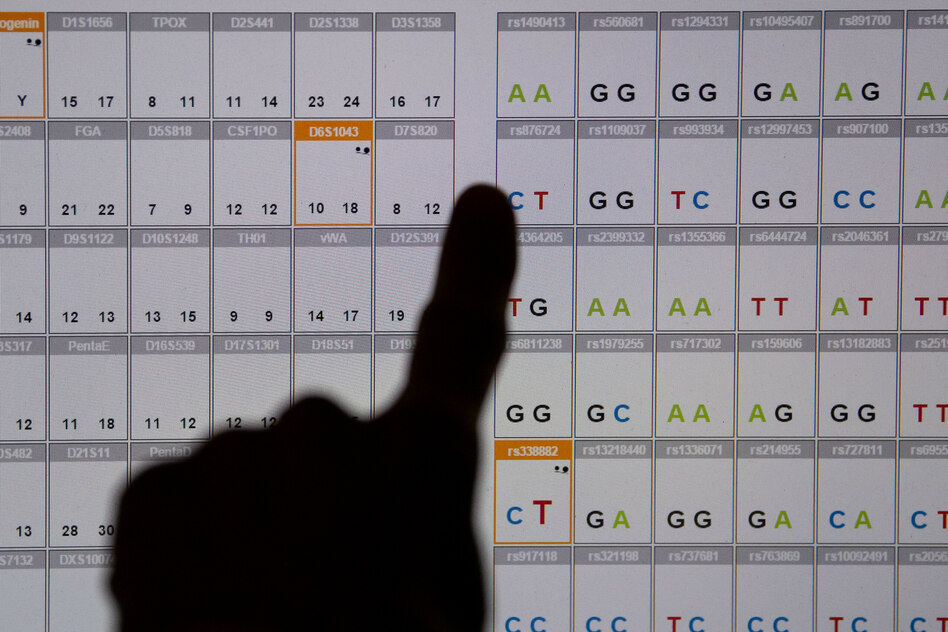
Forensiker über DNA in Gerichtsmedizin: „Wir haben hier alle ein großes Gerechtigkeitsempfinden“
Jan Euteneuer arbeitet in der Rechtsmedizin an echten Fällen. Krimis zeigten ein falsches Bild der Arbeit, sie bestehe großteils aus warten, sagt er. mehr...
17 Jun 2026
Elevråd besøgte Nepal, men nepalesere må ikke komme ind i Danmark: ”Uretfærdigt”
En ansøgning til Globuspatruljen under Udenrigsministeriet sikrede elevrådsrepræsentanterne de penge, der skulle til for at invitere elever fra Nepal til Danmark på en studietur. Det var meningen, at de nepalesiske elever skulle have en rundvisning på Christiansborg, besøge Christiania og bo hos danske familier. De nepalesiske elever skulle også besøge de danske skoler, hvor de skulle deltage i valgfag som billedkunst og madkundskab, som ikke findes i Nepal. Som led i samfundsfagsundervisningen skulle de nepalesiske elever formidle til de danske skolers elever, hvordan det er at gå i skole i Nepal. Besøget blev arrangeret i kølvandet på, at en gruppe elevrådsrepræsentanter fra Lejre Kommune på Midtsjælland havde været på besøg i det sydvestlige Nepal, hvor de undervejs havde fokus på elevdemokrati og ’aktivt medborgerskab.’ De danske elever deltog i timer på den nepalesiske skole og blev inviteret ind i de lokale elevers hjem. Da de danske elever, heriblandt 16-årige Alma Møller Olesen, der går i 9. klasse på Allerslev Skole, landede i Danmark igen, gik de straks i gang med at arrangere, at de nepalesiske elever kunne komme på besøg hos dem. Lejre-eleverne fik bevilget 83.000 kr. af Udenrigsministeriet til flybilletter til eleverne og deres lærer, men da de nepalesiske elever ansøgte om visum, blev det afslået. Myndighederne var bekymrede for, at de efter besøget ikke ville forlade Danmark igen. Alma Møller Olesen og de andre elevrådsrepræsentanter skriver i et debatindlæg i Berlingske , at afslaget var begrundet med tvivl om ægtheden, og at Nepal er et fattigt land. Alma og de andre blev ærgerlige. ”Det er uretfærdigt, at de ikke får lov at få samme mulighed for at besøge os, når nu vi har været ned at besøge dem,” siger hun til Folkeskolen. Selvom de nepalesiske elever fik afslag på deres visum i første omgang, håber Alma Møller Olesen, at de kan komme på besøg i Danmark til efteråret. ”Planen er, at vi søger visum til dem igen og forsøger at få projektet op at køre og ikke giver op,” siger Alma Møller Olesen. De nepalesiske elever blev ifølge Alma Møller Olesen skuffede og ærgerlige over afslaget, forklarer hun ”De ser det lidt som om muligheden er lukket, så de blev også rigtig skuffede, men vi håber, at de kan komme til efteråret.” Alma Møller Olesen og de andre elevrådsrepræsentanter ærgrer sig over tankegangen hos de danske myndigheder: ”Vi synes jo alle sammen, at det er uretfærdigt, at bare fordi de kommer fra Nepal, må de ikke komme ind,” siger Alma Møller Olesen. The post Elevråd besøgte Nepal, men nepalesere må ikke komme ind i Danmark: ”Uretfærdigt” appeared first on Folkeskolen .
17 Jun 2026

Lukning af 10. klasse kan betyde endnu mere mistrivsel på efterskolerne: “Jeg er i tvivl om, hvorvidt vi kan rumme flere”
Skolevægring, ensomhed, angst - ingen kan være i tvivl om, at der er mistrivsel blandt elever i folkeskolen. Men nu er problemerne også flyttet ind på landets efterskoler, viser fagbladet Folkeskolen s rundspørge. 20 ud af 27 fynske almene efterskoler oplever at modtage flere elever, der mistrives, end for ti år siden, og at det påvirker hverdagen på efterskolerne. Mange steder kræver udfordrede elever særaftaler. For eksempel eneværelser, fritagelse fra undervisning og pauser fra fællesskabet. Men om få år kommer der til at blive lagt endnu mere pres på. For når de kommunale 10.-klasser lukker i 2030, vil endnu flere unge, der mistrives, flytte ind på efterskolerne. Og samtidig har Trivselskommissionen anbefalet, at flere forældre sender deres børn på en efterskole som en del af kommissionens bud på en løsning på trivselskrisen. Læs også Trivsel Særaftalerne fra folkeskolen presser efterskolernes grundsten - fællesskabet Allerede i dag tager mere end hver tredje et år i 10. klasse på en af landets efterskoler, når folkeskolen slutter. “Det er os, sammen med FGU (forberedende grunduddannelse, red.), der skal samle de unge op, som fagligt ikke er lykkedes,” lyder det fra Efterskoleforeningens formand, Torben Vind Rasmussen. “Jeg er i tvivl om, hvorvidt vi kan rumme flere elever,” siger forstander på Nordfyns Efterskole, Mogens Madsen Zabel, til Folkeskolen . Han er med på, at efterskolerne har et ansvar for samfundsopgaven. “Vi skal være en mangfoldig skole, men vi skal passe på, at mængden af elever med udfordringer ikke kommer til at overskygge, for det kan komme til at gå udover dem, som er velfungerende, som så ikke får et godt ophold,” siger Mogens Madsen Zabel. Men han understreger, at hvis skolen skal tage imod flere elever, der kræver ændringer i dagligdagen, skal der kigges på, om skolerne har brug for flere ressourcer. “Man bliver nødt til at sikre sig, at efterskolerne, som de er i dag, også er kompetente nok til det,” siger han. I dag kræver den øgede mistrivsel allerede en hel del ressourcer til for eksempel flere elevsamtaler, mere forældresamarbejde og efteruddannelse af personalet. Alligevel bøvler skolerne stadig med at få alle elever til at lykkes. Læs også Trivsel Rundspørge: Folkeskolens mistrivsel er flyttet ind på efterskolerne I Folkeskolen s rundspørge svarer 22 ud af 27 fynske almene efterskoler, at de ofte eller somme tider oplever, at elever, der mistrives, gennemfører skoleåret, men ikke opnår efterskolens grundlæggende dannelse i form af at kunne være en del af et fællesskab og få robusthed til den videre vej i samfundet. I Efterskoleforeningen anerkender man, at der lige nu er en udfordring med mistrivsel på landets efterskoler. Formand Torben Vind Rasmussen er enig i, at de almene efterskoler på nuværende tidspunkt ikke kan rumme alle unge. Han understreger dog, at det ikke betyder, at efterskolen slet ikke skal hjælpe unge, der mistrives. “Som skoleform skal vi arbejde for, at vi samlet set kan rumme alle. Jeg synes, at hver enkelt skole er forpligtet til at tage et udvidet ansvar for den ungdomskultur, vi har. Vi er forpligtet på at drive efterskole for de unge, der er i Danmark. Og når de unge ændrer sig, ændrer den forpligtelse sig også.” The post Lukning af 10. klasse kan betyde endnu mere mistrivsel på efterskolerne: “Jeg er i tvivl om, hvorvidt vi kan rumme flere” appeared first on Folkeskolen .
17 Jun 2026

Særaftalerne fra folkeskolen presser efterskolernes grundsten - fællesskabet
Kærestevæggen pynter i samlingsrummet. Efter weekendens elevfest bliver nogle ansigter flyttet frem og tilbage. I spisesalen kaster eleverne sig over frokostbuffeten med grillpølser og kartoffelsalat. Og først efter lærerne har stoppet musikken og er kommet med en opsang for tredje gang, synger eleverne for alvor med på Kim Larsens “Joanna” i den fælles sangtime. Alt ser ud til at være, som det plejer på Nordfyns Efterskole. Men sådan er det ikke helt. For de elever, der i dag flytter ind på efterskolens værelser, er anderledes, end de var for bare ti år siden. 20 ud af 27 fynske almene efterskoler oplever, at der kommer flere elever, der mistrives, end for ti år siden, og at det påvirker hverdagen på efterskolerne. Læs også Trivsel Rundspørge: Folkeskolens mistrivsel er flyttet ind på efterskolerne Det er især hverdagens rutiner, som udfordrer elever, der mistrives. At komme op om morgenen, deltage i fællesmåltider, møde ind til undervisning. Det at skulle være en del af fællesskabet hele tiden. På kompromis med efterskoleværdierne Og den udvikling har ændret hverdagen. For flere elever forlanger i dag særaftaler. De efterspørger for eksempel eneværelser, fritagelse fra undervisning og pauser fra fællesskabet, lyder det fra efterskolerne. Ifølge nogle skyldes det, at man i folkeskolen netop giver lov til særaftaler. Derfor er det forventningen, at efterskolerne også går på kompromis og følger trop. “Vi kan mærke, at det øgede behov for særaftaler kommer med fra folkeskolen, hvor de har fået lov til at lave en masse særaftaler,” fortæller Mogens Madsen Zabel, der er forstander på Nordfyns Efterskole. Læs også Særaftaler Ny undersøgelse: Lærere drukner i for mange særaftaler med eleverne Men særaftalerne skubber til fællesskabet, fortæller han. “Vores overordnede rammer for, hvordan vi vil drive efterskole, bliver udfordret af særaftalerne. Det har konsekvenser for fællesskabet.” Det billede genkender flere fynske efterskoler. I undersøgelsen svarer 18 ud af 27 efterskoler, at elevers mistrivsel kan have konsekvenser for efterskolens fællesskab og de øvrige elever. Også på Ollerup Efterskole på Sydfyn. “Vi prøver at insistere på, at hvis man går på efterskole, skal man også kunne spise sine måltider med de andre i spisesalen, og man skal bo på værelse med andre, men vi må ofte gå på kompromis,” fortæller forstander Mette Sanggaard. For det er vigtigt at kunne indgå i fællesskabet, når man går på efterskole, mener hun. “Hvis der er mange, der hele tiden har særaftaler, underminerer det nogle fællesskabsværdier, hvor præmissen langt hen ad vejen er, at vi sætter fællesskabet lidt højere end os selv, fordi vi i sidste ende også selv får noget.” “Det er en balance, hvor langt vi kan gå” Ingen kan svare på, hvor mange flere unge der flytter ind med mistrivsel i bagagen. Men den øgede mistrivsel kræver nye løsninger. Flere lærertimer til elevsamtaler og forældresamarbejde og efteruddannelse af personalet. Tit er det ressourcer, der går fra de andre elever. Og på et tidspunkt kan linen ikke strækkes længere, fortæller Mogens Madsen Zabel. ”Det er en balance, hvor langt vi kan gå med særaftaler. De andre elever kan synes, at det går for langt ud ad en tangent, og at vedkommende bare kan tillade sig alt, og så begynder det at smitte af på de andre.” Derfor er det vigtigt for ham, at tilpasninger ikke går udover størstedelens efterskoleophold. ”Vi skal være en mangfoldig skole, men vi skal også passe på, at mængden af udfordrede elever ikke kommer til at overskygge, for det kan komme til at gå ud over de andre, som så heller ikke får et godt ophold.” The post Særaftalerne fra folkeskolen presser efterskolernes grundsten - fællesskabet appeared first on Folkeskolen .
17 Jun 2026
Rundspørge: Folkeskolens mistrivsel er flyttet ind på efterskolerne
Når folkeskolen slutter , vælger rigtig mange unge at flytte ind på en af landets efterskoler. Faktisk tager mere end hver tredje et år i 10. klasse her. Men udover at have tøfler og joggingtøj med i kufferten, tager de unge også noget andet med. Mistrivslen fra folkeskolen er flyttet ind på efterskolerne. Det viser en rundspørge til de fynske efterskoler, som er gennemført for Folkeskolen . Her svarer 20 ud af 27 fynske almene efterskoler, at de oplever at modtage flere elever, der mistrives, end for ti år siden, og at det påvirker hverdagen på efterskolerne. Ingen overraskelse Tallene kommer ikke bag på Ulla Højmark Jensen, som er ungdoms- og uddannelsesforsker ved Aalborg Universitet. Hun har forsket i efterskoler i mange år. “Det overrasker mig ikke, at den mistrivsel, vi har set i folkeskolen, nu også slår igennem på efterskoleniveau.” Men tallene giver hende også grund til bekymring. “Hvis ikke der bliver taget hånd om de elever, der ikke trives, føler de sig ekskluderet fra et fællesskab, og det kan give dem problemer i samfundet i fremtiden. Det er meget voldsomt for en ung at føle sig ekskluderet fra et fællesskab,” fortæller Ulla Højmark Jensen. Mistrivsel Ingen kan sætte tal på, hvor mange unge der mistrives på efterskolerne, for det kan ændre sig fra dag til dag, forklarer Efterskoleforeningens formand, Torben Vind Rasmussen, som slår fast, at tendensen ses på efterskoler over hele landet. Men selvom langt de fleste efterskoleelever har det godt, tør efterskoleekspert Ulla Højmark Jensen godt komme med et forsigtigt bud. Med forbehold. På nogle skoler vil flere være i mistrivsel - andre steder færre - og hun er enig i, at det ændrer sig løbende. “Vi arbejder tit med 80-20. At 80 procent trives rigtig godt, og at 20 procent ikke trives så godt,” siger hun. Trivselslæreren har fået mere at lave På Glamsdalens Idrætsefterskole på Vestfyn mærker trivselslærer Jens Villemoes tydeligt, at der er brug for ham til de over 300 elever. Ventelisten til elevsamtaler, hvor eleverne kan komme og vende, hvad der er svært, er blevet lang de seneste år. “Jeg kan mærke, at der er flere og flere elever, der har brug for samtaler. Der er mere pres på og meget mere at lave som trivselslærer. Det er bekymrende,” siger han. Jens Villemoes fortæller om en ventetid på en til to uger, selvom han vurderer, at han i løbet af en almindelig uge har 20-25 samtaler. En af dem, der har været forbi ham, er 17-årige Laura Steen Mahler. Hun bøvlede med ensomhed i folkeskolen og havde især en svær start på efterskolen. “Jeg vidste ikke, hvad det indebar psykisk at gå her. Jeg havde kun fået alt det gode at vide, men ikke noget om, at det også kunne være svært,” fortæller hun. Urealistiske forventninger spiller ind I årtier har efterskolerne selv været med til at opbygge ryet om, at unge får “det bedste år i deres liv”. Men det ry skaber store urealistiske forventninger, fortæller ungdoms- og uddannelsesforsker Ulla Højmark Jensen. “Ryet som 'den fantastiske efterskole' skaber et forventningspres på eleverne og rammer særligt elever, der i forvejen har svært ved at trives. Og det kan være hårdt at være den, der ikke synes, at det har været det bedste år,” fortæller hun. På efterskolerne er de opmærksomme på de forvrængede forventninger, lyder det fra forstander på Nordfyns Efterskole, Mogens Madsen Zabel. Både han og flere andre af hans fynske kollegaer fortæller, at de oplever, at mange forældre ser efterskolen som et mirakelmiddel og en frisk start for deres børn, der for eksempel har mistrivedes i folkeskolen. “Der er alt for mange elever, der møder ind på en efterskole i dag, og tror, at det nok skal lykkes for dem, at de får en frisk start, men samtidig er de ikke tro nok mod at prøve den efterskoleform, der er,” fortæller han The post Rundspørge: Folkeskolens mistrivsel er flyttet ind på efterskolerne appeared first on Folkeskolen .
17 Jun 2026

Linda McMahon says she heard parents. Parents say special education changes shows she didn’t listen.
Sign up for Chalkbeat’s free weekly newsletter to keep up with how education is changing across the U.S. Education Secretary Linda McMahon had a message for parents of students with disabilities on Tuesday as she announced seismic shifts to federal special education oversight: “I’ve heard you.” In listening sessions and at school visits, McMahon said thousands of parents described struggles to get their children the services to which they’re legally entitled. Moving special education oversight out of the Department of Education, she wrote in an op-ed for Fox News , will reduce red tape and open opportunities. McMahon may have heard parents, many advocates said Tuesday, but she didn’t listen. “It is accurate what they said today, that they spent six months talking to people, but we’ve been very consistent in our message that we didn’t want this to happen,” said Jennifer Coco, interim executive director for the Center for Learner Equity and a parent of students with disabilities. Agency officials announced Tuesday the department will move oversight of special education to the Department of Health and Human Services and aspects of civil rights enforcement to the Department of Justice through interagency agreements without approval from Congress. The Department of Education touted holding multiple listening sessions with hundreds of parents, educators, and special education directors. But some of those same people said the decision flies in the face of what they’ve told McMahon and agency leaders. They raised concerns about dysfunction across special education programs nationwide, but they did not want the department to fracture the system even further. “To remove that federal oversight piece in an already fragmented system, it just feels like an extra blow to parents of kids with disabilities who are already dealing with so much,” said Jillian Benfield, whose son Anderson, 11, has Down Syndrome and attends public school in Florida. Some conservative organizations say the steps the Trump administration has taken to dismantle the Education Department will be positive for students with disabilities, arguing too many layers of bureaucracy limit opportunities . A senior department official said the changes would not change students’ rights and would instead lead to more effective services for students and families, with more coordination of services for young children and adults. But many advocates said they are worried about how much is at stake in these agency agreements and what could be lost in the transition, particularly because the Office for Civil Rights — where the bulk of the case load involves complaints from students with disabilities — has also been upended. Calling it the “next step in a lawless decimation” of an agency created by Congress, Catherine Lhamon, who ran the civil rights office in the Education Department under Presidents Barack Obama and Joe Biden, said the new structure may ensure dollars will flow from one agency to another, “but rights will not flow to anyone.” “It’s incredibly dangerous for the rights of kids in schools to learn on an equal basis,” she said. Parents worry federal shifts could trickle down to their children Lanya Elsa is the parent of two children who are deafblind. She is a special educator who helps support families while they pursue school accommodations. Program officers with the Department of Education oversee multiple state and federal programs for students who are deafblind, she said. And parents with children with those disabilities worry these programs will be the next to be cut or shifted away from the Department of Education. “If my kids were born 40 years ago they would have been put in an institution,” she wrote in a text message. “Instead they have college degrees and are working. That’s why many of us are uneasy about moving oversight away from education.” Benfield and other parents also are skeptical of the department’s argument that shifting responsibilities to other agencies is an efficient choice. “There’s already so much as a parent of a kid with a disability that you have to navigate, so many different systems,” she said. “Now, where are parents going to go? You’re just making an already complex system more complicated for parents.” In addition to tangible impacts on families, disability advocates say moving the Office of Special Education and Rehabilitative Services to the Department of Health and Human Services reinforces stigma by associating disability with an agency dealing largely in healthcare and medical issues. Robyn Linscott, director of Education and Family Policy at the Arc of the United States said it’s notable that other K-12 functions were moved to Labor, ostensibly because the long-term goal of education is a good job , while special education was not. “I think it can’t be overstated enough that the way we think about students with disabilities and the messages we send about the potential of students with disabilities really matters,” she said. “And the irony that we’re talking about this 50 years after IDEA is not lost on me. The idea that it’s OK to segregate students with disabilities, that they can’t learn with other students, really concerns me.” Shifting agency duties to Health, Justice departments Linscott said Tuesday’s announcement caught many advocates off guard, even though the idea has been discussed since the early months of the Trump administration and even earlier in Project 2025 . Advocates had spoken repeatedly with senior administration officials and thought their message might be heard. “Despite the number of families sharing the difficulty their students were having accessing services, not a single person said moving OSERS to HHS was the way to approach this,” Linscott said. “Not a single parent, advocate, or educator said that.” But Coco recalled one meeting where agency officials were explicit that these functions would move out of the Education Department. “It wasn’t a question of whether this should be done or whether it was right —- that had already been predetermined,” she said. “The question that’s been lingering is, well, where are they going to move it to?” Asked what problems the Education Department was trying to solve and how services would improve through moving functions to other agencies, a senior department official said that McMahon “has been very clear about the final mission of the U.S. Department of Education,” referring to promises to dismantle the department entirely. Moving oversight to other agencies allows the federal government to meet its legal obligations, the official said. While HHS Secretary Robert F. Kennedy Jr. promised in a press release to “help every child reach their full potential,” advocates worry about how a department led by him will approach special education. Kennedy has spent over a decade spreading misinformation about autism , and 13% of students served under IDEA fell under the autism category, according to federal data from the 2022-23 school year . McMahon tried to reassure parents their children will be treated as students, not patients. “IDEA, as an education law, ensures that a child’s disability isn’t viewed as a medical condition that needs to be treated,” she wrote. Advocates’ concerns are compounded by moving special education and civil rights enforcement to different agencies. Having the two under the same roof meant the department had multiple ways to communicate with schools about how to best serve students, said Eric Duncan, director of P-12 policy for the progressive advocacy group The Education Trust. “The Office for Civil Rights is not just a punitive office,” Duncan said. “It’s really to support the systemic issues that are affecting why certain students are overly disciplined or referred for certain things, why students are in settings where they’re not comfortable or aren’t able to learn because of their specific challenges.” The Department of Justice can’t replicate the work done by the Education Department’s Office for Civil Rights, Lhamon said. It’s a “totally different agency,” she said, whose work ranges from helping entire school communities resolve issues to answering “any mom’s question about whether civil rights have been violated.” Lily Altavena is a national reporter at Chalkbeat. Contact Lily at laltavena@chalkbeat.org . Erica Meltzer is Chalkbeat’s national editor based in Colorado. Contact Erica at emeltzer@chalkbeat.org .
17 Jun 2026
Linda McMahon says she heard parents. Parents say special education changes shows she didn’t listen.
Sign up for Chalkbeat’s free weekly newsletter to keep up with how education is changing across the U.S. Education Secretary Linda McMahon had a message for parents of students with disabilities on Tuesday as she announced seismic shifts to federal special education oversight: “I’ve heard you.” In listening sessions and at school visits, McMahon said thousands of parents described struggles to get their children the services to which they’re legally entitled. Moving special education oversight out of the Department of Education, she wrote in an op-ed for Fox News , will reduce red tape and open opportunities. McMahon may have heard parents, many advocates said Tuesday, but she didn’t listen. “It is accurate what they said today, that they spent six months talking to people, but we’ve been very consistent in our message that we didn’t want this to happen,” said Jennifer Coco, interim executive director for the Center for Learner Equity and a parent of students with disabilities. Agency officials announced Tuesday the department will move oversight of special education to the Department of Health and Human Services and aspects of civil rights enforcement to the Department of Justice through interagency agreements without approval from Congress. The Department of Education touted holding multiple listening sessions with hundreds of parents, educators, and special education directors. But some of those same people said the decision flies in the face of what they’ve told McMahon and agency leaders. They raised concerns about dysfunction across special education programs nationwide, but they did not want the department to fracture the system even further. “To remove that federal oversight piece in an already fragmented system, it just feels like an extra blow to parents of kids with disabilities who are already dealing with so much,” said Jillian Benfield, whose son Anderson, 11, has Down Syndrome and attends public school in Florida. Some conservative organizations say the steps the Trump administration has taken to dismantle the Education Department will be positive for students with disabilities, arguing too many layers of bureaucracy limit opportunities . A senior department official said the changes would not change students’ rights and would instead lead to more effective services for students and families, with more coordination of services for young children and adults. But many advocates said they are worried about how much is at stake in these agency agreements and what could be lost in the transition, particularly because the Office for Civil Rights — where the bulk of the case load involves complaints from students with disabilities — has also been upended. Calling it the “next step in a lawless decimation” of an agency created by Congress, Catherine Lhamon, who ran the civil rights office in the Education Department under Presidents Barack Obama and Joe Biden, said the new structure may ensure dollars will flow from one agency to another, “but rights will not flow to anyone.” “It’s incredibly dangerous for the rights of kids in schools to learn on an equal basis,” she said. Parents worry federal shifts could trickle down to their children Lanya Elsa is the parent of two children who are deafblind. She is a special educator who helps support families while they pursue school accommodations. Program officers with the Department of Education oversee multiple state and federal programs for students who are deafblind, she said. And parents with children with those disabilities worry these programs will be the next to be cut or shifted away from the Department of Education. “If my kids were born 40 years ago they would have been put in an institution,” she wrote in a text message. “Instead they have college degrees and are working. That’s why many of us are uneasy about moving oversight away from education.” Benfield and other parents also are skeptical of the department’s argument that shifting responsibilities to other agencies is an efficient choice. “There’s already so much as a parent of a kid with a disability that you have to navigate, so many different systems,” she said. “Now, where are parents going to go? You’re just making an already complex system more complicated for parents.” In addition to tangible impacts on families, disability advocates say moving the Office of Special Education and Rehabilitative Services to the Department of Health and Human Services reinforces stigma by associating disability with an agency dealing largely in healthcare and medical issues. Robyn Linscott, director of Education and Family Policy at the Arc of the United States said it’s notable that other K-12 functions were moved to Labor, ostensibly because the long-term goal of education is a good job , while special education was not. “I think it can’t be overstated enough that the way we think about students with disabilities and the messages we send about the potential of students with disabilities really matters,” she said. “And the irony that we’re talking about this 50 years after IDEA is not lost on me. The idea that it’s OK to segregate students with disabilities, that they can’t learn with other students, really concerns me.” Shifting agency duties to Health, Justice departments Linscott said Tuesday’s announcement caught many advocates off guard, even though the idea has been discussed since the early months of the Trump administration and even earlier in Project 2025 . Advocates had spoken repeatedly with senior administration officials and thought their message might be heard. “Despite the number of families sharing the difficulty their students were having accessing services, not a single person said moving OSERS to HHS was the way to approach this,” Linscott said. “Not a single parent, advocate, or educator said that.” But Coco recalled one meeting where agency officials were explicit that these functions would move out of the Education Department. “It wasn’t a question of whether this should be done or whether it was right —- that had already been predetermined,” she said. “The question that’s been lingering is, well, where are they going to move it to?” Asked what problems the Education Department was trying to solve and how services would improve through moving functions to other agencies, a senior department official said that McMahon “has been very clear about the final mission of the U.S. Department of Education,” referring to promises to dismantle the department entirely. Moving oversight to other agencies allows the federal government to meet its legal obligations, the official said. While HHS Secretary Robert F. Kennedy Jr. promised in a press release to “help every child reach their full potential,” advocates worry about how a department led by him will approach special education. Kennedy has spent over a decade spreading misinformation about autism , and 13% of students served under IDEA fell under the autism category, according to federal data from the 2022-23 school year . McMahon tried to reassure parents their children will be treated as students, not patients. “IDEA, as an education law, ensures that a child’s disability isn’t viewed as a medical condition that needs to be treated,” she wrote. Advocates’ concerns are compounded by moving special education and civil rights enforcement to different agencies. Having the two under the same roof meant the department had multiple ways to communicate with schools about how to best serve students, said Eric Duncan, director of P-12 policy for the progressive advocacy group The Education Trust. “The Office for Civil Rights is not just a punitive office,” Duncan said. “It’s really to support the systemic issues that are affecting why certain students are overly disciplined or referred for certain things, why students are in settings where they’re not comfortable or aren’t able to learn because of their specific challenges.” The Department of Justice can’t replicate the work done by the Education Department’s Office for Civil Rights, Lhamon said. It’s a “totally different agency,” she said, whose work ranges from helping entire school communities resolve issues to answering “any mom’s question about whether civil rights have been violated.” Lily Altavena is a national reporter at Chalkbeat. Contact Lily at laltavena@chalkbeat.org . Erica Meltzer is Chalkbeat’s national editor based in Colorado. Contact Erica at emeltzer@chalkbeat.org .
17 Jun 2026
Linda McMahon says she heard parents. Parents say special education changes shows she didn’t listen.
Sign up for Chalkbeat’s free weekly newsletter to keep up with how education is changing across the U.S. Education Secretary Linda McMahon had a message for parents of students with disabilities on Tuesday as she announced seismic shifts to federal special education oversight: “I’ve heard you.” In listening sessions and at school visits, McMahon said thousands of parents described struggles to get their children the services to which they’re legally entitled. Moving special education oversight out of the Department of Education, she wrote in an op-ed for Fox News , will reduce red tape and open opportunities. McMahon may have heard parents, many advocates said Tuesday, but she didn’t listen. “It is accurate what they said today, that they spent six months talking to people, but we’ve been very consistent in our message that we didn’t want this to happen,” said Jennifer Coco, interim executive director for the Center for Learner Equity and a parent of students with disabilities. Agency officials announced Tuesday the department will move oversight of special education to the Department of Health and Human Services and aspects of civil rights enforcement to the Department of Justice through interagency agreements without approval from Congress. The Department of Education touted holding multiple listening sessions with hundreds of parents, educators, and special education directors. But some of those same people said the decision flies in the face of what they’ve told McMahon and agency leaders. They raised concerns about dysfunction across special education programs nationwide, but they did not want the department to fracture the system even further. “To remove that federal oversight piece in an already fragmented system, it just feels like an extra blow to parents of kids with disabilities who are already dealing with so much,” said Jillian Benfield, whose son Anderson, 11, has Down Syndrome and attends public school in Florida. Some conservative organizations say the steps the Trump administration has taken to dismantle the Education Department will be positive for students with disabilities, arguing too many layers of bureaucracy limit opportunities . A senior department official said the changes would not change students’ rights and would instead lead to more effective services for students and families, with more coordination of services for young children and adults. But many advocates said they are worried about how much is at stake in these agency agreements and what could be lost in the transition, particularly because the Office for Civil Rights — where the bulk of the case load involves complaints from students with disabilities — has also been upended. Calling it the “next step in a lawless decimation” of an agency created by Congress, Catherine Lhamon, who ran the civil rights office in the Education Department under Presidents Barack Obama and Joe Biden, said the new structure may ensure dollars will flow from one agency to another, “but rights will not flow to anyone.” “It’s incredibly dangerous for the rights of kids in schools to learn on an equal basis,” she said. Parents worry federal shifts could trickle down to their children Lanya Elsa is the parent of two children who are deafblind. She is a special educator who helps support families while they pursue school accommodations. Program officers with the Department of Education oversee multiple state and federal programs for students who are deafblind, she said. And parents with children with those disabilities worry these programs will be the next to be cut or shifted away from the Department of Education. “If my kids were born 40 years ago they would have been put in an institution,” she wrote in a text message. “Instead they have college degrees and are working. That’s why many of us are uneasy about moving oversight away from education.” Benfield and other parents also are skeptical of the department’s argument that shifting responsibilities to other agencies is an efficient choice. “There’s already so much as a parent of a kid with a disability that you have to navigate, so many different systems,” she said. “Now, where are parents going to go? You’re just making an already complex system more complicated for parents.” In addition to tangible impacts on families, disability advocates say moving the Office of Special Education and Rehabilitative Services to the Department of Health and Human Services reinforces stigma by associating disability with an agency dealing largely in healthcare and medical issues. Robyn Linscott, director of Education and Family Policy at the Arc of the United States said it’s notable that other K-12 functions were moved to Labor, ostensibly because the long-term goal of education is a good job , while special education was not. “I think it can’t be overstated enough that the way we think about students with disabilities and the messages we send about the potential of students with disabilities really matters,” she said. “And the irony that we’re talking about this 50 years after IDEA is not lost on me. The idea that it’s OK to segregate students with disabilities, that they can’t learn with other students, really concerns me.” Shifting agency duties to Health, Justice departments Linscott said Tuesday’s announcement caught many advocates off guard, even though the idea has been discussed since the early months of the Trump administration and even earlier in Project 2025 . Advocates had spoken repeatedly with senior administration officials and thought their message might be heard. “Despite the number of families sharing the difficulty their students were having accessing services, not a single person said moving OSERS to HHS was the way to approach this,” Linscott said. “Not a single parent, advocate, or educator said that.” But Coco recalled one meeting where agency officials were explicit that these functions would move out of the Education Department. “It wasn’t a question of whether this should be done or whether it was right —- that had already been predetermined,” she said. “The question that’s been lingering is, well, where are they going to move it to?” Asked what problems the Education Department was trying to solve and how services would improve through moving functions to other agencies, a senior department official said that McMahon “has been very clear about the final mission of the U.S. Department of Education,” referring to promises to dismantle the department entirely. Moving oversight to other agencies allows the federal government to meet its legal obligations, the official said. While HHS Secretary Robert F. Kennedy Jr. promised in a press release to “help every child reach their full potential,” advocates worry about how a department led by him will approach special education. Kennedy has spent over a decade spreading misinformation about autism , and 13% of students served under IDEA fell under the autism category, according to federal data from the 2022-23 school year . McMahon tried to reassure parents their children will be treated as students, not patients. “IDEA, as an education law, ensures that a child’s disability isn’t viewed as a medical condition that needs to be treated,” she wrote. Advocates’ concerns are compounded by moving special education and civil rights enforcement to different agencies. Having the two under the same roof meant the department had multiple ways to communicate with schools about how to best serve students, said Eric Duncan, director of P-12 policy for the progressive advocacy group The Education Trust. “The Office for Civil Rights is not just a punitive office,” Duncan said. “It’s really to support the systemic issues that are affecting why certain students are overly disciplined or referred for certain things, why students are in settings where they’re not comfortable or aren’t able to learn because of their specific challenges.” The Department of Justice can’t replicate the work done by the Education Department’s Office for Civil Rights, Lhamon said. It’s a “totally different agency,” she said, whose work ranges from helping entire school communities resolve issues to answering “any mom’s question about whether civil rights have been violated.” Lily Altavena is a national reporter at Chalkbeat. Contact Lily at laltavena@chalkbeat.org . Erica Meltzer is Chalkbeat’s national editor based in Colorado. Contact Erica at emeltzer@chalkbeat.org .
17 Jun 2026
Linda McMahon says she heard parents. Parents say special education changes shows she didn’t listen.
Sign up for Chalkbeat’s free weekly newsletter to keep up with how education is changing across the U.S. Education Secretary Linda McMahon had a message for parents of students with disabilities on Tuesday as she announced seismic shifts to federal special education oversight: “I’ve heard you.” In listening sessions and at school visits, McMahon said thousands of parents described struggles to get their children the services to which they’re legally entitled. Moving special education oversight out of the Department of Education, she wrote in an op-ed for Fox News , will reduce red tape and open opportunities. McMahon may have heard parents, many advocates said Tuesday, but she didn’t listen. “It is accurate what they said today, that they spent six months talking to people, but we’ve been very consistent in our message that we didn’t want this to happen,” said Jennifer Coco, interim executive director for the Center for Learner Equity and a parent of students with disabilities. Agency officials announced Tuesday the department will move oversight of special education to the Department of Health and Human Services and aspects of civil rights enforcement to the Department of Justice through interagency agreements without approval from Congress. The Department of Education touted holding multiple listening sessions with hundreds of parents, educators, and special education directors. But some of those same people said the decision flies in the face of what they’ve told McMahon and agency leaders. They raised concerns about dysfunction across special education programs nationwide, but they did not want the department to fracture the system even further. “To remove that federal oversight piece in an already fragmented system, it just feels like an extra blow to parents of kids with disabilities who are already dealing with so much,” said Jillian Benfield, whose son Anderson, 11, has Down Syndrome and attends public school in Florida. Some conservative organizations say the steps the Trump administration has taken to dismantle the Education Department will be positive for students with disabilities, arguing too many layers of bureaucracy limit opportunities . A senior department official said the changes would not change students’ rights and would instead lead to more effective services for students and families, with more coordination of services for young children and adults. But many advocates said they are worried about how much is at stake in these agency agreements and what could be lost in the transition, particularly because the Office for Civil Rights — where the bulk of the case load involves complaints from students with disabilities — has also been upended. Calling it the “next step in a lawless decimation” of an agency created by Congress, Catherine Lhamon, who ran the civil rights office in the Education Department under Presidents Barack Obama and Joe Biden, said the new structure may ensure dollars will flow from one agency to another, “but rights will not flow to anyone.” “It’s incredibly dangerous for the rights of kids in schools to learn on an equal basis,” she said. Parents worry federal shifts could trickle down to their children Lanya Elsa is the parent of two children who are deafblind. She is a special educator who helps support families while they pursue school accommodations. Program officers with the Department of Education oversee multiple state and federal programs for students who are deafblind, she said. And parents with children with those disabilities worry these programs will be the next to be cut or shifted away from the Department of Education. “If my kids were born 40 years ago they would have been put in an institution,” she wrote in a text message. “Instead they have college degrees and are working. That’s why many of us are uneasy about moving oversight away from education.” Benfield and other parents also are skeptical of the department’s argument that shifting responsibilities to other agencies is an efficient choice. “There’s already so much as a parent of a kid with a disability that you have to navigate, so many different systems,” she said. “Now, where are parents going to go? You’re just making an already complex system more complicated for parents.” In addition to tangible impacts on families, disability advocates say moving the Office of Special Education and Rehabilitative Services to the Department of Health and Human Services reinforces stigma by associating disability with an agency dealing largely in healthcare and medical issues. Robyn Linscott, director of Education and Family Policy at the Arc of the United States said it’s notable that other K-12 functions were moved to Labor, ostensibly because the long-term goal of education is a good job , while special education was not. “I think it can’t be overstated enough that the way we think about students with disabilities and the messages we send about the potential of students with disabilities really matters,” she said. “And the irony that we’re talking about this 50 years after IDEA is not lost on me. The idea that it’s OK to segregate students with disabilities, that they can’t learn with other students, really concerns me.” Shifting agency duties to Health, Justice departments Linscott said Tuesday’s announcement caught many advocates off guard, even though the idea has been discussed since the early months of the Trump administration and even earlier in Project 2025 . Advocates had spoken repeatedly with senior administration officials and thought their message might be heard. “Despite the number of families sharing the difficulty their students were having accessing services, not a single person said moving OSERS to HHS was the way to approach this,” Linscott said. “Not a single parent, advocate, or educator said that.” But Coco recalled one meeting where agency officials were explicit that these functions would move out of the Education Department. “It wasn’t a question of whether this should be done or whether it was right —- that had already been predetermined,” she said. “The question that’s been lingering is, well, where are they going to move it to?” Asked what problems the Education Department was trying to solve and how services would improve through moving functions to other agencies, a senior department official said that McMahon “has been very clear about the final mission of the U.S. Department of Education,” referring to promises to dismantle the department entirely. Moving oversight to other agencies allows the federal government to meet its legal obligations, the official said. While HHS Secretary Robert F. Kennedy Jr. promised in a press release to “help every child reach their full potential,” advocates worry about how a department led by him will approach special education. Kennedy has spent over a decade spreading misinformation about autism , and 13% of students served under IDEA fell under the autism category, according to federal data from the 2022-23 school year . McMahon tried to reassure parents their children will be treated as students, not patients. “IDEA, as an education law, ensures that a child’s disability isn’t viewed as a medical condition that needs to be treated,” she wrote. Advocates’ concerns are compounded by moving special education and civil rights enforcement to different agencies. Having the two under the same roof meant the department had multiple ways to communicate with schools about how to best serve students, said Eric Duncan, director of P-12 policy for the progressive advocacy group The Education Trust. “The Office for Civil Rights is not just a punitive office,” Duncan said. “It’s really to support the systemic issues that are affecting why certain students are overly disciplined or referred for certain things, why students are in settings where they’re not comfortable or aren’t able to learn because of their specific challenges.” The Department of Justice can’t replicate the work done by the Education Department’s Office for Civil Rights, Lhamon said. It’s a “totally different agency,” she said, whose work ranges from helping entire school communities resolve issues to answering “any mom’s question about whether civil rights have been violated.” Lily Altavena is a national reporter at Chalkbeat. Contact Lily at laltavena@chalkbeat.org . Erica Meltzer is Chalkbeat’s national editor based in Colorado. Contact Erica at emeltzer@chalkbeat.org .
17 Jun 2026
Linda McMahon says she heard parents. Parents say special education changes shows she didn’t listen.
Sign up for Chalkbeat’s free weekly newsletter to keep up with how education is changing across the U.S. Education Secretary Linda McMahon had a message for parents of students with disabilities on Tuesday as she announced seismic shifts to federal special education oversight: “I’ve heard you.” In listening sessions and at school visits, McMahon said thousands of parents described struggles to get their children the services to which they’re legally entitled. Moving special education oversight out of the Department of Education, she wrote in an op-ed for Fox News , will reduce red tape and open opportunities. McMahon may have heard parents, many advocates said Tuesday, but she didn’t listen. “It is accurate what they said today, that they spent six months talking to people, but we’ve been very consistent in our message that we didn’t want this to happen,” said Jennifer Coco, interim executive director for the Center for Learner Equity and a parent of students with disabilities. Agency officials announced Tuesday the department will move oversight of special education to the Department of Health and Human Services and aspects of civil rights enforcement to the Department of Justice through interagency agreements without approval from Congress. The Department of Education touted holding multiple listening sessions with hundreds of parents, educators, and special education directors. But some of those same people said the decision flies in the face of what they’ve told McMahon and agency leaders. They raised concerns about dysfunction across special education programs nationwide, but they did not want the department to fracture the system even further. “To remove that federal oversight piece in an already fragmented system, it just feels like an extra blow to parents of kids with disabilities who are already dealing with so much,” said Jillian Benfield, whose son Anderson, 11, has Down Syndrome and attends public school in Florida. Some conservative organizations say the steps the Trump administration has taken to dismantle the Education Department will be positive for students with disabilities, arguing too many layers of bureaucracy limit opportunities . A senior department official said the changes would not change students’ rights and would instead lead to more effective services for students and families, with more coordination of services for young children and adults. But many advocates said they are worried about how much is at stake in these agency agreements and what could be lost in the transition, particularly because the Office for Civil Rights — where the bulk of the case load involves complaints from students with disabilities — has also been upended. Calling it the “next step in a lawless decimation” of an agency created by Congress, Catherine Lhamon, who ran the civil rights office in the Education Department under Presidents Barack Obama and Joe Biden, said the new structure may ensure dollars will flow from one agency to another, “but rights will not flow to anyone.” “It’s incredibly dangerous for the rights of kids in schools to learn on an equal basis,” she said. Parents worry federal shifts could trickle down to their children Lanya Elsa is the parent of two children who are deafblind. She is a special educator who helps support families while they pursue school accommodations. Program officers with the Department of Education oversee multiple state and federal programs for students who are deafblind, she said. And parents with children with those disabilities worry these programs will be the next to be cut or shifted away from the Department of Education. “If my kids were born 40 years ago they would have been put in an institution,” she wrote in a text message. “Instead they have college degrees and are working. That’s why many of us are uneasy about moving oversight away from education.” Benfield and other parents also are skeptical of the department’s argument that shifting responsibilities to other agencies is an efficient choice. “There’s already so much as a parent of a kid with a disability that you have to navigate, so many different systems,” she said. “Now, where are parents going to go? You’re just making an already complex system more complicated for parents.” In addition to tangible impacts on families, disability advocates say moving the Office of Special Education and Rehabilitative Services to the Department of Health and Human Services reinforces stigma by associating disability with an agency dealing largely in healthcare and medical issues. Robyn Linscott, director of Education and Family Policy at the Arc of the United States said it’s notable that other K-12 functions were moved to Labor, ostensibly because the long-term goal of education is a good job , while special education was not. “I think it can’t be overstated enough that the way we think about students with disabilities and the messages we send about the potential of students with disabilities really matters,” she said. “And the irony that we’re talking about this 50 years after IDEA is not lost on me. The idea that it’s OK to segregate students with disabilities, that they can’t learn with other students, really concerns me.” Shifting agency duties to Health, Justice departments Linscott said Tuesday’s announcement caught many advocates off guard, even though the idea has been discussed since the early months of the Trump administration and even earlier in Project 2025 . Advocates had spoken repeatedly with senior administration officials and thought their message might be heard. “Despite the number of families sharing the difficulty their students were having accessing services, not a single person said moving OSERS to HHS was the way to approach this,” Linscott said. “Not a single parent, advocate, or educator said that.” But Coco recalled one meeting where agency officials were explicit that these functions would move out of the Education Department. “It wasn’t a question of whether this should be done or whether it was right —- that had already been predetermined,” she said. “The question that’s been lingering is, well, where are they going to move it to?” Asked what problems the Education Department was trying to solve and how services would improve through moving functions to other agencies, a senior department official said that McMahon “has been very clear about the final mission of the U.S. Department of Education,” referring to promises to dismantle the department entirely. Moving oversight to other agencies allows the federal government to meet its legal obligations, the official said. While HHS Secretary Robert F. Kennedy Jr. promised in a press release to “help every child reach their full potential,” advocates worry about how a department led by him will approach special education. Kennedy has spent over a decade spreading misinformation about autism , and 13% of students served under IDEA fell under the autism category, according to federal data from the 2022-23 school year . McMahon tried to reassure parents their children will be treated as students, not patients. “IDEA, as an education law, ensures that a child’s disability isn’t viewed as a medical condition that needs to be treated,” she wrote. Advocates’ concerns are compounded by moving special education and civil rights enforcement to different agencies. Having the two under the same roof meant the department had multiple ways to communicate with schools about how to best serve students, said Eric Duncan, director of P-12 policy for the progressive advocacy group The Education Trust. “The Office for Civil Rights is not just a punitive office,” Duncan said. “It’s really to support the systemic issues that are affecting why certain students are overly disciplined or referred for certain things, why students are in settings where they’re not comfortable or aren’t able to learn because of their specific challenges.” The Department of Justice can’t replicate the work done by the Education Department’s Office for Civil Rights, Lhamon said. It’s a “totally different agency,” she said, whose work ranges from helping entire school communities resolve issues to answering “any mom’s question about whether civil rights have been violated.” Lily Altavena is a national reporter at Chalkbeat. Contact Lily at laltavena@chalkbeat.org . Erica Meltzer is Chalkbeat’s national editor based in Colorado. Contact Erica at emeltzer@chalkbeat.org .
17 Jun 2026
Linda McMahon says she heard parents. Parents say special education changes shows she didn’t listen.
Sign up for Chalkbeat’s free weekly newsletter to keep up with how education is changing across the U.S. Education Secretary Linda McMahon had a message for parents of students with disabilities on Tuesday as she announced seismic shifts to federal special education oversight: “I’ve heard you.” In listening sessions and at school visits, McMahon said thousands of parents described struggles to get their children the services to which they’re legally entitled. Moving special education oversight out of the Department of Education, she wrote in an op-ed for Fox News , will reduce red tape and open opportunities. McMahon may have heard parents, many advocates said Tuesday, but she didn’t listen. “It is accurate what they said today, that they spent six months talking to people, but we’ve been very consistent in our message that we didn’t want this to happen,” said Jennifer Coco, interim executive director for the Center for Learner Equity and a parent of students with disabilities. Agency officials announced Tuesday the department will move oversight of special education to the Department of Health and Human Services and aspects of civil rights enforcement to the Department of Justice through interagency agreements without approval from Congress. The Department of Education touted holding multiple listening sessions with hundreds of parents, educators, and special education directors. But some of those same people said the decision flies in the face of what they’ve told McMahon and agency leaders. They raised concerns about dysfunction across special education programs nationwide, but they did not want the department to fracture the system even further. “To remove that federal oversight piece in an already fragmented system, it just feels like an extra blow to parents of kids with disabilities who are already dealing with so much,” said Jillian Benfield, whose son Anderson, 11, has Down Syndrome and attends public school in Florida. Some conservative organizations say the steps the Trump administration has taken to dismantle the Education Department will be positive for students with disabilities, arguing too many layers of bureaucracy limit opportunities . A senior department official said the changes would not change students’ rights and would instead lead to more effective services for students and families, with more coordination of services for young children and adults. But many advocates said they are worried about how much is at stake in these agency agreements and what could be lost in the transition, particularly because the Office for Civil Rights — where the bulk of the case load involves complaints from students with disabilities — has also been upended. Calling it the “next step in a lawless decimation” of an agency created by Congress, Catherine Lhamon, who ran the civil rights office in the Education Department under Presidents Barack Obama and Joe Biden, said the new structure may ensure dollars will flow from one agency to another, “but rights will not flow to anyone.” “It’s incredibly dangerous for the rights of kids in schools to learn on an equal basis,” she said. Parents worry federal shifts could trickle down to their children Lanya Elsa is the parent of two children who are deafblind. She is a special educator who helps support families while they pursue school accommodations. Program officers with the Department of Education oversee multiple state and federal programs for students who are deafblind, she said. And parents with children with those disabilities worry these programs will be the next to be cut or shifted away from the Department of Education. “If my kids were born 40 years ago they would have been put in an institution,” she wrote in a text message. “Instead they have college degrees and are working. That’s why many of us are uneasy about moving oversight away from education.” Benfield and other parents also are skeptical of the department’s argument that shifting responsibilities to other agencies is an efficient choice. “There’s already so much as a parent of a kid with a disability that you have to navigate, so many different systems,” she said. “Now, where are parents going to go? You’re just making an already complex system more complicated for parents.” In addition to tangible impacts on families, disability advocates say moving the Office of Special Education and Rehabilitative Services to the Department of Health and Human Services reinforces stigma by associating disability with an agency dealing largely in healthcare and medical issues. Robyn Linscott, director of Education and Family Policy at the Arc of the United States said it’s notable that other K-12 functions were moved to Labor, ostensibly because the long-term goal of education is a good job , while special education was not. “I think it can’t be overstated enough that the way we think about students with disabilities and the messages we send about the potential of students with disabilities really matters,” she said. “And the irony that we’re talking about this 50 years after IDEA is not lost on me. The idea that it’s OK to segregate students with disabilities, that they can’t learn with other students, really concerns me.” Shifting agency duties to Health, Justice departments Linscott said Tuesday’s announcement caught many advocates off guard, even though the idea has been discussed since the early months of the Trump administration and even earlier in Project 2025 . Advocates had spoken repeatedly with senior administration officials and thought their message might be heard. “Despite the number of families sharing the difficulty their students were having accessing services, not a single person said moving OSERS to HHS was the way to approach this,” Linscott said. “Not a single parent, advocate, or educator said that.” But Coco recalled one meeting where agency officials were explicit that these functions would move out of the Education Department. “It wasn’t a question of whether this should be done or whether it was right —- that had already been predetermined,” she said. “The question that’s been lingering is, well, where are they going to move it to?” Asked what problems the Education Department was trying to solve and how services would improve through moving functions to other agencies, a senior department official said that McMahon “has been very clear about the final mission of the U.S. Department of Education,” referring to promises to dismantle the department entirely. Moving oversight to other agencies allows the federal government to meet its legal obligations, the official said. While HHS Secretary Robert F. Kennedy Jr. promised in a press release to “help every child reach their full potential,” advocates worry about how a department led by him will approach special education. Kennedy has spent over a decade spreading misinformation about autism , and 13% of students served under IDEA fell under the autism category, according to federal data from the 2022-23 school year . McMahon tried to reassure parents their children will be treated as students, not patients. “IDEA, as an education law, ensures that a child’s disability isn’t viewed as a medical condition that needs to be treated,” she wrote. Advocates’ concerns are compounded by moving special education and civil rights enforcement to different agencies. Having the two under the same roof meant the department had multiple ways to communicate with schools about how to best serve students, said Eric Duncan, director of P-12 policy for the progressive advocacy group The Education Trust. “The Office for Civil Rights is not just a punitive office,” Duncan said. “It’s really to support the systemic issues that are affecting why certain students are overly disciplined or referred for certain things, why students are in settings where they’re not comfortable or aren’t able to learn because of their specific challenges.” The Department of Justice can’t replicate the work done by the Education Department’s Office for Civil Rights, Lhamon said. It’s a “totally different agency,” she said, whose work ranges from helping entire school communities resolve issues to answering “any mom’s question about whether civil rights have been violated.” Lily Altavena is a national reporter at Chalkbeat. Contact Lily at laltavena@chalkbeat.org . Erica Meltzer is Chalkbeat’s national editor based in Colorado. Contact Erica at emeltzer@chalkbeat.org .
17 Jun 2026
Linda McMahon says she heard parents. Parents say special education changes shows she didn’t listen.
Sign up for Chalkbeat’s free weekly newsletter to keep up with how education is changing across the U.S. Education Secretary Linda McMahon had a message for parents of students with disabilities on Tuesday as she announced seismic shifts to federal special education oversight: “I’ve heard you.” In listening sessions and at school visits, McMahon said thousands of parents described struggles to get their children the services to which they’re legally entitled. Moving special education oversight out of the Department of Education, she wrote in an op-ed for Fox News , will reduce red tape and open opportunities. McMahon may have heard parents, many advocates said Tuesday, but she didn’t listen. “It is accurate what they said today, that they spent six months talking to people, but we’ve been very consistent in our message that we didn’t want this to happen,” said Jennifer Coco, interim executive director for the Center for Learner Equity and a parent of students with disabilities. Agency officials announced Tuesday the department will move oversight of special education to the Department of Health and Human Services and aspects of civil rights enforcement to the Department of Justice through interagency agreements without approval from Congress. The Department of Education touted holding multiple listening sessions with hundreds of parents, educators, and special education directors. But some of those same people said the decision flies in the face of what they’ve told McMahon and agency leaders. They raised concerns about dysfunction across special education programs nationwide, but they did not want the department to fracture the system even further. “To remove that federal oversight piece in an already fragmented system, it just feels like an extra blow to parents of kids with disabilities who are already dealing with so much,” said Jillian Benfield, whose son Anderson, 11, has Down Syndrome and attends public school in Florida. Some conservative organizations say the steps the Trump administration has taken to dismantle the Education Department will be positive for students with disabilities, arguing too many layers of bureaucracy limit opportunities . A senior department official said the changes would not change students’ rights and would instead lead to more effective services for students and families, with more coordination of services for young children and adults. But many advocates said they are worried about how much is at stake in these agency agreements and what could be lost in the transition, particularly because the Office for Civil Rights — where the bulk of the case load involves complaints from students with disabilities — has also been upended. Calling it the “next step in a lawless decimation” of an agency created by Congress, Catherine Lhamon, who ran the civil rights office in the Education Department under Presidents Barack Obama and Joe Biden, said the new structure may ensure dollars will flow from one agency to another, “but rights will not flow to anyone.” “It’s incredibly dangerous for the rights of kids in schools to learn on an equal basis,” she said. Parents worry federal shifts could trickle down to their children Lanya Elsa is the parent of two children who are deafblind. She is a special educator who helps support families while they pursue school accommodations. Program officers with the Department of Education oversee multiple state and federal programs for students who are deafblind, she said. And parents with children with those disabilities worry these programs will be the next to be cut or shifted away from the Department of Education. “If my kids were born 40 years ago they would have been put in an institution,” she wrote in a text message. “Instead they have college degrees and are working. That’s why many of us are uneasy about moving oversight away from education.” Benfield and other parents also are skeptical of the department’s argument that shifting responsibilities to other agencies is an efficient choice. “There’s already so much as a parent of a kid with a disability that you have to navigate, so many different systems,” she said. “Now, where are parents going to go? You’re just making an already complex system more complicated for parents.” In addition to tangible impacts on families, disability advocates say moving the Office of Special Education and Rehabilitative Services to the Department of Health and Human Services reinforces stigma by associating disability with an agency dealing largely in healthcare and medical issues. Robyn Linscott, director of Education and Family Policy at the Arc of the United States said it’s notable that other K-12 functions were moved to Labor, ostensibly because the long-term goal of education is a good job , while special education was not. “I think it can’t be overstated enough that the way we think about students with disabilities and the messages we send about the potential of students with disabilities really matters,” she said. “And the irony that we’re talking about this 50 years after IDEA is not lost on me. The idea that it’s OK to segregate students with disabilities, that they can’t learn with other students, really concerns me.” Shifting agency duties to Health, Justice departments Linscott said Tuesday’s announcement caught many advocates off guard, even though the idea has been discussed since the early months of the Trump administration and even earlier in Project 2025 . Advocates had spoken repeatedly with senior administration officials and thought their message might be heard. “Despite the number of families sharing the difficulty their students were having accessing services, not a single person said moving OSERS to HHS was the way to approach this,” Linscott said. “Not a single parent, advocate, or educator said that.” But Coco recalled one meeting where agency officials were explicit that these functions would move out of the Education Department. “It wasn’t a question of whether this should be done or whether it was right —- that had already been predetermined,” she said. “The question that’s been lingering is, well, where are they going to move it to?” Asked what problems the Education Department was trying to solve and how services would improve through moving functions to other agencies, a senior department official said that McMahon “has been very clear about the final mission of the U.S. Department of Education,” referring to promises to dismantle the department entirely. Moving oversight to other agencies allows the federal government to meet its legal obligations, the official said. While HHS Secretary Robert F. Kennedy Jr. promised in a press release to “help every child reach their full potential,” advocates worry about how a department led by him will approach special education. Kennedy has spent over a decade spreading misinformation about autism , and 13% of students served under IDEA fell under the autism category, according to federal data from the 2022-23 school year . McMahon tried to reassure parents their children will be treated as students, not patients. “IDEA, as an education law, ensures that a child’s disability isn’t viewed as a medical condition that needs to be treated,” she wrote. Advocates’ concerns are compounded by moving special education and civil rights enforcement to different agencies. Having the two under the same roof meant the department had multiple ways to communicate with schools about how to best serve students, said Eric Duncan, director of P-12 policy for the progressive advocacy group The Education Trust. “The Office for Civil Rights is not just a punitive office,” Duncan said. “It’s really to support the systemic issues that are affecting why certain students are overly disciplined or referred for certain things, why students are in settings where they’re not comfortable or aren’t able to learn because of their specific challenges.” The Department of Justice can’t replicate the work done by the Education Department’s Office for Civil Rights, Lhamon said. It’s a “totally different agency,” she said, whose work ranges from helping entire school communities resolve issues to answering “any mom’s question about whether civil rights have been violated.” Lily Altavena is a national reporter at Chalkbeat. Contact Lily at laltavena@chalkbeat.org . Erica Meltzer is Chalkbeat’s national editor based in Colorado. Contact Erica at emeltzer@chalkbeat.org .
17 Jun 2026
Linda McMahon says she heard parents. Parents say special education changes shows she didn’t listen.
Sign up for Chalkbeat’s free weekly newsletter to keep up with how education is changing across the U.S. Education Secretary Linda McMahon had a message for parents of students with disabilities on Tuesday as she announced seismic shifts to federal special education oversight: “I’ve heard you.” In listening sessions and at school visits, McMahon said thousands of parents described struggles to get their children the services to which they’re legally entitled. Moving special education oversight out of the Department of Education, she wrote in an op-ed for Fox News , will reduce red tape and open opportunities. McMahon may have heard parents, many advocates said Tuesday, but she didn’t listen. “It is accurate what they said today, that they spent six months talking to people, but we’ve been very consistent in our message that we didn’t want this to happen,” said Jennifer Coco, interim executive director for the Center for Learner Equity and a parent of students with disabilities. Agency officials announced Tuesday the department will move oversight of special education to the Department of Health and Human Services and aspects of civil rights enforcement to the Department of Justice through interagency agreements without approval from Congress. The Department of Education touted holding multiple listening sessions with hundreds of parents, educators, and special education directors. But some of those same people said the decision flies in the face of what they’ve told McMahon and agency leaders. They raised concerns about dysfunction across special education programs nationwide, but they did not want the department to fracture the system even further. “To remove that federal oversight piece in an already fragmented system, it just feels like an extra blow to parents of kids with disabilities who are already dealing with so much,” said Jillian Benfield, whose son Anderson, 11, has Down Syndrome and attends public school in Florida. Some conservative organizations say the steps the Trump administration has taken to dismantle the Education Department will be positive for students with disabilities, arguing too many layers of bureaucracy limit opportunities . A senior department official said the changes would not change students’ rights and would instead lead to more effective services for students and families, with more coordination of services for young children and adults. But many advocates said they are worried about how much is at stake in these agency agreements and what could be lost in the transition, particularly because the Office for Civil Rights — where the bulk of the case load involves complaints from students with disabilities — has also been upended. Calling it the “next step in a lawless decimation” of an agency created by Congress, Catherine Lhamon, who ran the civil rights office in the Education Department under Presidents Barack Obama and Joe Biden, said the new structure may ensure dollars will flow from one agency to another, “but rights will not flow to anyone.” “It’s incredibly dangerous for the rights of kids in schools to learn on an equal basis,” she said. Parents worry federal shifts could trickle down to their children Lanya Elsa is the parent of two children who are deafblind. She is a special educator who helps support families while they pursue school accommodations. Program officers with the Department of Education oversee multiple state and federal programs for students who are deafblind, she said. And parents with children with those disabilities worry these programs will be the next to be cut or shifted away from the Department of Education. “If my kids were born 40 years ago they would have been put in an institution,” she wrote in a text message. “Instead they have college degrees and are working. That’s why many of us are uneasy about moving oversight away from education.” Benfield and other parents also are skeptical of the department’s argument that shifting responsibilities to other agencies is an efficient choice. “There’s already so much as a parent of a kid with a disability that you have to navigate, so many different systems,” she said. “Now, where are parents going to go? You’re just making an already complex system more complicated for parents.” In addition to tangible impacts on families, disability advocates say moving the Office of Special Education and Rehabilitative Services to the Department of Health and Human Services reinforces stigma by associating disability with an agency dealing largely in healthcare and medical issues. Robyn Linscott, director of Education and Family Policy at the Arc of the United States said it’s notable that other K-12 functions were moved to Labor, ostensibly because the long-term goal of education is a good job , while special education was not. “I think it can’t be overstated enough that the way we think about students with disabilities and the messages we send about the potential of students with disabilities really matters,” she said. “And the irony that we’re talking about this 50 years after IDEA is not lost on me. The idea that it’s OK to segregate students with disabilities, that they can’t learn with other students, really concerns me.” Shifting agency duties to Health, Justice departments Linscott said Tuesday’s announcement caught many advocates off guard, even though the idea has been discussed since the early months of the Trump administration and even earlier in Project 2025 . Advocates had spoken repeatedly with senior administration officials and thought their message might be heard. “Despite the number of families sharing the difficulty their students were having accessing services, not a single person said moving OSERS to HHS was the way to approach this,” Linscott said. “Not a single parent, advocate, or educator said that.” But Coco recalled one meeting where agency officials were explicit that these functions would move out of the Education Department. “It wasn’t a question of whether this should be done or whether it was right —- that had already been predetermined,” she said. “The question that’s been lingering is, well, where are they going to move it to?” Asked what problems the Education Department was trying to solve and how services would improve through moving functions to other agencies, a senior department official said that McMahon “has been very clear about the final mission of the U.S. Department of Education,” referring to promises to dismantle the department entirely. Moving oversight to other agencies allows the federal government to meet its legal obligations, the official said. While HHS Secretary Robert F. Kennedy Jr. promised in a press release to “help every child reach their full potential,” advocates worry about how a department led by him will approach special education. Kennedy has spent over a decade spreading misinformation about autism , and 13% of students served under IDEA fell under the autism category, according to federal data from the 2022-23 school year . McMahon tried to reassure parents their children will be treated as students, not patients. “IDEA, as an education law, ensures that a child’s disability isn’t viewed as a medical condition that needs to be treated,” she wrote. Advocates’ concerns are compounded by moving special education and civil rights enforcement to different agencies. Having the two under the same roof meant the department had multiple ways to communicate with schools about how to best serve students, said Eric Duncan, director of P-12 policy for the progressive advocacy group The Education Trust. “The Office for Civil Rights is not just a punitive office,” Duncan said. “It’s really to support the systemic issues that are affecting why certain students are overly disciplined or referred for certain things, why students are in settings where they’re not comfortable or aren’t able to learn because of their specific challenges.” The Department of Justice can’t replicate the work done by the Education Department’s Office for Civil Rights, Lhamon said. It’s a “totally different agency,” she said, whose work ranges from helping entire school communities resolve issues to answering “any mom’s question about whether civil rights have been violated.” Lily Altavena is a national reporter at Chalkbeat. Contact Lily at laltavena@chalkbeat.org . Erica Meltzer is Chalkbeat’s national editor based in Colorado. Contact Erica at emeltzer@chalkbeat.org .
17 Jun 2026

Detroit school board adopts $1.1 billion budget that prioritizes security, reducing chronic absenteeism
Sign up for Chalkbeat Detroit’s free newsletter to keep up with the city’s public school system and Michigan education policy. The Detroit district school board voted Tuesday night to adopt a $1.1 billion budget for the next 2026-27 school year that prioritizes attendance efforts, mentorship for students, and school security. The Detroit Public Schools Community District budget also raises pay for all employees, adds nine more school counselors, hires about 12 more assistant principals, and gives teachers funding for classroom supplies so that families don’t have to bear the cost. The budget includes $13.9 million for efforts to reduce chronic absenteeism , which is defined as a student missing 10% or more of days in a school year. The money will pay for attendance agents, financial incentives for middle and high school students who have perfect attendance, wraparound services, and yellow bus service pilots for students at four high schools. Chronic absenteeism has long been an issue in Detroit. DPSCD has outpaced the rest of the state in reducing chronic absenteeism since the COVID-19 pandemic. Still, 60.9% of DPSCD students were chronically absent in 2024-25. The budget keeps DPSCD’s current programming and staffing without any major changes and is based on predicted 3% enrollment growth, or about 1,478 more students. The district estimates a $12.9 million increase in state funding and will spend the final $31.4 million allocation of the literacy lawsuit settlement funds. However, Superintendent Nikolai Vitti said last month that after the next school year, the district will face financial uncertainty. After the $94.4 million settlement runs out, the district will have to make tough decisions about which programs and staff it can afford to keep. DPSCD will also begin relying on a voter-approved property tax to cover operating costs, meaning if rates fall, the district will receive less money. There is also ambiguity about the fate of federal dollars and whether future state funding will continue to include the same weighted funding levels for students from impoverished families. In the long term, DPSCD will need to consider phasing out more small and underutilized schools to reduce costs, Vitti said. The district sped up the closures of four small schools at the end of this school year to save funds. Thurgood Marshall Elementary-Middle will close earlier than expected for the same reason at the end of 2026-27. Once specific state grants end, the district also needs to prepare to cut some mental health supports, nurses, or security guards hired this school year, administrators said. Earlier this year, DPSCD received a surplus of $10.3 million in one-time state mental health and school safety funds . Some of those dollars went toward hiring more school resource officers, guards, and piloting upgraded security checkpoints after two incidents involving students bringing weapons to classrooms. Michigan districts are required to adopt annual budgets by June 30, though state allocations may change. The district will make a budget amendment in the late fall to reflect any changes in state funding. Hannah Dellinger covers Detroit schools for Chalkbeat Detroit. You can reach her at hdellinger@chalkbeat.org .
16 Jun 2026
Detroit school board adopts $1.1 billion budget that prioritizes security, reducing chronic absenteeism
Sign up for Chalkbeat Detroit’s free newsletter to keep up with the city’s public school system and Michigan education policy. The Detroit district school board voted Tuesday night to adopt a $1.1 billion budget for the next 2026-27 school year that prioritizes attendance efforts, mentorship for students, and school security. The Detroit Public Schools Community District budget also raises pay for all employees, adds nine more school counselors, hires about 12 more assistant principals, and gives teachers funding for classroom supplies so that families don’t have to bear the cost. The budget includes $13.9 million for efforts to reduce chronic absenteeism , which is defined as a student missing 10% or more of days in a school year. The money will pay for attendance agents, financial incentives for middle and high school students who have perfect attendance, wraparound services, and yellow bus service pilots for students at four high schools. Chronic absenteeism has long been an issue in Detroit. DPSCD has outpaced the rest of the state in reducing chronic absenteeism since the COVID-19 pandemic. Still, 60.9% of DPSCD students were chronically absent in 2024-25. The budget keeps DPSCD’s current programming and staffing without any major changes and is based on predicted 3% enrollment growth, or about 1,478 more students. The district estimates a $12.9 million increase in state funding and will spend the final $31.4 million allocation of the literacy lawsuit settlement funds. However, Superintendent Nikolai Vitti said last month that after the next school year, the district will face financial uncertainty. After the $94.4 million settlement runs out, the district will have to make tough decisions about which programs and staff it can afford to keep. DPSCD will also begin relying on a voter-approved property tax to cover operating costs, meaning if rates fall, the district will receive less money. There is also ambiguity about the fate of federal dollars and whether future state funding will continue to include the same weighted funding levels for students from impoverished families. In the long term, DPSCD will need to consider phasing out more small and underutilized schools to reduce costs, Vitti said. The district sped up the closures of four small schools at the end of this school year to save funds. Thurgood Marshall Elementary-Middle will close earlier than expected for the same reason at the end of 2026-27. Once specific state grants end, the district also needs to prepare to cut some mental health supports, nurses, or security guards hired this school year, administrators said. Earlier this year, DPSCD received a surplus of $10.3 million in one-time state mental health and school safety funds . Some of those dollars went toward hiring more school resource officers, guards, and piloting upgraded security checkpoints after two incidents involving students bringing weapons to classrooms. Michigan districts are required to adopt annual budgets by June 30, though state allocations may change. The district will make a budget amendment in the late fall to reflect any changes in state funding. Hannah Dellinger covers Detroit schools for Chalkbeat Detroit. You can reach her at hdellinger@chalkbeat.org .
16 Jun 2026
Detroit school board adopts $1.1 billion budget that prioritizes security, reducing chronic absenteeism
Sign up for Chalkbeat Detroit’s free newsletter to keep up with the city’s public school system and Michigan education policy. The Detroit district school board voted Tuesday night to adopt a $1.1 billion budget for the next 2026-27 school year that prioritizes attendance efforts, mentorship for students, and school security. The Detroit Public Schools Community District budget also raises pay for all employees, adds nine more school counselors, hires about 12 more assistant principals, and gives teachers funding for classroom supplies so that families don’t have to bear the cost. The budget includes $13.9 million for efforts to reduce chronic absenteeism , which is defined as a student missing 10% or more of days in a school year. The money will pay for attendance agents, financial incentives for middle and high school students who have perfect attendance, wraparound services, and yellow bus service pilots for students at four high schools. Chronic absenteeism has long been an issue in Detroit. DPSCD has outpaced the rest of the state in reducing chronic absenteeism since the COVID-19 pandemic. Still, 60.9% of DPSCD students were chronically absent in 2024-25. The budget keeps DPSCD’s current programming and staffing without any major changes and is based on predicted 3% enrollment growth, or about 1,478 more students. The district estimates a $12.9 million increase in state funding and will spend the final $31.4 million allocation of the literacy lawsuit settlement funds. However, Superintendent Nikolai Vitti said last month that after the next school year, the district will face financial uncertainty. After the $94.4 million settlement runs out, the district will have to make tough decisions about which programs and staff it can afford to keep. DPSCD will also begin relying on a voter-approved property tax to cover operating costs, meaning if rates fall, the district will receive less money. There is also ambiguity about the fate of federal dollars and whether future state funding will continue to include the same weighted funding levels for students from impoverished families. In the long term, DPSCD will need to consider phasing out more small and underutilized schools to reduce costs, Vitti said. The district sped up the closures of four small schools at the end of this school year to save funds. Thurgood Marshall Elementary-Middle will close earlier than expected for the same reason at the end of 2026-27. Once specific state grants end, the district also needs to prepare to cut some mental health supports, nurses, or security guards hired this school year, administrators said. Earlier this year, DPSCD received a surplus of $10.3 million in one-time state mental health and school safety funds . Some of those dollars went toward hiring more school resource officers, guards, and piloting upgraded security checkpoints after two incidents involving students bringing weapons to classrooms. Michigan districts are required to adopt annual budgets by June 30, though state allocations may change. The district will make a budget amendment in the late fall to reflect any changes in state funding. Hannah Dellinger covers Detroit schools for Chalkbeat Detroit. You can reach her at hdellinger@chalkbeat.org .
16 Jun 2026
Detroit school board adopts $1.1 billion budget that prioritizes security, reducing chronic absenteeism
Sign up for Chalkbeat Detroit’s free newsletter to keep up with the city’s public school system and Michigan education policy. The Detroit district school board voted Tuesday night to adopt a $1.1 billion budget for the next 2026-27 school year that prioritizes attendance efforts, mentorship for students, and school security. The Detroit Public Schools Community District budget also raises pay for all employees, adds nine more school counselors, hires about 12 more assistant principals, and gives teachers funding for classroom supplies so that families don’t have to bear the cost. The budget includes $13.9 million for efforts to reduce chronic absenteeism , which is defined as a student missing 10% or more of days in a school year. The money will pay for attendance agents, financial incentives for middle and high school students who have perfect attendance, wraparound services, and yellow bus service pilots for students at four high schools. Chronic absenteeism has long been an issue in Detroit. DPSCD has outpaced the rest of the state in reducing chronic absenteeism since the COVID-19 pandemic. Still, 60.9% of DPSCD students were chronically absent in 2024-25. The budget keeps DPSCD’s current programming and staffing without any major changes and is based on predicted 3% enrollment growth, or about 1,478 more students. The district estimates a $12.9 million increase in state funding and will spend the final $31.4 million allocation of the literacy lawsuit settlement funds. However, Superintendent Nikolai Vitti said last month that after the next school year, the district will face financial uncertainty. After the $94.4 million settlement runs out, the district will have to make tough decisions about which programs and staff it can afford to keep. DPSCD will also begin relying on a voter-approved property tax to cover operating costs, meaning if rates fall, the district will receive less money. There is also ambiguity about the fate of federal dollars and whether future state funding will continue to include the same weighted funding levels for students from impoverished families. In the long term, DPSCD will need to consider phasing out more small and underutilized schools to reduce costs, Vitti said. The district sped up the closures of four small schools at the end of this school year to save funds. Thurgood Marshall Elementary-Middle will close earlier than expected for the same reason at the end of 2026-27. Once specific state grants end, the district also needs to prepare to cut some mental health supports, nurses, or security guards hired this school year, administrators said. Earlier this year, DPSCD received a surplus of $10.3 million in one-time state mental health and school safety funds . Some of those dollars went toward hiring more school resource officers, guards, and piloting upgraded security checkpoints after two incidents involving students bringing weapons to classrooms. Michigan districts are required to adopt annual budgets by June 30, though state allocations may change. The district will make a budget amendment in the late fall to reflect any changes in state funding. Hannah Dellinger covers Detroit schools for Chalkbeat Detroit. You can reach her at hdellinger@chalkbeat.org .
16 Jun 2026
Detroit school board adopts $1.1 billion budget that prioritizes security, reducing chronic absenteeism
Sign up for Chalkbeat Detroit’s free newsletter to keep up with the city’s public school system and Michigan education policy. The Detroit district school board voted Tuesday night to adopt a $1.1 billion budget for the next 2026-27 school year that prioritizes attendance efforts, mentorship for students, and school security. The Detroit Public Schools Community District budget also raises pay for all employees, adds nine more school counselors, hires about 12 more assistant principals, and gives teachers funding for classroom supplies so that families don’t have to bear the cost. The budget includes $13.9 million for efforts to reduce chronic absenteeism , which is defined as a student missing 10% or more of days in a school year. The money will pay for attendance agents, financial incentives for middle and high school students who have perfect attendance, wraparound services, and yellow bus service pilots for students at four high schools. Chronic absenteeism has long been an issue in Detroit. DPSCD has outpaced the rest of the state in reducing chronic absenteeism since the COVID-19 pandemic. Still, 60.9% of DPSCD students were chronically absent in 2024-25. The budget keeps DPSCD’s current programming and staffing without any major changes and is based on predicted 3% enrollment growth, or about 1,478 more students. The district estimates a $12.9 million increase in state funding and will spend the final $31.4 million allocation of the literacy lawsuit settlement funds. However, Superintendent Nikolai Vitti said last month that after the next school year, the district will face financial uncertainty. After the $94.4 million settlement runs out, the district will have to make tough decisions about which programs and staff it can afford to keep. DPSCD will also begin relying on a voter-approved property tax to cover operating costs, meaning if rates fall, the district will receive less money. There is also ambiguity about the fate of federal dollars and whether future state funding will continue to include the same weighted funding levels for students from impoverished families. In the long term, DPSCD will need to consider phasing out more small and underutilized schools to reduce costs, Vitti said. The district sped up the closures of four small schools at the end of this school year to save funds. Thurgood Marshall Elementary-Middle will close earlier than expected for the same reason at the end of 2026-27. Once specific state grants end, the district also needs to prepare to cut some mental health supports, nurses, or security guards hired this school year, administrators said. Earlier this year, DPSCD received a surplus of $10.3 million in one-time state mental health and school safety funds . Some of those dollars went toward hiring more school resource officers, guards, and piloting upgraded security checkpoints after two incidents involving students bringing weapons to classrooms. Michigan districts are required to adopt annual budgets by June 30, though state allocations may change. The district will make a budget amendment in the late fall to reflect any changes in state funding. Hannah Dellinger covers Detroit schools for Chalkbeat Detroit. You can reach her at hdellinger@chalkbeat.org .
16 Jun 2026
Detroit school board adopts $1.1 billion budget that prioritizes security, reducing chronic absenteeism
Sign up for Chalkbeat Detroit’s free newsletter to keep up with the city’s public school system and Michigan education policy. The Detroit district school board voted Tuesday night to adopt a $1.1 billion budget for the next 2026-27 school year that prioritizes attendance efforts, mentorship for students, and school security. The Detroit Public Schools Community District budget also raises pay for all employees, adds nine more school counselors, hires about 12 more assistant principals, and gives teachers funding for classroom supplies so that families don’t have to bear the cost. The budget includes $13.9 million for efforts to reduce chronic absenteeism , which is defined as a student missing 10% or more of days in a school year. The money will pay for attendance agents, financial incentives for middle and high school students who have perfect attendance, wraparound services, and yellow bus service pilots for students at four high schools. Chronic absenteeism has long been an issue in Detroit. DPSCD has outpaced the rest of the state in reducing chronic absenteeism since the COVID-19 pandemic. Still, 60.9% of DPSCD students were chronically absent in 2024-25. The budget keeps DPSCD’s current programming and staffing without any major changes and is based on predicted 3% enrollment growth, or about 1,478 more students. The district estimates a $12.9 million increase in state funding and will spend the final $31.4 million allocation of the literacy lawsuit settlement funds. However, Superintendent Nikolai Vitti said last month that after the next school year, the district will face financial uncertainty. After the $94.4 million settlement runs out, the district will have to make tough decisions about which programs and staff it can afford to keep. DPSCD will also begin relying on a voter-approved property tax to cover operating costs, meaning if rates fall, the district will receive less money. There is also ambiguity about the fate of federal dollars and whether future state funding will continue to include the same weighted funding levels for students from impoverished families. In the long term, DPSCD will need to consider phasing out more small and underutilized schools to reduce costs, Vitti said. The district sped up the closures of four small schools at the end of this school year to save funds. Thurgood Marshall Elementary-Middle will close earlier than expected for the same reason at the end of 2026-27. Once specific state grants end, the district also needs to prepare to cut some mental health supports, nurses, or security guards hired this school year, administrators said. Earlier this year, DPSCD received a surplus of $10.3 million in one-time state mental health and school safety funds . Some of those dollars went toward hiring more school resource officers, guards, and piloting upgraded security checkpoints after two incidents involving students bringing weapons to classrooms. Michigan districts are required to adopt annual budgets by June 30, though state allocations may change. The district will make a budget amendment in the late fall to reflect any changes in state funding. Hannah Dellinger covers Detroit schools for Chalkbeat Detroit. You can reach her at hdellinger@chalkbeat.org .
16 Jun 2026
Detroit school board adopts $1.1 billion budget that prioritizes security, reducing chronic absenteeism
Sign up for Chalkbeat Detroit’s free newsletter to keep up with the city’s public school system and Michigan education policy. The Detroit district school board voted Tuesday night to adopt a $1.1 billion budget for the next 2026-27 school year that prioritizes attendance efforts, mentorship for students, and school security. The Detroit Public Schools Community District budget also raises pay for all employees, adds nine more school counselors, hires about 12 more assistant principals, and gives teachers funding for classroom supplies so that families don’t have to bear the cost. The budget includes $13.9 million for efforts to reduce chronic absenteeism , which is defined as a student missing 10% or more of days in a school year. The money will pay for attendance agents, financial incentives for middle and high school students who have perfect attendance, wraparound services, and yellow bus service pilots for students at four high schools. Chronic absenteeism has long been an issue in Detroit. DPSCD has outpaced the rest of the state in reducing chronic absenteeism since the COVID-19 pandemic. Still, 60.9% of DPSCD students were chronically absent in 2024-25. The budget keeps DPSCD’s current programming and staffing without any major changes and is based on predicted 3% enrollment growth, or about 1,478 more students. The district estimates a $12.9 million increase in state funding and will spend the final $31.4 million allocation of the literacy lawsuit settlement funds. However, Superintendent Nikolai Vitti said last month that after the next school year, the district will face financial uncertainty. After the $94.4 million settlement runs out, the district will have to make tough decisions about which programs and staff it can afford to keep. DPSCD will also begin relying on a voter-approved property tax to cover operating costs, meaning if rates fall, the district will receive less money. There is also ambiguity about the fate of federal dollars and whether future state funding will continue to include the same weighted funding levels for students from impoverished families. In the long term, DPSCD will need to consider phasing out more small and underutilized schools to reduce costs, Vitti said. The district sped up the closures of four small schools at the end of this school year to save funds. Thurgood Marshall Elementary-Middle will close earlier than expected for the same reason at the end of 2026-27. Once specific state grants end, the district also needs to prepare to cut some mental health supports, nurses, or security guards hired this school year, administrators said. Earlier this year, DPSCD received a surplus of $10.3 million in one-time state mental health and school safety funds . Some of those dollars went toward hiring more school resource officers, guards, and piloting upgraded security checkpoints after two incidents involving students bringing weapons to classrooms. Michigan districts are required to adopt annual budgets by June 30, though state allocations may change. The district will make a budget amendment in the late fall to reflect any changes in state funding. Hannah Dellinger covers Detroit schools for Chalkbeat Detroit. You can reach her at hdellinger@chalkbeat.org .
16 Jun 2026
Detroit school board adopts $1.1 billion budget that prioritizes security, reducing chronic absenteeism
Sign up for Chalkbeat Detroit’s free newsletter to keep up with the city’s public school system and Michigan education policy. The Detroit district school board voted Tuesday night to adopt a $1.1 billion budget for the next 2026-27 school year that prioritizes attendance efforts, mentorship for students, and school security. The Detroit Public Schools Community District budget also raises pay for all employees, adds nine more school counselors, hires about 12 more assistant principals, and gives teachers funding for classroom supplies so that families don’t have to bear the cost. The budget includes $13.9 million for efforts to reduce chronic absenteeism , which is defined as a student missing 10% or more of days in a school year. The money will pay for attendance agents, financial incentives for middle and high school students who have perfect attendance, wraparound services, and yellow bus service pilots for students at four high schools. Chronic absenteeism has long been an issue in Detroit. DPSCD has outpaced the rest of the state in reducing chronic absenteeism since the COVID-19 pandemic. Still, 60.9% of DPSCD students were chronically absent in 2024-25. The budget keeps DPSCD’s current programming and staffing without any major changes and is based on predicted 3% enrollment growth, or about 1,478 more students. The district estimates a $12.9 million increase in state funding and will spend the final $31.4 million allocation of the literacy lawsuit settlement funds. However, Superintendent Nikolai Vitti said last month that after the next school year, the district will face financial uncertainty. After the $94.4 million settlement runs out, the district will have to make tough decisions about which programs and staff it can afford to keep. DPSCD will also begin relying on a voter-approved property tax to cover operating costs, meaning if rates fall, the district will receive less money. There is also ambiguity about the fate of federal dollars and whether future state funding will continue to include the same weighted funding levels for students from impoverished families. In the long term, DPSCD will need to consider phasing out more small and underutilized schools to reduce costs, Vitti said. The district sped up the closures of four small schools at the end of this school year to save funds. Thurgood Marshall Elementary-Middle will close earlier than expected for the same reason at the end of 2026-27. Once specific state grants end, the district also needs to prepare to cut some mental health supports, nurses, or security guards hired this school year, administrators said. Earlier this year, DPSCD received a surplus of $10.3 million in one-time state mental health and school safety funds . Some of those dollars went toward hiring more school resource officers, guards, and piloting upgraded security checkpoints after two incidents involving students bringing weapons to classrooms. Michigan districts are required to adopt annual budgets by June 30, though state allocations may change. The district will make a budget amendment in the late fall to reflect any changes in state funding. Hannah Dellinger covers Detroit schools for Chalkbeat Detroit. You can reach her at hdellinger@chalkbeat.org .
16 Jun 2026

: Schutzraum für die einen, Störfaktor für die anderen
Mit der voranschreitenden Gentrifizierung im Kurfürstenkiez wird die Forderung nach einem Sperrbezirk lauter. Derweil sind Hilfsangebote für Sexarbeiter*innen bedroht mehr...
16 Jun 2026

Schlagloch: Hass auf die Stadt
Das antiurbane Ressentiment ist ein ewiges Zentralmotiv rechter Gefühlsbewirtschaftung. Dahinter steckt nichts anderes als Hass auf die Freiheit mehr...
16 Jun 2026

: „Die Arbeiter nicht den Rechten überlassen“
Der Bundestagsabgeordnete Luigi Pantisano kandidiert für den Vorsitz der Linken. Er spricht über seine Herkunft, die Zukunft seiner Partei und warum er Cem Özdemirs Rolle als migrantisches Vorbild kritisch sieht mehr...
16 Jun 2026

: Super Raubtier
mehr...
16 Jun 2026

: Ein Bewerber mit multiperspektivischer Kompetenz
Berlin steht kurz davor, eine Ansprechperson für Antisemitismus an Hochschulen zu bekommen. Berufen wird wohl der Lehrer Mehmet Can vom Campus Rütli mehr...
16 Jun 2026

gemobbt:
mehr...
16 Jun 2026

: „Ich gehe nicht mehr raus zur Arbeit“
In Afghanistan herrscht nach der gewaltsamen Niederschlagung der Proteste in Herat ein Klima der Angst, berichten Menschen vor Ort mehr...
16 Jun 2026

Some immigrant children are more fearful than ever to go to school. U.S. Rep. Chuy Garcia wants to help them.
Sign up for Chalkbeat Chicago’s free daily newsletter to keep up with the latest news on Chicago Public Schools. An Illinois congressman is seeking to expand support for immigrant students in schools — a move that builds on protections state lawmakers approved last year. U.S. Rep. Jesús “Chuy” Garcia, who represents several Latino communities in Chicago, introduced legislation Tuesday that would provide federal support to schools serving students affected by immigration enforcement . Joined by Chicago Board of Education member Yesenia Lopez and Latino Policy Forum President Linda Xóchitl Tortolero, Garcia unveiled the proposal, dubbed The Right to Learn Act, Tuesday before more than 30 students and staff at Richard J. Daley College in south Chicago. “For immigrant kids, school is often the first place that they have in this country. They feel welcome, they feel seen, and they feel heard,” Garcia said. “Too many students now walk through the same doors in fear.” But passing the bill will be a tall order in the Republican-controlled House for Garcia and the cohort of largely progressive House Democrats who co-sponsored it, including Minnesota Rep. Ilhan Omar. That could change if Democrats flip the chamber in November’s midterms . The bill would create a federal grant program for schools impacted by immigration enforcement. Schools could use the funding to hire bilingual counselors and social workers, promote trauma-informed and culturally sensitive mental health services, and provide emergency assistance to families in need. The U.S. Department of Education would administer the program. The proposal comes as the Trump administration seeks to reduce educational funding for programs serving undocumented and immigrant students. Some of those efforts were carried out through President Donald Trump’s executive orders, including one targeting states that provide in-state tuition for undocumented college students . Federal agencies have also played a role in cutting back services for immigrant children. Last year, the U.S. Department of Health and Human Services barred undocumented children from using Head Start , a federal preschool program aimed at supporting low-income families. That policy is held up in a legal battle, but its looming implementation has worried some parents . As the Education Department continues to wind down its services and transfer programs to other agencies, the Office of English Language Acquisition has been dissolved . Its funding for English language learning and teacher training is being folded into other programs, according to Education Department officials in April. Garcia says his legislation contains the “spirit of that office,” adding that federal services such as the Office of English Language Acquisition helped ensure mental health support for students is “culturally rooted and considered.” Chicago Board of Education member Yesenia Lopez speaks about The Right To Learn Act in a panel for Richard J. Daley College students and faculty in South Chicago on Tuesday, June 16, 2026. Given federal rollbacks and Trump’s mass deportation campaign, Illinois state lawmakers took steps last year to enhance protections for immigrant children. A new state law requires Illinois schools to follow policies on how to respond to immigration enforcement agents on campus and prohibits schools from requesting a student’s immigration status or Social Security number. Another law passed last year largely blocks university and childcare staff from revealing a family’s immigration status . Garcia’s bill is a way to extend those protections at the federal level, said state Rep. Edgar Gonzalez, who represents Little Village and Brighton Park, during the press conference. “You need to put your money where your mouth is, and a bill like this really allows for our schools to make sure they’re safe spaces,” he said. Makiya Seminera is a reporter covering how the state and federal government affect education in Chicago and across Illinois. Contact Makiya at mseminera@chalkbeat.org .
16 Jun 2026
Some immigrant children are more fearful than ever to go to school. U.S. Rep. Chuy Garcia wants to help them.
Sign up for Chalkbeat Chicago’s free daily newsletter to keep up with the latest news on Chicago Public Schools. An Illinois congressman is seeking to expand support for immigrant students in schools — a move that builds on protections state lawmakers approved last year. U.S. Rep. Jesús “Chuy” Garcia, who represents several Latino communities in Chicago, introduced legislation Tuesday that would provide federal support to schools serving students affected by immigration enforcement . Joined by Chicago Board of Education member Yesenia Lopez and Latino Policy Forum President Linda Xóchitl Tortolero, Garcia unveiled the proposal, dubbed The Right to Learn Act, Tuesday before more than 30 students and staff at Richard J. Daley College in south Chicago. “For immigrant kids, school is often the first place that they have in this country. They feel welcome, they feel seen, and they feel heard,” Garcia said. “Too many students now walk through the same doors in fear.” But passing the bill will be a tall order in the Republican-controlled House for Garcia and the cohort of largely progressive House Democrats who co-sponsored it, including Minnesota Rep. Ilhan Omar. That could change if Democrats flip the chamber in November’s midterms . The bill would create a federal grant program for schools impacted by immigration enforcement. Schools could use the funding to hire bilingual counselors and social workers, promote trauma-informed and culturally sensitive mental health services, and provide emergency assistance to families in need. The U.S. Department of Education would administer the program. The proposal comes as the Trump administration seeks to reduce educational funding for programs serving undocumented and immigrant students. Some of those efforts were carried out through President Donald Trump’s executive orders, including one targeting states that provide in-state tuition for undocumented college students . Federal agencies have also played a role in cutting back services for immigrant children. Last year, the U.S. Department of Health and Human Services barred undocumented children from using Head Start , a federal preschool program aimed at supporting low-income families. That policy is held up in a legal battle, but its looming implementation has worried some parents . As the Education Department continues to wind down its services and transfer programs to other agencies, the Office of English Language Acquisition has been dissolved . Its funding for English language learning and teacher training is being folded into other programs, according to Education Department officials in April. Garcia says his legislation contains the “spirit of that office,” adding that federal services such as the Office of English Language Acquisition helped ensure mental health support for students is “culturally rooted and considered.” Chicago Board of Education member Yesenia Lopez speaks about The Right To Learn Act in a panel for Richard J. Daley College students and faculty in South Chicago on Tuesday, June 16, 2026. Given federal rollbacks and Trump’s mass deportation campaign, Illinois state lawmakers took steps last year to enhance protections for immigrant children. A new state law requires Illinois schools to follow policies on how to respond to immigration enforcement agents on campus and prohibits schools from requesting a student’s immigration status or Social Security number. Another law passed last year largely blocks university and childcare staff from revealing a family’s immigration status . Garcia’s bill is a way to extend those protections at the federal level, said state Rep. Edgar Gonzalez, who represents Little Village and Brighton Park, during the press conference. “You need to put your money where your mouth is, and a bill like this really allows for our schools to make sure they’re safe spaces,” he said. Makiya Seminera is a reporter covering how the state and federal government affect education in Chicago and across Illinois. Contact Makiya at mseminera@chalkbeat.org .
16 Jun 2026
Some immigrant children are more fearful than ever to go to school. U.S. Rep. Chuy Garcia wants to help them.
Sign up for Chalkbeat Chicago’s free daily newsletter to keep up with the latest news on Chicago Public Schools. An Illinois congressman is seeking to expand support for immigrant students in schools — a move that builds on protections state lawmakers approved last year. U.S. Rep. Jesús “Chuy” Garcia, who represents several Latino communities in Chicago, introduced legislation Tuesday that would provide federal support to schools serving students affected by immigration enforcement . Joined by Chicago Board of Education member Yesenia Lopez and Latino Policy Forum President Linda Xóchitl Tortolero, Garcia unveiled the proposal, dubbed The Right to Learn Act, Tuesday before more than 30 students and staff at Richard J. Daley College in south Chicago. “For immigrant kids, school is often the first place that they have in this country. They feel welcome, they feel seen, and they feel heard,” Garcia said. “Too many students now walk through the same doors in fear.” But passing the bill will be a tall order in the Republican-controlled House for Garcia and the cohort of largely progressive House Democrats who co-sponsored it, including Minnesota Rep. Ilhan Omar. That could change if Democrats flip the chamber in November’s midterms . The bill would create a federal grant program for schools impacted by immigration enforcement. Schools could use the funding to hire bilingual counselors and social workers, promote trauma-informed and culturally sensitive mental health services, and provide emergency assistance to families in need. The U.S. Department of Education would administer the program. The proposal comes as the Trump administration seeks to reduce educational funding for programs serving undocumented and immigrant students. Some of those efforts were carried out through President Donald Trump’s executive orders, including one targeting states that provide in-state tuition for undocumented college students . Federal agencies have also played a role in cutting back services for immigrant children. Last year, the U.S. Department of Health and Human Services barred undocumented children from using Head Start , a federal preschool program aimed at supporting low-income families. That policy is held up in a legal battle, but its looming implementation has worried some parents . As the Education Department continues to wind down its services and transfer programs to other agencies, the Office of English Language Acquisition has been dissolved . Its funding for English language learning and teacher training is being folded into other programs, according to Education Department officials in April. Garcia says his legislation contains the “spirit of that office,” adding that federal services such as the Office of English Language Acquisition helped ensure mental health support for students is “culturally rooted and considered.” Chicago Board of Education member Yesenia Lopez speaks about The Right To Learn Act in a panel for Richard J. Daley College students and faculty in South Chicago on Tuesday, June 16, 2026. Given federal rollbacks and Trump’s mass deportation campaign, Illinois state lawmakers took steps last year to enhance protections for immigrant children. A new state law requires Illinois schools to follow policies on how to respond to immigration enforcement agents on campus and prohibits schools from requesting a student’s immigration status or Social Security number. Another law passed last year largely blocks university and childcare staff from revealing a family’s immigration status . Garcia’s bill is a way to extend those protections at the federal level, said state Rep. Edgar Gonzalez, who represents Little Village and Brighton Park, during the press conference. “You need to put your money where your mouth is, and a bill like this really allows for our schools to make sure they’re safe spaces,” he said. Makiya Seminera is a reporter covering how the state and federal government affect education in Chicago and across Illinois. Contact Makiya at mseminera@chalkbeat.org .
16 Jun 2026