
Wellbeing report paints complex picture of economic progress and growing inequality
Negative indicators in the report include a rise in those experiencing difficulty making ends meet. Photograph: iStock
17 Jun 2026

Teaching methods: Teaching at an online school
Image supplied.
17 Jun 2026

Overrasket forsker: Dette har ”kæmpe betydning”, hvis man vil fastholde lærerne i skolen
”Jeg er overrasket over, hvor kæmpestor en betydning økonomi har.” Sådan siger ph.d. og lektor Helle Plauborg, der siden 2020 har forsket i spørgsmålet om, hvad der får folkeskolelærere til at blive i jobbet. Sammen med kollegaer fra Danmarks Institut for Pædagogik og Uddannelse (DPU) står hun bag en ny stor undersøgelse, der kortlægger forskellen på skoler og kommuners tendens til at fastholde lærerne. Undersøgelsen bygger på et usædvanligt stort datasæt bestående af registerdata og interview med forvaltningsfolk og lærerkredsrepræsentanter fra tre nøje udvalgte kommuner, og med undersøgelsen i hånden er Helle Plauborg derfor i stand til at aflive nogle myter og afsløre nogle nye indsigter. Om undersøgelsen Undersøgelsen indgår i et fireårigt forskningsprojekt, der er finansieret af Danmarks Frie Forskningsfond. Den bygger på tal fra Danmarks Statistiks lærer-elevregister fra skoleårene 2013/14 til 2022/23. Fastholdelsesprocenten er regnet ud baseret på, om læreren bliver på samme skole, i samme kommune eller i faget generelt, efter et år. Lærere på deltid tæller som fastholdte i undersøgelsen, hvis de har mindst fire ugentlige timer i deres fag. Undersøgelsen dykker ned i tre anonyme case-kommuner (X, Y og Z) med vidt forskellige geografiske og økonomiske forudsætninger. En storbykommune (Kommune X), en provinsbykommune (Kommune Y) samt en kommune med en skarp opdeling mellem by- og landskoler (Kommune Z) Her er forvaltningschefer og lærerforeningsrepræsentanter blevet interviewet i perioden 2025. I løbet af sommer bliver en forskningsartikel offentliggjort, der præsenterer undersøgelsens resultater. På baggrund af interviewene er det blandt andet tydeligt for Helle Plauborg, ”hvordan økonomi på flere forskellige måder får en ret direkte indflydelse på fastholdelsesprocenten i en kommune eller på en skole på flere forskellige måder,” som hun siger. For eksempel fortalte en skoleleder fra en kommune med dårlig økonomi, hvordan han var blevet bedt om at flytte fem lærere, fordi kommunen havde ændret på fordelingsnøglen i løbet af regnskabsåret. Selvom lærerne blev tilbudt at blive ansat på en anden skole i kommunen, valgte de at forlade stillingen. Lærere har generelt en stærk tilknytning til en specifik skole, og selvom de bliver tilbudt job på en skole ganske tæt på, vil de ofte stadig føle sig afskediget. Derfor gør skolesammenlægninger og forflytninger sjældent noget godt for fastholdelsesprocenten, påpeger Helle Plauborg, og tilføjer en vigtig pointe: ”Vi ofte taler om frafald på måder, der indikerer, at lærere vælger at forlade professionen, men vores undersøgelse indikerer også, at mange føler sig presset ud af en profession, de gerne ville have bidraget til fortsat.” Kommunerne i undersøgelsen er udvalgt, så der både er en bykommune, en landkommune og en provinskommune repræsenteret. Der optræder desuden skoler i tæt befolkede og i mindre tæt befolkede områder, og de tre kommuner adskiller sig også ved at have en fastholdelsesprocent, der henholdsvis er over, under eller lige omkring landsgennemsnittet. På en anden skole, i en mere velhavende kommune, går det langt bedre med at fastholde lærerne. Skolen ligger i et område med høje huspriser, og kommunens økonomi er god. Det betyder, at kommunen har økonomisk overskud til at give lærerne mere forberedelsestid og kan tilbyde mere i løn end nabokommunerne. Løn ser normalt ikke ud til at have en stor betydning for, hvor lærere vælger at arbejde, men et par tusind mere i lønposen, lader alligevel til at have en betydning for fastholdelsen, forklarer Helle Plauborg. ”Virkeligheden er specifik” Økonomi er dog langt fra det eneste aspekt, der får lærere til at blive i folkeskolen. Tværtimod. Helle Plauborg og kollegaernes undersøgelse viser nemlig, at tidligere oversete elementer har en stor betydning for, om lærerne forlader jobbet på en skole eller ej, forklarer forskeren. Nogle steder kan et faldende antal lærere på skolerne for eksempel forklares med, at der bliver født færre børn i skoledistriktet, eller at børnefamilierne ændrer bosættelsesmønstre, fortæller hun. Generelt spiller befolkningstilvæksten i kommuner en lidt overset stor rolle, og i byerne er der også eksempler på, at skolernes elevtal, økonomi og lærerfastholdelse er udfordret af konkurrencen fra en privatskole, der ligger i området, forklarer hun. Og det fører hende hen til en af hendes vigtigste pointer. For både de mange interview og den omfattende kortlægning peger på, at det er svært at sige noget meget entydigt om kommunernes og skolernes evne til at tiltrække og fastholde lærere. For eksempel er der ikke noget i data, der peger på, at det er nemmere at fastholde lærere i en bykommune, end i en landkommune. Der er heller ikke nogen afgørende forskel på store og små skoler, og selv over tid svinger kommunernes fastholdelsesrater, forklarer Helle Plauborg. Farverne på de to kort illustrerer kommunernes fastholdelsesprocent i to forskellige perioder, og kortlægningen viser som noget nyt, at skolernes succes med at fastholde lærere både varierer internt i kommuner og over tid. Derfor kan man ikke sige, at fx bykommuner eller landkommuner generelt har flere udfordringer med at få lærerne til at blive i jobbet. Kilde: : Teachers and Teaching Exploring teacher retention in Denmark as an entangled phenomenon: Unpacking variations within and across municipalities (DPU) ”Det betyder, at hvordan man tiltrækker lærere til en skole, kommer an på de lokale udfordringer og betingelser. Derfor er vi nødt til at lave grundige analyser, før vi giver os i kast med at beslutte, hvad der skal ske,” siger hun. Hendes og kollegaernes forskningsartikel blev fagfællegodkendt samtidig med, at blandt andre Socialdemokratiet førte valgkamp med blandt andet et klasseloft på 14 elever og en ambition om mange flere lærere på valgplakaten. Men hvis politikerne gerne vil have flere lærere i de danske folkeskoler, skal de se at droppe de ensrettede løsninger, der gælder alle skoler og i stedet fokusere på de specifikke løsninger, vurderer Helle Plauborg. ”Når vi siger ’skole’, så tror vi at vi taler om det samme. Men vores undersøgelse understreger jo, at skoler er radikalt forskellige, og derfor er vores interventioner i forhold til fastholdelse jo også nødt til at være radikalt forskellige,” siger hun og tilføjer, ”Det betyder, at skoler og kommuner skal have et langt større råderum, så skolerne i samarbejde med de lokale lærerkredse og forvaltninger kan udvikle løsninger, der er specifikke.” Gør op med tidligere forskning Set fra et forskningsmæssigt perspektiv, er Helle Plauborg og kollegaernes undersøgelse heller ikke uden betydning. Den gør nemlig op med flere års faglige diskussioner blandt forskere, der har været optaget af om bykommuner eller landkommuner, eller om store eller små skoler er bedst til at få lærere til at blive i jobbet. Og det bør indgyde håb, mener forskeren. ”Vores undersøgelse vidner jo om, at beliggenhed ikke alene er afgørende for en skoles evne til at fastholde lærere. Der har lidt været en fortælling om, at fordi skolers beliggenhed er uafvendelig, kan man ikke gøre så meget ved fastholdelsen. Men vi viser, at det kan man godt,” siger Helle Plauborg. The post Overrasket forsker: Dette har ”kæmpe betydning”, hvis man vil fastholde lærerne i skolen appeared first on Folkeskolen .
17 Jun 2026
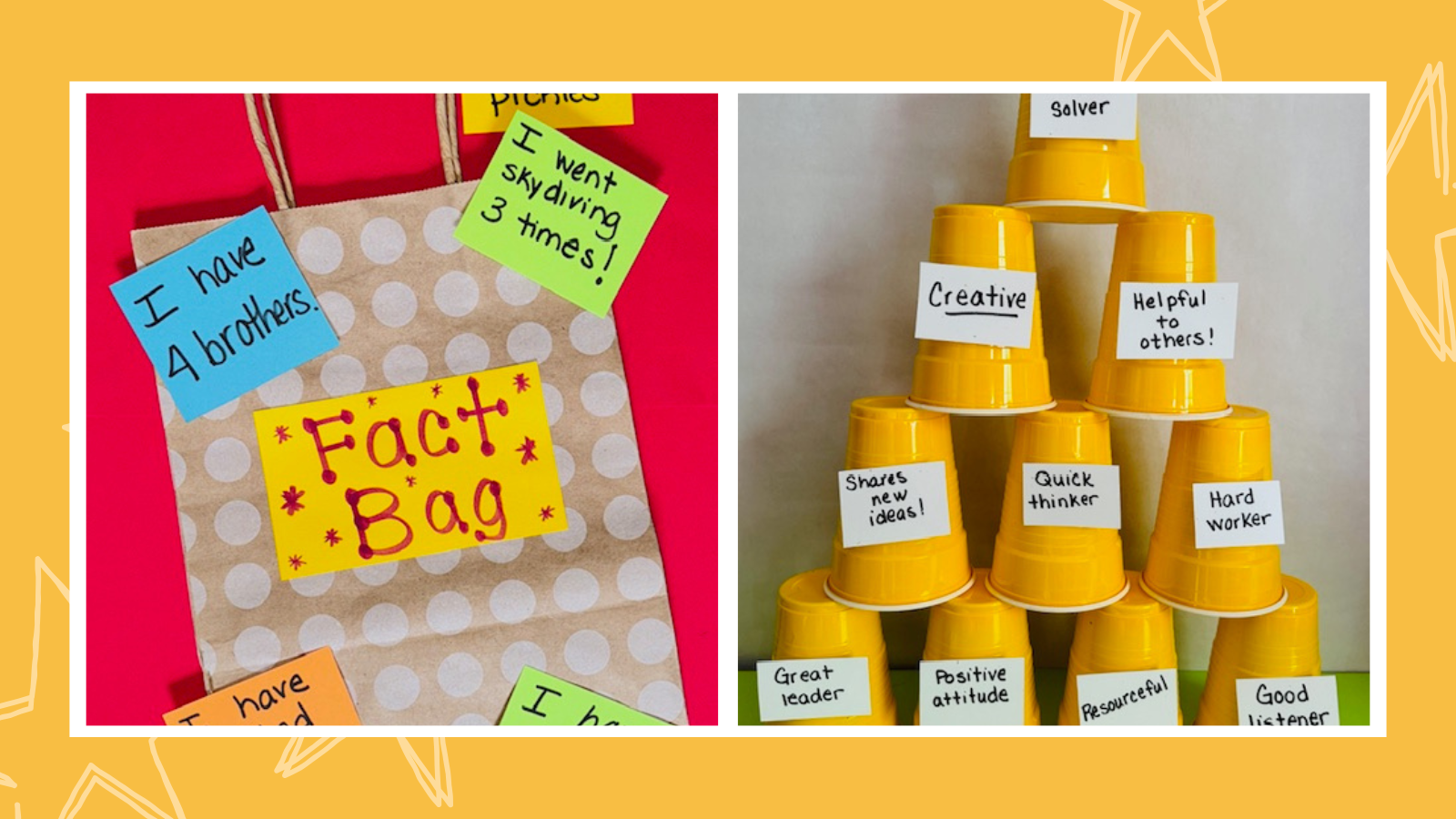
50 Team-Building Games for Adults To Energize Staff Meetings
Build a sense of cooperation and camaraderie.
17 Jun 2026

35 Best Team-Building Games and Activities for Kids (Plus Free Slides)
Plus tips and ideas from a veteran teacher.
17 Jun 2026

Irish parents are the least likely in the EU to think their children spend too much time on screens
More than half of Irish parents claim that social media has a positive effect on their child’s mental well-being.
17 Jun 2026

The boys we’re losing — and the prevention we’re missing
The emotional isolation of boys is shaped by long-standing norms that reward suppression and discourage vulnerability. The post The boys we’re losing — and the prevention we’re missing appeared first on Youth Today .
17 Jun 2026

Iran team blames US for 'disastrous' restrictions at World Cup
Iran team blames US for 'disastrous' restrictions at World Cup Submitted by Ayse Betul on Wed, 06/17/2026 - 10:40 Frustrated by US travel restrictions, Iranian players say Fifa should have done more to support them Members of the Iran coaching team during the national anthems before the New Zealand match as fans display pre-Iranian Revolution 'Lion and Sun' flags behind them, 15 June (Reuters/Daniel Cole) Off Iranian football players have voiced frustration over recurring World Cup hurdles against their participation in the tournament, pointing to politically driven decisions by US authorities as the source of restrictions. Team Melli have been subject to travel restrictions since the tournament kicked off last week. Players and coaching staff say the travel schedules are impacting their match performance. After their match with New Zealand in Los Angeles on Monday, the team was forced to fly back to their base camp in Mexico on the same day. It was not the team’s choice to fly back, as they had planned to hold a recovery session in Los Angeles the next day, striker Mehdi Taremi and goalscorer Mohammad Mohebi said in press interviews. “They have said we have to leave immediately,” head coach Amir Ghalenoei added. World Cup 2026: Iran's spirited display against New Zealand eases tensions among divided supporters Read More » “We are really troubled by that. We don’t know why they are returning us, to be honest. It seems very strange. "It seems others are doing the planning for us. Our team is the most oppressed one in the whole World Cup. “Everything is like a disaster, actually, for us,” Taremi added. The Iranian coach and players also noted that they were forced to fly to Los Angeles just one day before the match with New Zealand. They had wanted to arrive two days prior, as the tight schedule left them with barely 24 hours in the city before kickoff. Amid these hurdles, when the Iranian team arrived in Los Angeles, they were met by a small group of protesters from the Iranian diaspora carrying American, Israeli, and pre-revolution Iranian flags. Fifa’s response The visa issues and travel bans facing the Iranian team were put in place months before the tournament kicked off, as Taremi told reporters, adding that they are “just tired of this situation”. Eleven staffers had been denied entry into the United States , an Iranian Football Federation official said. “Our president isn’t here, our media isn’t here, many of our management team aren’t here,” Ghalenoei said. Speaking during a post-match interview, players Taremi and Mohebi, alongside head coach Ghalenoei, voiced frustration over the obstacles to multiple journalists, even though Fifa officials tried to cut the interview short, according to The Athletic. When asked about Fifa president Gianni Infantino, who he said had visited the team after their match, Taremi said: “For sure, he wants to try to help us, but it’s about other things too. World Cup 2026: For some fans, the tournament ends at the US border Read More » “You know, everyone knows. (I don’t) need to mention that, because you know where we are,” he added, hinting that US authorities were to blame. “I know what you go through, I understand,” Infantino told the players when he visited their locker room and seemed to acknowledge some of the troubles, Iran’s news agency Tasnim reported. “But you are stronger than everything, and you send a strong message to the entire world.” Ghalenoei responded by mentioning the need for Fifa to be strong. Both players and the head coach called the situation unfair and tiring, but said it will not stop them from performing at their best during matches. “It’s not good for us, you know? It’s not good for football, because in a World Cup, you have to prepare well for the next game, because it is a lot of stress for the players, staff, and everyone. But we don’t have that support, and I think Fifa has to help us more than this,” Taremi told reporters. Just days before the World Cup started, Iran's Football Federation had its ticket allocation, amounting to eight percent of the stadium's capacity, revoked by Fifa at the last minute, leaving most supporters unable to attend. The Iranian federation blamed the US for Fifa’s action, saying: "The United States has now taken steps to obstruct the presence of Iranian supporters at the stadiums. "The incident raises serious questions about the influence of non-sporting and political considerations on the organisation of the world's biggest football event." World Cup 2026 News Post Date Override 0 Update Date Mon, 05/04/2020 - 21:19 Update Date Override 0
17 Jun 2026
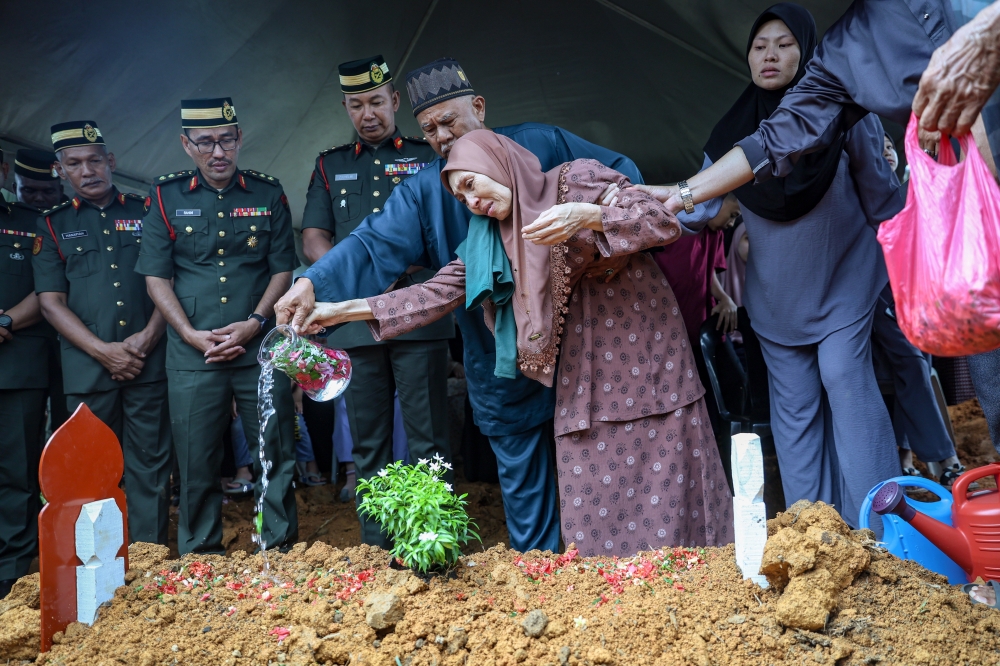
Hobart Camp grenade blast kills soldier’s daughter Siti Khadijah, who dreamed of following father’s legacy
KLUANG, June 17 — A retired soldier’s dream of seeing his youngest daughter continuing the family’s military legacy ended in tragedy when Private Siti Khadijah Sungip, 24, was killed during a grenade exercise at Hobart Camp in Gurun, Kedah, yesterday. Her father, Sungip Jais, 65, said the deceased, the youngest of seven siblings, joined the Malaysian Army (TDM) out of a deep passion for the military and a desire to carry on the family tradition. “She had been interested in the military since childhood. She once told me she wanted to continue the family legacy because I was in the Army as well. “After completing her Diploma in Civil Engineering (Highways and Transportation) at the Mara Higher Skills College (KKTM) in Sri Gading, she applied to join the army,” he told Bernama at his residence in Taman Sri Lambak here today. Sungip, who served with the Royal Artillery Regiment (RAD), added that his daughter was close to the family and had expressed her intention to postpone marriage to care for her parents. “She didn’t want to think about marriage yet because she wanted to look after Mum and Dad first,” he said, holding back tears. The victim’s elder sister, Siti Zaiha, 39, said Siti Khadijah sent a photograph via WhatsApp at midnight on June 15, which is now the family’s last keepsake. She said the photo showed her sister during a shooting practice session, the most enjoyable part of her training since joining the Army last year. “Siti Khadijah said she had more training the next day and that the grenade exercise would start around 8am. “However, at about 1pm, I received a call informing me my sister had been involved in an accident. At first, I thought it was a minor mishap or a road accident. “Not long after, I received another call informing me the incident occurred during training and that my sister had passed away,” she said. Siti Zaihah said the loss is tough for the family to accept, as her sister was always cheerful and showed no changes in behaviour when she returned home for the recent Aidiladha holidays. “The last time we met was a week before Hari Raya Aidiladha. She looked happy as usual and gave no sign of anything amiss,” she said. In the 10.57am incident yesterday, Siti Khadijah and another personnel, Corporal Norazmi Abu Bakar, died on the way to Sultan Abdul Halim Hospital (HSAH) in Sungai Petani from injuries sustained in the explosion. Siti Khadijah received the Best Female Recruit (Academic) Award in January for her performance during basic military training at the Army Basic Training Centre (Pusasda) in Port Dickson, Negeri Sembilan. Born on Sept 19, 2002, in Kluang, she underwent training as a female recruit with Juliet Company before being posted to the Royal Army Engineers Regiment (RAJD). Her remains were buried at the Taman Sri Lambak Islamic Cemetery here this afternoon. — Bernama
17 Jun 2026
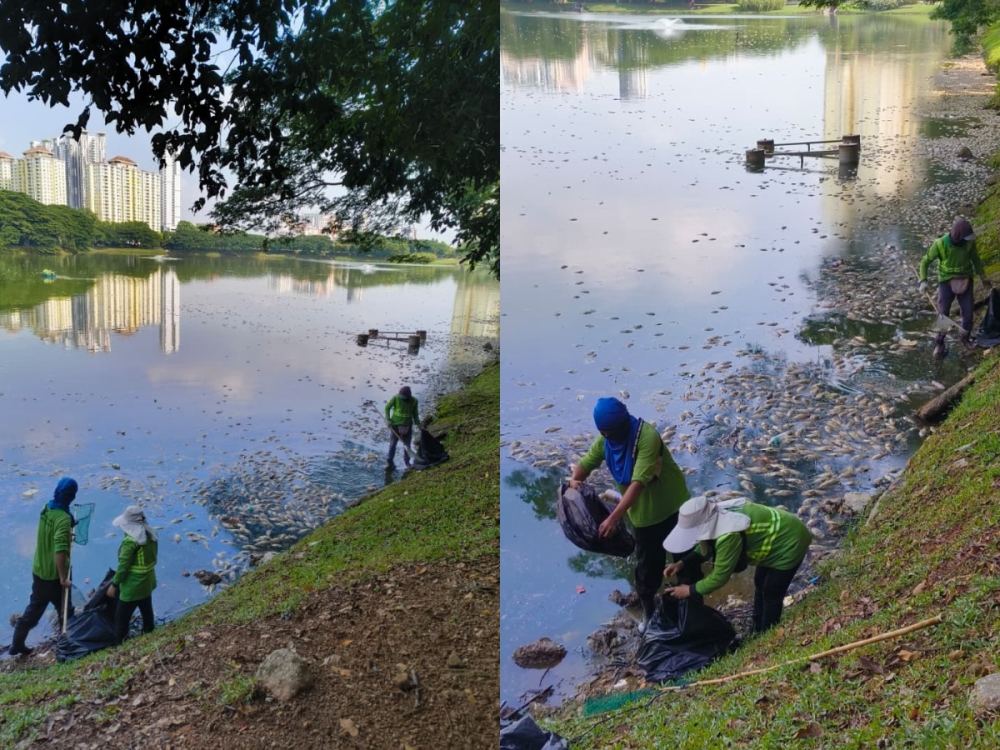
Mass fish kill in Danau Kota: DBKL explains why heavy rain may be to blame
KUALA LUMPUR, June 17 — City Hall (DBKL) has responded to reports of a mass fish kill at Taman Danau Kota Lake yesterday, confirming that comprehensive clean-up operations were completed on the same day. In a press statement, DBKL explained that the incident was likely precipitated by relentless rainfall, which triggered a drop in dissolved oxygen (DO) levels and altered the water quality. The storms also caused an influx of sediments and pollutants into the lake, factors that strained the resilience of the aquatic life and compromised the survival of the fish. “In response, DBKL took immediate action by carrying out clean-up operations to remove the dead fish, aiming to prevent more severe water pollution, mitigate public health risks, and ensure the comfort of visitors. Additionally, trash traps have been installed at the lake's inlets to control the influx of floating debris and pollutants. “DBKL, alongside the Federal Territory’s Department of Environment, also conducted water sampling on June 16 for quality analysis to pinpoint the exact factors contributing to the incident,” DBKL said. The urgency of the response was captured in photos shared by the city hall. While schools of dead fish were visibly floating on the lake around 10am, the remains had been cleared by 4pm. DBKL noted that Taman Danau Kota Lake serves a dual purpose: it is a recreational park that also functions as a flood retention pond. Because of this design, the lake is susceptible to similar incidents, which have occurred at other retention ponds across Kuala Lumpur following heavy rainfall. “Water flowing into the lake from its surrounding catchment area typically carries sediment, organic matter, litter, and pollutants through the drainage system before discharging into the lake,” the statement added. DBKL has committed to ongoing monitoring of the lake's condition and will implement further measures to ensure the recreational area remains safe, clean, and comfortable for city residents.
17 Jun 2026

Abuse of bus captains on the rise as union looks to expand mental wellness support
The National Transport Workers' Union says it is exploring more counselling and mental health support for bus drivers facing verbal abuse, physical attacks and online harassment.
17 Jun 2026
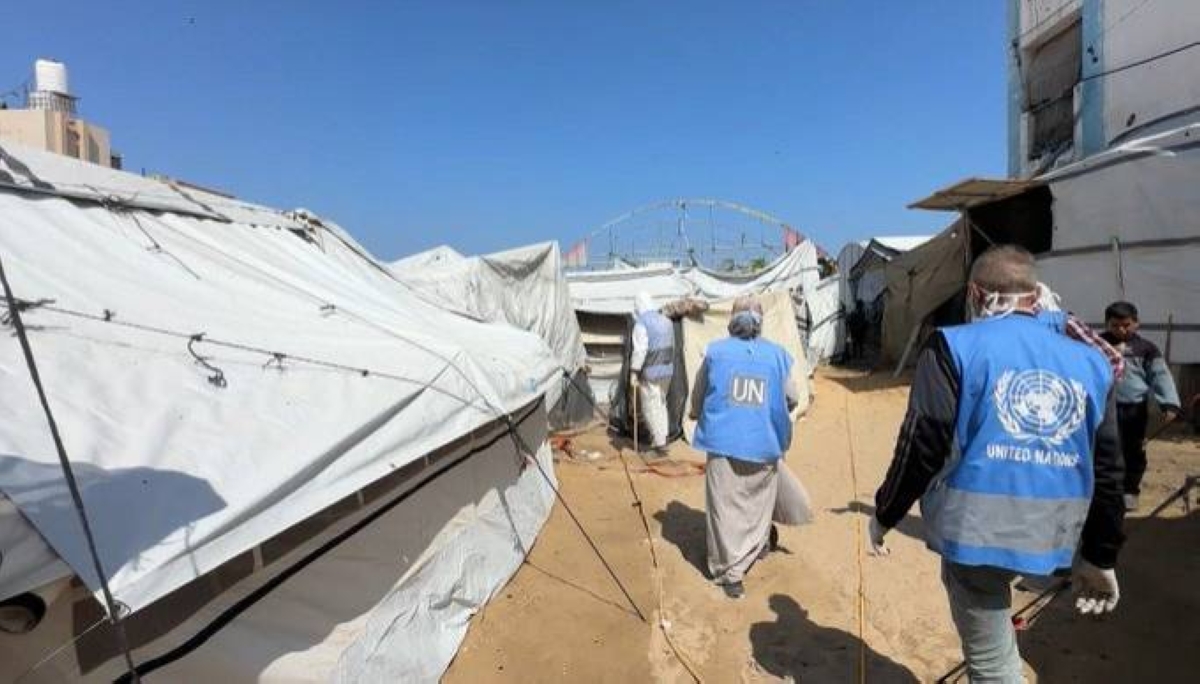
UN warns of deteriorating conditions for women in Palestinian territories
The Representative of the United Nations Population Fund (UNFPA) in Palestine Nestor Owomuhangi warned of the continued deterioration in the situation of women and girls in the Gaza Strip and the West Bank. He stressed that the humanitarian crisis, movement restrictions, escalating violence, and funding shortages are having a serious impact on women's physical and mental health. In a press statement, Owomuhangi said that the situation in Gaza remains dire, despite a slight improvement compared to the most difficult periods during the war. He added that in the West Bank, access to health services is facing increasing challenges due to checkpoints and escalating settler violence. He noted that UNFPA continues to support reproductive health services and protection programs for women, but is facing a substantial funding shortfall that threatens the continuity of these services.
17 Jun 2026
UN warns of deteriorating conditions for women in Palestinian territories
The Representative of the United Nations Population Fund (UNFPA) in Palestine Nestor Owomuhangi warned of the continued deterioration in the situation of women and girls in the Gaza Strip and the West Bank. He stressed that the humanitarian crisis, movement restrictions, escalating violence, and funding shortages are having a serious impact on women's physical and mental health. In a press statement, Owomuhangi said that the situation in Gaza remains dire, despite a slight improvement compared to the most difficult periods during the war. He added that in the West Bank, access to health services is facing increasing challenges due to checkpoints and escalating settler violence. He noted that UNFPA continues to support reproductive health services and protection programs for women, but is facing a substantial funding shortfall that threatens the continuity of these services.
17 Jun 2026
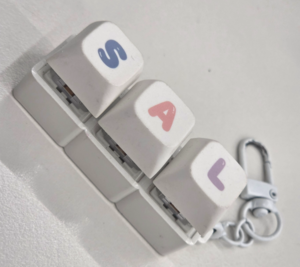
Is it okay to click-clack keycap keychains in public?
What began as a popular stress-relief accessory is quickly becoming a source of frustration in subways, offices and other shared spaces. As keycap keychains gain popularity among younger people, complaints about their constant clicking and clacking are also growing. Keycap keychains are small keyboard-inspired gadgets that click when pressed. They come in various designs and provide tactile feedback and audible clicks, making them popular as stress-relief and fidget items. However, many people s
17 Jun 2026

National productivity and wellbeing is the output of our creative capacity
Creative degrees may not attract the largest graduate salaries, but you can't achieve critical national priorities without creative skills. Randall Whittaker and Stephen Farrier make the case for investment in creativity
17 Jun 2026
National productivity and wellbeing is the output of our creative capacity
Creative degrees may not attract the largest graduate salaries, but you can't achieve critical national priorities without creative skills. Randall Whittaker and Stephen Farrier make the case for investment in creativity
17 Jun 2026
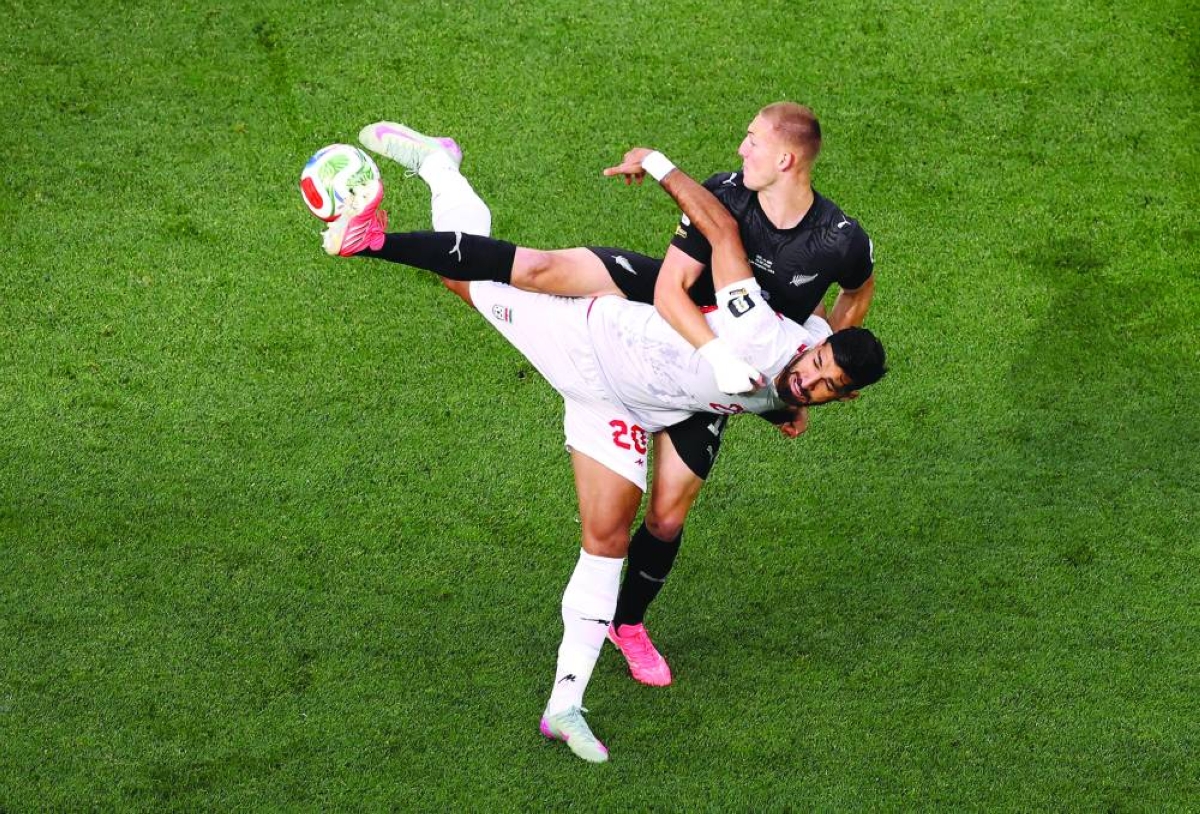
Iran 'most oppressed team in whole World Cup', says coach Ghalenoei
Coach Amir Ghalenoei said Iran is the 'most oppressed team in the World Cup' after his players were suddenly informed they must travel back to Mexico immediately after their opening game ended in Los Angeles late Monday. It is the latest logistical nightmare for an Iran squad that arrived at the tournament being co-hosted by the United States, Mexico and Canada under the shadow of a bitter diplomatic row between Tehran and Washington. The US – which was in military conflict with Iran for months, until a peace deal was announced on Sunday – refused to issue visas for some team support staff, and provided travel documents to players only at the last minute. The team was originally intending to base its training camp in Tucson, Arizona but moved it at the 11th hour to Tijuana in Mexico due to the visa and logistical issues. 'They delayed our arrivals, (now) they are forcing us to go back early without time for recovery,' Ghalenoei told journalists following a 2-2 draw with New Zealand. 'They are making the situation more and more difficult, facing us with more hurdles, but we're not going to let that stop us from doing our best.' According to Ghalenoei, his team had previously been told they would be able to remain in the United States until Tuesday lunchtime 'to recover.' 'But again they haven't permitted us,' he said. 'To be honest, I have no idea why they haven't told us.' The coach said technical staff had been forced to take on managerial duties to the absence of key personnel. 'That's why I think we are the most oppressed team in the World Cup,' he said. Iran played their opener against New Zealand in Los Angeles on Monday, just a day after a peace deal between the US and Iran was announced, bringing an 'immediate and permanent' end to military operations on all fronts. Their star strike Mehdi Taremi also slammed his team's treatment at the tournament as a 'disaster' after the game. 'It's a lot of stress for the players and staffs and everyone, but we don't have that support, and I think FIFA have to help us more than this,' he told reporters. He added: 'Everything is like disaster, actually, for us.' Taremi said the first the players had learnt they would be leaving the US on Monday was on match day. 'We are just tired of this situation, because from two months ago, last month, we're having a lot of problems, you know? It's so bad, and it affects our team. We just want the peace, which is the centers of FIFA, 'peace, joy,' and those things.' Taremi said FIFA president Gianni Infantino had been in the Iran changing room discussing the issue. 'He wants to try to help us, but it's about other things too,' he said.
16 Jun 2026
Iran 'most oppressed team in whole World Cup', says coach Ghalenoei
Coach Amir Ghalenoei said Iran is the 'most oppressed team in the World Cup' after his players were suddenly informed they must travel back to Mexico immediately after their opening game ended in Los Angeles late Monday. It is the latest logistical nightmare for an Iran squad that arrived at the tournament being co-hosted by the United States, Mexico and Canada under the shadow of a bitter diplomatic row between Tehran and Washington. The US – which was in military conflict with Iran for months, until a peace deal was announced on Sunday – refused to issue visas for some team support staff, and provided travel documents to players only at the last minute. The team was originally intending to base its training camp in Tucson, Arizona but moved it at the 11th hour to Tijuana in Mexico due to the visa and logistical issues. 'They delayed our arrivals, (now) they are forcing us to go back early without time for recovery,' Ghalenoei told journalists following a 2-2 draw with New Zealand. 'They are making the situation more and more difficult, facing us with more hurdles, but we're not going to let that stop us from doing our best.' According to Ghalenoei, his team had previously been told they would be able to remain in the United States until Tuesday lunchtime 'to recover.' 'But again they haven't permitted us,' he said. 'To be honest, I have no idea why they haven't told us.' The coach said technical staff had been forced to take on managerial duties to the absence of key personnel. 'That's why I think we are the most oppressed team in the World Cup,' he said. Iran played their opener against New Zealand in Los Angeles on Monday, just a day after a peace deal between the US and Iran was announced, bringing an 'immediate and permanent' end to military operations on all fronts. Their star strike Mehdi Taremi also slammed his team's treatment at the tournament as a 'disaster' after the game. 'It's a lot of stress for the players and staffs and everyone, but we don't have that support, and I think FIFA have to help us more than this,' he told reporters. He added: 'Everything is like disaster, actually, for us.' Taremi said the first the players had learnt they would be leaving the US on Monday was on match day. 'We are just tired of this situation, because from two months ago, last month, we're having a lot of problems, you know? It's so bad, and it affects our team. We just want the peace, which is the centers of FIFA, 'peace, joy,' and those things.' Taremi said FIFA president Gianni Infantino had been in the Iran changing room discussing the issue. 'He wants to try to help us, but it's about other things too,' he said.
16 Jun 2026

World’s longest flight finally has a date, and a destination
In Toulouse this week, beneath the assembled gaze of executives from two companies that have spent the better part of a decade turning an improbable idea into riveted aluminium, Qantas confirmed what the industry had long suspected and quietly wanted: London, not New York, will host the inaugural Project Sunrise flight. From October 2027, the Australian flag carrier will operate a daily non-stop service between Sydney and London Heathrow, a route of nearly 10,000 nautical miles flown in roughly 22 hours, and in doing so will claim the title of the world's longest commercial flight. Tickets go on sale in February. The decision to open with London settles a question that had become its own minor parlour game in aviation circles. There had been persistent speculation that Qantas might pivot to New York for the launch, a choice that would have carried its own commercial logic given the strength of the trans-Pacific premium market and the symbolic weight of connecting Sydney directly to Manhattan. But London was always the sentimental favourite, and on this occasion sentiment and strategy point in the same direction. The Kangaroo Route, that historic artery between Australia and the United Kingdom, has defined Qantas since the airline first stretched towards Europe. To eliminate the stopover entirely, to remove the long-standing necessity of breaking the journey in Singapore, Dubai or Perth, is to complete a project that the airline has been pursuing in one form or another for the better part of a century. Vanessa Hudson, the Qantas chief executive, framed it as the fulfilment of a commitment made in 2017, when the airline first laid down the challenge of connecting Australia's east coast directly to London and New York. The promise, she said, becomes reality in October 2027. The aircraft that makes this possible is worth dwelling on, because the A350-1000ULR is not simply a long-range jet with a marketing suffix attached. It is a genuinely bespoke machine, engineered around a single, punishing mission profile. The additional range comes principally from a rear centre fuel tank holding some 20,000 litres, integrated into the aircraft's structure rather than bolted on as an afterthought, lifting the type's reach by roughly 1,000 nautical miles over the standard A350-1000. That sounds modest in percentage terms. In practice it is the difference between a route that closes and a route that opens, the marginal endurance that turns Sydney to London from an engineering aspiration into a scheduled departure. Airbus has paired the extra fuel with an increased maximum take-off weight, and the cabin itself has been designed from first principles for the realities of spending the better part of a day aloft, with a wellbeing zone and a configuration built explicitly around the science of mitigating jetlag on flights of this duration. The certification effort behind all of this has been substantial, and quietly innovative. The lead test aircraft, MSN 707, completed its first flight from Toulouse on June 2, flying for three hours and 43 minutes and reaching just above 41,000 feet. It now carries something in the order of five tonnes of flight test instrumentation and around a thousand specialised sensors, the data from which Airbus intends to use not only to certify the variant but to recalibrate its digital models of the A350 cabin more broadly. The manufacturer has described the exercise as establishing a new framework for derivative certification, which is the sort of claim that sounds like corporate throat-clearing until one remembers how much of modern aircraft development now happens in simulation rather than in the sky. A second aircraft is progressing through an eight-week test and certification programme, and it is this second airframe, not the heavily instrumented MSN 707, that will be the first delivered to Qantas. The lead test aircraft will be retrofitted to commercial specification once its work is done. The journey so far has been one without challenges. The timeline has slipped and slipped more than once. The first delivery, once expected by the end of this year, has moved to April 2027, with Airbus attributing the delay to supply chain pressures that will be wearily familiar to anyone who has followed the aerospace sector through the past several years. The first aircraft, named Vega, is now scheduled to arrive in April 2027, leaving Qantas a relatively compressed window between delivery and the October launch. This is not unusual for a programme of this ambition, and four months of margin to enter service with a brand-new variant on the world's longest route is not generous, but the airline appears confident. Crucially, much of the human readiness is already under way. Qantas pilots have begun training on the airline's first A350 simulator in Sydney, and are also flying with British Airways in the United Kingdom, with further training planned alongside Cathay Pacific in Hong Kong over the coming months. Type readiness, in other words, is not waiting on metal. The commercial proposition rests on a simple and persuasive promise: up to four hours saved against the current one-stop alternatives. For the premium-heavy traffic that Qantas is targeting, time is the product, and the willingness to pay for its recovery is the entire commercial thesis of Project Sunrise. Whether that thesis holds at scale is the question the next several years will answer. Qantas has ordered 12 of the ULR variant for Sunrise, alongside a further 12 standard A350-1000s for its wider long-haul renewal, so the airline has placed a meaningful, though not reckless, bet on the economics of ultra-long-haul flying with a fully refreshed widebody fleet behind it. What is striking, stepping back from the specifications and the schedule, is how thoroughly the industry has normalised an idea that would have seemed fanciful not long ago. A 22-hour scheduled passenger flight, operated daily, profitably, was for decades the stuff of conference keynotes rather than timetables. Singapore Airlines reopened the conversation with its A350-900ULR services to the United States, and Qantas has now taken the concept to its logical extreme. There is no longer a destination on earth that Australia cannot reach in a single hop, and from October 2027 the proof will be a Qantas A350 lifting out of Sydney each evening, turning west, and not landing again until it reaches London. The final frontier of long-haul aviation, as Qantas likes to call it, is about to become a line in the schedule. That, in the end, is the most remarkable thing of all. The author is an aviation analyst. X handle: @AlexInAir.
16 Jun 2026
World’s longest flight finally has a date, and a destination
In Toulouse this week, beneath the assembled gaze of executives from two companies that have spent the better part of a decade turning an improbable idea into riveted aluminium, Qantas confirmed what the industry had long suspected and quietly wanted: London, not New York, will host the inaugural Project Sunrise flight. From October 2027, the Australian flag carrier will operate a daily non-stop service between Sydney and London Heathrow, a route of nearly 10,000 nautical miles flown in roughly 22 hours, and in doing so will claim the title of the world's longest commercial flight. Tickets go on sale in February. The decision to open with London settles a question that had become its own minor parlour game in aviation circles. There had been persistent speculation that Qantas might pivot to New York for the launch, a choice that would have carried its own commercial logic given the strength of the trans-Pacific premium market and the symbolic weight of connecting Sydney directly to Manhattan. But London was always the sentimental favourite, and on this occasion sentiment and strategy point in the same direction. The Kangaroo Route, that historic artery between Australia and the United Kingdom, has defined Qantas since the airline first stretched towards Europe. To eliminate the stopover entirely, to remove the long-standing necessity of breaking the journey in Singapore, Dubai or Perth, is to complete a project that the airline has been pursuing in one form or another for the better part of a century. Vanessa Hudson, the Qantas chief executive, framed it as the fulfilment of a commitment made in 2017, when the airline first laid down the challenge of connecting Australia's east coast directly to London and New York. The promise, she said, becomes reality in October 2027. The aircraft that makes this possible is worth dwelling on, because the A350-1000ULR is not simply a long-range jet with a marketing suffix attached. It is a genuinely bespoke machine, engineered around a single, punishing mission profile. The additional range comes principally from a rear centre fuel tank holding some 20,000 litres, integrated into the aircraft's structure rather than bolted on as an afterthought, lifting the type's reach by roughly 1,000 nautical miles over the standard A350-1000. That sounds modest in percentage terms. In practice it is the difference between a route that closes and a route that opens, the marginal endurance that turns Sydney to London from an engineering aspiration into a scheduled departure. Airbus has paired the extra fuel with an increased maximum take-off weight, and the cabin itself has been designed from first principles for the realities of spending the better part of a day aloft, with a wellbeing zone and a configuration built explicitly around the science of mitigating jetlag on flights of this duration. The certification effort behind all of this has been substantial, and quietly innovative. The lead test aircraft, MSN 707, completed its first flight from Toulouse on June 2, flying for three hours and 43 minutes and reaching just above 41,000 feet. It now carries something in the order of five tonnes of flight test instrumentation and around a thousand specialised sensors, the data from which Airbus intends to use not only to certify the variant but to recalibrate its digital models of the A350 cabin more broadly. The manufacturer has described the exercise as establishing a new framework for derivative certification, which is the sort of claim that sounds like corporate throat-clearing until one remembers how much of modern aircraft development now happens in simulation rather than in the sky. A second aircraft is progressing through an eight-week test and certification programme, and it is this second airframe, not the heavily instrumented MSN 707, that will be the first delivered to Qantas. The lead test aircraft will be retrofitted to commercial specification once its work is done. The journey so far has been one without challenges. The timeline has slipped and slipped more than once. The first delivery, once expected by the end of this year, has moved to April 2027, with Airbus attributing the delay to supply chain pressures that will be wearily familiar to anyone who has followed the aerospace sector through the past several years. The first aircraft, named Vega, is now scheduled to arrive in April 2027, leaving Qantas a relatively compressed window between delivery and the October launch. This is not unusual for a programme of this ambition, and four months of margin to enter service with a brand-new variant on the world's longest route is not generous, but the airline appears confident. Crucially, much of the human readiness is already under way. Qantas pilots have begun training on the airline's first A350 simulator in Sydney, and are also flying with British Airways in the United Kingdom, with further training planned alongside Cathay Pacific in Hong Kong over the coming months. Type readiness, in other words, is not waiting on metal. The commercial proposition rests on a simple and persuasive promise: up to four hours saved against the current one-stop alternatives. For the premium-heavy traffic that Qantas is targeting, time is the product, and the willingness to pay for its recovery is the entire commercial thesis of Project Sunrise. Whether that thesis holds at scale is the question the next several years will answer. Qantas has ordered 12 of the ULR variant for Sunrise, alongside a further 12 standard A350-1000s for its wider long-haul renewal, so the airline has placed a meaningful, though not reckless, bet on the economics of ultra-long-haul flying with a fully refreshed widebody fleet behind it. What is striking, stepping back from the specifications and the schedule, is how thoroughly the industry has normalised an idea that would have seemed fanciful not long ago. A 22-hour scheduled passenger flight, operated daily, profitably, was for decades the stuff of conference keynotes rather than timetables. Singapore Airlines reopened the conversation with its A350-900ULR services to the United States, and Qantas has now taken the concept to its logical extreme. There is no longer a destination on earth that Australia cannot reach in a single hop, and from October 2027 the proof will be a Qantas A350 lifting out of Sydney each evening, turning west, and not landing again until it reaches London. The final frontier of long-haul aviation, as Qantas likes to call it, is about to become a line in the schedule. That, in the end, is the most remarkable thing of all. The author is an aviation analyst. X handle: @AlexInAir.
16 Jun 2026

Mitos y verdades: 10 preguntas (y respuestas) sobre qué le pasa al corazón cuando juega la Argentina
A pocas horas del debut de la Selección Argentina en el Mundial 2026, la Fundación Cardiológica Argentina (FCA) difundió un informe basado en estudios internacionales que analiza qué ocurre en el cuerpo –y especialmente en el corazón– cuando un hincha atraviesa un partido de alta intensidad emocional . La propuesta reúne diez preguntas y respuestas que buscan traducir en términos claros un fenómeno ampliamente extendido pero poco dimensionado: el impacto fisiológico del estrés deportivo en millones de personas . Según la FCA, emociones como la ansiedad, la expectativa o la tensión no son solo percepciones subjetivas . Generan cambios medibles en el organismo, como el aumento de la frecuencia cardíaca, la presión arterial y la liberación de hormonas vinculadas al estrés. 1. ¿Qué sucede en nuestro corazón cuando vivimos un partido de alta tensión? Hay partidos que empiezan incluso antes de que los jugadores pisen la cancha. La espera, los pronósticos y la expectativa generan una activación emocional conocida por millones de personas. Cuando llega el partido, el organismo responde: aumenta la frecuencia cardíaca, sube la presión arterial y se liberan hormonas vinculadas al estrés. Un estudio publicado en 2026 en Scientific Reports mostró que la frecuencia cardíaca de los espectadores comienza a incrementarse incluso horas antes del inicio del encuentro y alcanza picos durante los momentos de mayor tensión. En la mayoría de los casos es una reacción transitoria. Sin embargo, en personas con enfermedades cardiovasculares puede tener implicancias clínicas. 2. ¿Qué efecto tiene el consumo de alcohol durante los partidos? El Mundial suele asociarse al consumo de alcohol, pero su combinación con estrés emocional merece atención. La evidencia indica que quienes beben durante partidos intensos presentan frecuencias cardíacas más elevadas. Además, el alcohol puede favorecer arritmias, elevar la presión arterial y contribuir a la deshidratación. A esto se suman hábitos frecuentes durante los partidos: comidas abundantes, exceso de sal, alteraciones del sueño y menor actividad física. La recomendación es moderar el consumo. 3. ¿Puede un partido de fútbol desencadenar un infarto? El partido no genera una enfermedad cardíaca, pero puede actuar como desencadenante en personas con patologías previas. El estrés agudo eleva la presión, aumenta el consumo de oxígeno del corazón y puede activar mecanismos de coagulación. Estudios realizados durante torneos internacionales registraron aumentos en internaciones por infarto tras partidos de alta carga emocional, como eliminaciones o definiciones cerradas. 4. ¿Se puede sufrir más viendo un partido que jugándolo? Desde el punto de vista emocional, sí puede ocurrir. Los jugadores tienen entrenamiento y herramientas para manejar la presión. El espectador, en cambio, vive el partido con alta implicación emocional, pero sin posibilidad de intervenir en el resultado. Esa combinación de expectativa, incertidumbre y falta de control activa respuestas biológicas intensas , con liberación de adrenalina y aumento de la frecuencia cardíaca. 5. ¿Las emociones deportivas producen cambios hormonales medibles? Sí. Las emociones tienen una traducción biológica. Estudios muestran que los hinchas con mayor identificación con su equipo presentan aumentos de cortisol, hormona asociada al estrés. Una investigación publicada en Stress and Health detectó respuestas hormonales más intensas en espectadores más comprometidos emocionalmente. 6. ¿Por qué las definiciones por penales son un momento de especial riesgo? Las definiciones por penales concentran una gran carga emocional en poco tiempo. Durante esos minutos, aumentan la adrenalina, la frecuencia cardíaca y la presión arterial. Investigaciones realizadas en distintos torneos mostraron que los eventos cardiovasculares tienden a incrementarse en situaciones de máxima incertidumbre y tensión . 7. ¿El calor puede aumentar los riesgos durante el Mundial? Sí. El Mundial 2026 se juega en verano en el hemisferio norte. Las altas temperaturas obligan al organismo a realizar un esfuerzo extra para regular la temperatura corporal, lo que incrementa el trabajo del corazón. La hidratación, el descanso y la protección frente al sol son medidas clave, especialmente en personas con mayor vulnerabilidad. 8. ¿Quiénes deberían extremar los cuidados durante el Mundial? Los grupos de mayor riesgo incluyen personas con enfermedad coronaria, antecedentes de infarto, insuficiencia cardíaca, hipertensión, diabetes o arritmias. En estos casos, se recomienda mantener controles, respetar la medicación y consultar ante síntomas de alarma. Una proporción importante de quienes sufren eventos cardiovasculares durante estos eventos ya tenía enfermedad cardíaca previa. 9. ¿Qué hacer ante un paro cardíaco durante un evento deportivo? La respuesta rápida es clave. La reanimación cardiopulmonar (RCP) y el uso de un desfibrilador externo automático (DEA) aumentan la supervivencia. Las acciones básicas incluyen reconocer el colapso, activar emergencias, iniciar RCP y utilizar un DEA si está disponible. 10. ¿Cómo se puede disfrutar del Mundial cuidando el corazón? El disfrute del fútbol es compatible con el cuidado de la salud. Las recomendaciones incluyen evitar excesos con el alcohol, mantener hábitos de descanso, hidratarse, realizar actividad física y controlar factores de riesgo. También se destaca la importancia de conocer maniobras de RCP y la ubicación de desfibriladores.
16 Jun 2026

Deal of the Day: Save 15% on Cole Haan
Step into summer savings with this deal. 👡
16 Jun 2026

Zones of Regulation Activities To Help Kids Manage Their Emotions
Teach kids to determine which zone they're in and what to do about it.
16 Jun 2026

Signs of stabilization? Stress, exit plans down among teacher workforce
Despite a drop in job-related teacher stress compared to pandemic levels, the Rand Corp. found burnout rates have slightly increased.
16 Jun 2026

Root taking England captaincy on 'game by game' basis in Stokes' absence
Joe Root says he is taking the England captaincy on a 'game-by-game basis' after replacing the exiled Ben Stokes for this week's second Test against New Zealand. With Stokes left out of the squad for the Oval clash after breaking a midnight curfew along with team-mate Gus Atkinson, Root agreed to skipper England for the first time since 2022. Stokes and Atkinson became embroiled in an incident at a London nightclub while celebrating England's first Test win against New Zealand, prompting reports the Durham all-rounder could be stripped of the captaincy or retire from international cricket. Root led England in a record 64 matches before being replaced by Stokes once the leadership role took a heavy toll on his form and peace of mind.England won just one of their last 17 Tests prior to Root stepping down as captain. The 35-year-old batsman believes he is in a 'different place' now, making him confident he will be able to lift the mood around the England squad after a turbulent period. 'I never thought I'd be sat here talking to you guys as England captain again. Zero chance... 0.1 percent,' he told reporters on Tuesday. 'The only thinking that came to my mind is what is the best thing for this team, is it going to have a big effect on me and my personal life and which outweighed the other. 'IT WAS THE RIGHT THING TO TAKE THIS ON' 'The fact is it felt like it was the right thing to take this on, so I tried to make it as simple as that. I think I am in a very different place to when I finished. 'To be captaining this group of players is a really exciting opportunity. It's a game-by-game basis, I think. Let's not look beyond this week.' England head coach Brendon McCullum refused to be drawn on Stokes' status ahead of Wednesday's opening day of the second Test. Amid an England and Wales Cricket Board investigation into the late-night incident, McCullum on Monday said he was concerned about Stokes' well-being. Root, who is a close friend of the all-rounder, could lead England again in the third Test at Trent Bridge, which begins just three days after the scheduled finish at the Oval. 'I've spoken to him a number of times over the last week or so,' Root said of Stokes. 'We're close friends and I think they should stay as privileged conversations between me and him. 'When it comes to how Ben's feeling, how he is, I think they're all questions that he should be answering himself. I'm sure, at the right time and when he's ready, he will.' Asked if Stokes could command the same authority after flouting a curfew he helped bring in, Root added: 'I'm sure he has this respect of everyone in our dressing room. He's been a phenomenal leader for the last four years and the way he's captained been brilliant. 'He's a talismanic player and a great friend to a number of the guys, so of course there's a huge amount of respect there from everyone.'
16 Jun 2026
Root taking England captaincy on 'game by game' basis in Stokes' absence
Joe Root says he is taking the England captaincy on a 'game-by-game basis' after replacing the exiled Ben Stokes for this week's second Test against New Zealand. With Stokes left out of the squad for the Oval clash after breaking a midnight curfew along with team-mate Gus Atkinson, Root agreed to skipper England for the first time since 2022. Stokes and Atkinson became embroiled in an incident at a London nightclub while celebrating England's first Test win against New Zealand, prompting reports the Durham all-rounder could be stripped of the captaincy or retire from international cricket. Root led England in a record 64 matches before being replaced by Stokes once the leadership role took a heavy toll on his form and peace of mind.England won just one of their last 17 Tests prior to Root stepping down as captain. The 35-year-old batsman believes he is in a 'different place' now, making him confident he will be able to lift the mood around the England squad after a turbulent period. 'I never thought I'd be sat here talking to you guys as England captain again. Zero chance... 0.1 percent,' he told reporters on Tuesday. 'The only thinking that came to my mind is what is the best thing for this team, is it going to have a big effect on me and my personal life and which outweighed the other. 'IT WAS THE RIGHT THING TO TAKE THIS ON' 'The fact is it felt like it was the right thing to take this on, so I tried to make it as simple as that. I think I am in a very different place to when I finished. 'To be captaining this group of players is a really exciting opportunity. It's a game-by-game basis, I think. Let's not look beyond this week.' England head coach Brendon McCullum refused to be drawn on Stokes' status ahead of Wednesday's opening day of the second Test. Amid an England and Wales Cricket Board investigation into the late-night incident, McCullum on Monday said he was concerned about Stokes' well-being. Root, who is a close friend of the all-rounder, could lead England again in the third Test at Trent Bridge, which begins just three days after the scheduled finish at the Oval. 'I've spoken to him a number of times over the last week or so,' Root said of Stokes. 'We're close friends and I think they should stay as privileged conversations between me and him. 'When it comes to how Ben's feeling, how he is, I think they're all questions that he should be answering himself. I'm sure, at the right time and when he's ready, he will.' Asked if Stokes could command the same authority after flouting a curfew he helped bring in, Root added: 'I'm sure he has this respect of everyone in our dressing room. He's been a phenomenal leader for the last four years and the way he's captained been brilliant. 'He's a talismanic player and a great friend to a number of the guys, so of course there's a huge amount of respect there from everyone.'
16 Jun 2026

Mental health teams face ‘moral dilemma’ on who to help, experts warn
School are also placed in an 'insidious' position on how to support the 'missing middle' The post Mental health teams face ‘moral dilemma’ on who to help, experts warn first appeared on Schools Week .
16 Jun 2026

65 Hilarious 4th of July Jokes Sure To Go Off With a Bang
Plus free slides to make them easy to share in the classroom.
16 Jun 2026

I was that kid — and schools are still getting it wrong.
Stark gaps in disability-rights enforcement contribute to school exclusion and youth criminalization despite federal legal protections. The post I was that kid — and schools are still getting it wrong. appeared first on Youth Today .
16 Jun 2026
Beyond Tudor Queens And Suffragettes: Reclaiming Women’s Place In The History Curriculum
The post Beyond Tudor Queens And Suffragettes: Reclaiming Women’s Place In The History Curriculum appeared first on TeachingTimes .
16 Jun 2026
UNICEF: Overlapping Climate Hazards Threaten Children’s Quality of Life
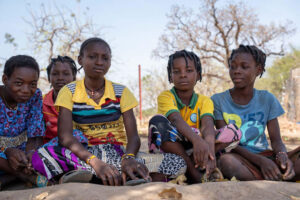
A group of children sit near a garden in Tamasgo Primary, in Burkina Faso, which is one of the most climate-vulnerable countries in the world. Credit: UNICEF Office in Burkina Faso By Oritro Karim UNITED NATIONS, Jun 16 2026 (IPS) A new report from the United Nations Children’s Fund (UNICEF) highlights the vast, overlapping climate threats affecting children worldwide, which is leaving them increasingly vulnerable to escalating risks across health, security, and education. The report, Children’s Climate Risk Report , emphasizes that while these risks are most pronounced in heavily vulnerable regions in the Global South—such as South Asia and sub-Saharan Africa—nearly half of the world’s children are exposed to at least three climate hazards, with some exposed to as many as six at once. “Across the globe, millions of children are now facing multiple climate threats without the necessary services to cope,” said UNICEF Executive Director Catherine Russell. “They are experiencing extreme heat that causes heatstroke and dehydration. Their homes and schools are being destroyed by storms and floods. Devastating droughts are limiting their access to food and water. And in many cases, the intensity of these hazards is increasing with each passing year.” “We must invest more in adapting essential services to the impact of climate change,” Russell added. “Through political will, partnerships, and collaboration with young people, the case studies in this report prove that progress is possible. But the scale and ambition of action must be rapidly accelerated to ensure that every child is protected from climate impacts.” According to UNICEF’s findings, nearly every child globally is now affected by air pollution. Additionally, over 296 million children live in areas that are exposed to a dangerous combination of prolonged drought, extreme heat, and heatwaves, while another 115 million simultaneously face droughts, extreme heat, and tropical storms. The agency stresses that these risks often overlap across multiple regions, noting that riverine and coastal floods, fires, and sand and dust storms have caused widespread displacement, disruptions to livelihoods and schooling, the spread of infectious diseases, or various forms of health and food insecurity. Nowhere are the consequences of these overlapping threats more evident than in sub-Saharan Africa and South Asia, which have been described by climate experts as the two most climate-vulnerable regions in the world. These regions are at a heightened risk primarily due to high environmental exposure and a limited capacity to respond. The resulting shocks overwhelm local health systems, cripple fragile infrastructure, and leave entire communities deprived of basic, lifesaving services. The report notes that over 4 million children in the Sahel region are exposed to heatwaves, extreme heat, and sand and dust storms. Meanwhile, South Asian countries like Bangladesh, Myanmar and Pakistan, face more hazards at once and at higher intensities than anywhere else in the world. “While some countries may face a single devastating event, such as a tropical storm that can wipe out an entire island, many countries in Asia are dealing with a combination of threats, from floods and storms to extreme heat,” Rohini Sampoornam Swaminathan, UNICEF Statistics and Monitoring Manager, tells Inter Press Service. “Children may cope with one or two shocks, but after three, four or five, families’ ability to respond becomes severely strained. Moreover, risk is not only about exposure to hazards, but it is also about the availability and accessibility of essential services. For children without reliable access to health care, nutrition, or water and sanitation, even a moderate flood or heatwave can become life‑threatening.” On 20 January 2026, an aerial view of the flooded Xai Xai village after extreme rainfall in Gaza Province, Mozambique. Credit: UNICEF/Guy Taylor According to the report, in 2024, approximately 634 million children lacked access to safe drinking water, over 1 billion lacked access to sanitation services, and 489 million lacked access to basic hygiene services. Currently, nearly 160 million children live in areas where water systems are severely strained, and droughts are extremely pronounced, while another 270 million children live in flood-prone zones where less than half of the population has access to adequate sanitation. As a result, the World Health Organization (WHO) projects that there could be over 250,000 additional yearly deaths by the 2030s from malaria, diarrhoea, heat stress, and undernutrition. These consequences are dire for children, particularly those living in fragile contexts where health systems and local infrastructures are strained. In Pakistan, children face extreme vulnerability due to glacial melt and erratic rainfall patterns, which frequently trigger large-scale flooding. The historic 2022 floods affected over 33 million people—roughly half of whom were children—and stripped more than 5.4 million people of access to clean water, leaving them at a heightened risk of contracting infectious diseases and waterborne illnesses. This has been compounded by frequent heatwaves and prolonged droughts, with temperatures routinely exceeding 48 degrees Celsius, or 118.4 degrees Fahrenheit, which have caused high rates of severe dehydration and acute malnutrition, as a result of decimated crop yields. Without urgent intervention, UNICEF projects that an additional 28 million children globally could experience acute malnutrition and stunted growth by 2050. In sub-Saharan Africa alone, approximately 10 million more children are expected to suffer from stunted growth by 2050. Over the last few years, increasingly frequent and destructive climate shocks have devastated food systems around the world, leaving roughly 66 percent of children under five—approximately 440 million—to live in severe food poverty. Additionally, climate shocks are increasingly stripping children of their education, with UNICEF recording nearly 242 million students across 85 countries and territories who have their education disrupted by climate-induced hazards in 2024 alone. The agency has also recorded rising rates of school closures, absenteeism, and worsened school performance. Swaminathan noted that when classrooms become too hot, children struggle to concentrate, learn and stay engaged. “Heat increases dehydration, fatigue and absenteeism, especially in schools without cooling, shade or reliable water,” she added. “As temperatures rise, schools are also closing more often. While closures protect children’s health, they expose how unprepared many education systems are for a hotter world. When children lose learning, societies lose potential. Repeated disruptions affect education outcomes, future earnings and economic growth, while deepening inequalities.” It is estimated that disrupted education across low- and middle-income countries could yield future economic losses of up to USD 11 trillion in lifetime earnings. The report further notes that establishing climate-resilient education systems is crucial in preventing these losses and protecting children from facing adverse mental health impacts and deepened social and economic inequalities. Furthermore, volatile climate shocks around the world continue to displace entire communities and push millions of children into insecurity. Between 2016 and 2023, UNICEF recorded over 62 million internal displacements of children as a result of climate-induced hazards—or roughly 21,000 child displacements per day. “When families are forced to move because of climate shocks, children face heightened risks of violence, exploitation and family separation, both during the journey and in temporary settlements. These risks increase when displacement is sudden, support networks collapse, and protection systems are overwhelmed,” said Swaminathan. “Climate-related displacement acts as a threat multiplier. It weakens livelihoods, strains fragile services and deepens existing tensions.” Child protection services around the world have been pushed to the brink of collapse as a result of the vast scale of needs triggered by climate-induced displacement. This strain has been linked to a significant rise in violence, exploitation, abuse, and childhood trauma, with many families resorting to negative coping mechanisms such as child labour and child marriage. According to UNICEF estimates, rates of child labour have surged in recent years, particularly in areas with agriculture-dependent economies, where roughly 70 percent of this exploitation can be found. Additionally, communities frequently turn to child marriage to secure short-term financial stability following severe climate shocks. The consequences are particularly dire for girls who are married before the age of 18, who face a significantly higher risk of domestic violence, alongside severely compromised health and economic outcomes compared to those who marry later in life. To accelerate climate action and protect millions of children from these escalating risks, UNICEF is urging global leaders and the private sector to prioritize investments in renewable energy, underscoring that this is a critical first step in reducing the intensity of climate shocks. Additionally, the agency stresses the importance of integrating climate-resilient schools, water systems, and healthcare facilities into national emergency plans and expanding climate education to ensure that the next generation has a voice in decisions that affect their lives. “UNICEF’s message is clear: invest in children’s resilience, especially the most vulnerable. Invest in the communities they live in and the social services they depend on, and ensure these services continue to function during and after climate shocks,” said Swaminathan. “The climate crisis is a child rights crisis. We know where children are at risk and what they face. Now we must act.” IPS UN Bureau Report Follow @IPSNewsUNBureau
16 Jun 2026
UNICEF: Overlapping Climate Hazards Threaten Children’s Quality of Life
A group of children sit near a garden in Tamasgo Primary, in Burkina Faso, which is one of the most climate-vulnerable countries in the world. Credit: UNICEF Office in Burkina Faso By Oritro Karim UNITED NATIONS, Jun 16 2026 (IPS) A new report from the United Nations Children’s Fund (UNICEF) highlights the vast, overlapping climate threats affecting children worldwide, which is leaving them increasingly vulnerable to escalating risks across health, security, and education. The report, Children’s Climate Risk Report , emphasizes that while these risks are most pronounced in heavily vulnerable regions in the Global South—such as South Asia and sub-Saharan Africa—nearly half of the world’s children are exposed to at least three climate hazards, with some exposed to as many as six at once. “Across the globe, millions of children are now facing multiple climate threats without the necessary services to cope,” said UNICEF Executive Director Catherine Russell. “They are experiencing extreme heat that causes heatstroke and dehydration. Their homes and schools are being destroyed by storms and floods. Devastating droughts are limiting their access to food and water. And in many cases, the intensity of these hazards is increasing with each passing year.” “We must invest more in adapting essential services to the impact of climate change,” Russell added. “Through political will, partnerships, and collaboration with young people, the case studies in this report prove that progress is possible. But the scale and ambition of action must be rapidly accelerated to ensure that every child is protected from climate impacts.” According to UNICEF’s findings, nearly every child globally is now affected by air pollution. Additionally, over 296 million children live in areas that are exposed to a dangerous combination of prolonged drought, extreme heat, and heatwaves, while another 115 million simultaneously face droughts, extreme heat, and tropical storms. The agency stresses that these risks often overlap across multiple regions, noting that riverine and coastal floods, fires, and sand and dust storms have caused widespread displacement, disruptions to livelihoods and schooling, the spread of infectious diseases, or various forms of health and food insecurity. Nowhere are the consequences of these overlapping threats more evident than in sub-Saharan Africa and South Asia, which have been described by climate experts as the two most climate-vulnerable regions in the world. These regions are at a heightened risk primarily due to high environmental exposure and a limited capacity to respond. The resulting shocks overwhelm local health systems, cripple fragile infrastructure, and leave entire communities deprived of basic, lifesaving services. The report notes that over 4 million children in the Sahel region are exposed to heatwaves, extreme heat, and sand and dust storms. Meanwhile, South Asian countries like Bangladesh, Myanmar and Pakistan, face more hazards at once and at higher intensities than anywhere else in the world. “While some countries may face a single devastating event, such as a tropical storm that can wipe out an entire island, many countries in Asia are dealing with a combination of threats, from floods and storms to extreme heat,” Rohini Sampoornam Swaminathan, UNICEF Statistics and Monitoring Manager, tells Inter Press Service. “Children may cope with one or two shocks, but after three, four or five, families’ ability to respond becomes severely strained. Moreover, risk is not only about exposure to hazards, but it is also about the availability and accessibility of essential services. For children without reliable access to health care, nutrition, or water and sanitation, even a moderate flood or heatwave can become life‑threatening.” On 20 January 2026, an aerial view of the flooded Xai Xai village after extreme rainfall in Gaza Province, Mozambique. Credit: UNICEF/Guy Taylor According to the report, in 2024, approximately 634 million children lacked access to safe drinking water, over 1 billion lacked access to sanitation services, and 489 million lacked access to basic hygiene services. Currently, nearly 160 million children live in areas where water systems are severely strained, and droughts are extremely pronounced, while another 270 million children live in flood-prone zones where less than half of the population has access to adequate sanitation. As a result, the World Health Organization (WHO) projects that there could be over 250,000 additional yearly deaths by the 2030s from malaria, diarrhoea, heat stress, and undernutrition. These consequences are dire for children, particularly those living in fragile contexts where health systems and local infrastructures are strained. In Pakistan, children face extreme vulnerability due to glacial melt and erratic rainfall patterns, which frequently trigger large-scale flooding. The historic 2022 floods affected over 33 million people—roughly half of whom were children—and stripped more than 5.4 million people of access to clean water, leaving them at a heightened risk of contracting infectious diseases and waterborne illnesses. This has been compounded by frequent heatwaves and prolonged droughts, with temperatures routinely exceeding 48 degrees Celsius, or 118.4 degrees Fahrenheit, which have caused high rates of severe dehydration and acute malnutrition, as a result of decimated crop yields. Without urgent intervention, UNICEF projects that an additional 28 million children globally could experience acute malnutrition and stunted growth by 2050. In sub-Saharan Africa alone, approximately 10 million more children are expected to suffer from stunted growth by 2050. Over the last few years, increasingly frequent and destructive climate shocks have devastated food systems around the world, leaving roughly 66 percent of children under five—approximately 440 million—to live in severe food poverty. Additionally, climate shocks are increasingly stripping children of their education, with UNICEF recording nearly 242 million students across 85 countries and territories who have their education disrupted by climate-induced hazards in 2024 alone. The agency has also recorded rising rates of school closures, absenteeism, and worsened school performance. Swaminathan noted that when classrooms become too hot, children struggle to concentrate, learn and stay engaged. “Heat increases dehydration, fatigue and absenteeism, especially in schools without cooling, shade or reliable water,” she added. “As temperatures rise, schools are also closing more often. While closures protect children’s health, they expose how unprepared many education systems are for a hotter world. When children lose learning, societies lose potential. Repeated disruptions affect education outcomes, future earnings and economic growth, while deepening inequalities.” It is estimated that disrupted education across low- and middle-income countries could yield future economic losses of up to USD 11 trillion in lifetime earnings. The report further notes that establishing climate-resilient education systems is crucial in preventing these losses and protecting children from facing adverse mental health impacts and deepened social and economic inequalities. Furthermore, volatile climate shocks around the world continue to displace entire communities and push millions of children into insecurity. Between 2016 and 2023, UNICEF recorded over 62 million internal displacements of children as a result of climate-induced hazards—or roughly 21,000 child displacements per day. “When families are forced to move because of climate shocks, children face heightened risks of violence, exploitation and family separation, both during the journey and in temporary settlements. These risks increase when displacement is sudden, support networks collapse, and protection systems are overwhelmed,” said Swaminathan. “Climate-related displacement acts as a threat multiplier. It weakens livelihoods, strains fragile services and deepens existing tensions.” Child protection services around the world have been pushed to the brink of collapse as a result of the vast scale of needs triggered by climate-induced displacement. This strain has been linked to a significant rise in violence, exploitation, abuse, and childhood trauma, with many families resorting to negative coping mechanisms such as child labour and child marriage. According to UNICEF estimates, rates of child labour have surged in recent years, particularly in areas with agriculture-dependent economies, where roughly 70 percent of this exploitation can be found. Additionally, communities frequently turn to child marriage to secure short-term financial stability following severe climate shocks. The consequences are particularly dire for girls who are married before the age of 18, who face a significantly higher risk of domestic violence, alongside severely compromised health and economic outcomes compared to those who marry later in life. To accelerate climate action and protect millions of children from these escalating risks, UNICEF is urging global leaders and the private sector to prioritize investments in renewable energy, underscoring that this is a critical first step in reducing the intensity of climate shocks. Additionally, the agency stresses the importance of integrating climate-resilient schools, water systems, and healthcare facilities into national emergency plans and expanding climate education to ensure that the next generation has a voice in decisions that affect their lives. “UNICEF’s message is clear: invest in children’s resilience, especially the most vulnerable. Invest in the communities they live in and the social services they depend on, and ensure these services continue to function during and after climate shocks,” said Swaminathan. “The climate crisis is a child rights crisis. We know where children are at risk and what they face. Now we must act.” IPS UN Bureau Report Follow @IPSNewsUNBureau
16 Jun 2026
Ofsted workload, PPA cover PLUS interview questions that cross a line
Hey there Tappers! We are halfway through June – the countdowns have started! Soon, we’ll begin asking you our usual end-of-term questions about Sports Day, leaving celebrations, and transitions for Year 6 into Year 7. Do you have questions you think Teacher Tapp should be asking? Our inbox has been busy with Tappers sending in suggestions – so if you have topics to add to our list, please send your thoughts England@teachertapp.co.uk 📧. And thinking ahead to September (I know…I know…) if you have an INSET day CPD presentation to deliver and would like some Teacher Tapp data, please do get in touch! Or if you’re planning on using Tapp findings and would like to tell us about it, we would love to hear how you’ve made use of Tapp data in your school! New prize draw Here at Teacher Tapp we are incredibly grateful for all of the Tapps you give us. Just this week, the news of the social media ban had everyone in the Tapp office think back to when we were invited into the House of Lords to present Teacher Tapp findings on mobile phone, social media and AI use in schools. If you haven’t seen it, we made a video about it here . But we could only do that because of YOU. Therefore, we feel it is only right that we regularly say THANK YOU, and this month one lucky Tapper will win an iPad! It’s easy to enter – you just have to Tapp in June! Check out the full Ts and Cs here . Now we have a lot of juicy edu-findings this week 🙌 so let’s get started… Social media ban On Monday 15 June, the prime minister, Keir Starmer made the announcement that social media will be banned for children under the age of 16. When we last asked teachers how they felt about the idea of social media restrictions for children, 96% agreed. But what else do we know about how social media has been impacting young people at school? This week, 58% of primary teachers reported correcting misconceptions their students have picked up from what they’ve read online, with the figure rising to 66% for KS2 teachers, and dropping to 48% for EYFS/KS1 teachers – so it’s certainly not a problem confined to just the older years. The same was true for 74% of secondary teachers, with humanities and English teachers the most likely to report having to correct misconceptions (87% and 85%, respectively). Ofsted workload From Government bans to Government inspections – Teacher Tapp has been looking at the impact of the new inspection framework, which has been in place since September. School inspections are now taking place using the new scorecard system, and the change has impacted both the schools being inspected and those awaiting inspection. One way the new framework has made an impression has been the creation of new documents or operational changes. 60% of teachers told us their schools have made changes or created documents. But of those who have made changes, how many think the changes have had a positive impact? For 24% of teachers, they felt it was too early to tell. But for the rest, the feeling hasn’t been overwhelmingly positive: Just 2% of teachers described the impact as “significantly positive”. 21% of teachers told us it was “slightly positive”. A huge 69% of teachers say the changes have had no impact at all. And then 6% felt it was a slightly negative impact, and 3% a significantly negative impact. These findings highlight the issues of the increased workload and how leaders are coping with the changes. You can read more about these findings in the Tes article here . Legal rights and interview questions Now, an aspect of school that isn’t a focus of Ofsted: the recruitment processes. The questions a teacher is asked in their interview are covered by the Equality Act 2010 , which outlines how employers can’t discriminate against a person based on certain personal characteristics. These laws apply even before you have started working for a school, and therefore, there are some subjects that teachers shouldn’t be asked about during the recruitment process. Based on some of the questions Tappers have been sending in about interviews, we had a feeling that some schools are still getting this wrong. To check, we asked about the different protected characteristics to check how common it was for teachers to be asked about these subjects. The good news is the vast majority have not been asked these questions ( 82% ), however, 7% have been asked about health conditions or disabilities, and 6% have been asked about marital status. 6% were asked about sickness absence and 5% were asked about children or caring responsibilities. Some groups appear to be more likely to be asked about certain topics than others: women in their 30s are most likely to be asked about having children ( 5% ) or caring responsibilities ( 8% ) compared to men and women in their 50s, who were least likely ( 0% and 2% ). Men in their 50s were more likely than women in their 50s to be asked about retirement plans ( 9% vs 5% ). The interview lesson observation When leaders were asked which part of the interview they felt was the most useful indicator for future performance, both primary and secondary leaders felt it was the interview lesson that gave them the best insights ( 56% and 46% ). But how best to set up the (clearly important!) interview lesson? We set out to find out the approach to interview lesson observations favoured by teachers, and asked if they preferred to be observed teaching a lesson at the interview school, or record themselves teaching, or be observed with their own pupils by a teacher from the school they are interviewing for. The top choice for primary teachers was to be observed with their own pupils by a teacher visiting from the school they are interviewing for ( 37% ), and over in secondary, the top choice was to be observed at the interview school with their pupils ( 46% ). The least popular choice in both phases was recording yourself teaching ( 4% in primary and 3% in secondary). The really good news is that 27% of primary and 30% of secondary teachers don’t have strong feelings about how their interview lesson observations are done. Perhaps you’ve always taken the same approach with your interview lessons and not considered other options. In your opinion, is there a preferred approach that gives the best indicator of the quality of teaching? Or is it purely a logistical decision? Get in touch with your thoughts! Tapp experiment: PPA cover Last week we explored different attitudes towards advising friends on whether or not they should teach their own child in reception, this week (in part inspired by the news coverage of a teacher who was disciplined for calling in sick when on a stag do) we ran an experiment to test reactions to requests for cover for personal, non-medical reasons. Are some reasons considered more ‘worthy’ than others? We split the panel into four groups: group one was asked to cover a colleague who wanted to attend a wedding; the second group had a request to cover to allow the teacher to watch their child in a play; the third wanted to be covered for a stag do; and the fourth and final group requested cover for a hen do. The results revealed huge differences between both phase attitudes towards cover AND towards the reason behind the request. Our first finding was that in every single scenario, secondary teachers were generally much more willing to cover. Asking for cover for a child’s production elicited the most ‘yes’ responses in both phases ( 38% primary and 50% secondary), followed by attending a wedding ( 47% vs 33%), and stag and hen dos had similar gaps: 21% secondary and 16% primary for a stag do; 21% secondary and 15% primary for a hen do. Why might primary teachers be more reluctant to give up a PPA? One reason might be that primary teachers are more likely to have PPA in a block, rather than secondary teachers who have it split into smaller chunks. Another reason could be that more primary teachers report their PPA being cancelled or moved each week ( 12% of primary vs 4% of secondary) and therefore feel less inclined to give it up. Another difference we found was whether the Tapper respondent was male or female: on the whole, male teachers were more likely to offer to cover for colleagues – with one exception: covering for a hen do. When asked about covering to allow a colleague to watch their child in a production, male primary teachers were more likely to agree to cover ( 49% vs 36% ), a gap of 13 percentage points, and male secondary teachers were also more likely to agree to cover than female secondary teachers ( 55% vs 48% ), a gap of 7 percentage points . The pattern is similar when the reason for cover was attending a wedding: in primary, male teachers were more likely to agree to cover compared to female teachers ( 43% vs 31% ) and the same in secondary ( 51% vs 44% ). But the stag and hen scenarios saw a change in pattern: for a stag do, once again male primary teachers were more likely than female primary teachers to agree ( 26% vs 14% ), and in secondary ( 27% vs 18% ). But when the request was for a hen do, the responses equalise: 17% of male primary teachers would agree to swap, compared to 15% of female primary teachers; 23% of male secondary teachers would swap, compared to 21% of female secondary teachers. The Teacher Tapp conclusion? If you need a lesson covered, where possible, ask a male colleague! Do you have your own idea for an experiment we could run on Teacher Tapp? Let us know what issue you would like us to dig into… Neurodivergent teachers Last term, Teacher Tapp asked teachers whether they considered themselves to be neurodivergent, and afterwards, we had a lot of messages asking more questions about the results: specifically if teachers had a diagnosis, and if they had shared that information with their headteacher. A third of teachers consider themselves to be neurodivergent, and of that third 7% have a diagnosis. A notable 16% reported that they didn’t know, and 50% gave a straight no. When it comes to sharing with the headteacher that they are neurodivergent, 79% of teachers with a diagnosis told their headteacher they were neurodivergent, and the same is true for 15% of teachers who do not have a diagnosis. Among teachers who have a diagnosis for their neurodivergence, 46% informed their headteacher but did not ask for adjustments, 23% asked for adjustments that were granted, and 10% asked for adjustments, but they were not granted. Among teachers who did not have a diagnosis, sharing the information with their headteacher was far less common: just 15% shared the information, made up of 13% who shared without asking for any adjustments, 1% asked for adjustments that were granted, and 1% asked for adjustments that were not granted. What can people working in schools do with this information? First off, leaders need to reflect on how these figures compare to their own settings: might you have teachers on your staff who could benefit from adjustments? Do you make sharing information about neurodivergence easy for teachers? Do leaders know how to respond if this information is shared with them? Small changes could make it easier for teachers who are neurodivergent to stay in the classroom – keep your eye out for more questions looking at this topic! Daily Reads The Daily Read that got you clicking this week was the blog all about ditching the PowerPoint , more than 1,000 Tappers read it this week – if you missed out the first time, it’s not too late to read it! There are so many great blogs out there and we love featuring them on Teacher Tapp. If you have a blog you think we should feature, then please email us at england@teachertapp.co.uk and we will check it out! The post Ofsted workload, PPA cover PLUS interview questions that cross a line appeared first on Teacher Tapp .
16 Jun 2026
Practitioner Research With Impact
The post Practitioner Research With Impact appeared first on TeachingTimes .
16 Jun 2026
Guidance: Teaching Regulation Agency: data retention
Information held by the Teaching Regulation Agency on referrals from schools, employers and members of the public.
16 Jun 2026
Why Change Feels Risky In Schools And How Teachers Can Be Better Supported To Lead It
The post Why Change Feels Risky In Schools And How Teachers Can Be Better Supported To Lead It appeared first on TeachingTimes .
16 Jun 2026
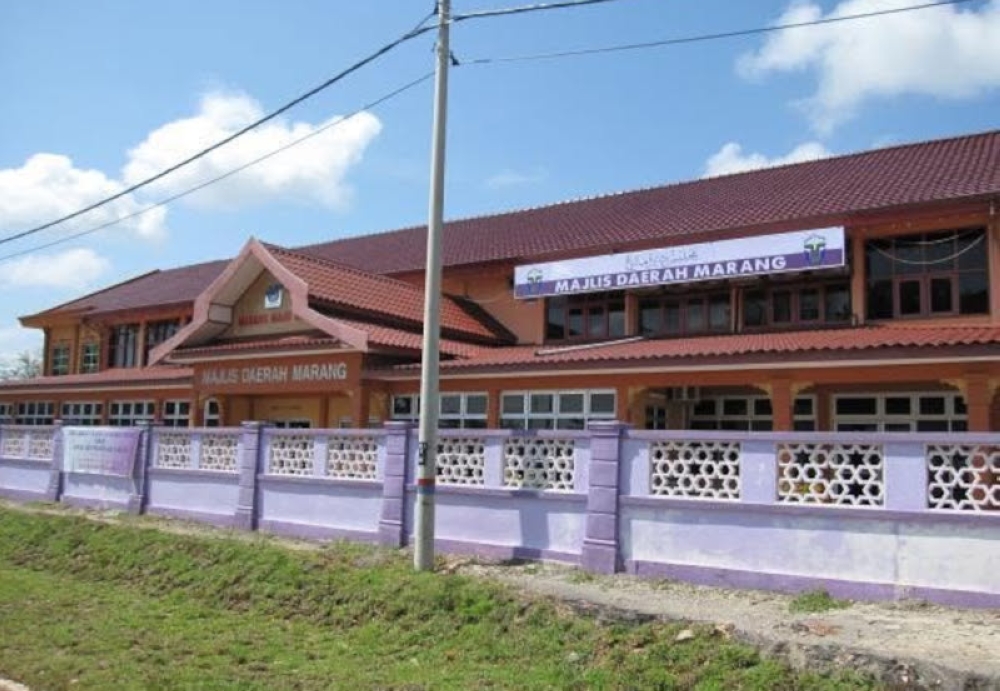
Marang council says Rohingya learning centre at Telaga Mengkudu legally leased since 2020
MARANG, June 16 — The Marang District Council (MDM) has clarified that premises at the Telaga Mengkudu Complex in Bukit Payong, which recently went viral after being alleged to operate as a learning centre for Rohingya children, have been legally leased to a non-governmental organisation (NGO) supported by the United Nations High Commissioner for Refugees (UNHCR) since 2020. In a statement today, MDM said the premises were rented to Persatuan Jaringan Islam Global Masa Depan in accordance with established procedures, strict conditions and regulations for educational and humanitarian welfare activities. The council said it had not received any official complaints throughout the tenancy period regarding breaches of rental conditions that could affect public safety, public order or community harmony. “The NGO receives funding support from UNHCR to conduct basic education programmes for refugee children who do not have access to the formal education system. The activities focus on basic learning, character development and the well-being of children in line with universal humanitarian principles. “The tenancy arrangement is part of the council’s asset management responsibilities and is carried out within the functions and jurisdiction of the local authority, subject to prevailing laws and regulations,” the statement said. MDM stressed that the leasing of the premises does not constitute recognition of citizenship status, residency rights or the granting of any special privileges to individuals. The council added that its enforcement officers regularly monitor the premises to ensure compliance with all tenancy conditions and to safeguard community harmony while ensuring council assets are managed prudently, transparently and responsibly. The public was advised to obtain information from credible sources to avoid the spread of inaccurate or speculative claims that could create confusion within the community. “MDM appreciates the concern shown by all parties and will continue to carry out its responsibilities professionally in safeguarding the well-being of the Marang community,” the statement added. — Bernama
16 Jun 2026

Ehsan launches awareness initiative to protect elderly rights
The Ehsan Center for Empowerment and Care of the Elderly, part of the Qatar Social Work Foundation, has launched an awareness initiative to mark the World Day of Awareness of Elder Abuse, aiming to strengthen community understanding of the rights of older persons and reinforce their protection from all forms of abuse and neglect. The initiative seeks to highlight the importance of safeguarding older persons and promoting respect and appreciation for them as a fundamental pillar of the family and society. Ehsan Center said the effort stems from its commitment to supporting and empowering older persons, while shedding light on challenges they may face, including neglect, isolation, marginalization, or any practices that compromise their dignity and right to safe and independent living. It includes a range of awareness and media materials to be shared across social media platforms and various media outlets, with the aim of enhancing public awareness, encouraging positive societal behavior, and fostering a safe and supportive environment for older persons. Executive Director of Ehsan Center Manal Ahmed Al Mannai stressed that protecting older persons is a social and moral responsibility requiring collective action from individuals and institutions alike. She said elder abuse is not merely an individual issue, but a societal one that affects human values and social cohesion, adding that the initiative aims to promote respect, dignity, and appreciation for older persons and ensure they live in safety, independence, and dignity. She also noted that the initiative reflects the center’s mission to build a more inclusive and supportive society, and to enhance the active participation of older persons in community life in recognition of their contributions across generations. The center called on the public and institutions to help raise awareness, confront all forms of abuse, and promote a culture of care, respect, and protection for older persons, while continuing to improve their quality of life and wellbeing.
16 Jun 2026
Ehsan launches awareness initiative to protect elderly rights
The Ehsan Center for Empowerment and Care of the Elderly, part of the Qatar Social Work Foundation, has launched an awareness initiative to mark the World Day of Awareness of Elder Abuse, aiming to strengthen community understanding of the rights of older persons and reinforce their protection from all forms of abuse and neglect. The initiative seeks to highlight the importance of safeguarding older persons and promoting respect and appreciation for them as a fundamental pillar of the family and society. Ehsan Center said the effort stems from its commitment to supporting and empowering older persons, while shedding light on challenges they may face, including neglect, isolation, marginalization, or any practices that compromise their dignity and right to safe and independent living. It includes a range of awareness and media materials to be shared across social media platforms and various media outlets, with the aim of enhancing public awareness, encouraging positive societal behavior, and fostering a safe and supportive environment for older persons. Executive Director of Ehsan Center Manal Ahmed Al Mannai stressed that protecting older persons is a social and moral responsibility requiring collective action from individuals and institutions alike. She said elder abuse is not merely an individual issue, but a societal one that affects human values and social cohesion, adding that the initiative aims to promote respect, dignity, and appreciation for older persons and ensure they live in safety, independence, and dignity. She also noted that the initiative reflects the center’s mission to build a more inclusive and supportive society, and to enhance the active participation of older persons in community life in recognition of their contributions across generations. The center called on the public and institutions to help raise awareness, confront all forms of abuse, and promote a culture of care, respect, and protection for older persons, while continuing to improve their quality of life and wellbeing.
16 Jun 2026
Final meeting of the Special Panel on child safety online as Eurobarometer confirms link between social media use and wellbeing
European Commission Press release Brussels, 16 Jun 2026 Today, the Special Panel on child safety online met for the third and final time. On 13 July, the Panel's Co-chairs will present recommendations to President Ursula von der Leyen on how to further strengthen the EU's trailblazing framework for the protection of minors online.
15 Jun 2026

'Anger, disbelief and worry': Stokes saga overshadows England's revival
Ben Stokes' absence will cast a long shadow over England's bid to clinch a series victory against New Zealand when they face the Black Caps without their controversial captain this week. Stokes and Gus Atkinson were dropped for the second Test, which starts at the Oval on Wednesday, after the pair broke a midnight curfew by celebrating late into the night following England's series opening win at Lord's. The England and Wales Cricket Board are still investigating the incident in a London nightclub, which also involved Saracens rugby player Totoa Auvaa and reportedly ended with a member of the England's security staff being hit. Amid reports he could be stripped of the captaincy or even retire from international cricket, Stokes' England future has been plunged into doubt by the latest after-hours drama in his chaotic career. Stokes was cleared of charges of affray following an incident outside a Bristol nightclub in 2017, but missed an Ashes tour as a result of that incident. The 35-year-old also took a break from cricket in 2021 to prioritise his mental health. ONE OF THE MOST DYNAMIC PLAYERS Stokes is one of the most dynamic players of his generation, but his brilliance has been marred by a self-destructive streak. His failure to appreciate the significance of being on his best behaviour after England's shambolic Ashes tour last winter does not reflect well. England were routed 4-1 in Australia, with their off-field behaviour criticised after players were seen drinking during a day off in Noosa between matches. Harry Brook was involved in an altercation with a nightclub bouncer in New Zealand prior to the Australia leg of the tour, adding to the impression that England's players are out of control. That incident made it impossible for vice-captain Brook to replace Stokes this week, forcing to England ask Joe Root, who last captained his country in 2022, to serve as stand-in skipper. Rob Key, managing director of men's cricket at the ECB, couldn't hide his frustration about England's latest indiscretion when he spoke last week. 'NO RASH DECISIONS' 'It's still very raw, certainly for Ben, (England head coach) Brendon (McCullum), myself, the ECB. Ben has been through a range of emotions, as you would do in this situation,' he said. 'A lot of people have had phone calls where you're just in disbelief, then you get angry. There's a load of things and I'm still not sure I'm over those at the moment. 'Time is probably the best thing for all of us. Nobody wants to make any rash decisions.' McCullum refused to be drawn on Stokes' chances of retaining the captaincy, instead focusing on the well-being of the all-rounder. 'Our concern is with Ben, our concern is handling that situation, making sure we look after him, that he feels supported by us and in communication with us,' he told reporters at a sombre press conference on Monday. 'I'm worried about Ben. I'll leave it at that. Those other things will work out down the line.' NEW ZEALAND LOOK TO BOUNCE BACK New Zealand all-rounder Rachin Ravindra insisted England's travails mean nothing to his side as they look to bouncing back after a 115-run thrashing on a treacherous pitch in the first Test. The Black Caps are dealing with a surprise absence of their own after Kane Williamson abruptly retired from international cricket. The 35-year-old - New Zealand's all-time record run scorer across all formats - featured in the first Test but will play no further part in the three-match series. 'There's a few things going on. It's always interesting when you are the other team and you hear news like that,' Ravindra said of England's issues. 'But honestly we are just focused on us. Whatever happens with them, we are focusing on our cricket.' Tarnished by their exiled captain's lack of restraint, it will take some time for England to restore their reputation in the eyes of the cricket public. The long road to redemption starts at the Oval.
15 Jun 2026
'Anger, disbelief and worry': Stokes saga overshadows England's revival
Ben Stokes' absence will cast a long shadow over England's bid to clinch a series victory against New Zealand when they face the Black Caps without their controversial captain this week. Stokes and Gus Atkinson were dropped for the second Test, which starts at the Oval on Wednesday, after the pair broke a midnight curfew by celebrating late into the night following England's series opening win at Lord's. The England and Wales Cricket Board are still investigating the incident in a London nightclub, which also involved Saracens rugby player Totoa Auvaa and reportedly ended with a member of the England's security staff being hit. Amid reports he could be stripped of the captaincy or even retire from international cricket, Stokes' England future has been plunged into doubt by the latest after-hours drama in his chaotic career. Stokes was cleared of charges of affray following an incident outside a Bristol nightclub in 2017, but missed an Ashes tour as a result of that incident. The 35-year-old also took a break from cricket in 2021 to prioritise his mental health. ONE OF THE MOST DYNAMIC PLAYERS Stokes is one of the most dynamic players of his generation, but his brilliance has been marred by a self-destructive streak. His failure to appreciate the significance of being on his best behaviour after England's shambolic Ashes tour last winter does not reflect well. England were routed 4-1 in Australia, with their off-field behaviour criticised after players were seen drinking during a day off in Noosa between matches. Harry Brook was involved in an altercation with a nightclub bouncer in New Zealand prior to the Australia leg of the tour, adding to the impression that England's players are out of control. That incident made it impossible for vice-captain Brook to replace Stokes this week, forcing to England ask Joe Root, who last captained his country in 2022, to serve as stand-in skipper. Rob Key, managing director of men's cricket at the ECB, couldn't hide his frustration about England's latest indiscretion when he spoke last week. 'NO RASH DECISIONS' 'It's still very raw, certainly for Ben, (England head coach) Brendon (McCullum), myself, the ECB. Ben has been through a range of emotions, as you would do in this situation,' he said. 'A lot of people have had phone calls where you're just in disbelief, then you get angry. There's a load of things and I'm still not sure I'm over those at the moment. 'Time is probably the best thing for all of us. Nobody wants to make any rash decisions.' McCullum refused to be drawn on Stokes' chances of retaining the captaincy, instead focusing on the well-being of the all-rounder. 'Our concern is with Ben, our concern is handling that situation, making sure we look after him, that he feels supported by us and in communication with us,' he told reporters at a sombre press conference on Monday. 'I'm worried about Ben. I'll leave it at that. Those other things will work out down the line.' NEW ZEALAND LOOK TO BOUNCE BACK New Zealand all-rounder Rachin Ravindra insisted England's travails mean nothing to his side as they look to bouncing back after a 115-run thrashing on a treacherous pitch in the first Test. The Black Caps are dealing with a surprise absence of their own after Kane Williamson abruptly retired from international cricket. The 35-year-old - New Zealand's all-time record run scorer across all formats - featured in the first Test but will play no further part in the three-match series. 'There's a few things going on. It's always interesting when you are the other team and you hear news like that,' Ravindra said of England's issues. 'But honestly we are just focused on us. Whatever happens with them, we are focusing on our cricket.' Tarnished by their exiled captain's lack of restraint, it will take some time for England to restore their reputation in the eyes of the cricket public. The long road to redemption starts at the Oval.
15 Jun 2026
Inside a School Where Creative Writing Helps Teens Cope With Trauma
Students in a class taught by Emily Torres have significant trauma, mental health challenges, or both.
15 Jun 2026
Inside a School Where Creative Writing Helps Teens Cope With Trauma
Students in a class taught by Emily Torres have significant trauma, mental health challenges, or both.
15 Jun 2026

75 Exciting 4th Grade Science Projects and Experiments
Did you know you can make plastic from milk?
15 Jun 2026

Let Students Create Class AI Rules That Actually Stick (Free Lesson Plan)
A collaborative lesson in digital responsibility and decision‑making.
15 Jun 2026
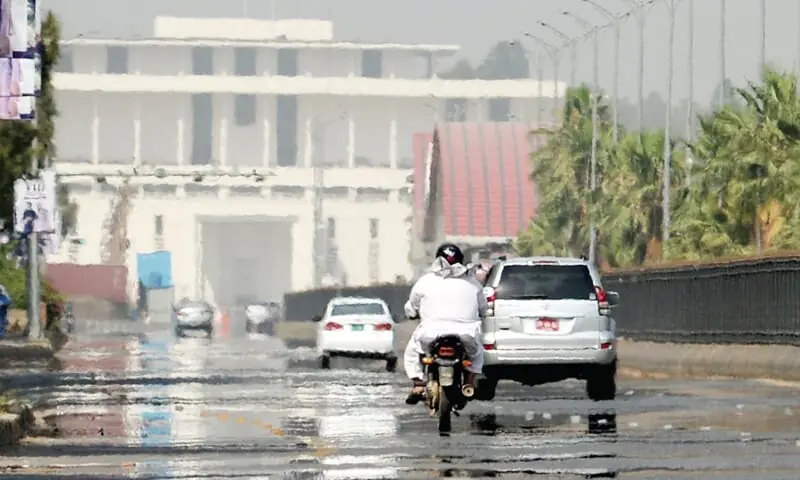
PMD forecasts below-normal rainfall, high temperatures across most of country until September
The Pakistan Meteorological Department (PMD) on Monday extended its forecast of below-normal rainfall and higher-than-normal temperatures across most parts of the country from July to September. The PMD said in its three-month outlook, available with Dawn , that the Indian Ocean Dipole (IOD) is currently in a neutral phase and is expected to gradually transition into a positive phase during the season. Meanwhile, sea surface temperatures over the central and eastern tropical Pacific Ocean are currently exhibiting a warming trend, indicating the development of El Niño conditions, which are generally associated with suppressed rainfall anomalies over Pakistan. “Current projections suggest that these warming conditions are likely to persist throughout the July–September 2026 period, with a tendency to strengthen further as the season progresses,” the PMD report said. The report noted that a positive IOD phase is generally associated with slightly above-normal monsoon rainfall over Pakistan. “However, owing to the anticipated late development of the positive IOD conditions, its influence on the overall monsoon rainfall over the country may remain limited,” it added. The PMD’s forecast indicated a general tendency for “normal to below-normal rainfall across much of the country” during the forecast period, with the lowest negative departures expected in northeastern Punjab and adjoining areas. This was reinforced by its probabilistic rainfall outlook, which forecast the likelihood of below-normal rainfall in most parts of the country, including Punjab, Sindh, southern Khyber Pakhtunkhwa and most parts of Balochistan. In contrast, Gilgit-Baltistan, Kashmir, and upper KP are likely to receive normal to slightly above-normal rainfall, it added. Comparative maps showing normal versus predicted rainfall in Pakistan. — via PMD Meanwhile, the mean temperatures are expected to remain above normal throughout the country, the report said, with maximum departure over northeastern Punjab and eastern GB. The tercile probabilistic temperature outlook indicated that the majority of models predict above-normal temperatures across the country with maximum likelihood over most parts of Punjab, southern areas of KP, extending into eastern Balochistan and western Sindh. Comparative maps showing normal versus predicted temperatures in across Pakistan. — via PMD The PMD warned of the increased likelihood of flash floods and landslides, particularly in mountainous and flood-prone regions, due to “near-normal to slightly above-normal precipitation in the northern regions”, as well as urban flooding in plains of major cities in all four provinces. It added that in GB, upper KP and Kashmir, the above-normal temperatures may accelerate snowmelt, potentially leading to increased river inflows and higher streamflow in downstream catchments as well as glacial lake outburst floods (GLOFs) in these areas. However, below-normal rainfall in all four provinces suggested an increased risk of water stress for major Kharif crops — sugarcane, rice, cotton, and maize — thereby increasing irrigation demand. The report also warned of the increased spread of vector-borne diseases such as dengue, and flagged the risk of “strong winds, dust storms, and hailstorms which may affect seasonal crops, vegetables, and orchards”. It advised farmers to take precautions to protect their standing crops. Above-normal temperatures throughout the country suggest the likelihood of intermittent heat stress development during the season, especially over the plain areas of southern Punjab and Sindh, the PMD said. In contrast, normal to slightly above-normal rain in the northern high mountain regions is expected to moderate and limit the intensity of heatwave conditions in those areas. “Given the recent increase in windstorm events, it is advisable that billboards in major urban areas be either removed or securely reinstalled with enhanced protection to withstand severe wind conditions,” the PMD report stated. “Similarly, proactive measures should be taken to protect solar energy structures to minimise the risk of damage during such events.”
15 Jun 2026
We Have The Technology To Stop Children Creating Nude Images. Why Isn’t It Being Used?
The post We Have The Technology To Stop Children Creating Nude Images. Why Isn’t It Being Used? appeared first on TeachingTimes .
15 Jun 2026
Statement from the Children’s Commissioner on the social media ban for under 16s
Children’s Commissioner Dame Rachel de Souza said: “Children have told me time and again that they want to be protected online. My research showed that too many young people see pornography – and that the most common way to see it is accidentally on social media. Many children say they want to spend less time on their phones but struggle to put them down. “Today’s announcement – banning certain social media platforms for under 16s and stopping children accessing harmful functions such as livestreaming and stranger communication – is a positive response to what children have been telling me. However, these measures will only be as strong as their enforcement – which I will be watching closely. “We need to reset the debate – from banning children to banning the companies who fail to show that their services protect children’s safety and wellbeing. My position remains that any online service – not just social media, but gaming and other platforms – that uses harmful features should be banned from accessing under-18s unless and until it can prove it is safe. “This is a decision that will define childhood – we must listen to young people and put their interests first. Children tell me that digital spaces are where they learn, connect and find community. But they want an end to the harms: addictive design that keeps them scrolling, the explicit content they wish they’d never seen, and the strangers who should never be able to contact them.” The post Statement from the Children’s Commissioner on the social media ban for under 16s appeared first on Children's Commissioner for England .
15 Jun 2026

Week In Review: Proposed Ed Department cuts and school nurse burnout
We’re rounding up last week’s news, from more federal scrutiny of districts’ LGBTQ+ policies to mixed signals on students’ academic gains.
15 Jun 2026
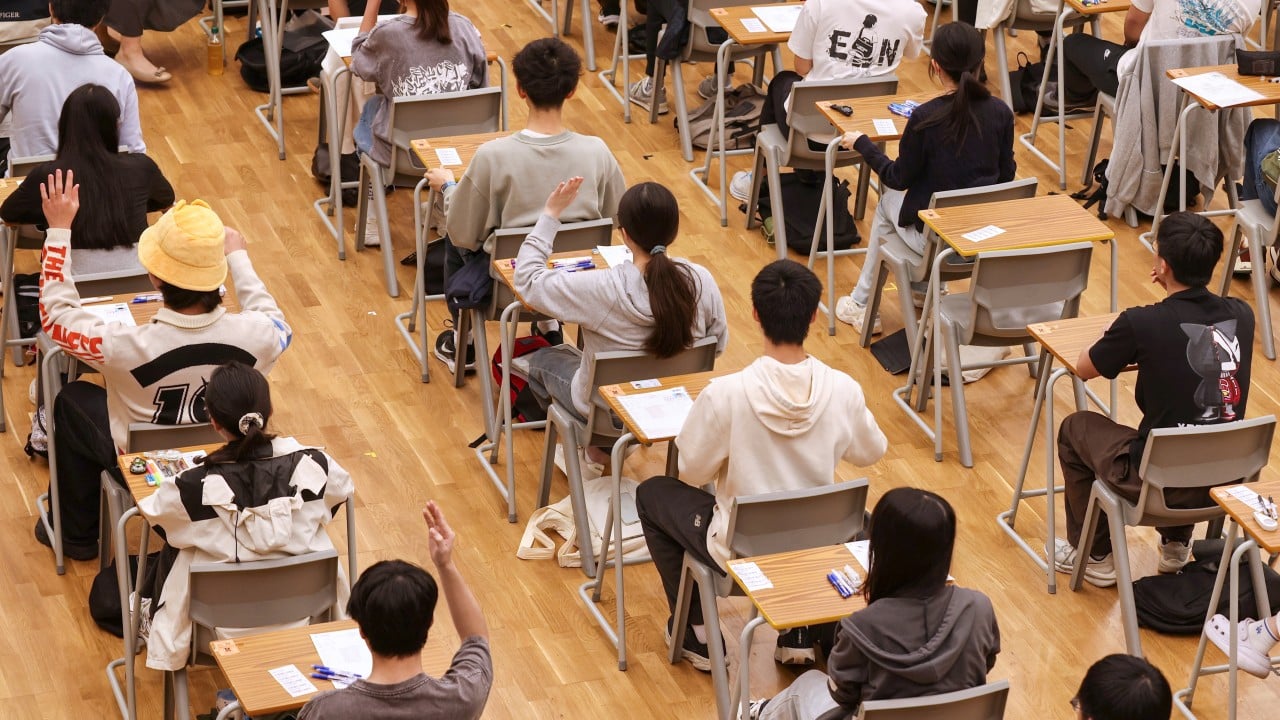
Pursuit of academic excellence in Hong Kong shouldn’t be a deadly race
I’m still reeling from last week’s tragedy in Hong Kong: a mother and her 12-year-old daughter lost their lives to suicide within hours of each other reportedly following an argument about “education problems”. While the causes of suicide are complex, the incident should prompt reflection within the education system. For years, many have tried to point out the impact academic pressure without adequate support has on students’ mental health. We have also noted the effect on teachers and parents....
15 Jun 2026

‘The dreaded “E” word’ – rethinking high expectations
‘I encourage you to reflect on the ‘dreaded “E” word’ and how you are holding and framing expectations in your context.’ ©arrowsmith2/Shutterstock
14 Jun 2026

Caring beyond the classroom – offering stability and kindness when it’s needed most
Victorian assistant principal Erin shares how she balances her career with being a foster carer. Image supplied.
14 Jun 2026
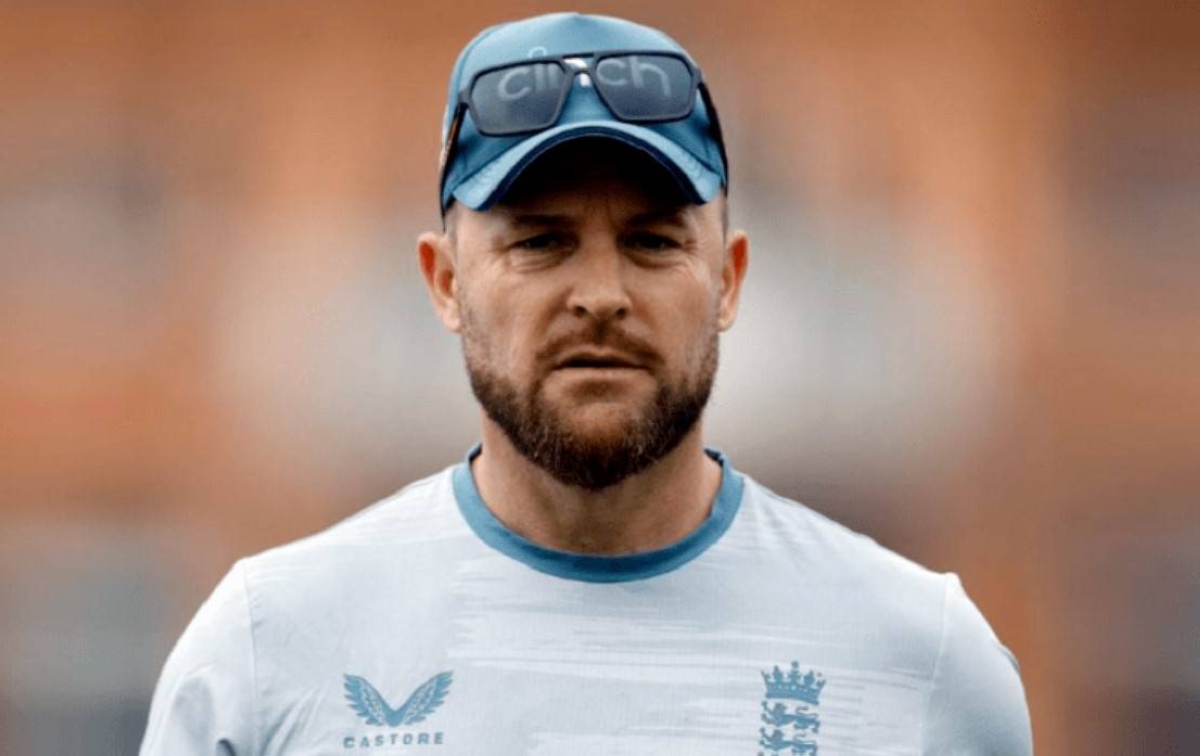
England coach McCullum 'worried' about Stokes after curfew incident
England head coach Brendon McCullum said he is 'worried' about Ben Stokes after the captain was involved in a late-night incident that led to his absence from this week's second Test against New Zealand. Stokes will miss the clash at the Oval after breaching a midnight curfew while celebrating England's win over the Black Caps in the first Test at Lord's. The all-rounder and his England team-mate Gus Atkinson became embroiled in an incident involving Saracens rugby player Totoa Auvaa, prompting an internal investigation by the England and Wales Cricket Board. There were suggestions that Stokes would resign or even retire in the immediate aftermath. But the 35-year-old's future remains shrouded in mystery ahead of the start of the second Test on Wednesday. Speaking on Monday, a sombre McCullum said he experienced a range of emotions from anger to concern when he learnt of Stokes' antics at a Chelsea nightspot. But McCullum insisted he has a duty of care for Stokes' well-being that over-rides disciplinary matters or the viability of his reign as skipper. 'When I first found out about it I was slightly bewildered, if I'm being honest. Then you go through a range of emotions. You go from being bewildered, on to angry, on to kind of gutted,' he told reporters on Monday. 'But very quickly my overall emotion turned to worry and concern for Ben in particular. 'Since then it has been about how we support these guys, whilst not overlooking the fact they have not lived up to the standards we have set for ourselves. 'For me it's very much about how we support these guys through the next stage, in particular Ben. That is very much where my mind is at, my worry for him.' NO WORD ON CAPTAINCY McCullum refused to say whether he believes Stokes should remain as captain, after England were also criticised for their off-field behaviour during the tour to New Zealand and Australia. 'What will be will be, down the line. Those decisions are not for now. The concern is making sure Ben is fine,' he said. 'We need to make sure we look after him, rally around him, and in time we'll get on to those sorts of decisions. 'For me I'm just making sure I'm checking in with him. That's where things sit at the moment.' Stokes has trained with his English county Durham over recent days and could play against Northamptonshire on Friday. But McCullum took a deep breath before answering when quizzed on the wisdom of Stokes returning to action. 'I'm worried about Ben. That's it,' he said. 'I'll leave it at that.' England are back in training for the first time since the incident and McCullum said he was encouraged by the atmosphere among the players. 'I was intrigued to see how the team was and I was quite happy to be honest. There was a calm,' he said. 'Guys were still talking about last week, they touched on what had happened after.'
14 Jun 2026
England coach McCullum 'worried' about Stokes after curfew incident
England head coach Brendon McCullum said he is 'worried' about Ben Stokes after the captain was involved in a late-night incident that led to his absence from this week's second Test against New Zealand. Stokes will miss the clash at the Oval after breaching a midnight curfew while celebrating England's win over the Black Caps in the first Test at Lord's. The all-rounder and his England team-mate Gus Atkinson became embroiled in an incident involving Saracens rugby player Totoa Auvaa, prompting an internal investigation by the England and Wales Cricket Board. There were suggestions that Stokes would resign or even retire in the immediate aftermath. But the 35-year-old's future remains shrouded in mystery ahead of the start of the second Test on Wednesday. Speaking on Monday, a sombre McCullum said he experienced a range of emotions from anger to concern when he learnt of Stokes' antics at a Chelsea nightspot. But McCullum insisted he has a duty of care for Stokes' well-being that over-rides disciplinary matters or the viability of his reign as skipper. 'When I first found out about it I was slightly bewildered, if I'm being honest. Then you go through a range of emotions. You go from being bewildered, on to angry, on to kind of gutted,' he told reporters on Monday. 'But very quickly my overall emotion turned to worry and concern for Ben in particular. 'Since then it has been about how we support these guys, whilst not overlooking the fact they have not lived up to the standards we have set for ourselves. 'For me it's very much about how we support these guys through the next stage, in particular Ben. That is very much where my mind is at, my worry for him.' NO WORD ON CAPTAINCY McCullum refused to say whether he believes Stokes should remain as captain, after England were also criticised for their off-field behaviour during the tour to New Zealand and Australia. 'What will be will be, down the line. Those decisions are not for now. The concern is making sure Ben is fine,' he said. 'We need to make sure we look after him, rally around him, and in time we'll get on to those sorts of decisions. 'For me I'm just making sure I'm checking in with him. That's where things sit at the moment.' Stokes has trained with his English county Durham over recent days and could play against Northamptonshire on Friday. But McCullum took a deep breath before answering when quizzed on the wisdom of Stokes returning to action. 'I'm worried about Ben. That's it,' he said. 'I'll leave it at that.' England are back in training for the first time since the incident and McCullum said he was encouraged by the atmosphere among the players. 'I was intrigued to see how the team was and I was quite happy to be honest. There was a calm,' he said. 'Guys were still talking about last week, they touched on what had happened after.'
14 Jun 2026
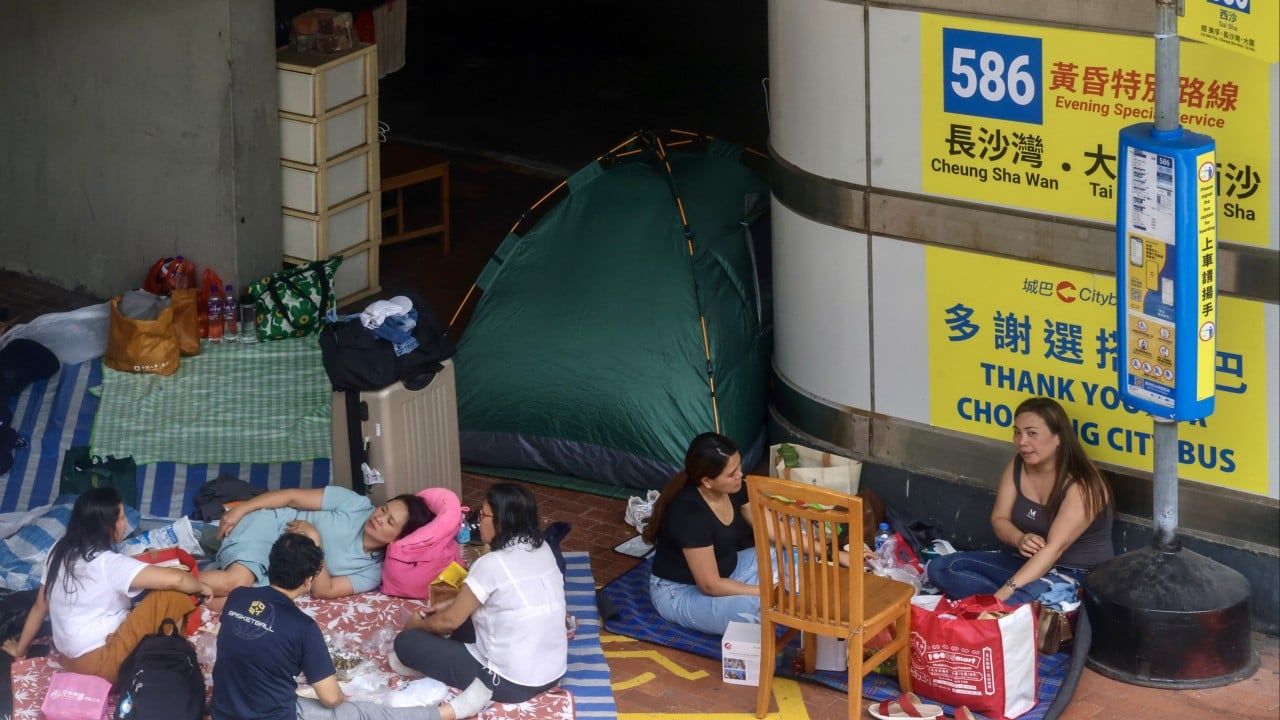
Hong Kong’s domestic helpers need safe places to work and play
Two big issues are bubbling up over Hong Kong’s army of foreign domestic helpers. The whole community will have to sit down and decide how to address them. The first is the availability of places for helpers to congregate safely and freely on their days off without putting too much stress on public facilities, other residents and tourists. The second is figuring out how to provide an acceptable working environment inside the home during hot summer months. Two underlying trends are adding to the...
14 Jun 2026

‘Schedule it during work hours': Gen Z employee’s stand against a 9 PM meeting sparks debate on workplace boundaries
A Gen Z employee’s refusal to attend a 9 PM work meeting has sparked a lively debate on LinkedIn about workplace boundaries and burnout. The employee’s insistence that important discussions should happen during office hours resonated with many professionals, highlighting a growing shift in attitudes toward work-life balance, mental well-being, and the culture of constant availability.
14 Jun 2026

People with albinism get free cancer screening in Kenya
This year's theme highlights the impact of color-based discrimination on dignity, safety and mental well-being
14 Jun 2026
Peer support network for domestic workers grows as mental health stigma persists
Though awareness of mental health has risen, some helpers still hesitate to seek help.
13 Jun 2026

Parents’ stress ‘through the roof’ as Meath creche closes rooms 200 times since October
Parents have been refunded for the days in question. Photograph: Getty Images
13 Jun 2026