
Egypt
596 stories
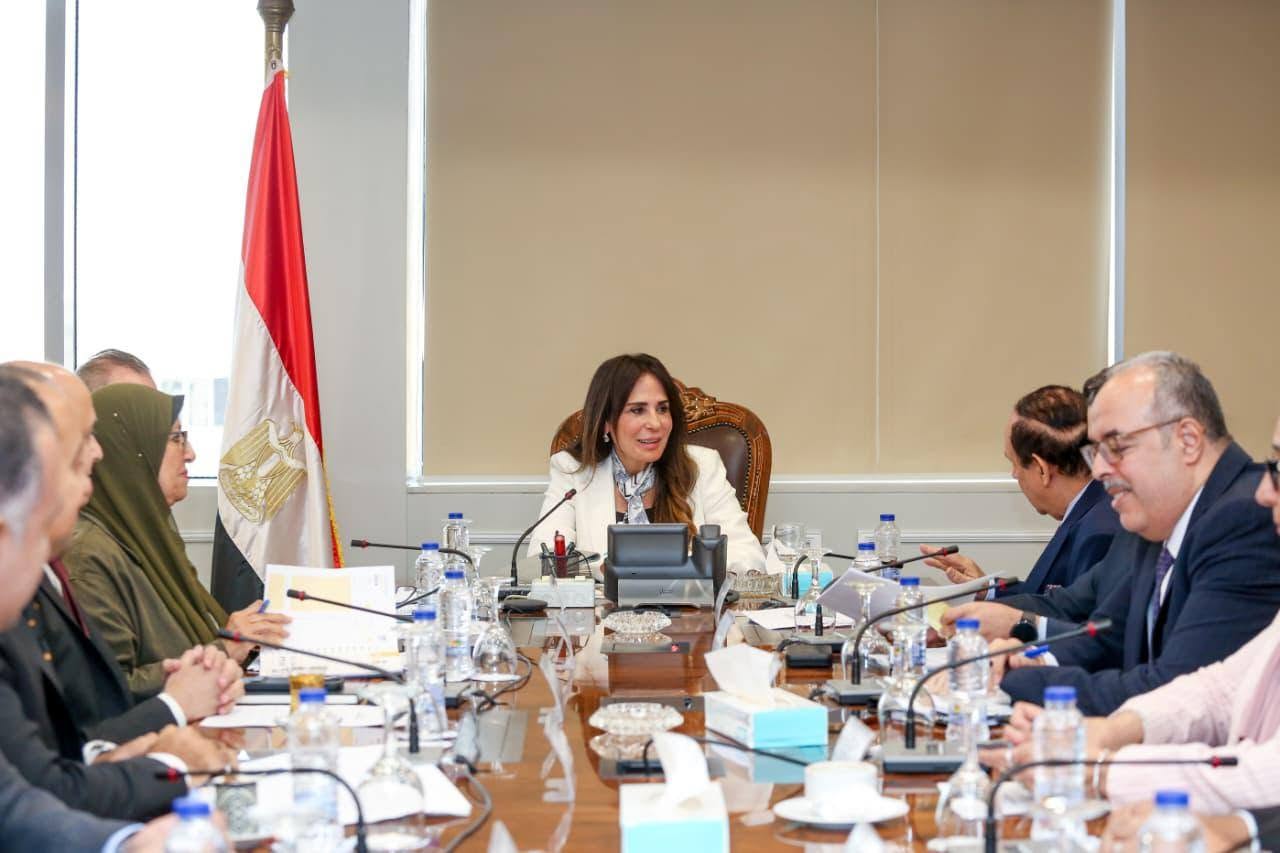
Housing Minister reviews progress on draft law for Egyptian Real Estate Developers Federation
Minister of Housing, Utilities and Urban Communities Randa El-Menshawy has reviewed the latest developments regarding the draft law establishing the Federation of Real Estate Developers, as part of the ministry’s broader strategy to regulate and organize Egypt’s rapidly expanding real estate market. The meeting, attended by senior officials from the Ministry of Housing and the New Urban Communities Authority, focused on the proposed legal framework aimed at creating a professional and regulatory body for real estate developers operating in Egypt. El-Menshawy emphasized that the proposed law comes in response to the significant growth witnessed in the real estate sector, driven by major development projects and the increasing role of private-sector investment. She noted that the sector remains one of the key pillars of the national economy and has experienced unprecedented expansion in recent years, making it essential to establish a comprehensive regulatory framework that balances investor confidence, market stability, and consumer protection. Discussions during the meeting covered the draft law’s provisions, which are designed to unify the rules governing real estate development activities, curb unregulated practices, and protect homebuyers through effective dispute-resolution mechanisms and stronger contractual compliance measures. The proposed legislation also seeks to enhance transparency and governance by introducing a clear classification system for developers and establishing professional registries based on objective criteria. Officials reviewed the proposed standards for classifying developers, including the size and track record of completed projects, financial strength, technical and administrative capabilities, adherence to project timelines, and operational management expertise. Under the draft law, all entities engaged in real estate development would be required to obtain membership in the federation in accordance with the established regulations. At the conclusion of the meeting, El-Menshawy stressed the importance of integrating the proposed legislation with the ministry’s wider vision for regulating the real estate sector. She directed officials to continue work on a separate law governing real estate marketing activities, recognizing real estate marketers as a vital link between developers and prospective buyers. The minister affirmed that credibility and transparency remain the cornerstones of building trust, attracting investment, and ensuring the sustainable growth of Egypt’s real estate market. The post Housing Minister reviews progress on draft law for Egyptian Real Estate Developers Federation first appeared on Dailynewsegypt .
16 Jun 2026
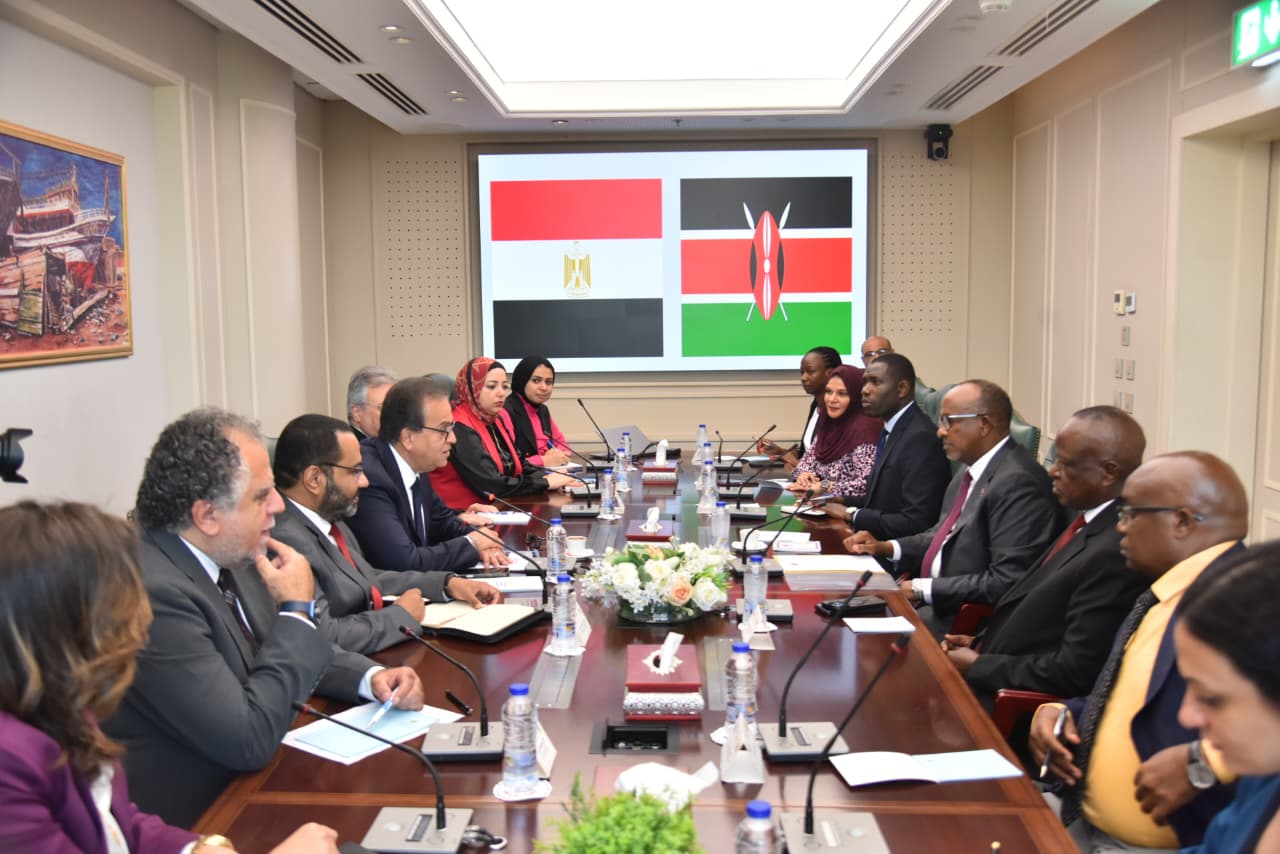
Egypt, Kenya discuss boosting African vaccine, drug manufacturing
Egypt and Kenya discussed expanding cooperation in healthcare and strengthening pharmaceutical security across Africa, focusing on local manufacturing of medicines and vaccines, reducing reliance on imports, and increasing the exchange of medical expertise. Egypt’s Ministry of Health and Population said Minister Khaled Abdel Ghaffar met his Kenyan counterpart, Aden Bare Duale, to explore opportunities for bilateral cooperation in public health, pharmaceuticals, and medical tourism. Abdel Ghaffar highlighted the strong ties between the two countries and stressed the importance of adopting the “One Health” approach to address health challenges arising from climate change and their impact on human, animal, and environmental health. The two ministers discussed supporting African pharmaceutical and vaccine manufacturing and strengthening the African Pooled Procurement Mechanism (APPM) to ensure access to safe, high-quality medical products across the continent. The Egyptian minister said the Egyptian Drug Authority had achieved World Health Organization Maturity Level 3 status and was progressing towards Level 4, reinforcing Egypt’s position as one of Africa’s leading pharmaceutical regulatory systems. He also called for a joint business forum bringing together pharmaceutical companies from both countries to explore investment and partnership opportunities. Abdel Ghaffar highlighted Egypt’s Vaccine City and Biotechnology Project, which he said aims to meet around 22% of Africa’s vaccine needs, with an annual production capacity of up to 160 million doses. He further stressed the importance of cooperation between Kenya’s BioVax and Egypt’s VACSERA in technology transfer and expanding local manufacturing capabilities. The discussions also covered cooperation in tackling rare diseases and sharing successful healthcare experiences. Abdel Ghaffar reviewed Egypt’s experience in eliminating hepatitis C, as well as its early detection and cancer treatment programmes. The two sides explored opportunities to benefit from Egypt’s universal health insurance system and exchange medical expertise and personnel, particularly in oncology, bone marrow transplantation, and paediatric care. In the field of medical tourism, the Egyptian minister announced the launch of the “Tour n’ Cure” platform to attract African patients and called for coordination with private hospitals to broaden the treatment options available to Kenyan patients. The visit concluded with a tour of Egypt’s Emergency and Crisis Management Centre, while Abdel Ghaffar invited his Kenyan counterpart to visit the New Administrative Capital Hospital to gain first-hand insight into Egypt’s healthcare system. The post Egypt, Kenya discuss boosting African vaccine, drug manufacturing first appeared on Dailynewsegypt .
16 Jun 2026
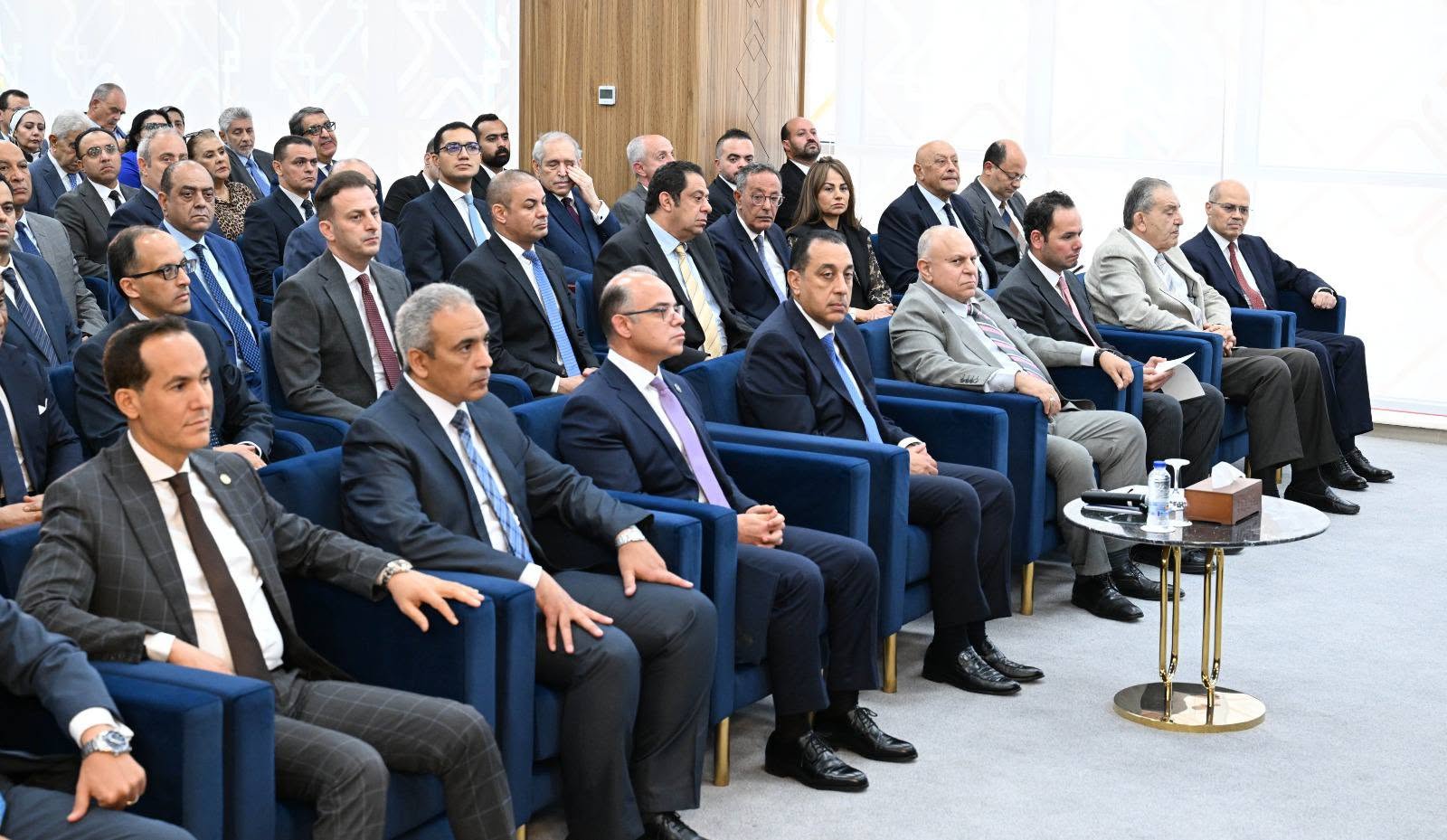
Egypt launches Foreign Trade Information Portal to boost exports, global market access
Egypt’s Prime Minister Mostafa Madbouly witnessed the launch of Egypt’s new Foreign Trade Information Portal, developed by the Information and Decision Support Center (IDSC) in cooperation with the Ministry of Investment and Foreign Trade, marking a significant step in the country’s digital transformation and export development strategy. The portal is being introduced as Egypt’s largest integrated national platform for foreign trade data, designed to provide exporters, investors, and manufacturers with comprehensive access to local and international trade information through a single digital gateway. The launch event was attended by Minister of Investment and Foreign Trade Mohamed Farid, IDSC Chairperson and Assistant to the Prime Minister Osama El-Gohary, senior government officials, business leaders, exporters, representatives of export councils, academics, experts, and representatives of the United Nations Industrial Development Organization (UNIDO). Speaking at the event, Farid said the platform comes at a time when international trade is becoming increasingly complex and competitive, making data-driven decision-making essential for exporters seeking to expand into global markets. The minister noted that the portal provides access to more than 60 million data records compiled from national and international sources, including the World Trade Organization, the World Bank, and the International Trade Centre. The platform covers approximately 6,650 product categories under the Harmonized System (HS) Code and offers detailed information on exports, imports, market trends, and trade opportunities across sectors and countries. “The portal aims to equip Egyptian exporters with modern competitive tools by providing the information and analytical insights needed to better understand international markets, identify promising export opportunities, and expand into new destinations based on scientific analysis,” Farid said. He added that the initiative forms part of a broader digital transformation plan being implemented by the ministry to improve the business environment and enhance services for investors and exporters through integrated digital platforms. For his part, Osama El-Gohary described the portal as Egypt’s first national reference platform for trade and industrial data and analysis. He said the platform integrates local and international databases into a unified system, enabling users to access real-time information and market intelligence from a single source. El-Gohary explained that the platform offers comprehensive insights into global demand trends, country and regional market comparisons, and non-tariff barriers that increasingly influence access to international markets. It also provides regularly updated monthly data on Egypt’s exports and imports, allowing businesses to monitor demand patterns, identify import gaps, and target investment opportunities. He added that future development plans include integrating the portal with databases from the Ministry of Industry, the Industrial Development Authority, and the Ministry of Investment and Foreign Trade, providing exporters and investors with deeper insights into industrial incentives, investment opportunities, and market competitiveness. The new platform is expected to strengthen the competitiveness of Egyptian exports, support the country’s export growth targets, and reinforce Egypt’s position as a regional hub for trade and investment. The post Egypt launches Foreign Trade Information Portal to boost exports, global market access first appeared on Dailynewsegypt .
16 Jun 2026
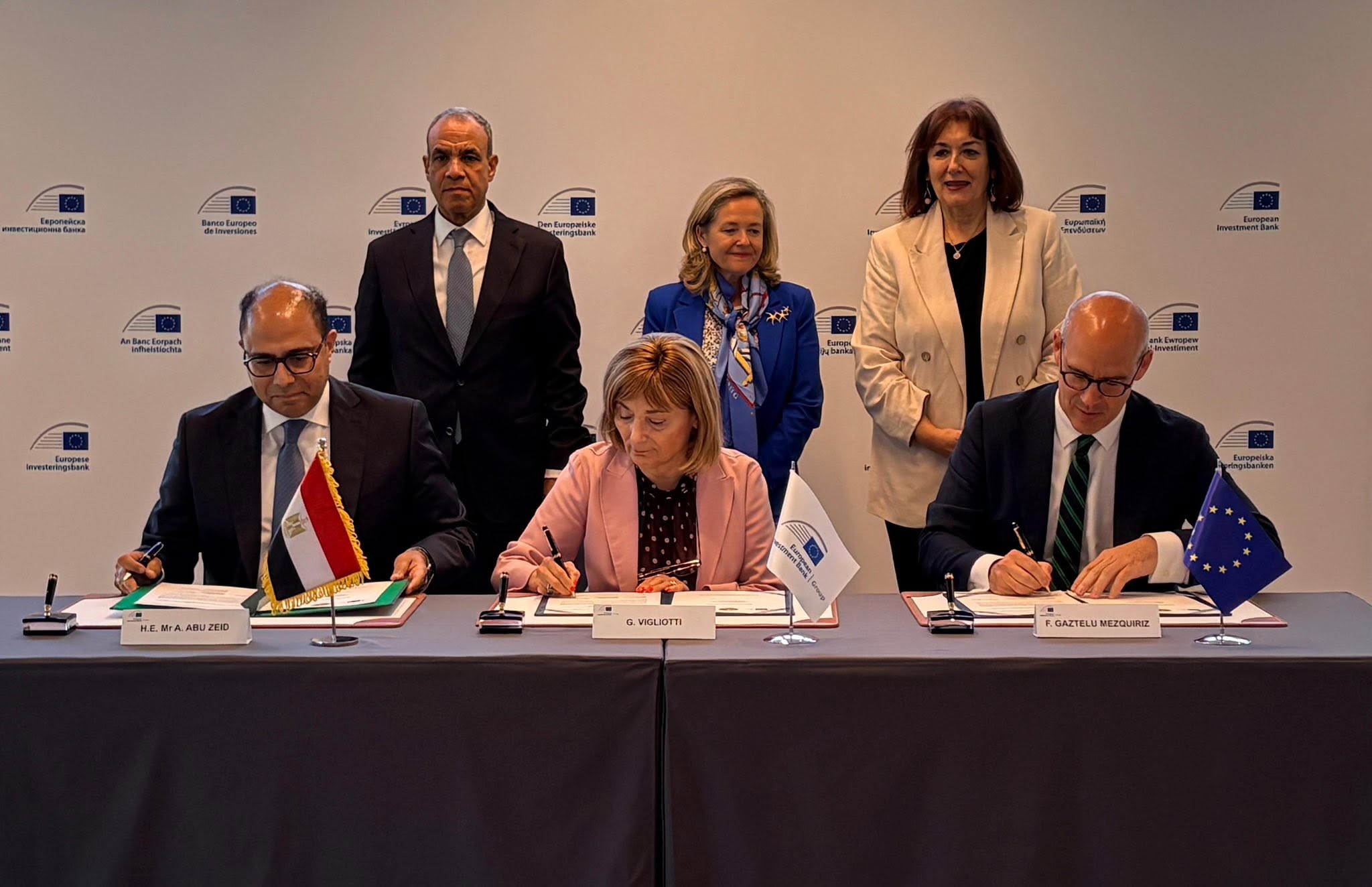
Egypt, EU strengthen renewable energy partnership with €690m grid upgrade package
The European Union and Egypt have taken a major step towards deepening their strategic partnership in renewable energy through a financing package worth up to €690m aimed at modernising and expanding Egypt’s electricity transmission network. The package combines a €600m loan from the European Investment Bank’s development arm, EIB Global, with up to €90m in grants from the European Commission. The initiative is designed to support Egypt’s ambitious clean energy transition and strengthen the country’s ability to integrate large-scale renewable energy projects into the national grid. The investment will help Egypt connect up to 22 gigawatts (GW) of renewable energy capacity by 2030, significantly enhancing the country’s electricity infrastructure and accelerating its transition towards sustainable energy sources. The planned capacity is expected to generate enough electricity to power approximately 10 million households, contributing to both energy security and climate objectives. The project aligns with Egypt’s strategy to increase the share of renewable energy in its energy mix and position itself as a regional hub for green energy production and exports. It also supports broader EU-Egypt cooperation under their strategic partnership framework, which prioritises sustainable development, energy security, and climate action. Officials said the financing package will facilitate the integration of solar and wind projects currently under development while improving the reliability and efficiency of the national electricity network. The initiative is also expected to attract additional private-sector investment into Egypt’s growing renewable energy sector, creating new opportunities for economic growth and job creation while supporting the country’s long-term decarbonisation objectives. The post Egypt, EU strengthen renewable energy partnership with €690m grid upgrade package first appeared on Dailynewsegypt .
16 Jun 2026
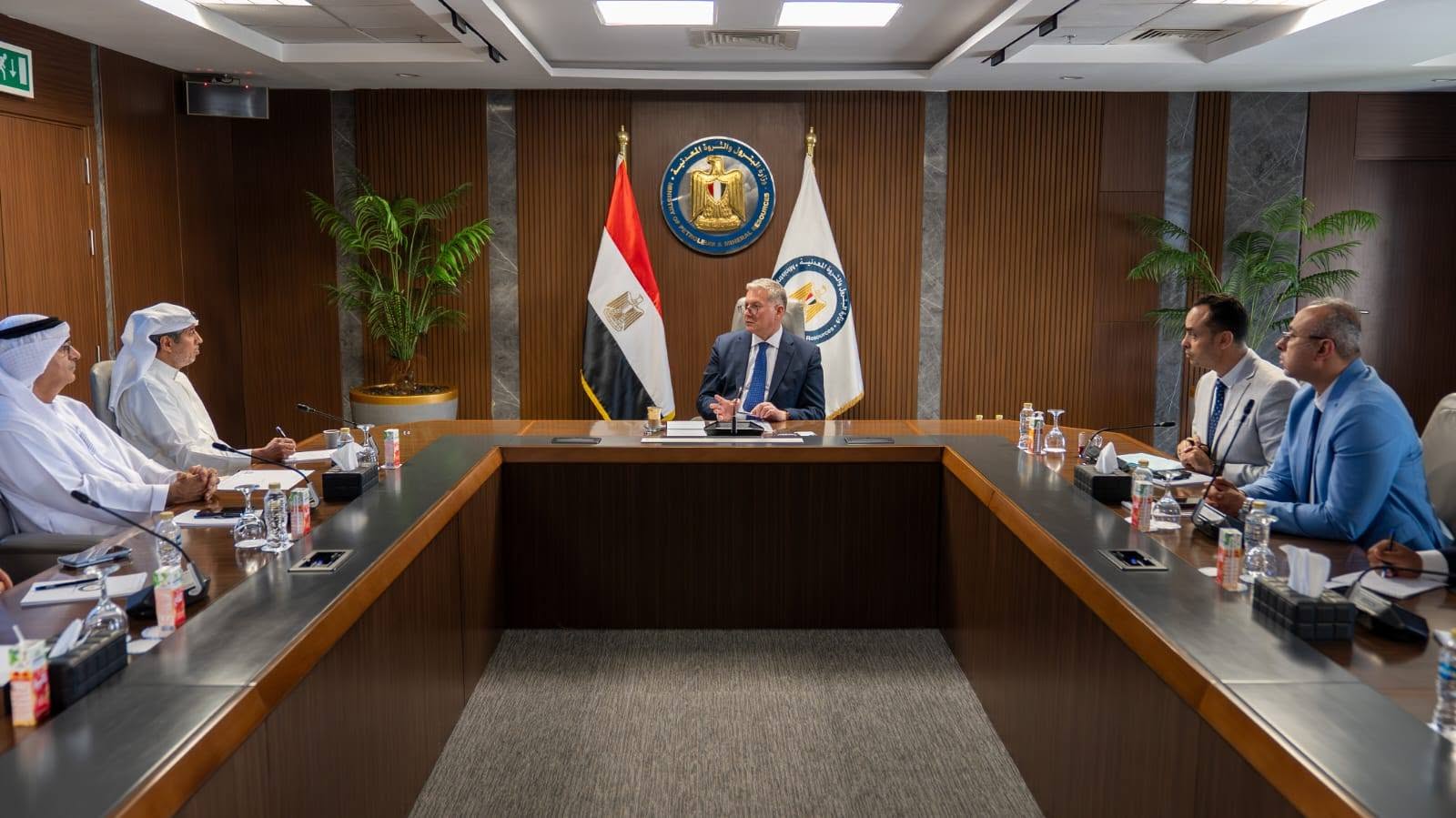
Petroleum Minister discusses new investment opportunities in Egypt with ENOC, Dragon Oil
Karim Badawi, Minister of Petroleum and Mineral Resources, held talks with a delegation from the United Arab Emirates led by Hussain Sultan Lootah, Chief Executive Officer of the Emirates National Oil Company (ENOC) Group, and Abdulkarim Al Mazmi, CEO of Dragon Oil, an ENOC subsidiary, to discuss opportunities for expanding Emirati investments in Egypt’s petroleum sector, particularly in aviation fuel supply, oil and gas exploration, and production activities. Officials from ENOC and Dragon Oil praised the Ministry of Petroleum and Mineral Resources for successfully settling all outstanding dues owed to investment partners. They noted that the move reflects the strength and credibility of the Egyptian state and helps reinforce investor confidence while creating a more attractive environment for further investment. For his part, Badawi stressed that Egyptian-Emirati cooperation in the petroleum sector represents a distinguished model of Arab economic integration. He commended the tangible achievements of Emirati companies in Egypt, particularly Dragon Oil, as well as their commitment to continuing and expanding their investment programmes. The minister stressed the ministry’s support for increasing Emirati investments through strategic partnerships with Egyptian companies and by working towards a shared vision and a clear roadmap to capitalise on promising opportunities, particularly in the aviation fuel supply sector, in a manner that maximises added value and serves the interests of both parties. Regarding exploration and production activities, Badawi noted that Dragon Oil, through the Gulf of Suez Petroleum Company (GUPCO) in partnership with the Egyptian General Petroleum Corporation (EGPC), has successfully delivered a significant transformation in the Gulf of Suez region by unlocking its production potential through the deployment of advanced digital technologies and artificial intelligence applications. These efforts have contributed to boosting output and opening new avenues for investment. He added that the ministry remains committed to providing all necessary support to expand the company’s activities within its existing concession areas and extend operations into promising exploration zones in the Red Sea, increasing the likelihood of new discoveries that would support the state’s plans to raise production levels and meet domestic market demand. At the conclusion of the meeting, both parties agreed to establish a joint working group to develop an implementation programme for expanding Emirati investments in Egypt’s petroleum sector and to assess opportunities in aviation fuel supply and exploration activities, with the aim of strengthening the strategic partnership between the two countries and creating new avenues for growth and investment. The post Petroleum Minister discusses new investment opportunities in Egypt with ENOC, Dragon Oil first appeared on Dailynewsegypt .
16 Jun 2026
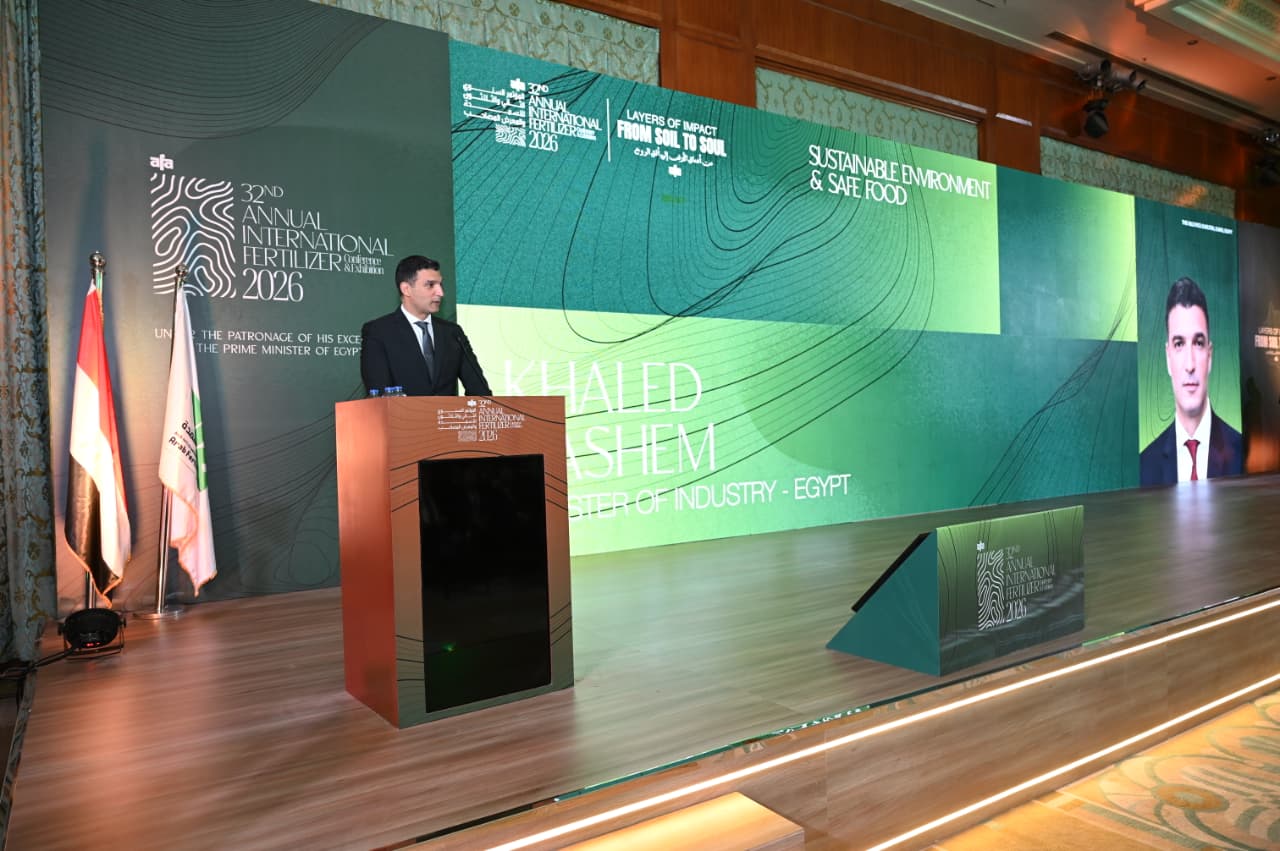
Egypt targets sustainable growth in fertilizer industry as exports reach $9.4bn
Egypt’s Minister of Industry, Khaled Hashem, participated in the opening of the 32nd Annual International Conference and Exhibition of the Arab Fertilizer Association (AFA), held under the patronage of Prime Minister Mostafa Madbouly and themed “Sustainable Environment and Safe Food.” The event brought together government officials, industry leaders, international organizations, investors, and fertilizer producers to discuss the future of the sector amid growing global concerns over food security, environmental sustainability, and supply chain resilience. Speaking at the conference, Hashem described the gathering as one of the region’s most important specialized events for the fertilizer industry, providing a platform for sharing expertise, showcasing technological advancements, and strengthening cooperation among stakeholders. He stressed that the conference comes at a time when food security and sustainability have become central priorities worldwide, highlighting the critical role fertilizers play in boosting agricultural productivity, improving resource efficiency, and supporting global food production. The minister noted that Egypt’s fertilizer industry has gained increasing strategic importance as the country expands its agricultural footprint through major national projects, particularly the New Delta Project and the Mostaqbal Misr Sustainable Development Project. Fertilizers, he said, are essential for maximizing the productivity of newly reclaimed lands and supporting sustainable agricultural growth. Hashem also highlighted the government’s broader industrial strategy, which aims to increase Egypt’s industrial exports to $100bn by 2030 by attracting technology-driven investments, deepening local manufacturing, and integrating more closely into global value chains. He emphasized that fertilizers are among Egypt’s priority industrial sectors, benefiting from the country’s strong production capabilities, advanced infrastructure, and strategic location connecting regional and international markets. Addressing recent challenges in global energy markets, Hashem said the Egyptian government has worked closely with manufacturers and investors to ensure stable energy supplies for industrial operations despite geopolitical tensions in the region. These efforts, he noted, have enabled fertilizer plants to maintain production, meet domestic demand, and support export growth. According to the minister, Egypt’s exports of chemicals and fertilizers reached approximately $9.4bn in 2025, representing a 7% increase compared with 2024. Major export destinations included Italy, Turkey, Brazil, Saudi Arabia, France, and Spain. He added that fertilizer exports account for nearly one-third of the country’s total chemical exports, reflecting Egypt’s strong position in global fertilizer markets. Hashem also underscored the need for the industry to adapt to evolving international requirements by improving production efficiency, enhancing environmental performance, and complying with emerging regulations. In this context, the Ministry of Industry is supporting the transition towards sustainable manufacturing through improved energy efficiency, circular economy practices, and adherence to international environmental standards. The ministry is also monitoring developments related to the European Union’s Carbon Border Adjustment Mechanism (CBAM) and working with industry stakeholders to ensure Egyptian manufacturers remain competitive in global markets. In addition, Hashem highlighted ongoing efforts to strengthen technical education and vocational training to provide the skilled workforce needed for advanced manufacturing and digital transformation. On the sidelines of the conference, the minister toured the accompanying exhibition, which featured fertilizer producers, technology providers, equipment suppliers, and chemical companies showcasing the latest innovations and solutions aimed at supporting the sector’s sustainable growth and competitiveness. The post Egypt targets sustainable growth in fertilizer industry as exports reach $9.4bn first appeared on Dailynewsegypt .
16 Jun 2026
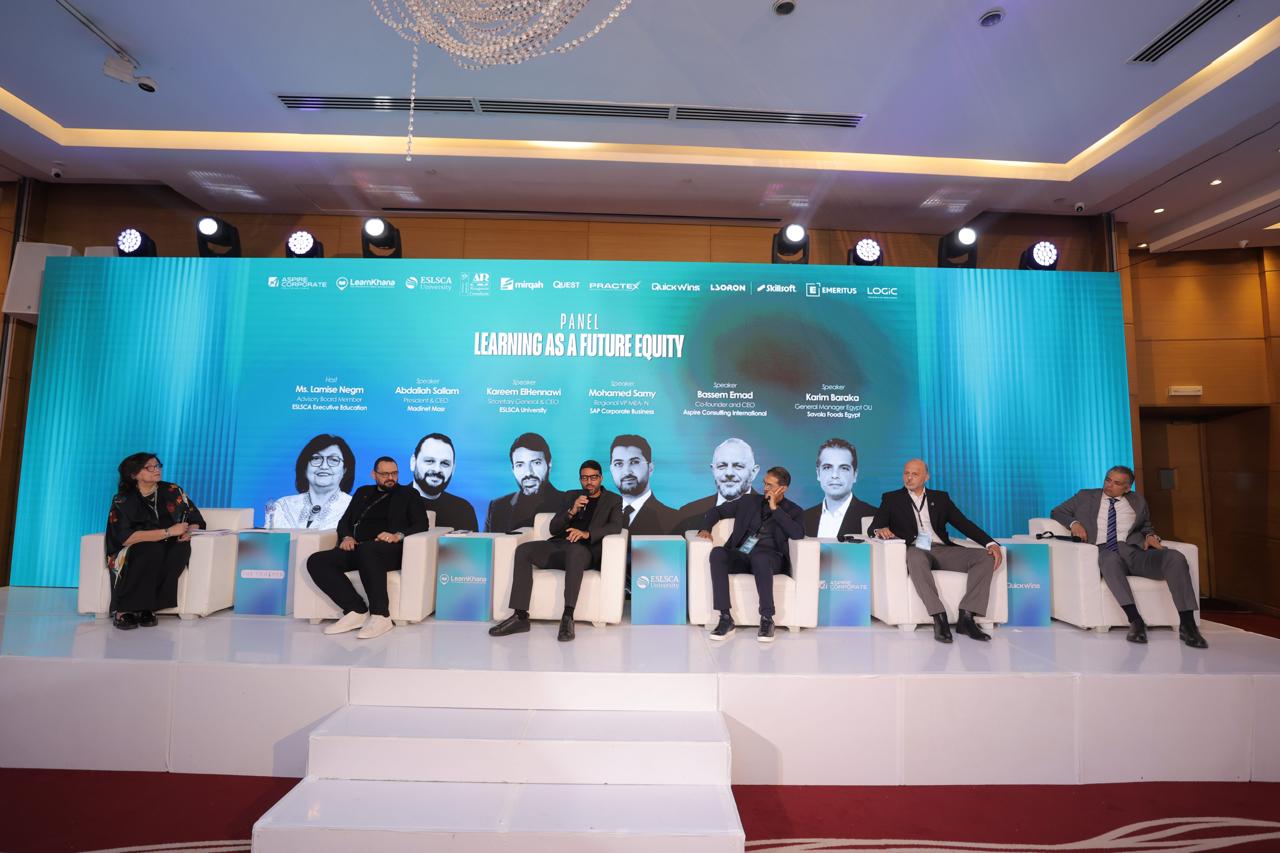
Business and L&D Leaders Discuss Human Capital Development as a Key Driver of Growth and Sustainability at L&D Hub 2026
The panel discussion “Learning as a Future Equity” took center stage at L&D Hub 2026, organized by The Trainer, bringing together prominent business, L&D, and HR leaders to explore the growing importance of learning and development as a strategic investment that strengthens organizational competitiveness and prepares human capital for the future. The panel was moderated by Ms. Lamise Negm, Advisory Board Member, ESLSCA Executive Education, and featured a distinguished lineup of speakers, including Abdallah Sallam, President & CEO of Madinet Masr; Kareem ElHennawi, Secretary General & CEO of ESLSCA University; Mohamed Samy, Regional VP MEA-N, SAP Corporate Business; Bassem Emad, Co-founder and CEO of Aspire Consulting International; and Karim Baraka, General Manager Egypt OU, Savola Foods Egypt. Opening the panel, Lamise Negm emphasized that organizations are no longer measured solely by the size of their physical assets or financial investments, but increasingly by their ability to build knowledge, develop capabilities, and prepare talent to navigate rapid economic and technological change. She highlighted that learning has become a core pillar of modern growth strategies, noting that organizations investing consistently in employee development are better positioned to adapt to technological transformation, seize emerging opportunities, and achieve sustainable growth. For his part, Abdallah Sallam, President & CEO of Madinet Masr, highlighted that people will remain the most influential factor in organizational success regardless of how technology evolves or business models change. He noted that investing in talent development is ultimately an investment in a company’s future resilience and long-term success. Sallam added that successful organizations view learning as a continuous journey rather than a temporary initiative, emphasizing that fostering a culture of development and knowledge acquisition enhances innovation, improves performance, and drives long-term business outcomes. Meanwhile, Kareem ElHennawi, Secretary General & CEO of ESLSCA University, highlighted the profound transformation taking place in the relationship between learning and the labor market. He explained that educational institutions are increasingly expected to equip graduates with practical skills and leadership capabilities aligned with the evolving needs of modern economies. He further underscored the importance of stronger collaboration between universities and the business community, noting that such partnerships are essential for developing human capital through educational programs that are closely connected to real-world challenges and capable of nurturing innovation, critical thinking, and future leadership. Mohamed Samy, Regional VP MEA-N at SAP Corporate Business, pointed out that digital transformation and artificial intelligence are fundamentally reshaping jobs and the skills required within organizations, making continuous learning and reskilling an imperative rather than an option. He noted that technology today offers unprecedented opportunities to personalize learning experiences, identify training needs, and measure learning impact, enabling organizations to build more capable, agile, and future-ready workforces that can deliver tangible business results. Bassem Emad, Co-founder and CEO of Aspire Consulting International, emphasized that many organizations still treat training as a standalone activity disconnected from broader business objectives. However, he noted that modern learning strategies increasingly focus on linking learning initiatives directly to performance outcomes and organizational goals. Karim Baraka, General Manager Egypt OU at Savola Foods Egypt, highlighted that building a culture of continuous learning is no longer an organizational luxury but a necessity driven by rapidly changing markets, evolving consumer behaviors, and shifting workplace demands. He explained that organizations that successfully embed sustainable learning practices across their workforce are better equipped to navigate challenges and capitalize on new opportunities, adding that investing in human capability development consistently delivers one of the highest long-term returns on investment. He added that the true value of any learning or development program lies in its ability to improve performance, solve business challenges, and contribute to strategic objectives, stressing that continuous learning ecosystems have become a critical driver of organizational competitiveness. The panel featured an engaging panel on redefining learning as a long-term strategic investment and explored its role in enhancing productivity, driving innovation, and strengthening organizational readiness amid accelerating economic and technological change. Participants also shared practical experiences and insights on developing future-ready human capital. Organized by The Trainer, L&D Hub 2026 serves as a strategic platform that brings together learning and development professionals, HR leaders, and training providers to explore the latest trends, methodologies, and technologies shaping the future of talent development. This year’s edition is structured around three main tracks: L&D Back to Basics, AI-Driven Learning Impact, and Well-being From Metrics to Mindfulness, featuring leading experts and industry pioneers from across sectors. The post Business and L&D Leaders Discuss Human Capital Development as a Key Driver of Growth and Sustainability at L&D Hub 2026 first appeared on Dailynewsegypt .
16 Jun 2026
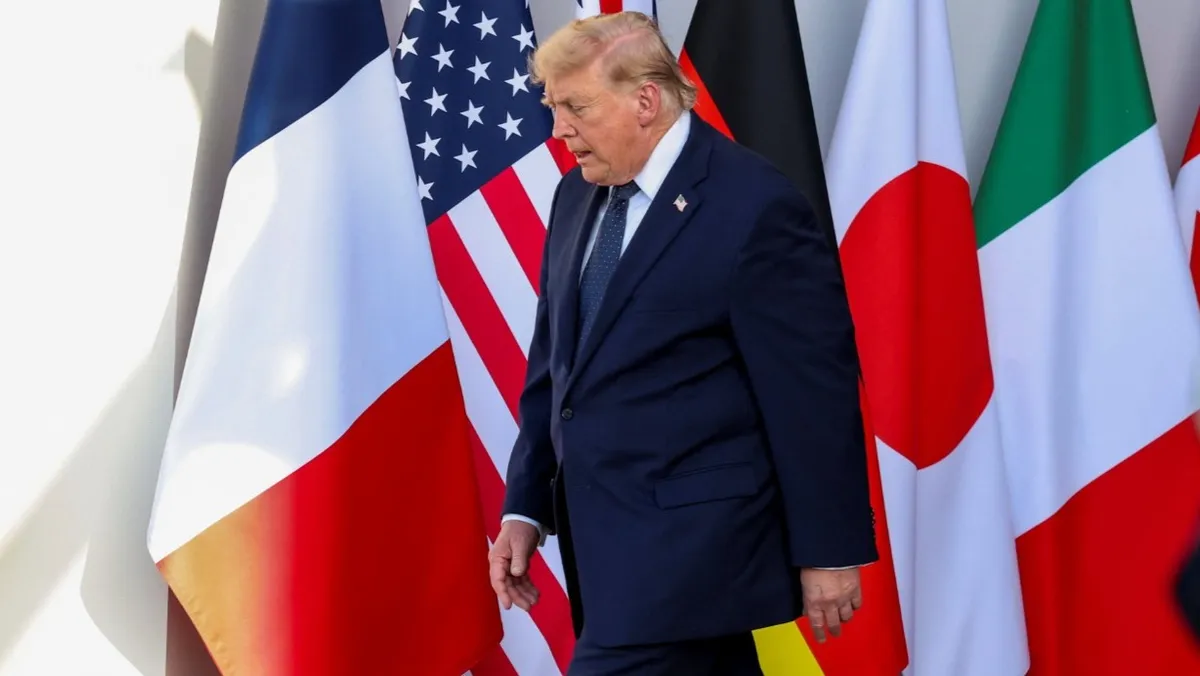
US, Iran to sign interim peace deal on Friday to trigger oil sanctions relief and full Hormuz reopening
The United States and Iran will sign a temporary agreement on Friday in Switzerland to end the war, which will immediately allow Tehran to resume oil sales and see the Strait of Hormuz “fully open” by Friday, US President Donald Trump and other officials said on Tuesday. Speaking on the sidelines of the G7 summit in the French city of Evian, Trump confirmed that ships have already “started passing” through the strait, coinciding with the entry into force of the agreement to end the war with Iran. The reopening follows Sunday’s announcement by Washington and Tehran that they had reached a peace agreement, which includes lifting the naval blockade on Iranian ports and reopening the Strait of Hormuz. Regarding the provisions of the US-Iranian memorandum of understanding, Trump stated: “We will publish the text of the agreement with Iran” during a press conference within two days. Under the agreement to end the war, the US will allow Iran to begin selling oil and fuel immediately, The Wall Street Journal reported on Tuesday, citing informed sources. The clause lifting sanctions on oil sales goes into effect immediately upon signing the agreement on Friday and includes necessary services to facilitate sales, including banking, transport, and insurance. However, a senior US official told the newspaper that despite Iran receiving immediate waivers from sanctions on oil sales, the continuation of these waivers will be linked to Iran’s performance regarding issues like opening the Strait of Hormuz and its nuclear programme. The official added that Tehran will not have immediate access to billions of dollars in frozen funds. The Swiss government confirmed on Tuesday that the temporary US-Iranian agreement aimed at ending the war in the Middle East could be signed at the Bürgenstock resort in central Switzerland on Friday. The Swiss Foreign Ministry said in a statement it was in close contact with the United States, Iran, Pakistan, and Qatar regarding the possibility of signing what it described as a memorandum of understanding between Washington and Tehran. “At this stage, the agreement is scheduled to be signed on Friday, June 19, in Bürgenstock in the canton of Nidwalden. The Pakistani and Qatari mediators, in addition to the United States and Iran, proposed this location,” the ministry added. Following the official entry into force of the interim agreement, Iran and the United States will begin a new round of negotiations on Friday in Switzerland to reach a final agreement, according to Iranian Foreign Minister Abbas Araghchi. News outlet Axios reported that US Vice President JD Vance and US envoys Steve Witkoff and Jared Kushner will meet on Friday with Iran’s chief negotiator and Parliament Speaker Mohammad Ghalibaf, as well as Araghchi, alongside mediators from Pakistan and Qatar to discuss the next phase of the agreement. Iranian President Masoud Pezeshkian said on Tuesday that what was agreed upon with the United States is an “important step towards stopping the war, and starting negotiations.” However, Iran’s official Al-Alam television quoted Pezeshkian as saying that a final agreement has not yet been reached, noting that Tehran is “ready for all possibilities.” Separately, on the sidelines of the G7 summit in Evian, Trump said that Israeli Prime Minister Benjamin Netanyahu must act more responsibly towards Lebanon. “I told Israel that I do not like its attack on Beirut,” Trump said, adding: “I suggested to Israel that Syria handle Hezbollah.” The post US, Iran to sign interim peace deal on Friday to trigger oil sanctions relief and full Hormuz reopening first appeared on Dailynewsegypt .
16 Jun 2026

Claudia Hanna: Egypt is my second home and the capital of Arab arts
For nearly two decades, Iraqi singer and actress Claudia Hanna has embodied a distinctive model of the modern Arab performer, successfully combining beauty, culture, talent, and determination. After being crowned Miss Arab World in 2006, she refused to be confined to the title, embarking instead on a diverse artistic journey that has encompassed singing, acting, and cultural engagement. Today, Hanna is recognized as one of the Arab world’s prominent artistic figures, building cultural bridges between Iraq and Egypt through her work. Torn between her enduring nostalgia for Baghdad and her deep affection for Cairo, she continues her artistic journey with confidence and ambition, carrying a vision of art that unites people and celebrates the richness of Arab culture. In this exclusive interview, Claudia Hanna reflects on her personal and artistic journey, her love for Egypt—the country she describes as the “capital of Arab arts”—and Iraq, which remains forever rooted in her heart. Your journey has taken you from Baghdad to Cairo, where you established yourself as a successful singer and actress. How did it all begin? My journey has been long and full of experiences that shaped both my personality and my artistic identity. I was born in Baghdad, but the difficult circumstances that affected the region forced me to leave Iraq at an early age. I lived in several Arab countries, including Lebanon, Syria, and Jordan, and each place contributed something valuable to the person I am today. My connection to the arts began through children’s theatre and television programmes. It was a very important stage in my life because it taught me how to communicate with people and helped refine my talents from a young age. The real turning point came in 2006 when I represented Iraq in the Miss Arab World competition in Sharm El-Sheikh and won the title. That moment changed everything. It not only brought me recognition but also opened the doors to Egypt’s vibrant artistic scene. What has Egypt represented to you, both professionally and personally? Egypt is far more than a country where I live; it is truly my second home. From my very first days here, I felt welcomed and embraced. Egyptians possess remarkable warmth and generosity, which made my integration into society very natural. Professionally, Egypt is the beating heart of Arab arts. It has a rich artistic heritage, a sophisticated entertainment industry, and an audience with a deep appreciation for culture. Every Arab artist who dreams of reaching a wider audience understands that Cairo is an essential destination on the road to success. After winning Miss Arab World, my artistic opportunities expanded significantly, and I eventually decided to settle in Egypt. Looking back, it was one of the most important decisions of my life. What attracted you specifically to the Egyptian entertainment industry? Art in Egypt is not merely an industry; it is part of the nation’s cultural identity. When I took my first acting steps through the television series “Mashaeir Fi Al Bursa ” , I felt I was entering a true artistic institution. Later, I participated in a variety of television and film projects, including the comedy film “Ochan 14”, through which I performed the song “Eshtighalat”, which gained considerable popularity. At the same time, I remained committed to academic development. I enrolled at the American University in Cairo, where I studied directing, acting, and business administration. I have always believed that talent alone is not enough; knowledge and continuous learning are equally essential to long-term success. How did your academic studies influence your artistic career? Academic education gave me a broader perspective on the creative process. I no longer viewed artistic work simply as performing in front of a camera; I came to understand it as a comprehensive project that begins with an idea and ends with its impact on the audience. I learned about visual storytelling, character development, production management, and the professional standards that govern the industry. These experiences helped me make better artistic choices and deepened my understanding of the entertainment business. As an Iraqi artist who built a career in Egypt, what challenges did you face in the beginning? Every new experience comes with challenges. I had to adapt to the fast pace of life in Cairo and understand the dynamics of the Egyptian market and audience expectations. There were also challenges related to language nuances and cultural differences. However, I firmly believed that dedication and hard work would ultimately speak for themselves. Living away from one’s homeland was perhaps the greatest challenge. No matter how long a person lives abroad, the longing for family, memories, and familiar places never disappears. I missed Baghdad deeply, but Egypt compensated me with immense love and support, which is why it became an inseparable part of my life. Some of your early projects generated public debate. How did you deal with that? Every artist goes through different phases in their career. Some of my early works and music videos sparked discussion and varying opinions, whether among audiences or even within my own family. I always approached such reactions with respect and understanding. At the same time, I remained committed to making decisions based on my personal convictions. I declined projects that I felt did not align with my values, especially those involving political controversies or divisive issues. I believe my primary mission as an artist is to create work that connects people rather than divides them. How do you view Egypt’s role in supporting Arab artists? Egypt has played a central role in shaping generations of Arab stars. A glance at the history of Arab cinema and music is enough to reveal Cairo’s enormous influence on the region’s cultural landscape. The secret lies in the country’s comprehensive artistic ecosystem, which includes production companies, educational institutions, critics, experienced professionals, and a highly engaged audience. That is why I often describe Egypt as the great school of Arab arts and a genuine platform for talent from across the Arab world. What message would you like to send to young Iraqi and Arab artists? Never abandon your dreams, regardless of the obstacles. Success is rarely immediate; it requires patience, determination, and constant self-development. Do not be afraid to explore new opportunities or travel if it helps you achieve your goals. At the same time, never lose sight of your identity, culture, and roots. A true artist carries their homeland wherever they go. I am immensely proud of my Iraqi heritage, just as I am grateful to Egypt for giving me the opportunity to realize many of my aspirations. Let’s talk about music. How has Egypt influenced your musical journey? Music has always been my first passion. Living in Egypt allowed me to collaborate with some of the finest songwriters, composers, and producers in the Arab world. My album “Al-Waqt Dah” was particularly meaningful because it blended the Iraqi spirit with Egyptian musical sensibilities. I enjoy combining Iraqi heritage with contemporary sounds because I believe music has the power to transcend borders and bring people together. Songs such as “Ahebak” , “ Bandam Awi” , “ Tegafini” , and “ Yehannen” represent important milestones in my career because they reflect my artistic identity and my connection with audiences across the Arab world. How do you define the role of the contemporary Arab artist? Today’s artist is much more than a performer. Artists carry a responsibility toward society and possess the ability to influence public discourse and cultural understanding. We live in an era where cultures interact more closely than ever before. A successful artist is someone who remains authentic while communicating with diverse audiences through a universal human language. The Arab world possesses extraordinary artistic wealth in music, cinema, and drama. It is our responsibility to preserve that legacy while presenting it in ways that resonate with new generations. I have lived in several Arab countries, and each has left a beautiful mark on my life. Yet Iraq and Egypt remain closest to my heart. Wherever I go, I feel that I carry both the soul of Baghdad and the warmth of Cairo with me. Looking back, which achievements are you most proud of? Every project I have worked on holds a special place in my heart. I am proud of having built a career that spans music, television, and cinema, both within Egypt and beyond. I also value my participation in cultural initiatives and judging panels because they allow me to connect with emerging talents and support the next generation of artists. The remarkable development of Arab drama in recent years gives me great optimism, and I look forward to continuing to contribute meaningful work that resonates with audiences. What is your most cherished memory from Egypt? There are many unforgettable moments, but winning the Miss Arab World title in Sharm El-Sheikh remains one of the most significant. It was the beginning of everything that followed. I also vividly remember my first day on the set of an Egyptian production and the pride I felt seeing my work reach Egyptian and Arab audiences. Above all, I cherish the feeling that, through art, I have been able to build a bridge of affection and understanding between Iraq and Egypt. Finally, what would you like to say to your audience across the Arab world? I would like to thank them from the bottom of my heart for their love, trust, and unwavering support. The audience is the true foundation of every artist’s success. I firmly believe that art is a powerful human message capable of bringing cultures and peoples closer together. Iraq will always be my homeland, and Egypt will always be my second home and extended family. I promise my audience that I will continue creating work worthy of their support—work that carries within it the spirit of both the Tigris and the Nile, two rivers that, for me, symbolize a lifetime of memories, gratitude, and pride. The post Claudia Hanna: Egypt is my second home and the capital of Arab arts first appeared on Dailynewsegypt .
16 Jun 2026

Opinion | The Creative Economy: Moving Beyond Cultural Enlightenment to Shape the Future
The creative economy has become one of today’s most resonant terms in both cultural and economic discourse. It has evolved into a major economic enterprise and a top political priority for any nation seeking to strengthen its global standing. The world has come to realize—albeit somewhat belatedly—that art and culture are far more than tools of soft power or expressions of national identity. They are powerful economic engines and instruments of political influence. At its core, the creative economy is about transforming imagination into industry. Any creative idea can become an economic asset. A film, a song, a short series, a video game, a fashion design, digital content, a translation, an animated series, or even a simple traditional craft—all can be turned into globally resonant creative products worth billions of dollars, provided the state manages the sector wisely and creates a genuinely supportive environment. What is truly striking is that the concept of the creative economy is not new to Egypt. In fact, Egypt was among the first countries in the Global South to put this idea into practice long before the term itself was coined. For decades, Cairo was not merely a political capital but the beating heart of Arab art. Egyptian cinema, theatre, music, radio, and drama were never just forms of entertainment; they were vital sources of Egyptian influence across the Arab world and important economic lifelines for the state. In Egypt, art has never been a detached luxury. In the most difficult moments of its history, creativity served as a pillar of resilience and social cohesion. During times of war, the work of artistic giants—foremost among them the immortal Umm Kulthum—provided crucial support for the Egyptian army. In the January 2011 revolution, songs, dramas, and visual arts played a central role in expressing the spirit and identity of Egyptian society, carrying its voice to the world. The revolution was even described as “the White Revolution,” reflecting a civilized people who chose artistic expression over chaos and violence. Even during the COVID-19 pandemic, when entire economic sectors ground to a halt, artistic and digital content remained one of the few engines keeping economic and social life moving—not only in Egypt but across the globe. This reveals the sector’s true value: it is not marginal, but one of the few capable of persisting and producing even in the harshest crises. Perhaps the most significant shift in recent years has been the radical transformation in how we understand culture itself. In the past, cultural institutions saw their role as limited to enlightenment and the dissemination of knowledge. Today, the question has fundamentally changed: How can culture be converted into economic value? How can creators earn a living from their creativity without needing a second job? And how can the state project its identity to the world through technology and digital platforms? It is from this perspective that we can best understand the recent moves within Egypt’s Ministry of Culture, especially since Dr. Jehan Zaki assumed leadership. With her strong academic, cultural, and diplomatic background, she brings a sharp awareness of soft power and its connection to Egypt’s international image. What stands out in the ministry’s current discourse is the gradual shift from merely “managing cultural activities” to viewing culture as an integral part of the nation’s broader development and economic project. In this context, the ministry has already launched several policies and initiatives that genuinely reflect this transformation—not mere slogans. These include developing online platforms for showcasing books and short films, strengthening partnerships with the private sector to create funding mechanisms for cultural industries, and launching programmes to support translation and dubbing to help Egyptian cultural products reach international markets. These efforts signal a clear evolution: from simply patronizing culture to actively building it into a real industry. Over recent years, there has been a serious attempt to reposition culture as a driver of sustainable development rather than a service sector or seasonal activity. The ministry has expanded its activities, rolled out digital initiatives, opened genuine discussions on cultural and creative industries, developed new cultural sites, and linked cultural discourse to the broader goal of building the Egyptian citizen within Egypt’s Vision 2030. Yet the most critical question remains: Are we still thinking in terms of “cultural activities,” or have we truly begun thinking in terms of “cultural industries”? The difference is vast. Organizing seminars, festivals, or theatre performances is undoubtedly valuable, but it is not enough to build a real creative economy. That requires a fundamentally different mindset—one that sees the artist, writer, and content creator as genuine economic producers, not merely bearers of a noble cultural message. Prof. Inas Abd El-Khalek The world has changed at breathtaking speed, which is why certain international experiences deserve close study—not for blind imitation, but for understanding and adaptation. China, for example, did not wait for Western platforms to validate it, nor did it cling to the traditional format of long-form dramas. It recognized that audience behaviour had shifted and that people now consume content rapidly on smartphones. Thus emerged “micro-dramas”—extremely short episodes lasting just one or two minutes, built on fast pacing and relentless engagement. The result was a multi-billion-dollar industry in which millions of young people create content from their phones and generate real income. China succeeded in building a complete economic model rooted in a deep understanding of the new audience. South Korea offers the clearest example of turning culture into a national project. Once known for heavy industry and electronics, it invested heavily in the “Korean Wave” (Hallyu) by supporting music, drama, video games, and star-making systems. Today, groups like BTS and series like Squid Game have become powerful global economic and political assets. Korean culture has transformed into a premium brand that markets tourism, cosmetics, language, and lifestyle. In Africa, Nigeria stands out as a smart, pragmatic model. “Nollywood” did not begin with massive budgets or Hollywood resources. It started by developing a deep understanding of its local audience, then gradually expanded to become one of the world’s largest film industries by volume of production. Crucially, it did not wait for external validation; it built its own audience first, then successfully exported its model across the continent and beyond. So where does Egypt stand? Egypt possesses most—if not more—of the ingredients these countries had. It boasts a rich cinematic heritage, an immense musical and literary legacy, a widely understood dialect across the Arab world, exceptional talent, and a vast domestic and regional audience. The real challenge is not a lack of creativity, but the slow pace of adapting to rapidly changing global realities. The new generation is no longer waiting for cultural institutions to grant it a platform. It is creating its own culture on TikTok, YouTube, and Instagram. If cultural institutions do not move swiftly into this new world, they risk becoming increasingly detached from reality, no matter how glorious their history. The next phase therefore requires cultural and intellectual courage more than slogans. It demands the establishment of business incubators for creative industries, active partnerships between the Ministry of Culture and economic and educational ministries, funding programmes for digital content, investment funds for young creators, and stronger links between arts academies and modern digital platforms. Serious investment is needed in animation, video games, translation, and dubbing, along with the creation of accelerators for creative projects targeting global markets. Most importantly, Egypt must prepare a new generation that understands platform algorithms as thoroughly as it masters the rules of theatre and cinema, while offering real incentives for innovative content that carries Egyptian identity to the world. Even cultural palaces can be transformed into centres for digital content production rather than venues for traditional seminars and events. Culture today is no longer consumed in the old ways, and any state that fails to grasp the digital transformation will gradually lose its ability to exert influence in an intensely competitive world. This is precisely why the recent discourse from the Ministry of Culture—linking culture to development and human development—is so significant. The mission is no longer merely preserving heritage as a historical trust, but transforming it into contemporary economic and intellectual energy capable of global competition. The world has already entered the “attention economy.” Whoever can capture people’s attention holds both influence and wealth. Therefore, the battle for the creative economy is not merely a ministerial or institutional one. It belongs to every Egyptian creator who dreams of living from their art without having to emigrate or take up a second job, and to every young person creating content on their phone and aspiring to turn their small project into a global brand that carries Egyptian identity. Egypt lacks neither imagination, history, nor talent. What it sometimes lacks is the speed of movement and the ability to shift from the concept of “patronizing culture” to “managing culture as an industry.” If Egypt can move with China’s speed, invest in its soft power as South Korea did, and leverage the popularity of local content as Nigeria has, it will not merely participate in the era of the creative economy—it will be positioned to lead it across the Arab world and Africa. Ultimately, the real question is not whether Egypt has the capacity to enter the age of the creative economy—for that capacity has existed for decades. The deeper, more urgent question is: Do we have the will and wisdom to rediscover our cultural strength in the language of this new era? This is the challenge I urge all cultural sectors to embrace. Ministerial efforts must be supported by diligent collective work and genuine collaboration among all stakeholders to turn these initiatives into a tangible and lasting reality. Prof. Inas Abd El-Khalek, Academy of Arts The post Opinion | The Creative Economy: Moving Beyond Cultural Enlightenment to Shape the Future first appeared on Dailynewsegypt .
16 Jun 2026
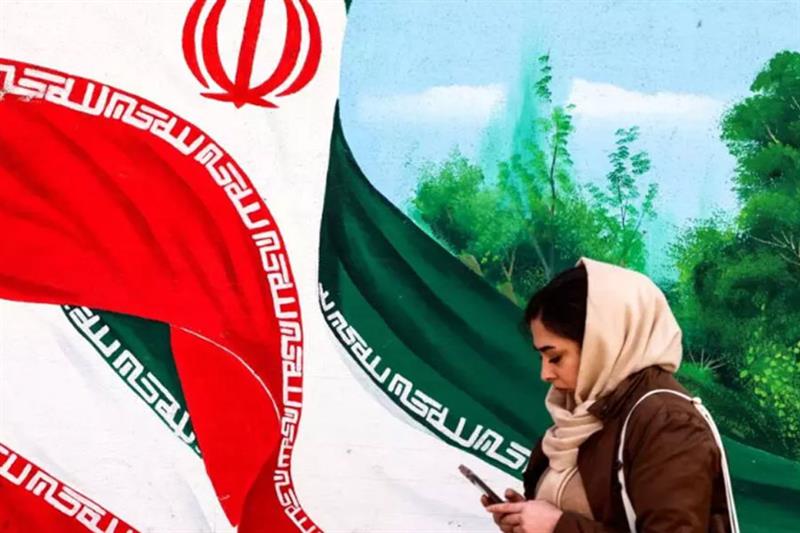
Opinion | Beyond the Memorandum: The Hidden Fault Lines in the US-Iran Understanding
Hours after reports emerged of a memorandum of understanding between Iran and the United States, conflicting narratives continue to dominate discussions surrounding what has allegedly been agreed upon. As is often the case in diplomacy, the devil lies in the details—and in this instance, the hidden clauses may ultimately prove more consequential than the provisions publicly disclosed. The significance of the document for both parties lies in its symbolic value. Each side seeks to present the agreement as evidence of a victory secured over the other, making consensus even on what should be publicly revealed extraordinarily difficult. Nevertheless, statements made by Iranian Foreign Minister Abbas Araghchi closely align with the provisions announced by Tehran, most of which have not been explicitly denied by Washington. These provisions suggest that all issues related to Iran’s nuclear programme will be addressed during a sixty-day negotiation period. According to the leaked framework, military confrontations across various fronts would cease, while the United States would commit to respecting Iranian sovereignty and reducing its military footprint around Iran. Restrictions on Iranian oil sales would be suspended, Tehran would regain access to financial resources, and approximately $24bn in frozen assets would be released, with half of that amount transferred at the outset of negotiations. The gradual easing of the maritime blockade would also begin. In return, Iran would facilitate the reopening of the Strait of Hormuz under arrangements coordinated by Tehran, commit not to develop nuclear weapons, accept the creation of a monitoring mechanism to oversee compliance, and ultimately seek United Nations endorsement of a final agreement. Based on the information currently available, this memorandum of understanding may represent the most advantageous diplomatic framework Iran has secured in modern history. The strategic reasons are numerous. The 2015 nuclear agreement largely treated Iran as a security problem to be contained and isolated from its regional environment. While it imposed restrictions on Tehran’s nuclear activities, it did not grant the Islamic Republic formal recognition as a regional power. The emerging framework appears fundamentally different. It implicitly grants Iran both regional and international legitimacy as a central actor in Middle Eastern affairs. The linkage of negotiation tracks to developments in Lebanon effectively constitutes a Western and American acknowledgement that Iran possesses significant influence there and that solutions to regional crises cannot be pursued independently of Tehran. The arrangement may also provide implicit recognition of an Iranian administrative and security role in the Strait of Hormuz. Such recognition would furnish Tehran with a powerful geopolitical asset by linking global energy security to direct coordination with Iran. Strategically, this could prove far more valuable than relinquishing several hundred kilograms of enriched uranium. By contrast, the 2015 agreement did not alter the legal or military realities governing the strait. Several critical issues, however, remain absent from the leaked details. Most notably, there has been little discussion of Iran’s ballistic missile programme. Other matters have been mentioned only vaguely, including the reported transfer of approximately 450 kilograms of enriched uranium and acceptance of a temporary “freeze” period. Importantly, a freeze does not imply dismantlement. Iran would neither destroy its nuclear facilities nor deactivate its advanced centrifuges, and it would certainly retain its scientific and technological expertise. Such a pause would be reversible should Washington fail to uphold its commitments. The underlying infrastructure necessary for high-level enrichment would remain intact and protected under the agreement. Prof. Hatem Sadek In exchange for this temporary restraint, Iran would receive immediate and substantial benefits, including sanctions relief, the lifting of maritime restrictions that have severely constrained its economy and oil exports, and the gradual release of frozen financial assets. Collectively, these measures would provide the Iranian government with a significant economic lifeline, allowing it to consolidate its domestic position and recalibrate its regional strategy. Yet the current memorandum is not a final agreement. It is merely a framework designed to facilitate sixty days of negotiations. The central challenge remains trust—or, more accurately, the complete absence of it. Iran vividly remembers the Trump administration’s withdrawal from the Joint Comprehensive Plan of Action in 2018 and therefore seeks tangible, front-loaded guarantees. Washington, meanwhile, appears to favour a phased approach in which Iranian concessions are matched incrementally with corresponding rewards. In practical terms, every Iranian commitment would trigger a proportional American response. This fundamental divergence could easily derail negotiations over seemingly minor technical details. From the perspective of Tel Aviv, any arrangement that falls short of the complete and immediate dismantlement of Iran’s nuclear infrastructure effectively grants Tehran valuable time to recover economically and strategically. Reports suggesting that President Trump is prioritising the reopening of the Strait of Hormuz and the reduction of direct military escalation, while postponing decisive action on nuclear facilities and ballistic missiles, have reinforced Israeli concerns that Washington may be offering premature concessions in pursuit of broader economic and political objectives. Prime Minister Benjamin Netanyahu’s declaration that “as long as I remain Prime Minister, Iran will never obtain a nuclear weapon” conveys a dual message. On the one hand, it seeks to project alignment with Washington. Official Israeli statements have emphasised appreciation for American assurances that any final agreement would include the dismantlement of Iran’s nuclear capabilities and the cessation of support for regional proxy groups. Such messaging is intended to preserve Israeli influence over the negotiating process. On the other hand, reports from internal Israeli government discussions reveal profound anxiety. Netanyahu reportedly informed Trump that Israel would not become “a victim of this agreement,” signalling that Jerusalem intends to preserve strategic autonomy regardless of Washington’s diplomatic course. Israel possesses multiple instruments through which it could complicate or even derail the process. These range from direct military escalation—including continued strikes against Iranian or allied targets in Lebanon and Syria—to political pressure within the US Congress aimed at portraying any agreement as a series of unilateral concessions to the so-called Axis of Resistance. A significant Israeli military operation during the proposed sixty-day negotiation period could easily prompt Iran to withdraw from the talks altogether, returning the crisis to square one. Despite optimistic rhetoric in Washington, Iranian officials continue to insist that no definitive timetable has yet been established for concluding a final agreement. Although substantial progress may have been achieved on many issues, it remains premature to assume that a comprehensive deal is imminent, particularly given the unpredictability that has characterised American policy towards Iran over the past decade. Agreements built upon a foundation of profound mistrust and limited guarantees are inherently fragile, especially when they intersect with the strategic interests of regional actors that perceive the arrangement as an existential threat. Consequently, signing a framework agreement may prove to be the easiest stage of the process. The real challenge lies in the marathon of negotiations that follows. Israel is likely to push aggressively for conditions that prevent Iran from emerging as an economically revitalised threshold nuclear state. Meanwhile, the explanatory memoranda and technical annexes accompanying the agreement may themselves become ticking time bombs, because every clause has the potential to conceal a hidden contradiction capable of unravelling the entire diplomatic enterprise. In the end, the greatest threat to this understanding may not come from what has been publicly disclosed, but from the details that remain buried beneath the surface—where diplomacy’s most dangerous devils invariably reside. Prof. Hatem Sadek, Helwan University The post Opinion | Beyond the Memorandum: The Hidden Fault Lines in the US-Iran Understanding first appeared on Dailynewsegypt .
16 Jun 2026
Al-Sisi urges broader Middle East peace at G7 as Egypt deepens coordination with EU
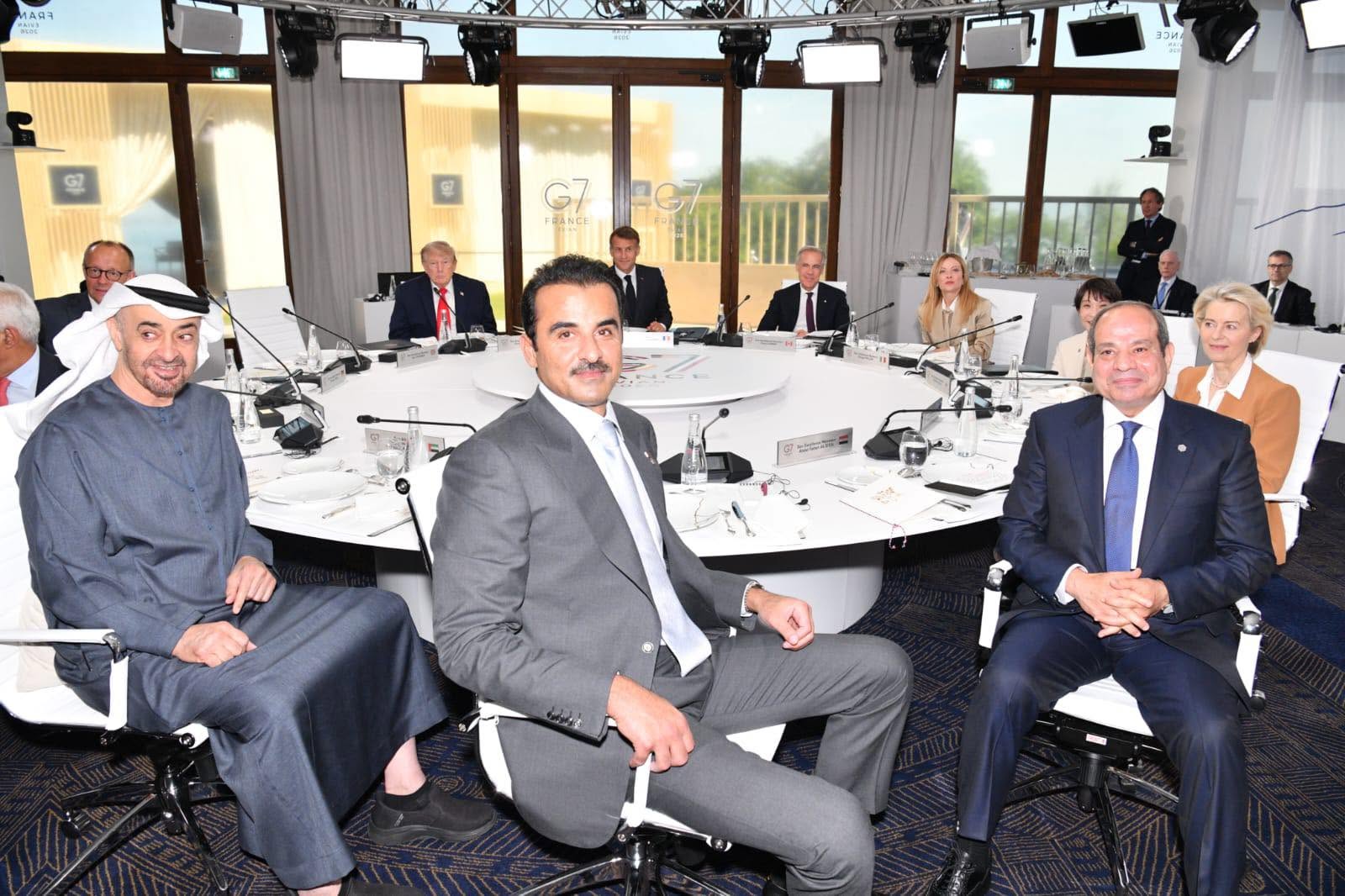
Egyptian President Abdel Fattah Al-Sisi called for a comprehensive settlement to the Middle East’s multiple crises and urged regional and international leaders to seize the current diplomatic momentum to achieve lasting peace, as he took part in discussions at the Group of Seven (G7) summit in the French city of Evian. Speaking during a session titled “Emerging from Crises and Ensuring Stability in the Middle East,” attended by G7 leaders as well as the presidents of the United Arab Emirates and Qatar, Al-Sisi said there could be no alternative to a just and lasting resolution of the Palestinian issue based on the two-state solution, including the establishment of an independent Palestinian state along the 4 June 1967 borders, with East Jerusalem as its capital. The Egyptian president called for accelerating the implementation of US President Donald Trump’s peace plan for Gaza and praised Trump’s role in securing both the ceasefire in Gaza and the recent agreement ending the conflict with Iran. Egypt, he said, stood ready to work with regional and international partners to address outstanding issues and hoped that the US-Iran agreement would mark the beginning of a new phase of conflict resolution and reduced regional tensions. Al-Sisi reiterated Egypt’s condemnation of attacks targeting Gulf states and stressed Cairo’s full solidarity with Gulf countries, saying that Arab security remained an integral part of Egypt’s national security. He warned that international attention on the crisis with Iran had coincided with an expansion of what he described as the “yellow zone” in Gaza to cover around 70% of the territory, effectively leaving only 30% of the enclave accessible to Palestinians. He called for an immediate end to such measures and rejected any attempt to annex the occupied West Bank. The president said lasting regional stability required all parties to adopt a responsible approach based on respect for state sovereignty, non-interference in internal affairs, adherence to international law, and the preservation of national institutions, while ensuring that weapons remain exclusively in the hands of legitimate state authorities. He also called for regional arrangements on collective security that address the concerns of all parties and stressed the importance of international legal principles governing shared resources, including water security, energy security, and maritime routes. Al-Sisi renewed Egypt’s call for a Middle East free of nuclear weapons and other weapons of mass destruction through the comprehensive and non-selective implementation of non-proliferation commitments. Participants in the session also discussed the need to prevent Iran from obtaining nuclear weapons and safeguard freedom of navigation through international waterways. According to the Egyptian presidency, several leaders criticised the policies of Israeli Prime Minister Benjamin Netanyahu’s government, particularly in Lebanon and towards the Palestinians, calling for an end to Israeli attacks in Lebanon, Israel’s withdrawal from Lebanese territory, and stronger support for the Lebanese government, including consideration of an international peacekeeping force. Several leaders also stressed the need to advance to the second phase of the Gaza ceasefire agreement and move towards the establishment of a Palestinian state alongside Israel. The discussions highlighted the negative impact of regional instability on global trade, maritime traffic, and energy supplies, underscoring the urgency of securing international shipping lanes. According to the Egyptian presidency, a number of participants praised Egypt’s efforts to promote regional peace. Italian Prime Minister Giorgia Meloni said Al-Sisi’s participation demonstrated that peace could only be achieved through agreements similar to the Egypt-Israel peace treaty, while Canadian Prime Minister Mark Carney commended the roles played by Al-Sisi and Trump in securing the Gaza ceasefire. In a separate series of meetings on the sidelines of the summit, Al-Sisi met European Commission President Ursula von der Leyen and European Council President Antonio Costa, reaffirming Egypt’s commitment to strengthening its strategic partnership with the European Union. He highlighted Egypt’s economic reforms and efforts to improve the investment climate, expressing hope that these measures would encourage greater European business activity in the country. Von der Leyen praised Egypt’s economic reforms and its efforts to combat terrorism and irregular migration despite mounting regional pressures, while Costa underlined the importance of Egypt-EU coordination in addressing regional crises. During both meetings, Al-Sisi welcomed the US-Iran agreement and said Egypt hoped it would help prevent renewed military escalation. He also stressed the importance of implementing the Gaza peace agreement, maintaining calm in the enclave, ensuring the uninterrupted delivery of humanitarian aid, and launching early recovery and reconstruction efforts. European officials, for their part, praised Egypt’s role in supporting the diplomatic track between Washington and Tehran and acknowledged Cairo’s contribution to regional stability through its mediation efforts and cooperation with Europe on shared security challenges across the Mediterranean. The post Al-Sisi urges broader Middle East peace at G7 as Egypt deepens coordination with EU first appeared on Dailynewsegypt .
16 Jun 2026
Planning Minister reviews NI Consulting strategy to support public, private sectors
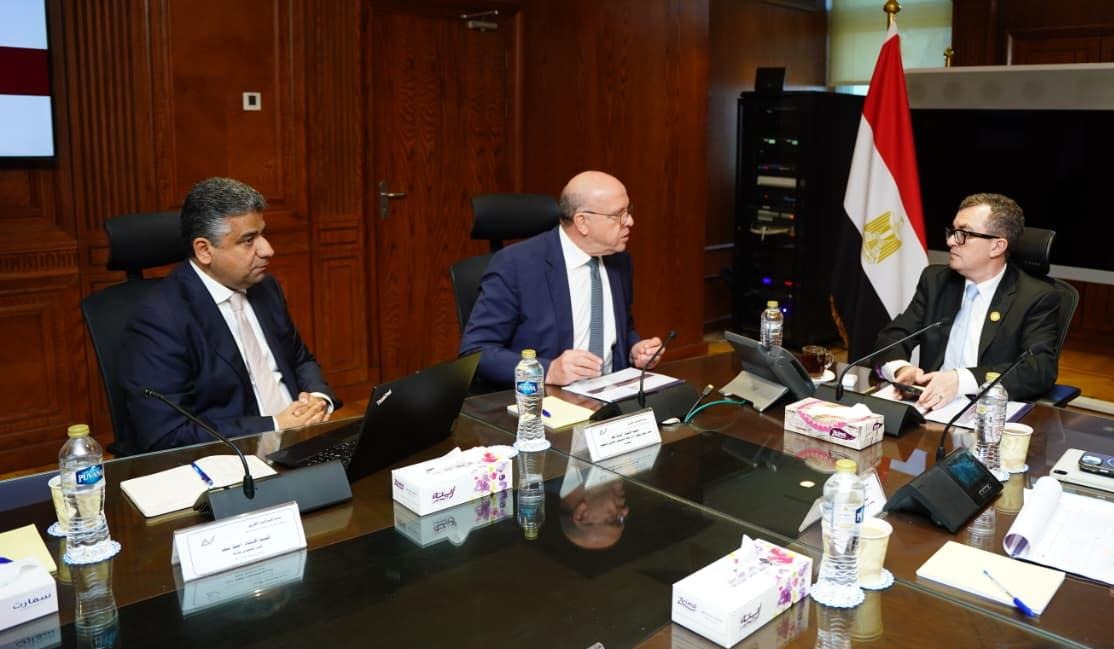
Ahmed Rostom, Minister of Planning and Economic Development and Chairperson of the National Investment Bank (NIB), held a meeting with Ashraf Negm, Deputy Chairperson and Managing Director of the bank, and Ahmed Saad, Chief Executive Officer of NI Consulting and Project Structuring, a subsidiary of the NIB, as part of the ministry’s ongoing efforts to restructure the National Investment Bank and its affiliated companies. The initiative aims to strengthen the bank’s role in driving comprehensive development, increase private sector participation, and promote strategic partnerships between the public and private sectors. During the meeting, the participants reviewed the integrated range of services provided by NI, which was established in 2017 as one of the bank’s subsidiaries, as well as its diverse areas of expertise in delivering technical and management consultancy services. The discussions also covered the company’s strategic transformation plan, particularly in the fields of strategic planning, business development, and project management, alongside its targeted expansion into priority sectors, including education, labour markets, healthcare, information technology, environment and sustainability, trade and logistics, food security, manufacturing, and infrastructure. Rostom stated that NI represents a national centre of expertise equipped to serve investors, private sector companies, and government entities alike, underscoring the company’s growing role in delivering specialised consultancy services, managing complex projects, building institutional capacities, analysing data, and supporting organisational development. The Minister of Planning and Economic Development stressed the ministry’s commitment to maximising the potential of all subsidiaries of the National Investment Bank, enabling them to effectively fulfil their mandates within the framework of the state’s economic and social development plan. He added that these efforts would help improve the efficiency of public investments and achieve a tangible structural transformation in the bank’s role as one of Egypt’s principal investment and development arms. Rostom concluded by emphasising the importance of strengthening NI’s role during the coming period to support the state’s sustainable development agenda and enhance the competitiveness of various economic sectors through the delivery of innovative solutions based on international best practices and tailored to meet the evolving needs of the business community and government institutions. The post Planning Minister reviews NI Consulting strategy to support public, private sectors first appeared on Dailynewsegypt .
16 Jun 2026

Commercial Registry services to be available through over 4,700 post offices, service outlets: Supply Ministry
The Internal Trade Development Authority (ITDA), affiliated with the Ministry of Supply and Internal Trade, has announced the launch of a new system based on the use of secure documents for Commercial Registry records, alongside the provision of a number of Commercial Registry services through offices and service outlets of Egypt Post across the country. The move comes in implementation of Cabinet Decision No. 63, issued during its meeting on 22 October 2025. The step forms part of the Ministry of Supply and Internal Trade’s strategy to modernise and develop the Commercial Registry system and improve the quality of services provided to traders and investors through the use of secure documents featuring advanced technical and security specifications. This is intended to strengthen confidence in official documents issued by the Commercial Registry and enhance protection against forgery and tampering. The new system will be implemented gradually from 1 July until the end of the month, ensuring a smooth and effective transition across all service outlets, whether through Commercial Registry offices or Egypt Post offices and service points, ahead of the full nationwide rollout and the adoption of secure documents for printing all Commercial Registry records. The system represents a significant development in the issuance and printing of Commercial Registry documents. For the first time, the format and content of all official documents issued through different service channels will be standardised and printed on secure documents bearing a pre-printed Republic emblem seal, ensuring the highest levels of security and reliability. The first phase of services available through Egypt Post offices and service outlets includes Commercial Registry registration searches, enquiries on data relating to entities registered in the Commercial Registry, renewal of Commercial Registry registrations, and the issuance and printing of Commercial Registry extracts. Making these services available through the postal network is considered an important step towards bringing services closer to citizens, traders, and investors, benefiting from the extensive geographical reach of Egypt Post, which operates more than 4,700 offices and service outlets covering governorates, cities, districts, villages, and remote areas across the country. This will facilitate access to government services, reduce travel burdens, improve the customer experience, and enhance service efficiency. The new secure documents rely on an integrated system of advanced security features. They are printed on double-sided A4 secure paper weighing 90 grams and include multiple security elements, such as fluorescent fibres visible under ultraviolet (UV) light, the Republic’s emblem printed in permanent gold ink, and a secure Guilloché design incorporating micro-printing of the phrase “Internal Trade Development Authority” within an integrated security framework. The documents also contain invisible ink that appears under ultraviolet light and displays the phrase “Internal Trade Development Authority”, in addition to special security seals featuring advanced protection elements visible under UV light. These measures provide high levels of security and make counterfeiting and forgery extremely difficult. The new system is expected to deliver a number of benefits, most notably the development and modernisation of the Commercial Registry system and its official records; the standardisation of the format and content of documents issued through all service outlets; enhanced confidence in Commercial Registry documents and higher levels of security and protection; reduced risks of forgery and tampering; and the geographical expansion of services to reach customers across the country. Additional benefits include reducing pressure on Commercial Registry offices and improving operational efficiency; enhancing service accessibility and accelerating procedures; supporting the state’s digital transformation efforts and integration among government entities; and improving the business environment and facilitating services for traders and investors. The Internal Trade Development Authority stressed that this step represents a new milestone in the development of Commercial Registry services and reflects the state’s commitment to building a more efficient, secure, and reliable government services system that supports economic activity, enhances the investment climate, and aligns with the objectives of the New Republic in developing public services and advancing digital transformation. The post Commercial Registry services to be available through over 4,700 post offices, service outlets: Supply Ministry first appeared on Dailynewsegypt .
16 Jun 2026
Egypt promotes African health sovereignty and medical tourism at Africa Health ExCon
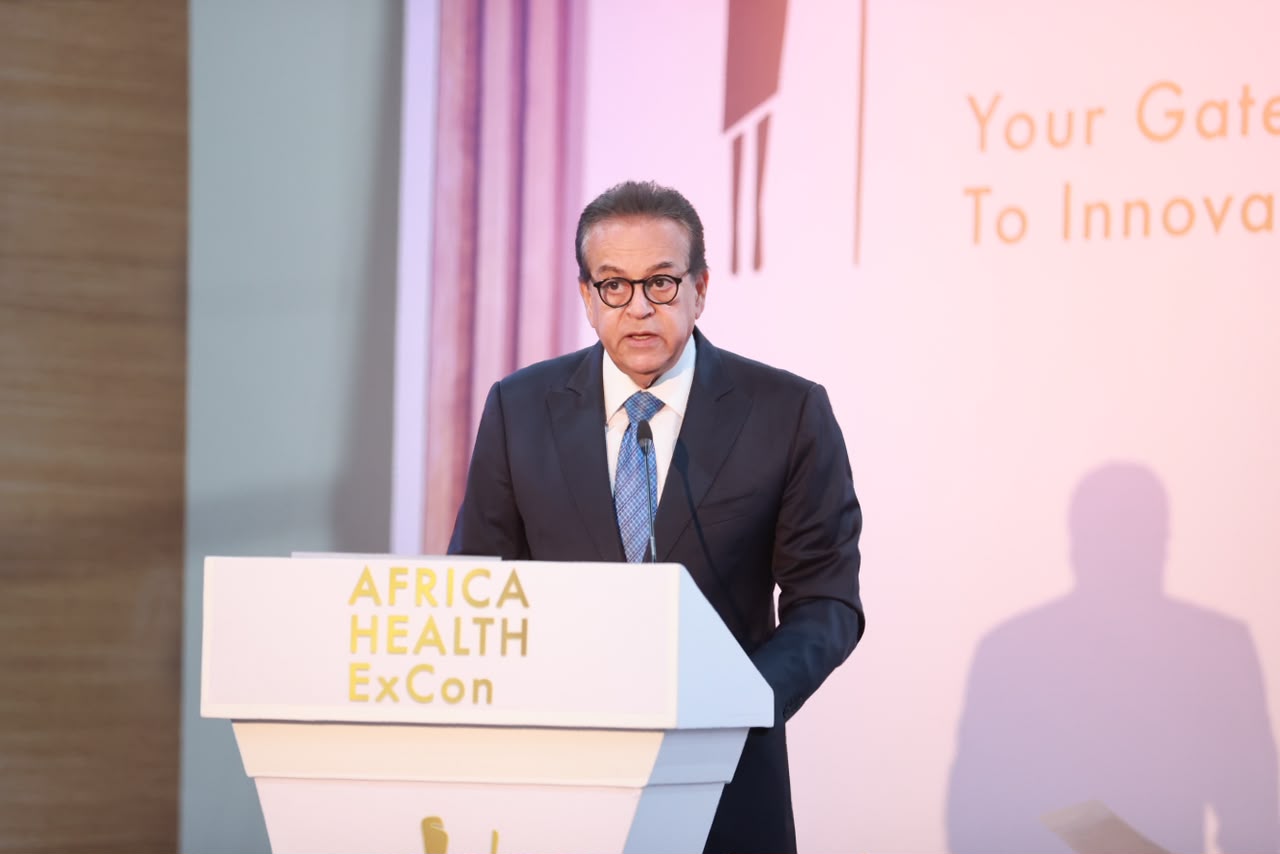
Egypt’s Health Minister Khaled Abdel Ghaffar said achieving health sovereignty in Africa has become a strategic necessity rather than a choice, calling for stronger and more self-reliant healthcare systems while maintaining effective international partnerships, during the fifth edition of Africa Health ExCon 2026 in Cairo. Speaking at the high-level opening session of the conference, titled “African Health Sovereignty: From Dependency to Strategic Independence”, Abdel Ghaffar said strategic health independence means enabling African countries to protect the health of their populations, respond rapidly to medical emergencies and localise the production of essential health products while preserving constructive global partnerships. The minister presented Egypt’s healthcare reforms as a model for the continent, highlighting the country’s universal health insurance programme, which has completed its first phase in six governorates and is set to expand to an additional 18 million citizens in its second phase. He also pointed to the “100 Million Healthy Lives” initiative, which successfully eliminated hepatitis C as a public health threat in Egypt, stressing Cairo’s readiness to share its expertise in prevention and early detection programmes with fellow African nations. Emphasising continental solidarity, Abdel Ghaffar said Egypt had provided rapid support to countries including the Democratic Republic of Congo and Uganda during Ebola outbreaks by supplying medicines, protective equipment and thousands of doses of locally manufactured remdesivir, in line with directives from President Abdel Fattah Al-Sisi. Addressing pharmaceutical security, the minister noted that Egypt is the only African country to have achieved the World Health Organization’s Maturity Level 3 certification for the regulation of both medicines and vaccines. He said Egypt was prepared to transfer technology, strengthen joint manufacturing and support efforts to localise pharmaceutical production across Africa. In a separate panel discussion titled “Connecting Continents and Transforming Health Tourism”, Abdel Ghaffar said medical tourism had evolved into an integrated industry built on high-quality healthcare services, streamlined procedures and a comprehensive patient experience. He noted that Egypt had established a National Council for Medical Tourism and was developing a national digital platform that would serve as the official gateway for international patients, from booking medical services to returning home after treatment. “Medical tourism represents a promising sector that can support the national economy,” Abdel Ghaffar said, adding that Egypt aims to offer a fully integrated healthcare experience combining advanced medical care with high-quality tourism services. He also called for unified standards to ensure the sector’s sustainability and enhance its competitiveness regionally and internationally. During the conference, Abdel Ghaffar was awarded the “Outstanding Health Personality of the Year 2026” in recognition of his contributions to advancing Egypt’s healthcare sector. Lebanese Public Health Minister Rakan Nasser received the “Leadership in Strengthening Health Systems Resilience” award, while Hisham Stait, head of Egypt’s Unified Procurement Authority, was honoured for “Leadership in Advancing Health Cooperation.” On the sidelines of the event, Abdel Ghaffar met Danish Ambassador to Egypt Lars Bo Moller and representatives of leading Danish healthcare companies and institutions to discuss expanding bilateral cooperation in priority areas including medical technology, digital transformation and healthcare development. According to Egypt’s Health Ministry, the discussions focused on promoting Danish investment in the Egyptian market, facilitating knowledge transfer, localising advanced technologies and supporting domestic manufacturing of medical products and solutions, further strengthening Egypt’s position as a regional hub for medical industries. For his part, Ambassador Moller praised the progress achieved by Egypt’s healthcare system and reaffirmed Denmark’s commitment to expanding cooperation with Cairo through partnerships that serve the mutual interests of both countries. The post Egypt promotes African health sovereignty and medical tourism at Africa Health ExCon first appeared on Dailynewsegypt .
16 Jun 2026
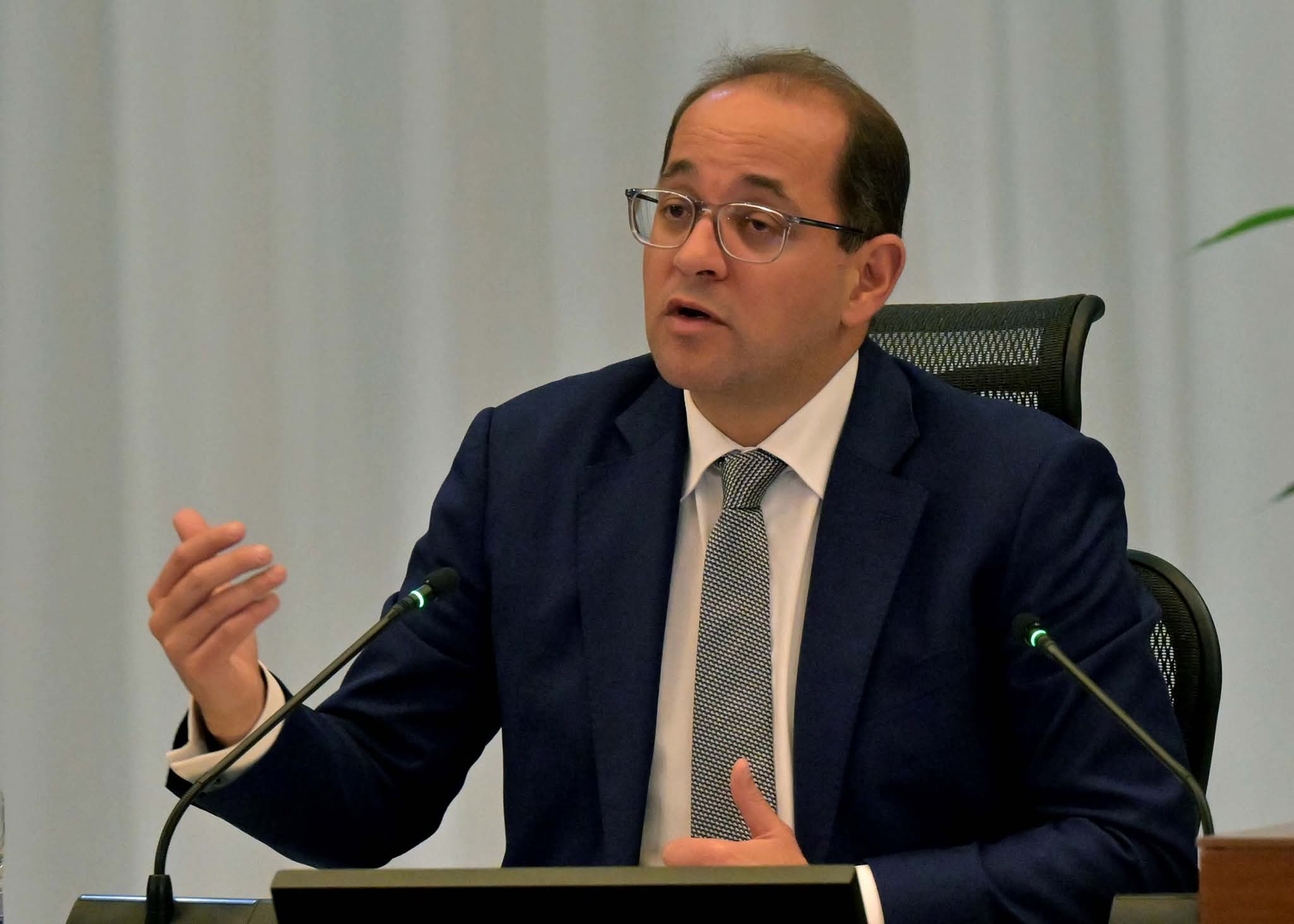
Finance Minister announces launch of first mobile application for real estate tax services
Minister of Finance Ahmed Kouchouk has announced the launch of the first mobile application for real estate tax services, enabling citizens to submit property tax returns, make advance payments, settle outstanding liabilities, and apply electronically for exemptions on primary family residences. Kouchouk explained that property owners with multiple units will be able to file a single tax return covering all their properties, while electronic payment receipts will be officially recognised. He noted that the new application fulfils a pledge to make real estate tax services available digitally as part of an integrated strategy aimed at simplifying procedures for citizens. Furthermore, Kouchouk said the new real estate tax facilitation package seeks to streamline procedures and reduce financial and administrative burdens. The measures include raising the exemption threshold for a family’s primary residence to properties valued below EGP 8m, up from the previous EGP 2m. He added that work is under way to develop an intelligent reference pricing map for the valuation of built properties, with the aim of standardising assessment criteria and ensuring fairness. Applications for exemptions on primary family residences can now be submitted through the electronic tax return system without the need to visit a real estate tax office. Kouchouk also announced that late payment penalties will be waived if the principal tax amount is settled by 2 October. In addition, ongoing disputes may be resolved through reconciliation arrangements upon payment of 70% of the tax due by the same deadline. He stressed that no tax will be imposed if a property has been demolished or if exceptional circumstances prevent its use or occupancy. The minister further unveiled tax incentives for compliant taxpayers who submit their returns within the statutory deadline, including a 25% reduction for residential units and a 10% reduction for non-residential units. These incentives will increase to a 30% discount for advance payments ranging from EGP 200 to EGP 1,000, depending on the type of property unit. Ramy Youssef, Assistant Minister for Tax Policies, said a new approach would be adopted for individuals who voluntarily submit tax returns for unregistered properties. He added that all appeals filed by the Real Estate Tax Authority and currently under review before appeal committees will be withdrawn, while the authority’s power to challenge rental values determined by valuation committees will also be abolished. Youssef further noted that taxpayers will be allowed to pay taxes and late payment charges in instalments through electronic payment methods, as part of efforts to facilitate procedures for citizens. The post Finance Minister announces launch of first mobile application for real estate tax services first appeared on Dailynewsegypt .
15 Jun 2026
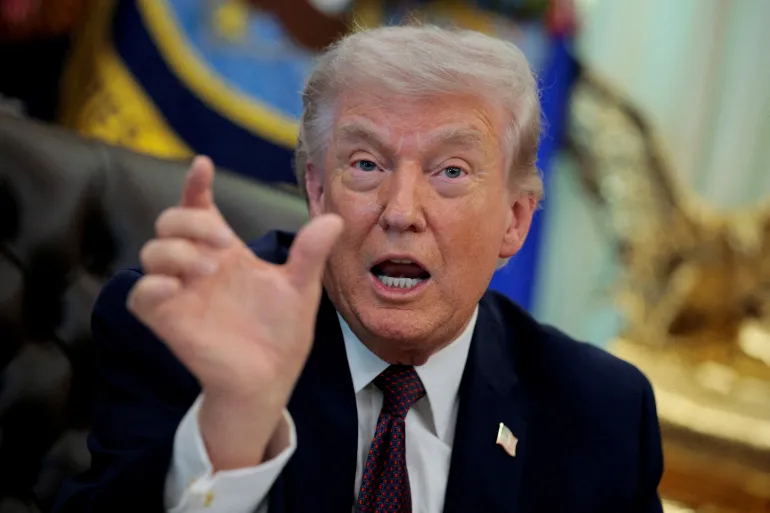
World leaders back US-Iran deal as Tehran hails ‘new phase’ for Middle East
Iranian President Masoud Pezeshkian said on Monday that the proper implementation of the memorandum of understanding reached with the United States could mark the beginning of “a new phase” for both Iran and the wider Middle East, as governments around the world welcomed the agreement and voiced hope that it would bring lasting stability to a region shaken by months of conflict. Speaking on Iranian state television, Pezeshkian described the deal as “a document of pride for Iran” capable of addressing numerous outstanding issues. He said the understanding represented not only a domestic achievement but also “a major gain” for the region and what he called the resistance front, adding that its details would be made public at an appropriate time. The Iranian president thanked the country’s negotiating team and said the agreement would not have been possible without the support and guidance of Supreme Leader Mojtaba Khamenei. The breakthrough followed an announcement by Iran’s Supreme National Security Council that Tehran and Washington had finalized the text of the memorandum after months of what it described as difficult and intense negotiations. According to the council, the agreement provides for an immediate and permanent end to military operations on all fronts, including Lebanon, as well as the lifting of the US naval blockade on Iran and the reopening of the Strait of Hormuz. A formal signing ceremony is expected on Friday, while negotiations on a final comprehensive agreement are to continue after both sides begin implementing their commitments. US President Donald Trump declared that the agreement had been completed and said ships, including oil tankers, were already moving through the Strait of Hormuz. “The vessels are moving again,” Trump wrote on Truth Social, describing the shipping route as “completely safe.” A senior US official said Trump, Vice President J.D. Vance, and Iranian Parliament Speaker Mohammad Bagher Ghalibaf had signed the memorandum electronically, although details of the arrangement have not been independently confirmed. The agreement triggered a wave of international reactions. Oman’s Foreign Minister Badr Albusaidi described the accord as “a timely victory for diplomacy and common sense,” while Bahrain, Saudi Arabia, and Kuwait welcomed the breakthrough as an important step toward restoring regional stability. Egypt said it had worked seriously and sincerely over recent months, in coordination with regional and international partners, to help bring the parties to this point and end the war. Jordan described the deal as an important step toward restoring regional and international security, while Iraq reaffirmed its support for dialogue and diplomatic solutions to regional crises. Qatar, which played a role alongside Pakistan in facilitating contacts between the two sides, called the agreement “an important step toward sustainable peace.” Prime Minister and Foreign Minister Sheikh Mohammed bin Abdulrahman Al Thani said the understanding would strengthen regional stability and economic growth. Pakistani Prime Minister Shehbaz Sharif praised the agreement as the culmination of intensive mediation efforts, expressing confidence that it would lay the foundations for lasting peace in the Middle East. Turkish President Recep Tayyip Erdogan welcomed the breakthrough and thanked the United States, Iran, Pakistan, Qatar, and Saudi Arabia for supporting diplomatic initiatives. He urged all parties to avoid statements or actions that could undermine the process before the formal signing ceremony. Turkish Foreign Minister Hakan Fidan described the accord as a significant step toward durable peace and stability. China also welcomed the memorandum, saying it hoped the document would be signed as planned and stressing that reopening the Strait of Hormuz would benefit the entire international community. French President Emmanuel Macron said the agreement could pave the way for broader regional de-escalation and called for its swift and full implementation. He added that the Franco-British international maritime mission stood ready to support the urgent and unconditional reopening of the Strait of Hormuz. British Prime Minister Keir Starmer described the accord as “an extremely important achievement,” reiterating that Iran must never acquire nuclear weapons and that freedom of navigation through the strait must be restored without restrictions or transit fees. European Commission President Ursula von der Leyen welcomed the diplomatic progress but cautioned that any future lifting of European sanctions would depend on a “real, credible and verifiable” change in Iran’s behaviour. United Nations Secretary-General António Guterres described the agreement as “a decisive step” toward peace in the Middle East. His spokesperson said the UN chief hoped the parties would build on the new momentum and intensify efforts to secure a lasting resolution to the conflict. The post World leaders back US-Iran deal as Tehran hails ‘new phase’ for Middle East first appeared on Dailynewsegypt .
15 Jun 2026
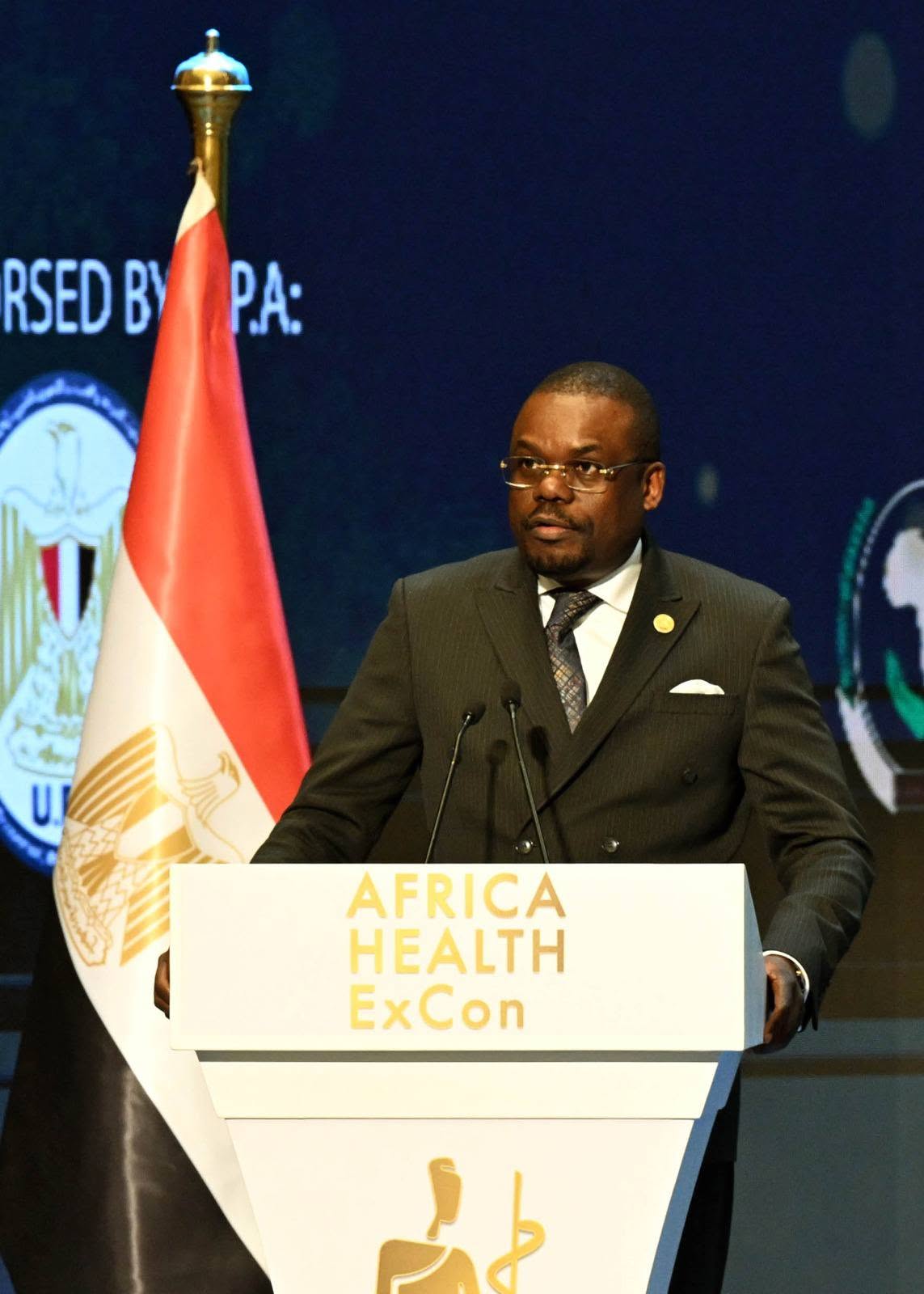
Egypt opens Africa Health ExCon 2026 as Africa CDC chief warns of Ebola threat
Egyptian Prime Minister Mostafa Madbouly on Monday opened the fifth edition of the Africa Health Exhibition and Conference (Africa Health ExCon 2026), where Africa CDC Director-General Jean Kaseya warned of severe continental risks from the Ebola virus epidemic and called for a unified medical procurement mechanism. Opening the four-day event running from June 15 to 18 on behalf of President Abdel Fattah Al-Sisi, Madbouly received Serbian Prime Minister Djuro Macut prior to the opening ceremony, with Macut participating in the inaugural proceedings. Addressing the conference, titled “Health Sovereignty in Africa: Leadership, Resilience, and Self-Reliance,” Kaseya described the Ebola epidemic as the most widespread and dangerous outbreak facing the continent. He stated that the conference must address the necessary actions required to counter this significant threat, urging the development of local production pathways within each country alongside joint initiatives. Kaseya also thanked President El-Sisi for Egypt’s continuous support to African nations and its decision to dispatch medical supplies, describing the move as a reflection of solidarity. Egyptian Minister of Health and Population Khaled Abdel Ghaffar said the conference embodies Egypt’s vision to enhance African health sovereignty and establish the continent as a global hub for innovation, manufacturing, and health trade. Abdel Ghaffar emphasised that the future of African healthcare relies on transitioning from treating illness to building health, moving from reactive systems to proactive ones based on prevention, early detection, innovation, and digital transformation. He added that Africa possesses the human resources, scientific competencies, and investment opportunities to achieve this, noting that Egypt will continue supporting health integration, transferring expertise, building capacity, and localising medical industries under President El-Sisi’s leadership, as investing in health is an investment in human capital, development, and stability. Egyptian Drug Authority Chairperson Ali El-Ghamrawy outlined his organisation’s strategic roadmap until 2030, which is built upon five interconnected pillars. These comprise the growth of the Egyptian medicine market, the localisation of the pharmaceutical industry, the enhancement of Egyptian pharmaceutical exports, the attainment of international recognition alongside regional and global leadership, and the implementation of digital transformation and pharmaceutical tracking. El-Ghamrawy added that the event serves as an extension of an ambitious vision to build a safer, more sustainable health and pharmaceutical community grounded in innovation, partnership, and integration. The event is organised by the Egyptian Authority for Unified Procurement, Medical Supply, and the Management of Medical Technology (UPA). UPA Chairperson Hesham Stait welcomed attendees, noting that the exhibition has become a prominent platform for dialogue, cooperation, and strategic partnerships in the African healthcare sector, bringing together decision-makers, health leaders, development partners, and experts. Stait noted that this year’s edition gains special significance from the participation of the Serbian Prime Minister, reflecting growing bilateral relations between Egypt and Serbia, and from the continuous strategic partnership with the Africa CDC, which is co-hosting the event for the second consecutive year. This year’s exhibition features the participation of more than 400 local, regional, and international companies, with expected attendance exceeding 45,000 experts and decision-makers from around the world. The event includes more than 21 extensive dialogue and specialised sessions, alongside intensive technical workshops aimed at translating health challenges into tangible investment and development opportunities. The opening ceremony also included the screening of a documentary film detailing achievements from previous editions of the conference. Organisers stated that the event represents the largest healthcare gathering on the African continent, aimed at enhancing health security, achieving integration among African nations, supporting the local manufacturing of medical supplies and pharmaceuticals, expanding healthcare investment and innovation, and strengthening medical supply chains. The event is held in cooperation with the Africa CDC and aligns with the objectives of the African Union’s Agenda 2063 and Egypt’s Vision 2030 for sustainable development. The conference is attended by current and former ministers, members of parliament, heads of international and regional organisations, ambassadors, and diplomatic representatives. A comprehensive array of Egyptian health entities are participating as main partners, including the Ministry of Health and Population, the UPA, the Egyptian Drug Authority, the General Authority for Healthcare Accreditation and Regulation, the General Authority for Healthcare, and the General Authority for Universal Health Insurance, alongside universities, educational hospitals, relevant regulatory and oversight bodies, and major pharmaceutical companies. Over its four days, the conference schedule features a comprehensive programme of panel discussions, specialised forums, and technical workshops. These sessions will address several vital files, including the localisation of medical industries, enhancing drug security, digital transformation in the health sector, artificial intelligence applications, healthcare financing, and the development of medical supply chains, alongside mechanisms for building health systems that are more resilient and capable of responding to future health crises and emergencies. The post Egypt opens Africa Health ExCon 2026 as Africa CDC chief warns of Ebola threat first appeared on Dailynewsegypt .
15 Jun 2026
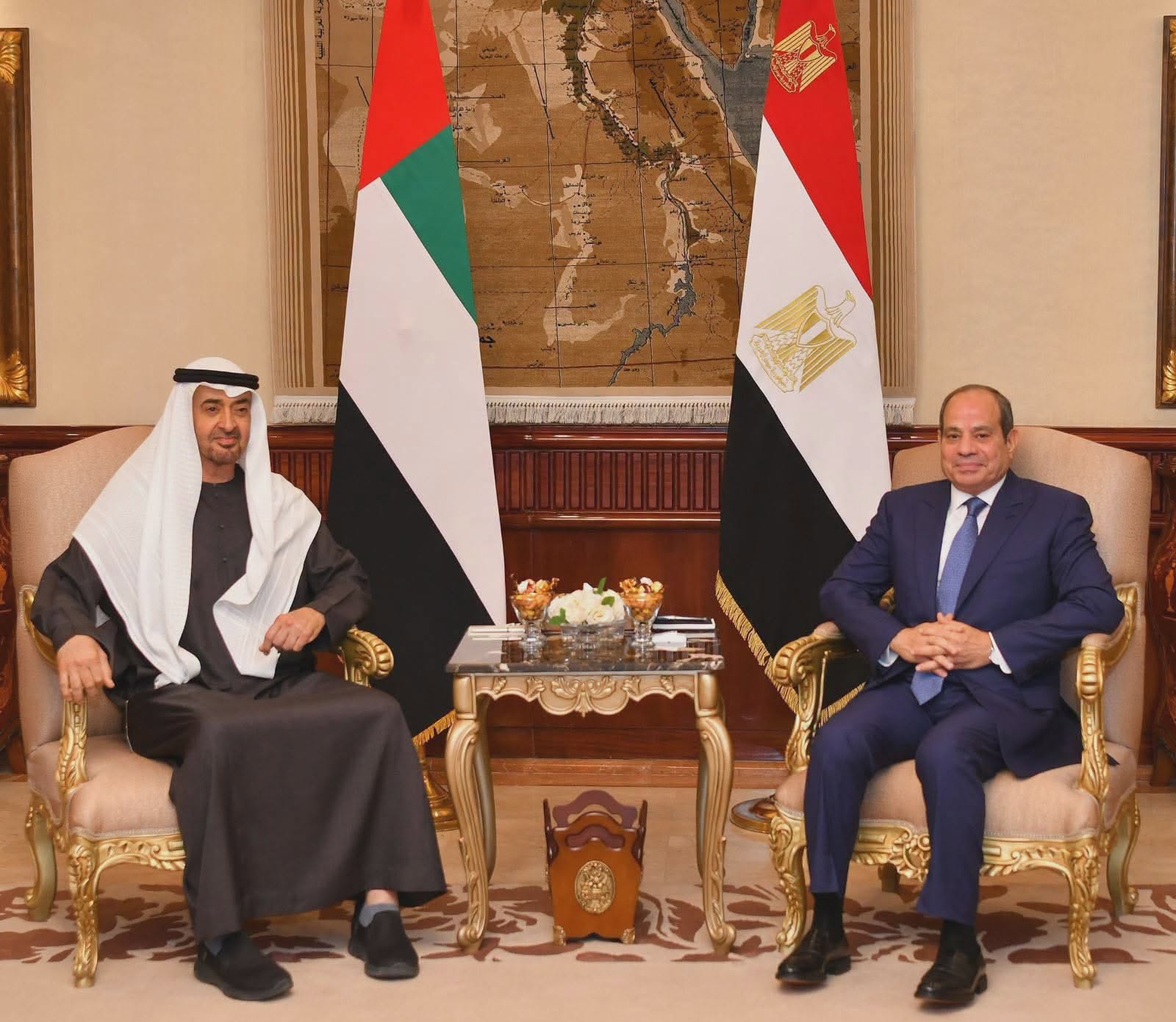
Al-Sisi, UAE’s Mohammed bin Zayed welcome Iran ceasefire, Hormuz reopening
Egyptian President Abdel Fattah Al-Sisi and United Arab Emirates President Sheikh Mohammed bin Zayed Al Nahyan welcomed the recent agreement to halt the war with Iran and reopen the Strait of Hormuz, stressing the importance of continued Arab coordination to address regional challenges. According to a statement from the Egyptian presidency, Sheikh Mohammed bin Zayed arrived in Cairo on a fraternal visit and held expanded talks with Al-Sisi, followed by a one-on-one meeting focusing on bilateral relations and regional developments. Al-Sisi reaffirmed the strategic nature of Egypt-UAE ties and reiterated Egypt’s full support for the stability, sovereignty, and security of the United Arab Emirates. He stressed that the security of the UAE and Gulf states constitutes “an integral part of Egypt’s national security” and reaffirmed Cairo’s commitment to supporting Gulf countries and other Arab states. For his part, Sheikh Mohammed bin Zayed expressed appreciation for the warm reception and praised the exceptional ties linking the two countries at both official and popular levels. He also underscored the importance of maintaining close consultations with Egypt on bilateral relations and regional developments, while expressing appreciation for Egypt’s support for the security and stability of Gulf states. The two leaders reviewed a number of regional issues of mutual concern and welcomed the recently reached agreement to end the war with Iran and reopen the Strait of Hormuz to maritime traffic, describing de-escalation as an important step towards restoring regional stability. They also agreed on the need to maintain coordination among Arab countries to safeguard Arab interests and security amid growing regional challenges. Al-Sisi outlined Egypt’s approach to regional crises, which is based on supporting comprehensive and sustainable political solutions aimed at restoring peace and stability and redirecting national resources towards development rather than conflict. The presidency said the meeting reflected the ongoing consultations between the leaders of Egypt and the UAE on bilateral and regional issues within the framework of their longstanding strategic partnership. The post Al-Sisi, UAE’s Mohammed bin Zayed welcome Iran ceasefire, Hormuz reopening first appeared on Dailynewsegypt .
15 Jun 2026
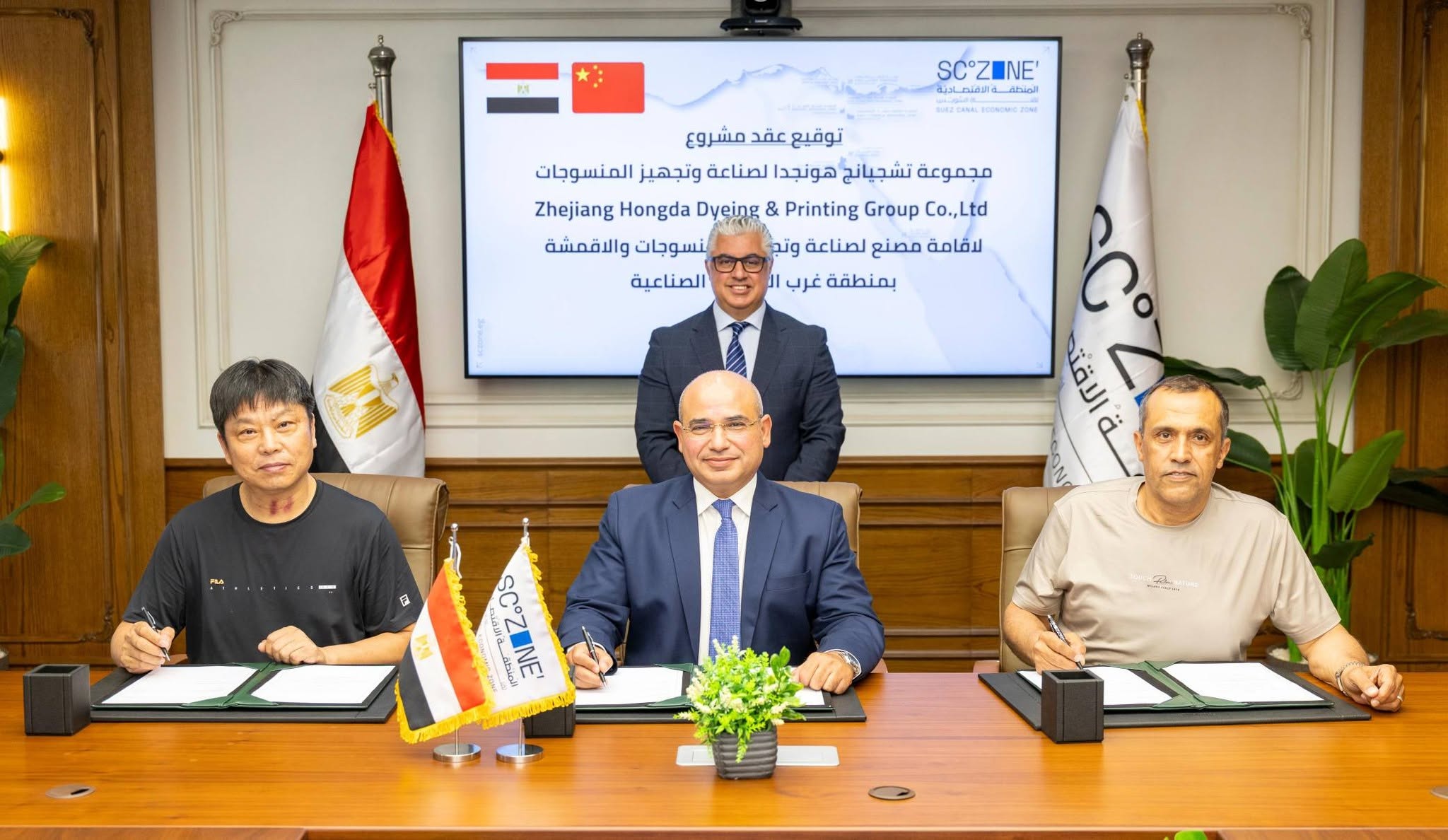
Egypt’s SCZone signs $20m contract with China’s Zhejiang Hongda for textile project
The General Authority for the Suez Canal Economic Zone (SCZone) signed a contract on Monday with Chinese company Zhejiang Hongda to establish a $20m textile manufacturing and processing project in the Qantara West Industrial Zone. The development, which spans 60,000 square metres, carries an investment cost of $20m and is projected to create approximately 500 direct jobs, according to an SCZone statement. The facility is expected to export 70 percent of its total production. The contract was signed at the authority’s headquarters in the Administrative Capital by SCZone Vice Chairman for Investment and Promotion Mostafa Shekhoun, and the company’s owners, Maliang Lin and Abdel Malek Al-Dhabi, in the presence of SCZone Chairperson Walid Gamal El-Din. Speaking on the sidelines of the signing ceremony, Gamal El-Din said the Qantara West zone is experiencing rapid growth in attracting direct investment from various countries across priority sectors, led by textiles, ready-made garments, food industries, and logistics operations. The total number of active industrial, service, and logistics projects in the Qantara West Industrial Zone has reached 53, Gamal El-Din said. Total investment costs for these projects have reached $1.48bn, covering an aggregate area of more than 3.42m square metres and providing around 69,000 direct jobs. Gamal El-Din added that every new project within the targeted localisation sectors in the Qantara West zone directly reduces the import bill, increases Egyptian exports, and satisfies the requirements of both domestic and neighbouring regional markets. He noted that the SCZone remains committed to providing all necessary support to investors and industrial developers, ensuring that infrastructure and utility projects are completed according to scheduled timelines to meet demand across the authority’s industrial areas and maritime ports. The post Egypt’s SCZone signs $20m contract with China’s Zhejiang Hongda for textile project first appeared on Dailynewsegypt .
15 Jun 2026
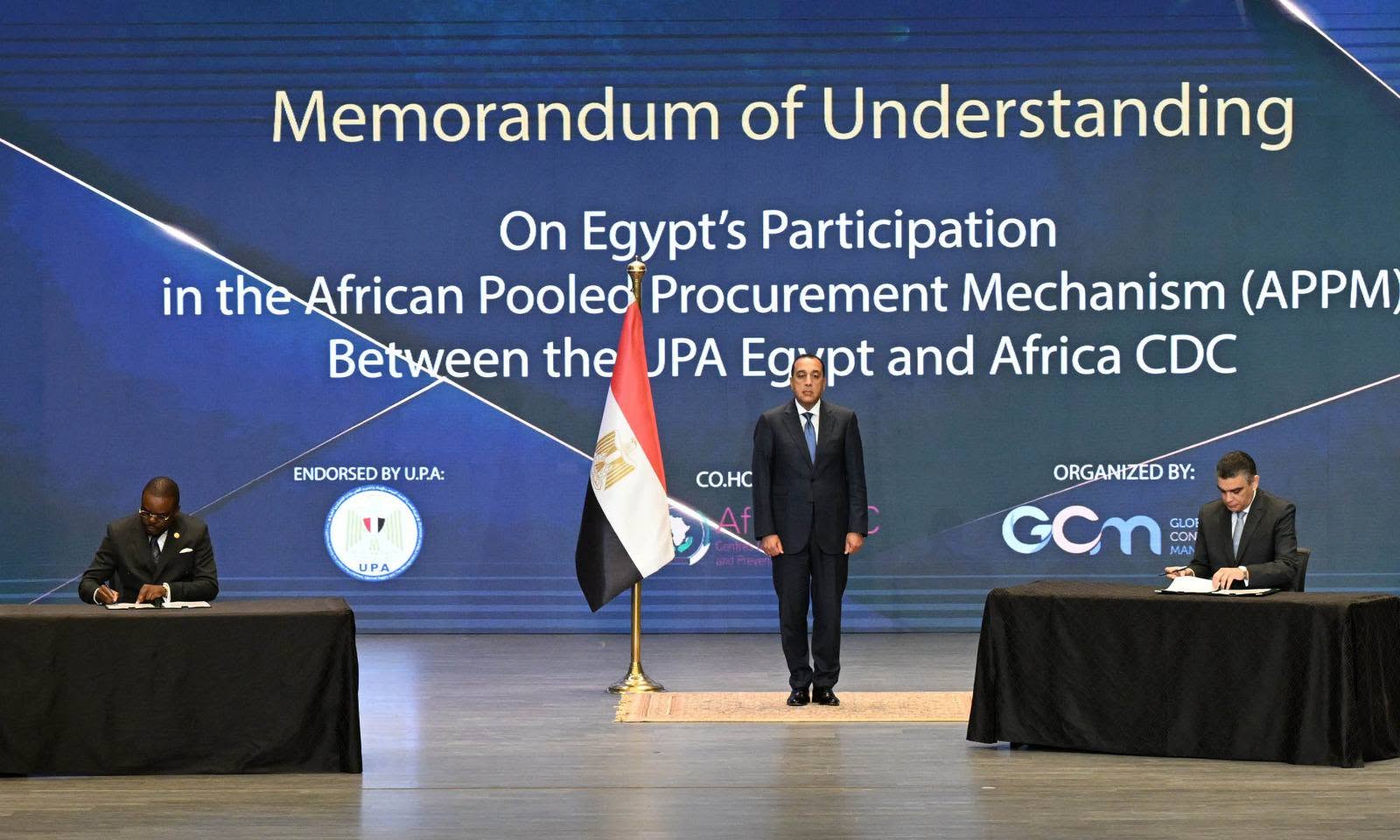
Cairo to host African Pool Procurement Mechanism operational headquarters under new Africa CDC accords
Egypt will host the operational headquarters of the African Pool Procurement Mechanism (APPM) and formally participate in the continental initiative under two agreements signed with the Africa CDC on Monday. The memoranda of understanding (MoUs) were finalised on the sidelines of the fifth Africa Health Exhibition and Conference (Africa Health ExCon 2026) in Cairo. Egyptian Prime Minister Mostafa Madbouly witnessed the signing ceremony on behalf of President Abdel Fattah El-Sisi. The two procurement accords were signed by Hisham Stait, Chairman of the Egyptian Authority for Unified Procurement, Medical Supply, and the Management of Medical Technology (UPA), and Jean Kaseya, Director-General of the Africa CDC. The first agreement establishes Egypt as the host for the operational headquarters of the APPM, while the second regulates Egypt’s direct participation in the mechanism. A third strategic MoU was signed between the Egyptian Drug Authority (EDA) and the National Agency for Pharmaceutical Products of Algeria to establish cooperation in the field of pharmaceutical products and medical supplies. This agreement was signed by EDA Chairperson Ali El-Ghamrawy and Cherif Delih, Director General of the Algerian agency. Official statements noted that the three agreements aim to enhance regional and international cooperation, support African integration, and develop medicine and healthcare systems to contribute to achieving health security and sustainable development. The four-day conference is being held under the auspices of President Al-Sisi. The post Cairo to host African Pool Procurement Mechanism operational headquarters under new Africa CDC accords first appeared on Dailynewsegypt .
15 Jun 2026
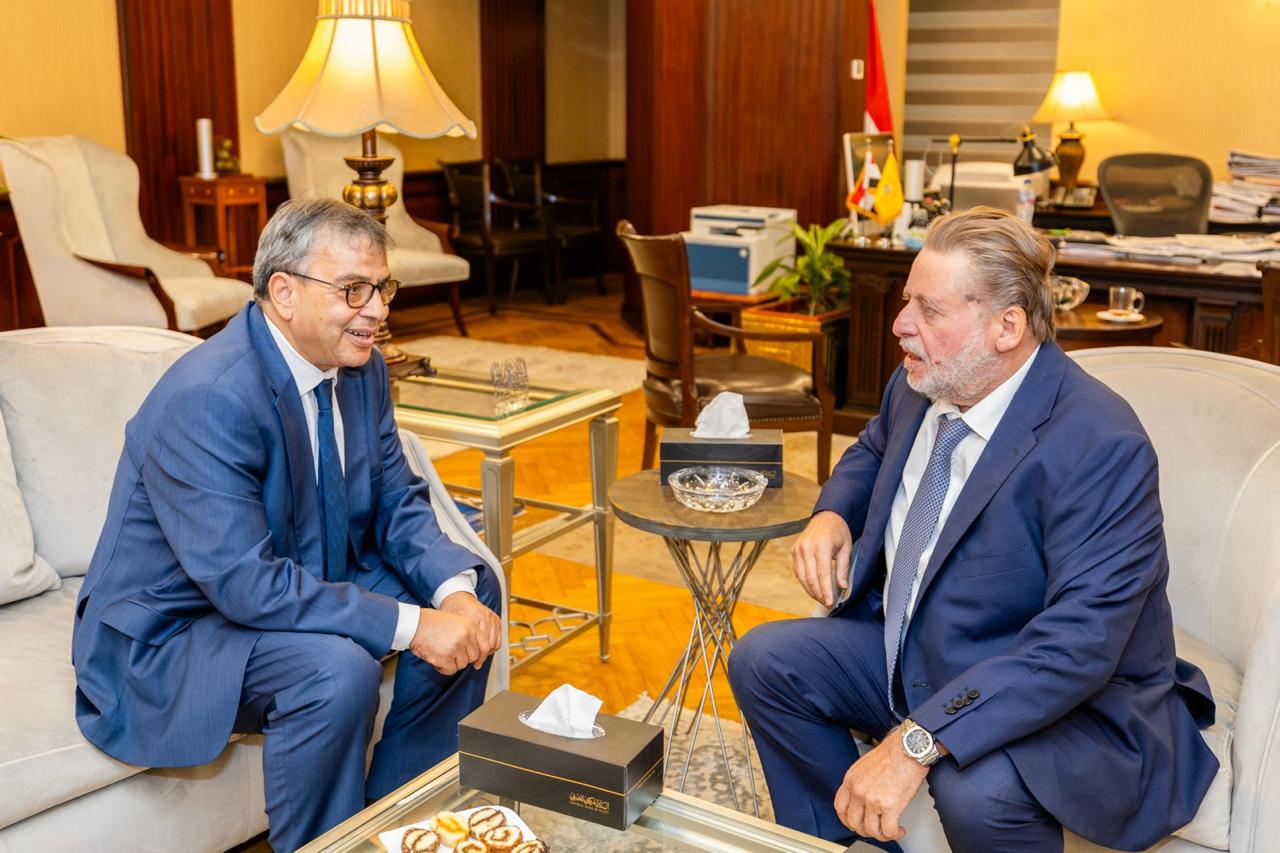
CBE Governor explores enhanced cooperation with Tunisian counterpart
Hassan Abdalla, Governor of the Central Bank of Egypt (CBE), received Fathi Zouheir Nouri, Governor of the Central Bank of Tunisia, to discuss avenues of joint cooperation between the two institutions. During the meeting, Abdalla highlighted the deep-rooted historical ties and fraternal relations between Egypt and Tunisia, noting their continuous development across various levels in ways that support stronger economic cooperation between the two sister nations. The discussions focused on enhancing collaboration between the two central banks across all areas, within the framework of the memorandum of understanding signed between them. This agreement provides for the exchange of expertise in fields such as financial stability and monetary policy. Both sides also reviewed key regional and international economic and financial developments, as well as the efforts undertaken by the two central banks to address current global and regional geopolitical challenges. They emphasized strengthening the banking sector’s capacity to support development plans and achieve sustainable growth. At the conclusion of the meeting, both parties underscored the importance of maintaining coordination and consultation in the coming period to further strengthen bilateral relations and advance the shared interests of the two countries. The memorandum of understanding signed between the CBE and the Central Bank of Tunisia in September 2024 aims to facilitate the exchange of experiences and expertise through workshops, training programs, conferences, and meetings. It also promotes cooperation in technical fields according to the needs of both parties. These areas include financial stability, regulatory developments, exchange rate policy, human resources, settlement and payment systems, financial inclusion, cash and liquidity management, research, publications and statistics, anti-money laundering and counter-terrorism financing, supervision and oversight of regulated entities, monetary policies and operations, digital transformation and modernization of information systems, cybersecurity, and the management of banking operations for governments and public institutions. The post CBE Governor explores enhanced cooperation with Tunisian counterpart first appeared on Dailynewsegypt .
15 Jun 2026
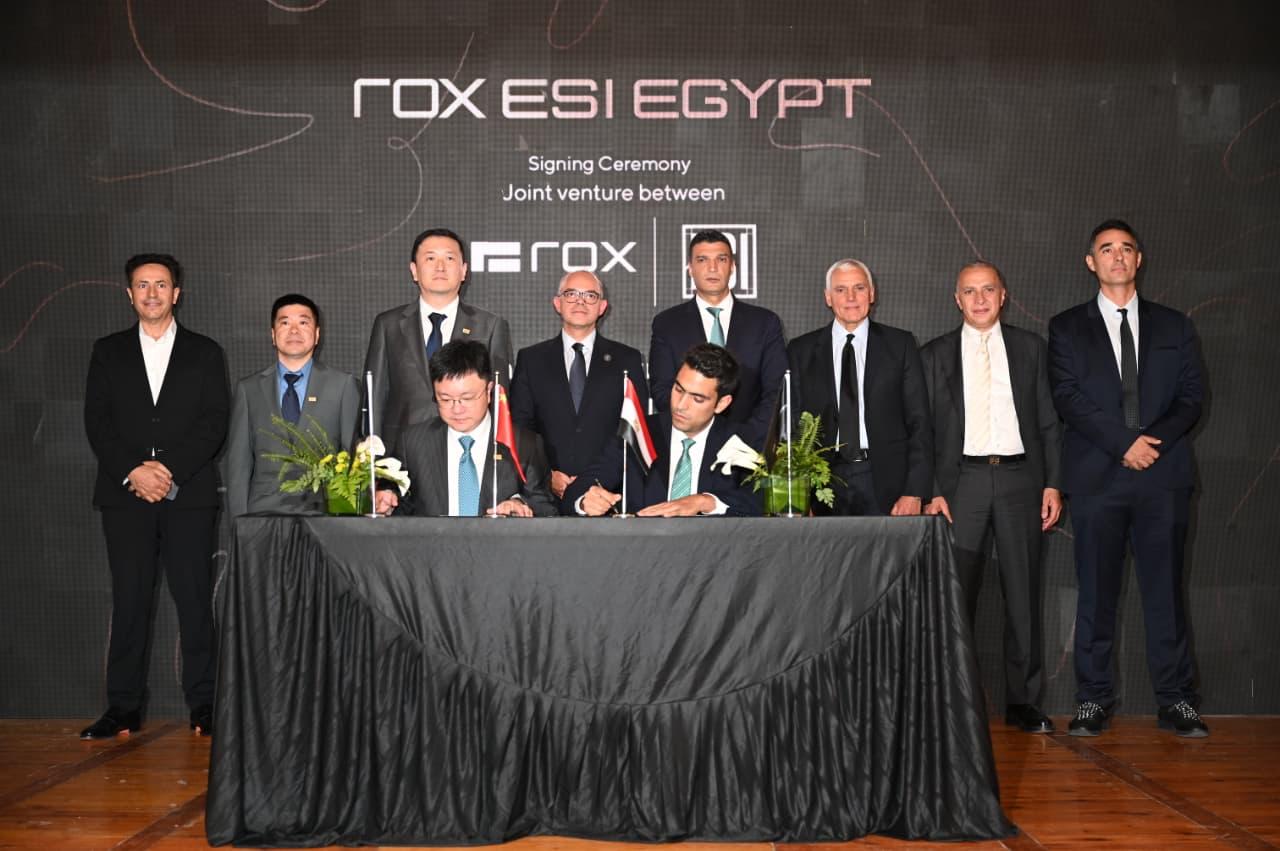
ROX ESI Egypt to manufacture new-energy vehicles for domestic, export markets
Egypt has taken another step toward becoming a regional hub for advanced automotive manufacturing after the launch of a strategic partnership between Ezz Elarab Elsewedy Investments (ESI) and global new-energy vehicle manufacturer ROX Motor to establish ROX ESI Egypt and begin local production of ROX REEV vehicles. The agreement was signed in the presence of Minister of Industry Khaled Hashem and Minister of Investment and Foreign Trade Mohamed Farid, alongside ROX Motor Founder and CEO Jarvis Yan, ESI Chairperson Hisham Ezz Elarab, and Group Founder and Partner Ahmed Elsewedy. The partnership forms part of Egypt’s broader strategy to localize advanced industries, attract export-oriented investments, and strengthen the country’s position as a regional manufacturing and export base for new energy vehicles. Speaking during the signing ceremony, Investment and Foreign Trade Minister Mohamed Farid said the partnership represents a sophisticated model of technology-driven investment and knowledge transfer, reflecting growing confidence among global companies in Egypt’s economic prospects and investment climate. He noted that the project aligns with the government’s efforts to attract productive industrial investments capable of deepening local manufacturing, increasing value addition, boosting exports, and integrating Egypt more effectively into global value chains. “This partnership reflects the state’s vision of attracting technology-based investments that support industrial development and export growth,” Farid said. “It also demonstrates the increasing confidence of international companies in Egypt’s economy and competitive advantages.” The project will leverage the existing industrial platform of the Ezz Elsewedy Automotive Factories (ESAF), which has attracted investments exceeding $100m and currently possesses an annual production capacity of approximately 40,000 vehicles. Expansion plans are expected to increase production capacity to more than 80,000 vehicles annually in future phases. According to the implementation timetable, production of ROX vehicles in Egypt is scheduled to begin during the second or third quarter of 2027, with production volumes gradually increasing to approximately 10,000 vehicles annually within the first three years. More than half of the first phase of production is expected to be allocated for export to Gulf and African markets starting in the second half of 2027, supporting Egypt’s ambitions to become a regional center for the manufacture and export of new energy vehicles. Farid emphasized that Egypt possesses significant competitive advantages, including its strategic location linking Africa, the Middle East, and Europe, an extensive network of free trade agreements, a large domestic market, and an expanding industrial base capable of supporting advanced manufacturing industries. He described new energy vehicles as one of the government’s priority sectors due to their potential to facilitate technology transfer and increase local content. He also highlighted investment opportunities across automotive supply chains, including batteries, sensors, electronic systems, wiring harnesses, tires, glass products, plastics, rubber components, displays, and other high-value automotive technologies. The minister noted that the government continues to coordinate closely with the Ministries of Industry and Finance to update the National Automotive Industry Development Program, increase local content ratios, and expand the supplier ecosystem supporting the sector. He added that Egypt offers a comprehensive package of investment incentives, including those available under Presidential Decree No. 218 of 2022 governing the National Automotive Industry Development Program, as well as customs and investment law incentives covering machinery imports, production lines, reduced tariff rates, and export rebate mechanisms. Farid stressed that the Ministry of Investment and Foreign Trade is committed to simplifying licensing procedures and improving investor services through an integrated framework that supports companies from establishment and licensing to production and access to international markets. For his part, Industry Minister Khaled Hashem described the agreement as a tangible outcome of Egypt’s National Automotive Industry Strategy and evidence of a fundamental transformation in the country’s investment environment. “After years of presenting plans and visions to convince global manufacturers that Egypt is the ideal regional investment hub, we are now witnessing major international companies establishing direct investments and genuine partnerships,” Hashem said. “This marks a transition from promotion to implementation and from planning to realizing results on the ground.” The minister noted that the project is fully aligned with the government’s strategy to localize manufacturing and maximize value addition, particularly in strategic sectors such as automotive production and clean-energy transportation technologies. Hashem highlighted the automotive industry as one of Egypt’s top industrial priorities under the national program aimed at increasing domestic vehicle production to 100,000 vehicles annually by 2030. He noted that the government is supporting this objective through a comprehensive package of incentives and facilitation measures designed to attract investment and accelerate industrial growth. He emphasized that deepening local manufacturing remains the primary objective of the current phase, describing the partnership between ROX Motor and Ezz Elarab Elsewedy as arriving at an ideal time to create a meaningful transformation in Egypt’s automotive sector. “The project has the potential to meet growing domestic demand while strengthening Egypt’s export capabilities and expanding the presence of Egyptian-made vehicles in international markets,” Hashem said. The minister also called on the company to develop a clear roadmap for increasing local content and value addition as production expands, emphasizing the importance of creating a robust domestic supply chain and maximizing the transfer of advanced manufacturing technologies. Concluding his remarks, Hashem expressed appreciation to both ROX Motor and Ezz Elarab Elsewedy for their commitment to investing in Egypt and reaffirmed the government’s support for projects that contribute to industrial localization, technology transfer, and sustainable economic growth. The launch of ROX ESI Egypt is expected to further strengthen Egypt’s automotive ecosystem, attract additional component manufacturers and suppliers, and support the country’s long-term goal of becoming a leading regional production and export hub for next-generation vehicles. The post ROX ESI Egypt to manufacture new-energy vehicles for domestic, export markets first appeared on Dailynewsegypt .
15 Jun 2026
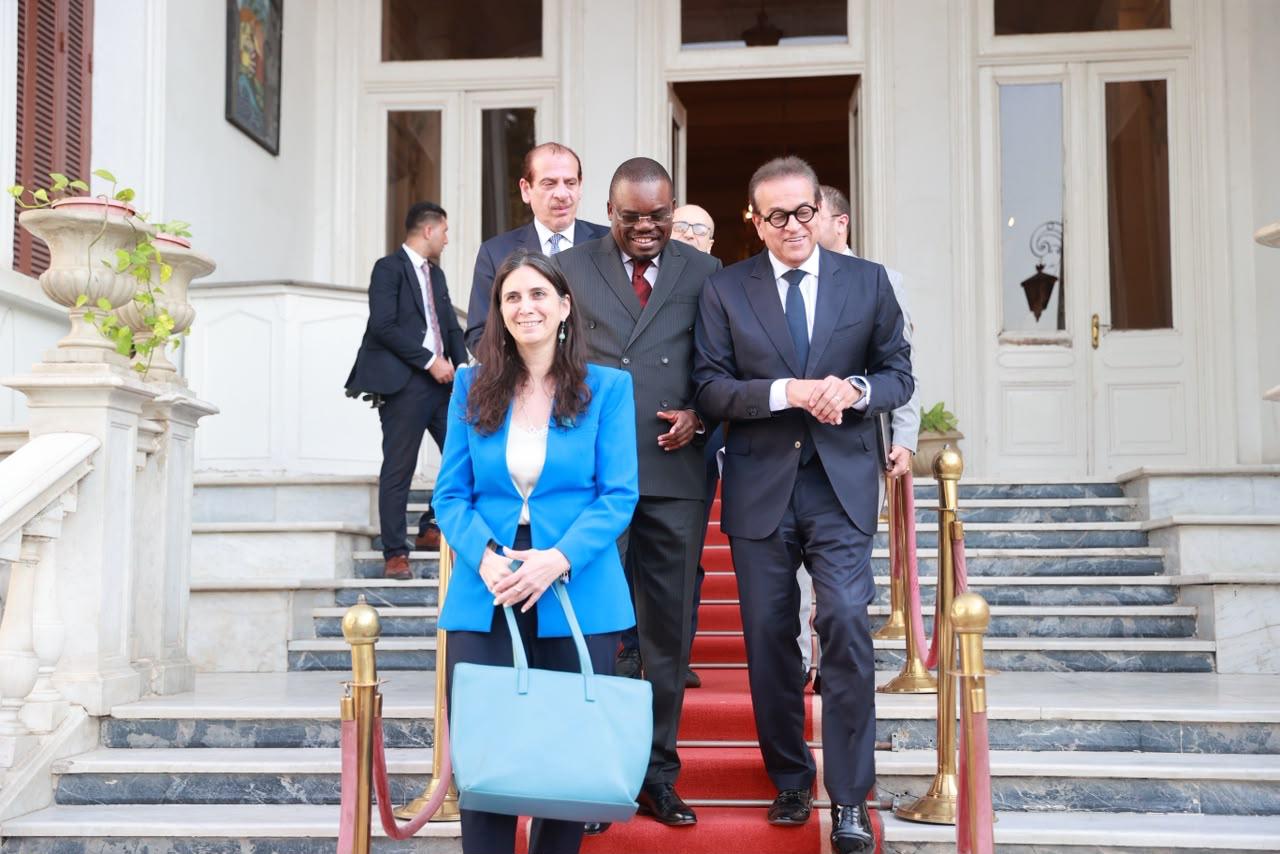
Egypt, Africa CDC strengthen cooperation on preventive healthcare
Egypt and the Africa Centres for Disease Control and Prevention (Africa CDC) discussed expanding cooperation in preventive healthcare and public health, focusing on strengthening health infrastructure and improving medical waste management systems. Egypt’s Health Ministry said Health Minister Khaled Abdel Ghaffar met with Africa CDC Director General Jean Kaseya to review ongoing joint initiatives and discuss future plans aimed at supporting the country’s preventive health sector. Abdel Ghaffar praised the support provided by Africa CDC, highlighting its contributions in supplying vehicles for hazardous medical waste disposal, shredding and sterilisation equipment, refrigerated vehicles for transporting vaccines and sera, transport vehicles for vaccination and rapid response teams, as well as cold storage units for vaccine preservation. Health Ministry spokesperson Hossam Abdel Ghaffar said the meeting focused on promoting long-term investment in preventive healthcare, including the provision of medical equipment and supplies needed to strengthen public health services. He added that the two sides agreed on a plan to establish four safe medical waste disposal sites in the governorates of Cairo, Assiut, Sohag, and Aswan, with completion targeted for August. The discussions also covered specialised training programmes to improve the skills of preventive healthcare teams, including training in supply chain management and immunisation programmes, as well as preparing health directorate staff to handle medical waste safely and sustainably. According to the ministry, the cooperation forms part of broader efforts to strengthen the resilience of Egypt’s health system and improve preparedness and response to health threats and disease outbreaks. The meeting was attended by Deputy Health Minister Amr Kandil, Head of the Preventive Medicine Sector Radi Hamad, and UNICEF Representative in Egypt Natalia Winder Rossi. The post Egypt, Africa CDC strengthen cooperation on preventive healthcare first appeared on Dailynewsegypt .
15 Jun 2026
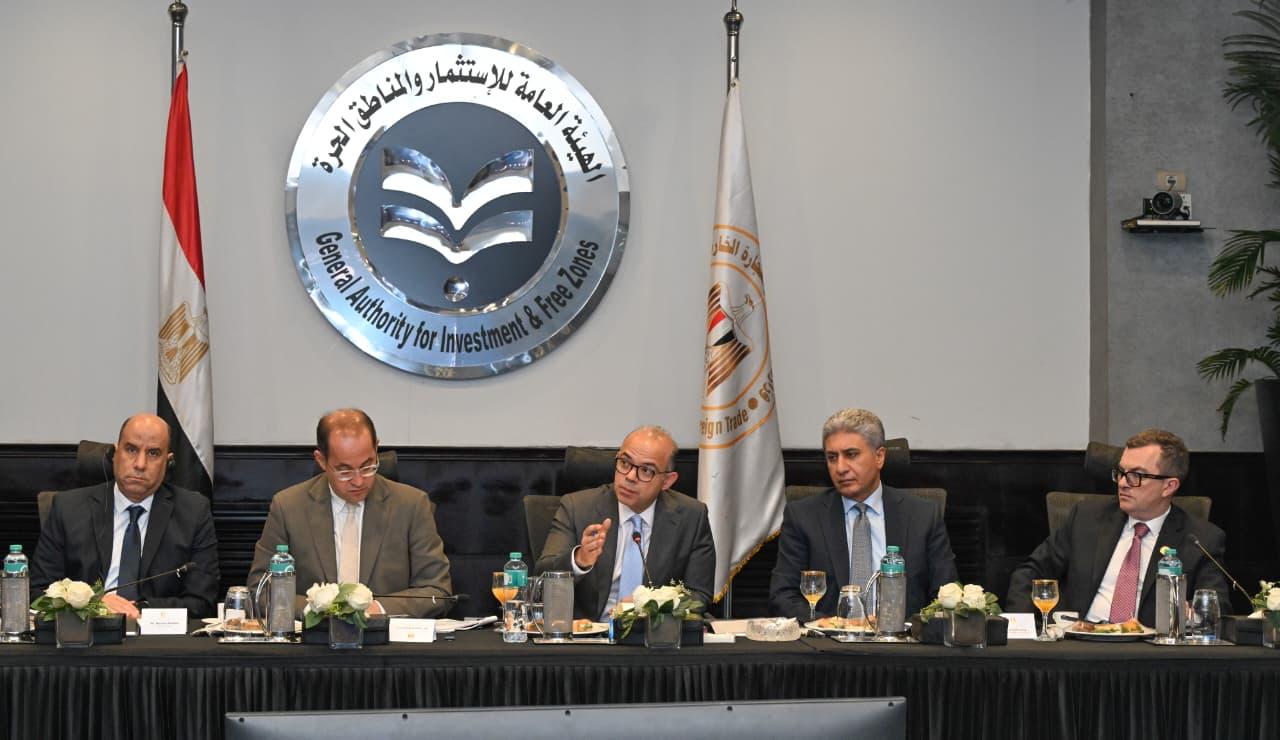
Egyptian government discusses executive framework for FDI strategy with World Bank
The Ministry of Investment and Foreign Trade hosted a high-level meeting to discuss the executive framework of Egypt’s foreign direct investment (FDI) strategy. The meeting reflects the state’s direction of moving from strategic planning to integrated implementation, while strengthening coordination between economic and sectoral policies in support of sustainable development goals and the competitiveness of the Egyptian economy. The meeting was attended by Mohamed Farid, Minister of Investment and Foreign Trade; Khaled Hashem, Minister of Industry; Ahmed Kouchouk, Minister of Finance; Ahmed Rostom, Minister of Planning and Economic Development; Hassan Raddad, Minister of Labour; Sherif Fathy, Minister of Tourism and Antiquities; representatives from relevant ministries; and a high-level delegation from the World Bank Group. Government Cooperation and Integrated Implementation The Minister of Investment and Foreign Trade stressed that the strategy represents a comprehensive framework reflecting the outcome of extensive work undertaken over the past period with the participation of various ministries and relevant entities. He praised the level of government cooperation and integration involved in its preparation. He added that the current phase requires government coordination to identify priority sectors for promotion, improve policies for attracting foreign direct investment, and move from the theoretical framework to practical implementation. This will be achieved through establishing a clear path for monitoring, evaluation, and continuous coordination with all stakeholders—foremost among them the Information and Decision Support Centre—to ensure integrated verification and alignment of sectors and competitiveness methodologies. Farid explained that the ministry had prepared the final version of the executive action plan in cooperation with the World Bank Group and relevant national entities. In the coming period, intensive technical meetings will be held to review the proposed sectors, discuss their strategic opportunities, and determine mechanisms for implementation within an integrated framework linking policies, reforms, and promotion tools. He stressed that the objective is to produce an updated and practically applicable implementation document, on the basis of which two versions will be prepared: one in Arabic and another for publication and the official launch of the strategy. The Minister also emphasized that the preparation of the FDI strategy and its executive framework is consistent with the requirements of the Supreme Council for Investment, chaired by the President of the Republic. World Bank Presents Integrated Framework for FDI Representatives of the World Bank Group presented the strategy’s executive framework, explaining that it is based on an integrated methodology combining economic data analysis, FDI indicators, global value chain studies, and extensive consultations with government entities, the private sector, and international organizations. They explained that the framework was developed through three main pillars: defining strategic objectives, building clear and measurable implementation pillars, and identifying priority sectors according to a methodology that combines sector attractiveness, competitive viability, and alignment with the state’s development objectives. They noted that the work relied on a combination of quantitative and qualitative data, including investment indicators, economic complexity analysis, trade and investment data, as well as extensive consultations with ministries and the business community, to ensure the realism and accuracy of the findings. The World Bank delegation added that the proposed sectors include those with high added value and strong export opportunities. However, the list remains under continuous consultation with the Egyptian government before a final decision is taken, to ensure alignment with state priorities and development plans. They also explained that the coming period will witness intensive engagement by World Bank teams, in cooperation with Egyptian ministries, to complete technical consultations, develop implementation frameworks, link them to supporting policies and reforms, and establish monitoring and impact assessment mechanisms to ensure effective implementation. The presentation highlighted the importance of focusing on institutional capacity-building, developing data systems, enhancing targeted investment promotion, and linking investment to structural reforms in the business environment—all of which would contribute to strengthening the global competitiveness of the Egyptian economy. Industry Ministry Updates Export Strategy to 2030 For his part, the Minister of Industry explained that the Ministry of Industry recently updated Egypt’s industrial strategy, which aims to increase industrial exports to $100bn by 2030. The strategy identifies seven priority industries based on comprehensive criteria and standards, in addition to a number of enabling, strategic, and complementary industries. Hashem stressed the importance of ensuring that the FDI strategy is based on genuine integration between industrial and investment policies, in order to direct investments towards high value-added productive sectors and strengthen the competitiveness of Egyptian industry in regional and international markets. He noted that the success of attracting investments is not linked solely to identifying target sectors, but also to the readiness of the supporting industrial environment, including the availability of industrial land, simplified procedures, and the development of local supply chains, which contribute to deepening local manufacturing and increasing domestic content in production. He added that the coming period requires greater coordination among relevant entities to ensure consistency between industrial policies and the objectives of the strategy, with a focus on attracting quality investments in advanced and technology-based industries, thereby supporting the state’s plans for industrial transformation, export growth, and sustainable development. The Minister of Finance stressed the importance of enhancing the quality and scope of economic data to reflect the true size of the Egyptian economy, highlighting the need to develop financial disclosure systems and improve data collection mechanisms to ensure the accuracy of FDI indicators. Kouchouk explained that maximizing the benefits of data requires improving institutional efficiency and linking data systems to fiscal policies, enabling more accurate and effective decision-making. He also stressed the importance of integration between government entities to ensure policy coherence and improve resource allocation efficiency. Planning Ministry: Building Sustainable Data Systems In a related context, the Minister of Planning and Economic Development stressed the importance of developing the institutional infrastructure of data collection systems and analytical methodologies to ensure the sustainability of the system and its capacity for continuous improvement. Rostom highlighted the need to integrate risk management into the design of the strategy and to link sector assessments to their ability to adapt to crises, while supporting sectors with strong competitive advantages. He also emphasized the importance of enhancing integration between different sectoral policies and linking them to the investment and planning framework to maximize the utilization of available resources. Labour Ministry: Linking FDI with Employment Strategy For his part, the Minister of Labour stressed that the executive framework of the FDI strategy, currently under discussion with World Bank representatives, is of significant importance in light of global economic developments. He emphasized the need for it to be integrated with the National Employment Strategy recently launched by the ministry, as a national framework linking training, employment, economic development, and social development. Raddad explained that the ministry supports investment and investors through capacity-building, employment services, incentives, and the creation of a decent and investment-friendly working environment, while ensuring job security and compliance with international labour standards. He noted that the National Employment Strategy to 2030 aims to create around 1.4 million jobs annually by fostering an investment-friendly labour environment, directing investments towards labour-intensive sectors, developing young people’s skills, and linking education and training to labour market needs. He added that successful investment depends on the existence of an organized labour market and a supportive legislative environment, stressing that training, employment, capacity-building, and investment are interconnected pathways that contribute to attracting investments and transforming them into real job opportunities, thereby supporting sustainable development and improving citizens’ quality of life. Tourism Ministry: Strengthening Sector Resilience and Competitiveness Meanwhile, the Minister of Tourism and Antiquities stressed the importance of establishing a unified and clear architecture for the data collection system from the earliest stages, covering the methodologies, models, and systems underpinning data collection and management processes, while ensuring their gradual and continuous development to suit the nature of each sector. Fathy pointed out that assessing sector resilience should take into account Egypt’s experience of rapid recovery from crises, particularly in the tourism sector, which has demonstrated a strong ability to restore growth rates and maintain investment attractiveness despite exceptional global and regional challenges. He stressed that sector resilience does not depend solely on the nature of the sector itself, but also on the existence of an effective system for identifying, managing, and mitigating risks, thereby enhancing responsiveness to changing circumstances. He also explained that Egypt’s tourism sector possesses unique competitive advantages that support its sustainable growth. He noted that integrating advanced analytical tools and artificial intelligence technologies into Egypt’s tourism promotion strategy, alongside modern content distribution and marketing methods, has strengthened Egypt’s competitiveness in international markets. This ensures the targeting of the most suitable source markets and audience segments, maximizes returns from promotional campaigns, and supports sustainable growth in tourist arrivals and tourism revenues. He added that expanding hotel capacity remains a priority in order to achieve Egypt’s target of welcoming 30 million tourists annually by 2030, through expanding different accommodation models—including the introduction of holiday homes—as well as developing investment incentives linked to implementation speed and adherence to national priorities, alongside promoting environmental sustainability and energy efficiency. He concluded by stressing the need to attract further investment and improve the business environment to support the growth of the tourism sector and enhance its contribution to the national economy. Cross-Ministerial Partnership to Enhance Policy Integration Representatives from several ministries also stressed the importance of partnership and government integration in coordinating economic policies, in a manner that strengthens the competitiveness of the Egyptian economy and enhances its ability to attract investment. They highlighted the importance of redefining the concept of investment promotion to make it more closely linked to Egypt’s development vision and more consistent with the objectives of various ministries, thereby improving the investment environment and directing investment towards priority sectors. They also emphasized the need to identify priority sectors according to scientific methodologies that take sustainable development goals into account, while providing a supportive environment of integrated policies and reforms involving all government entities. It was further confirmed that the World Bank had proposed a number of priority sectors, while consultations with the government continue to finalize the list, paving the way for the formulation of supporting policies and reforms, alongside the launch of promotion programs, monitoring mechanisms, and impact assessments. Participants added that the coming period will witness joint efforts between the World Bank and several ministries to complete the implementation framework and ensure the rapid translation of the strategy into tangible results on the ground. The Minister of Investment and Foreign Trade concluded the meeting by stressing the importance of the extensive discussions held between the various ministries and the World Bank Group, noting that the next phase will involve intensive work on technical reviews and institutional coordination. He expressed his appreciation for the participation of all ministers, stressing that the primary objective is to strengthen government integration and transform the strategy into a practical and implementable action plan that supports the national economy, increases FDI inflows, and achieves sustainable development goals. Farid also confirmed that the Ministry of Investment will continue to play its coordinating and supportive role with all ministries to ensure that the final document reflects the Egyptian state’s vision and strengthens its position as a competitive investment destination at both the regional and international levels. The post Egyptian government discusses executive framework for FDI strategy with World Bank first appeared on Dailynewsegypt .
15 Jun 2026

Opinion | Corniche Contemplations
Following the collapse of the Ptolemaic dynasty, Roman documents referred to Alexandria as Alexandria ad Aegyptum —“Alexandria beside Egypt”—marking it as distinct from both the Nile Valley hinterland and other areas bearing Alexander the Great’s name. More than two millennia on, the Mediterranean remains so integral to identity that Alexandrians are known to specify their hometown within moments of conversation (and in the opening lines of an article) rather than letting nationality suffice. This strong attachment to the particulars of place is now being fundamentally tested as large-scale development redraws our familiar shore. Taking in the salty air of a warm sunset with cool gelati is a seaside tradition and global asset. The charm of the ‘Pearl of the Mediterranean’ shone brightly last month when President Abdel Fattah Al-Sisi received French President Emmanuel Macron. Footage of their picturesque stroll towards Qaitbay Citadel circulated widely online, capturing what looked to be a genuinely enjoyable experience. While coordinating high-level movement requires meticulous arrangements, the scene conveyed a composed ease that highlights the enduring appeal of public realms for reunion, recreation and reflection. As Egypt holds the presidency of the Barcelona Convention for 2026-2027 and continues to champion the Union for the Mediterranean, Alexandria stands at the centre of regional efforts to govern vulnerable coasts. This role brings with it a corresponding responsibility: to ensure that maritime agendas do not drift into abstract frameworks or an overreliance on technical metrics, but remain attentive to the real, interdependent relationship between locals and locale, citizen and sea. Honouring that bond takes on new urgency as Egypt steers an ambitious maritime agenda. Our evolving strategy integrates tourism, ports, logistics corridors, fisheries and aquaculture, coastal development and environmental management into a coordinated national vision. Such efforts reflect a growing recognition that the benefits of development can only endure as long as the systems that sustain them are protected: economic planning and ecological stewardship must chart the same course. Alexandria is where these converging trajectories first make landfall. With many of its low-lying coastal districts only a few metres above the rapidly rising Mediterranean, the city is exposed to land subsidence, coastal erosion and flash flooding. Recent construction along the Corniche—including an integrated stormwater drainage network, submerged breakwaters and a major overpass at Mohamed Naguib Street—aims to strengthen climate resilience. Vast installations of coastal barriers, seawalls and thousands of interlocking tetrapods placed along the shoreline sit alongside the widened highway, which now spans 32.5 metres with five traffic lanes in each direction to ease seasonal gridlock. Taken together, these measures demonstrate a powerful state capacity to deliver solutions at speed and scale, fortifying a metropolis under sustained demographic and environmental pressures. But these engineering endeavours inevitably create distance. For Alexandrians, the water is not merely a view; it is a lifelong companion included in milestones and moments of meditation alike. Sea spray on our cheeks is its disarming form of greeting; the shimmer of fish a promise of goodness; the ebb and flow of waves a barometer of temperament that is read and respected, at times mirrored and projected. It is this intimate choreography that design theorists describe as ‘everyday urbanism’: the informal routines and shared practices through which people animate the city. The Corniche has historically served as a democratising gathering point so universally hospitable that its stone balustrade was deemed the longest sofa in the world. While engineering ramparts against the tide is essential, the exclusivity barriers now proliferating along it are indefensible. Incremental commodification of the waterfront has made tiered what was once a levelled walkway. Private resorts, yacht marinas, overpriced lounges and corporate developments disrupt promenades, sever sightlines and steadily restrict access—leaving only narrow, isolated stretches for everyday use. Severe overcrowding on the remaining public beaches during the summer peak is not simply an indicator of tourism but a consequence of market-driven compression. In a city where ‘six degrees of separation’ feels more like one and social networks seem destined to overlap, being close-knit should not mean having less room to breathe. As travel further along the coast and indoor cooling become less affordable, residents are gradually priced out of restorative downtime. Rather than dismissing this phenomenon as meme fodder, we should acknowledge it as a symptom of commercial interests undermining the urban equilibrium. Fragile coastal ecosystems are similarly reaching a tipping point, highlighting the feedback loop between communities and nature. Care for the environment is fostered through habitual engagement and everyday proximity; people tend to conserve what they feel close to. This speaks directly to the concept of ‘solastalgia’—the distress arising when familiar landscapes are transformed—and to ‘atmospheric urbanism’, an architectural philosophy viewing a city’s sensory character as being as vital as its concrete. The light, wind and sound through which Alexandria is experienced shape this relationship; when these factors are dulled, so too is the sense of belonging that underpins the ‘right to the city’—openly experienced, emotionally resonant and collectively lived. Just as the impact of environmental change on mental health is no longer a tertiary concern, the intangible value of a shore must not be submerged by financial returns. A coast’s lasting worth lies in uninterrupted public access, ensuring inhabitants maintain a free and active connection with the water. Maintaining this bond requires added vigilance as the municipality increasingly becomes a site of industry: manufacturing zones offer employment but also send ripples through the ecosystem—air quality degradation, polluted runs-off and biodiversity loss—affecting water quality, swimming, diving and fishing livelihoods. ‘Blue citizenship’ serves as an emerging global framework that offers a necessary counterpoint to prevailing models of coastal governance. Where the ‘blue economy’ emphasises extractable value, this alternative prioritises everyday exchange, framing the sea as a civic space based on duty rather than consumption. In responding to contemporary pressures, there is an opportunity to balance policy with maritime culture, informed by local voices. Protective infrastructure and climate adaptation remain essential for survival, but so too do pedestrian continuity, visual permeability and unhindered access to the shoreline. When an address is elusive or a street feels unfamiliar, Alexandrians instinctively move towards the sea to regain their bearings. Success cannot be measured by the number of lanes added, volume of investment secured or frequency of projects launched. True progress rests on whether future residents inherit the same elemental relationship with the Mediterranean that has oriented the city for centuries. Preserving the Corniche as a spatial and sentimental compass we can depend on may prove to be the most important form of coastal resilience of all. Nadine Loza is a development strategist, opinion columnist, and Founding Director of the Egypt Diaspora Initiative. The post Opinion | Corniche Contemplations first appeared on Dailynewsegypt .
15 Jun 2026
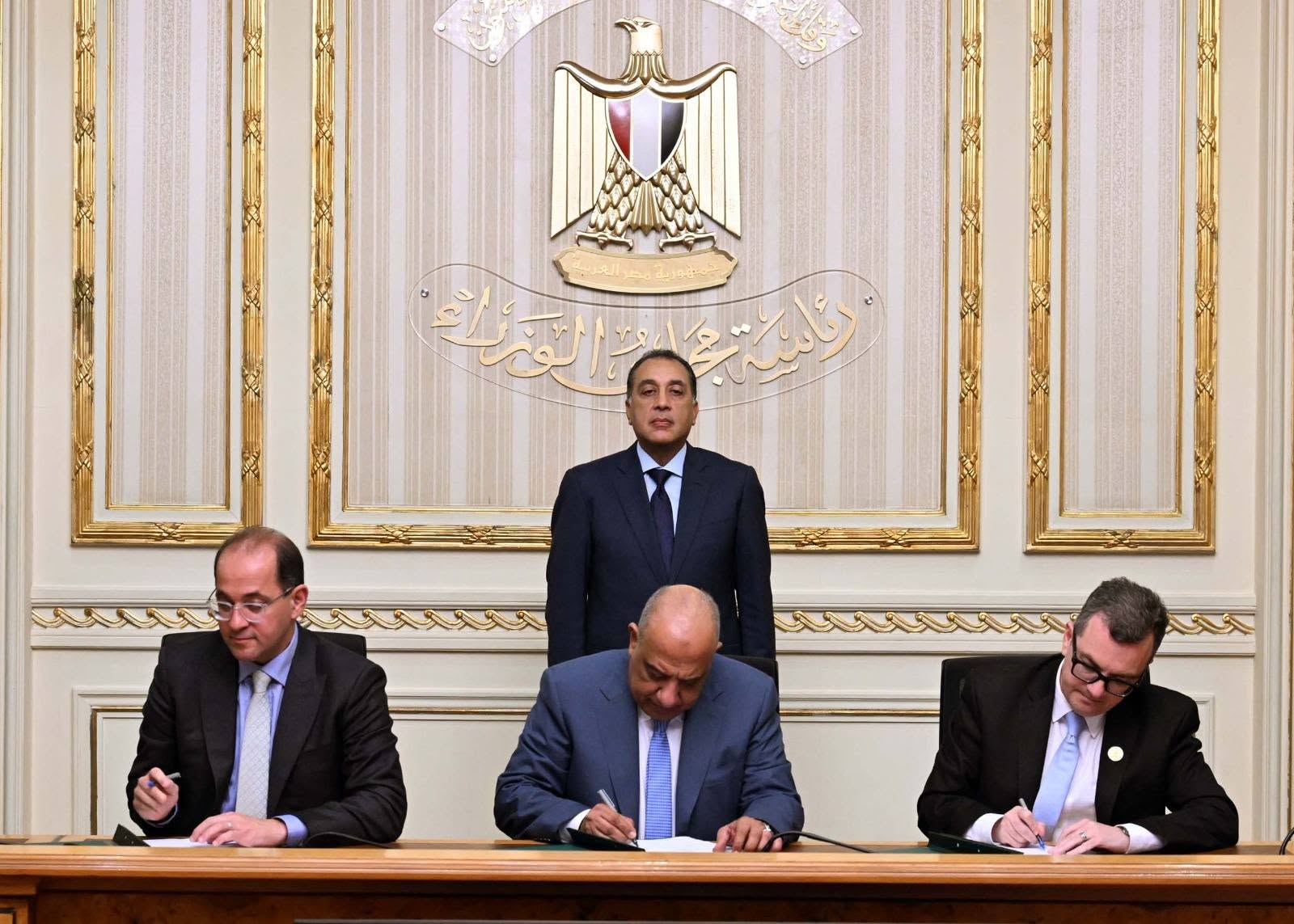
Egypt allocates EGP 60bn to upgrade power grid, support renewable energy expansion
Prime Minister Mostafa Madbouly witnessed the signing of a protocol agreement to finance projects aimed at strengthening and upgrading Egypt’s national electricity grid to accommodate growing renewable energy capacity, as the government accelerates its transition towards a greener and more sustainable energy mix. The agreement was signed by Minister of Electricity and Renewable Energy Mahmoud Esmat, Minister of Finance Ahmed Kouchouk, and Minister of Planning, Economic Development and International Cooperation Rania Al-Mashat. Under the protocol, EGP 60bn will be allocated to support the Egyptian Electricity Transmission Company (EETC), enhancing its financial and operational capabilities and enabling it to implement critical grid expansion and modernisation projects. Following the signing ceremony, Madbouly highlighted the government’s ongoing efforts to expand renewable energy projects and increase their contribution to Egypt’s energy mix in line with the country’s green economy and sustainable development strategy. He stressed the importance of continuing investment in the national electricity grid, as well as transmission, distribution, and evacuation networks, to accommodate the renewable energy capacities planned for the coming years. Esmat said the development and modernisation of the national electricity grid is a continuous process aimed at strengthening its ability to absorb new renewable energy generation capacity while meeting growing electricity demand. He noted that grid expansion projects are essential to ensuring the stability and reliability of electricity supplies and improving service quality across the country. The minister added that efforts are being accelerated to bring solar and wind energy projects online, supported by compressed implementation schedules that align with Egypt’s target of increasing the share of renewable energy to 45% of the electricity mix by 2028. He stressed that securing adequate and reliable electricity supplies remains a key pillar in supporting major national development projects and advancing the country’s broader economic growth agenda. For his part, Kouchouk reaffirmed the Ministry of Finance’s commitment to supporting Egypt’s renewable energy transition, including investments in electricity infrastructure. He noted that strengthening the national grid will help ensure sustainable electricity supplies for citizens and investors alike, while enhancing the competitiveness and attractiveness of Egypt’s industrial, productive, and export-oriented sectors. Meanwhile, Al-Mashat described the protocol as a model of integration between the state’s financial and investment policies. She said the EGP 60bn allocation represents more than sector-specific financing, characterising it as a strategic investment in infrastructure and national projects that are critical to attracting both domestic and foreign investment and encouraging greater private-sector participation in development initiatives. The agreement comes as Egypt continues to expand renewable energy generation and modernise its electricity infrastructure as part of its long-term strategy to support economic growth, improve energy security, and advance sustainability goals. The post Egypt allocates EGP 60bn to upgrade power grid, support renewable energy expansion first appeared on Dailynewsegypt .
14 Jun 2026

Trump urges restraint after Israeli strike on Beirut as Iran deal hangs in balance
US President Donald Trump called for restraint on Sunday after Israeli strikes on Beirut’s southern suburbs threatened to derail what he described as a near-final peace agreement with Iran, warning that a rare opportunity to bring greater stability to the region should not be squandered. “The attack in Beirut should not have happened, especially on such an important day,” Trump said on Truth Social, referring to ongoing efforts to secure a US-Iran understanding. While reiterating that Israel had “the right to defend itself against threats,” he described the incident that triggered the Israeli response as “minor and insignificant.” “We are very close to an agreement that could bring peace to the region, including Lebanon,” Trump wrote. “Israel should not launch further attacks anywhere in Lebanon, and no other party, including Hezbollah, should attack Israel. This could be the beginning of a long and beautiful peace. Don’t ruin it.” Trump’s comments came as Israeli media reported that the country’s security cabinet would convene in a fortified bunker amid concerns over potential Iranian missile attacks. Israel’s police commissioner ordered heightened alert levels nationwide, while the military said air raid sirens had sounded across parts of northern Israel and that the incident was under investigation. Earlier in the day, Israeli warplanes struck Hezbollah targets in Beirut’s southern suburbs following orders from Prime Minister Benjamin Netanyahu and Defence Minister Israel Katz. The Israeli military said it had carried out a “precise strike” against Hezbollah infrastructure in response to fire directed at Israeli territory. Lebanon’s Health Ministry said the strike on the Ghobeiry area killed three people, including two women, and wounded 16 others, according to a preliminary toll. Israeli forces also expanded operations across southern Lebanon. Air strikes and artillery shelling targeted several towns, including Srifa, Choukin, Nabatieh al-Fawqa, and areas around Kfartebnit, while shelling struck the outskirts of Smaiyeh and Deir Qanoun Ras al-Ain near Tyre. Hezbollah said it had responded by launching rockets at concentrations of Israeli troops and military vehicles near Kfartebnit and carrying out a third strike on the southern outskirts of Majdal Zoun. The group also accused Israel of escalating attacks after issuing evacuation orders covering 24 towns and villages south of the Zahrani River. The latest escalation raised concerns in Tehran, where Parliament Speaker Mohammad Bagher Ghalibaf warned that the Beirut strike directly threatened the diplomatic track with Washington. He said the attack had been carried out with a “green light from the United States” and demonstrated either Washington’s unwillingness or inability to uphold previous commitments to protect Beirut’s southern suburbs from attack. Iranian Foreign Minister Abbas Araghchi, however, maintained that Tehran had emerged from the conflict in a stronger position. “Many officials and political observers now acknowledge that Iran has come out of this war more powerful and cohesive,” Araghchi said during a meeting in Tehran, attributing that perception not only to Iran’s military capabilities but also to the resilience and unity of its people. Despite Trump’s repeated insistence that an agreement would be signed on Sunday, Iranian officials urged caution. Foreign Ministry spokesperson Esmaeil Baghaei said negotiations under the so-called Islamabad Memorandum remained focused on ending the conflict and that the nuclear file had deliberately been set aside at this stage. “The timing of any memorandum remains uncertain,” Baghaei said, adding that Tehran was closely monitoring developments amid the absence of clear public signals from Washington. Iran’s Fars News Agency suggested that Trump’s unusual emphasis on securing a Sunday signing reflected a desire to transform the occasion into a symbolic political victory, noting that the date coincided with the US president’s birthday. The agency said Iranian negotiators were aware of the optics and would not allow the process to become a media spectacle. Pakistani Prime Minister Shehbaz Sharif nevertheless struck an optimistic tone, saying the two sides were “closer than ever” to a peace agreement and expressing hope that a deal could be concluded within 24 hours. The developments underscore the fragility of ongoing diplomatic efforts, with renewed military escalation threatening to complicate negotiations that regional and international actors hope could ease tensions and pave the way for a broader period of stability in the Middle East. The post Trump urges restraint after Israeli strike on Beirut as Iran deal hangs in balance first appeared on Dailynewsegypt .
14 Jun 2026
Al-Sisi reviews 105 power grid projects, renewable energy expansion plans
Egyptian President Abdel Fattah Al-Sisi reviewed progress on 105 projects aimed at strengthening the national electricity grid as part of the state’s efforts to improve power stability, enhance energy efficiency, and expand the use of renewable energy sources. According to a statement issued by the presidency, Al-Sisi met with Prime Minister Mostafa Madbouly and Minister of Electricity and Renewable Energy Mahmoud Esmat to discuss the implementation of the second phase of electricity grid reinforcement projects, as well as plans to connect additional solar and wind energy projects to the national grid by 2027. During the meeting, Al-Sisi stressed the importance of improving the quality and reliability of electricity supply, enhancing the efficiency of conventional fuel consumption, and maintaining the stability of the national grid, while ensuring adherence to project implementation schedules. The discussions also reviewed plans to expand solar power generation and battery energy storage systems as part of Egypt’s strategy to increase the share of renewable energy in the national energy mix to 45% within the next two years. Esmat noted that the first phase of the Obelisk Solar Project, with a generation capacity of 500 megawatts (MW), along with an associated battery storage facility with a capacity of 200 megawatt-hours (MWh), had already been connected to the national grid earlier this year. He added that the second phase, also with a capacity of 500 MW, is expected to enter operation in the coming weeks. The meeting further reviewed progress on the Energy Valley project, which the presidency described as one of the world’s largest integrated clean energy developments. The project includes 1.7 gigawatts (GW) of solar power generation capacity in Minya Governorate, supported by battery storage systems with a combined capacity of 4 gigawatt-hours (GWh) distributed across Minya, Qena, and Alexandria. Al-Sisi called for continuous monitoring of renewable energy projects throughout both the implementation and operational phases. He also stressed the importance of strengthening cooperation with local and international private-sector partners and expanding the deployment of energy storage technologies to maximise the benefits of renewable energy generation and support grid stability. The president further emphasised that localising industries related to renewable energy technologies represents a key pillar of Egypt’s efforts to strengthen energy security, reduce dependence on imports, and accelerate the country’s transition towards a greener and more sustainable energy future. The projects form part of Egypt’s broader strategy to modernise its electricity infrastructure, meet growing energy demand, and position the country as a regional hub for renewable energy production and transmission. The post Al-Sisi reviews 105 power grid projects, renewable energy expansion plans first appeared on Dailynewsegypt .
14 Jun 2026
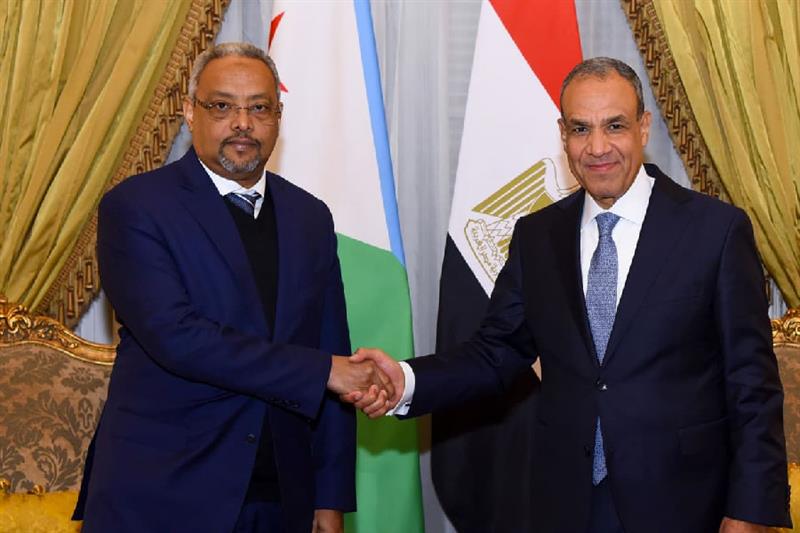
Egypt, Djibouti foreign ministers reject unilateral actions in Horn of Africa during talks
Egyptian Minister of Foreign Affairs Badr Abdelatty and his Djiboutian counterpart Abdelkader Hussein Omar affirmed their rejection of any unilateral actions that compromise state sovereignty or regional stability during a phone call on Sunday focusing on security in the Horn of Africa. Foreign Ministry spokesperson Tamim Khalaf stated that the two diplomats exchanged views on regional security and political developments. Abdelatty reiterated Egypt’s stance on supporting national state institutions, preserving the unity and territorial integrity of nations, and rejecting attempts to impose parallel entities that contradict these principles. Both ministers stressed the need to continue coordination on various international and regional issues to establish peace and security across the African continent, with a specific focus on the Horn of Africa and Red Sea security. During the discussions, Abdelatty praised the momentum in bilateral relations and highlighted a mutual eagerness to enhance cooperation across various sectors, particularly in energy, logistics, ports, maritime connectivity, and infrastructure. The Egyptian minister emphasised the importance of executing joint projects to increase bilateral trade and encourage investment. He also noted the need to support the participation of the Egyptian private sector in the Djiboutian market and to boost technical cooperation through capacity-building courses organised by Egyptian institutions. The post Egypt, Djibouti foreign ministers reject unilateral actions in Horn of Africa during talks first appeared on Dailynewsegypt .
14 Jun 2026
Egypt advances silo modernisation efforts to safeguard strategic grain reserves
Egypt’s Minister of Supply and Internal Trade, Sherif Farouk, chaired the General Assembly meeting of the Egyptian Holding Company for Silos and Storage to discuss and approve the company’s estimated budget for fiscal year (FY) 2026/27, as part of ongoing efforts to strengthen the country’s food security system and enhance storage infrastructure. The meeting brought together members of the General Assembly and the company’s board of directors to review its financial and operational performance, as well as progress in upgrading and modernising the national silo and storage network. Discussions focused on plans to improve operational efficiency, maximise the utilisation of available storage capacities, reduce losses, and maintain the quality of stored grains in line with international technical standards. Farouk emphasised that the Egyptian Holding Company for Silos and Storage represents a cornerstone of Egypt’s food security system due to its critical role in securing and storing strategic grain reserves. He stressed the importance of continuing to modernise the company’s operations and expand the use of advanced technological systems to enhance efficiency, oversight, and overall performance. The minister highlighted the need to accelerate development and modernisation programmes while upgrading assets and infrastructure to support the state’s ability to maintain a secure strategic stockpile of essential commodities and grains. He noted that strengthening storage capabilities is vital to ensuring preparedness for potential challenges and market fluctuations. Farouk also underscored the importance of continuously monitoring performance indicators, reinforcing governance and sound management practices, and investing in human capital development to ensure the company achieves its operational and developmental objectives in a sustainable manner. The meeting reflects the Ministry of Supply and Internal Trade’s ongoing commitment to developing Egypt’s silo and storage system, which remains a key pillar of the country’s food security strategy and a crucial component in improving the efficiency of supply and storage chains nationwide. The ministry views the continued expansion and modernisation of storage infrastructure as essential to safeguarding strategic reserves, reducing waste, and enhancing the resilience of Egypt’s food supply system in the face of regional and global challenges. The post Egypt advances silo modernisation efforts to safeguard strategic grain reserves first appeared on Dailynewsegypt .
14 Jun 2026
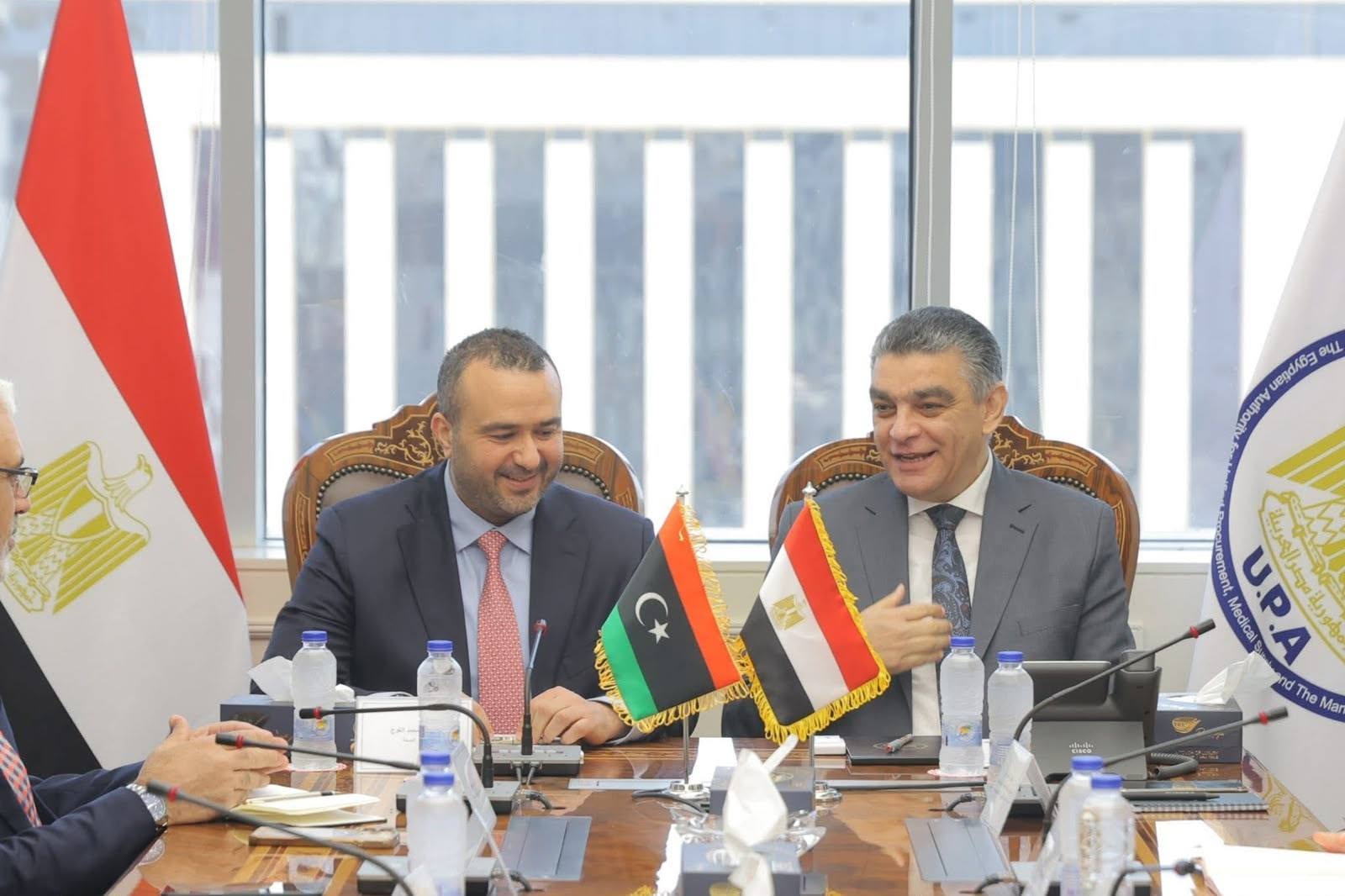
Egypt, Libya explore expanded healthcare cooperation, medical industry localisation
Egypt and Libya have discussed expanding cooperation in the healthcare sector, with a particular focus on pharmaceutical supply, medical industry localisation, training programmes, and healthcare infrastructure, during a meeting between senior officials from both countries. Chairperson of Egypt’s Unified Procurement Authority (UPA), Hisham Stait, received Libyan Minister of Health Mohamed Al-Fouj and his accompanying delegation as part of ongoing efforts to strengthen bilateral cooperation and exchange expertise in the healthcare sector. The Libyan delegation included Mohamed Al-Atouq, Advisor to the Minister for Pharmaceutical Affairs; Adel Al-Tajouri, Director of Planning; Sondos Azzam, Director of International Cooperation; Adnan Issa, Director of the Minister’s Office; and Hannibal Khamaj. During the meeting, both sides underscored the strong historical and fraternal ties between Egypt and Libya and reaffirmed their commitment to deepening cooperation across various sectors, particularly healthcare, in support of development efforts and regional integration. Stait reviewed the rationale behind the establishment of Egypt’s Unified Procurement Authority and its role within the country’s healthcare reform framework. He explained that the authority is one of five key institutions established to modernise Egypt’s healthcare system and is responsible for the centralised procurement of pharmaceuticals, medical supplies, and medical devices, ensuring quality standards while achieving cost efficiency. He highlighted the authority’s contribution to the expansion of Egypt’s pharmaceutical sector and efforts to localise medical industries. According to Stait, the number of pharmaceutical manufacturing facilities in Egypt has increased from approximately 150 to nearly 180 factories, alongside significant progress in localising the production of medical supplies and equipment. Stait also outlined the incentives offered by the authority to companies supporting localisation initiatives, including off-take agreements and guaranteed market shares, aimed at encouraging investment and strengthening domestic manufacturing capabilities. The UPA chairperson further reviewed Egypt’s strategic medical warehouses, which have been established in accordance with international standards to ensure a secure and sustainable stockpile of medicines, medical supplies, and equipment. He noted that these facilities play a critical role in safeguarding Egypt’s medical and pharmaceutical security through advanced infrastructure and smart operating systems. The Libyan delegation expressed strong interest in Egypt’s strategic warehouse model, describing it as a leading example of modern medical supply chain management and expressing a desire to benefit from Egypt’s expertise in this field. For his part, Al-Fouj praised Egypt’s leading role in advancing healthcare systems across the region and expressed Libya’s interest in drawing on Egypt’s experience, particularly in medical industry localisation, training programmes, and the procurement of Egyptian pharmaceuticals and medical products. He noted that Egyptian medical products meet high-quality standards and hold internationally recognised certifications, positioning them well to support the development of Libya’s healthcare sector and improve medical services for Libyan citizens. At the conclusion of the meeting, both sides agreed to continue coordination and discussions in the coming period to advance cooperation in healthcare services, pharmaceutical supply, and the localisation of medical industries, with the aim of achieving mutually beneficial outcomes for both countries. The post Egypt, Libya explore expanded healthcare cooperation, medical industry localisation first appeared on Dailynewsegypt .
14 Jun 2026
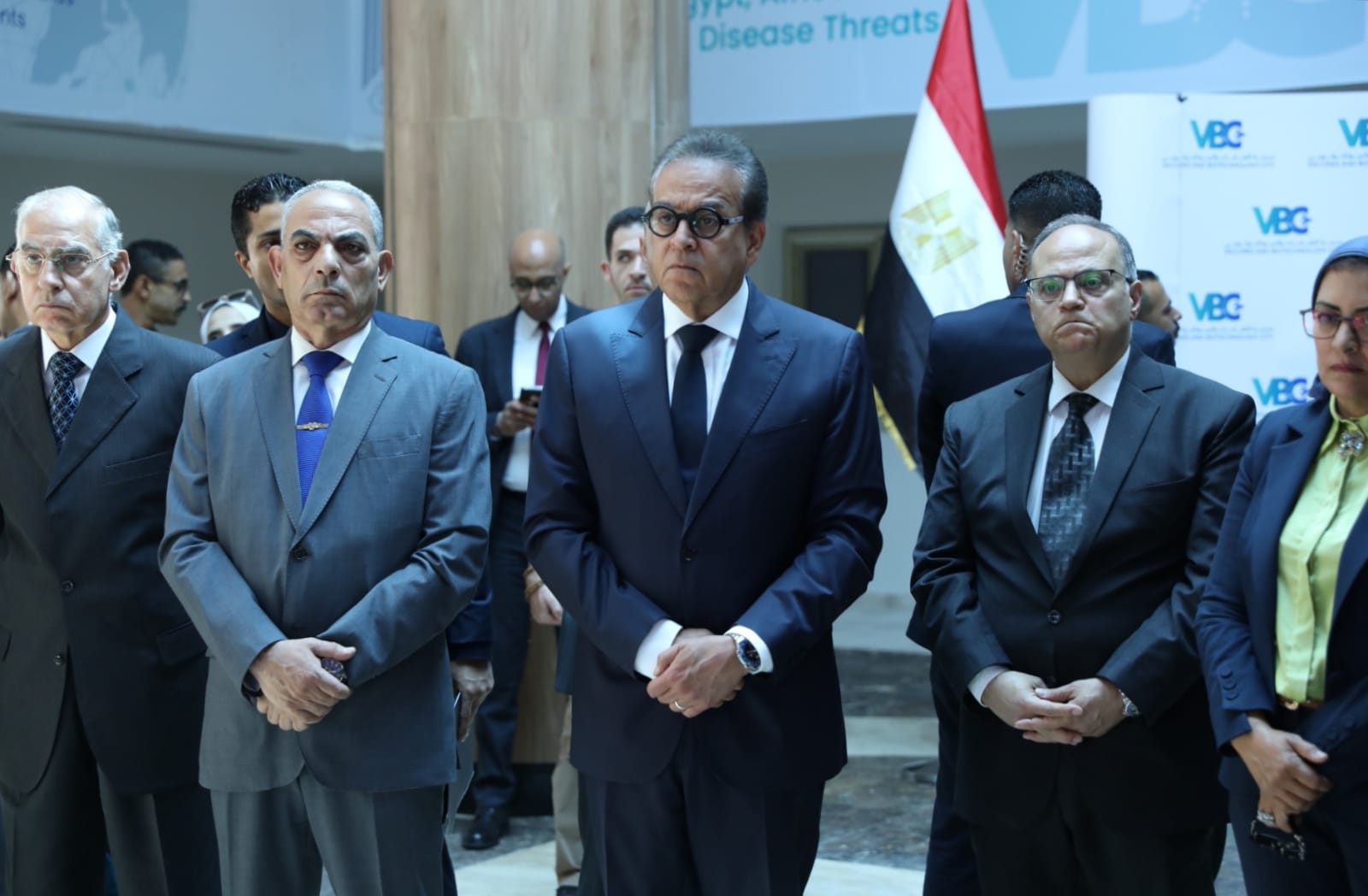
Egypt’s Vaccine City investments to reach EGP 12bn by 2030
Egypt’s Vaccine City and Biotechnology project is expected to attract investments worth EGP 12bn (approximately $240m) by 2030, Minister of Health and Population Khaled Abdel Ghaffar said, describing the initiative as a model of partnership between the government, Egyptian investors, and international partners. Speaking during a visit to the facility in Ismailia Governorate, Abdel Ghaffar said the project reflects Egypt’s strategy to strengthen sustainable health security and localise biotechnology industries. He described the initiative as “a matter of national security” and a launching point for establishing Egypt as a regional hub for vaccine production serving Africa and the Middle East. The minister noted that the project is expected to create around 1,500 jobs for trained Egyptian professionals and will be supported by a specialised academy dedicated to capacity building in line with the objectives of Egypt Vision 2030. Abdel Ghaffar added that the city is equipped with an integrated cold-chain network and advanced storage systems that meet international standards, helping to maintain a strategic vaccine stockpile and strengthen preparedness for epidemics and health emergencies. According to the minister, the facility adopts a “One Health” approach by combining the production of human and veterinary vaccines at a single site to address diseases transmitted between humans and animals. The project also relies on solar and other clean energy sources as part of its environmental sustainability strategy. He stressed that achieving greater self-sufficiency in vaccine production would help reduce import costs and ease pressure on foreign currency demand, while enhancing Egypt’s healthcare resilience. For his part, Ismailia Governor Nabil Hasballah described the project as an exceptional national achievement and evidence of Egypt’s ability to build an advanced technological and research base in the biotechnology sector. Meanwhile, Vaccine City Chief Executive Officer Magdy El-Sayed reviewed the project’s expansion plans and implementation progress, emphasising the importance of coordination among all stakeholders to achieve its strategic objectives. The visit included tours of the city’s training academy, central filling facilities, and three production lines with a combined annual capacity of 140 million vaccine doses. Delegates also toured utility buildings, power and water treatment stations, and specialised cold-storage facilities covering an area of 9,000 square metres. The project forms part of Egypt’s broader efforts to localise strategic industries, enhance pharmaceutical and biotechnology manufacturing capabilities, and strengthen the country’s position as a regional centre for healthcare innovation and vaccine production. The post Egypt’s Vaccine City investments to reach EGP 12bn by 2030 first appeared on Dailynewsegypt .
14 Jun 2026
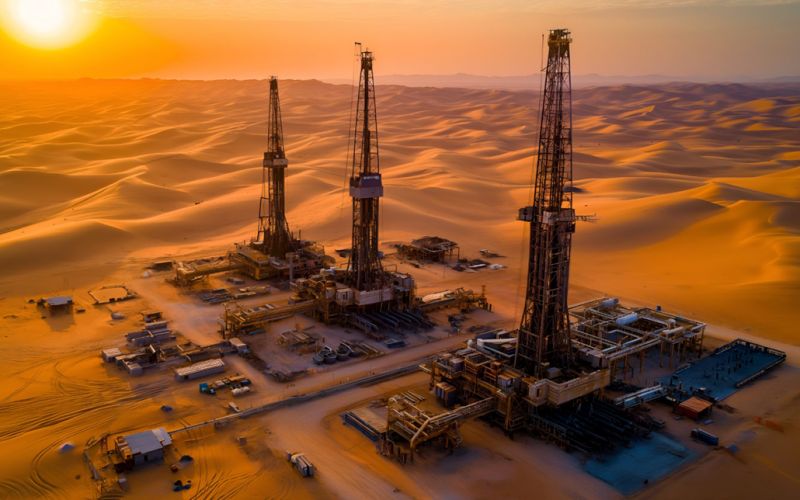
Khalda Petroleum, GPC add 12,000 bpd to Egypt’s Western Desert crude production
Egypt’s petroleum sector has increased production in the Western Desert by approximately 12,000 barrels per day (bpd) of crude oil and condensates over the past two weeks, driven by output growth from Khalda Petroleum and the General Petroleum Company. The Ministry of Petroleum and Mineral Resources attributed the production additions to intensive investment programmes implemented after settling accumulated dues to investment partners. The ministry stated that gradually reducing these arrears over a two-year period restored investor confidence, accelerated exploration and drilling activities, and converted promising opportunities into actual production. Khalda Petroleum, a joint venture between the Egyptian General Petroleum Corporation and U.S.-based Apache Corporation, accounted for more than 10,000 bpd of the recent increase. The company’s production rose from 113,300 bpd on May 26, 2026, to approximately 123,500 bpd on June 8, 2026. According to the ministry, Khalda achieved this increase by bringing five new wells online—three developmental and two exploratory. The company utilised artificial intelligence and digital solutions to accelerate the development of discoveries and maximise production efficiency. Concurrently, the state-owned General Petroleum Company recorded its highest production rates since October 2024. The company’s total output reached approximately 74,500 barrels of oil equivalent per day, which includes roughly 61,000 barrels of crude oil. The company’s recent gains included putting the GPF-1X exploratory well on production in the Abu Senan area of the Western Desert, yielding 1,500 bpd of crude alongside one million cubic feet of natural gas per day. The ministry noted that the Abu Senan operations serve as a model for maximising output from mature fields using modern technologies and Egyptian technical expertise. Drilling results at the GPF-1X site also indicated the presence of oil-bearing structures in additional layers, including North Bahariya and Abu Roash. Further testing and evaluation are planned for the coming period to assess the potential for adding new reserves. The ministry stated that the overall results reflect its strategy to develop new discoveries, expand drilling operations, and create an attractive environment for further investments, which aims to support domestic production and reduce the national import bill. The post Khalda Petroleum, GPC add 12,000 bpd to Egypt’s Western Desert crude production first appeared on Dailynewsegypt .
14 Jun 2026
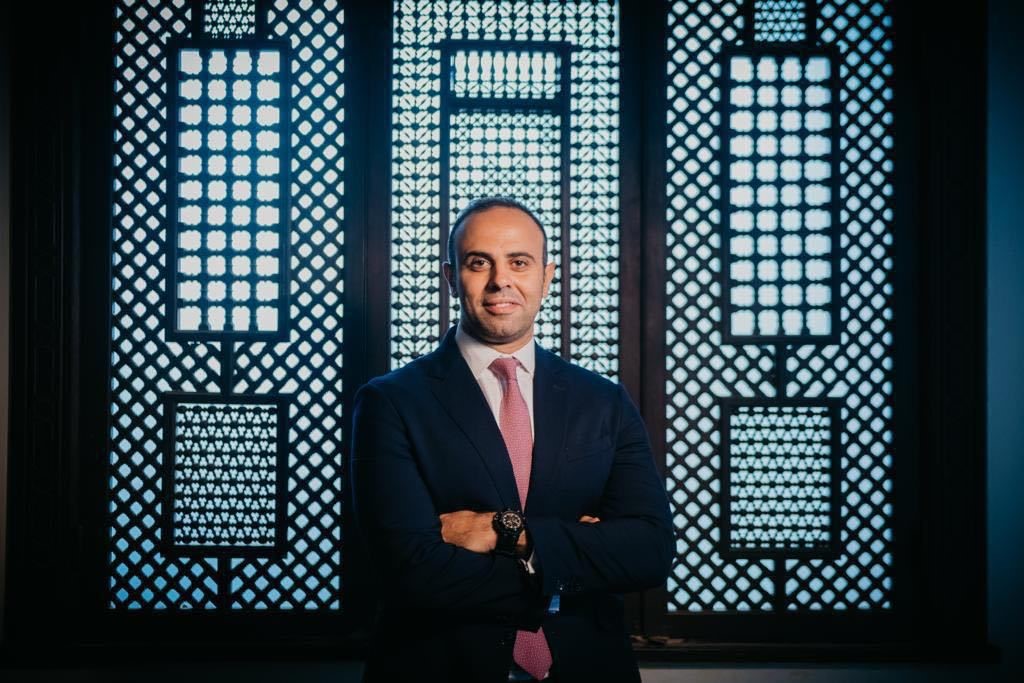
Al Ahly Pharos advises on MNT-Halan funding round, lifting valuation to $1.4bn
Al Ahly Pharos Investment Banking, one of Egypt’s leading investment banking firms, has announced its role as financial advisor to MNT-Halan, the region’s largest fintech ecosystem, on its latest and highly successful fundraising round. The landmark transaction has raised MNT-Halan’s valuation to $1.4bn, reinforcing its position as a leading player in the Middle East and North Africa’s digital financial services sector. The strategic investment by Al Ahly Capital Holding reflects a shared commitment to advancing financial inclusion and accelerating the digitisation of lending and payment infrastructure across the region. Al Ahly Pharos leveraged its deep sector expertise and extensive institutional network to execute the transaction, helping secure optimal outcomes for both the company and its investors. Ahmed Heider, CEO of Al Ahly Pharos Investment Banking, said: “Serving as the exclusive financial advisor to MNT-Halan on this transaction is a testament to our firm’s ability to structure and execute transformative deals in the fintech sector. MNT-Halan is not just a company—it is a catalyst for economic empowerment. “Achieving a valuation of $1.4bn in the current market environment demonstrates investors’ confidence in the company’s robust business model and the vision of its management team. At Al Ahly Pharos, we remain committed to supporting regional champions as they scale their operations and redefine industry standards.” Mounir Nakhla, Founder and CEO of MNT-Halan, said: “We are pleased to have partnered with Al Ahly Pharos on this funding round. Their deep understanding of our business model, combined with their unparalleled insight into regional financial markets, was instrumental in successfully navigating the transaction. “This milestone reflects MNT-Halan’s unwavering commitment to digitising financial services for unbanked and underbanked communities. We are excited to embark on this next phase of growth alongside our investors.” The post Al Ahly Pharos advises on MNT-Halan funding round, lifting valuation to $1.4bn first appeared on Dailynewsegypt .
14 Jun 2026
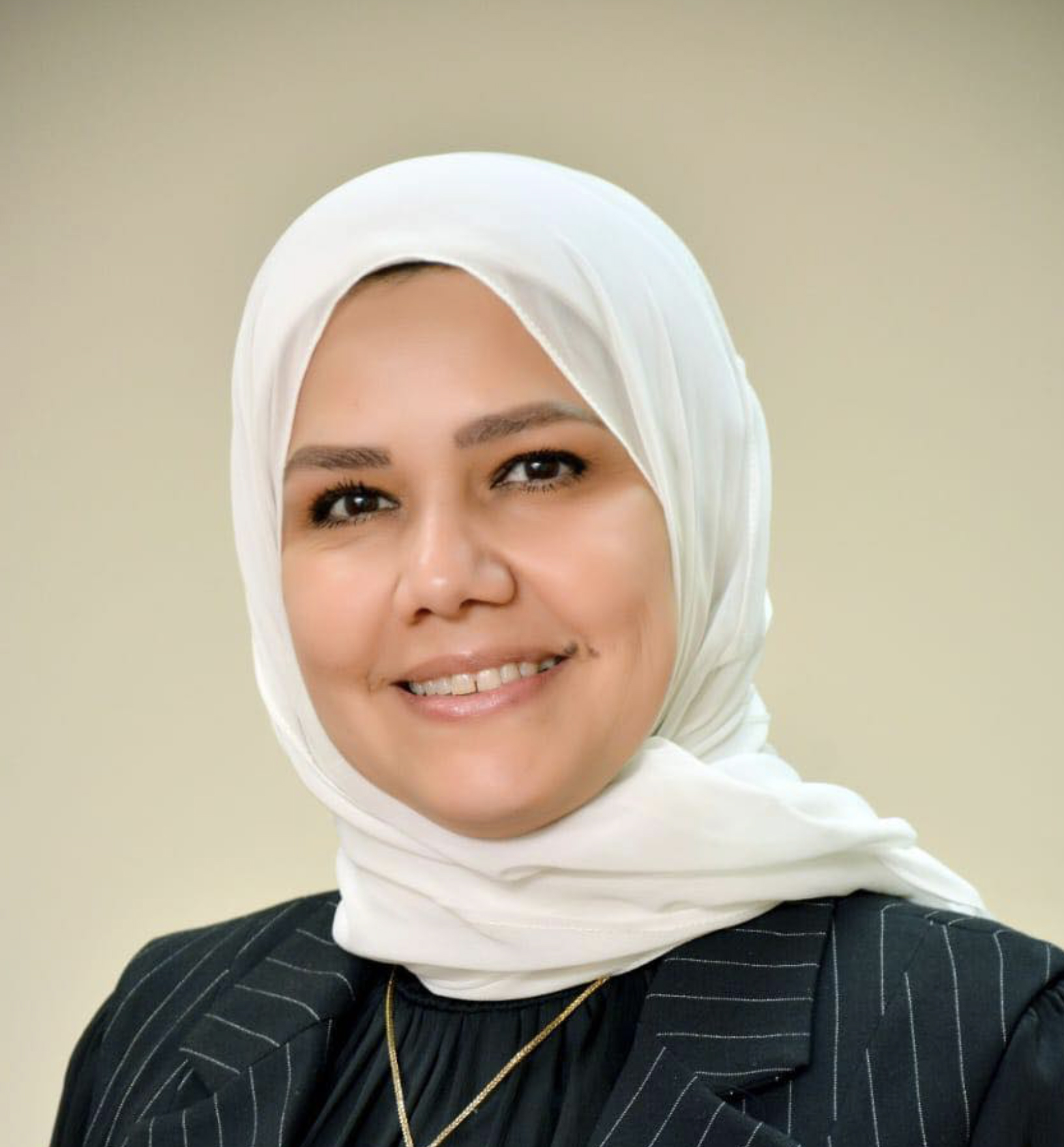
Proposed VAT amendments to support healthcare services, medical manufacturing: ETA head
Rasha Abdel Aal, Head of the Egyptian Tax Authority (ETA), said the draft amendments to the Value Added Tax (VAT) Law, currently under discussion in the House of Representatives, include a number of tax incentives and measures aimed at supporting the healthcare sector in both its service and manufacturing capacities, while reducing financial burdens on entities operating in this vital field. She explained that the proposed amendments provide for a reduced VAT rate of 5% on medical devices, down from the current 14%, a move expected to support the healthcare sector and lower operating and production costs associated with medical equipment and supplies. Abdel Aal added that the draft legislation also seeks to eliminate the tax burden on dialysis machines and kidney filters by exempting manufacturing inputs used in the production of dialysis equipment, components, supplies, and kidney filters from VAT. The measure is intended to support the provision of medical services to patients and reduce costs for businesses operating in this sector. She emphasised that the proposed amendments are consistent with the state’s broader strategy to support sectors with significant social and healthcare dimensions, while encouraging the growth of domestic medical industries and enhancing the healthcare sector’s capacity to deliver medical services more efficiently. According to Abdel Aal, the amendments reflect the government’s commitment to improving access to healthcare services, strengthening local manufacturing capabilities, and creating a more supportive environment for investment in the medical sector. The post Proposed VAT amendments to support healthcare services, medical manufacturing: ETA head first appeared on Dailynewsegypt .
14 Jun 2026
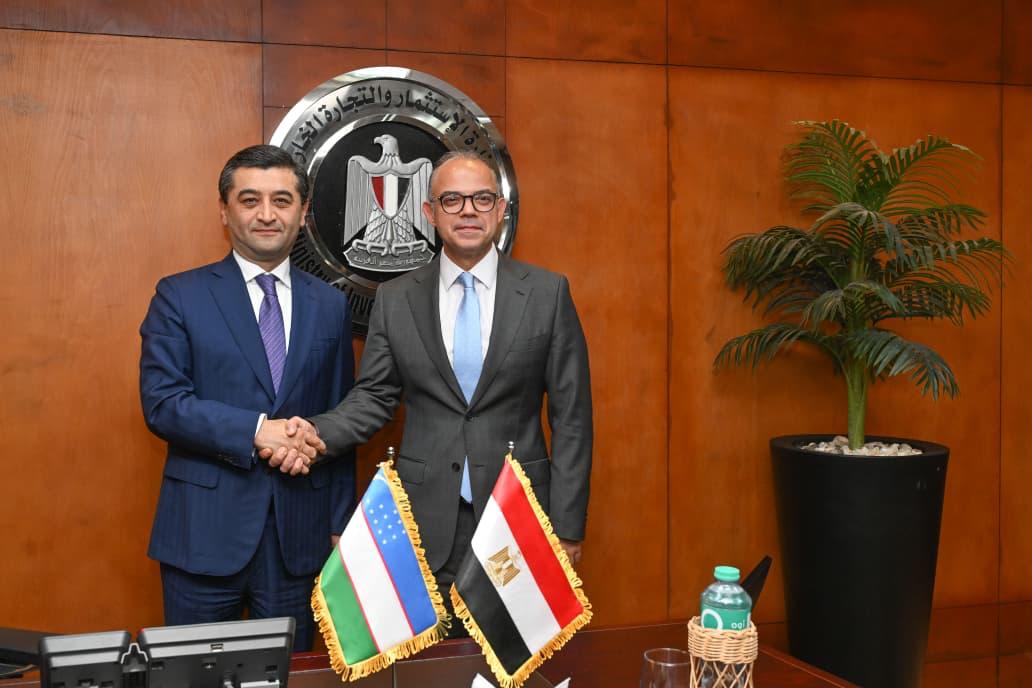
Egypt keen to attract more Uzbek investments: Foreign trade minister
Mohamed Farid, Egypt’s Minister of Investment and Foreign Trade, met with Bakhtiyor Saidov, Uzbekistan’s Minister of Foreign Affairs, at the ministry’s headquarters in Cairo to discuss ways to strengthen investment and trade cooperation between the two countries. The meeting reviewed opportunities to enhance partnerships between the Egyptian and Uzbek business communities across several sectors of mutual interest. The two sides discussed a range of areas for potential cooperation, including textiles and ready-made garments, pharmaceuticals and medical supplies, bus and tractor manufacturing, investment opportunities in Egypt’s capital market, and greater collaboration between investment institutions and sovereign wealth funds. They also explored mechanisms to support direct communication between business communities in both countries and promote partnership and joint investment opportunities through Egypt’s investment zones system. Farid affirmed Egypt’s commitment to strengthening economic relations with Uzbekistan as part of the country’s broader strategy to expand cooperation with promising markets. He highlighted Egypt’s investment potential, strategic geographic location, and extensive network of trade agreements, which provide access to numerous regional and international markets. The minister noted that the government is continuing efforts to create a more attractive business environment that encourages investment. He welcomed the expansion of Uzbek companies in the Egyptian market and their utilisation of available investment opportunities, stressing that this would contribute to increasing bilateral investments and boosting trade between the two countries. For his part, Saidov reaffirmed Uzbekistan’s interest in deepening economic cooperation with Egypt, describing it as an important regional partner. He noted that Uzbekistan is implementing ambitious programmes aimed at attracting foreign investment, diversifying investment sources, and strengthening cooperation with friendly nations. Saidov also highlighted the interest of Uzbek companies in exploring investment opportunities and expanding their presence in the Egyptian market, particularly in light of the competitive advantages and promising opportunities Egypt offers investors. He underscored Uzbekistan’s commitment to enhancing communication between business institutions in both countries to advance joint projects and strengthen economic ties. At the conclusion of the meeting, both sides agreed to maintain close coordination and communication between the relevant authorities in Egypt and Uzbekistan to follow up on areas of mutual interest and build on the outcomes of the discussions, with the aim of further strengthening bilateral economic, investment, and trade relations. The post Egypt keen to attract more Uzbek investments: Foreign trade minister first appeared on Dailynewsegypt .
14 Jun 2026
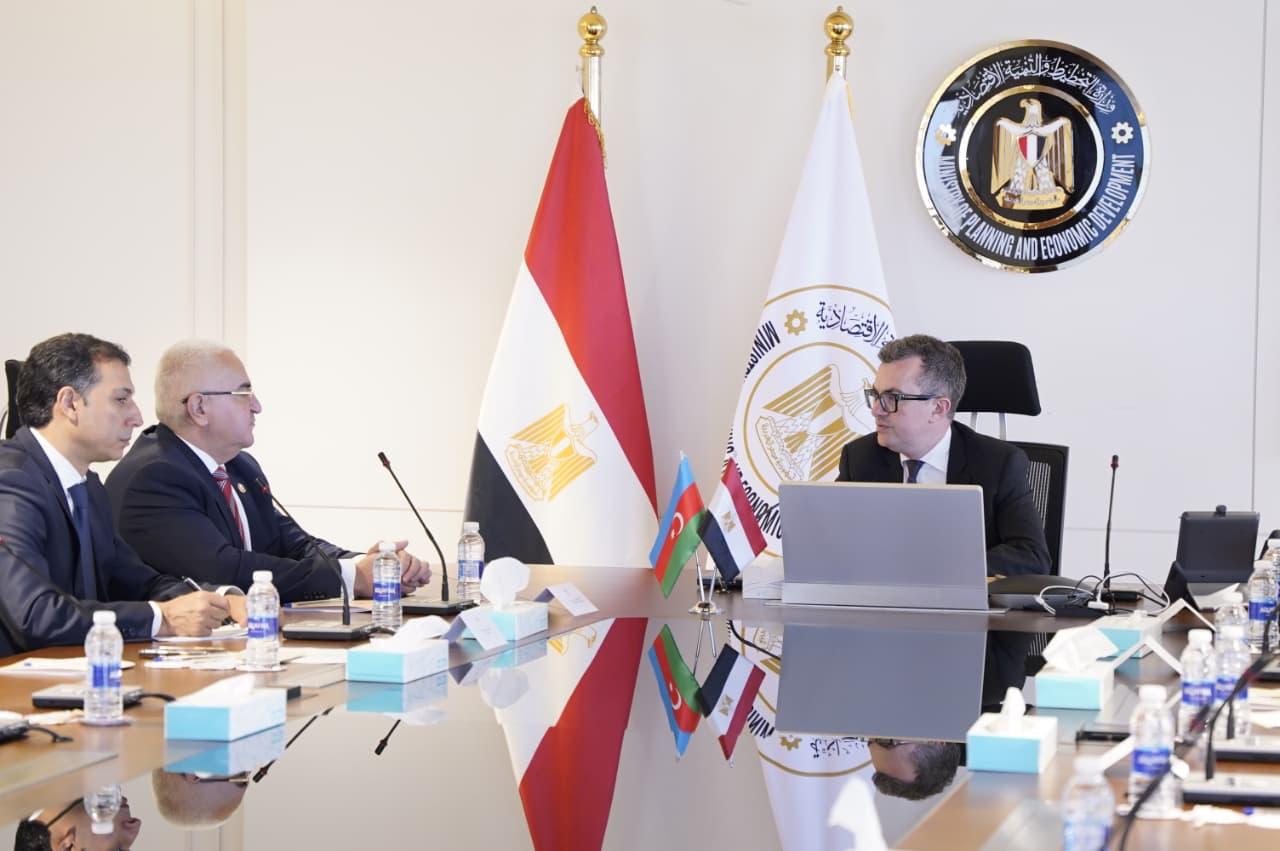
Egypt’s planning minister discusses new phase of partnership with Azerbaijan
Ahmed Rostom, Minister of Planning and Economic Development, has held an extensive meeting with Elkhan Polukhov, Ambassador of the Republic of Azerbaijan to Egypt, to discuss strengthening bilateral cooperation, advancing economic relations between the two countries, and exchanging expertise in sustainable development. The discussions come amid growing momentum in Egyptian-Azerbaijani relations, supported directly by President Abdel Fattah Al-Sisi and Azerbaijani President Ilham Aliyev. Rostom expressed his appreciation for the strategic and longstanding partnership between Egypt and Azerbaijan, stressing his aspiration to work closely with Azerbaijan’s Ministry of Economy to exchange perspectives and formulate a new phase of economic cooperation that supports development efforts in both countries and capitalises on their significant capabilities and resources. The minister reviewed Egypt’s accumulated experience in structural reform and comprehensive development, highlighting the country’s ability to maintain macroeconomic stability and pursue a flexible national vision aimed at empowering the private sector and stimulating investment despite prevailing regional and international geopolitical challenges. He also pointed to Egypt’s adoption of advanced digital tools and mechanisms to monitor progress towards achieving the Sustainable Development Goals (SDGs), underscoring the government’s commitment to sustainable and data-driven development. Rostom praised the outcomes of previous sessions of the Egyptian-Azerbaijani Joint Committee, noting that they had successfully opened new avenues for cooperation across a range of sectors. He added that the current period presents an ideal opportunity to leverage the strengths of both countries in a manner that supports development priorities and deepens economic relations. For his part, Polukhov reaffirmed Azerbaijan’s appreciation for its strong and historic ties with Egypt and highlighted the commitment of both countries’ leaderships to further strengthening bilateral relations in line with shared priorities. He noted that this momentum has been reinforced by the positive outcomes of President El-Sisi’s landmark visit to Baku and President Ilham Aliyev’s visit to Cairo. The ambassador also highlighted recent positive developments, particularly the launch of direct flights between Baku and Cairo earlier this year, which he said would facilitate bilateral trade, support business communities and investment companies, and broaden development cooperation beyond its traditional framework. Polukhov further referred to ongoing preparations for the annual meetings of the Islamic Development Bank Group in Baku, as well as Azerbaijan’s hosting of the upcoming summit of the Organisation of Islamic Cooperation (OIC), both of which are expected to discuss and endorse major regional and international development initiatives. He also underscored Azerbaijan’s interest in benefiting from Egypt’s pioneering experience and extensive expertise in the development of smart cities and infrastructure that supports the transition towards a green economy. The meeting reflected the growing depth of Egyptian-Azerbaijani relations and the shared commitment of both countries to expanding economic cooperation, promoting sustainable development, and creating new opportunities for investment and partnership. The post Egypt’s planning minister discusses new phase of partnership with Azerbaijan first appeared on Dailynewsegypt .
14 Jun 2026
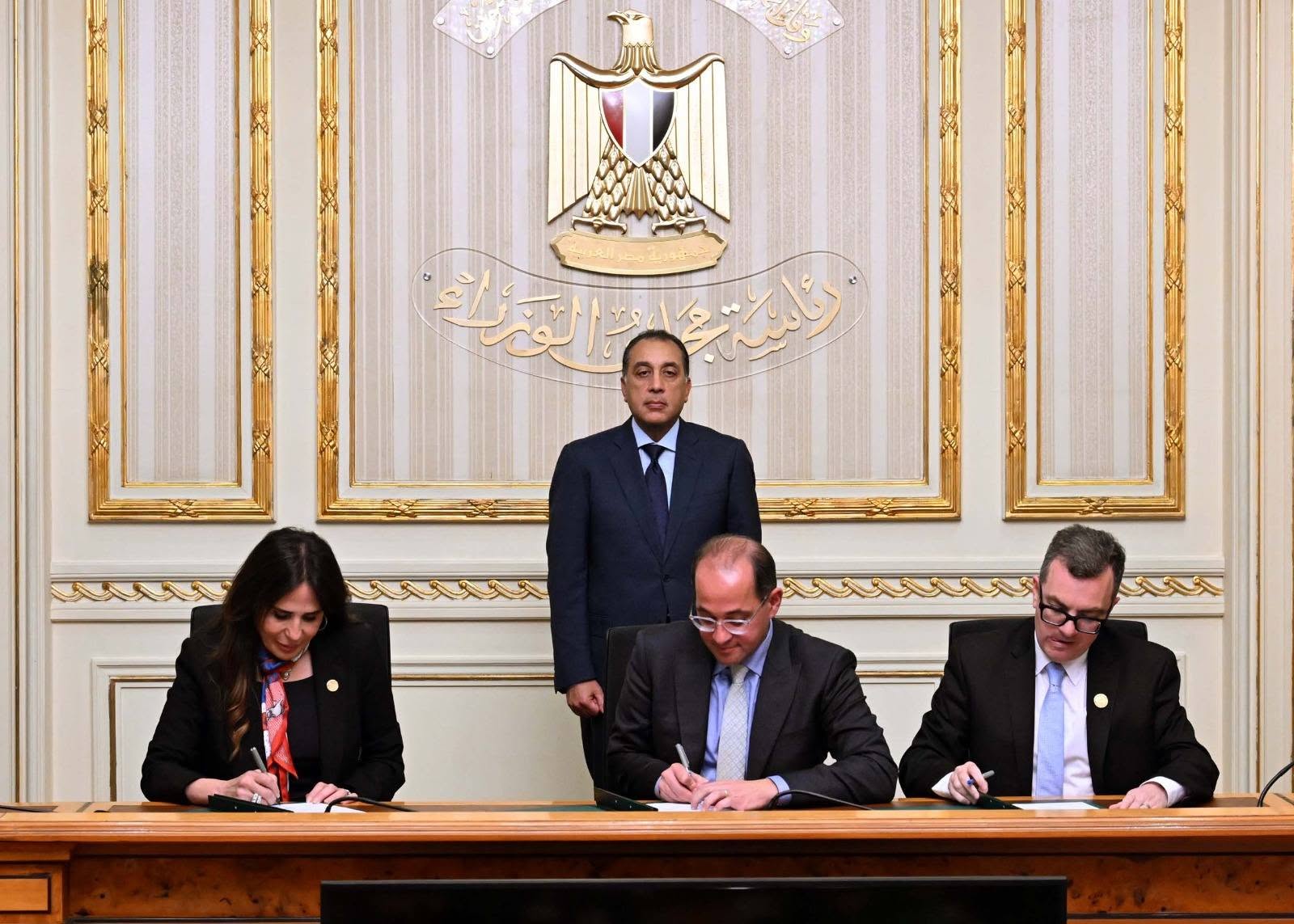
Egypt signs EGP 196bn agreements to resolve decades-old financial liabilities
Egypt has taken a significant step towards resolving longstanding financial liabilities among state entities, with Prime Minister Mostafa Madbouly overseeing the signing of two framework agreements worth a combined EGP 196bn to settle historical debts dating back to the 1980s. The agreements form part of the government’s broader structural reform agenda and efforts to strengthen the financial positions of state-owned entities, improve the utilisation of public assets, and reduce pressure on the state budget. The first agreement addresses financial liabilities between the National Investment Bank (NIB) and subsidiaries of the Holding Company for Water and Wastewater. It was signed by Minister of Finance Ahmed Kouchouk, Minister of Housing, Utilities and Urban Communities Randa El-Menshawy, and Minister of Planning, Economic Development and International Cooperation Rania Al-Mashat. The agreement provides for the settlement of debts owed to the NIB amounting to EGP 62.2bn as of the end of December 2025. The second agreement was signed by Kouchouk, Minister of Agriculture and Land Reclamation Alaa Farouk, and Al-Mashat. It covers the settlement of EGP 133.5bn in liabilities owed by the General Authority for Reconstruction and Agricultural Development to the NIB as of December 2025, in addition to EGP 306m owed by the Egyptian Agricultural Authority as of March 2025. Speaking after the signing ceremony, Madbouly reaffirmed the government’s commitment to resolving outstanding financial liabilities among state institutions, describing them as historical challenges that have constrained the performance of several public entities. He said addressing these issues would create greater opportunities for institutional development and improve the quality of services provided to citizens. Kouchouk described the agreements as an important step forward in Egypt’s structural reform programme, emphasising that the settlements would support the optimal utilisation of state assets, strengthen financing structures, and enhance the efficiency and performance of national entities. He added that the government continues to coordinate closely with agricultural institutions to support agricultural expansion and broader economic development objectives. For his part, Farouk said the settlements would contribute to advancing agricultural development, enhancing food security, increasing agricultural and agro-industrial production, and boosting agricultural exports in line with Egypt’s sustainable development strategy. Al-Mashat described the agreements as a landmark achievement in intergovernmental coordination under the direct supervision of the Prime Minister. She said the settlements would support macroeconomic stability, maximise the value of state assets and resources, and send a strong signal to investors regarding the government’s determination to resolve longstanding financial issues. She added that the agreements cover strategic sectors critical to Egypt’s national security, including agriculture, food security, and drinking water services. Removing decades-old financial burdens, she noted, would enable these sectors to operate more efficiently and pursue future growth opportunities. Meanwhile, El-Menshawy said the settlement involving water and wastewater companies represents an important step towards improving financial discipline and strengthening the financial positions of state-owned utilities. She added that the agreement reflects effective coordination among government institutions and will support the Holding Company for Water and Wastewater and its subsidiaries in enhancing operational performance and maintaining service quality. The government said the agreements are part of ongoing efforts to resolve historical financial liabilities involving the National Investment Bank and various public entities, in line with directives from President Abdel Fattah Al-Sisi to enhance fiscal sustainability, improve governance, and strengthen the efficiency of state institutions. The post Egypt signs EGP 196bn agreements to resolve decades-old financial liabilities first appeared on Dailynewsegypt .
14 Jun 2026
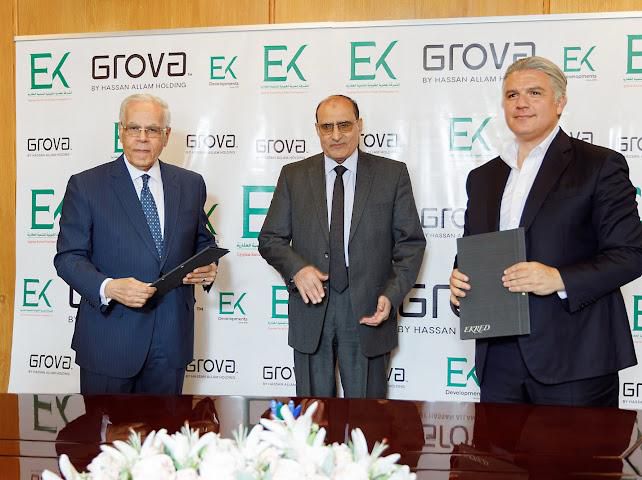
Egyptian Kuwaiti Real Estate Development, Hassan Allam Holding partner on EGP 270bn mixed-use project in West Cairo
The Egyptian Kuwaiti Real Estate Development Company has signed a partnership agreement with Grova West, a subsidiary of Hassan Allam Holding, to jointly develop a 295-feddan land parcel in the eastern expansion area of 6th of October City, west Cairo. The project is expected to attract investments exceeding EGP 270bn. The agreement forms part of the Egyptian Kuwaiti Real Estate Development Company’s strategy under its new executive management to accelerate the development of its land portfolio and deliver high-quality projects that create tangible value for Egypt’s real estate market while supporting the state’s urban development agenda. Yousry Selim, Chief Executive Officer and Managing Director of the Egyptian Kuwaiti Real Estate Development, said the company remains committed to partnering with leading developers to maximise the value of its strategically located land assets, generate strong investment returns, and contribute to sustainable urban development. He added that the partnership complements the company’s ongoing efforts to advance its existing projects and optimise the utilisation of its land bank. According to Selim, Grova West will undertake the development of the land owned by the Egyptian Kuwaiti Real Estate Development Company, delivering an integrated urban community designed to meet modern living requirements and evolving market demand. The project will offer a diversified mix of residential units, including apartments and villas, with apartments representing the largest share of the development. It will also feature a comprehensive range of commercial, administrative, medical, and entertainment facilities aimed at creating a fully integrated destination. In addition to development responsibilities, Grova West will oversee the management and operation of the project, ensuring the delivery of a sustainable and efficiently managed community, Selim said. The post Egyptian Kuwaiti Real Estate Development, Hassan Allam Holding partner on EGP 270bn mixed-use project in West Cairo first appeared on Dailynewsegypt .
14 Jun 2026
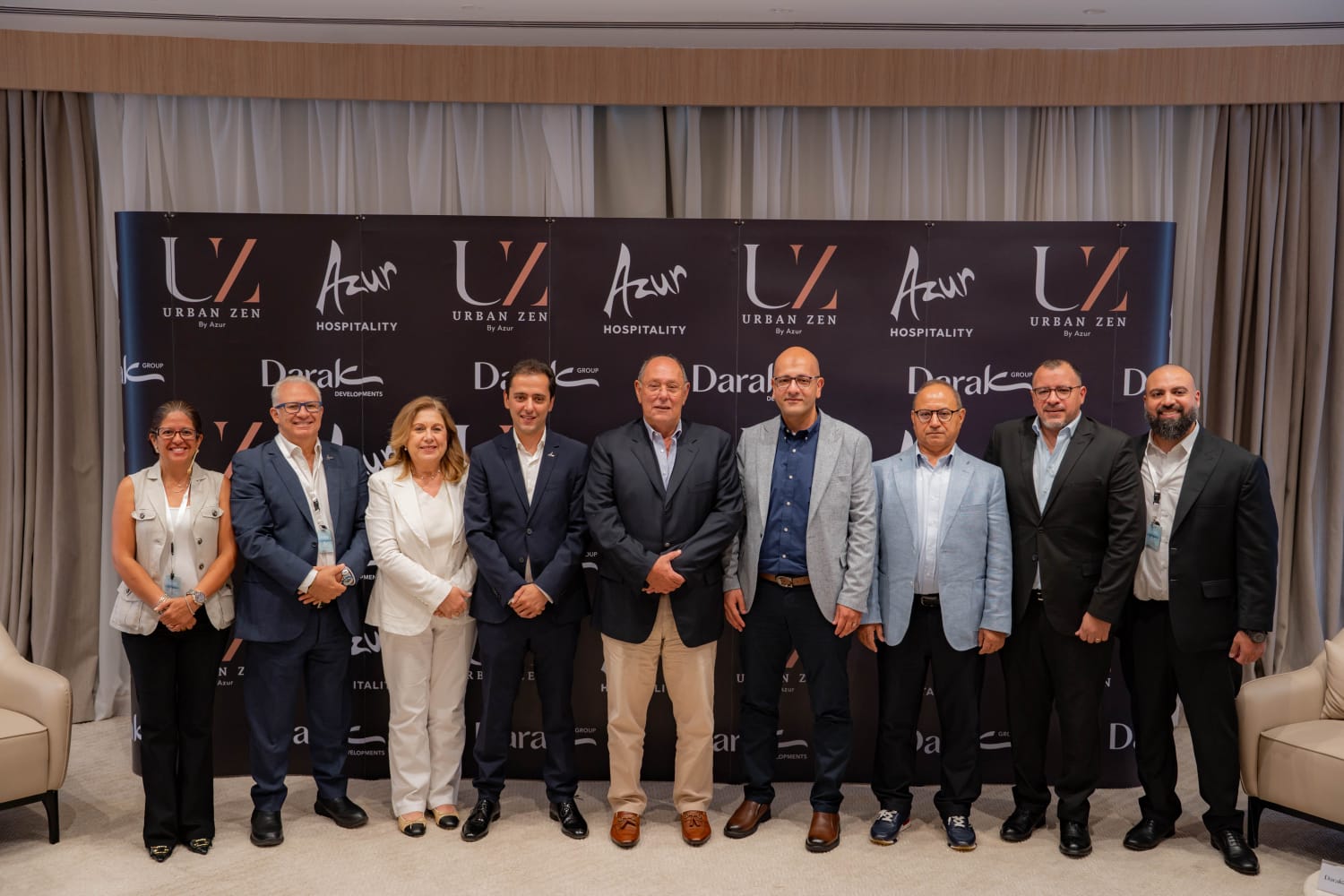
Darak Group appoints Azur Hospitality to manage EGP 2.5bn North Coast developments
Darak Group has entered into a strategic partnership with Azur Hospitality to operate and manage two of its flagship North Coast developments—Urban Zen Crystal Alamein and Marina Eye Residence by Azur—with total investments estimated at EGP 2.5bn. The agreement aims to enhance the hospitality-driven living experience across both projects by integrating professional hotel-style services into residential communities. It aligns with Darak Group’s strategy of moving beyond conventional real estate development towards fully integrated lifestyle destinations that combine investment value, high-quality design, and operational excellence. The partnership agreement was signed by Sherif Kamel, Chairperson of Darak Group, and Adham Garranah, Chairperson of Azur Hospitality and Urban Zen, in the presence of senior executives and industry figures, including former Minister of Tourism Zoheir Garranah. Darak Group said the collaboration supports its long-term vision of enhancing asset value through professional hospitality and property management systems. The company noted that buyer expectations in Egypt’s real estate market are evolving, with growing demand for lifestyle-oriented developments that offer premium services and preserve long-term property value. Under the agreement, Azur Hospitality will oversee partial hospitality operations at Urban Zen Crystal Alamein, while assuming full operational and property management responsibilities for Marina Eye Residence by Azur. Services will include reception, housekeeping, maintenance, security, facility management, and in-unit hospitality offerings designed to deliver hotel-standard living experiences. Urban Zen Crystal Alamein is being developed on a 12,000-square-metre site in New Alamein City, with investments estimated at EGP 1.5bn. The project features serviced apartments, private beach access, swimming pools, spa facilities, retail outlets, and panoramic views of major city landmarks. Unit sizes range from 50 to 196 square metres, with delivery scheduled for 2029. Marina Eye Residence by Azur spans more than 1,400 square metres and represents investments of approximately EGP 1bn. Overlooking the waterfront of Marina 1, the development includes residential units, leisure facilities, retail spaces, and entertainment amenities. The project also offers flexible payment plans, with handovers expected in 2029. Azur Hospitality stated that the partnership reflects a broader transformation in Egypt’s real estate sector towards professionally managed, hospitality-led residential communities that prioritise service quality, customer experience, and sustainable long-term value creation. The post Darak Group appoints Azur Hospitality to manage EGP 2.5bn North Coast developments first appeared on Dailynewsegypt .
14 Jun 2026
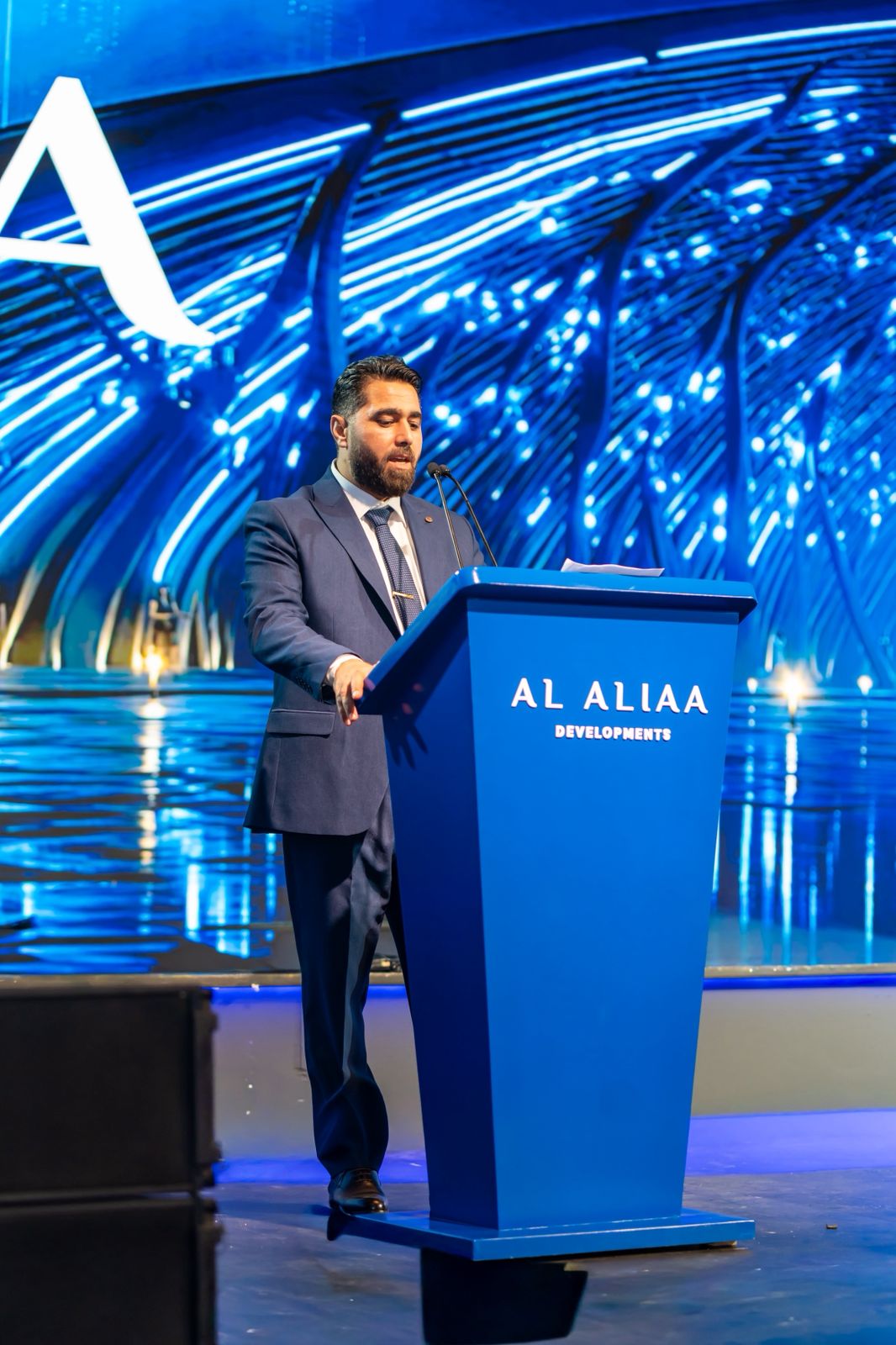
Al Aliaa Developments enters Egyptian market with EGP 100bn investment plan
Al Aliaa Developments has entered the Egyptian real estate market, unveiling an ambitious investment plan worth EGP 100bn to be deployed over the next two years. The company’s expansion strategy centres on smart developments, international partnerships, and technology-driven real estate projects. The launch event was held under the patronage of the Council of Arab Economic Unity, affiliated with the League of Arab States, in cooperation with the Arab Union for Media. It brought together senior government officials, diplomats, investors, and business leaders from Egypt and across the Arab region. As part of its market debut, the company announced the launch of AI Tower in the Central Business District of the New Administrative Capital. The project is being positioned as the first AI-managed tower in Africa and the Middle East, featuring a fully integrated intelligent management system designed to optimise energy consumption, resource utilisation, and building operations in line with international smart building standards. Ezzeldin Kamal, Chairperson of Al Aliaa Developments, said the company’s expansion into Egypt forms part of a long-term growth strategy backed by more than five decades of regional investment experience. He noted that the company is supported by a network of Arab investors and industry experts with a proven track record in delivering major developments across several markets, adding that further projects are planned in East Cairo and other strategic locations. Board member Adel Hegab described the company as a practical example of Arab economic integration, bringing together capital, expertise, and innovation to develop competitive real estate projects. He stressed that Al Aliaa’s approach focuses on sustainability, advanced technologies, and smart solutions rather than traditional development models. To support the delivery of AI Tower, the company has established a number of strategic partnerships. These include a cooperation agreement with Honeywell to provide smart building technologies, while Wadi El Nile Healthcare will oversee healthcare-related facilities within the project. ACE Moharram.Bakhoum has been appointed as the lead engineering consultant, with Mohamed Hafez serving as project consultant. Al Aliaa Developments’ Chief Executive Officer Fayez Kamal said the launch marks the first phase of a broader investment pipeline, with additional projects currently under development across multiple sectors. He highlighted Egypt’s growing importance as a strategic gateway for regional expansion and a leading destination for smart city investments. Chief Commercial Officer Mohamed Amer underscored the company’s commitment to transparency, governance, and sustainable value creation, positioning Al Aliaa Developments as a long-term player in Egypt’s rapidly evolving smart real estate sector. The post Al Aliaa Developments enters Egyptian market with EGP 100bn investment plan first appeared on Dailynewsegypt .
14 Jun 2026
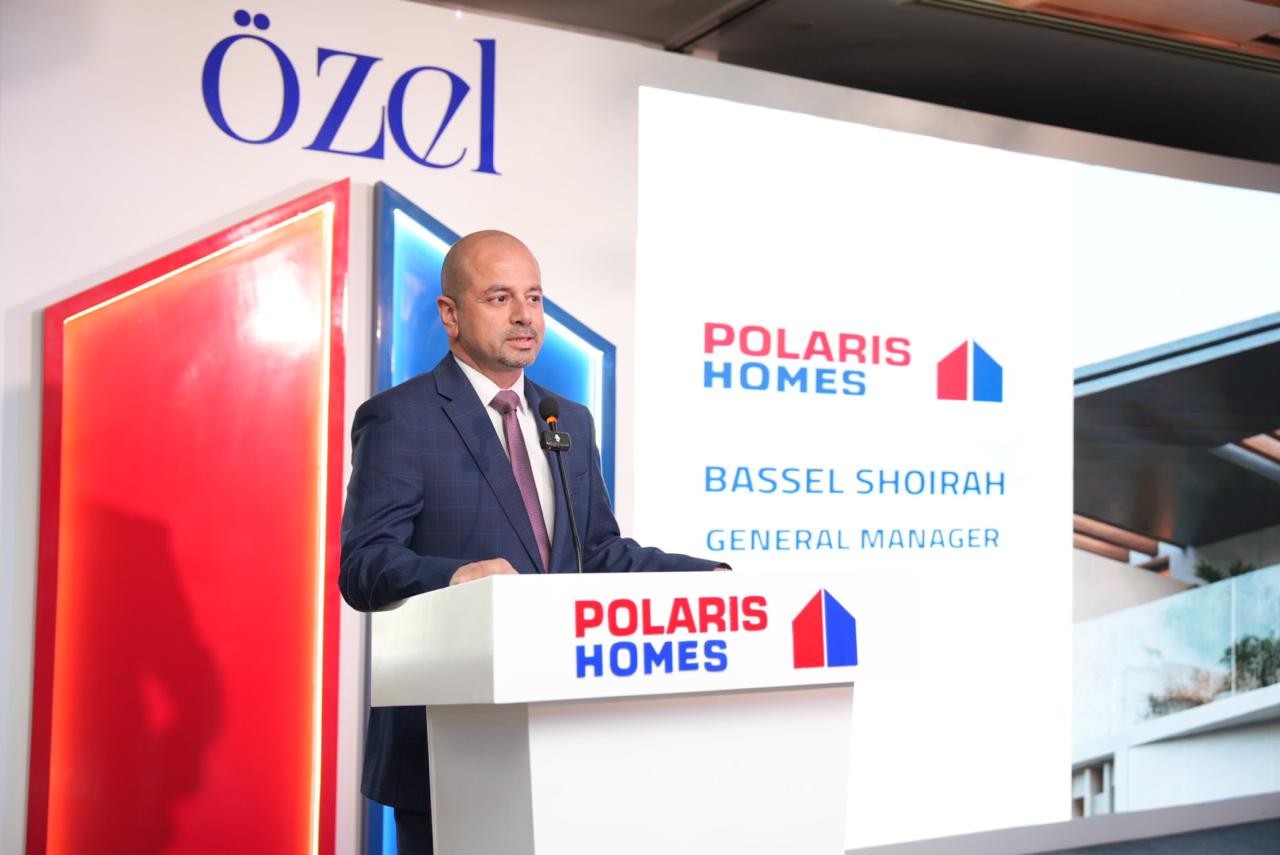
Polaris Parks expands into residential market with launch of Polaris Homes in Sheikh Zayed
Polaris Parks, a developer of integrated industrial parks in Egypt, has launched Polaris Homes, its new residential development arm, marking a strategic expansion into the real estate sector. The company unveiled its first residential projects, Özel Villas and Özel Residences, in Sheikh Zayed City. The move broadens Polaris Parks’ portfolio beyond industrial infrastructure and reflects its ambition to leverage two decades of development experience in the residential market. Over the years, the company has attracted $560m in direct investments and has long-term plans to facilitate up to $4.5bn in cumulative industrial investments. Its industrial developments span more than 10 million square metres and are expected to accommodate around 1,500 factories. Through Polaris Homes, the company aims to transfer its expertise in large-scale infrastructure development and industrial park management to integrated residential communities, with a focus on efficient planning, strategic locations, and enhanced quality of life. Managing Director of Polaris Parks Osman Evren Arıkan described the launch as a natural extension of the company’s established development strategy, noting that the new residential arm draws on Polaris Parks’ extensive experience in delivering large-scale projects in Egypt. He stressed that the expansion complements, rather than replaces, the company’s industrial activities. General Manager of Polaris Parks Bassel Shoirah said the Özel projects are designed to provide a well-planned residential experience centred on functionality, privacy, and community-oriented living. He added that the developments combine contemporary architectural design with green spaces and essential lifestyle amenities. Located on Al Nozha Street in Sheikh Zayed City, opposite Al Rabwa Compound, the projects enjoy close proximity to key destinations, including Smart Village, Hyper One, Al Ahly Club, and Sphinx International Airport. The development offers apartment units starting from 132 square metres and villas reaching 247 square metres, within a low-density master-planned community. Polaris Homes aims to complete and deliver the projects within three years, while offering payment plans of up to eight years. The post Polaris Parks expands into residential market with launch of Polaris Homes in Sheikh Zayed first appeared on Dailynewsegypt .
14 Jun 2026
Energy efficiency emerges as key driver of real estate value, developers say
Egypt’s real estate developers have highlighted energy efficiency as no longer an optional feature but a fundamental component of successful real estate projects. They noted that rising utility costs and evolving buyer preferences are driving the market towards developments that offer lower operating expenses and stronger long-term returns. During Invest-Gate’s 28th roundtable, titled “Powering Real Estate: The New Value Equation,” developers emphasized that sustainability measures, while increasing construction costs by an estimated 5-10%, can significantly enhance a project’s competitiveness. They pointed out that such investments often translate into stronger sales performance, with energy-efficient developments becoming increasingly attractive to buyers and investors due to lower lifetime costs and better value retention. Participants also stressed the need for clearer and more structured government incentive schemes, noting that well-defined incentives—such as those implemented in the New Administrative Capital—have proven effective in encouraging the adoption of sustainable building practices. Developers added that incentives introduced during the early stages of land allocation tend to be more effective than those offered later in the development cycle. Among the government representatives, Khaled Sedeik, Chairperson of the Urban Development Fund and Deputy Minister of Housing, Utilities and Urban Communities, stressed that energy efficiency has become a core requirement in urban planning. He highlighted the importance of integrating natural design elements, including ventilation and daylight, alongside broader government efforts to embed sustainability into infrastructure and urban development. Member of Parliament Abdelkhalek Ibrahim called for clearer legislation, phased implementation mechanisms, and incentive-based systems to ensure compliance with energy-efficiency standards across residential and commercial buildings. Representing the academic and research community, Hend Farouh, Director of the Architecture and Housing Research Institute at the Housing & Building National Research Center and Head of the Central Unit for Sustainable Cities and Climate Change, underscored the need to move from voluntary guidelines to mandatory enforcement. She also referred to Egypt’s updated Green Pyramid Rating System, noting that green buildings can achieve up to 30% higher market value due to lower operating costs. On the developer side, Waleed Mokhtar, CEO of Iwan Developments and Secretary-General of the Egyptian Real Estate Council, said rising utility costs are prompting buyers to prioritise energy efficiency, while also calling for clearer regulatory frameworks at the land-allocation stage. Tamer Nasser, CEO of City Edge Developments, noted that the main challenge lies in balancing sustainability requirements with project feasibility, while raising market awareness of the long-term savings generated by energy-efficient design. Ahmed Amin Massoud, Chairperson of Menassat Developments, said incentives—rather than enforcement alone—are key to driving adoption. He pointed out that modest incentives offered in the New Administrative Capital successfully encouraged developers to embrace green building standards. Samy Abdel Kader, Managing Director of TAQA Power, highlighted that energy has become a core component of real estate valuation. He also emphasised the growing role of Energy as a Service (EaaS) models and the integration of renewable energy solutions in reducing lifecycle costs. From the financial sector, Mai Ismail, Associate Director for Manufacturing and Services (SEMED) at the European Bank for Reconstruction and Development (EBRD), stated that sustainability has become essential for securing competitive financing, with green projects benefiting from improved lending terms and early-stage technical support. Speakers collectively agreed that energy efficiency now directly influences asset valuation through the widening gap between the “green premium” and the “brown discount,” while environmental, social and governance (ESG) standards are increasingly shaping investment flows and access to financing. The post Energy efficiency emerges as key driver of real estate value, developers say first appeared on Dailynewsegypt .
14 Jun 2026
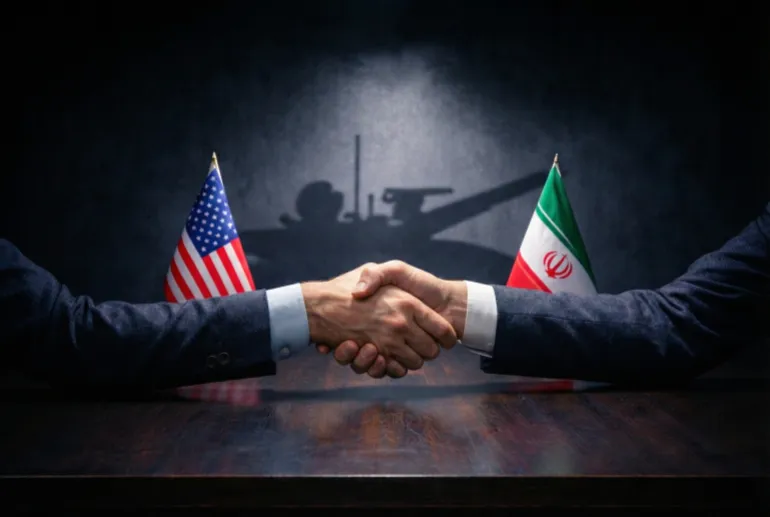
US-Iran peace deal appears within reach as Tehran urges caution
The United States and Iran appeared on Saturday to be closer than ever to ending months of conflict, with Pakistani and Iranian officials signalling a potential breakthrough, even as new intelligence disclosures and continued violence in Lebanon underscored the fragility of the moment. Pakistani Prime Minister Shehbaz Sharif said Washington and Tehran had reached the final text of a peace agreement and were expected to complete an electronic signing process within the next 24 hours. “We have never been closer to a peace agreement,” Sharif said, according to Reuters. “The United States and Iran have agreed on a framework that will end months of conflict in the Middle East.” Iranian Foreign Minister Abbas Araghchi revealed additional details about the proposed memorandum of understanding, saying it spans fewer than two pages and allows negotiations to be extended beyond 60 days if a final agreement is not reached. He noted that Iran’s Supreme National Security Council is fully overseeing both the negotiations and the draft text. However, Iran’s Foreign Ministry sought to temper expectations, stressing that the memorandum is not a final agreement with Washington but rather a framework aimed at ending the conflict and addressing the core issues dividing the two sides. “Given previous experiences, the focus at this stage is solely on ending the war on all fronts, including Lebanon,” the ministry’s spokesperson said, adding that the complex issues between Tehran and Washington would require careful follow-up. The cautious optimism surrounding the talks coincided with reports of continued preparations for a possible military confrontation. CNN, citing five sources familiar with US intelligence assessments, reported that Iran had deliberately collapsed tunnels containing its stockpile of highly enriched uranium and planted mines at their entrances to hinder future access. The network also reported that General Dan Caine, Chair of the Joint Chiefs of Staff, made a discreet visit to US Central Command headquarters in Florida late last month to review contingency plans involving the deployment of ground forces into Iran to secure the uranium stockpile if required. Meanwhile, Iranian President Masoud Pezeshkian said the conflict had failed to achieve its objectives despite the deaths of senior military commanders and nuclear scientists, as well as attacks on Iranian infrastructure. He praised the Iranian people for enduring economic hardship, describing their resilience as “a major test.” Regional actors also sought to distance themselves from the conflict. The United Arab Emirates firmly denied media reports alleging that it had transferred or facilitated the release of $3bn in frozen Iranian assets, calling the claims baseless and urging media outlets to rely on official sources. Despite the diplomatic momentum, fighting continued along the Lebanese front. Israeli strikes targeted areas around Nabatieh and Kfar Rumman in southern Lebanon, while artillery fire hit the town of Majdal Zoun near Tyre. Hezbollah said it launched two explosive drones at a gathering of Israeli troops near Kfartebnit and fired rockets at an Israeli military position in Maroun al-Ras. In Beirut, Prime Minister Nawaf Salam told Reuters that Hezbollah should move “as fast as we are, or at the same pace,” in supporting Lebanon’s negotiations in Washington. “We remain in constant contact with Hezbollah, and all that is required is that it fulfils its commitments,” Salam said. “Our problem with Hezbollah is its weapons. We regard the party as a Lebanese political force.” He added that while developments in the Islamabad talks were having repercussions inside Lebanon, “no one negotiates on behalf of Lebanon,” reiterating that southern Lebanon should ultimately become a weapons-free zone. Separately, Iranian authorities announced that funeral ceremonies for Supreme Leader Ali Khamenei and members of his family will begin on 4 July in several Iranian cities before concluding with burial rites in the holy city of Mashhad. The post US-Iran peace deal appears within reach as Tehran urges caution first appeared on Dailynewsegypt .
13 Jun 2026
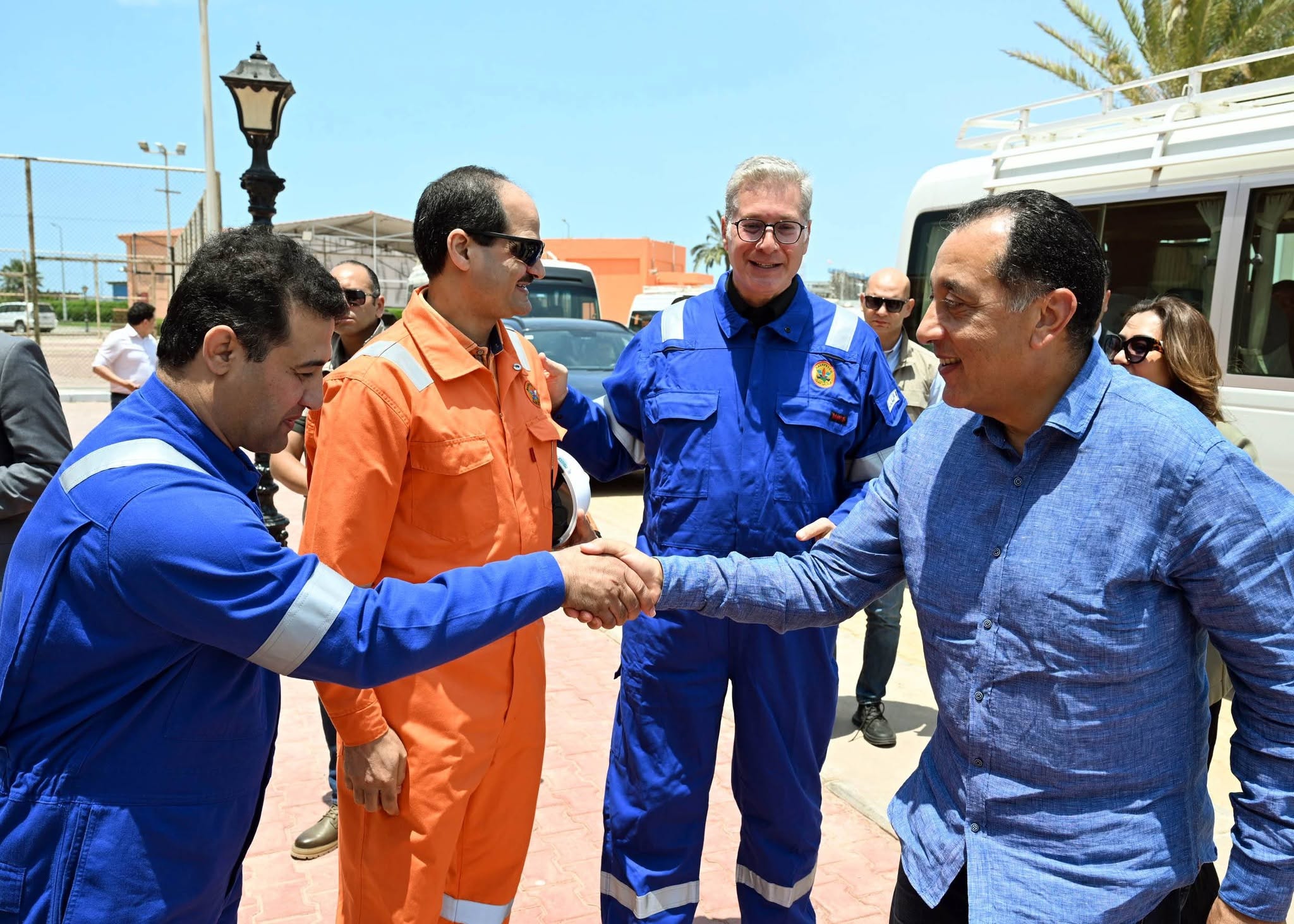
Madbouly inspects strategic gas projects, infrastructure developments during Beheira tour
Prime Minister Mostafa Madbouly reaffirmed Egypt’s commitment to attracting new investments into the oil and gas sector and accelerating infrastructure development during a tour of several strategic projects in Beheira on Saturday. The visit included inspections of natural gas production facilities in the Deepwater West Delta area, the International Coastal Road development project, and Edku International Park. During his visit to the Deepwater West Delta gas production sites operated by Rashid Petroleum Company, Madbouly stressed that the petroleum sector remains a national priority. He noted that the government continues to introduce incentives and facilitative measures aimed at encouraging international energy companies to expand their investments in exploration and production activities. “Egypt is committed to creating an attractive investment environment for global energy companies and maximising the benefits of the country’s advanced energy infrastructure as part of efforts to strengthen its position as a regional energy hub,” Madbouly said. The prime minister was accompanied by Minister of Petroleum and Mineral Resources Karim Badawi, senior petroleum sector officials, and representatives of major international partners, including Shell, Malaysia’s Petronas, and Kuwait Foreign Petroleum Exploration Company (KUFPEC). During a briefing at Rashid Petroleum’s headquarters, Badawi described the Deepwater West Delta region as one of Egypt’s most important natural gas production areas in the Mediterranean and a successful model of cooperation between the Egyptian petroleum sector and international investors. He said that a combination of investment incentives, regulatory reforms, and the state’s programme to settle outstanding dues owed to foreign partners—which reached zero on 10 June—has significantly boosted investor confidence and accelerated development activities. According to the minister, development phases 10 and 11 in the Deepwater West Delta area were completed in 2024 and 2025, adding new production capacity that has helped support domestic gas supplies and offset natural production decline. Badawi added that Egypt’s extensive natural gas infrastructure provides a significant competitive advantage by reducing development costs and enabling the rapid integration of new discoveries into the production network. He also announced that the West Mina gas field in the Mediterranean is scheduled to begin production in the fourth quarter of 2026, with an initial target output of 160 million cubic feet per day following the completion of tie-in works. The prime minister also met executives from major international energy companies to discuss current operations and future investment plans in Egypt. Dalia El-Gabry, Chairperson and Managing Director of Shell Egypt, highlighted the company’s presence in the country for more than 110 years. She noted that Shell’s activities include deepwater gas production in the West Delta region, exploration activities in the Nile Delta and Herodotus Basin, LNG operations at the Idku liquefaction complex, and lubricants manufacturing. El-Gabry reaffirmed Shell’s commitment to working closely with the Ministry of Petroleum and its partners to develop strategic energy assets and support Egypt’s energy security objectives. Petronas Egypt President Hany Essmat outlined the company’s role as a partner in offshore gas production projects in the West Delta and the Idku LNG complex, expressing interest in expanding investments in Egypt’s growing gas sector. Meanwhile, Abdulaziz Al-Mousawi, Regional Manager of KUFPEC, reviewed the company’s investment portfolio in Egypt, including projects in the Gulf of Suez and Mediterranean gas developments. He highlighted KUFPEC’s participation in the West Mina field and welcomed the anticipated start of production later this year. Representatives of the international companies praised Egypt’s decision to fully settle outstanding payments owed to foreign partners, describing it as a strong signal of confidence and an important step towards enhancing the country’s investment climate. Madbouly later inspected the main control room at Rashid Petroleum’s gas reception and processing facility, where he was briefed on operations related to receiving offshore gas, processing output, and feeding supplies into the national gas grid. He also met young engineers and technical teams, thanking them for managing strategic infrastructure that plays a vital role in securing energy supplies for millions of Egyptians. As part of the tour, the prime minister reviewed progress on the International Coastal Road development project, one of Egypt’s largest transport infrastructure initiatives. The 800-kilometre highway stretches from Port Said to Salloum and serves as a key corridor linking Mediterranean ports, including Port Said, Damietta, Alexandria, and Gargoub. The road passes through seven governorates and supports numerous industrial zones and new urban communities, including New Damietta, New Mansoura, and New Rashid. Officials said ongoing upgrades are aimed at increasing capacity, improving traffic safety, and facilitating freight movement through the introduction of dedicated concrete lanes for heavy trucks. Madbouly also visited Edku International Park, a development project established through joint funding from the European Union and the German Agency for International Cooperation (GIZ). Built on an area of 10,500 square metres, the park serves as a community hub offering cultural, educational, recreational, and sports activities. The prime minister stressed that investing in children and young people is central to Egypt’s human development strategy. The park currently hosts a wide range of summer activities, including robotics, digital technology, clean energy, arts, reading challenges, handicrafts, and sports programmes designed to nurture creativity and develop future skills. During his tour of the facility, Madbouly interacted with students participating in robotics, drawing, reading, and handicraft workshops, praising their enthusiasm and encouraging them to continue developing their talents as part of Egypt’s broader vision for sustainable development and innovation. The post Madbouly inspects strategic gas projects, infrastructure developments during Beheira tour first appeared on Dailynewsegypt .
13 Jun 2026
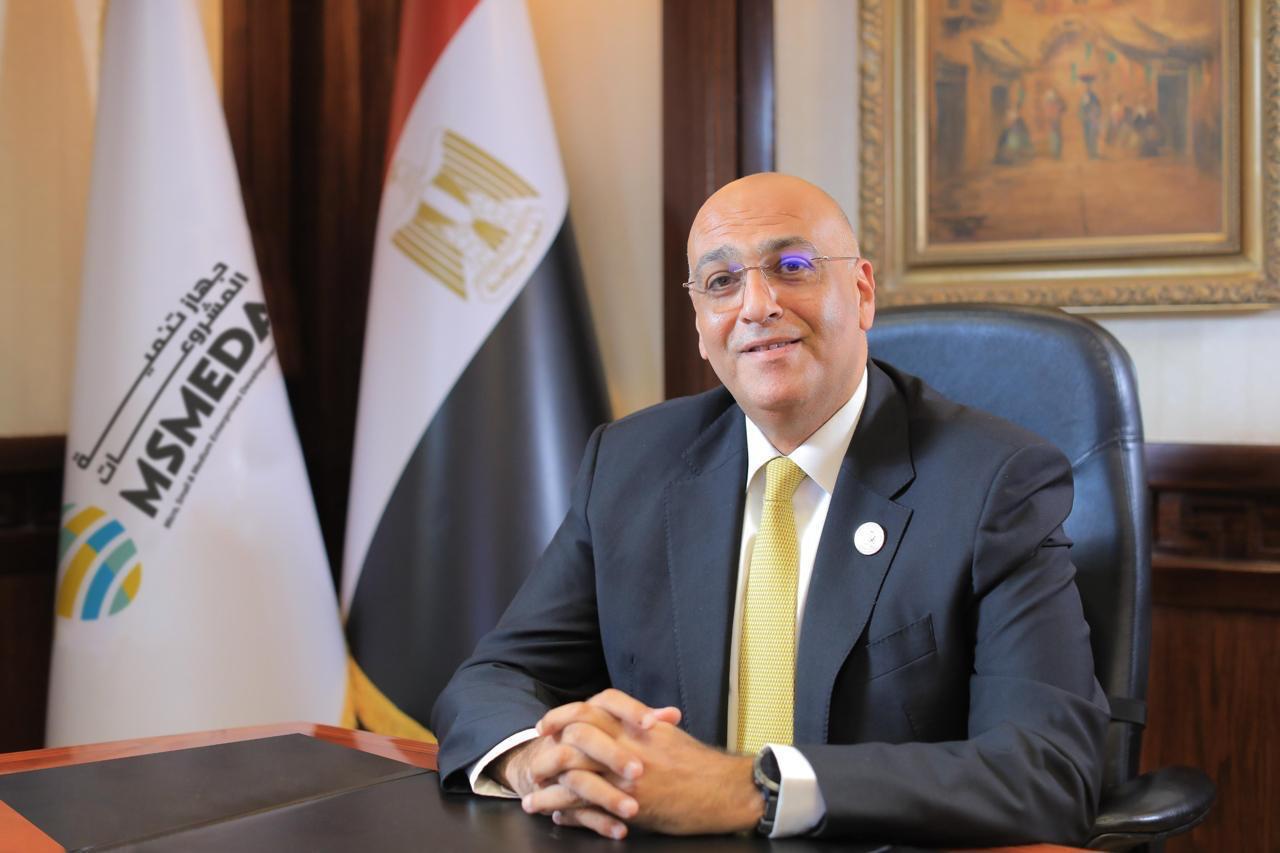
MSMEDA injects EGP 2.2bn to finance 54,000 projects in Menoufeya: CEO
Bassel Rahmy, CEO of the Micro, Small and Medium Enterprise Development Agency (MSMEDA), announced that the agency injected EGP 2.2bn in financing into Menoufeya between July 2014 and April 2026. The funding supported medium, small and micro enterprises, as well as infrastructure, community development and training projects. The financing helped fund around 54,000 projects, creating approximately 111,000 job opportunities and generating nearly one million workdays for irregular labour. In a statement issued on Saturday to mark Menoufeya’s National Day, Rahmy stressed MSMEDA’s commitment to strengthening cooperation with the governorate to foster a more supportive environment for the establishment and expansion of small enterprises. He noted that the agency is working to help residents capitalise on promising investment opportunities across the governorate, given the vital role of small businesses in creating decent and sustainable employment and supporting comprehensive economic and social development through enhanced productive capacity and stronger local industries. Rahmy explained that MSMEDA facilitates access to a wide range of financing, marketing and technical support services for owners of existing enterprises seeking to expand their operations, as well as for aspiring entrepreneurs looking to launch new ventures. The agency also helps beneficiaries take full advantage of the incentives and facilities offered under the Enterprise Development Law No. 152 of 2020, which supports entrepreneurship and self-employment. He added that MSMEDA is working closely with Menoufeya Governorate to provide a variety of financing products, technical support programmes and licensing services for entrepreneurs and young people. Regarding the agency’s non-financial services, Rahmy noted that more than 22,400 services were delivered through MSMEDA’s one-stop-shop centres during the same period. These services included temporary and permanent licences for new projects, status-adjustment licences, tax cards, social insurance services, certificates of benefits, and classification certificates for small and micro enterprises. Rahmy further highlighted the agency’s cooperation with the governorate to support and develop Menoufeya’s production clusters, given their significant economic contribution, their ability to generate sustainable employment opportunities, and their capacity to absorb the skilled craft workforce for which the governorate is renowned. He noted that these clusters produce distinctive heritage and handicraft products that enjoy strong competitiveness in both local and international markets. MSMEDA supports their promotion through specialised marketing exhibitions, most notably the annual Turathna Exhibition for handicrafts and heritage products. Rahmy also said that MSMEDA, in coordination with Menoufeya Governorate, is encouraging citizens to take advantage of promising investment opportunities across a range of sectors, particularly food industries, handicrafts, and spinning and weaving. The agency is implementing a strategic approach to help young people access these opportunities and strengthen their contribution to the national economy through the establishment of new enterprises across various economic activities. In addition, MSMEDA introduces project owners operating in the industrial zones of Sadat City and Quesna, as well as the free zone in Shebin El-Kom, to the agency’s various technical and advisory services, helping them expand their businesses and enhance their growth prospects. The post MSMEDA injects EGP 2.2bn to finance 54,000 projects in Menoufeya: CEO first appeared on Dailynewsegypt .
13 Jun 2026
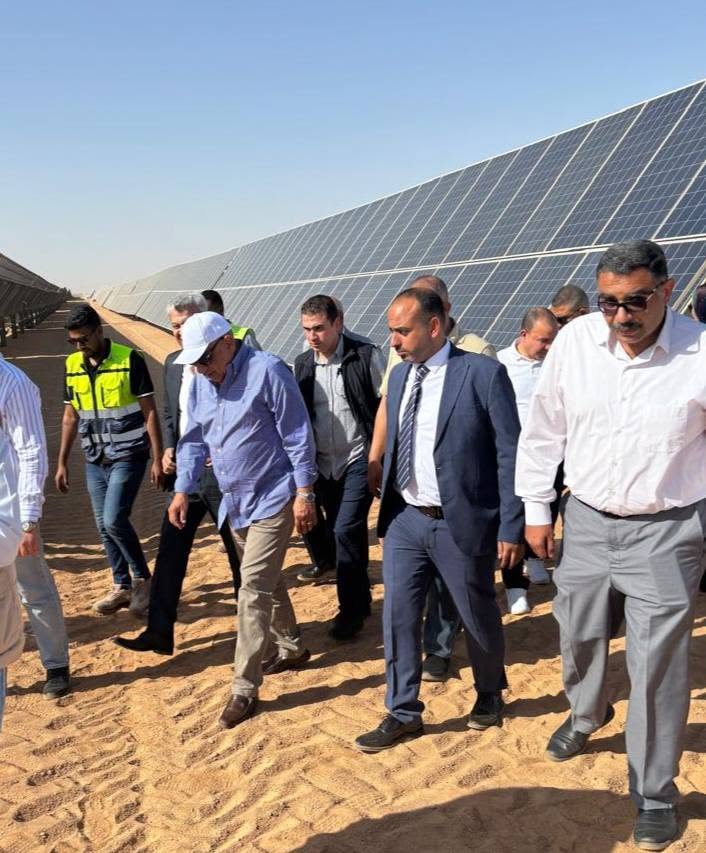
Benban, Abydos expansions to add 1,000 MW of renewable energy capacity to Egypt’s national grid
Egypt is set to add 1,000 megawatts (MW) of renewable energy capacity and 600 megawatt-hours (MWh) of battery storage to the national electricity grid in the coming months, as part of its ongoing transition toward clean energy and efforts to reduce reliance on fossil fuels. The announcement was made during a field visit by Minister of Electricity and Renewable Energy Mahmoud Esmat to the Benban Solar Park, the Benban Control Center, several transformer substations within the complex, and the Abydos 2 solar power project in Aswan Governorate. The visit forms part of the ministry’s efforts to maximize returns from existing renewable energy assets, accelerate project implementation, and ensure timely grid connection in line with Egypt’s National Energy Strategy and broader plans to expand renewable energy generation. During the tour, Esmat inaugurated an upgraded digital electricity platform for the Benban Solar Park, designed to digitize and manage the park’s power stations through a unified system. The platform provides real-time visibility into plant performance, electricity generation levels, asset availability, and accounting systems, while enhancing operational efficiency, transparency, and decision-making. The project was developed through the Egyptian-German Joint Committee for Renewable Energy, Energy Efficiency and Environmental Protection (JCEE) in cooperation with consulting firm Nexus Analytica. The minister also witnessed the signing of a contract between the Egyptian Electricity Transmission Company (EETC) and Nexus Analytica to establish a Digital Power Purchase Agreement (PPA) Management Center for Egypt’s national electricity grid. The center will provide integrated monitoring and management of solar power plants, wind farms, and battery energy storage systems (BESS), while offering advanced forecasting, performance analytics, asset optimization tools, and data-driven support for future investment and expansion decisions. The initiative forms part of Egypt’s broader shift from conventional utility management toward proactive, AI-enabled energy management. Esmat reviewed progress on the 1,000 MW Abydos 2 solar project, including preparations for energizing its transformer station and connecting the facility to the national grid. The project’s associated battery storage system will add 600 MWh of storage capacity, enhancing grid flexibility and supporting the integration of renewable energy sources. The minister also inspected ongoing work to add 270 MW of generating capacity to the Benban Solar Park, increasing the complex’s total capacity from 1,465 MW to 1,735 MW. Benban currently comprises 32 renewable energy projects and is widely regarded as one of the region’s flagship clean energy developments. Speaking during the visit, Esmat said reducing dependence on fossil fuels and increasing the share of renewable and clean energy in Egypt’s power mix remains a key directive from President Abdel Fattah Al-Sisi. He noted that the electricity sector is working closely with government institutions and private-sector partners to implement projects aligned with the National Energy Strategy. The minister reiterated Egypt’s target of increasing renewable energy’s contribution to the national energy mix to 45% within the next two years, emphasizing that advanced technologies and digitalization are essential to improving efficiency, service quality, and operational performance across the electricity sector. He added that the transition from conventional grids to smart grids represents a major step forward for the future of electricity transmission and distribution, enabling greater utilization of renewable energy resources and more efficient power management across the national network. The post Benban, Abydos expansions to add 1,000 MW of renewable energy capacity to Egypt’s national grid first appeared on Dailynewsegypt .
13 Jun 2026
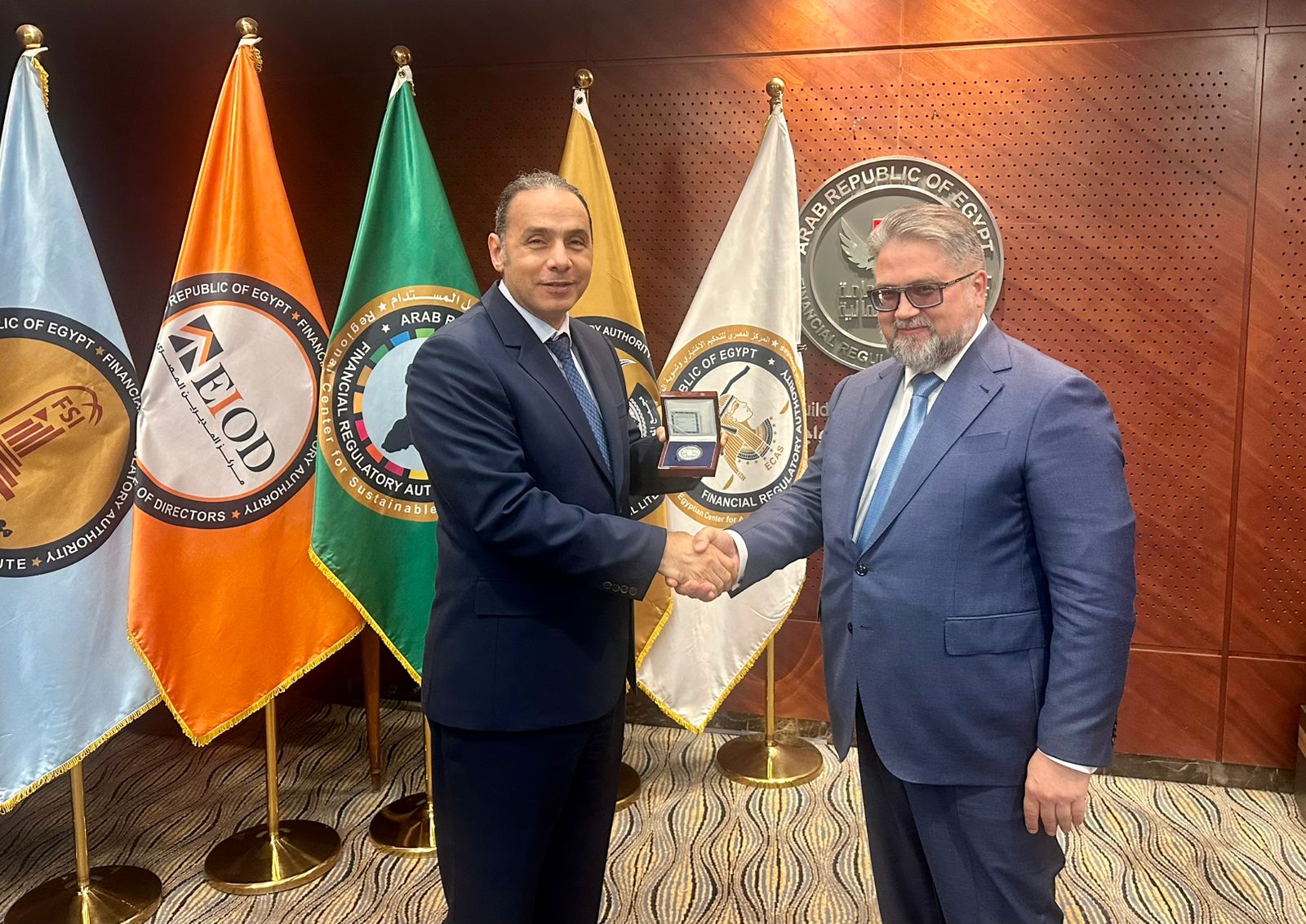
FRA chairperson discusses insurance sector cooperation with Russian central bank deputy governor
Islam Azzam, Chairperson of the Financial Regulatory Authority (FRA), received a Russian delegation headed by Alexey Guznov, Deputy Governor of the Central Bank of Russia, in the presence of Ahmed Abdel Aziz, Deputy Chairperson of the FRA; Mahmoud Gabrial, Assistant Chairperson of the Authority; and Abeer Saleh, Adviser to the FRA Chairperson. During the meeting, the two sides discussed prospects for cooperation in the insurance sector and other areas of mutual interest. The discussions highlighted the overlap between the mandates of the Central Bank of Russia and Egypt’s Financial Regulatory Authority in several fields, including insurance, finance, and the promotion of financial literacy. The meeting also reviewed recent developments in non-banking financial markets in both Egypt and Russia, as well as opportunities to strengthen coordination and exchange expertise, particularly in light of both countries’ membership in the BRICS grouping and the shared objectives among its member states. Azzam reaffirmed the FRA’s commitment to enhancing cooperation with international regulatory and financial institutions in a manner that keeps pace with global developments, supports the growth of non-banking financial activities in Egypt, and promotes innovation and sustainable development across the sector. For his part, Guznov said Egyptian-Russian relations continue to advance across various fields, supported by the shared commitment of the political leadership in both countries. He noted that this momentum creates favourable conditions for expanding economic cooperation and strengthening ties between Cairo and Moscow. The post FRA chairperson discusses insurance sector cooperation with Russian central bank deputy governor first appeared on Dailynewsegypt .
13 Jun 2026
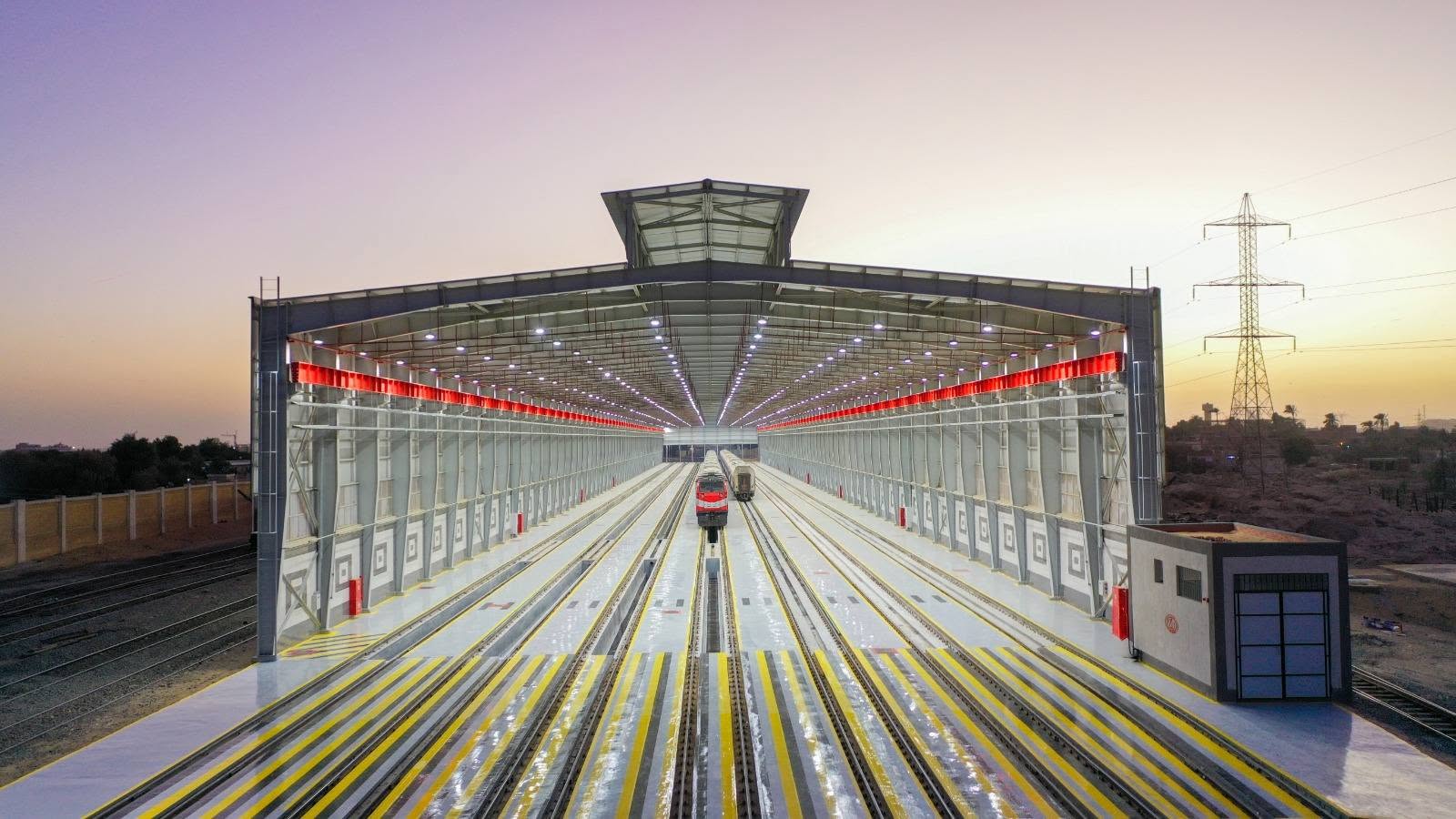
Egypt upgrades 33 railway workshops, completes 8 new maintenance facilities under network modernization plan
Egypt has completed the modernization of 33 railway workshops nationwide and finalized the construction of eight new maintenance facilities out of a planned total of 11, as part of the government’s comprehensive strategy to modernize the national railway network and improve transportation services. The announcement came during a visit by Deputy Prime Minister for Industrial Development and Minister of Transport and Industry Kamel Al-Wazir to the newly established High Dam Railway Workshop in Aswan, accompanied by Aswan Governor Amr Lashin and Egyptian National Railways (ENR) Chairperson Mohamed Amer. The visit was part of a broader inspection tour of Aswan and Luxor governorates to monitor the implementation of transportation and development projects and ensure the efficient operation of transport services. During the tour, Al-Wazir reviewed technical preparations for trains operating on the High Dam–Cairo line, assessing fleet readiness, workforce performance, and the technical safety measures implemented at the workshop to ensure safe operations and reliable passenger services. Officials presented a detailed overview of the facility, which was constructed by the Holding Company for Roads, Bridges and Land Transport, one of the Ministry of Transport’s affiliated companies. The workshop is considered a significant addition to the maintenance and technical support system of Egyptian National Railways. The facility includes nine railway tracks, seven of which are located inside the main maintenance shed, while two are situated in the workshop yard. The infrastructure enables a broad range of maintenance and technical preparation activities to be carried out in accordance with modern operational standards. The workshop serves approximately 34 trains daily at Aswan Station, including VIP services, Russian-built air-conditioned trains, dynamically ventilated Russian trains, and suburban services. It is equipped to perform technical inspections, preventive maintenance, pre-departure preparations, and post-arrival servicing, including brake-pad replacement, welding works, and various repair operations. Al-Wazir also reviewed train storage procedures, water-supply operations, inspections of air-conditioning and lighting systems, air-circuit testing, and train cleaning and sanitization activities aimed at enhancing passenger comfort and service quality. He directed officials to equip the workshop with the latest maintenance, repair, and lifting equipment. Speaking during the tour, the minister stressed that maintenance and technical safety systems constitute the first line of defense in ensuring efficient railway operations and maintaining regular train services. He emphasized the importance of adhering to the highest quality and safety standards across all technical activities to safeguard passengers and preserve the efficiency of railway assets. Al-Wazir noted that Egypt is implementing an unprecedented railway modernization programme based on seven key pillars: upgrading rolling stock; modernizing infrastructure; developing signalling, communications, control and command systems; enhancing maintenance and technical safety facilities; improving human resources; restructuring the organization; and strengthening the financial framework of the railway authority. He added that the Ministry of Transport has completed the modernization of 33 workshops across the country and finalized eight of the 11 new workshops planned under the strategy, while construction continues on the remaining three facilities. According to the minister, expanding maintenance infrastructure is essential to supporting the significant growth in Egypt’s fleet of modern locomotives and passenger coaches, while ensuring higher levels of operational reliability and efficiency across the national railway network. The developments form part of the state’s broader vision to establish a modern and sustainable transportation system based on advanced technologies and international best practices, providing safer and more efficient services for millions of passengers and reinforcing the role of railways as a key driver of economic development. The post Egypt upgrades 33 railway workshops, completes 8 new maintenance facilities under network modernization plan first appeared on Dailynewsegypt .
13 Jun 2026
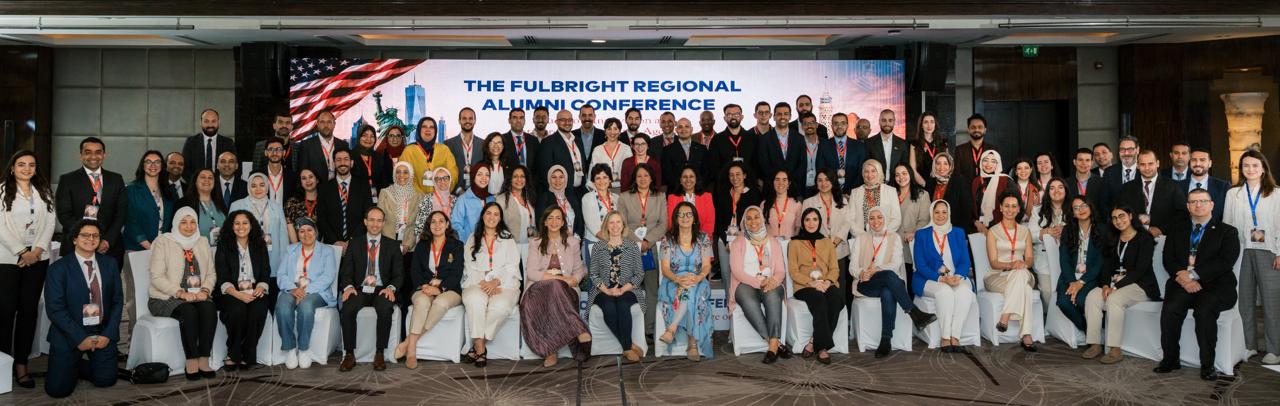
US Embassy in Cairo, Fulbright Egypt host regional AI conference celebrating America’s 250th anniversary
The Binational Fulbright Commission in Egypt (BFCE) and the US Embassy in Cairo hosted the Fulbright Regional Alumni Conference on “Education, Innovation, and Entrepreneurship in the Age of AI” from June 7 to 9, commemorating the 250th anniversary of the United States. The conference explored how American AI technologies, standards, and governance models are driving innovation and contributing to regional development across education, research, business, and governance in Egypt, across the Middle East and North Africa (MENA) region, and around the world. Sixty-one Fulbright alumni from across the MENA region who studied and trained in the United States delivered presentations showcasing the transformative potential of American AI as a catalyst for development and its far-reaching impact across numerous sectors. The conference concluded with a forward-looking dialogue on future US-MENA cooperation in artificial intelligence. Marwa Abbas, General Manager and Technology Leader for North East Africa at IBM, delivered the conference’s keynote address, highlighting American investment in AI across the MENA region. She said: “Throughout my career, I’ve seen that the most successful transformations are never driven by technology alone. They are driven by people who are willing to learn, adapt, enhance, and embrace change. That is why education and skills development have become among the most important conversations of our time. Fulbright builds perspective, and IBM builds skills and capabilities.” Ruben Harutunian, Acting Deputy Chief of Mission at the US Embassy in Cairo and Treasurer of the BFCE Board, reflected on the enduring strength of the Fulbright partnership. He noted: “The Fulbright Programme has been in Egypt for more than 75 years. It is a tremendous partnership that yields positive results for the people of Egypt and the people of the United States. Today, we stand at an exciting moment of possibility. As artificial intelligence continues to shape education, healthcare, and business, our task is to ensure that these tools expand opportunity, strengthen institutions, and help people solve real-world problems.” Cari Graves, Senior Programme Officer for Middle East Affairs Fulbright Programmes at the US Department of State’s Bureau of Educational and Cultural Affairs, underscored the programme’s strategic value, noting that the Fulbright Programme “builds the trusted global and regional networks that drive innovation, economic growth, and security.” Mostafa Rifaat, Secretary General of the Supreme Council of Universities and a BFCE Board member, highlighted the significance of the occasion, saying: “This conference is especially meaningful as it coincides with the celebration of the 250th anniversary of the independence of the United States of America. It is an opportunity to reflect on the enduring values of education, innovation, international cooperation, and the pursuit of knowledge.” The Fulbright-Egypt team, led by Executive Director Maggie Nassif, welcomed Fulbright alumni from 11 Arab countries, alongside distinguished guests from academia, government, and the public and private sectors. In her remarks, Nassif warmly welcomed attendees to Om El Donya—Egypt—stating that the gathering celebrated American contributions to science and innovation, recognised US investment in young talent across the MENA region, and helped chart the course for the next chapter of US-MENA collaboration. Established in 1949, the BFCE is the largest and oldest Fulbright programme in the MENA region. It has facilitated academic and cultural exchanges for more than 8,000 Egyptian and American scholars and students, making it a cornerstone of US-Egypt bilateral relations. The post US Embassy in Cairo, Fulbright Egypt host regional AI conference celebrating America’s 250th anniversary first appeared on Dailynewsegypt .
13 Jun 2026

India marks International Day of Yoga 2026 with nationwide events across Egypt
The Embassy of India in Cairo has launched a series of events across Egypt to celebrate the International Day of Yoga 2026, highlighting the growing cultural ties between India and Egypt and promoting yoga as a pathway to health, well-being, and cross-cultural understanding. Observed annually on June 21, the International Day of Yoga encourages physical and mental wellness through the practice of yoga, an ancient tradition that originated in India. This year’s celebrations in Egypt have drawn broad participation from government institutions, diplomatic missions, cultural organisations, academics, media professionals, and yoga enthusiasts. The programme began on May 22 with a large public yoga event at Al Nasr Sporting Club under the theme “Yoga and Indian Culture.” Hosted under the patronage of Indian Ambassador Suresh Reddy, the event brought together more than 300 participants for yoga sessions and cultural activities promoting healthy lifestyles and cultural exchange. A second major event took place on June 2 in cooperation with Egypt’s Ministry of Youth and Sports and the Ismailia Governorate at Othmason Sporting Club in Ismailia. Held along the scenic shores of Lake Timsah, the event attracted participants from diverse backgrounds. As part of its outreach efforts in Cairo, the Embassy organised a yoga workshop on June 4 in collaboration with the “Welcome to Egypt” initiative of the Egyptian Diplomatic Spouses Association. The workshop focused on raising awareness of yoga’s physical and mental health benefits among members of the diplomatic community. In Alexandria, a large-scale yoga event was held on June 5 at the historic Qaitbay Citadel in cooperation with the Alexandria Governorate. Participants practised yoga overlooking the Mediterranean Sea in sessions conducted according to the Common Yoga Protocol, while cultural performances highlighted the longstanding civilisational connections between India and Egypt. The Embassy also hosted a special “Yoga Day for Media” event at the residence of the Indian Ambassador on June 10. Journalists and media representatives participated in yoga exercises and cultural activities designed to increase awareness of yoga’s role in promoting physical fitness and mental well-being. In addition, the Embassy organised a Yoga Cartoon Competition that attracted 210 participants from 33 countries. Winning entries received cash prizes and were displayed during an exhibition at the Ambassador’s residence, reflecting yoga’s growing international appeal and cultural significance. Further events are scheduled for June 13 at Al Ahly Club’s Sheikh Zayed branch and June 15 at the Egypt Public Library’s Al Zawya branch, expanding outreach efforts ahead of the main celebration. The flagship event of the International Day of Yoga 2026 in Egypt is set to take place on June 21 at 7:00 a.m. at the Giza Pyramids. The gathering will feature a mass yoga session conducted under the Common Yoga Protocol and is expected to bring together public figures, government officials, diplomats, and yoga practitioners to celebrate the values of unity, peace, and collective well-being. The Embassy of India expressed its appreciation to all partners and institutions supporting this year’s activities, emphasising the role of yoga in fostering healthier communities and strengthening people-to-people connections between India and Egypt. The post India marks International Day of Yoga 2026 with nationwide events across Egypt first appeared on Dailynewsegypt .
13 Jun 2026
EU to mobilise up to €25bn for renewables, clean tech by 2035 through Pact for Mediterranean
The European Union (EU) has unveiled an ambitious new initiative aimed at accelerating the green energy transition across the Mediterranean region, with plans to mobilise up to €25bn in investments by 2035. The initiative, known as the Trans-Mediterranean Renewable Energy and Clean Technology Cooperation (T-MED), was launched during the European Sustainable Energy Week. It is a flagship component of the EU’s broader Pact for the Mediterranean and seeks to expand renewable energy production, clean technology manufacturing, hydrogen development, and modern electricity networks across the region. The programme was announced by European Commissioner for the Mediterranean, Dubravka Šuica, and Commissioner for Energy and Housing, Dan Jørgensen. To support the initiative, the European Commission has allocated more than €5bn in guarantee capacity through the European Fund for Sustainable Development Plus, a mechanism designed to attract additional public and private investment. According to the Commission, T-MED is expected to contribute to the development of 15GW of new renewable energy capacity by 2035, while supporting regulatory reforms and creating more than 100,000 jobs in clean energy sectors across partner countries. The initiative is also intended to promote deeper energy integration and cooperation between the European Union and countries of the southern Mediterranean. The programme will be implemented through five main pillars: mobilising investment, enhancing regulatory cooperation, developing workforce skills, upgrading energy infrastructure and electricity trading systems, and strengthening industrial cooperation in clean technologies. The EU hopes these measures will reduce investment risks, improve business environments, modernise power grids, and support local manufacturing and innovation. A key component of the initiative is its focus on human capital development. Through a dedicated T-MED Skills Agenda, the EU plans to support vocational training, strengthen university partnerships, and promote excellence in engineering, digital technologies, and green finance. The goal is to ensure that local workforces are equipped to benefit from emerging opportunities in the clean energy sector. Speaking at the launch, Commissioner Šuica highlighted the region’s vast renewable energy potential, estimated at 2,300GW—more than double the EU’s current renewable energy capacity. She noted that solar and wind energy production costs in many Mediterranean countries are between 30% and 40% lower than in Europe, positioning the region as a potential global hub for renewable energy and clean technologies. Commissioner Jørgensen emphasised the importance of moving away from dependence on fossil fuels, arguing that long-term energy security can only be achieved through clean energy systems, stronger interconnections, and more resilient networks. He described T-MED as a strategic initiative that will help unlock the Southern Mediterranean’s untapped clean energy potential while reducing exposure to volatile fossil fuel markets. The European Commission has already opened calls for expressions of interest from private investors and project developers, with the first operational meeting of the T-MED Investment Platform scheduled for October 2026. Initial EU-Mediterranean clean technology industrial partnerships are expected to begin taking shape in 2027. The post EU to mobilise up to €25bn for renewables, clean tech by 2035 through Pact for Mediterranean first appeared on Dailynewsegypt .
13 Jun 2026
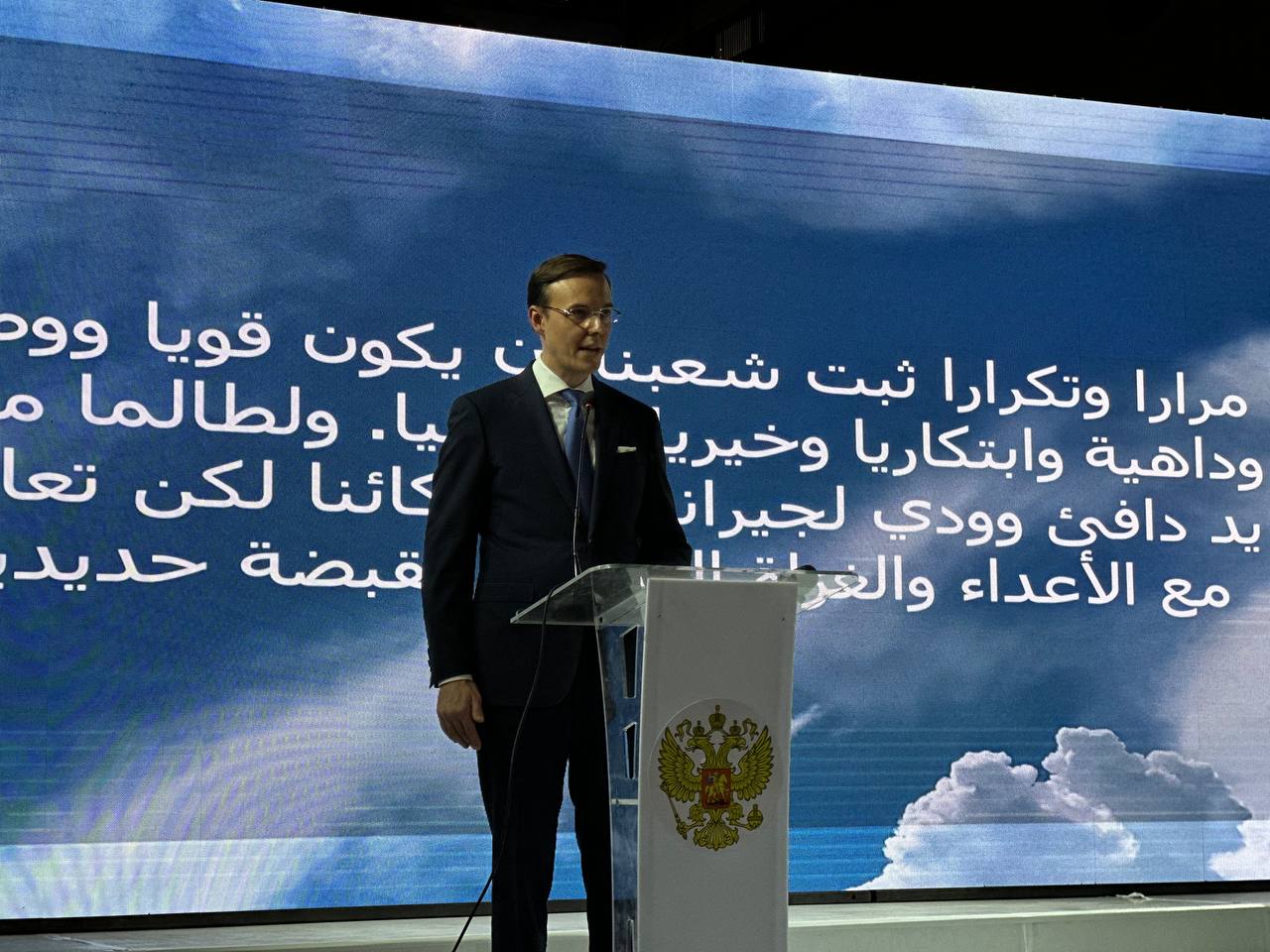
Cairo is longstanding strategic partner of Moscow: Russian Chargé d’Affaires in Egypt
Russian Chargé d’Affaires in Egypt Yuri Matveev said that his country has long regarded Egypt as a strategic partner, noting that the two nations share common positions on most regional and international issues. He highlighted cooperation in several major projects, including the construction of Egypt’s first nuclear power plant by the Russian state-owned company Rosatom. “The volume of our trade is expanding year after year, while our cooperation in the fields of science, education, culture, and sports is gaining increasing momentum,” he said. Matveev stressed that the warmth and mutual understanding between the Russian and Egyptian peoples remain the cornerstone of bilateral relations and continue to pave the way for further achievements. His remarks came during celebrations marking Russia’s National Day on Thursday evening, at a reception attended by diplomats, public figures, and representatives from various sectors. Matveev said the occasion provided an opportunity to celebrate Russia’s rich history and vibrant culture, as well as its remarkable natural beauty and the diversity of its regions, customs, and traditions. He also expressed pride in the achievements of the Russian nation over the centuries, saying that the Russian people have consistently demonstrated resilience, patriotism, innovation, generosity, and a strong sense of solidarity. Soviet Union’s Role in World War II Matveev said Russia had played a decisive role in shaping the course of world history on numerous occasions, citing the outcome of World War II as a prominent example. He said that when the future of humanity hung in the balance, the courage of the Soviet Army and the immense sacrifices made by the Soviet people were instrumental in defeating Nazi Germany. In the years that followed, he added, Russia contributed to the dismantling of colonial systems and supported the emergence of independent and sovereign states across Africa and Asia. Turning to current international affairs, Matveev said Russia continues to oppose what he described as attempts by certain powers to dominate other nations under what he called dubious and unfounded pretexts. He argued that Russia is once again confronting what he characterised as neo-colonial ambitions, as well as the resurgence of neo-Nazism in Europe despite the continent’s painful historical experience. He also criticised NATO, accusing the alliance of pursuing policies that have brought its military infrastructure closer to Russia’s borders. Matveev further claimed that Ukraine, which he described as part of Russia’s historical territory, had been transformed into a military platform directed against Moscow. According to Matveev, NATO has openly sought to inflict a strategic defeat on Russia through military assistance and sanctions. He described the situation as a fierce confrontation in which, he alleged, Russia’s opponents continue to resort to terrorist attacks and the targeting of civilians. As an example, he cited what he described as a drone strike on a student dormitory in the city of Starobilsk on 22 May 2026, which he said killed 21 young people. Russia, he added, would not tolerate such actions and would ensure that those responsible are held accountable. Matveev affirmed that Russia would continue to defend its security and national interests while pursuing the development of a modern and dynamic economy, regardless of what he described as external efforts to weaken the country. He concluded by expressing appreciation for the support of Russia’s international partners, arguing that many countries, particularly in the Global South, share Moscow’s vision of a multipolar and balanced international order and have, in his words, grown increasingly dissatisfied with what he described as Western double standards. The post Cairo is longstanding strategic partner of Moscow: Russian Chargé d’Affaires in Egypt first appeared on Dailynewsegypt .
13 Jun 2026
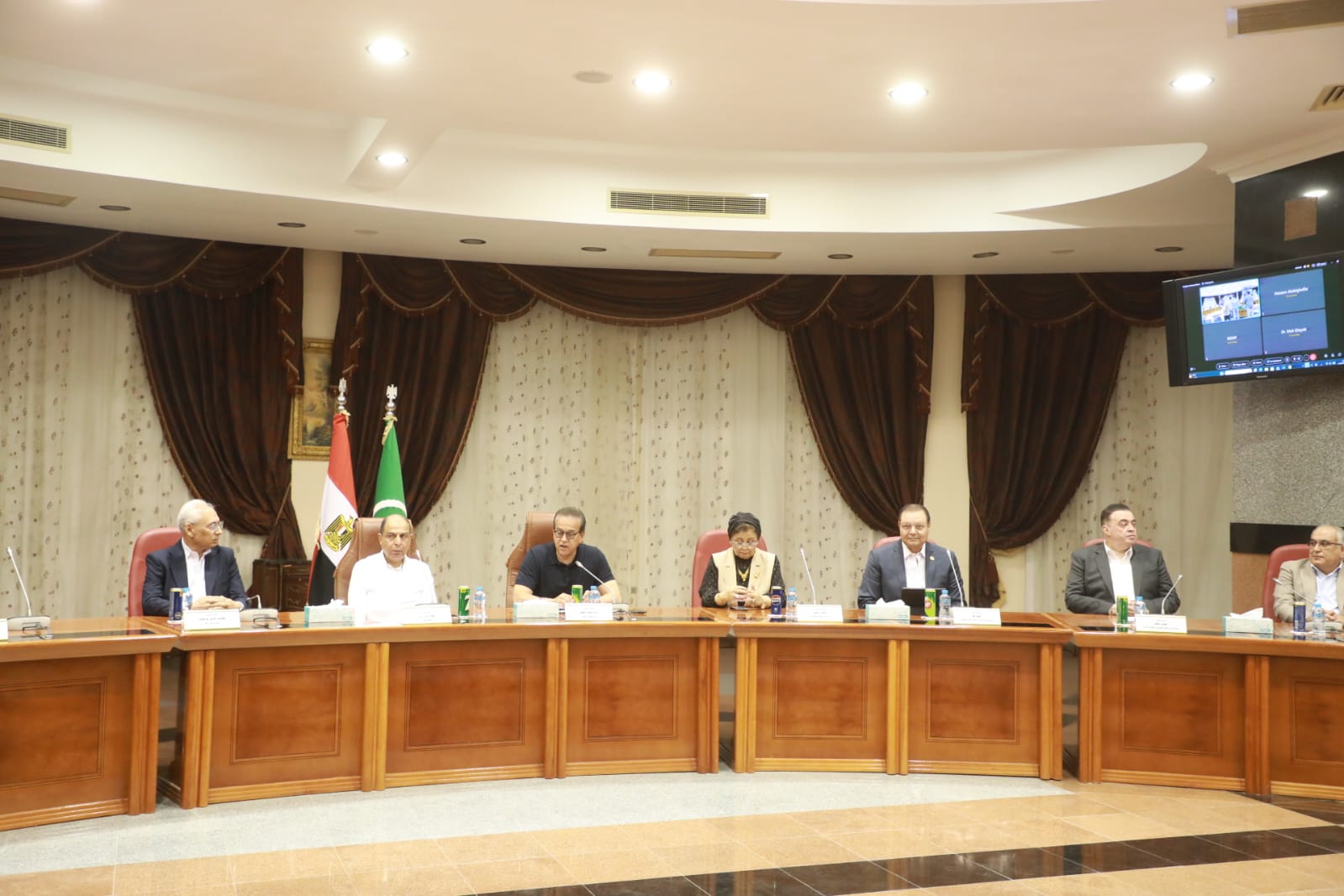
Egypt gears up to launch universal health insurance in Minya
Egypt is preparing to launch its universal health insurance system in Minya, home to around seven million residents, making it the first governorate to join the programme’s second phase, Minister of Health and Population Khaled Abdel Ghaffar said. According to a statement from the Ministry of Health and Population, Abdel Ghaffar chaired a meeting of the Universal Health Insurance Coordination Committee during a field visit to Minya to review final preparations ahead of the system’s rollout. The minister said the programme would initially operate on a one-year trial basis, allowing for continuous evaluation and improvement while ensuring the delivery of high-quality healthcare services. He stressed the importance of applying lessons learned from the first phase of the scheme and called for stronger institutional coordination among all stakeholders involved in implementation. Abdel Ghaffar also highlighted the role of university hospitals and the private sector as key partners in ensuring the success of the system. He thanked the relevant authorities for their efforts in preparing healthcare facilities administratively, technically, and medically for integration into the new framework. The ministry said the meeting reviewed the readiness of 10 hospitals scheduled to be transferred to the General Authority for Healthcare as part of their integration into the universal health insurance system. It added that 60 primary healthcare facilities—including 49 health units and 11 medical centres—have been equipped to serve approximately 1.283 million residents. Of these, 29 facilities have already received accreditation from the General Authority for Healthcare Accreditation and Regulation (GAHAR). Digital transformation systems have also been activated in 15 healthcare facilities as part of broader efforts to modernise healthcare services and strengthen electronic connectivity across the sector. The minister directed officials to provide all requirements necessary to complete preparations and maintain the highest quality standards, including the availability of specialised and complex surgical services within the governorate. Minya Governor Emad El Kadwany said the implementation of the system would represent a “qualitative leap” in healthcare services across the governorate, improving both access to and quality of care for residents. Meanwhile, Minya University President Essam El-Din Sadeq said the university is ready to participate through its nine hospitals, which have a combined capacity of 1,700 beds, including four hospitals accredited by GAHAR. Following the meeting, Abdel Ghaffar met with members of parliament to discuss ways to coordinate efforts, address implementation challenges, and ensure the successful rollout of the new healthcare system in the governorate. The post Egypt gears up to launch universal health insurance in Minya first appeared on Dailynewsegypt .
13 Jun 2026
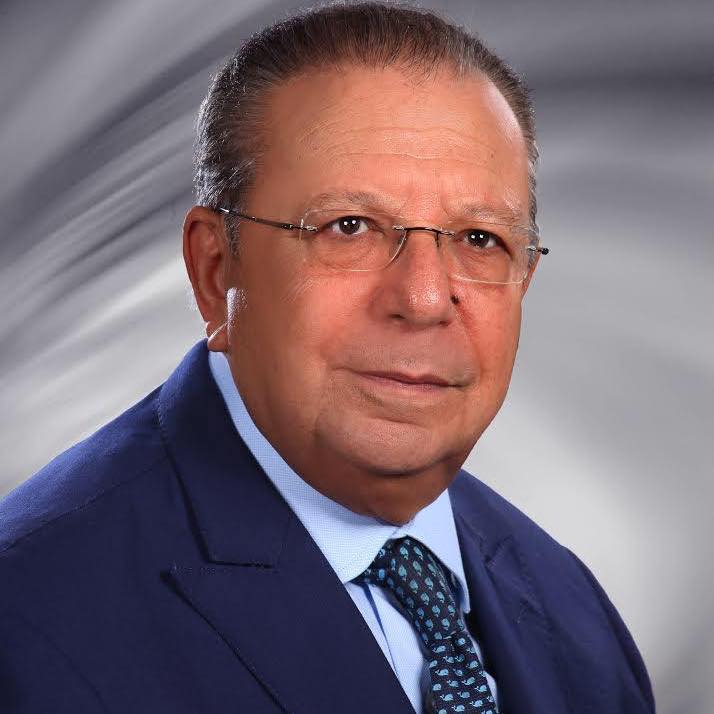
Inflation in May 2026: A Reassuring Decline and a Cautionary Signal
The key message in May’s data is that headline inflation continued to fall, while core inflation raised a yellow card to markets. Egypt’s inflation data for May 2026 carried a blend of positive signals and cautionary messages at the same time. On the one hand, the annual headline urban inflation rate continued its downward trajectory, recording 14.6% compared with 14.9% in April, reflecting the continued success of monetary policy in containing inflationary pressures relative to the elevated levels seen over the past two years. On the other hand, the stability of annual core inflation at 13.8% for the second consecutive month suggests that the battle to contain inflation has not yet been fully won. According to data from the Central Bank of Egypt (CBE), monthly headline inflation recorded 1.6% in May, compared with 1.1% in April, while core inflation also registered 1.6%, up from 1.1% in the previous month. Here lies one of the most important signals in this month’s data. Headline and core inflation typically move at different speeds, as the former is influenced by more volatile items such as vegetables, fruit, and certain administered prices, while the latter more clearly reflects underlying price trends and embedded inflationary pressures within the economy. In May, however, both monthly indicators rose at exactly the same pace, a development that warrants attention. This reading suggests that the price pressures experienced during the month were not confined to a narrow group of goods or services, but rather extended, to varying degrees, across a broader range of the consumer basket. As a result, the monthly increase fed through to both headline and core inflation at almost the same rate. Although annual headline inflation continued to decline, this drop was largely attributable to base effects, as May 2025 recorded relatively elevated levels. The current monthly reading, however, indicates that inflationary momentum has not fully disappeared, but rather picked up again compared with April. Part of these developments may also reflect the continued pass-through of energy and fuel price adjustments into transport, services, and production costs, alongside seasonal factors linked to higher consumer spending during the summer and holiday season. These dynamics make the Central Bank more cautious in monitoring developments over the coming months before taking any additional steps towards monetary easing. From this perspective, core inflation takes on particular importance. While the decline in headline inflation sends positive signals confirming a continued downward trend in prices, the stability of core inflation at 13.8% delivers a warning to markets that underlying inflationary pressures remain more persistent than expected, and that the downward path may not be swift or linear in the period ahead. Accordingly, May’s data does not appear sufficient to alter the prevailing outlook for monetary policy at this stage. The figures support the continuation of the wait-and-see approach adopted by the Central Bank in recent meetings, particularly amid ongoing uncertainty surrounding global economic developments, international interest rates, and prevailing geopolitical tensions. In summary, May’s figures carried two sides of the same message: a positive side reflected in the continued decline in annual headline inflation, and a more cautious side reflected in the stability of core inflation and the rebound in monthly readings. Inflation is therefore still moving in the right direction, but it has not yet reached a level that allows for full reassurance or a premature resumption of monetary easing. The most notable message in the May 2026 data is that headline inflation continued to fall, while core inflation raised a yellow card to markets, confirming that the path towards full price stability still requires more time. Mohamed Abdel Aal – Banking expert The post Inflation in May 2026: A Reassuring Decline and a Cautionary Signal first appeared on Dailynewsegypt .
13 Jun 2026
ADCB Egypt launches first investment fund in partnership with EFG Hermes
Abu Dhabi Commercial Bank (ADCB) Egypt has launched its first investment fund in the Egyptian market through a strategic partnership with EFG Hermes Asset Management, marking a significant step in the bank’s efforts to diversify its investment offerings and enhance wealth management solutions for clients. Under the agreement, ADCB Egypt has appointed EFG Hermes Asset Management to manage the new fund, a money market investment vehicle designed to provide clients with a low-risk and highly flexible investment solution. Named “Zayed Kol Yom” (Zayed Every Day), the fund allows investors to subscribe and redeem units on a daily basis, enabling efficient liquidity management while generating competitive short-term returns. The launch represents a key milestone in ADCB Egypt’s strategy to expand its portfolio of banking and investment products, while also laying the foundation for broader cooperation between the two institutions. Designed to meet the evolving financial needs of clients, the money market fund offers a flexible investment instrument aligned with a range of savings and liquidity objectives. The bank has also integrated the fund into its digital banking ecosystem, making it accessible through its website and mobile banking application to enhance convenience and ease of use. Nabil Moussa, Head of Asset Management at EFG Hermes, welcomed the partnership, describing it as an important step toward expanding access to institutional-quality investment solutions. “This collaboration reflects our strong commitment to delivering institutional-grade investment products to a broader client base,” Moussa said. “By combining our asset management expertise with ADCB Egypt’s strong customer franchise, we aim to provide a reliable and efficient solution that supports clients’ liquidity needs while establishing a platform for future investment offerings.” Rania Hassan, Head of Treasury and Investment Group at ADCB Egypt, said the launch aligns with the bank’s strategy of broadening its product portfolio and creating additional value for customers. “The launch of our first investment fund in Egypt, ‘Zayed Kol Yom’, marks an important milestone in our strategy to diversify our offerings and deliver enhanced value to our clients,” Hassan said. “Our partnership with EFG Hermes enables us to benefit from its extensive experience and proven track record in managing high-quality investment products. We view this initiative as the beginning of a long-term collaboration that will create new opportunities to introduce innovative investment solutions tailored to our clients’ evolving needs.” The partnership reflects the shared vision of both institutions to enhance customer experience and expand access to professionally managed investment products in Egypt. Building on the launch of the new fund, ADCB Egypt and EFG Hermes plan to explore additional opportunities to introduce investment funds across a wider range of asset classes in the future. The post ADCB Egypt launches first investment fund in partnership with EFG Hermes first appeared on Dailynewsegypt .
13 Jun 2026

Daily News Egypt tracks key banking sector performance indicators in 2025
Daily News Egypt reviews the key performance indicators of banks operating in the Egyptian market in 2025, based on the latest report issued by the Central Bank of Egypt (CBE). Total Assets The CBE revealed that total assets of the Egyptian banking sector, excluding the Central Bank, stood at EGP 24.122trn in December 2025, compared with EGP 26.399trn in the previous month, reflecting a decline of approximately EGP 2.277trn. Banks’ cash balances amounted to EGP 160.420bn, while balances held with other domestic banks reached EGP 2.713trn. Deposits and balances held with banks abroad totalled EGP 1.906trn. Loans and discount balances extended to customers reached EGP 10.377trn, while banks’ securities portfolios and investments in Treasury bills stood at EGP 7.825trn. Other assets, which were not detailed by the CBE, amounted to approximately EGP 1.139trn. On the liabilities side, banks’ capital totalled EGP 716.751bn, while reserves reached EGP 1.074trn and provisions stood at EGP 686.442bn. Liabilities to other domestic banks amounted to EGP 1.750trn, while obligations to foreign banks reached EGP 628.126bn. Total deposits stood at EGP 15.767trn, while bonds and long-term loans amounted to EGP 654.244bn. Other liabilities, not specified by the CBE, totalled approximately EGP 2.544trn. Customer Deposits The CBE reported that customer deposits increased to EGP 15.896trn in December 2025, up from EGP 15.690trn in November, representing a monthly increase of EGP 206bn. Government deposits amounted to EGP 3.125trn, including EGP 2.641trn in local currency and the equivalent of EGP 483.701bn in foreign currencies. Non-government deposits reached EGP 12.770trn, comprising EGP 9.685trn in local currency and the equivalent of EGP 3.084trn in foreign currencies. Within local-currency non-government deposits, the public business sector accounted for EGP 173.135bn, the private business sector for EGP 1.669trn, households for EGP 7.738trn, and non-residents for EGP 105.241bn. As for foreign-currency deposits, the public business sector held the equivalent of EGP 185.071bn, the private business sector EGP 996.276bn, households EGP 1.822trn, and non-residents EGP 81.351bn. According to the CBE, total bank deposits grew by 19.7% in December 2025. Local-currency deposits recorded growth of 26.8%, while foreign-currency deposits increased by 1.5%. Credit Facilities The CBE said banks’ credit facilities balance rose to EGP 10.377trn in December 2025, marking an increase of approximately EGP 1.055trn compared with June 2025. Credit facilities include loans extended by banks to customers, as well as documentary credits and letters of guarantee issued to support import transactions. The increase was driven by a rise of EGP 376.6bn, or 8.6%, in facilities granted to the non-government sector, alongside an increase of EGP 668.8bn, or 13.8%, in facilities extended to the government sector. According to the CBE, the increase in government credit reflected a rise of EGP 830.5bn in local-currency facilities, partially offset by a decline of EGP 161.7bn in foreign-currency facilities. The private business sector accounted for 59.9% of total non-government credit facilities. By economic activity, the industrial sector received the largest share of non-government credit facilities at 33.1%, followed by the services sector at 27.6%, trade at 8.1%, and agriculture at 1.5%. Unclassified sectors accounted for 29.7% of total balances, with households representing 29.5% of that category. Domestic Liquidity The CBE reported that domestic liquidity increased by EGP 954.8bn during the first half of FY2025/26, reaching EGP 14.027trn and recording growth of 7.3%. The increase was driven by a rise of EGP 545.9bn, or 5.6%, in quasi-money and an increase of EGP 408.9bn, or 12.1%, in money supply. Growth in quasi-money was mainly attributed to an increase of EGP 634.3bn, or 9.6%, in non-current local-currency deposits, despite a decline in foreign-currency deposits equivalent to EGP 88.4bn, or 2.9%. Meanwhile, the expansion in money supply was driven by a rise of EGP 346.4bn, or 17.3%, in current local-currency deposits, in addition to an increase of EGP 62.5bn, or 4.5%, in currency circulating outside the banking system. The CBE noted that the rise in domestic liquidity reflected growth in both net domestic assets and net foreign assets across the banking system. Net domestic assets increased by EGP 480.4bn during the period, representing growth of 3.9%. This was supported by an increase of EGP 1.647trn, or 11.1%, in domestic credit, alongside a rise of EGP 1.167trn in the negative balance of net budget items. Domestic credit expanded due to increases in net claims on the government of EGP 1.172trn, claims on the private business sector of EGP 275.5bn, claims on the public business sector of EGP 63.7bn, and claims on the household sector of EGP 135.8bn. The CBE also revealed that net foreign assets of the banking system increased by the equivalent of EGP 474.4bn during the first half of FY2025/26, representing growth of 64%. This increase was driven by a rise in banks’ net foreign assets equivalent to EGP 339.2bn, alongside an increase in the Central Bank’s net foreign assets equivalent to EGP 135.2bn. Reserve Money Reserve money increased by EGP 104.9bn during the first half of FY2025/26, recording growth of 4.5% to reach approximately EGP 2.425trn in December 2025. The increase was reflected in a rise of EGP 62bn, or 7.6%, in banks’ local-currency deposits with the CBE, as well as an increase of EGP 42.9bn, or 2.8%, in currency circulating outside the Central Bank’s vaults. According to the CBE, the growth in reserve money was supported by an increase in net claims on the government of EGP 115bn and a rise in the Central Bank’s net foreign assets equivalent to EGP 135.2bn. These factors were partially offset by an increase in net claims on banks of EGP 78.8bn and a rise of EGP 224.1bn in the negative balance of net budget items. The post Daily News Egypt tracks key banking sector performance indicators in 2025 first appeared on Dailynewsegypt .
13 Jun 2026
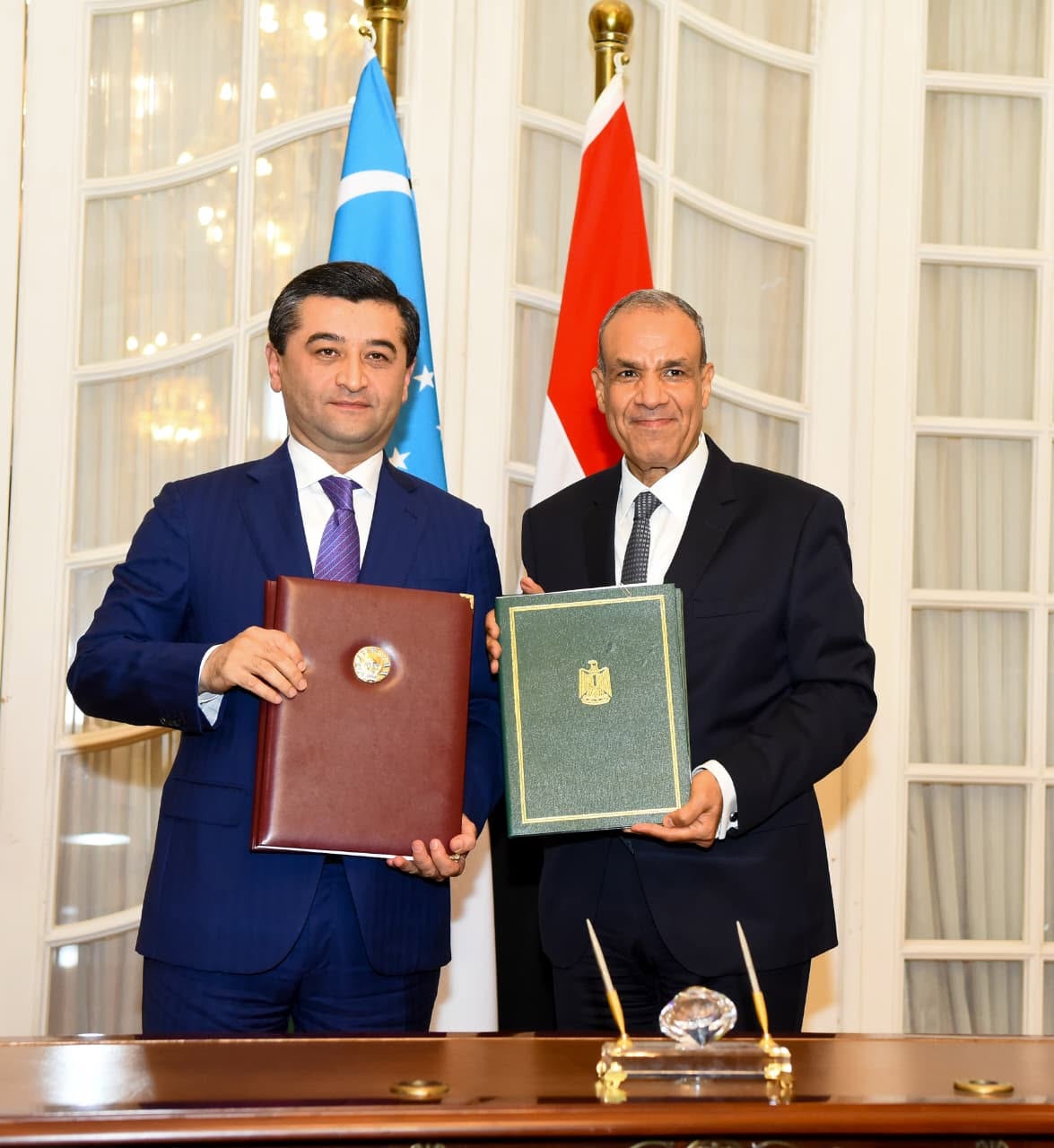
Egypt, Uzbekistan sign diplomatic MoUs during first Uzbek foreign minister visit to Cairo
Egypt and Uzbekistan signed two memorandums of understanding for diplomatic cooperation on Saturday during the first bilateral visit by an Uzbek foreign minister to Cairo, where talks focused on establishing a joint chamber of commerce and expanding Central Asian market access for Egyptian pharmaceuticals. Egyptian Minister of Foreign Affairs Badr Abdelatty and his Uzbek counterpart Bakhtiyor Saidov concluded their meetings by signing an agreement linking the Egyptian Institute for Diplomatic Studies with its Uzbek equivalent, alongside a cooperation programme between the two foreign ministries covering the period from 2026 to 2028. Foreign Ministry spokesperson Tamim Khalaf stated that Abdelatty welcomed the inaugural visit by an Uzbek foreign minister, noting it reflects the momentum in bilateral relations and a shared political will to maintain regular coordination mechanisms. During the discussions, Abdelatty stressed the need to expedite the formation of the Egyptian-Uzbek Chamber of Commerce and a joint business council to increase trade and investment volumes. He highlighted Egypt’s strategic location and its extensive network of free trade agreements to facilitate mutual economic growth. The ministers reviewed strategies to translate political agreements into concrete investments across agriculture, energy, infrastructure, mining, the automotive industry, chemicals, tourism, food industries, logistics, and maritime and air connectivity. Abdelatty specifically highlighted cooperation in the pharmaceutical industry, urging the facilitation of Egyptian medicine registration in the Uzbek market to support the entry of Egyptian products into Central Asia. He also emphasised the importance of joint training, capacity building, and the transfer of technical expertise. Khalaf added that the two officials examined regional and international issues, primarily the Palestinian cause, and exchanged views regarding the latest developments in US-Iranian negotiations. Saidov praised the depth of relations between the two countries, expressing his anticipation to elevate ties across various sectors in the coming period. He also commended Egypt’s role in supporting regional security and stability. The post Egypt, Uzbekistan sign diplomatic MoUs during first Uzbek foreign minister visit to Cairo first appeared on Dailynewsegypt .
13 Jun 2026
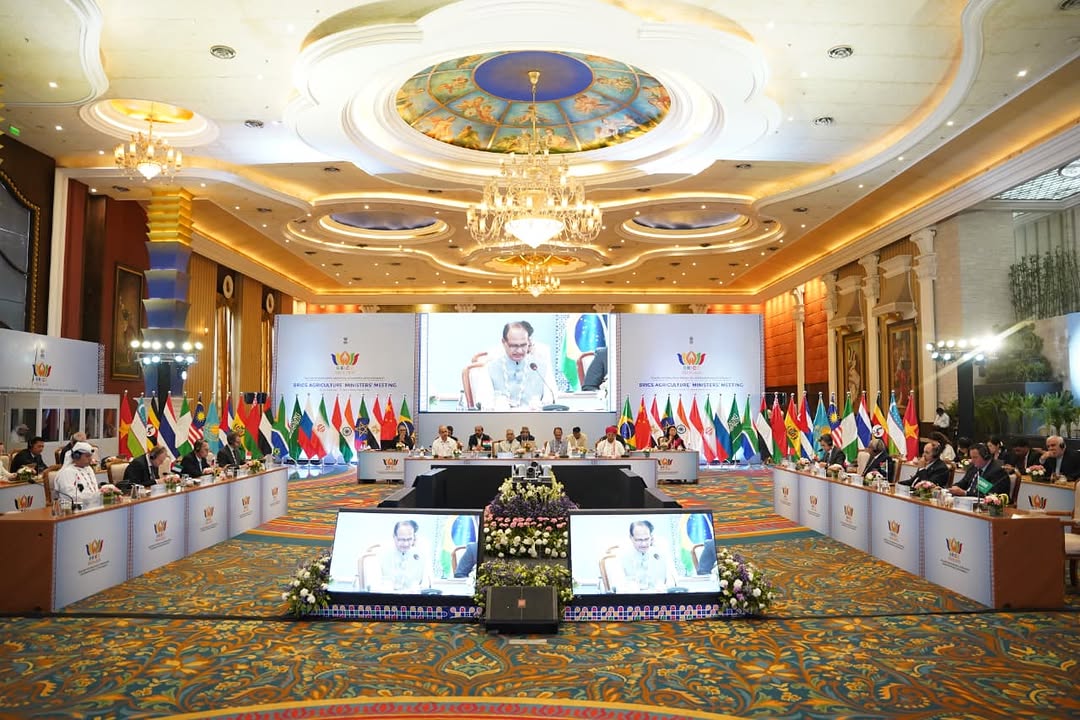
BRICS agriculture ministers adopt joint declaration rejecting unilateral trade barriers
BRICS nations adopted a joint declaration rejecting unilateral trade restrictions that threaten food security and agreed to launch new mechanisms for seed and fertiliser cooperation, a move welcomed by Egyptian Minister of Agriculture and Land Reclamation Alaa Farouk during the bloc’s ministerial meetings in India. The 16th Joint Ministerial Declaration of the BRICS Agriculture Working Group, convened in Indore, Madhya Pradesh, supported a multilateral trading system based on World Trade Organisation (WTO) rules. The declaration called for the establishment of the “AGRIN” network for seed and fertiliser cooperation, the launch of the “Global Forum for Farmers’ Rights in Seed Production Systems,” and the enhancement of the BRICS Agricultural Research Platform (BARP). In a recorded address to the conference, Farouk thanked the Indian government and the Indian Minister of Agriculture and Farmers’ Welfare for their organisation and efforts to advance the bloc’s agricultural cooperation. He affirmed Egypt’s full support for international efforts to strengthen global food security, transfer technology, and empower small farmers, noting the meeting’s significance amid global challenges such as climate change, supply chain disruptions, and economic fluctuations. “Investment in scientific research and digital transformation represents the primary key to building resilient food systems,” Farouk said, adding that “South-South cooperation” and knowledge exchange between BRICS members are the most effective tools for achieving regional and global sustainable development. The meetings in Indore featured the participation of ministers, senior officials, and experts from 21 countries, including delegations from Brazil, Indonesia, China, Iran, South Africa, and the United Arab Emirates. Ali Abdel Mohsen, Head of the Central Administration for Strategic Management, participated via a live virtual broadcast as the Egyptian agriculture ministry’s official focal point. The adopted declaration targets the formulation of an independent and flexible agricultural system, facilitating small producers’ access to finance, technology, insurance, and markets, alongside full support for production and marketing cooperatives. According to an Egyptian agriculture ministry statement, the conference focused heavily on climate-resilient agriculture. Discussions covered expanding regenerative and organic farming, improving soil and water management, and issuing international calls to increase climate finance directed at the agricultural sector. The meetings also prioritised advancing digital transformation, artificial intelligence, and remote sensing applications, upgrading the livestock and fisheries sectors using modern vaccines and genetic technologies, and injecting new investments into cold chains and storage to reduce post-harvest food loss. The post BRICS agriculture ministers adopt joint declaration rejecting unilateral trade barriers first appeared on Dailynewsegypt .
13 Jun 2026