Video message for roundtable discussion on LNG & Shipping organised by CBS Alumni Club and Columbia Global Energy Centre
European Commission Speech Brussels, 04 May 2026 Ladies and gentlemen, I have been asked to present the EU perspective on the closure of the Strait of Hormuz. But first, allow me to welcome that finally after ...
27 May 2026

Melisa Massinelli, de Fundación Reciduca, y la vocación de acompañar a estudiantes de zonas vulnerables para “que logren una vida con proyectos”
Hace más de dos décadas que Fundación Reciduca trabaja con jóvenes en situación de vulnerabilidad con un objetivo claro: que cada estudiante pueda imaginar y sostener un proyecto de vida propio. “Somos una organización sin fines de lucro que acompaña a chicos entre los 16 y 24 años para que finalicen sus estudios, tengan más oportunidades laborales y sean responsables con el medio ambiente”, explicó para abrir la charla Melisa Massinelli, directora de Educación de Fundación Reciduca, en el auditorio de Ticmas en la Feria del Libro. La propuesta se centra en los dos últimos años del nivel secundario, un momento clave en el que muchas trayectorias educativas se interrumpen. Ahí, Reciduca interviene a través de tres ejes de trabajo: el acompañamiento educativo, el desarrollo personal y las capacitaciones. En el primero, se fortalecen herramientas académicas como la organización, la planificación, la comunicación y el trabajo en equipo. En el segundo, el foco está puesto en el autoconocimiento y la gestión emocional. Finalmente, las capacitaciones abren una puerta hacia el “mundo real”, conectándolos con estudios superiores y experiencias laborales. Una red que crece con los jóvenes Actualmente, la fundación tiene presencia en 19 localidades, alcanza a 936 estudiantes y acumula una trayectoria de 23 años. En ese tiempo, cerca de 8.000 jóvenes pasaron por el programa. Uno de los datos que más destacan desde la organización es el nivel de permanencia: “Los chicos eligen quedarse. El año pasado terminó el 93% de los estudiantes que empezaron”, subrayó Massinelli. Para la directora, el diferencial está en la posibilidad de ampliar horizontes: “Cuando abrís la posibilidad a los chicos a que vean diferentes realidades, que las transiten y que tengan un roce con el ámbito laboral, estás abriendo puertas. Son oportunidades que habitualmente no tienen a lo largo de la escuela secundaria”. Elegir participar: el valor del compromiso El ingreso al programa también marca una diferencia. “Lo lindo es que los chicos nos eligen”, señaló Massinelli. Si bien en algunos casos la fundación define territorios de trabajo junto a escuelas o empresas, la inscripción es voluntaria. El programa se desarrolla en contraturno escolar y se apoya en la figura clave de los tutores. “Son las personas más importantes para nosotros. Son quienes llevan adelante los valores de la fundación y quienes están en el día a día de los chicos”, explicó. Ese vínculo cercano se traduce en transformaciones concretas. Durante la jornada se proyectó el testimonio de una estudiante, quien relató cómo logró superar su timidez, mejorar su comunicación y ganar confianza. También destacó que la experiencia la ayudó a proyectar su futuro académico y personal con mayor claridad. Del aula al mundo laboral Uno de los pilares del programa es la articulación con el mundo del trabajo. En este sentido, Reciduca ofrece espacios de orientación vocacional y educación financiera, y genera instancias prácticas junto a voluntarios de empresas. En ese sentido, Massinelli destaca el acompañamiento realizado para afrontar situaciones reales, como armado de currículum, entrevistas laborales, entre otras. A su vez, cuentan con un área de empleo y egresados que conecta a los jóvenes con becas y oportunidades laborales. Algunas empresas, incluso, buscan y contratan lo que denominan “talento Reciduca”. El acompañamiento no termina con la escuela: la fundación continúa trabajando con los jóvenes hasta los 24 años, acercándoles propuestas de formación, empleo y crecimiento profesional. “Nuestro objetivo es que logren desarrollar una vida con proyectos”, afirmó. Las dificultades que persisten A pesar de los avances, los desafíos son profundos. “Vemos mucha tristeza, poca esperanza”, advirtió Massinelli. En algunos casos, la organización debe articular con otras instituciones para abordar problemáticas específicas. Las razones de abandono, tanto del programa como de la escuela, suelen estar vinculadas a cuestiones económicas. “Algunos tienen que salir a trabajar, otros se quedan en sus casas cuidando hermanos o familiares mayores, algo que se visibiliza más en las chicas”, explicó. Frente a este escenario, la directora destacó que hay múltiples formas de colaborar con la fundación: desde donaciones individuales o corporativas hasta la participación en programas de voluntariado empresarial.
11 May 2026

Delfina Hempe, presidenta del área educativa de River: “Trabajamos de manera integral el acompañamiento de los chicos y de su salud mental”
En el último sábado de la 50° Feria Internacional del Libro, Delfina Hempe quien preside el Área Educativa del Club Atlético de River Plate conversó con Patricio Zunini en el marco de los diálogos convocados por la solución integral Ticmas para reflexionar sobre los temas que impactan en la educación. La salud mental y socioemocional son dos tópicos que cada vez ganan mayor interés entre los profesionales, los formadores, las familias y los propios alumnos. Y pensarla desde el deporte abre nuevas dimensiones que requieren de una mirada de acción. — El tema de la salud mental muchas veces se habla poco en el deporte. ¿Cómo empezaron a trabajar el tema? ¿Qué les pasó que dijeron hay que prestarle atención a esto? — River tiene dentro de lo que es el club un área educativa. El ecosistema del área educativa de River Plate tiene un colegio que va desde el nivel inicial hasta el nivel secundario, tiene un terciario con algunas carreras, en particular su estrella es el periodismo deportivo, tiene una universidad y también tiene una secundaria para deportistas de alto rendimiento. La educación en River nace en 1982 donde se funda la primera secundaria con la idea de acompañar justamente a los chicos que se estaban formando para ser jugadores profesionales en River. ¿Por qué? Porque se veía que muchas veces el deporte empezaba a competir con su futuro que es la educación y la realidad es que no todos esos chicos llegan a cumplir su sueño de ser jugadores profesionales y estar en un plantel superior. Entonces River empezó a darse cuenta que necesitaba acompañar la integralidad y la formación de esos chicos desde otro lugar y ahí es donde empieza a aparecer lo que es la educación en River. Lo que empezamos a ver hace un tiempo es que los chicos ya llegan con otras realidades al club, digo al club porque también tenemos la suerte de que el colegio y que el área educativa está inserta en un club de fútbol que hace a una comunidad mucho más presente, mucho más integrada. — Las aulas miran al estadio. — Las aulas miran al estadio, tenemos un colegio inaugurado en 2025 que es un colegio de 6.000 metros cuadrados que tuvo una inversión de 10 millones de dólares que pagaron los socios y la realidad es que los chicos que van al colegio muchas veces no es que sólo están las horas que dura la jornada escolar sino que después están en la comunidad y eso también es cómo abordamos la educación y la formación en River, no sólo desde el área educativa sino también desde la fundación River, desde todo lo que tiene que ver con los deportes; los chicos terminan el colegio y se van corriendo a fútbol, a hockey, a voley. Entonces tenemos la oportunidad de trabajar desde una manera mucho más integral todo lo que es el acompañamiento de los chicos y de la salud mental. En un año con muchos desafíos; estamos viendo cómo los chicos llegan con más ansiedad y con algunos síntomas que hay que prestar atención. — A veces hablar poco es peor que no hablar porque uno se tranquiliza o siente que hizo algo, pero ¿cómo hacen ustedes para no tranquilizarse para seguir pensando en trabajar la salud mental? — Tenemos una participación muy sólida por parte de la comunidad educativa tanto docentes como familias que acompañan mucho la trayectoria de los chicos y la verdad que nosotros hacemos dos cosas fundamentalmente. Primero, lo trabajamos mucho en conjunto con las áreas, con las autoridades del club y con las familias del club, pero después también tenemos un componente diferencial en River que es trabajarlo a través del deporte. Nosotros tenemos una educación intensificada en deporte que lo que hace es trabajar con la corporalidad de los chicos, sacarlos del escroleo; devolverlos al cuerpo y decirles que su identidad y que su pertenencia en el grupo no depende de un like. Si tratamos de complementar todo lo que hoy es la realidad no sólo para los chicos sino para todos nosotros, que estamos muy conectados con la tecnología, es devolverle esos espacios donde pueden desarrollar y aprender desde otro lado y eso es lo que hacemos desde River, es formar con la visión puesta en que el deporte les va a enseñar un montón de cosas que por ahí dentro del aula no alcanzamos a desarrollar del todo. — El deporte en River es un deporte competitivo, entonces ¿cómo se hace para que el deporte deje por un lado la competencia? — El deporte deja tres enseñanzas que son fundamentales para cualquier persona que quiera insertarse al mercado laboral o que quiere desarrollarse. La primera es que el esfuerzo se mide, en el contexto deportivo hay una cancha, hay un tiempo y hay un partido que tiene un resultado, entonces los chicos no trabajan desde la convicción de que van a ganar, es una habilidad que desarrollamos desde el deporte que combate directamente al voluntarismo y que para la vida adulta es muy útil. Por otro lado, otra enseñanza fundamental es competir bien, que la competencia sea sana dentro de determinadas reglas, pero además que también se puede perder, que hay días que no alcanza con esa convicción y yo creo que la frustración bien procesada es una habilidad sumamente importante que está subvaluada en el mercado laboral, porque generalmente uno cuando va a ver esas cosas, ¿qué es lo que ve? Se ve con títulos o un resultado de un examen que generalmente es una foto y nosotros lo que vemos a través del deporte es el proceso que hacen estos chicos. Déjame contarte esto, el otro día veía en una publicación de uno de los chicos de juveniles de River que decía: sé que está siendo un año complejo pero si me caigo 10 me levanto 100 veces; y eso es lo que nosotros queremos inculcarles a los chicos. Y la tercera es que es muy importante esforzarse en el trabajo en equipo, esas habilidades que nos van a quedar y que van a complementarse con la tecnología, poder leer al otro, poder trabajar el equipo, tomar decisiones bajo presión, eso en un partido depende de vos, de tus equipos y es en el momento real, es ahora. Te digo que habiendo hecho mucho deporte durante toda mi vida, te brinda algunas habilidades que hoy te permiten que las reuniones de directorio sean algo liviano en el día a día. — No todos los chicos que van al instituto o al colegio River Plate son chicos que están esperando llegar a jugar al fútbol, el presidente de River estudió en el instituto, hoy es presidente del club, no jugó en primera. Pero muchos chicos sí tienen el deseo de jugar y la presión familiar puede jugar muy en contra. ¿Cómo se acompaña a los chicos en ese caso? ¿Cómo se acompaña a las familias en esa misma presión? — Stéfano Di Carlo no solamente fue al colegio sino que antes como secretario general estaba a cargo del área educativa, así que conoce muy bien el trabajo que se hace ahí. Este año decidimos formar dentro de River una comisión que se llama de desarrollo integral, justamente que es para acompañar a los chicos que están en juveniles en formativos, no sólo desde el deporte sino desde la educación, pero también de lo que es su vida diaria, porque nosotros además en River tenemos una pensión en la que alojamos casi 100 chicos y de la cual River tiene tutela sobre esos chicos. Entonces entendimos la necesidad de que hay que mirar a esos chicos y acompañarlos de una forma tal de que River sea un paso en su vida fundamental para el desarrollo de su proyecto de vida. Acá me detengo mucho siempre a hablar de que muchos de esos chicos como decías no llegan, en una camada por ahí son tres. — Estuvo Filiol en el auditorio de Ticmas y él decía que tres de cada 100 chicos terminan jugando y por ahí uno termina jugando en primera de cada 100. Si un chico no se prepara para eso, y piensa que porque está jugando en un deporte va a terminar jugando en primera, necesita de un acompañamiento para saber que tiene ciertos pasos que tiene que dar. — Desde el área educativa principalmente lo que hacemos es fomentar el desarrollo de habilidades y sobre todo trabajar sobre la identidad de cada uno de esos chicos, que su identidad no se limita a ser jugador. Vos no sos un jugador, sos una persona que tiene una habilidad para jugar este deporte, digo este deporte porque puede ser fútbol como cualquiera de las otras disciplinas que tenemos en River, pero acompañarlos en ese camino y después no sólo a partir de lo que es su paso por formativo sino más allá de eso. Una vez que termina ese recorrido seguir acompañándolos con oferta educativa que pueda vincularlo sólo con el fútbol al final del día o con cualquier deporte que practiquen. Tenemos la distinción en River de que trabajamos con la secundaria deportista de alto rendimiento RiverDAR que en su momento desarrollaron desde el Ministerio de Educación Soledad Acuña con Manuel Vidal y desde Riverl Mercedes Miguel también empujado por Estéfano que es una modalidad educativa del secundario y que lo que hace es que los chicos que están entrenándose para ser jugadores profesionales no tengan que elegir entre la escuela y el deporte y eso es fundamental. — Lo hablábamos una vez con Mercedes Miguel y decía que en River tenía estudiantes con baja nota en Educación Física que eran chicos que estaban ya jugando en tercera y claro, tenían baja nota porque no se presentaban porque estaban en gira y eso es como una contradicción en sí misma. — Y ese es un poco el problema que fuimos a atacar con RiveDAR. Hay un montón de saberes que esos chicos tienen por estar entrenando la cantidad de horas que entrenan por día y lo RiverDAR hace es reconocérselos y además permitirles que puedan tener continuidad pedagógica incluso en esos viajes y además a RiverDAR se le complementa otro proyecto con el que trabajamos mucho y que hace unas semanas tuvimos los primeros 74 egresados que es terminar la escuela en casa. Y es la posibilidad para mayores de 18 años; empezó con jugadores pero después agregamos socios y empleados para que puedan terminar su escuela tanto primaria como secundaria y en River hacemos un acompañamiento particular sobre ese trayecto formativo. — Está bueno que se incluyan a los socios y a los empleados ¿cuántos empleados tienen? ¿Y cómo los contagian a ellos de estudiar? — Muchísimos; sólo en el área educativa tenemos como 800 más personas. Nosotros tenemos la ventaja de que trabajamos con ídolos en el mundo futbolístico, seis de los campeones del mundo pasaron por las aulas del colegio River. ¿No terminó hace poco Enzo Fernández de estudiar? Enzo Fernández estudió más tanto que no terminó en RiverDAR y Maidana hace poco le entregamos el título por haber terminado la escuela secundaria una vez concluida su carrera profesional en el fútbol.También Filiol; la idea es con nuestros ídolos alcanzar ese mensaje de las oportunidades que te da la educación. Yo creo que desde River hacemos un trabajo- como decía Estefano en la inauguración del edificio nuevo que tenemos del colegio- que River sin fútbol es imposible, pero River sin educación sería un mercado, no nos podemos permitir eso teniendo 350.000 socios, más de 20 billones de hinchas por todo el mundo. River ha demostrado todos estos años, con sus 44 años del instituto, que tenemos un compromiso por la educación y con la educación no sólo de nuestros jugadores, sino de todo lo que tiene que ver con la comunidad educativa de River. — River tiene los tres niveles porque además de inicial y la escuela inicial y básica también tiene un instituto terciario. Y ahora tiene una universidad. — Esa es un poco la mirada que queremos desarrollar. Que River te acompaña en el aprendizaje a lo largo de toda tu vida y cada vez estamos desarrollando más oferta educativa que pueda llegarle a los socios de distintas edades porque al principio si bien empezamos acompañando a los chicos de secundaria, a los jugadores principalmente, luego eso se extendió a la comunidad, abrimos primaria, abrimos el jardín, después el terciario, luego la universidad, ahora tenemos este proyecto de terminalidad educativa y este año también formalizamos una alianza con la UBA que nos permite hacer una diplomatura en lo que es gestión deportiva. Estamos trabajando con distintas alianzas educativas que nos permitan tener más oferta educativa justamente para todo el ecosistema River. — ¿Qué le dirías a un chico que empieza el primer grado este año, que tiene el sueño de jugar en River o en primera? ¿Cómo lo acompañarías? ¿Qué le dirías a ese chico de paciencia, de educación, de perseverancia? ¿A dónde tiene que apuntar? — A todos los chicos que empiezan en River, yo siempre les digo que disfruten mucho el paso por el club. La verdad que es un privilegio querer soñar con ser jugador de fútbol profesional y poder estudiar en una institución como lo es River, no sólo por el equipo de docentes, la conducción que tiene y que acompaña constantemente el crecimiento de cada uno de los chicos, sino por estudiar en el estadio más lindo del mundo, permíteme decir. Realmente es una oportunidad y que pase lo que pase, creo que lo más importante es disfrutar el recorrido y saber que nosotros estamos acompañándolo y trabajando, no para que River quede para siempre en su corazón, sino para que él pueda llevar River al mundo, que es lo más importante y lo que queremos que todos nuestros estudiantes se lleven.
11 May 2026

Silvia Tenazinha y Fabián Kon en un imperdible diálogo sobre talento, IA y el nuevo horizonte laboral de la Argentina
En el marco de la 50° Feria Internacional del Libro de Buenos Aires, el auditorio de la solución educativa integral Ticmas fue el marco para compartir reflexiones sobre la urgencia de pensar el aprendizaje con una perspectiva de trabajo y productividad. Silvia Tenazinha, CEO de Salesforce Argentina, y Fabián Kon, CEO del Grupo Financiero Galicia dialogaron sobre la necesidad de entender el nuevo presente que atravesamos. Patricio Zunini abrió la charla preguntando por la gestión del talento en un momento donde las organizaciones, en especial las de gran escala, están cambiando a una velocidad que sorprende. Adaptabilidad y experiencias “No es nada fácil gestionar el talento. No es mucho más fácil gestionar un proceso o tecnología. Acá no hay secretos. ¿Quién está motivado para sumarse a la ola de un cambio y quién no? Esto es como la teoría del NPS. Tenés los fanáticos, los detractores y los neutros. Entonces, lo primero que tenés que hacer es detectar quiénes son los fanáticos que pueden acompañar ese movimiento estructural para que los neutros rápidamente se suban a los fanáticos. Y la verdad que con los detractores no tenés muchas recetas más que correrlos de la competencia”, reflexionó Tenazinha. Por su parte, Kon planteó: “Cuando haces un cambio grande, en general, necesitas nuevos perfiles. Antes vos tenías un montón de desarrolladores, hoy tenés gente que mira experiencias. Mira la experiencia de un cliente y dice ¿cómo hace un cliente para obtener efectivo? Y a partir de eso empieza a entender cómo un cliente necesita efectivo, si usa celular, si usa notebook, cuál es la forma que tiene para acceder al efectivo. Así empieza a diseñar procesos. Ahora es gente que vos le das un problema y diseña una solución y la implementa. Y no sólo eso. Una vez que la hizo, la mejora todo el tiempo. La mejora continua es parte del proceso nuevo, cómo se desarrollan hoy procesos en cualquier industria. Hay un cambio de talento. Entonces, ¿cuál es la gente que tiene esa capacidad de poder entender, desarrollar, implementar? ¿Y cuál es la gente que no tiene esa creatividad? A partir de ahí empezás a detectar el talento que querés conservar. Y probablemente la gente que no tiene esa capacidad va a hacer una tarea más rutinaria. Por ejemplo, resolver un problema de un cliente que no requiere mucha creatividad”. La transformación digital como cambio cultural “En una organización para que haya un cambio son tres pilares”, explicó la CEO de Saleforce y argumentó: “Personas, procesos y tecnología. Voy a poner un ejemplo súper práctico. Nosotros podemos tener a Colapinto, el proceso puede ser la ruta, puede ser el circuito de Monza; y después tenemos la tecnología, que es el auto, el Alpine. Entonces, ese trípode probablemente funcione bien, pero si vos no tuvieras a Colapinto y me ponés a mí en el Alpine y en el circuito de Miami, lo estrello a los cinco metros. Entonces, es súper importante esa conjunción. Y esa conjunción es lo que te da el cambio cultural.” Y agregó: “La tecnología por sí sola es un habilitador, pero es súper importante, como decía Fabián recién, que las personas tengan ese bichito interno, ese ADN, ese gen emprendedor que te obliga a challengear todos los días el proceso. Digamos, este proceso que hoy tiene cinco pasos, ¿lo podrías resolver con un solo paso? El cliente va a estar mucho más satisfecho si le resuelvo su consulta en el primer llamado o solamente le tomo el ticket y a los dos meses le contesto. Entonces, realmente, la conjunción de esos tres factores es lo que te da el éxito.” A la hora de trabajar sobre los temores que impactan por la llegada de la inteligencia artificial en los puestos de trabajo, Kon destacó: “Nosotros estamos usando la inteligencia artificial hoy para varias cosas. El ejemplo más fácil de entender es la atención del cliente. Nosotros tenemos más de 500 personas atendiendo clientes. Tenemos muchos millones de clientes que todos los días por Facebook o por otra red social o por WhatsApp- por teléfono ya casi no, hace 10 años era todo por teléfono, ahora casi nada- nos contactan. Y entonces, ese proceso puede ser humano o no humano. Hoy en día la inteligencia artificial te permite que todo ese flujo sea procesado por un agente que entiende el problema y lo soluciona, y le soluciona el problema al cliente. ¿Al cliente le cambió la vida? No, pero es una herramienta de eficiencia gigantesca.” Y explicó que la IA “es más rápida, el agente puede contestar capaz que 20 clientes al mismo tiempo. Pero, por ejemplo, la inteligencia artificial detecta si una persona está emocionalmente afectada porque está llorando porque le acaban de robar el celular y piensa que le están vaciando la cuenta y lo pasa a un humano. Todavía vos necesitás el humano para determinadas cosas con cierta sensibilidad. Hoy es una herramienta de eficiencia en donde vos lo que hacés es usar tecnología para hacerlo mejor para el cliente y que sea más efectivo para la empresa también.” El cliente en el centro, la IA y lo irremplazable de lo humano A la hora de reflexionar sobre las estrategias que se desarrollan para trabajar sobre las necesidades de cada cliente, Tenazinha ejemplificó: “Todos usamos los aeropuertos; por los aeropuertos de Argentina pasan 45 millones de personas por año. Entonces, saber cuál es el journey que va a hacer la persona dentro del aeropuerto es un desafío. Y algo tan simple como una persona que utilice una silla de ruedas en Aeroparque, que se suba al avión y que baje en Tucumán y que una silla de ruedas lo esté esperando, eso es un customer journey.” “Para darles una idea, hay 22.000 procesos customer journeys entre los aeropuertos. Es infinito y la casuística es infernal, entonces, esto es parte de lo que decía Fabián recién, alguien esté detrás, entendiendo cuáles son esos journeys; eso es irreemplazable por un agente de inteligencia artificial”, resaltó y subrayó que en el modo agéntico es clave entender cuándo es necesaria la intervención humana y el tema de los datos con los que alimentan a los algoritmos. “Estamos trabajando con un banco que le dieron datos históricos de otorgamiento de créditos. Y claro, los datos históricos no tomaban, por ejemplo, en cuenta zonas rurales, agro, emprendedores, mujeres y ¿qué pasaba? El algoritmo emitió campañas de marketing con ofrecimiento de créditos a las mismas audiencias de siempre. Cuando hoy el campo, el agro es uno de los principales motores de la economía argentina. Otro tema son los emprendedores. Hay miles de emprendedores que la verdad que tienen un muy buen scoring para darle un crédito y ni hablar de las mujeres que están interviniendo activamente en el mercado laboral”, resaltó la CEO de Salesforce. ¿Cómo lograr ese cambio cultural? “Nosotros tenemos un propósito en Galicia que es mejorar el día a día de más personas. Si vos trabajás en Galicia, vos tenés que saber que tu trabajo es ese; ahí ya arranca el cambio cultural”, destacó Kon y señaló que no se trata solo de cuantificar sino de trabajar con la visión del banco. “La pregunta no es cuántas tarjetas emitiste, es cómo mejoraste este mes el día a día de más personas. ¿Qué hiciste? ¿Qué cosas nuevas? ¿Qué problemas resolviste? ¿Sos mucho mejor que tu competidor?”, resaltó. Y agregó: “El trabajo del líder, obviamente que tiene métricas duras de negocio, pero tiene métricas que hacen al vínculo con el cliente, a mejorar la vida del cliente. ¿Cuáles son los puntos de contacto que tengo? ¿En dónde tengo problemas? Y a partir de ahí aparecen los journeys y aparecen todos los procesos de mejora". “Vos tenés un cliente contento y tenés el negocio resuelto. Entonces, esto de invertir mucho tiempo en entender el journey y en medir las cosas blandas, que es lo más difícil de medir”, sumó Tenazinha y explicó la importancia del “momento de la verdad” ante un problema:”Lo que diferencia a una empresa increíble, de una empresa mediocre, es cómo te parás frente a ese momento. Y ahí la tecnología es un gran habilitador para ayudarte”. “ Solo el 11 % de las compañías de la Argentina usa la IA de forma productiva” “Ese 11 % son empresas que lo están usando en forma oficial y en formato enterprise. ¿Por qué? Porque hay muchísima gente en las compañías que están utilizando inteligencia artificial, pero en modo amateur. Y ese es el peor de los escenarios”, resaltó Tenazinha. Y planteó que está ocurriendo que colaboradores comparten información sensible con los sistemas de IA en un canal no autorizado generando diversos problemas éticos, productivos y legales. “Hoy el 11% de las compañías lo está utilizando, ese número igual ya está desactualizado, nosotros ya estamos más por cerca del 20%, pero hay un camino gigante.”, señaló la CEO de Salesforce y resaltó que “el C-level tiene que empujar este cambio, porque la verdad que si no pasa esto”. ¿En la Argentina falta talento o hay talento mal conectado? “En la Argentina hay muy buen talento, básicamente porque todavía seguimos recibiendo los beneficios de la educación vieja. Si miramos la educación hoy primaria, secundaria, la cosa es más complicada. Hoy, de acuerdo a las estadísticas que uno ve, va a costar mucho tener gente preparada.”, alertó Kon. Y destacó: “Si Argentina empieza a crecer en serio, no va a alcanzar la cantidad de ingenieros, de desarrolladores, lo que nosotros llamamos UX; UX es el que diseña la experiencia de un cliente. Desde una florería hasta un banco, esa gente creativa. Yo creo que Argentina tiene que volver a repensar la educación para crecer, porque va a haber un cuello de botella. Todavía estamos bien, todavía el argentino se destaca en el mundo, bla, bla, bla. Es lo que nos dicen, nos creemos eso, que somos bárbaros. Pero mi visión es más de alerta que positiva en cuanto a los próximos años.” “Nosotros en Argentina tenemos 300.000 personas trabajando en la industria del conocimiento. Y el año pasado, Argentina exportó por 9.6 billones de dólares conocimiento. Fue el tercer pilar exportador de Argentina, obviamente después del agro y la energía. Con lo cual, la oportunidad es gigante, porque 300.000 personas, dato oficial, debe haber muchos más que no están oficialmente catalogados”, subrayó con evidencia Tenazinha. Y agregó: “Con lo cual, imagínense si lográramos duplicar esa cantidad de profesionales en la industria del conocimiento, en STEM. La verdad que podríamos duplicar ese ingreso. Así que estamos ante una gran oportunidad, pero con un warning muy importante.” Upskilling y reskilling “Si vos llegás a C-Level es después de un proceso largo, en donde el talento es identificado mucho antes. Hoy, las 100 personas más talentosas, ¿sabemos quiénes son? ¿Sabemos dónde están? Las vamos siguiendo, las vamos capacitando, las vamos rotando. Hay un proceso de gestión de talento muy profundo, le dedicamos horas, hacemos seguimiento”, explicó Fabián Kon. “Yo soy producto de eso, yo no era del mundo financiero y seguí a ser CEO del banco, y yo no trabajaba en el mundo financiero a los 35 años. Entonces, hay todo un proceso que veníamos haciendo hace mucho. Y después viene el upskilling, pero hay un trabajo previo de identificación que es central. Para mí es una inversión que cualquier gran compañía tiene que hacer”, planteó. Por su parte, Tenazinha indicó: “En tecnología, la verdad que arranca como mucho más interno, realmente todo lo que es habilidades técnicas es mucho más fuerte, súper valorado, y a veces tenés gerentes o managers que tienen muy poca habilidad emocional, y es una realidad, y se les hace muy difícil manejar equipos. Entonces, nosotros a esas personas llamamos contribuidores individuales, individual contributors, pero que no tienen gente a cargo, porque son genios, pero no son capaces de manejar equipos.” La Argentina empresaria: ¿qué debe mirar? “El tema de la disciplina fiscal, el equilibrio fiscal, reforma impositiva, reforma laboral, cosa que por suerte pareciera que los argentinos empezamos a entender que gastar lo que recaudamos tiene sentido, digamos. En el pasado eso se discutía, y se discutía en niveles muy altos. Entonces, el desafío que nos pusimos para este año es decir, bueno, asumiendo que hay unas cosas que ya están empezando a ser más lógicas en la Argentina, ¿qué tiene que pasar para que la Argentina tenga estabilidad y crecimiento por 20 años?”, reflexionó Kon que va a presidir el próximo Coloquio de IDEA. “Hubo países que lo hicieron. Israel, Irlanda, Chile, Canadá, Australia, España, que han logrado procesos de cambio y después durante muchos años crecer. Entonces dijimos, ¿por qué no Argentina? Vamos a estar trabajando en contar qué es lo que hicieron y vamos a debatir qué tiene que hacer Argentina esta vez, independientemente de lo político”, resaltó Kon. Tezinha agregó: “Es súper importante tener un plan país, un plan marca Argentina. Y como dice Fabián, independientemente del gobierno, si nosotros pudiéramos trazar un plan educación que excediera el gobierno de turno, un plan de equilibrio fiscal, un plan de infraestructura, digamos, cosas que sean estructurales a nuestro país y que excedieran el gobierno que nos toque. Un ejemplo de esto es la Ley de Conocimiento que, por suerte, fue renovándose a través de varios gobiernos y este es el resultado. Hoy tenemos 300.000 personas que exportan casi 10 billones de dólares. Entonces, ¿cómo se puede articular eso y que sea inamovible? Y que después haya pequeños retoques, pero que eso sea ley”.
11 May 2026

Federico Achaval: “Lo mejor que uno puede hacer para transformar la vida de una persona es darles oportunidad de educación”
Pensar el territorio para formar talento local para las industrias estratégicas. Ese es uno de los motores que impulsa al municipio de Pilar, ubicado a tan solo 38 kilómetros de la Ciudad de Buenos Aires, pero que con su crecimiento continuo consolida un ecosistema educativo, laboral y recreativo propio que sigue evolucionando. Federico Achaval conversó con Patricio Zunini sobre los diversos hitos de su gestión y la importancia de dialogar con la comunidad a la hora de decidir trabajar sobre las desigualdades y las oportunidades de desarrollo. — Pilar tiene un entramado industrial muy fuerte y en los últimos tiempos, o desde el momento que asumiste, vinculás ese entramado a educación, producción y empleo desde una mirada integral. ¿Cuáles son los perfiles laborales que hoy está necesitando el sector productivo? Y ustedes, como municipio, cómo responden a esa demanda — Para pensar en políticas públicas en términos de educación, con el trabajo, primero hay que tener una dimensión del territorio. Pilar tiene 352 km2, para que se den una idea, es una vez y media la Ciudad de Buenos Aires. Tiene el parque industrial más grande de la Argentina, uno de los más grandes de Sudamérica, ya consolidado. Tiene más de 180 urbanizaciones cerradas, countries, y eso hace que Pilar se plantee enormes desafíos. Uno de los más importantes tiene que ver con zanjar las profundas desigualdades que tiene el distrito y nosotros estamos convencidos que la política pública central, la más transformadora, es la educación. Para atar el proceso educativo y el trabajo, el punto de partida es generar igualdad de oportunidades. Y lo cierto es que en estos años lo que vimos es un alto nivel de deserción escolar, particularmente en el nivel secundario. Por eso, lo primero que hicimos fue construir escuelas. Construimos 31 nuevas escuelas, que en definitiva hacen que la trayectoria educativa de los chicos pueda completarse y prepararlo para el mundo del trabajo. Una de esas escuelas que construimos es una escuela técnica, acercándonos al corredor industrial de Villa Rosa. — “El futuro se piensa desde la educación y el trabajo”, es una frase tuya — Es una frase que he dicho y es una frase en la que creo firmemente. Porque, en definitiva, vemos que lo mejor que uno puede hacer para transformar la vida de una persona es darle oportunidad de educación. Y nosotros creemos que el trabajo es el gran ordenador de la vida en sociedad; ese puente es muy importante. — Hay muchos municipios que tienen la vocación de que los propios estudiantes continúen el trabajo en su lugar, donde viven y donde crecieron. Y, yendo a la primera pregunta que te hablaba, sobre esa integralidad entre formación, educación, empleo, ¿cómo es el diálogo con las industrias en cuanto a la generación de trabajos calificados? —- Tenemos tres abordajes. Primero, es un diálogo constante tanto con el Parque Industrial de Pilar, como también con los corredores industriales, pymes y empresas de servicios que tenemos en el distrito. Lo segundo es tratar de pensar los trabajos de hoy y los trabajos de mañana. Nosotros tenemos la posibilidad de ir pensando en trabajos de formación técnica y en trabajos que tienen que ver más con la Universidad Nacional de Pilar. Entonces, tenemos el Centro Municipal de Formación Profesional, tenemos las escuelas técnicas y tenemos la Universidad Nacional de Pilar, que se pensó como una universidad dentro de un territorio. La Facultad fundamental, que es la de Desarrollo Industrial y Producción, donde hay tres carreras. Por otro lado, la Facultad de Desarrollo Humano, que son carreras que están vinculadas al mundo del trabajo, particularmente en la región, como por ejemplo el paisajismo, siendo que hay muchas urbanizaciones cerradas y countries, o la gestión deportiva, porque hay mucha actividad deportiva en el distrito, y también carreras que están vinculadas a la salud, que no es técnicamente la medicina. Entendemos que la salud es un derecho, siendo que en Pilar construimos nuevos hospitales, siendo que vemos que a partir de lo que surgió en la Argentina en la pandemia, que es la necesidad de empleos en ese rumbo, la Universidad Nacional de Pilar encaró ese enorme desafío. — Planteaste que hay una necesidad de discutir el trabajo y la vida de los trabajadores. En esa necesidad, ¿cómo se traduce el cambio, sobre todo con la automatización, la inteligencia artificial, los empleos técnicos que están surgiendo? —Hay que plantearse una profunda discusión sobre el sentido del trabajo en la Argentina y en el mundo. El trabajo tiene que ser visto no solamente como un mero medio para la existencia, sino fundamentalmente como un espacio de desarrollo humano interior. De ahí creo que hay profundas discusiones para dar en esta Argentina, en la que muchos trabajadores hacen un enorme esfuerzo, pero no llegan a fin de mes. Y cuando el trabajo que hace que una persona tenga jornada de 16, 17, 18 horas, pierde su vocación de ordenador social porque esa persona tiene la vida desordenada, porque no tiene el tiempo para el esparcimiento, no tiene tiempo para la familia. Creo que nosotros tenemos que discutir eso. Y en eso, un rol fundamental lo plantean las nuevas tecnologías. El desafío es encontrar cómo la tecnología, la inteligencia artificial, sirven como herramientas para eficientizar los trabajos, pero fundamentalmente para mejorar la calidad de vida de las personas. Y ahí creo que, por supuesto, enseñar los nuevos oficios o los nuevos trabajos vinculados a las nuevas tecnologías y al desarrollo de la inteligencia artificial es estratégico y esencial para nuestro país. —Cuando hablamos de oficios, de chicos que terminan el secundario, ¿cuáles son los oficios más pedidos? —De todos, el de gasista matriculado, electricista matriculado. También hay desafíos con desarrolladores de software, no de hoy, sino desde ya hace 10 años, pero es parte de la realidad que hoy existe. Todo lo que tenga que ver con la robotización o la generación de capacidades para desarrollar y administrar o gestionar la automatización y control que hay en las fábricas es muy importante. Y fundamentalmente esos son los que hoy vemos con mayor nivel de demanda. También tenemos el enorme desafío de ir pensando los trabajos del futuro, porque hace 20 años enseñábamos en un mundo que la automatización y control eran parte de la robótica. Hoy la inteligencia artificial viene a resolver muchos de esos trabajos. Entonces vamos a tener que estar pensando en cuáles son los nuevos trabajos que la inteligencia artificial no va a cubrir para que justamente los humanos los puedan desarrollar. — Un intendente tiene muchas veces que gestionar conflictos que se dan en su territorio. Y cuando crece la automatización, hay que empezar a preservar el trabajo. ¿Cómo es ese diálogo con las empresas? ¿Cómo es el diálogo con los trabajadores? —Tenemos que partir de la realidad. Negar la tecnología y la inteligencia artificial hoy es imposible. No entender que es parte del desarrollo futuro de nuestra sociedad es como negar el auto y volver al mundo de las carretas. Eso no es parte de la realidad del diálogo con ninguna empresa. Lo que sí creo que es importante es que volvamos a discutir la educación y su función social y su función comunitaria. Creo que hay que discutirla en varios ámbitos. Nosotros, ¿para qué educamos? Hoy nos acompañan muchos docentes. ¿Para qué educamos? La Argentina todavía con 200 años de historia tiene que educar para la construcción de un país, de la identidad de nuestro país. Nosotros tenemos que educar a las personas para la vida, para el desarrollo integral, para que puedan llevar adelante sus sueños en un mundo muy complejo, muy difícil, como es este, que genera frustraciones inmediatas. Por supuesto tenemos que educar para el desarrollo laboral de esas personas. Y ahí está el desafío. ¿Está la escuela secundaria o la escuela en la Argentina preparada para los nuevos trabajos que nos va a demandar la sociedad? Creo que sí porque hay una comunidad educativa que está atenta a cómo puede renovarse o modernizarse. Y por último creo que hay que educar fundamentalmente para una sociedad más justa. Ese es el proceso que yo creo que lleva a un diálogo virtuoso sobre los trabajos del futuro. —A lo largo de las jornadas en el auditorio de Ticmas en la Feria, hablamos con intendentes que nos contaban que a veces es difícil que los propios estudiantes secundarios reconozcan o sepan que hay una universidad en el municipio. ¿Cómo es el trabajo de ustedes para dar a conocer la Universidad Nacional de Pilar? —- La Universidad Nacional de Pilar, que se sancionó por ley hace pocos años, ya tiene dos años de vida y seis mil alumnos; fue un proceso de creación participativo. Al momento de la sanción de la ley llevamos más de 90 mil firmas de pilarenses que acompañaron el sueño de la universidad. Por eso creo que es una universidad que ya desde antes de nacer es comunitaria, es participativa, muchos de los vecinos de nuestras localidades la conocen. Y también creo que eso fue el éxito en los primeros dos años de vida, que en cada año se inscribieron más de 3 mil personas. ¿Cómo lo hacemos? Primero porque las carreras que se han planteado, o las facultades que se han planteado, son facultades muy cercanas al territorio, muy vinculadas a la realidad del presente de Pilar. La conexión con el parque industrial y con los corredores industriales, la conexión con los trabajos que hoy demanda la urbanización que tiene Pilar en la región, y los trabajos que demanda un sistema de salud que cada vez exige más trabajadores. Por eso creo que tiene desde el origen una enorme permeabilidad dentro de la sociedad. —- ¿Qué tiene que aprender un chico del secundario hoy para prepararse para un futuro totalmente incierto? —- Tiene que aprender a tener sentido crítico, tiene que aprender a razonar, tiene que aprender a saber, no solamente leer y escribir sino comprender qué es lo que está leyendo para poder criticar, observar y complementar eso que está incorporando como conocimiento. Hay que volver a un sistema educativo que prepare a los estudiantes para la vida. Después cada uno va a seguir un camino distinto, al que le gusta las cuestiones técnicas irá a una escuela técnica, o irá más por la línea de las ciencias exactas, de la matemática, al que le gusta más la comunicación irá más a ciencias humanas. Lo esencial es volver a transmitir conocimientos universales que sirvan como la herramienta para la vida. —- Estaba mirando las imágenes del edificio de la Universidad de Pilar y son muy interesantes — Este edificio es el que inauguramos este año, lo construyó todo el pueblo de Pilar, porque lo construyó la Municipalidad de Pilar y se lo cedió a la Universidad Nacional de Pilar. Realmente tenemos un enorme compromiso con la idea de trayectorias educativas completas. ¿Qué significa eso? Que un chico pueda entrar a los 3 años en un jardín cerca de la casa, esa imagen de la mamá y el papá llevando al chico al jardín, es hermosa y creo que vale la pena ponerla en valor. Que después vaya a una escuela primaria que tenga espacio; construimos 31 escuelas porque había un enorme hacinamiento de chicos y eso complejizaba no solamente la vida cotidiana en la escuela, sino también el proceso de enseñanza por parte de los docentes, a los que cada vez les pedimos más cosas. Que tengan la escuela primaria cerca, donde se van a hacer los primeros amigos, esos amigos que después quedan para toda la vida. Creemos que en la Argentina es un derecho y además es una obligación que los estudiantes tengan que terminar la escuela secundaria y hoy vemos que tenemos que generar condiciones para que eso pase. La velocidad de las nuevas tecnologías, de la información, hace que sea un enorme desafío para la comunidad educativa que los chicos terminen la escuela y si quieren, sueñan, lo deseen, puedan ir a la Universidad Nacional de Pilar o puedan ir a la universidad. —- ¿Cuando el Intendente recibe los reclamos, recibe también reclamos educativos? —- Sí, la verdad es que sí. Ser Intendente, como vos lo planteás al principio, normalmente está muy vinculado a resolver problemas de la vida cotidiana. Es la estrategia del territorio. Hay políticas públicas que se dan permanentemente, es decir, desde arreglar una calle hasta cambiar la luz, levantar las ramas, hasta sostener ideas centrales como cuáles son las políticas públicas sobre las que uno cree que tiene que llevar adelante su gestión. En Pilar definimos que nuestro principal objetivo es zanjar las profundas desigualdades que existen y que existían en el distrito. La política pública más transformadora es la educación, sin lugar a dudas, y por eso es que la encaramos con la fuerza. Por supuesto, hablamos mucho con la comunidad educativa. Hay mucho para escuchar, hay mucho para interiorizar, hay mucho para aprender de tantos docentes que con vocación reciben en Pilar a más de 160.000 chicos que van entre escuelas de gestión pública y escuelas de gestión privada a todos los distintos niveles de la educación. Y los intendentes tenemos un problema, porque cuando hay una gotera, o cuando no llega el gas o cuando hay un problema en el ingreso, siempre tocan la puerta de lo más cercano que tienen y que es el municipio. Y está bien que sea así, y nosotros felices de poder contribuir al sistema educativo de Pilar. —- ¿Cómo son los planes de empleo joven de Pilar? —- Tenemos distintos beneficios para industrias que emplean personas del partido de Pilar y personas que son jóvenes y tienen primer empleo en esa oportunidad. Obviamente con descuentos en las tasas que pagan las empresas al municipio. También tenemos un enorme trabajo con los últimos años de todas las escuelas públicas que pasan por el Centro Municipal de Formación Profesional como prácticas que se reconocen pedagógicamente y que están formalmente aceptadas por la Dirección General de Escuela de la Provincia de Buenos Aires. Creo que eso es una política pública que hemos ampliado y nos ha dado muchísimos buenos resultados. Y, por supuesto, creemos que conversar con los jóvenes es siempre una buena política para que los jóvenes encuentren el sentido del trabajo. Que no sea solamente una forma de cómo ganar plata, sino que se vuelva a recuperar ese trabajo en su función social. Pilar está a 38 kilómetros de la Ciudad de Buenos Aires hacia el norte. Por supuesto, siempre estar cerca de la metrópolis es una oportunidad de desarrollo. También, en el último tiempo, lo que nosotros buscamos es el desarrollo integral dentro de nuestra comunidad. Que aquel que, obviamente, viva en Pilar, tenga la posibilidad de estudiar en Pilar, tenga la posibilidad de trabajar en Pilar, tenga la posibilidad de salir al teatro en Pilar, tenga la posibilidad de vivir en Pilar. Y también lo que buscamos es ese arraigo en el que los padres y los hijos tengan la posibilidad de pensarse de cara al futuro en nuestro distrito. Queremos que la gente elija Pilar para vivir ellos y las futuras generaciones. —- ¿Cómo se los acompaña a los chicos del secundario en cuanto a orientación, en cuanto a búsqueda de empleos, en cuanto al trabajo en el centro de formación desde Pilar para Pilar? —- Nosotros todos los años tenemos la expo educativa, donde los alumnos de las escuelas secundarias y de los últimos años particularmente, tienen la posibilidad de recorrer toda la oferta educativa que hay en Pilar y en la región, pública y privada. Desde empleabilidad en el sector público hasta las universidades; como por ejemplo, en Pilar tenemos la Universidad de El Salvador, la Universidad Austral y distintas ofertas de carácter privado. También vienen a participar las universidades nacionales de Buenos Aires, porque en definitiva lo que nosotros entendemos es que tenemos que abrir la educación a los chicos para que puedan explorar cuál es la mejor alternativa de vida. Por supuesto que también trabajamos mucho para que se comprenda que el tiempo es lo único que no se detiene y ahorrar tiempo es ahorrar calidad de vida y ahorrar tiempo es tener mejores oportunidades de vida y por eso creemos que estudiar y trabajar en Pilar es una muy buena opción para la vida de cada uno. — Entre todas las políticas que has mencionado, cuál es la que mayor impacto tiene en la articulación empleo y educación. — El proceso que nos llevó a la creación de la Universidad Nacional de Pilar nos puso en diálogo permanente con el sector industrial y productivo del distrito y de toda la región y eso nos permitió construir lazos de confianza entre las empresas, entre las industrias, entre el sector de servicio y el sistema educativo de Pilar.
11 May 2026

Main opposition slams gov't for not identifying Iran behind attack on Korean vessel
The main opposition People Power Party (PPP) on Monday criticized the government for downplaying a strike on a Korean-operated cargo vessel in the Strait of Hormuz and refraining from describing it as an Iranian attack. A Korean investigation team has concluded that two "unidentified airborne objects" caused an explosion and fire aboard the Panama-flagged cargo vessel Namu, operated by Korean shipping firm HMM Co., in the conflict-hit strait last week. "Our government earlier insisted there were low chances that the vessel had come under attack," PPP leader Jang Dong-hyeok said during a meeting of the party's supreme council. "Now that the strike has been confirmed, it is saying it will not prejudge who was behind the attack. "(The government) has no willingness whatsoever to protect the safety and property of the people," he added. Jang also argued that Iranian state media has already acknowledged the attacks. "It's like the attacker is making a confession, and the person who got hit is denying it," he said. Last week, Iran's state-run Press TV published a commentary piece implying that t
11 May 2026

القطاع غير المهيكل يعرقل توسع الدفع الإلكتروني في الاقتصاد المغربي
لا يزال الانتشار الواسع للاقتصاد غير المهيكل و”التحفظات الاجتماعية” إزاء الدفع الرقمي المدفوعة بهاجس الاحتياط النقدي وغياب الثقة في الحلول المالية الرقمية “عقبات” تحول دون الانتقال السريع نحو مجتمع مغربي أقل اعتمادا على النقد (الكاش)، حسب أساتذة وخبراء في الاقتصاد. ورأى الخبراء أنفسهم أن المبادرات الرسمية ومن القطاع الخاص لتشجيع الأداء الرقمي “ظلت محدودة الأثر”؛ وذلك بعدما وصل حجم “الكاش” في المغرب بمتم 2025 إلى 513 درهما، مسجلا زيادة بنسبة 15.5 في المائة. وحسب ما كشف عنه أمين الفضيلي، مسؤول التموين وإدارة الصناديق ببنك المغرب، خلال لقاء ضمن فعاليات المعرض الدولي للنشر والكتاب بالرباط، فإن الاقتصاد المغربي شهد تداول 3.4 مليارات ورقة بنكية و3.4 مليارات قطعة نقدية بنهاية 2025، مفيدا بأن هذا الرقم يعادل تقريبا 92 ورقة و92 قطعة نقدية لكل نسمة. وكان والي بنك المغرب قد كشف، في مارس الماضي، عن تشكيل لجنة متخصصة تعكف على دراسة كافة الجوانب التقنية والقانونية ذات الصلة بمشروع الدرهم الإلكتروني، الذي يُراهن عليه كأحد “المخلصين”. غياب الهيكلة قالت لمياء المجاهيد، أستاذة باحثة في الاقتصاد والسياسات العمومية بكلية العلوم القانونية والاقتصادية والاجتماعية بجامعة أبي شعيب الدكالي بالجديدة، إن “القطاع غير المهيكل لا يزال يحتل مكانة مهمة في المغرب، وهو يعتمد بشكل كبير على ‘الكاش’ لتسهيل المعاملات اليومية وتفادي التتبع الضريبي؛ مما يحد من انتشار وسائل الدفع الإلكتروني”، معتبرة أن “ارتفاع الكتلة النقدية ليس مجرد سلوك فردي؛ بل نتيجة مباشرة لهيكلة اقتصادية يغلب عليها الطابع غير الرسمي”. من جهة أخرى، أوضحت المجاهيد، في تصريح لهسبريس، أن “الإقبال على النقد يرتبط بضعف الشمول المالي والثقافة الرقمية لدى فئات واسعة من المجتمع، خاصة في الوسط القروي وبين كبار السن”. كما أن “الأمية المالية وعدم الإلمام بالتكنولوجيا يساهمان في إبطاء الانتقال نحو وسائل الأداء الحديثة”. ولم تُغفل الأستاذة الباحثة نفسها أن “العوامل السلوكية والنفسية تلعب دورا أساسيا، حيث يفضل الأفراد الاحتفاظ بالنقد بدافع الاحتياط والخوف من الطوارئ؛ وهو ما يفسره الاقتصاد النقدي بـ’دافع الاحتياط'”، إلى جانب أن “العادات الاجتماعية والثقافية تعزز هذا التوجه، إذ يُنظر إلى الكاش كوسيلة تمنح تحكما أكبر في النفقات وتُستخدم بشكل واسع في المعاملات اليومية والمناسبات”. تقاليد “حذرة” أكد خالد حمص، خبير اقتصادي وأستاذ الاقتصاد بجامعة محمد الخامس بالرباط، أن “فاعلين مغاربة عديدين يفضلون ‘الكاش’ لسهولته في التعامل مقارنة بوسائل أخرى عديدة؛ فالشيك مثلا يطرح إشكال الثقة. كما أن المغرب يجابه عموما إشكال ضعف نسبة الشمول المالي”. وأيد حمص، في تصريح لهسبريس، الدور الواضح للقطاع غير المهيكل في انتشار التعامل بـ”الكاش”، خصوصا “مع الاقتصاد الفلاحي الذي شهد هذه السنة رواجا كبيرا، ونسبة مهمة من تعاملاته تتم نقدا”. ولفت الخبير الاقتصادي نفسه إلى أن “الدولة سنّت سياسة مراقبة لمجموعة من المعاملات الخاصة بالأشخاص؛ مما قد يخلق تخوفا لدى البعض من الأداء الإلكتروني وما قد يجره من مراجعات ضريبية مثلا”. واستحضر المصرّح نفسه “تحويلات المهاجرين المغاربة بالخارج المرتفعة حينما تُصرف”. وبلغت هذه التحويلات، عند متم 2025، أزيد من 122 مليار درهم، مقابل 118.9 مليارات درهم في السنة السابقة، بحسب مكتب الصرف. وأشار الأستاذ الجامعي المختص في الاقتصاد إلى أن “التجار يفضّلون بدورهم المعاملات النقدية، خوفا من العمولات التي يتم خصمها عند استعمال أجهزة الدفع الإلكترونية”. وكان بحث لـ”فيزا المغرب”، صدر السنة الماضية، قد وجد أن 60 في المائة من الشركات صغيرة الحجم تستخدم الحلول الرقمية منذ أكثر من ثلاث سنوات، مقابل 42 في المائة من الشركات تقتصر على التعامل بالنقد. مبادرات “عاجزة” تعتبر لمياء المجاهيد أن “المبادرات التي تم إطلاقها لتشجيع الأداء الإلكتروني ظل تأثيرها محدودا بسبب نقائص في البنية التحتية والتحفيزات”، موضحة أن “عددا من أجهزة الدفع الإلكتروني لا يزال غير كافٍ، كما أن بعض التجار يتجنبون استخدامها بسبب الرسوم البنكية أو التعقيدات التقنية”. وزادت: “فضلا عن ذلك، فإن غياب تحفيزات قوية، سواء للمستهلكين أو للتجار، وضعف التنسيق بين مختلف الفاعلين قلّصا من فعالية هذه السياسات”. وعن مشروع الدرهم الإلكتروني، قالت المجاهيد إنه “يبرز كخيار استراتيجي واعد؛ لكنه لا يمكن أن ينجح إلا ضمن إصلاح شامل يجمع بين تطوير البنية التحتية، وتعزيز الثقة، وتوسيع الشمول المالي، وتكثيف حملات التوعية”. وحسب الأستاذة الجامعية المختصة في الاقتصاد والسياسات العمومية، فإن “المشكل لا يكمن في غياب الحلول التقنية؛ بل في ضرورة تهيئة بيئة اقتصادية واجتماعية ومؤسساتية ملائمة تضمن انتقالا تدريجيا وفعالا نحو مجتمع أقل اعتمادا على النقد”. The post القطاع غير المهيكل يعرقل توسع الدفع الإلكتروني في الاقتصاد المغربي appeared first on Hespress - هسبريس جريدة إلكترونية مغربية .
11 May 2026
For Israeli settlers, return to Sa-Nur is a dream realised
Seated at a table draped in a floral plastic cover inside his prefabricated home, Meir Goldmintz says he is finally fulfilling a dream he has carried for two decades: "returning to Sa-Nur". The tiny settlement, perched above Palestinian villages in the northern Israeli-occupied West Bank, was dismantled in 2005 along with three other Jewish settlements in the area, as well as all the settlements in the Gaza Strip during Israel's withdrawal from the territory.
11 May 2026

Nhà thơ nào chuyển thể bộ kinh thành hơn 12.000 câu lục bát?
Khi chuyển thể bộ kinh sang những dòng lục bát, nhà thơ đã làm sáng tỏ những tư tưởng, triết lí và sử liệu cổ truyền Phật giáo vừa tràn đầy đạo vị, vừa thanh thoát uyên áo.
11 May 2026
磐越道事故、現場に現金入り「手当」の封筒 「白バス」か焦点に
11 May 2026

Sobran los motivos: anticipan una movilización histórica para salvar a las universidades
Las universidades se movilizarán en todo el país.
11 May 2026

Plan to make 5G handsets ‘affordable’ hits roadblock
ISLAMABAD: A policy proposal that could put 5G-enabled handsets in the hands of more and more Pakistanis seems to have hit a snag, with the government still awaiting a response from certain industry stakeholders. The proposal to make costly smartphones available to purchase on instalments, has been in the works for some time. The need for the policy has become more apparent after the 5G spectrum auction held on March 10. Stakeholders expect that once the new technology is rolled out, it will lead to an increase of 4G mobile telecom services in remote and currently underserved areas, raising the demand for smartphones in the coming months. Insiders say Jazz had been pushing for the policy, as it will allow lower-income groups and non-earners such as students to have smartphones at affordable instalments. All three major telcos have publicly expressed support for the move, but sources say not everyone ‘on board’ However, sources in the IT ministry and the Pakistan Telecommunication Authority (PTA) — the government arms involved with the policy-making process and the institutions that will oversee its rollout — told Dawn that although all major telecom service providers had publicly committed to the initiative, certain parties had yet to formally submit their response to the government. Just last month, Zong had become the third major telco (after Jazz and Ufone) to sign up for the plan, with a company official arguing that with the rollout of 5G services, such a move will help cater to rising demand for high-end handsets. Zong has forwarded its suggestion to the government regarding sale of mobile phones on instalments, Sajid Munir, head of marketing at Zong, said at a recent media workshop. But sources told Dawn that both the IT ministry and PTA are still awaiting Zong’s official response. When approached for comment, a company spokesperson said the company fully supports the industry-wide initiative to enhance access to 5G-enabled smartphones through handset financing solutions. “We are working closely with the regulator and industry stakeholders to finalise a framework that is beneficial for customers and the broader industry alike,” the spokesperson said. Separately, speaking to the media last week, Jazz President Kazim Mujtaba said that the policy was not only focused on low-income groups. “Several people want to get a 5G-compatible phone set but cannot afford to buy it on cash payment,” he noted. He also suggested that after the rollout of 5G, the government should launch projects under the Universal Support Fund (USF) to ensure connectivity along motorways. “There is no business case for individual companies to invest along the motorways, but the connectivity can be ensured through the USF financing,” he said. Published in Dawn, May 11th, 2026
11 May 2026
JEE Advanced 2026 admit card releasing today at jeeadv.ac.in: Check steps to download hall ticket here
IIT Roorkee is releasing JEE Advanced 2026 admit cards today, May 11. Registered candidates can download their hall tickets from jeeadv.ac.in by logging in with their credentials. The admit card is essential for entry to the exam on May 18, alongside a valid photo ID. Ensure all details are accurate upon download.
11 May 2026

Foreign economic assistance inflows rise nearly 20pc
ISLAMABAD: Foreign economic assistance (FEA) inflows to Pakistan surged by almost 20 per cent to $6.594bn in the first three quarters (July-March) of the current fiscal year, mainly on the back of programme support from the International Monetary Fund (IMF). Total inflows (excluding IMF disbursements), comprising both loans and grants, amounted to $6.594bn during the first nine months of the current fiscal year, up from $5.507bn in the same period last year, reflecting an increase of 19.7pc. Inflows in March alone stood at $731.3m, compared to $692m in February and $555m in the corresponding month last year, marking a 32pc increase. These inflows do not include the $1.2bn disbursed by the IMF in December and the additional $3bn in safe deposits from Saudi Arabia in March and April, bringing cumulative inflows in 9MFY26 to more than $9.7bn. Of the total inflows, foreign loan inflows in 9MFY26 amounted to $6.494bn, compared to $5.37bn in the corresponding period last year, showing an increase of almost 29pc. Grants, on the other hand, declined to just $100.3m during the nine-month period, compared to $135.6m last year, reflecting a 27pc decrease. The target for total foreign inflows for FY26 was set at $19.9bn in the 2025-26 budget, up from $19.4bn last year. Other than IMF payments, loans, grants in first nine months of FY26 amount to $6.59bn, up from $5.5bn in same period last year The Ministry of Economic Affairs also confirmed on Sunday that it had received $6.594bn in total foreign inflows during the first nine months of the fiscal year, compared with $5.507bn in the same period last year. Budgetary support The Economic Affairs Division stated that of the $6.594bn in inflows, $2.486bn was received for project financing, while non-project inflows amounted to $4.108bn. This means that about $2.449bn in loans was received during the nine months for budgetary support, despite the annual budget support target being set at $13.5bn, down from $15bn last fiscal year. The authorities also managed to mobilise $900m under the Saudi oil facility during the nine-month period, at a rate of $100m per month, against an annual target of $1bn. Against a full-year target of $5bn from multilateral lenders (excluding the IMF), Pakistan received only $2.583bn in 9MFY26, down from $2.827bn in the same period last year, when the annual target was $4.5bn. Total inflows from bilateral lenders (excluding fixed deposits from three strategic friendly countries) amounted to $1.169bn in 9MFY26, against an annual target of $1.36bn. However, this was more than 300pc higher than the $358m received during the same period last year, when the full-year target was $523m. Total inflows from bilateral and multilateral lenders stood at $3.752bn in 9MFY26, against an annual target of $6.4bn. Last year, the government secured $3.186bn from bilateral and multilateral sources, falling short of the annual target of $5.05bn. Bank borrowings The World Bank emerged as the top multilateral lender, with $1.205bn in disbursements during the first nine months, up from $980m last year, reflecting a 23pc increase. In contrast, the Asian Development Bank slipped to second place, with disbursements falling 64pc to $727m from $1.190bn last year. The Islamic Development Bank disbursed $542m during the first nine months of the fiscal year, compared to $523m in the corresponding period last year. Becoming the single largest source of foreign loans, inflows from overseas Pakistanis rose to $2.037bn in the first three quarters of this fiscal year, up from $1.455bn last year, through Naya Pakistan Certificates (NPCs), registering a 40pc increase. This included $1.444bn in Islamic NPCs and $594m in conventional NPCs. Published in Dawn, May 11th, 2026
11 May 2026

Gachagua atamlemea Ruto katika uchaguzi wa Ol Kalou?
ALIYEKUWA Naibu wa Rais Rigathi Gachagua amechukua udhibiti wa siasa za Ol Kalou baada ya mchujo wa chama chake cha DCP kuchangamkiwa na wapigakura wengi kuliko UDA. Bw Gachagua alipuuza ombi la Jubilee la kutowasilisha mwaniaji kwa wadhifa huo uliokuwa ukishikiliwa na marehemu David Kiaraho kwa tikiti ya chama hicho. Bw Gachagua amesema kuwa ushindani huo ni wa kirafiki kati ya vyama katika muungano wa upinzani. Kutokana na idadi ya wapigakura waliojitokeza kwenye mchujo huo, Bw Gachagua amethibitisha kuwa DCP ina ufuasi mkubwa zaidi eneo hilo. Hii ni kwa sababu idadi ya waliojitokeza kushiriki mchujo huo mnamo Jumamosi ni wengi kuliko wale waliojitokeza kwenye mchujo wa UDA mnamo Ijumaa. Kati ya wapigakura 72,997 waliosajiliwa katika eneobunge hilo, wapigakura 23,763 walijitokeza kushiriki mchujo wa DCP, sawa na asilimia 32.6 ya waliojiandikisha. Hii ni tofauti kubwa ikilinganishwa na kura watu 8,215 walioshiriki mchujo wa UDA, sawa na asilimia 11.3 pekee ya wapigakura waliosajiliwa. Bw Samuel Kamau Ngotho wa DCP aliibuka mshindi kwa kupata kura 12,947, na sasa atakabiliana na Muchina Nyaga wa UDA, ambaye alishinda katika uteuzi wa chama chake kwa kura 3,221. Bw Ngotho alifuatwa na Paul Waiganjo, aliyepata kura 4,978, huku Peter Mwangi akimaliza wa tatu kwa kura 3,919, idadi ambayo pia ni juu kuliko kura zote alizopata mshindi wa UDA katika mchujo. Kwa namna ambavyo DCP iliendesha mchujo wake, inaonekana wazi kuwa Bw Gachagua alikuwa na malengo makubwa zaidi. Alitaka kutumia nafasi hiyo kuonyesha nguvu zake kisiasa pamoja na kujaribu mfumo wake wa uchaguzi uliopangwa kwa ustadi mkubwa kwa ajili ya michujo ya 2027. Kwa upande wa teknolojia, wakati UDA ikichukua zaidi ya saa saba kuhesabu, kuthibitisha na kutangaza matokeo ya kura 8,215 pekee, DCP ilichukua saa tano kufanya shughuli hiyo na kutangaza matokeo kufikia saa tano usiku. Hii ni licha ya kuwa DCP ilitumia mfumo wa kupiga kura wa kawaida katika vituo vya kupigia kura. Kwa upande mwingine, UDA ilikuwa imewekeza pakubwa katika vifaa vya kielektroniki vya kupigia kura ambapo matokeo yalikuwa yakipeperushwa moja kwa moja. Hata hivyo, chama hicho kilitangaza matokeo yake baada ya saa sita usiku, karibu saa saba baada ya kufungwa rasmi kwa upigaji kura. DCP pia ilikuwa imewekeza pakubwa katika vibanda vya kupigiakura vya chuma, jambo ambalo ni changamoto kubwa kwa Tume Huru ya Uchaguzi na Mipaka (IEBC), ambayo kwa kawaida hutumia vibanda vya makatoni. Baada ya kura kuhesabiwa kwa mkono katika vituoa, matokeo yalihifadhiwa kwa njia ya kielektroniki na kuingizwa rasmi katika mfumo wa chama baada ya kuthibitishwa na wadau wote katika kituo cha kujumlisha kura. DCP ilitoa matokeo kwa njia ya mfumo maalumu wa kidijitali kupitia programu maalum ya simu. Ufanisi katika usimamizi wa muda ulikuwa sehemu muhimu ya mchakato huo, huku vifaa vyote vya uchaguzi vikifika katika vituo kufikia saa 11 alfajiri Jumamosi, na vifaa vyote kurejeshwa katika kituo cha kujumuisha kura kufikia saa 3 usiku baada ya shughuli ya upigaji kura kukamilika. Kwa upande wa UDA, baadhi ya masanduku ya kura yalikuwa bado hayajafika katika kituo cha kuhesabia kura cha Mumbi kufikia saa 4 usiku, hasa kutoka wadi za Kanjuiri na Mirangine. Ni kura kutoka wadi hizo mbili ambazo mgombea wa UDA, George Wambugu anazitumia kama ushahidi wa madai ya uchakachuaji wa uchaguzi katika kesi aliyowasilisha mbele ya mahakama ya chama hicho. Naibu kiongozi wa DCP, Cleophas Malala ambaye amekuwa mkosoaji mkuu wa serikali pia aliwasifu maafisa wa polisi kutokana na jinsi walivyosimamia mchujo wa Jumamosi. “Tuna furaha sana na namna polisi walivyowajibika leo. Natumai wataendelea hivyo hivyo wakati wa uchaguzi mdogo wa Julai 16 na hata katika uchaguzi mkuu wa mwaka ujao,” akasema.
11 May 2026
Japanese national from hantavirus-hit ship arrives in Britain
Based on recommendations from the World Health Organization, the person will undergo health monitoring by British health authorities for up to 45 days.
11 May 2026
Gaza documentary dropped by the BBC wins BAFTA
A documentary exposing Israel's attacks on Gaza's health system and personnel won Best Current Affairs at the BAFTAs.
11 May 2026

CUET UG Exam 2026 begins today- check exam day instructions here
CUET UG Exam 2026 begins today, May 11, 2026. Appearing candidates can check the exam day instructions here.
11 May 2026

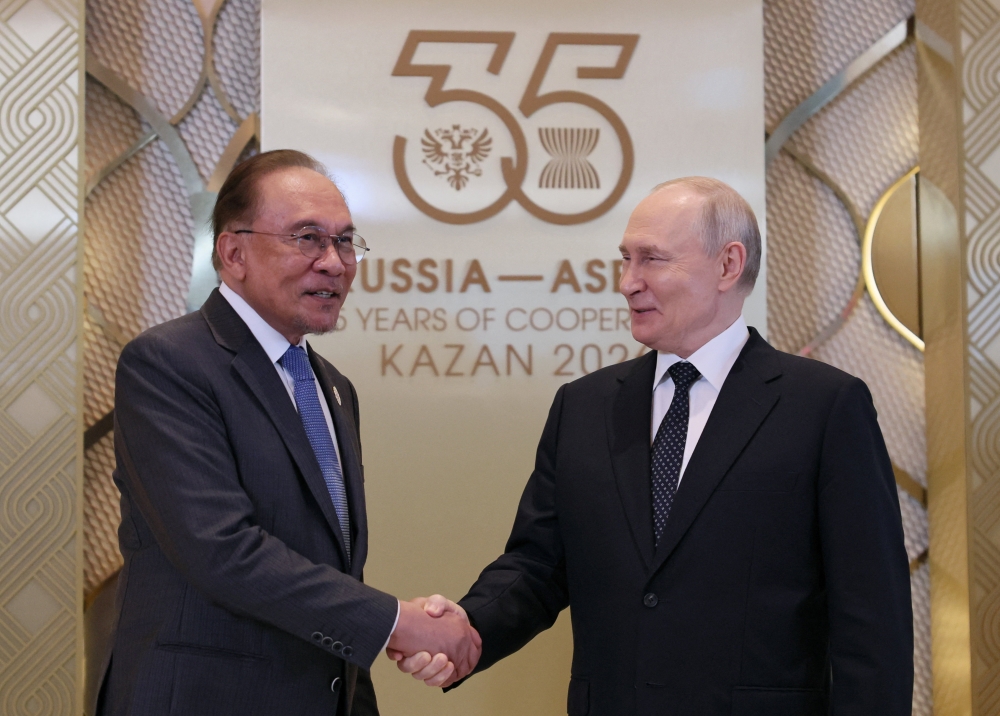
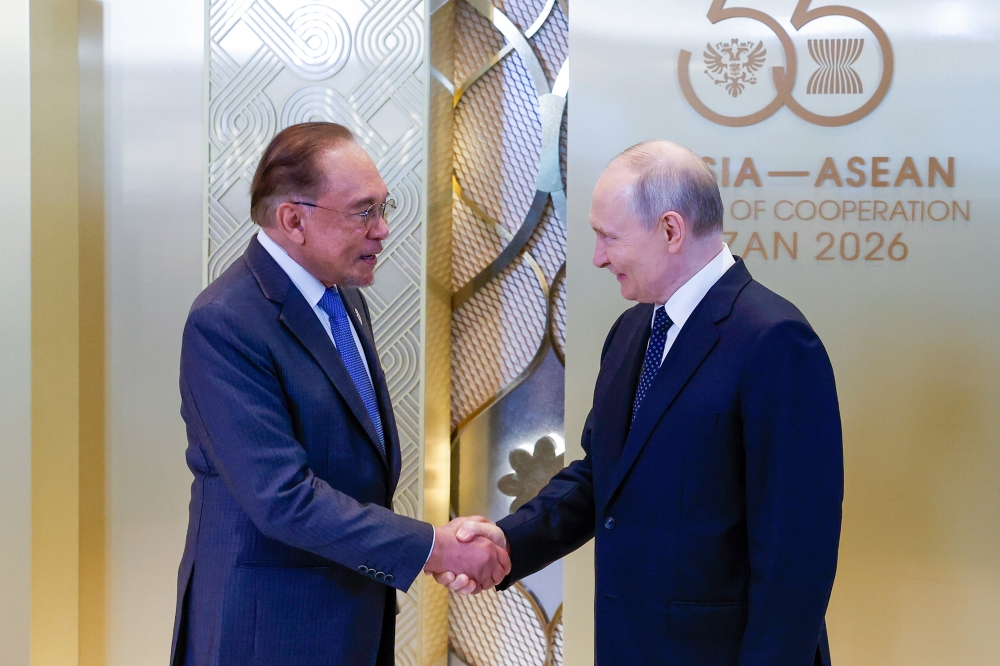
Putrajaya names three Malaysian firms to spearhead Made-In-Malaysia chip project
PUTRAJAYA, May 11 — Prime Minister Datuk Seri Anwar Ibrahim's administration today handed offers to three local firms picked to spearhead the ambitious made-in-Malaysia chip design project, hailing it as a significant step in strengthening the nation’s capabilities in integrated circuit design. Four tokens, including Arm CSS (Compute Subsystems) and Arm Flexible Access (AFA), were granted to Great Asic Technology Sdn. Bhd., SkyeChip Bhd., and Oppstar Technology Sdn. Bhd. “Malaysia has long been known for chip assembly, testing, and packaging activities,” Minister of Economy Akmal Nasrullah Mohd Nasir said at the token handing-over ceremony here. “This strength is important, but the future of the industry cannot stop there. We must move further from back-end to front-end—from merely producing to designing, developing IP, and creating our own technology,” he added. The programmee is part of the strategic partnership between the Malaysian government and Arm Holdings, a UK semiconductor giant with an extensive portfolio of chip design Intellectual Property (IP) that helped build an ecosystem enabling over 350 billion chip-based devices to date. Akmal said the offer opens access to Arm’s computing platforms and intellectual property (IP) portfolio to accelerate the development of local semiconductor products designed in Malaysia. MORE TO COME
11 May 2026
「日本最古のマラソン」にマリオ、水戸黄門らが集結 群馬
11 May 2026
警官が軽トラに発砲、制止振り切り急発進か 公妨容疑で運転の男逮捕
11 May 2026

Takaichi’s Golden Week diplomacy: a cheat sheet
The prime minister's administration used the lull in domestic politics to advance its "Free and Open Indo-Pacific" strategy across Southeast Asia, Africa and Australia.
11 May 2026

El mandato de mezcla: por qué la obligatoriedad no es una imposición, sino una política
Aunque el debate del Proyecto de Ley 443 fue suspendido en la Asamblea Nacional, una pregunta sigue apareciendo con frecuencia: ¿por qué el programa de bioetanol debe ser obligatorio y no quedar a discreción del mercado? La respuesta está respaldada por décadas de experiencia internacional. La obligatoriedad debe entenderse como un instrumento propio de una política pública de carácter nacional. No es una novedad ni una anomalía. En materia de combustibles, la evidencia global demuestra que los programas de biocombustibles —en su etapa de inicio— solo funcionan cuando se aplican bajo un estándar uniforme y obligatorio que garantice eficacia, trazabilidad y cumplimiento. Brasil, Colombia, Indonesia, Tailandia y la Unión Europea, entre muchos otros, iniciaron sus programas exactamente así. Una vez consolidados, introdujeron gradualmente porcentajes adicionales de mezcla, manteniendo siempre un mínimo mandatorio como piso irrenunciable. Lo que muchos no advierten es que en Panamá ya existe un esquema mandatorio en el mercado de gasolinas: el Estado fija las especificaciones técnicas y el marco regulatorio, y el consumidor simplemente elige el octanaje —91 o 95— y la estación de su preferencia. El Proyecto 443 no altera ese principio en absoluto. Mantiene intacta la libertad de elección del consumidor y simplemente incorpora un componente renovable dentro del estándar nacional de combustible, como parte de una política energética moderna. Hacer el programa voluntario, en cambio, generaría problemas concretos en cuatro frentes. El primero es la calidad: si coexistieran dos gasolinas —una con bioetanol y otra sin él— habría que duplicar los controles de trazabilidad y verificación en toda la cadena de suministro, multiplicando los riesgos de adulteración y error. El segundo es la inversión. Aquí conviene precisar un detalle que suele pasarse por alto: el bioetanol no se vende directamente al público, sino al sector de hidrocarburos, que es quien ejecuta la mezcla antes de que el combustible llegue a las estaciones de servicio. Esto significa que, sin un mandato, las empresas del sector no tienen incentivo alguno para incorporar el bioetanol en su operación. No hay demanda que surja espontáneamente del mercado porque el consumidor final nunca tiene la opción de elegirlo por separado. Sin mandato, sencillamente no hay comprador. Esa ausencia de demanda garantizada hace imposible financiar los proyectos de producción y obliga además a duplicar la infraestructura de almacenamiento y distribución, costos que terminarían trasladándose al precio final y haciendo el programa inviable desde el inicio. El tercero es el empleo. Sin una demanda estable y predecible, la actividad económica asociada al programa —empleos rurales, agroindustria, desarrollo territorial— se debilita o desaparece. La generación de empleo es precisamente uno de los pilares que justifica el programa ante la ciudadanía. El cuarto, y quizás el más importante, es el precedente. Ningún país que haya construido un programa exitoso de biocombustibles lo hizo apostando a la voluntariedad. Todos establecieron primero el mercado a través de la obligatoriedad y luego lo profundizaron. Panamá tiene la oportunidad de hacer lo mismo. El Proyecto 443 no le quita nada al consumidor; le ofrece un combustible más limpio, un programa con viabilidad real y una política pública a la altura de lo que el mundo ya sabe que funciona. La autora es directora ejecutiva de la Asociación Industrial de la Caña de Azúcar de Panamá (Azucalpa)
11 May 2026
PSEB 10th result 2026: How to check Punjab matric marksheets on DigiLocker
The Punjab School Education Board will release Class 10 results today. Students can check their marks online on the PSEB website or via DigiLocker. Exams were held from March 6 to April 1, 2026. The board has also implemented an On-Screen Marking system for faster and more accurate evaluation. Original certificates will be distributed later.
11 May 2026

Ex-aide to Teresa Kok claims trial to graft, cheating charges linked to school funding applications
KUALA LUMPUR, May 11 — A former aide to Seputeh MP Teresa Kok pleaded not guilty in the Sessions Court here today to two charges involving cheating and allegedly receiving RM500,000 in gratification linked to school smart board applications, according to Free Malaysia Today (FMT). FMT reported that Edmund Teoh, 40, was accused of deceiving Kok into believing that only two schools in her constituency had applied for funding for interactive smart boards, when in fact 16 schools had submitted applications. According to the report, he allegedly induced Kok to allow him to process the applications through the MyKhas system under the Mesra Rakyat programme. The offence was allegedly committed at Kok’s service centre at Sri Desa Entrepreneurs Park in Kuchai Lama in June 2024. The charge was framed under Section 417 of the Penal Code, which carries a jail sentence of up to five years, a fine, or both upon conviction. Teoh also faced a charge of allegedly receiving RM500,000 from one Ainuddin Aminuddin, 36, as an inducement to help secure smart board supply contracts for 16 schools in Seputeh through TMTIT Solutions, a company owned by Ainuddin’s wife. According to FMT, the alleged offence took place at a Shell petrol station in Kuchai Lama on August 12, 2024. The charge was framed under Section 16(a)(A) of the Malaysian Anti-Corruption Commission (MACC) Act 2009 and punishable under Section 24(1), which carries a jail term of up to 20 years and a fine of at least five times the value of the bribe or RM10,000, whichever is higher. Teoh pleaded not guilty before Sessions Court judge Suzana Hussin, FMT reported Deputy public prosecutor Julaila Jamaluddin proposed bail at RM150,000, along with additional conditions including surrendering his passport, monthly reporting to MACC and refraining from contacting prosecution witnesses. Defence counsel MN Lo, however, requested lower bail, saying Teoh’s surety could only afford RM30,000. Lo also told the court his client currently works with a p-hailing company earning about RM4,000 a month and had cooperated fully with investigators. Judge Suzana allowed bail at RM60,000 with the additional conditions requested by the prosecution, and fixed July 3 for mention.
11 May 2026

Tính từ là gì? Cách dùng, phân loại và vị trí của tính từ trong câu
Tính từ là thành phần quan trọng giúp câu văn trở nên rõ nghĩa và sinh động. Vậy tính từ là gì? Có những loại tính từ nào?
11 May 2026

Gov't to crack down on fraudulent 'perfect score' apartment application winners
The government will look into all "perfect-score" winners in apartment applications since July last year to see if any foul play was involved, officials said Monday, amid complaints that perfect scores should be rare in principle but too many such cases have been reported. In Korea, those wanting to buy newly built apartments should file applications in usually highly competitive processes, and winners are determined by lottery weighted by points based on how long they have been living without owning homes and how many dependents are in their families. The system is designed to give priority to those in real need of homes. Perfect scores should be rare because the size of a family living together for the full score is seven, which is not common in a nation where household sizes have become increasingly smaller. But the Office for Government Policy Coordination said Monday that the country has seen a series of "unrealistic" score winners recently. "We will carry out an intensive inspection of fraudulent applicants in cooperation with related ministries and agencies," the office said in a
11 May 2026

Shifting dynamics of power
The global economic landscape of early 2026 presents a compelling duality. The metrics of “nominal value” and “purchasing power” have diverged, defining two distinct economic realities. As of the first quarter of 2026, the United States remains the world’s largest economy in nominal terms, underpinned by a resilient domestic market and the residual effects of inflation. The Bureau of Economic Analysis’s (BEA) advance estimate, released on April 30, placed US nominal growth at an annualised rate of 5.6 per cent, while real growth stood at 2pc — a gap of 3.6 percentage points that closely mirrors the annualised increase in the gross domestic product price index, the BEA’s broadest measure of inflation. This divergence has widened the gap between nominal and real expansion, reinforcing America’s lead in current-dollar terms. Yet, nominal supremacy offers only a partial view of economic strength. A unit of currency in Shenzhen or Mumbai can mobilise far greater real resources than its equivalent in New York or London; this explains the growing economic confidence across Asia While the International Monetary Fund’s (IMF) latest estimates place the US economy at approximately $32.38 trillion for the full year 2026 at market exchange rates, the centre of gravity in terms of physical output continues its gradual shift eastward. Based on official data from the National Bureau of Statistics of China, China recorded real GDP growth of 5pc year-on-year in the first quarter of 2026, with nominal GDP expanding by 4.9pc. With the GDP deflator — the broadest measure of inflation in the national accounts — hovering near zero at approximately -0.1pc, China’s nominal and real growth rates remain closely aligned. This alignment presents a notable contrast: whereas US nominal expansion is partly inflated by price effects, China’s growth more directly reflects gains in real output. According to the IMF’s latest estimates, China’s nominal GDP for 2026 is $20.85tr. A more comprehensive perspective emerges through purchasing power parity (PPP), which adjusts for differences in price levels across countries. On this basis, China has consolidated its position as the world’s largest economy, with an estimated size of approximately $44tr — significantly ahead of the United States. The PPP framework underscores the relative affordability of labour, infrastructure, and energy in emerging economies. A unit of currency in Shenzhen or Mumbai can mobilise far greater real resources than its equivalent in New York or London. This differential helps explain the growing economic confidence across large parts of Asia. India illustrates this trend with clarity. With nominal growth estimated at 8.8pc in the first quarter of 2026, its PPP-adjusted economy has expanded to roughly $18.9tr, making it the third largest globally on this measure. For populations in these two large economies and others on the PPP scale of measuring GDPs, nominal exchange rates are often secondary to lived economic experience. Expanding infrastructure, rapid digital integration, and rising industrial output contribute to a tangible sense of forward momentum that is less dependent on dollar-based comparisons. In contrast, several European economies continue to experience subdued growth. Germany recorded a marginal expansion of around 0.3pc, while France remained broadly flat. As inflation stabilises, the gap between nominal and real growth has narrowed; however, these economies face mounting competitive pressure from both high-value US innovation and large-scale Asian manufacturing. Russia presents a distinct case. Despite ongoing sanctions, it remains among the largest economies globally in PPP terms, supported by domestic resource endowments, import substitution, and relatively lower internal cost structures. The United States continues to lead the “financial race,” where the strength of the dollar, the depth of its capital markets, and its dominance in high-value services underpin its position. Meanwhile, the “production and consumption race” has increasingly shifted toward economies that benefit from strong PPP advantages. Yet, a third — less quantifiable — dimension is becoming equally significant: a “confidence race.” This dimension reflects a country’s ability to convert economic capacity into geopolitical influence. Military capability remains central. The United States retains unmatched global reach, but regional powers are steadily strengthening their strategic positions. Iran has demonstrated how asymmetric capabilities can extend influence beyond conventional economic limits, while Israel combines advanced technology with highly developed defence systems to maintain a decisive qualitative edge. Pakistan’s role is defined less by economic scale and more by strategic geography and security capacity. Its location at the intersection of South Asia, Central Asia, and the Middle East — combined with its growing defence capabilities — ensures continued geopolitical relevance. The Gulf Cooperation Council states offer yet another model. Economies such as Saudi Arabia and the United Arab Emirates are deploying energy revenues and sovereign capital to diversify, invest in advanced technologies, and position themselves as global logistics and financial hubs. Diplomacy is also evolving. Rather than fixed alignments, many states are increasingly pursuing flexible, interest-driven partnerships. This emerging pattern of “multi-alignment” allows countries to engage simultaneously with competing global powers, maximising both economic and strategic returns. Countries such as India, Turkey, Saudi Arabia, United Arab Emirates, Indonesia, Brazil and Pakistan exemplify this trend. These trends suggest that global power is no longer defined by a single metric. Instead, it rests on the interaction of three forces: financial strength, productive capacity, and strategic confidence. Published in Dawn, The Business and Finance Weekly, May 11th, 2026
11 May 2026

Woman who stole buns for husband with dementia gets help
An woman in her 80s who stole five red bean buns for her ailing husband will receive government support instead of facing criminal punishment, police said Monday. Officers at Goyang Police Station received a theft report at around 2 p.m. on April 2 involving an elderly woman who had taken five sweet red bean buns without paying. She was found to be a recipient of National Basic Livelihood Security benefits, a state welfare program that subsidizes living costs for low-income households. Police al
11 May 2026

Stability as strategy in an energy crisis
This is the third global energy shock in less than two decades. For Pakistan, where imported fuel underpins much of the economy, the impact is invariably sharper than for most peers. The previous shocks in 2008 and 2022 did more than raise prices. They destabilised growth, strained external balances and reshaped politics. As the current crisis unfolds, the central question is whether policymakers will finally break from a pattern of costly, short-term fixes. The first episode, in 2007–08, was particularly severe. Oil prices doubled between June 2007 and June 2008. Prior to the surge, Pakistan’s economy was in relatively comfortable shape. Foreign exchange reserves stood at over $13 billion, covering more than 30 weeks of imports. Growth averaged nearly six per cent in preceding years, the currency was stable, and equity markets were buoyant. As the shock coincided with an election cycle, the government chose not to pass on the full burden to consumers, absorbing the increase through subsidies. The consequences were severe. Coupled with significant political instability, foreign direct investment declined by more than 20pc. Foreign exchange reserves fell to just over $5bn. In response to a deep balance-of-payments crisis, the State Bank raised the policy rate to 15pc and above, while introducing tighter import controls. Although global oil prices dropped below $40 per barrel in August 2008, inflation remained in double digits from 2008 to 2011, and many of the regulatory duties introduced at the time continue to persist. Since that period, Pakistan’s exports, which were growing at double-digit rates from 2001 onwards, began to stagnate, and Pakistan has fallen seriously behind its peers. Excessive tightening now could discourage investment, raise borrowing costs, and disrupt business activity, especially for smaller firms The 2022 shock, triggered by the war in Ukraine , followed a similar pattern. Crude oil prices rose above $120 per barrel, inflation climbed to around 20pc by mid-2022, and a cumulative currency depreciation of 28pc by June 2023 intensified pressures. The import bill expanded sharply, increasing fiscal risks. Yet the policy response repeated earlier mistakes. Rather than allowing domestic prices to adjust, the government sought to shield consumers through fiscal and quasi-fiscal measures. In doing so, it prioritised short-term relief over macroeconomic stability, deepening the vulnerabilities it sought to contain. Ultimately, these pressures proved politically costly, and the government was unable to complete its term. The current crisis, driven by geopolitical tensions and disruptions around the Strait of Hormuz, has already pushed oil prices from around $70 to above $110 per barrel. The government’s initial response has been more measured. Remaining within the International Monetary Fund programme, resisting the reintroduction of large-scale energy subsidies, and not compressing imports are important signals of discipline. However, early restraint will matter only if it is sustained. Familiar pressures are already emerging. There are calls to soften the impact of rising prices, demands for protectionist measures to curb imports, and a tendency toward aggressive monetary tightening. Each of these, if mishandled, risks repeating past mistakes. The lessons from 2008 and 2022 are clear. Subsidising imported energy during a global price shock is ultimately self-defeating. It fuels demand, drains reserves and postpones adjustment at a far higher eventual cost. Similarly, attempts to suppress imports through ad hoc tariffs distort incentives, undermine competitiveness and weaken growth. A credible strategy rests on three pillars. First, maintain price signals. Domestic energy prices must reflect global realities while protecting the most vulnerable through targeted, transparent support rather than blanket subsidies. Second, preserve external stability by avoiding measures that further isolate Pakistan’s economy, particularly its international trade. Third, continue structural reforms that improve energy efficiency and diversify supply sources, including greater reliance on renewables. Monetary policy needs to be handled with care. While some tightening may be necessary to keep inflation in check, going too far could slow growth and increase unemployment at a time when the economy is only beginning to recover. This balance is evident in the industrial sector. Even though overall industrial value added declined by 1.65pc in 2024 to 2025, recent data show a strong rebound, with production growing by 9.4pc in the first quarter of FY26, reflecting renewed momentum and confidence. However, this recovery is still fragile and uneven, and it depends on supportive financial conditions and steady demand. Excessive tightening now could discourage investment, raise borrowing costs, and disrupt business activity, while also weakening exports and manufacturing. Such a response would risk undoing recent gains. The writer currently serves as a WTO Trade Arbitrator and has previously served as Pakistan’s Ambassador to the WTO. Published in Dawn, The Business and Finance Weekly, May 11th, 2026
11 May 2026

Taxing the people — a messy structure
Pakistan’s official tax discourse is mostly structured around a single question: how to collect more revenue. This narrow obsession with short-term revenue targets has produced a deeply distorted tax system that undermines growth, penalises documentation and increasingly shifts the burden onto those who are already visible, compliant and easy to tax. Instead of broadening the tax base through structural reform, successive governments have relied on incremental, often distortionary measures, such as higher rates, additional levies, withholding taxes, and temporary surcharges, to squeeze immediate revenue from the formal economy. Inevitably, the result is a regressive tax structure where compliant firms, salaried individuals and documented businesses shoulder a disproportionate burden while politically protected and informal sectors, including agriculture, retail, real estate and large parts of the services sector, remain lightly taxed despite their substantial contribution to GDP. This imbalance is not accidental. It reflects deeper political economy distortions in which the state taxes what it can easily monitor rather than what it should tax. Weak enforcement capacity, fragmented administration and elite capture have allowed large sectors of the economy to remain under-taxed while the burden on documented taxpayers continues to intensify. Lower, simpler taxes, with broader documentation, could generate stronger long-term revenues The result is a vicious cycle. Higher tax rates encourage informality, while informality narrows the effective tax base further, forcing authorities to extract even more from existing taxpayers. Consequently, revenue extraction has replaced actual tax reform. Pakistan’s sales tax regime has evolved into another example of how poorly designed taxation creates distortions not only for businesses but also for consumers. The ongoing debate around expanding the Third Schedule of the Sales Tax Act 1990 offers an important illustration of this problem. The government is reportedly considering bringing more fast-moving consumer goods under the Third Schedule, where sales tax is charged based on the printed maximum retail price rather than through the conventional value-added system. Products such as cooking oil, dairy items, flour, frozen foods, tea whiteners and infant formula are expected to be added to the list after authorities observe stronger revenue performance from items like coffee already included under the regime. Under the Third Schedule, tax is collected upfront at the manufacturing or import stage based on the printed retail price, reducing opportunities for under-invoicing and leakage further down the supply chain. For tax authorities struggling with an overwhelmingly undocumented retail sector, this offers predictability and administrative simplicity. But the significance of the issue extends beyond revenue collection. The current sales tax system exposes a deeper structural flaw in Pakistan’s approach to taxation: consumers themselves remain largely invisible in policy design. Under the standard value-added sales tax framework, many everyday products do not carry clearly printed retail prices. In an economy where a large majority of retailers operate informally and outside effective regulatory oversight, this creates significant room for arbitrary pricing and overcharging. Consumers frequently purchase essential items without knowing the actual intended retail price or whether excessive markups have been added at the retail stage. In practice, this means consumers bear the burden of a dysfunctional tax and distribution system without even receiving basic price transparency in return. The Third Schedule addresses this issue by requiring retail prices to be printed directly on packaging. While designed primarily as a tax administration tool, it inadvertently introduces an important consumer protection mechanism. A visible printed price reduces informational asymmetry between retailer and buyer, limits arbitrary markups and creates greater transparency at the point of sale. This matters particularly in the case of food and milk-related products, where frequent price changes directly affect household budgets already under severe pressure from inflation and stagnant incomes. The irony is that Pakistan’s tax system often imposes substantial burdens on documented manufacturers while failing to protect either compliant businesses or consumers. Similarly, weak enforcement allows large wholesale and retail markets to remain outside the tax net, while compliant firms face increasing compliance costs, delayed refunds and multiple layers of taxation. As such, formal businesses absorb the cost of compliance, consumers face opaque pricing, and informal sectors continue operating with minimal accountability. A sustainable tax system should not merely maximise extraction from documented sectors. It should promote fairness, simplicity, transparency and economic expansion. Excessive complexity discourages documentation, weakens compliance incentives and undermines public trust in the fiscal system. The proposals put forward by the Overseas Investors Chamber of Commerce and Industry recently to simplify taxes, lower rates, and rationalise the sales tax regime reflect recognition that Pakistan’s current framework is economically unsustainable. Lower, simpler taxes, combined with broader documentation, can potentially generate stronger long-term revenues than increasingly punitive rates imposed on a shrinking compliant base. Equally important, tax policy must begin recognising consumers as stakeholders rather than passive revenue sources. Published in Dawn, The Business and Finance Weekly, May 11th, 2026
11 May 2026

Cotton stocks at ‘lowest ebb’ ahead of ginning season
LAHORE: The cotton sector is facing an unprecedented supply crisis as stocks in the country have reportedly fallen below 10,000 bales before the start of the new ginning season, raising fears that some textile mills may partially shut down in the coming weeks due to cotton shortages. It is perhaps the first time in the country’s history that cotton inventories had dropped to such critically low levels ahead of the new crop season. The closure of the Pakistan-Afghanistan border earlier prevented nearly 500,000 cotton bales from entering Pakistan from Afghanistan, while the subsequent US-Israeli-launched war against Iran disrupted cotton imports, worsening supply problems for domestic textile mills. As a result of this, cotton prices surged during the past week to Rs22,000 per maund and up to Rs23,500 per maund on deferred payment. The new cotton ginning season in the country is expected to begin immediately after Eidul Azha, while full-scale arrivals of the new crop would likely start in the third week of June, bringing relief to textile mills through improved cotton availability. Cotton Ginners Forum Chairman Ihsan ul Haq has stressed the need for emergency measures to make the country self-sufficient in cotton production, particularly by imposing a complete ban on sugarcane cultivation in designated cotton zones. He has argued that such measures could significantly reduce cotton and edible oil imports, saving billions of dollars annually in foreign exchange. Referring to regional developments, he said India had to import large quantities of cotton this year due to extraordinary exports of cotton yarn to China. Following that situation, the Indian government had allocated over Rs56 billion for a major cotton production enhancement programme from 2026-27 to 2030-31. The Indian initiative aims to develop high-yield, climate-resilient and extra-long staple cotton seed varieties, while more than 2,000 ginning and processing factories across India would also be upgraded. The programme targets increasing India’s annual cotton production to 49.8 million bales by 2031. Likewise, New Delhi has also earmarked over Rs17 billion to compensate farmers if cotton market prices fall below officially announced support prices. Meanwhile, cotton sowing is currently underway in most cotton-growing regions of the country and growers are facing a sharp rise in agricultural input costs, particularly diesel, electricity and fertilisers. DAP fertiliser prices have climbed to a historic high of Rs16,000 per bag, while urea prices have gone up to Rs4,500 per bag. Lower fertiliser usage due to rising costs could reduce per-acre cotton yields, potentially lowering overall national cotton production below expectations and forcing Pakistan to once again rely heavily on cotton and edible oil imports. Published in Dawn, May 11th, 2026
11 May 2026
住宅の寝室から高校生2人搬送、病院で死亡確認 いずれも胸に外傷
11 May 2026
AI時代の就活、働くとは エヌビディア幹部が母校で就活生に語る
11 May 2026
選択的夫婦別姓、自民支持層も45%賛成 議員と乖離 朝日東大調査
11 May 2026

Nos estamos olvidando de estar
Hubo un tiempo en que muchas conversaciones ocurrían sin prisa y algunas visitas no necesitaban motivo. Las familias encontraban espacios para compartir aun en medio de las dificultades, y ciertas cosas simples parecían tener un valor distinto. Hoy, mientras todo continúa avanzando rápidamente, a veces surge una sensación difícil de explicar: pareciera que la vida comenzó a moverse más rápido que nuestra capacidad de permanecer presentes. La modernidad transformó la manera de vivir, trabajar y comunicarnos. Todo parece inmediato. Las respuestas llegan rápido, las noticias recorren el mundo en segundos y las personas permanecen conectadas casi todo el tiempo. Sin embargo, en medio de tantos avances, también comenzó a sentirse un cansancio distinto, uno que no siempre se refleja físicamente, pero que termina ocupando silenciosamente la vida emocional de muchas personas. Tal vez por eso ciertos recuerdos conmueven tanto. Una fotografía antigua, una carta guardada o una conversación familiar pueden traer de vuelta memorias e historias del pasado que parecían haberse quedado atrás. No porque la vida fuera perfecta, sino porque todavía existían pausas humanas más naturales y una manera diferente de compartir el tiempo. Poco a poco también cambió la forma de comunicarnos. Muchas palabras dejaron de escribirse. Las conversaciones comenzaron a llenarse de emojis, stickers , imágenes reenviadas, videos ajenos y respuestas rápidas, mientras las historias personales, las anécdotas familiares y los pensamientos propios parecían ocupar cada vez menos espacio. Incluso algunas llamadas terminaron convirtiéndose en conversaciones breves, interrumpidas por el cansancio, las ocupaciones o la falta de tiempo. A veces basta escuchar un “ahora te llamo” para entender cuánto ha cambiado la manera en que muchas personas se relacionan emocionalmente. ¿En qué momento dejamos de conversar sin mirar el reloj? ¿Cuándo comenzamos a tener menos tiempo precisamente para quienes más amamos? ¿Cuántas historias familiares quedaron sin contarse mientras todo continuaba avanzando rápidamente? Y, aun así, el tiempo continúa moviéndose. La modernidad avanzó de manera impresionante. Sin embargo, en medio de tantos cambios, pareciera que poco a poco comenzamos a perder espacios para compartir, escuchar y permanecer cerca de quienes forman parte de nuestra vida. Quizás todavía estamos a tiempo de recuperar pequeñas cosas que parecían simples y hoy empiezan a sentirse valiosas: escribir más palabras propias, conversar sin apuro, visitar más, escuchar mejor y volver a compartir presencia real con quienes forman parte de nuestra historia. Porque hay ausencias que no comienzan cuando alguien se va, sino lentamente, cuando dejamos de estar presentes en la vida de quienes un día estuvieron siempre para nosotros. Tal vez por eso ciertos tiempos y memorias terminan volviéndose irrepetibles. La autora es educadora.
11 May 2026

La Chine confirme la visite de Trump du 13 au 15 mai
Il s'agira de la première venue d'un président américain en Chine depuis 2017.
11 May 2026

Trump rejects ‘unacceptable’ Iranian terms for ending war
• Iran conveyed response via Pakistani mediators • Officials say Tehran wants to focus on ending hostilities, leaving ‘contentious’ matters like sanctions relief, N-issues for later • Pezeshkian says dialogue ‘does not mean surrender or retreat’; Khamenei meets military commander • After Washington meetings, Qatari PM discusses diplomatic efforts with PM Shehbaz WASHINGTON/ISLAMABAD: President Donald Trump has rejected Iran’s formal response to the latest US proposal, conveyed through Pakistani mediators, aimed at ending the ongoing Gulf conflict, as diplomatic efforts become increasingly strained amid continued military preparations and repeated ceasefire violations across the region. “I have just read the response from Iran’s so-called ‘Representatives.’ I don’t like it TOTALLY UNACCEPTABLE,” Trump posted on his Truth Social platform, without providing details of the response. Iranian state media, however, mentioned the response focused on ending the war on all fronts, especially Lebanon, and on the safety of shipping through the Strait of Hormuz. Prime Minister Shehbaz Sharif earlier at a ceremony in Islamabad, held to mark the one-year anniversary of Pakistan’s victory over India, said he had been told by Field Marshal Asim Munir that “we have received Iran’s response”. “I cannot go into more detail. I commend the efforts of Deputy Prime Minister Ishaq Dar and congratulate Field Marshal Asim Munir, who has dedicated himself [to this cause],” he added. Reuters quoted a Pakistani government official involved in the talks as saying that Islamabad sent Iran’s response to the US proposal soon after receiving it. Also, Iranian state media reported Tehran’s reply to the American draft was handed over to Pakistani intermediaries after the completion of internal consultations and final review by the Iranian leadership. “The response of the Islamic Republic of Iran to the latest proposed text by the US for the end of the war was sent today to the Pakistani mediator,” the Iranian Foreign Ministry said in a statement carried by official media. According to Iranian officials, Tehran proposed that the current phase of negotiations may focus primarily on ending hostilities in the region, while more contentious matters, including sanctions relief and the nuclear issue, could be addressed at later stages. Another Iranian source said that Tehran’s response was positive and the ball was now in Washington’s court. He hoped that the reply could pave way for resumption of dialogue in coming days. The official said that the response is backed by political consensus within Iran. Distrust of the US, meanwhile remains deeply entrenched in Iranian psyche. Iran’s envoy to Beijing in a post on X said that any potential agreement “must necessarily” be guaranteed by China and Russia as influential powers, besides its validation by United Nations Security Council. In a post on X hours after the response was conveyed, Iranian President Masoud Pezeshkian wrote that negotiation does not mean surrender or retreat. “We will never bow our heads before the enemy, and if talk of dialogue or negotiation arises, it does not mean surrender or retreat. Rather, the goal is to uphold the rights of the Iranian nation and to defend national interests with resolute strength,” he wrote on X. Military commander meets Khamenei The diplomatic move came hours after Major General Ali Abdullahi, commander of Iran’s Khatam al-Anbiya Central Headquarters, met Supreme Leader Ayatollah Seyyed Mojtaba Khamenei and briefed him on the preparedness of the country’s armed forces. Iranian media reported that Gen Abdullahi presented an assessment of the combat readiness of the army, the Islamic Revolutionary Guard Corps, law enforcement units, border forces, the Defence Ministry and the Basij force. The commander said Iranian forces remained fully prepared “in terms of combat morale, defensive and offensive readiness, strategic plans and equipment” to confront what he described as “American-Zionist enemies”. He warned that any “strategic error or aggression” by the United States or Israel would be met “quickly, intensely and powerfully”. According to the Iranian account, Ayatollah Khamenei praised the armed forces and ordered new measures to continue confronting adversaries forcefully, building on previous wartime directives during what Iranian officials have termed the “Third Imposed War”. The latest diplomatic exchanges took place amid persistent tensions despite a fragile ceasefire that has repeatedly come under pressure, particularly in the Gulf waters and on the Lebanon front. Diplomatic contacts intensify Over the weekend, US officials held consultations with Qatari leaders before Qatar’s Prime Minister and Foreign Minister Sheikh Mohammed bin Abdulrahman Al Thani telephoned Prime Minister Shehbaz Sharif. According to a statement issued by the Prime Minister’s Office on Sunday, the two leaders reviewed the evolving regional situation and ongoing peace efforts. PM Shehbaz appreciated Qatar’s “continued and steadfast support” for Pakistan’s peace initiatives, while both sides underlined the importance of constructive engagement to ensure success of diplomatic efforts. Qatar recently stepped up its role as a complementary mediator to that of Pakistan-led ‘quartet’ comprising Pakistan, Egypt, Saudi Arabia, and Turkiye, which launched the broader Islamabad process. This development also aligns with a broader regional dynamic, wherein alongside Oman, Qatar has long served as one of Tehran’s preferred interlocutors in the Persian Gulf for sensitive issues. In this context, Tehran’s decision to permit the passage of a Qatari LNG tanker through the Strait of Hormuz, with the shipment destined for Pakistan, carries a symbolic message serving as a quiet signal of goodwill that simultaneously benefits Pakistan, reinforces Qatar’s bridging role, and underscores the interconnected nature of the current diplomatic efforts. With input from Syed Irfan Raza in Islamabad and Anwar Iqbal in Washington Published in Dawn, May 11th, 2026
11 May 2026

Video: Turkish Airlines plane tyre catches fire during landing in Kathmandu
11 May 2026
高市首相、憲法改正議論に期待感 参院選「合区」解消を項目に
11 May 2026
Hegseth rejects senator’s claims US munitions are depleted
Hegseth rejects senator’s claims US munitions are depleted US Secretary of War Pete Hegseth rejected claims by Democratic Senator Mark Kelly that American munitions stockpiles had been significantly depleted by the war involving Iran. Writing on X, Hegseth criticised Kelly, a retired Navy captain, accusing him of speaking publicly about what he described as a classified Pentagon briefing. The exchange followed Kelly’s interview with CBS News, in which the senator said the Pentagon had informed lawmakers that the United States had “expended a lot of munitions”. Kelly warned that the situation left the US “less safe”, adding that replenishing the stockpile could take “years” and could undermine Washington’s readiness for a potential conflict with China.
11 May 2026
PSEB Class 10 result 2026 today: When and where to check Punjab Board matric marksheets
The Punjab School Education Board will release Class 10 results today, May 11, at 12:30 pm. Students can check their marksheets on the official PSEB website or DigiLocker. Exams were held from March 6 to April 1, 2026. A helpline is available for students experiencing stress. Last year's pass percentage was 95.61 percent.
11 May 2026
Iran’s Araghchi holds talks with Dutch foreign minister
Iran’s Araghchi holds talks with Dutch foreign minister Iranian foreign minister Abbas Araghchi held a phone call with Dutch foreign minister Tom Berendsen to discuss bilateral ties and the latest regional and diplomatic developments, according to Iranian state media. IRIB said in a post on its Telegram channel that the two officials exchanged views on issues related to relations between Iran and the Netherlands as well as ongoing regional tensions. The conversation came hours after Araghchi also spoke by phone with Egyptian foreign minister Badr Abdelatty, as Tehran continues diplomatic outreach amid heightened tensions and negotiations linked to the regional conflict and Iran’s nuclear programme.
11 May 2026

AI wins have Alphabet poised to become world’s biggest company
Over the past year, Alphabet has gone from an artificial intelligence afterthought to the one firm in the market with dominant positions in nearly every aspect of the technology.
11 May 2026
PSEB Class 10th result 2026 today: Official websites to download scorecards here
The Punjab School Education Board will announce the PSEB Class 10 Result 2026 today on its official website, bringing an end to weeks of anticipation among students. Candidates can check scores through the board portal and DigiLocker. Those dissatisfied with their marks will also get an opportunity to apply for re-evaluation or re-checking after the declaration of results.
11 May 2026
Penang has no plans to extend chief minister term limit beyond two terms, says Chow Kon Yeow
GEORGE TOWN, May 11 — The Penang government currently has no plans to amend the chief minister’s two-term limit to 10 years, Chief Minister Chow Kon Yeow said today. Chow (PH–Padang Kota) said the existing provisions in the Penang Constitution are already clear on the limit for holding the post. He said Article 7 Clause 2(a) of the state constitution stipulates that the Yang di-Pertua Negeri shall appoint as chief minister a state assemblyman who commands the confidence of the majority and who has never at any time held the office for two terms. “In situations where the state legislative assembly is dissolved before a term reaches five years, the term ‘two terms’ should be understood as a cumulative calculation of the years involved in the first and second terms,” he said during the state assembly sitting today. He added that while the combined duration of two terms may be less than 10 years, it cannot exceed 10 years. Chow was responding to a question from Lee Khai Loon (PH–Machang Bubuk) on whether the state government was prepared to amend the chief minister’s term limit to 10 years. Penang became the first state in Malaysia to formally legislate a two-term limit for the chief minister’s tenure. The limit was approved through amendments to the Penang Constitution in November 2018 as part of efforts to strengthen political governance in the state. Chow also said Article 19 Clause 3 of the state constitution provides that the legislative assembly shall continue for five years from the date of its first sitting unless dissolved earlier. He said the state government believes the current interpretation of the two-term limit is sufficient and does not require any amendment at this time.
11 May 2026

Budget may include income tax relief amid salary, pension freeze
ISLAMABAD: The government is considering reducing the income tax burden on salaried individuals while refraining from increasing salaries and pensions in the upcoming budget, aiming to provide equitable fiscal relief to both public and private sector employees. Informed sources told Dawn that Finance Minister Muhammad Aurangzeb has expressed a desire to lower tax rates and, if possible, raise the taxable income threshold for the salaried class in recognition of their significant contribution to revenue generation compared to retailers, wholesalers, exporters, and real estate players. On the other hand, the government may keep salaries and pensions unchanged at current levels, using the resulting fiscal savings to provide tax relief instead. “There is no reason to increase salaries if it pushes employees into higher taxable income brackets, leaving government employees with little to no increase in take-home pay,” an official said. He added that with lower tax rates and higher taxable income thresholds, government employees would remain net beneficiaries even without a salary increase. “Government employees would not be worse off financially. That is neither the idea nor the intention,” he said. Government salaries have increased by more than 60 per cent over the past four years, while private sector wages have generally stagnated amid high inflation and lower economic growth. The official said the tax policy office and some independent consultancy firms were working on various proposals to be discussed with the IMF mission during budget consultations beginning on May 15. During this fiscal year, salaried class paid more than double the real estate taxes; even higher than the combined revenue from wholesalers, retailers and exporters In addition, the development programme may be reduced further to a skeleton allocation, although final decisions on income tax, salaries, and development spending will become clearer during discussions with the IMF. Last year, the federal government incurred an additional burden of more than Rs170 billion due to increases in salaries and pensions, while the provincial impact was more than double. An official noted even part of this amount could significantly reduce personal income tax burden. The salaried class reportedly paid more than Rs425bn in taxes during the first three quarters of the current fiscal year — more than double the real estate sector’s contribution of about Rs200bn, and significantly higher than the combined revenue from wholesalers, retailers, and exporters. The salaried class has not only contributed the largest share of revenue but has also faced rising household expenses due to inflation, particularly after the onset of the Middle East crisis. However, the official clarified that salary increases for PSDP-related employees, already notified by the government last month, would remain protected. After a four-year gap, the government last month approved a 20 to 35pc increase in the minimum salaries of employees working on development projects funded through the Public Sector Development Programme (PSDP), effective from July 1, 2026. Their pay packages were last revised on April 1, 2022. Unlike other government employees, PSDP project employees previously faced cuts of up to 28pc in annual increments and 14pc in maximum salaries, according to an office memorandum issued by the finance ministry. During the same period, salaries of all other government employees, including those in finance ministry, increased by more than 60pc. Published in Dawn, May 11th, 2026
11 May 2026

بلجيكا تكرم "مغاربة معركة جومبلو"
نظمت ببلدتي جومبلو وشاستر ببلجيكا، أمس الأحد، مراسم تخليد الذكرى السادسة والثمانين لمعركة جومبلو، التي تخلد، على الخصوص، ذكرى الجنود المغاربة الذين سقطوا في ميدان الشرف من أجل تحرير أوروبا من نير النازية والفاشية. وتم خلال هذه المراسم تكريم الجنود المغاربة الذين قضوا من أجل الحرية، وذلك بموقع الفيلق الرابع للجيش بجومبلو (نصب أيميس التذكاري)، وكذا داخل المقبرة العسكرية الفرنسية بشاستر (40 كيلومترا جنوب بروكسل)، حيث ترقد جثامين مئات الجنود المغاربة. وجرت هذه المراسم بحضور مسؤولين سياسيين ودبلوماسيين وشخصيات مدنية وعسكرية، من بينهم المندوب السامي لقدماء المقاومين وأعضاء جيش التحرير، مصطفى الكتيري، وسفير المغرب ببلجيكا والدوقية الكبرى للوكسمبورغ، محمد عامر، إلى جانب عدد من أفراد الجالية المغربية ببلجيكا. وفي هذين الموقعين الرمزيين للذاكرة، أشادت الشخصيات الحاضرة، ومن ضمنها وزير الدولة البلجيكي أندري فلاهو، ووزير العمل الاجتماعي بحكومة جهة بروكسل-العاصمة، أحمد لعوج، وسفير فرنسا ببلجيكا، كزافييه لابير دو كابان، بالجنود المغاربة، وكذا الجنود الفرنسيين ومن جنسيات أخرى، لما أبانوا عنه من شجاعة وبسالة وتضحيات خلال الحرب العالمية الثانية. وسلط المشاركون في هذه المراسم الضوء على أهمية هذه المعركة، التي تمثل أحد النجاحات التكتيكية النادرة للحلفاء في مواجهة تقدم القوات الألمانية خلال هذه المرحلة من الحرب، فضلا عن قيم التلاحم والاحترام المتبادل التي وحدت رفاق السلاح المغاربة والفرنسيين والبلجيكيين في ساحة المعركة، دون تمييز في الثقافة أو الأصل. وفي كلمة بالمناسبة، أكد السفير عامر أن هذا التخليد لا يشكل فقط مناسبة لتكريم ذكرى معركة خالدة، بل وقبل كل شيء، للتأكيد بقوة على متانة الروابط التي تجمع المغرب وفرنسا وبلجيكا، مشيرا إلى أن ماي 1940 يظل تاريخا “راسخا في الذاكرة، لأنه يؤرخ لانطلاق حملة 1940 ويستحضر شجاعة أولئك الرجال الذين اختاروا الصمود في جومبلو في مواجهة الشدائد، ولو كلفهم ذلك حياتهم”. وأضاف أن “انخراط الجنود الفرنسيين والمغاربة، إلى جانب رفاقهم في السلاح من المغاربيين والأفارقة، كان حاسما في هذه المعركة”، موضحا أن هؤلاء المقاتلين أبانوا عن بطولة أسهمت فعليا في تغيير مجرى الأحداث، في ظروف مناخية وعسكرية بالغة الصعوبة. واعتبر السفير أن هذه الصفحة المجيدة من التاريخ “يجب ألا تبقى حبيسة كتب المختصين ودوائر إحياء الذكرى”، داعيا إلى نقل دروس هذه الملحمة إلى الأجيال الصاعدة من أجل ترسيخ القيم الكونية للشجاعة والتضامن والاحترام بين الشعوب، بما يسهم أيضا في مكافحة الأحكام المسبقة وإبراز أن “التنوع حقيقة تاريخية كرستها أخوة النضال”. من جانبه، أكد الكتيري أن معركة جومبلو ترمز إلى الشجاعة والبطولة التي أبان عنها الجنود المغاربة الأشاوس، استجابة لنداء جلالة المغفور له محمد الخامس لدعم الحلفاء ضد الفاشية والنازية، والدفاع عن حق الشعوب في الوجود والحرية. وأضاف الكتيري في تصريح صحافي، أن تخليد الذكرى السادسة والثمانين لهذه المعركة التاريخية يشكل أيضا مناسبة للتذكير بالدور الذي اضطلعت به المملكة دائما في الصفوف الأمامية للدفاع عن القيم الكونية، إلى جانب الحفاظ على الذاكرة التاريخية الوطنية والذاكرة المشتركة مع البلدان الصديقة. وفي 14 ماي 1940، وبعد مسيرة استغرقت يومين، وصل جنود الفوج السابع من الكتيبة المغربية إلى الجبهة، حيث اشتبكوا مباشرة مع القوات النازية. وقد تحملت الفرقة المغربية الجزء الأكبر من الهجوم الألماني، وتمكنت من الصمود في وجهه رغم الخسائر الفادحة. ورغم نية القيادة العسكرية الفرنسية إصدار أوامر بالتراجع تفاديا للحصار، نجح الجنود المغاربة في صد الهجوم النازي، مضحين بمئات الأرواح، ولا تزال رفات العديد منهم ترقد اليوم في ميدان المعركة بشاستر. The post بلجيكا تكرم "مغاربة معركة جومبلو" appeared first on Hespress - هسبريس جريدة إلكترونية مغربية .
11 May 2026
野菜や果物の保存・下処理方法、スマホで「ぽち」っと解決
11 May 2026

[Event for expats] Driver’s license class for Seoul foreign residents
The Seoul Metropolitan Police Agency will offer basic theory and road safety classes for foreign residents in Seoul to help them obtain a Korean driver’s license. The course covers key information needed for the written exam, the first stage of Korea’s three-step driver’s license test. The program consists of four hours of classes, split into two-hour sessions over two days. Classes will be offered in Korean, English, Chinese and Vietnamese at the Dobong and Gangseo driver’s license examination
11 May 2026
Netanyahu blames social media for declining US support for Israel
Netanyahu blames social media for declining US support for Israel Israeli Prime Minister Benjamin Netanyahu said declining support for Israel in the United States since the war in Gaza began was closely linked to the rise of social media and what he described as effective disinformation campaigns. Speaking to CBS News programme “60 Minutes”, Netanyahu said Israel had taken extensive steps to move civilians in Gaza and Lebanon away from combat zones, but argued that anti-Israel campaigns online had been highly effective. According to a March survey by Pew Research Center, 60 percent of US adults hold an unfavourable view of Israel, while 59 percent expressed little or no confidence in Netanyahu to do the right thing in world affairs. Both figures rose by seven percentage points compared with a year earlier. Netanyahu said the erosion in support for Israel among Americans “correlates almost 100 percent with the geometric rise of social media.” According to a Pew survey published last month, 60% of U.S. adults viewed Israel unfavorably, up nearly 20 points in four years. Israeli Prime Minister Benjamin Netanyahu says the rise of social media is a major reason for this decline. https://t.co/QP4ESNtjGq pic.twitter.com/miCEwFYLX3 — 60 Minutes (@60Minutes) May 10, 2026
11 May 2026

Adidas launches first pet collection in Singapore with mini football jerseys for furry fans
The collection will be available at a pet event at CQ @ Clarke Quay Fountain Square across two weekends from May 15 to 17 and May 22 to 23 before the launch at select Adidas stores and its website and app from May 24.
11 May 2026
横綱・豊昇龍が休場 右太もも裏を痛める 大相撲夏場所
11 May 2026

Odor reported on train near Tokyo, with one person sent to the hospital
Officers from the Kanagawa Prefectural Police department and firefighters rushed to Kawasaki Station on Sunday, with passengers saying they smelled a strange odor.
11 May 2026
Teen charged after he allegedly assaulted Amos Yee
Bosco Chun Ho Wang is accused of assaulting Amos Yee at an anime convention in Suntec Singapore.
11 May 2026

A year after Op Sindoor, Asim Munir at it again, threatens 'painful' retaliation
11 May 2026

6 people found dead in train's boxcar near US-Mexico border: Police
11 May 2026

FM Cho says further, closer examination needed into strike on S. Korean vessel in Hormuz
Foreign Minister Cho Hyun said Monday a closer examination is needed regarding a recent strike on a South Korean vessel in the Strait of Hormuz, as the government has yet to determine who was responsible for the incident. The remarks came after the foreign ministry said Sunday that the strike by two "unidentified airborne objects" was found to have caused an explosion and fire aboard the Panama-flagged cargo ship HMM Namu, operated by the South Korean major shipping firm HMM Co., last week, anno
11 May 2026
Iranian official says response based on regional consultations
Iranian official says response based on regional consultations An Iranian official said Tehran’s response to the American proposal to end the war was “realistic and positive” and focused on ending the conflict across the region, particularly in Lebanon, while resolving disputes with the United States, Al Jazeera reported. The official said the response included negotiations on the Strait of Hormuz, Iran’s nuclear programme and the complete lifting of sanctions. The official added that Tehran’s reply stressed the need for a “clear and guaranteed mechanism” for removing all sanctions, as well as binding international guarantees to ensure implementation of any future agreement with Washington. The source added that the response was based on Iran’s “supreme interests” and consultations with countries across the region.
11 May 2026
中国がトランプ氏訪中を公式発表、13~15日 3月末から延期
11 May 2026